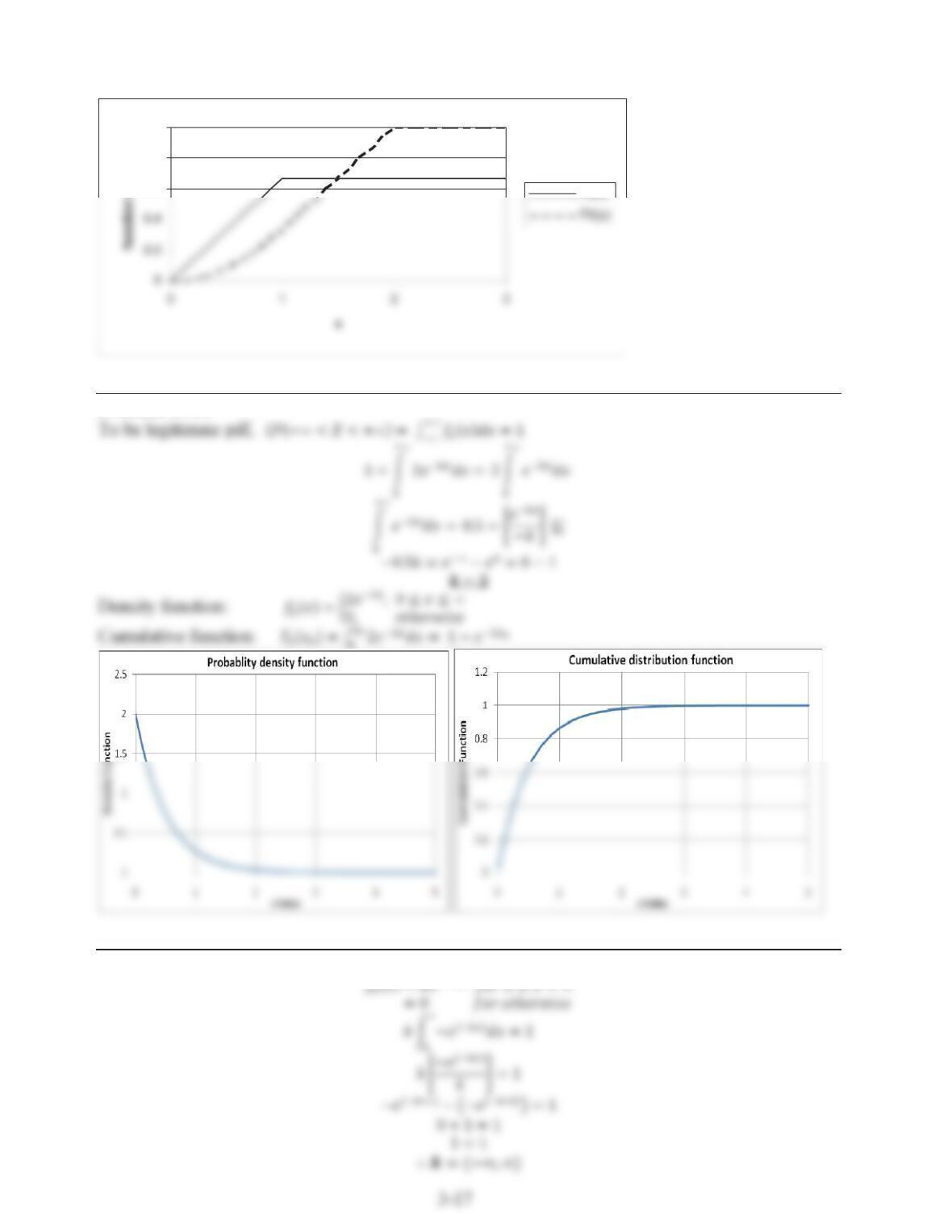
0.6
0.8
1
fX(x)
Problem 3-41.
Problem 3-42. ݂௫ሺݔሻൌ݇݁ሺି௫ሻ݂ݎͲݔ൏
3-18
Problem 3-43.
(a) The probability density function
(b) The cumulative distribution function
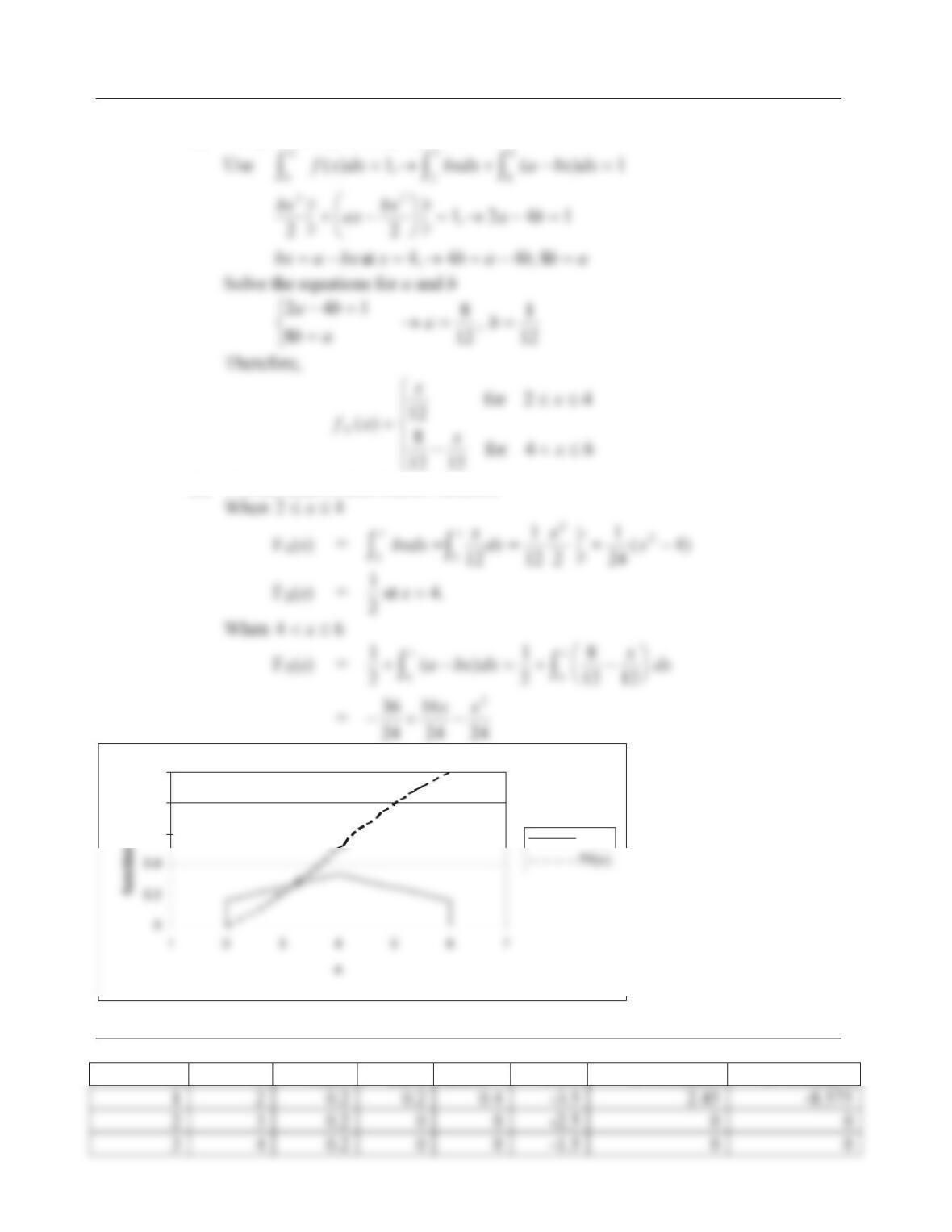
0.6
0.8
1
fX(x)
Problem 3-44.
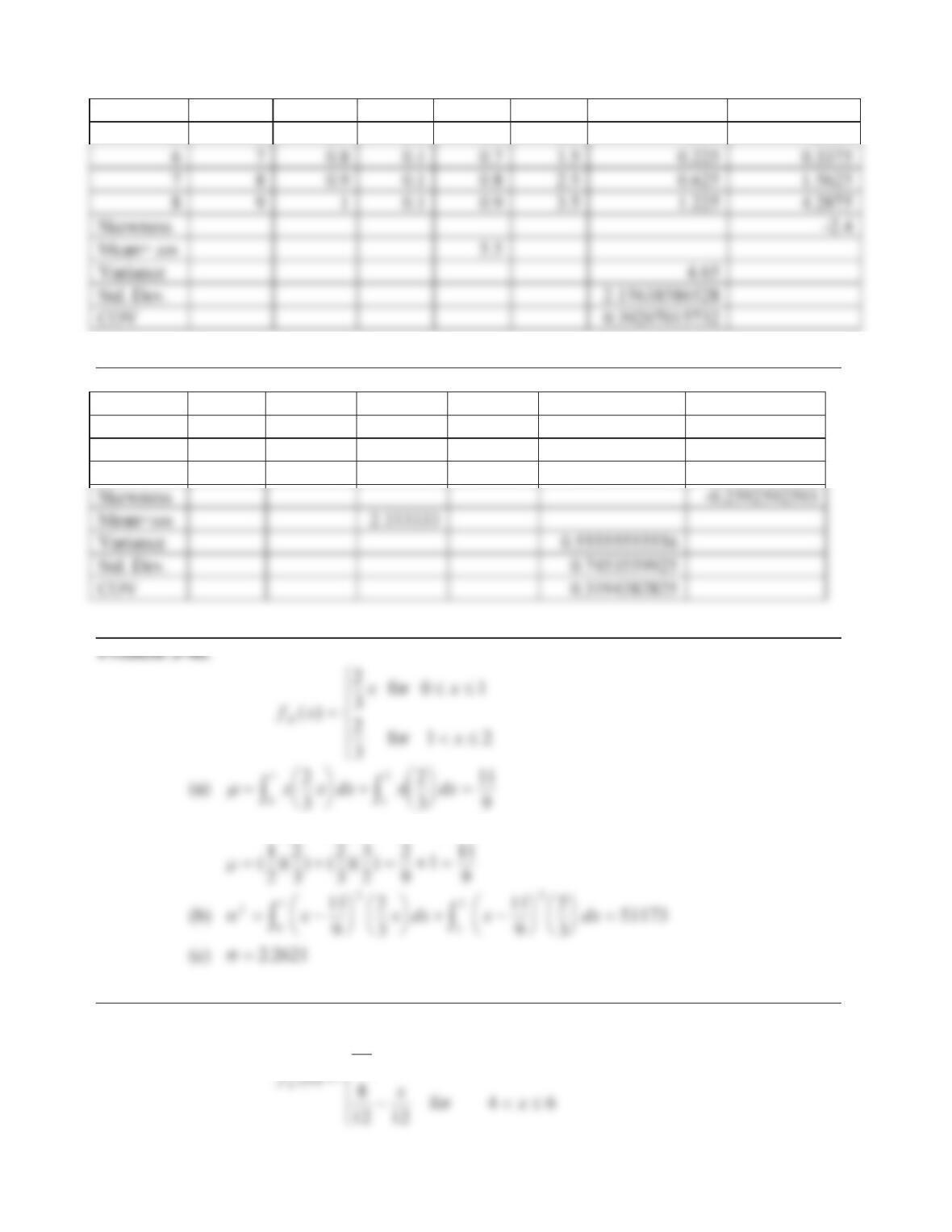
n x F
X
(x) f
X
(x)xf
X
(x) x–xm (x–xm)2f
X
(x) (x–xm)3f
X
(x)
3-19
4 5 0.5 0.3 1.5 -0.5 0.075 -0.0375
5 6 0.7 0.2 1.2 0.5 0.05 0.025
Problem 3-45.
n x P(x) xP(x)x–xm (x–xm)2P(x) (x–xm)3*P(x)
1 1 0.166667 0.166667 -1.33333 0.2962962963 -0.3950617284
2 2 0.333333 0.666667 -0.33333 0.03703703704 -0.012345679
3 3 0.5 1.5 0.666667 0.22222222222 0.14814814815
or from geometry in Problem 319
Problem 3-47.
xx
for
dd
°
°
12 24
3-20
or from geometry in Problem 320 o skewness = 0 (symmetric at x = 4)
Problem 3-48.
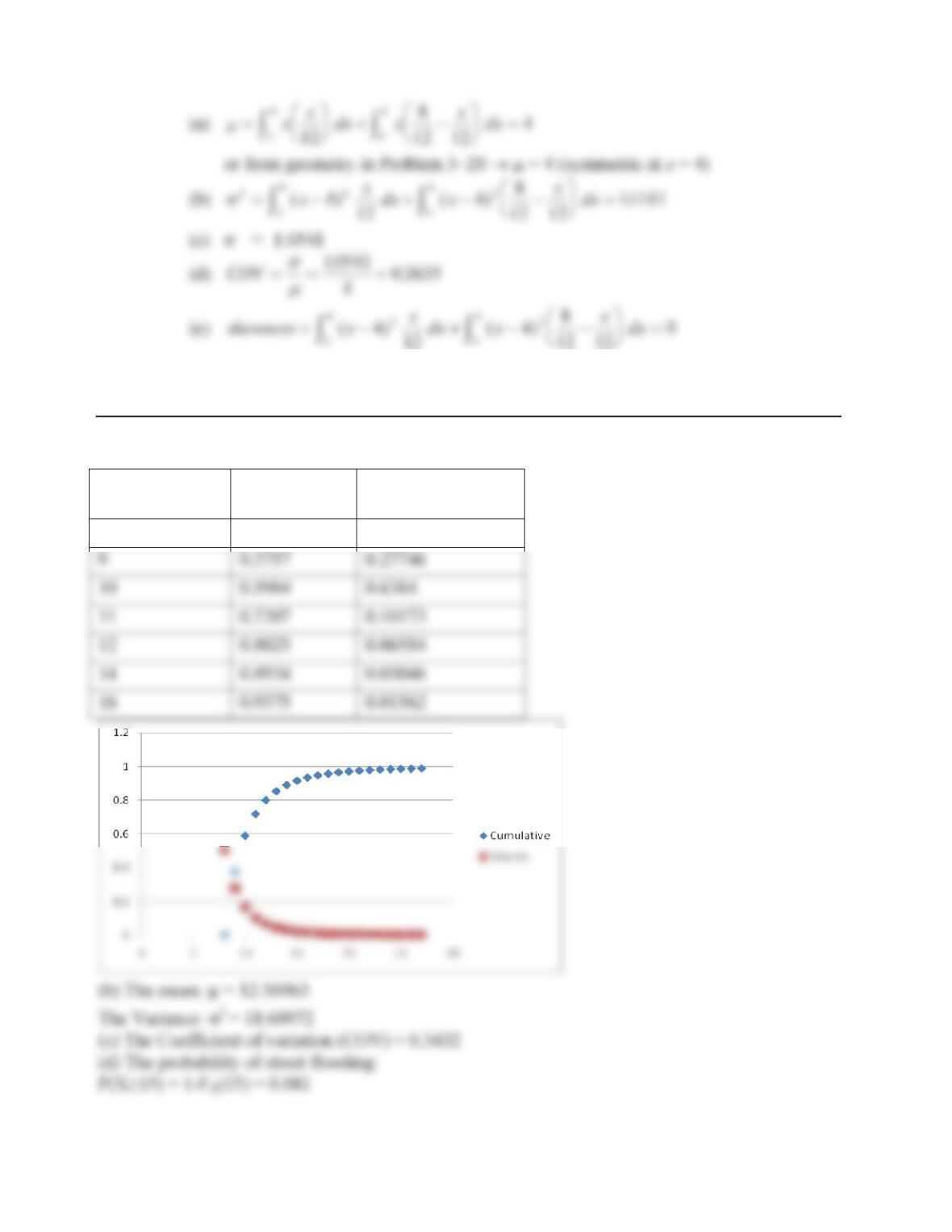
(a) f(x) = 16384/x5
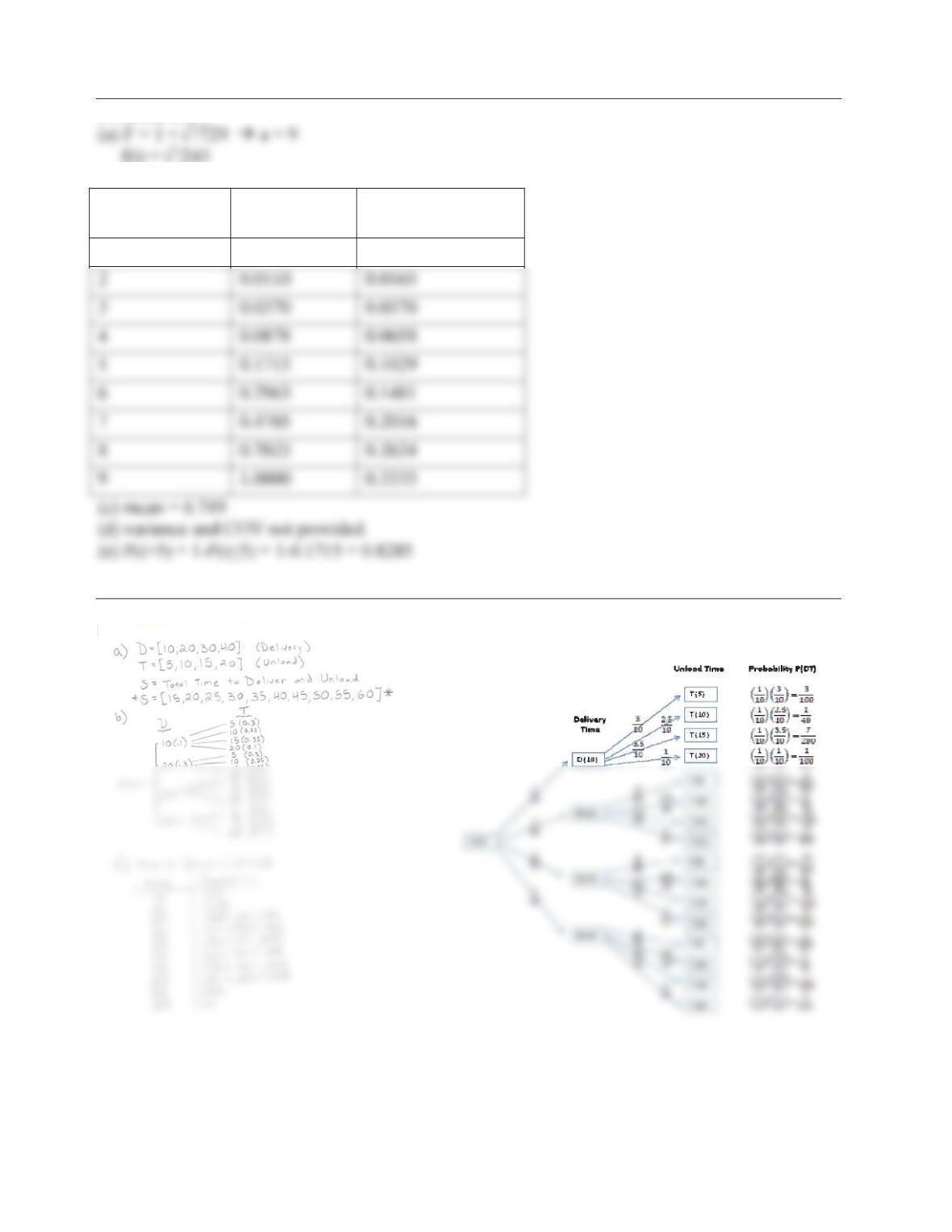
Selected rainfall
value x
CDF F(x) PDF f(x)
8 0 0.5
3-21
Problem 3-49.
(b)
Selected rainfall
value i
CDF F(i) PDF f(i)
1 0.0014 0.0041
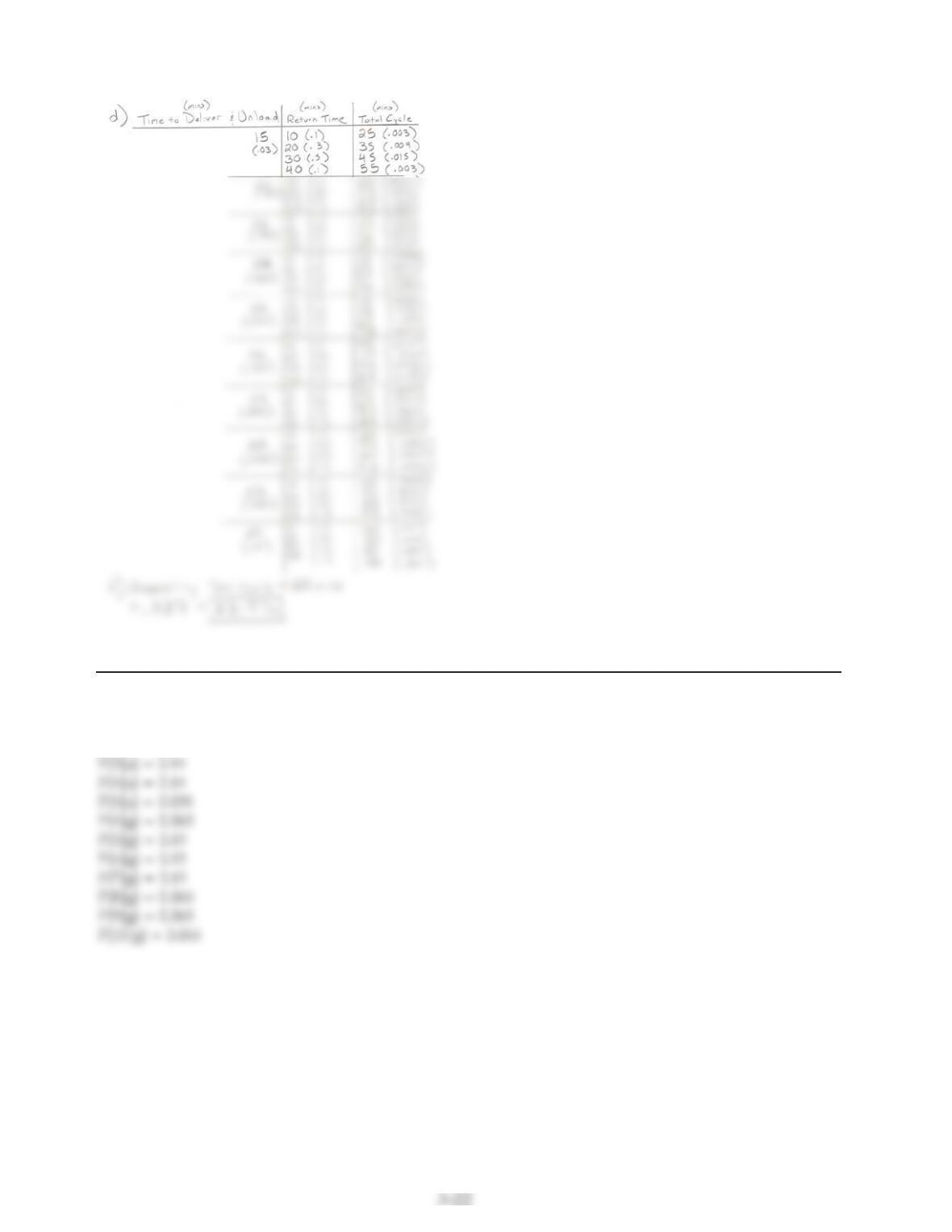
Problem 3-50.
Problem 3-51.
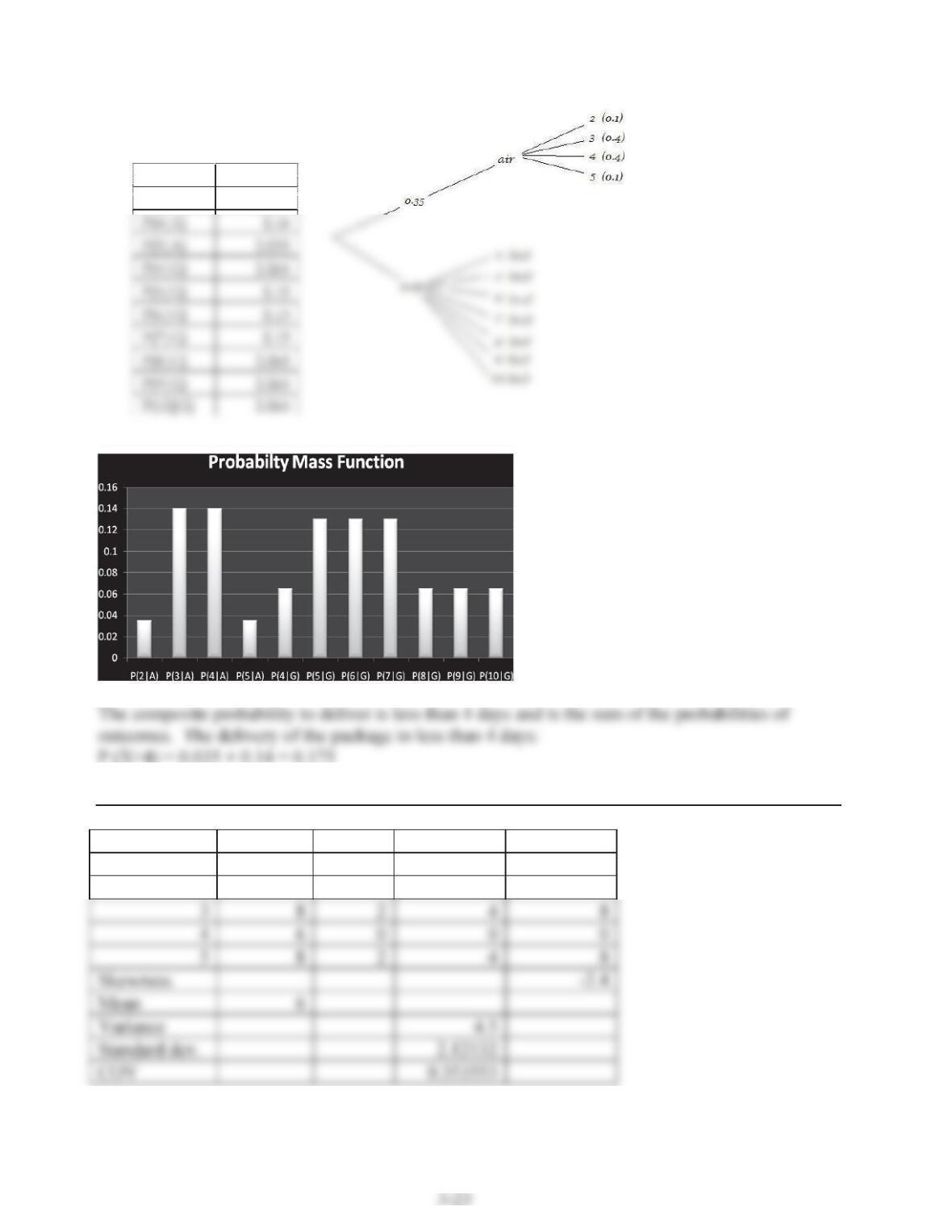
P(a) = 0.35 P(g) = 0.65
P(2|a) = 0.035
Problem 3-52.
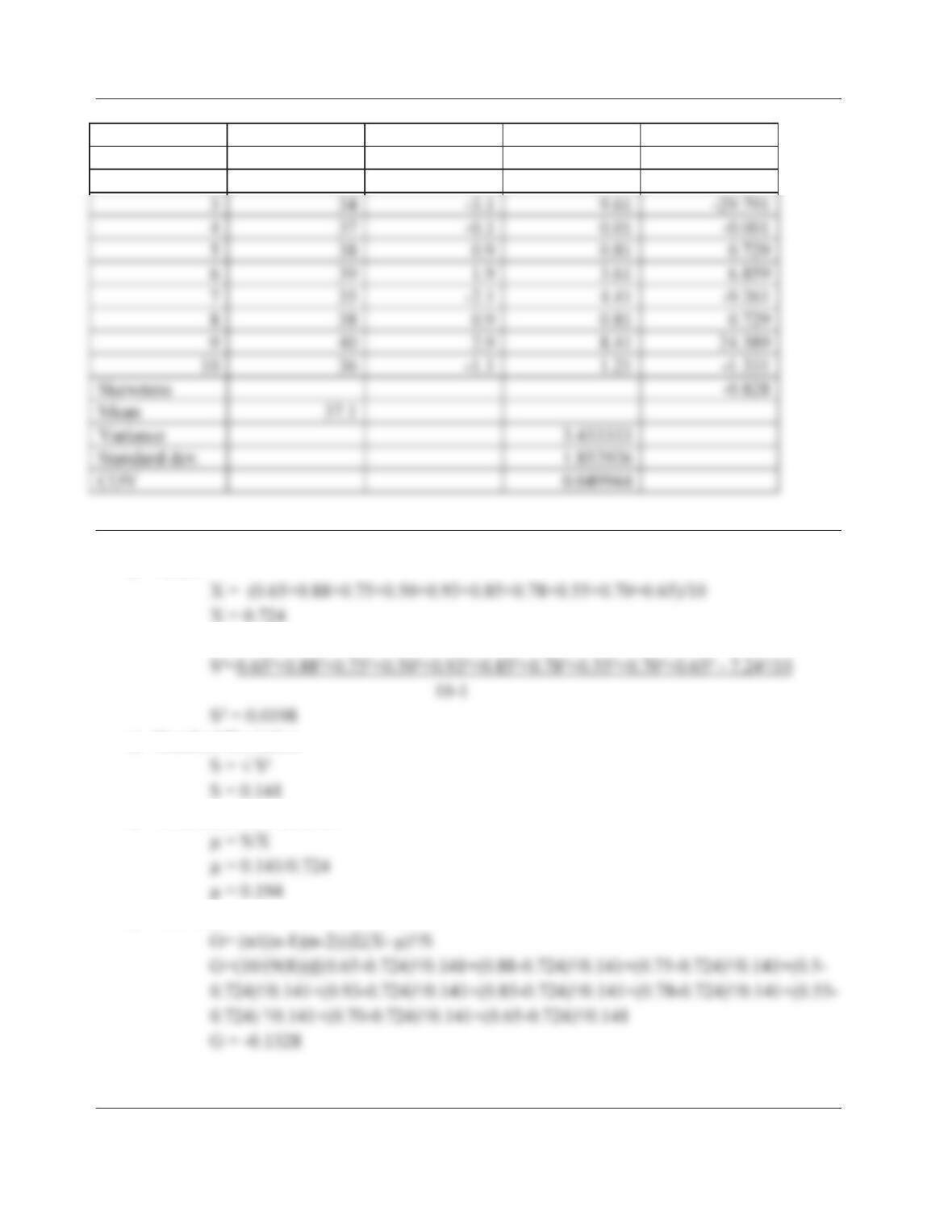
i x x-mean (x-mean)2(x-mean)3
1 3 -3 9 -27
2 5 -1 1 -1
P(2|A) 0.035
P(3|A) 0.14
3-24
Problem 3-53.
i x x-mean (x-mean)2(x-mean)3
1 38 0.9 0.81 0.729
2 36 -1.1 1.21 -1.331
Problem 3-54.
a) Mean:
b) Variance:
c) Standard Deviation:
d) Coefficient of Variation:
e) Skewness:
Problem 3-55.
The combination of r elements from a set of n elements, where the order of the selection does not
count, can be calculated by the following formula:
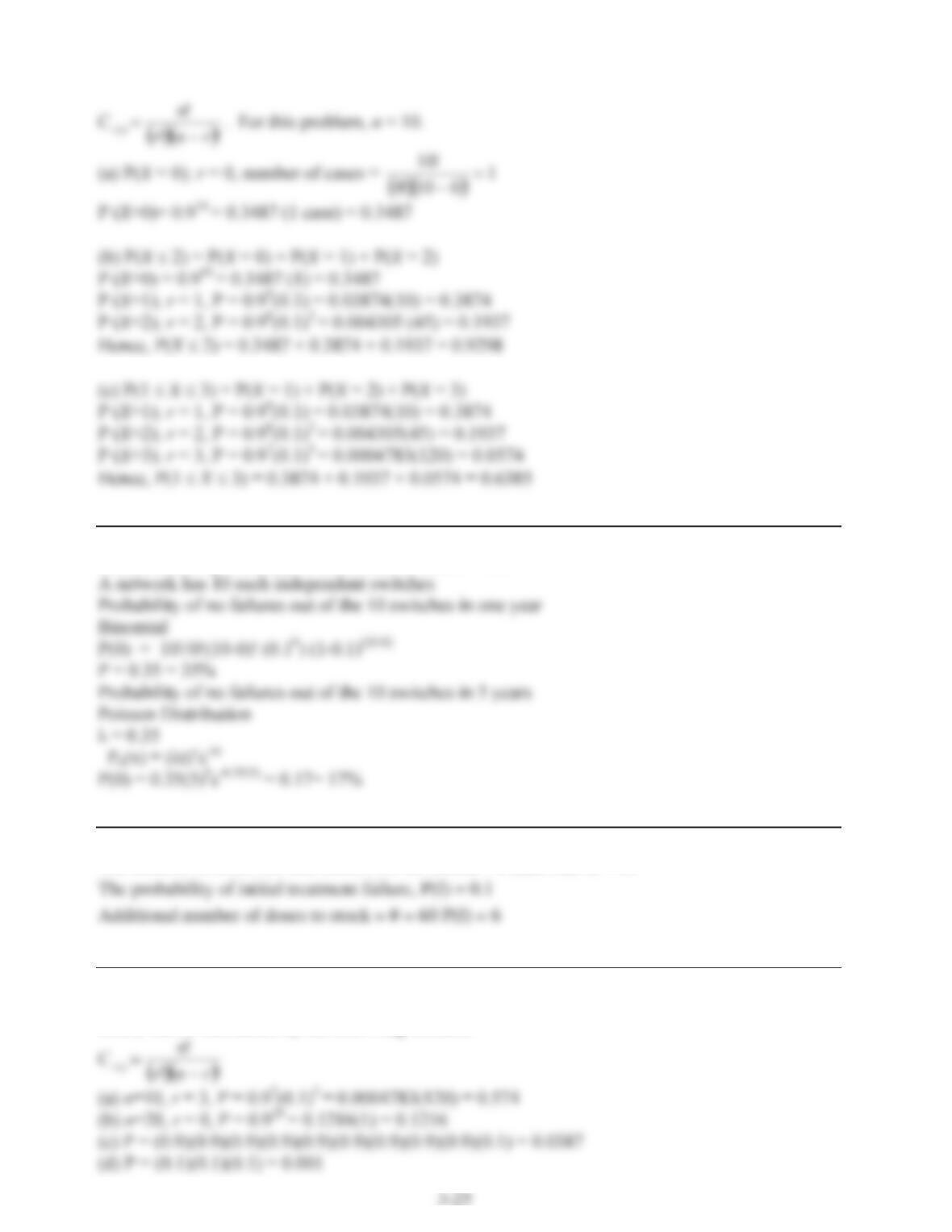
Problem 3-56.
Annual failure probability of an Internet switch P = 0.1
Problem 3-57.
The number of doses for side effects for the month = P(s)(200)(30) = 60
Problem 3-58.
The combination of r elements from a set of n elements, where the order of the selection does not
count, can be calculated by the following formula:
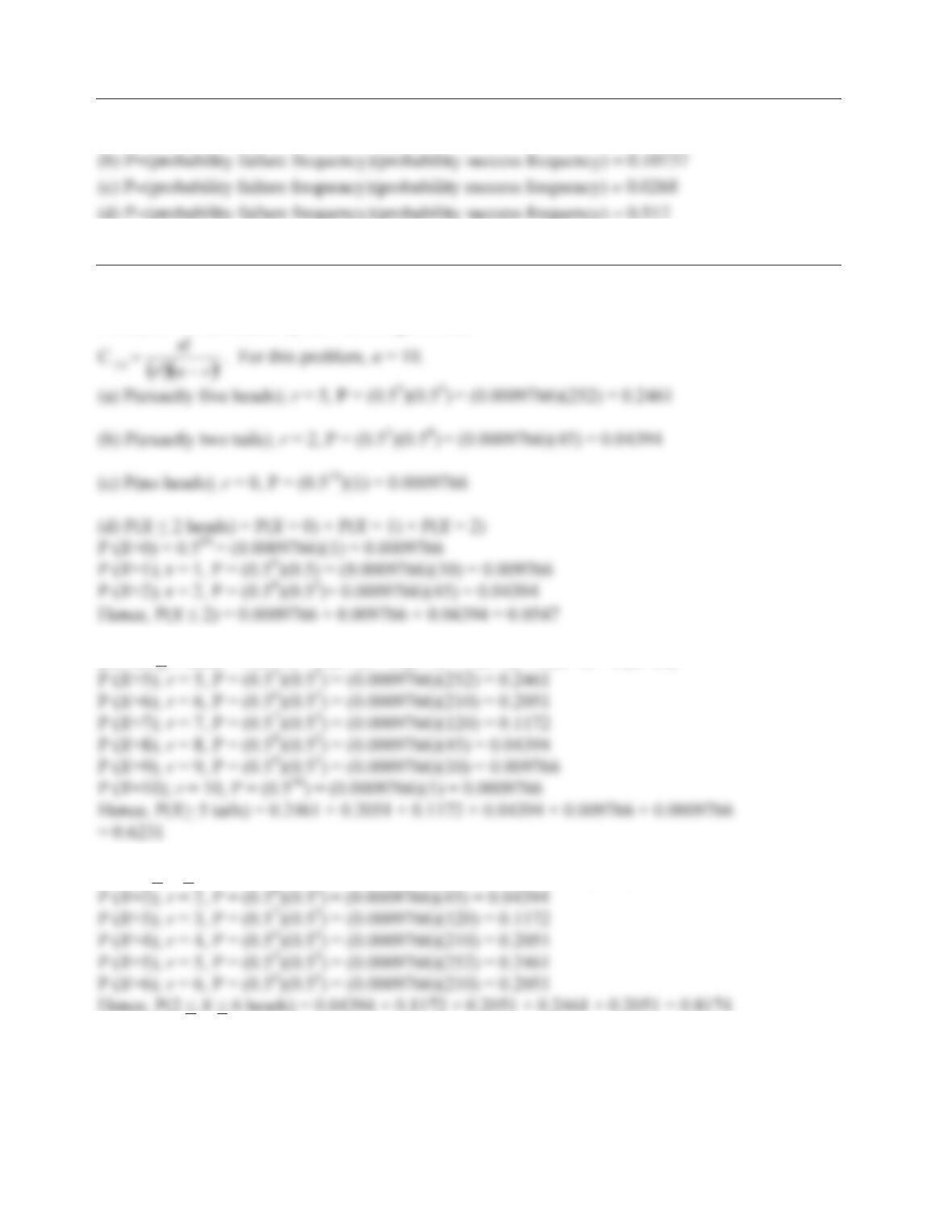
3-26
Problem 3-59.
(a) P(F)=.2
Problem 3-60.
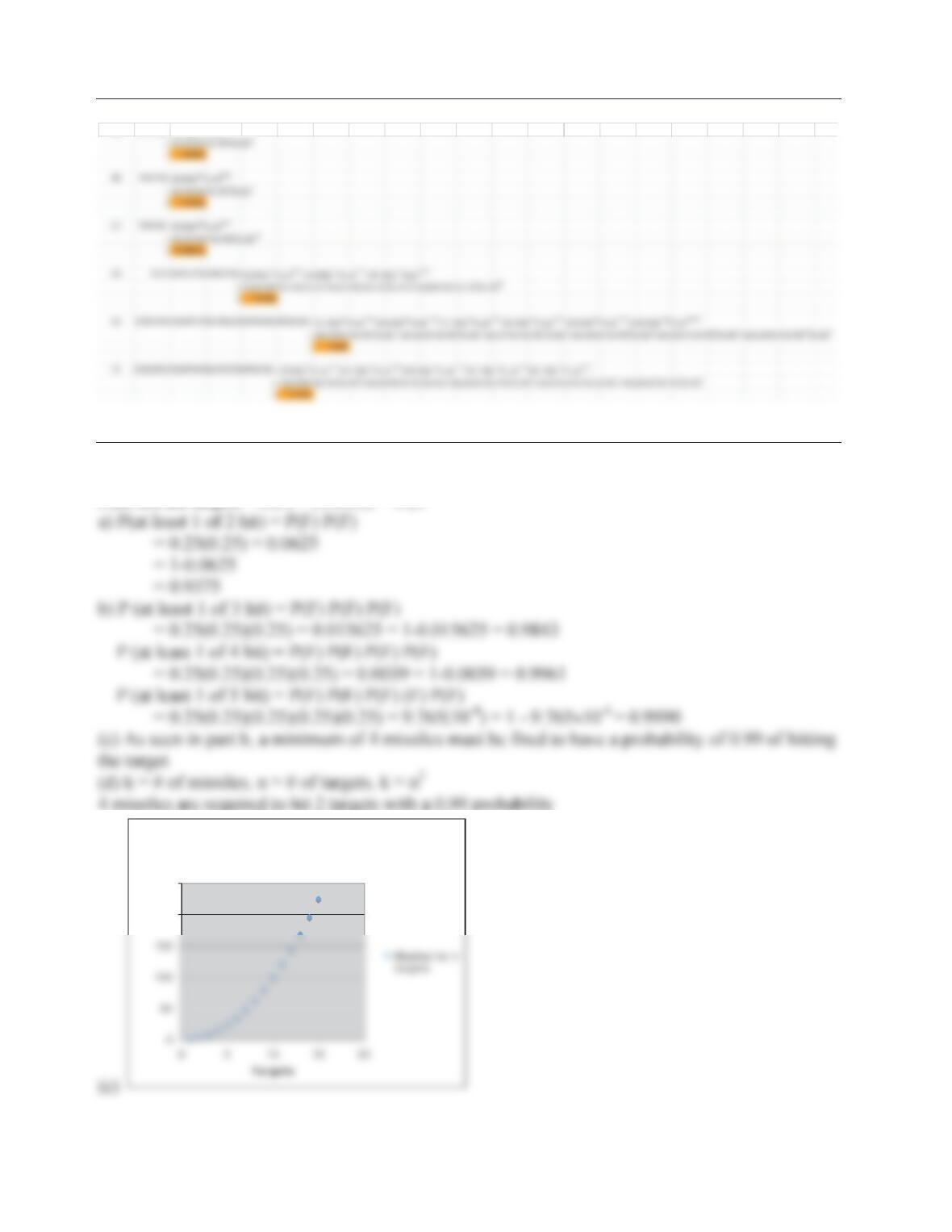
The combination of r elements from a set of n elements, where the order of the selection does not
count, can be calculated by the following formula:
(e) P(X > 5 tails) = P(X=5) + P(X=6) + P(X=7) + P(X=8) + P(X=9) + P(X=10)
(f) P(2 < X < 6 heads) = P(X=2) + P(X=3) + P(X=4) + P(X=5) + P(X=6)
3-27
Problem 3-61.
(a) P(5/10)= (5|10)p
5
*(1Ͳp)
10Ͳ5
Problem 3-62.
P(hit target) = P(S) = 0.75
P(do not hit target) = P(F) = (1-P(S)) = 0.25
Missiles required t o hit n ta r ge t s
w it h 0 .9 9 proba bilit y
200
250
3-28
Problem 3-63.
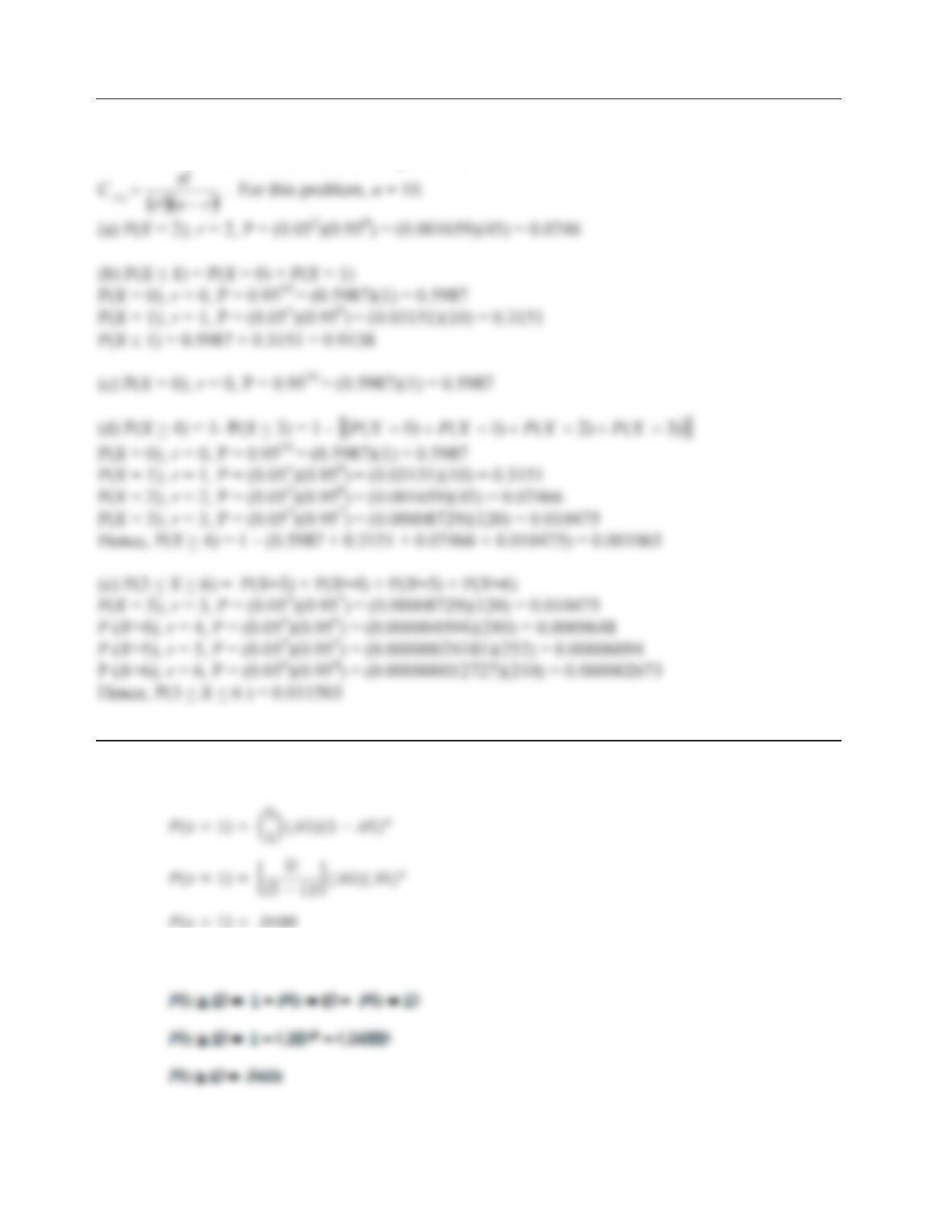
The combination of r elements from a set of n elements, where the order of the selection does not
count, can be calculated by the following formula:
Problem 3-64.
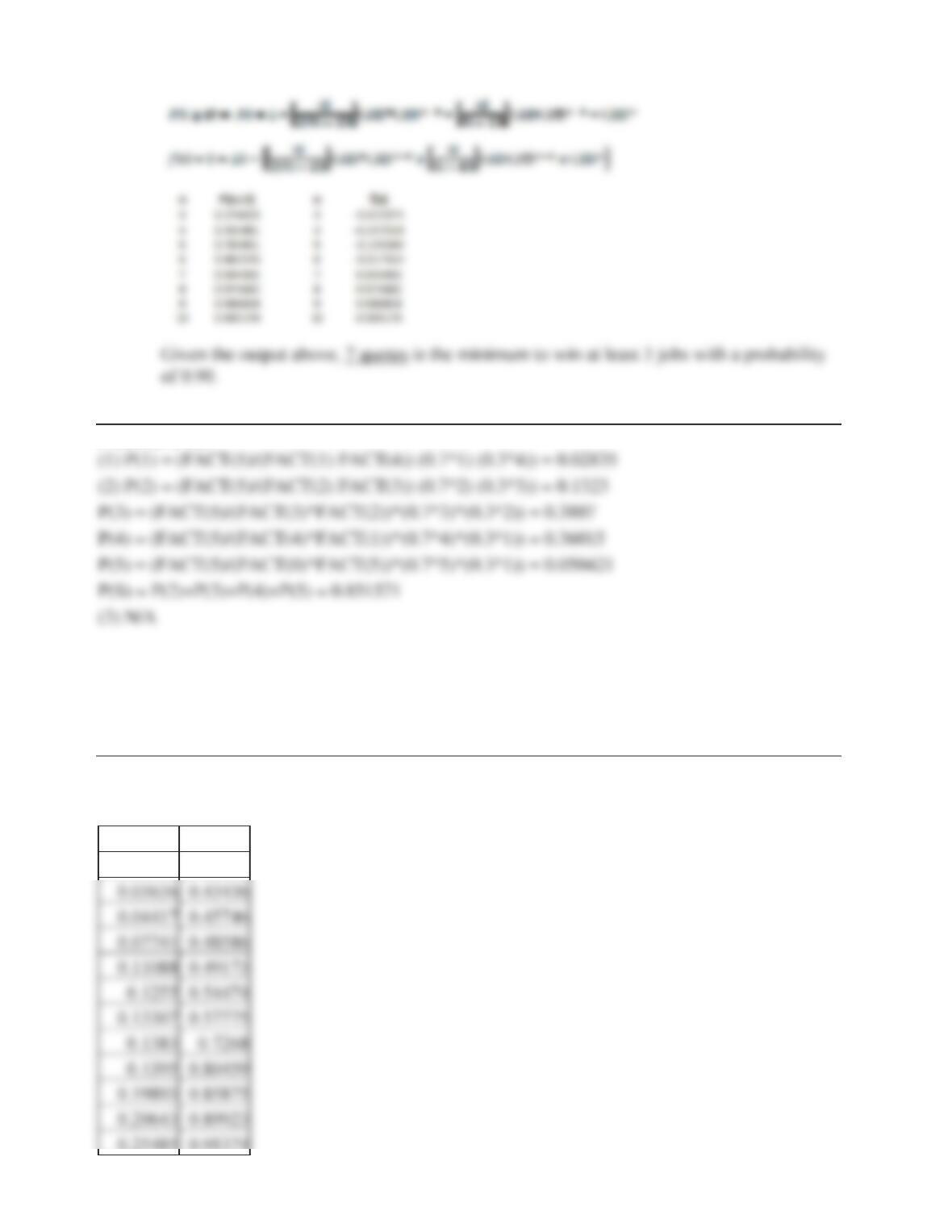
1) The probability of winning 1 job out of 5 submitted quotes:
2) The probability of winning at least 2 jobs out of 5 submitted quotes:
3) The minimum number of quotes necessary to win at least 3 jobs with a probability of 0.90
in order to sustain its business operations:
3-29
Problem 3-65.
3.7. Simulation and Probability Distributions
Problem 3-66.
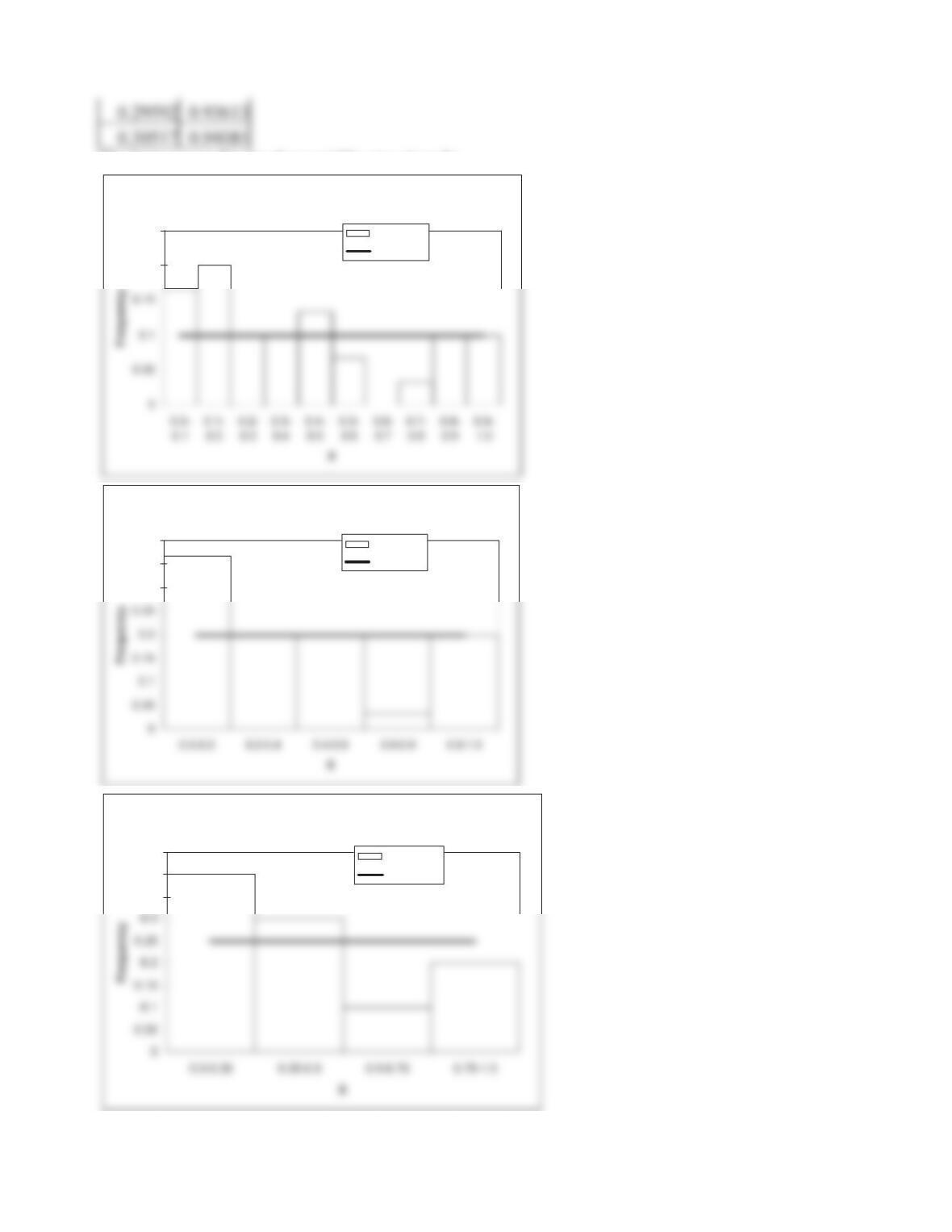
The random number generation is performed in the following table:
UU
0.02681 0.32075
0.03502 0.3256
0.25485 0.91374
3-30
The histograms for the three widths are given by
Cell Width = 0.1
0.2
0.25
Sample
Population
Cell Width = 0.2
0.3
0.35
0.4
Sample
Population
Cell Width = 0.25
0.35
0.4
0.45
Sample
Population
The data appears to follow a uniform distribution. Differences between sample and population
reflect sampling variation. Sampling variation is most evident for the histogram with the small
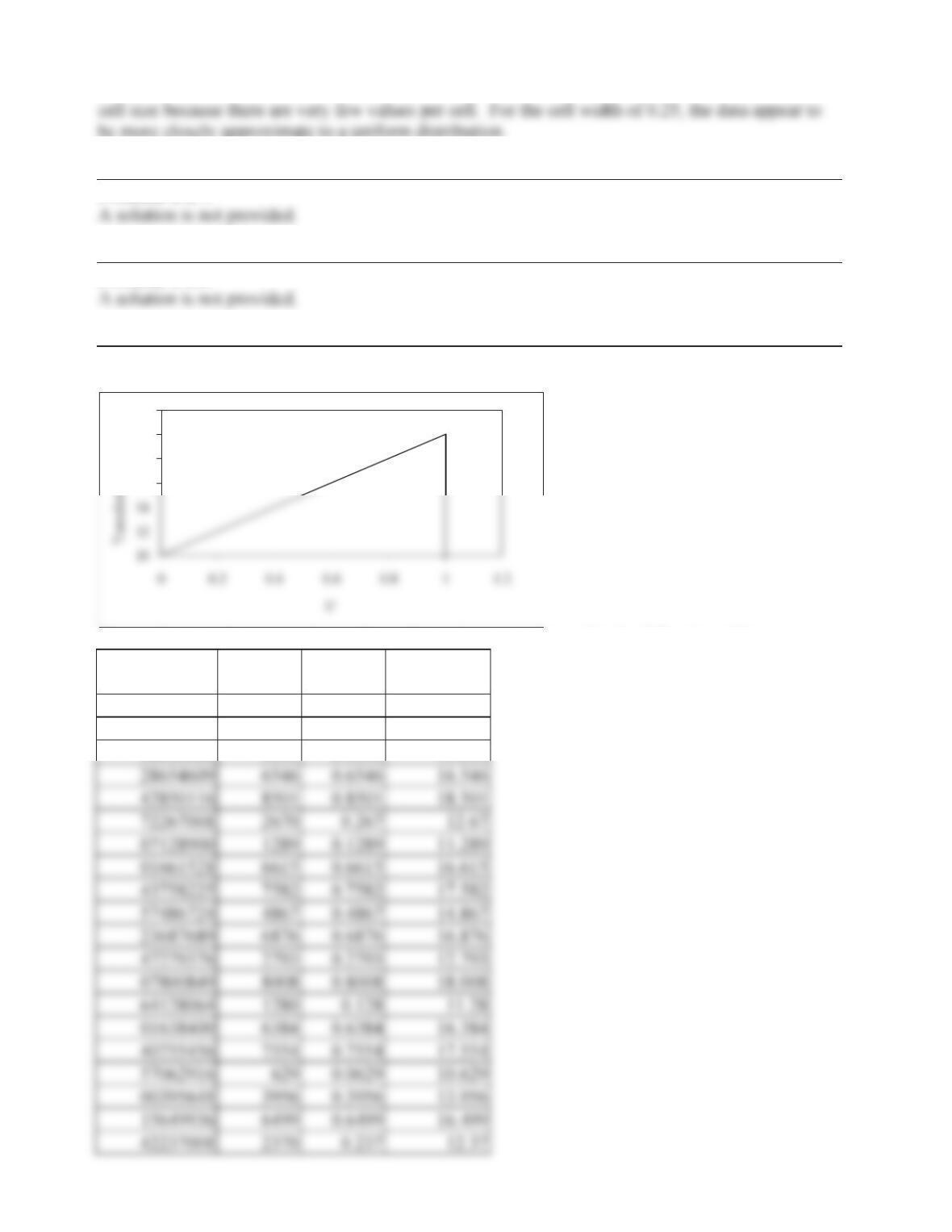
3-31
Problem 3-67.
Problem 3-68.
Problem 3-69.
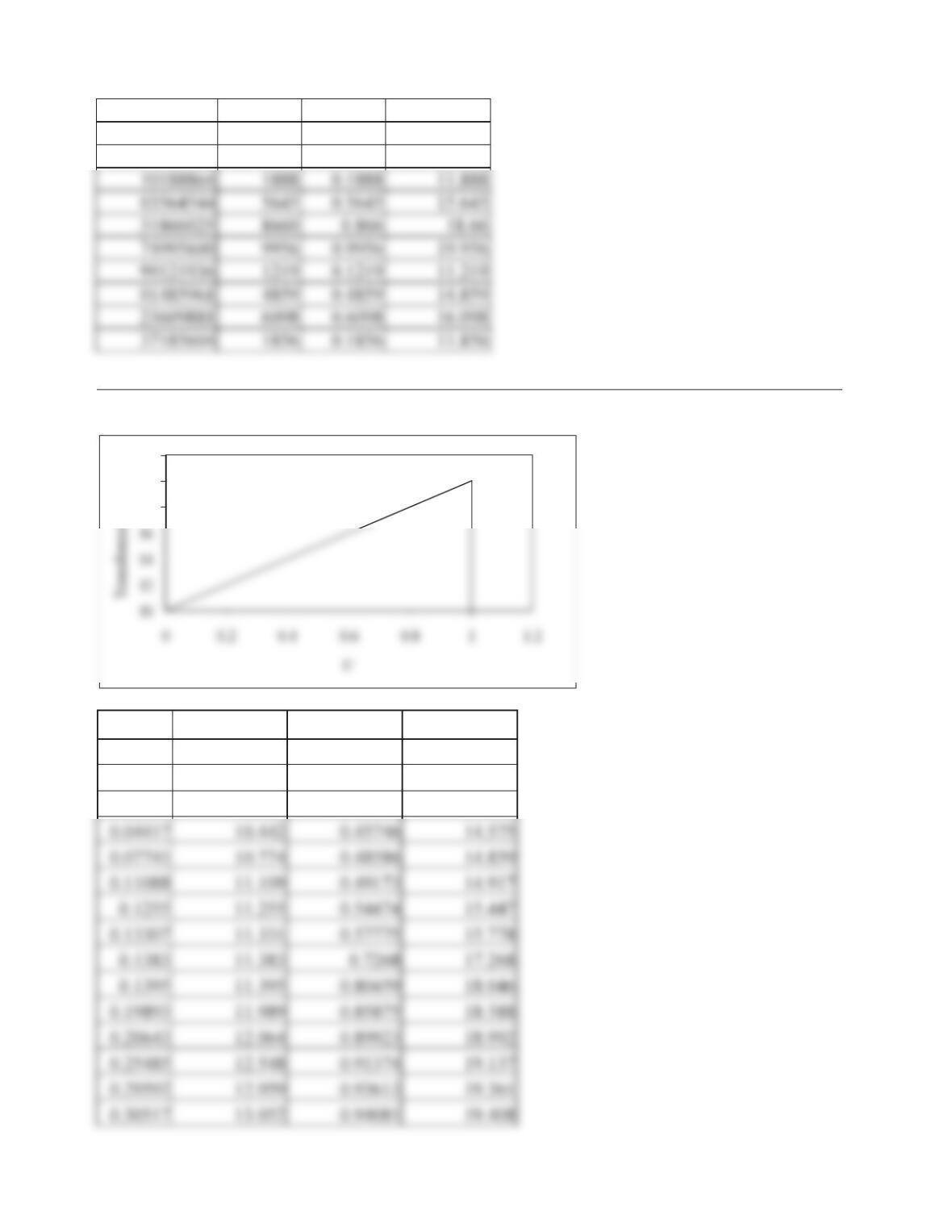
The transformation chart is given by
16
18
20
22
e
The random number generation and transformation are performed in the following table:
X2 X U 10 to 20
scale
1937
03751969 7519 0.7519 17.519
56535361 5353 0.5353 15.353
3-32
05616900 6169 0.6169 16.169
38056561 565 0.0565 10.565
00319225 3192 0.3192 13.192
Problem 3-70.
The transformation curve is given by
18
20
22
e
The random number generation and transformation are performed in the following table:
U 10 to 20 Scale U 10 to 20 Scale
0.02681 10.268 0.32075 13.208
0.03502 10.350 0.3256 13.256
0.03636 10.364 0.43436 14.344