9.18: PROBLEM DEFINITION
Situation:
A viscosity measuring device is consists of measuring torque on bearing. There is
a 10-cm cylinder with 4-cm shaft and 4.5-cm bearing. A force of 0.6 N force on inner
cylinder rotates system at 20 rpm.
Find:
Viscosity of fluid.
PLAN
Apply the equation developed in Problem 9.15 (10e).
SOLUTION
21
9.19: PROBLEM DEFINITION
Situation:
Flow occurs between two plates separated by 0.015 ft has a pressure gradient of
-25 psf/ft.
Find:
Maximum fluid velocity in x−direction.
Properties:
Viscosity is 10−3lbf-s/ft2
PLAN
Use Eq. (9.7a, in 10e) with no change in elevation
SOLUTION
22
9.20: PROBLEM DEFINITION
Situation:
Flow occurs between two plates with pressure and elevation given at two points.
Find:
Direction of flow.
PLAN
Flow will move in direction of decreasing piezometric head. Evaluate piezometric
head at both locations and determine flow direction
SOLUTION
23
9.21: PROBLEM DEFINITION
Situation:
Glycerin flows downward between two plates spaced 0.4 cm apart. Both ends open
– no pressure gradient.
Find:
Discharge per unit width.
Properties:
Table A.4 (Glycerin) μ=1.41 N·s/m2,ν =1.12 m2/s and γ=12,300 N/m3.
Assumptions:
Flow will be laminar.
SOLUTION
Then
Now check to see if the flow is laminar (Reynolds number <1,000)
24
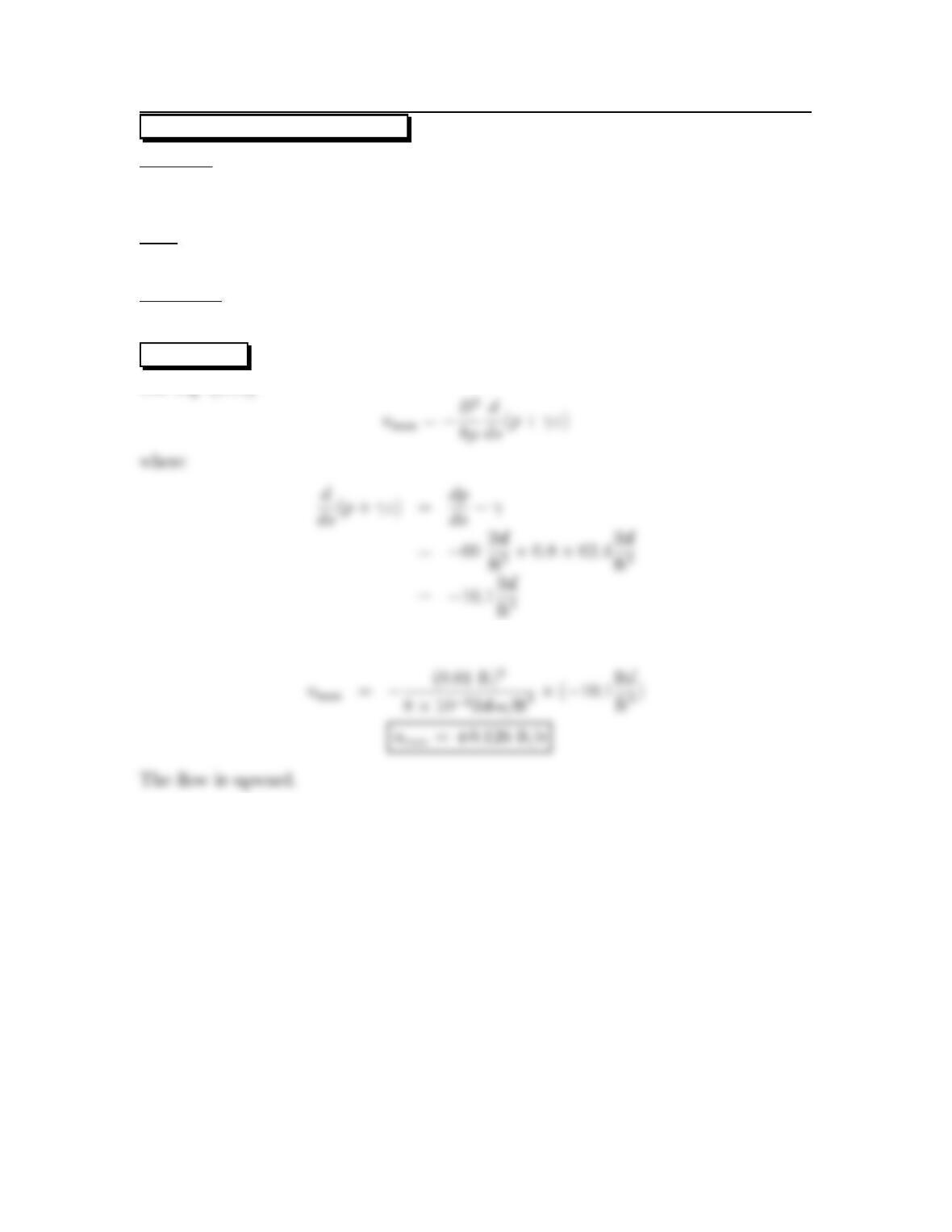
9.22: PROBLEM DEFINITION
Situation:
Flow occurs between two plates separated by 0.01 ft and the pressure decreases at
rate of 60 psf/ft in vertical direction.
Find:
Maximum fluid velocity in z-direction.
Properties:
μ=10
−3lbf-s/ft2and S=0.8.
SOLUTION
Use Eq. (9.7a)
Then
25
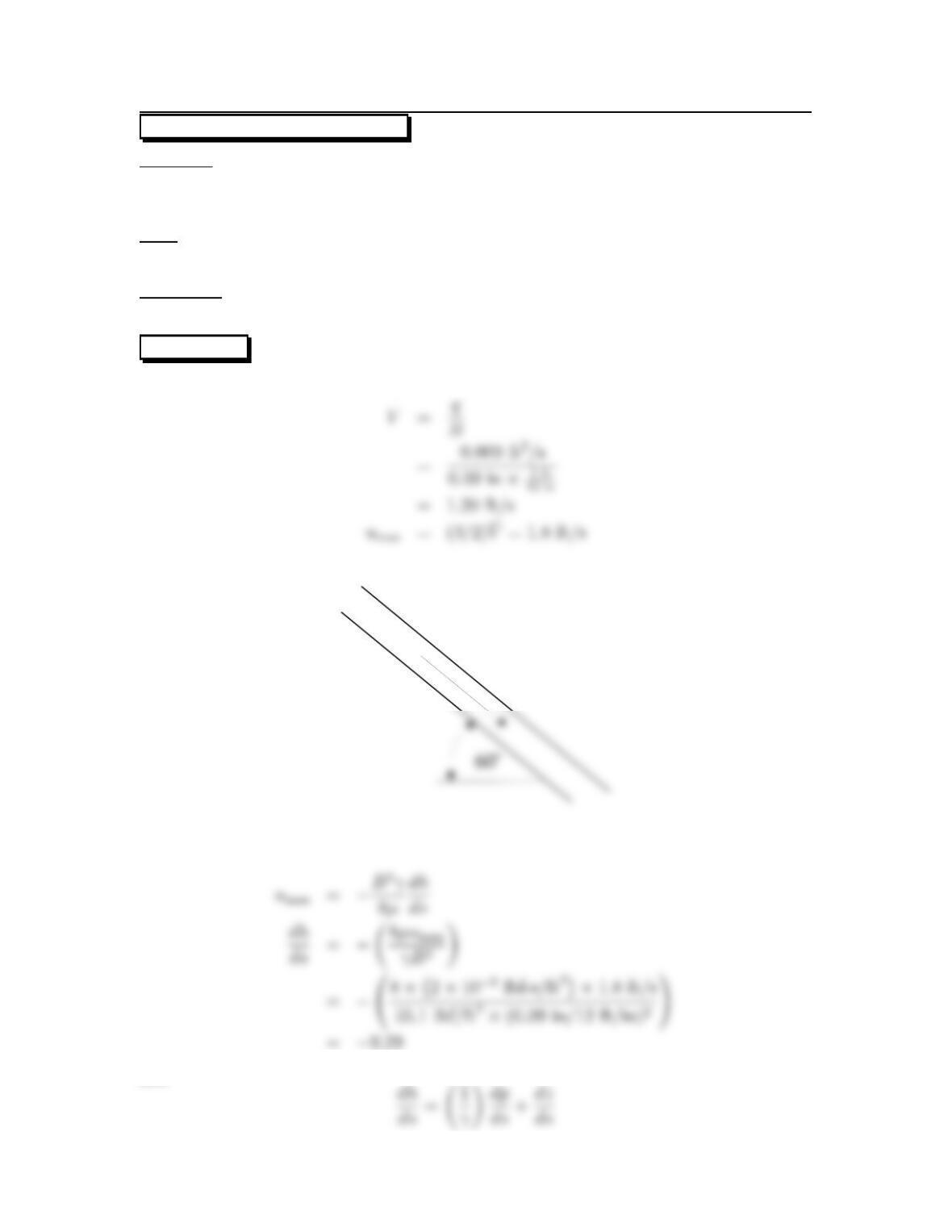
9.23: PROBLEM DEFINITION
Situation:
Flow of SAE 30 at 100oF occurs between two plates spaced 0.09 in. apart and
inclined at 60owith a rate of 0.009 cfs/ft. Flow is downward.
Find:
Pressure gradient in the direction of flow.
Properties:
From Table A.4 μ=2×10⁻³lbf·s/ft2;γ=55.1lbf/ft3.
SOLUTION
Flow rate and maximum velocity
But dh
26
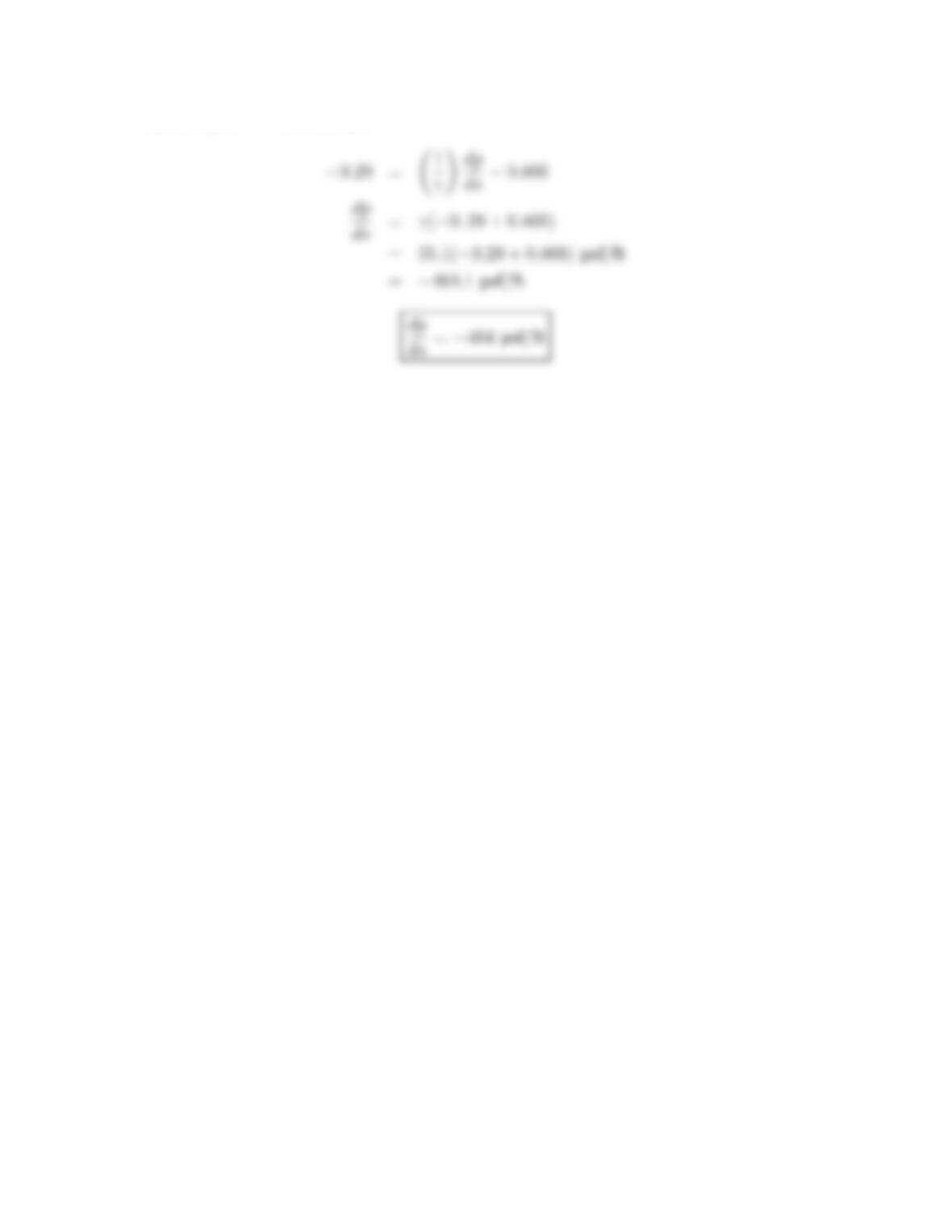
where dz/ds =−0.866.Then
27
9.24: PROBLEM DEFINITION
Situation:
Glycerin at 20oCflows downward between two cylinders with outside diameter of
3 cm and inside diameter of 2.8 cm. Pressure is constant.
Find:
Discharge.
Properties:
Table A.4 (Glycerin) μ=1.41 N·s/m2and ν=1.12 ×10⁻³m2/s.
SOLUTION
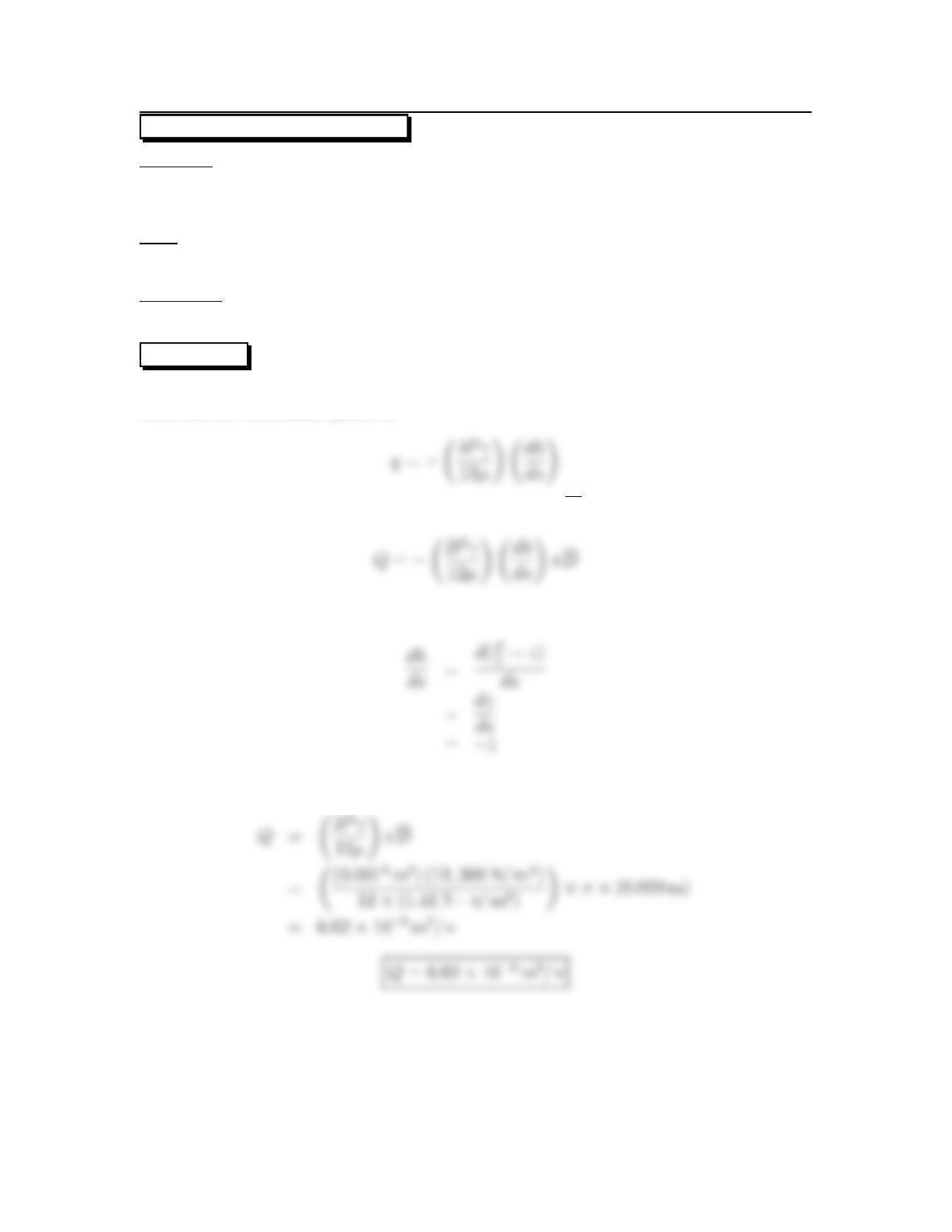
Treat flow between cylinders as flow be\tween flat plates. Discharge per unit width
between two stationary plates is
Multiple this by the average width of the channel ¡πD¢to give
Thechangeinpiezometrichead(h)with position (s)is given by
Combining equations gives
28
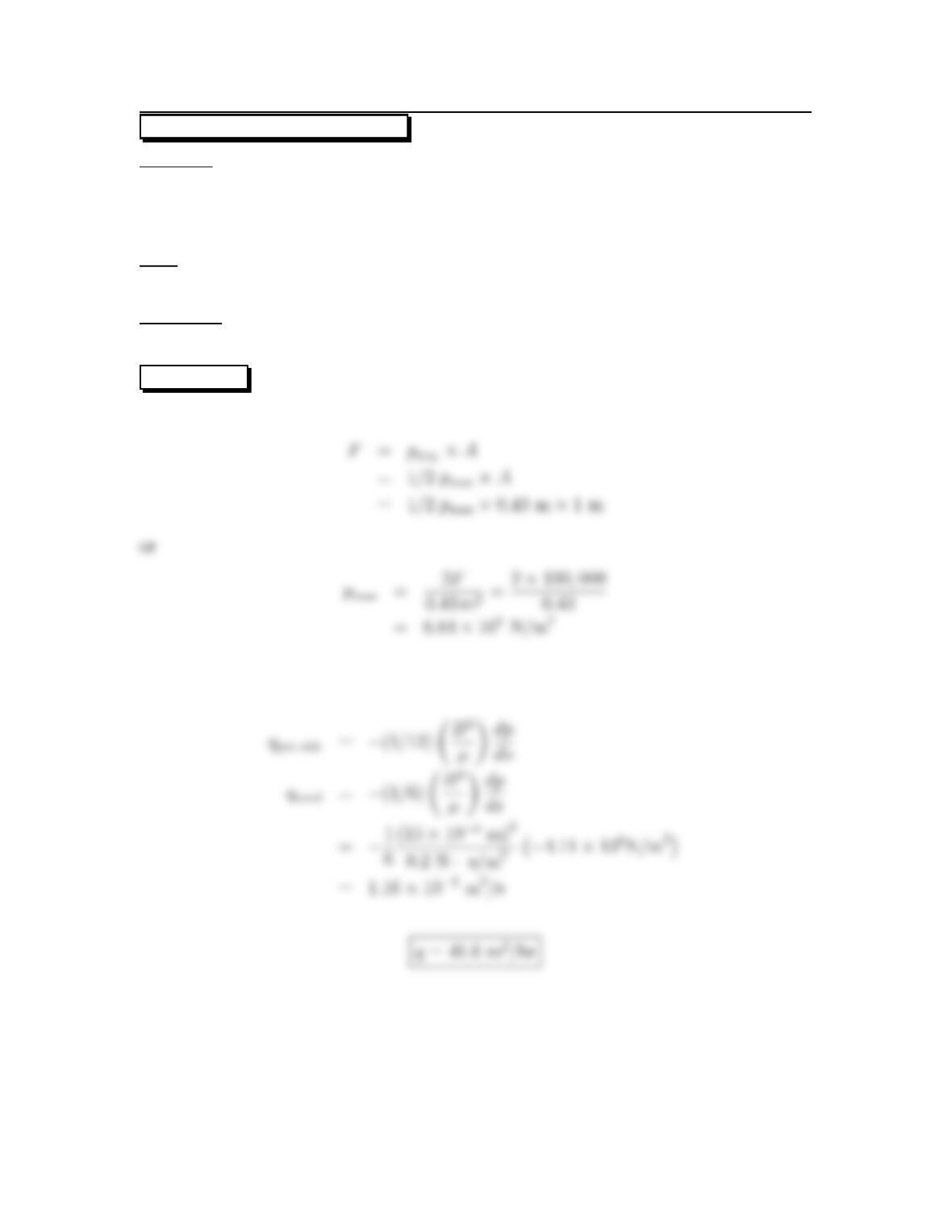
9.25: PROBLEM DEFINITION
Situation:
A bearing consists of flow discharging from central source outward between two
parallel surfaces. Pressure distribution is linear. Bearing is 43 cm wide and clearance
is 1.5 mm. The load is 190 kN per bearing length.
Find:
Amount of oil pumped per hour per meter of bearing length.
Properties:
μ=0.20 N·s/m2
SOLUTION
Force is average pressure times the area
Then dp/ds =−8.84 ×10⁵N/m2/0.215 m=−4.11 ×10⁶N/m3.For flow between
walls with no elevation change
29
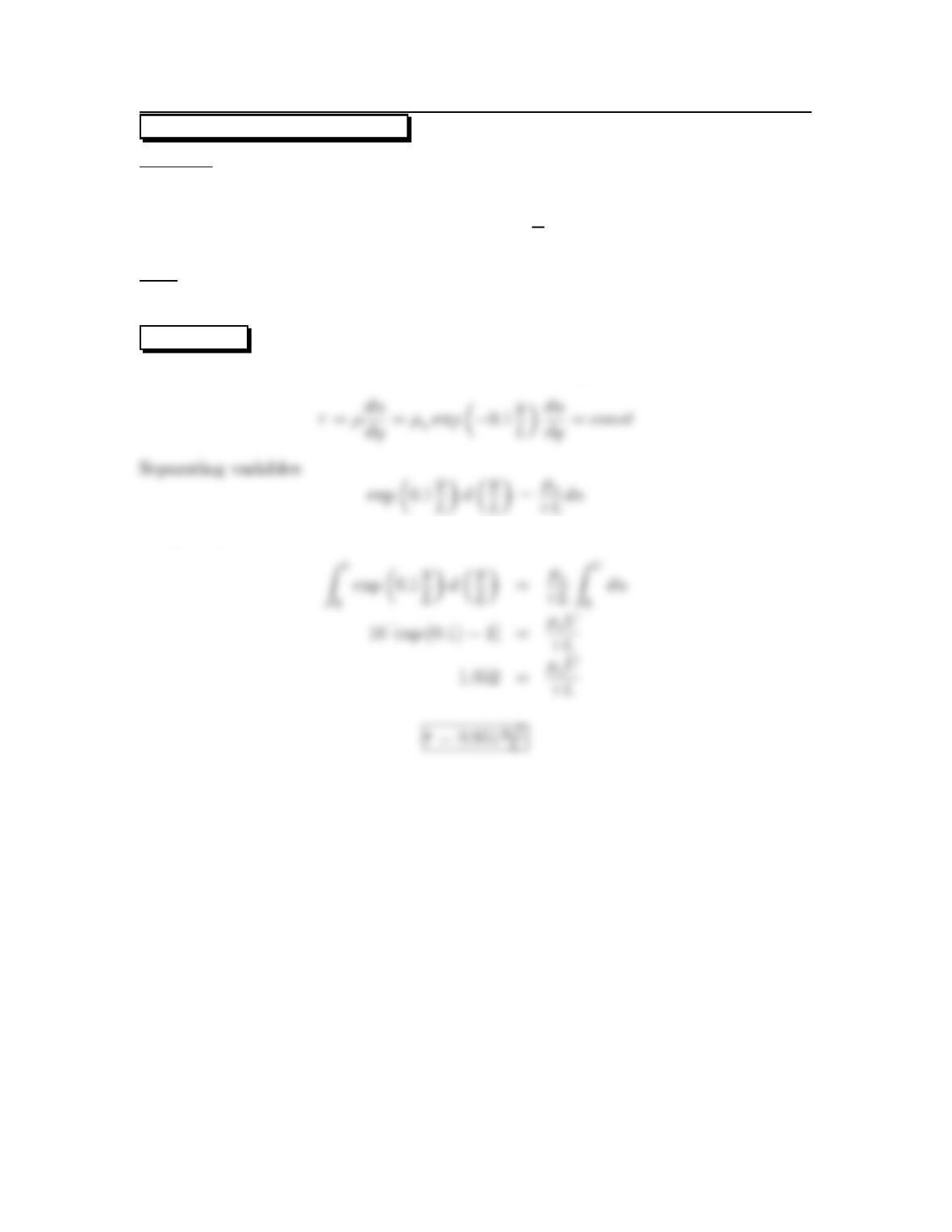
9.26: PROBLEM DEFINITION
Situation:
Couette flow of liquid with temperature and viscosity distribution. The viscosity
varies as
μ=μoexp ³−0.1y
L´
Find:
Find shear stress in the form τ=C(Uμo/L)
SOLUTION
In a Couette flow the shear stress is constant between plates so
Integrating
30
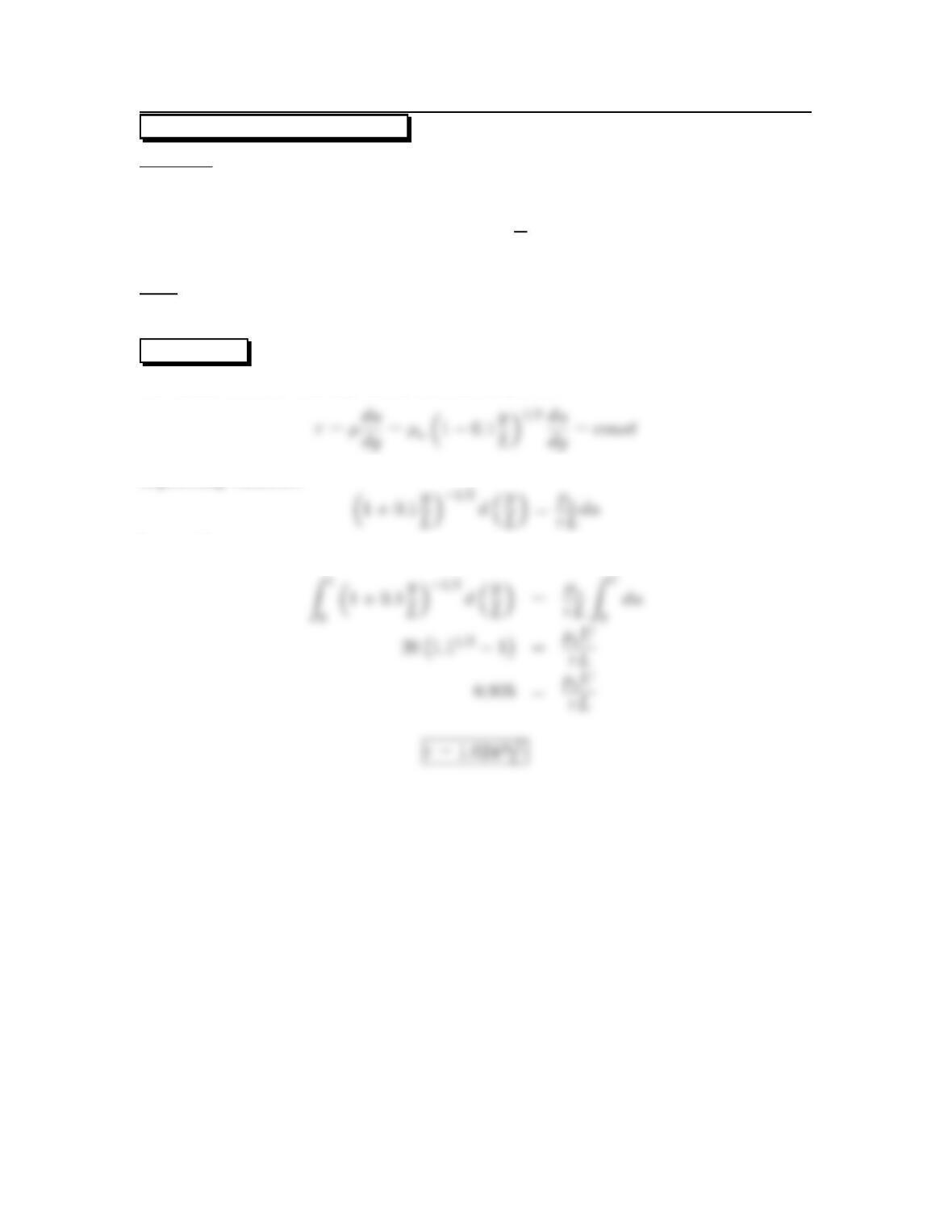
9.27: PROBLEM DEFINITION
Situation:
Gas in a Couette flow with viscosity distribution between plates as
μ=μo³1+0.1y
L´1/2
Find:
The shear stress in the form τ=C(μoU/L)
SOLUTION
The shear stress is constant across a Couette flow so
Separating variables ³1+0.1y
Integrating
31
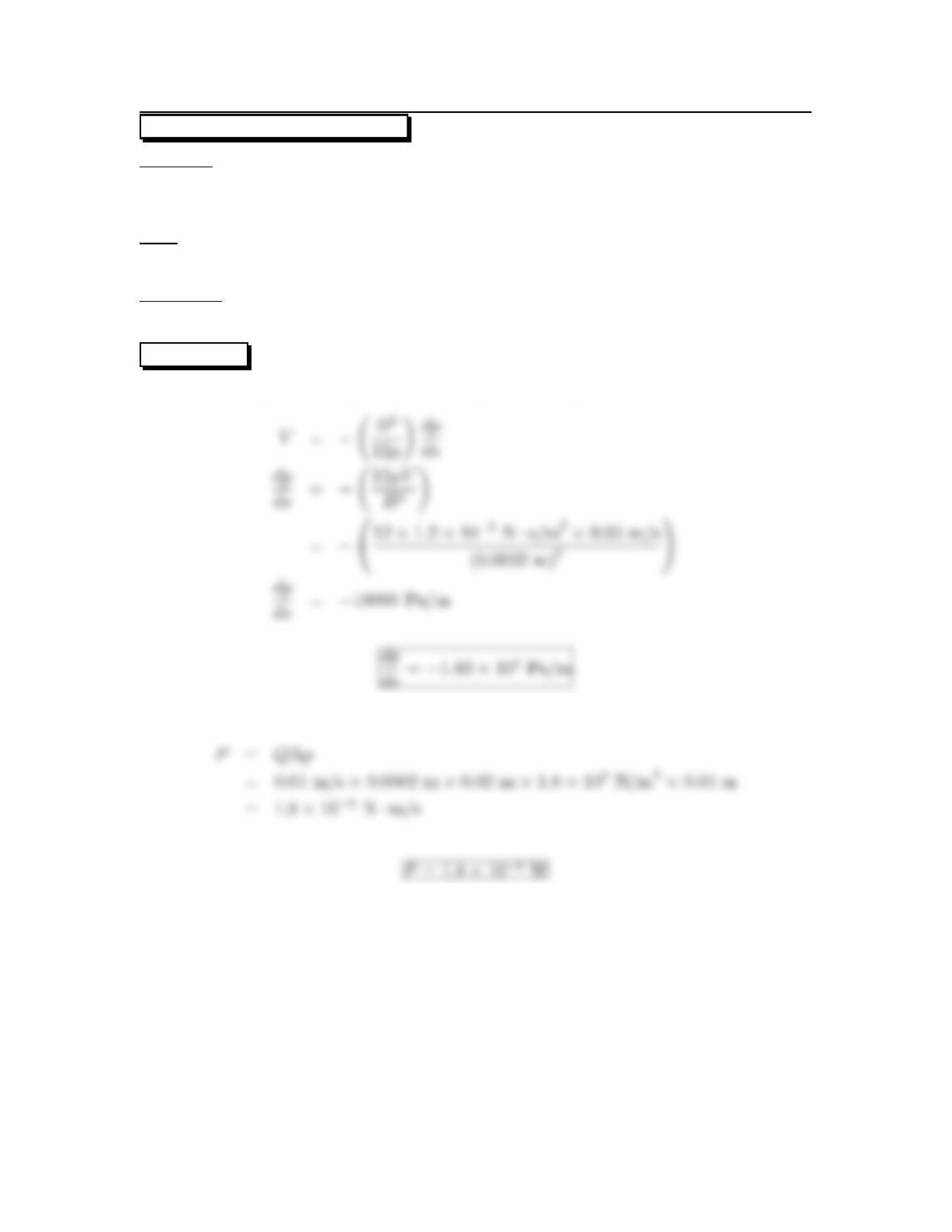
9.28: PROBLEM DEFINITION
Situation:
A channel 2 cm wide, 5 cm long and 0.2 mm spacing is used for electronic cooling.
Average velocity is 5 cm/s.
Find:
Pressure drop in channel and power requirements for operation.
Properties:
μ=1.2cp (1.2×10⁻³N·s/m2)andρ= 800 kg/m3.
SOLUTION
The relationship for average velocity and pressure drop is
Power
32
9.29: PROBLEM DEFINITION
Situation:
Viscosity changes with distance in heated channel according to
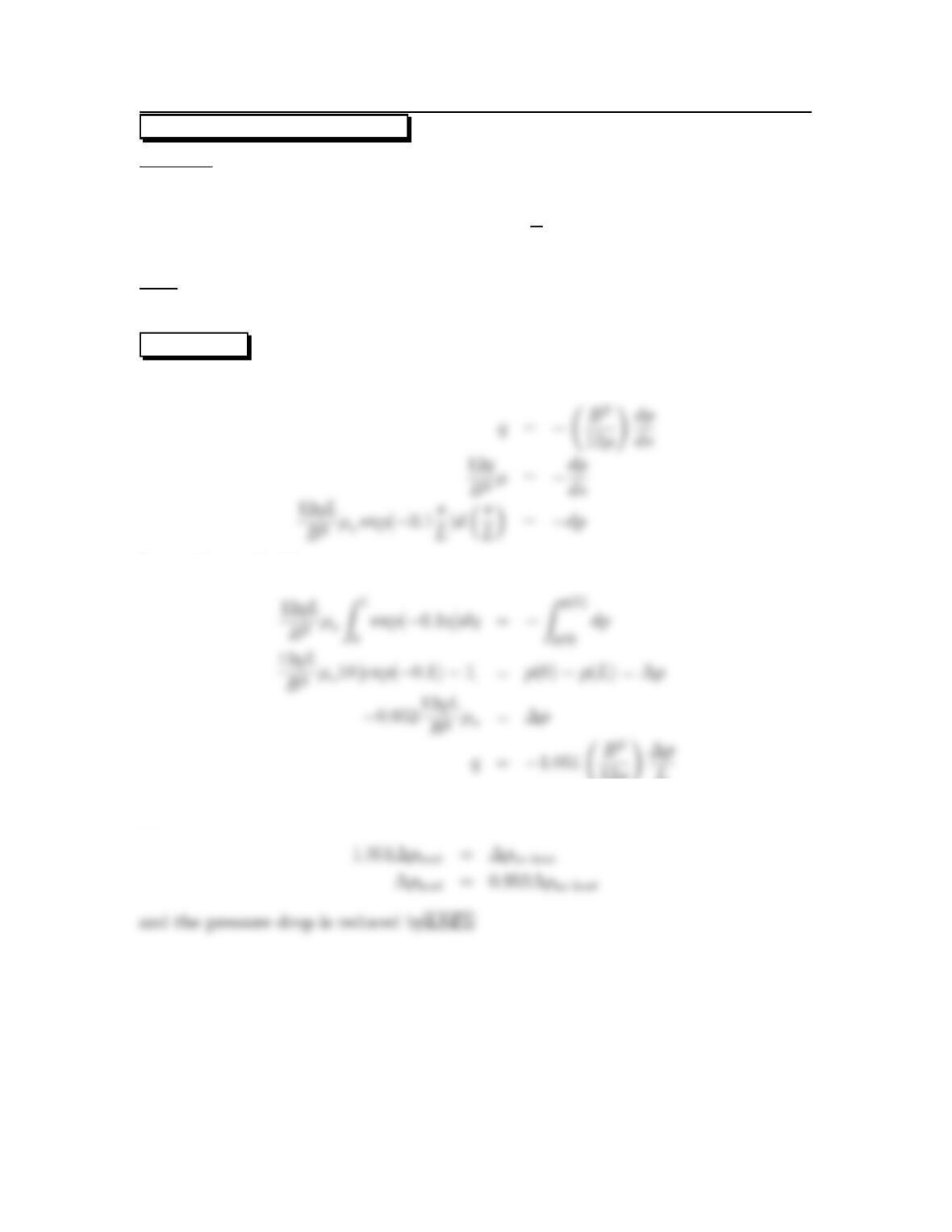
μ=μoexp(−0.1s
L)
Find:
Percentage change in pressure drop due to viscosity variation.
SOLUTION
Discharge is constant through the channel so
Integrating each side
12μ¶∆p
L
So
33
9.30: PROBLEM DEFINITION
Find:
a. Definition of boundary layer, in your own words.
b. Definition of boundary layer thickness.
SOLUTION
a. The boundary layer is the thin layer of fluid between a surface and the free stream
34
9.31: PROBLEM DEFINITION
Situation:
Which of the following are features of a laminar boundary layer? (Select all that
are correct.)
a. Flow is smooth.
b. The boundary layer thickness increases in the downstream direction.
c. A decreasing boundary layer thickness correlates with decreased shear stress.
d. An increasing boundary layer thickness correlates with decreased shear stress
SOLUTION
35
9.32: PROBLEM DEFINITION
Situation:
Effect of a heated wall on the thickness and shear stress in laminar boundary layer.
SOLUTION
The reduced viscosity near the wall will reduce the velocity gradient and lead to a
36
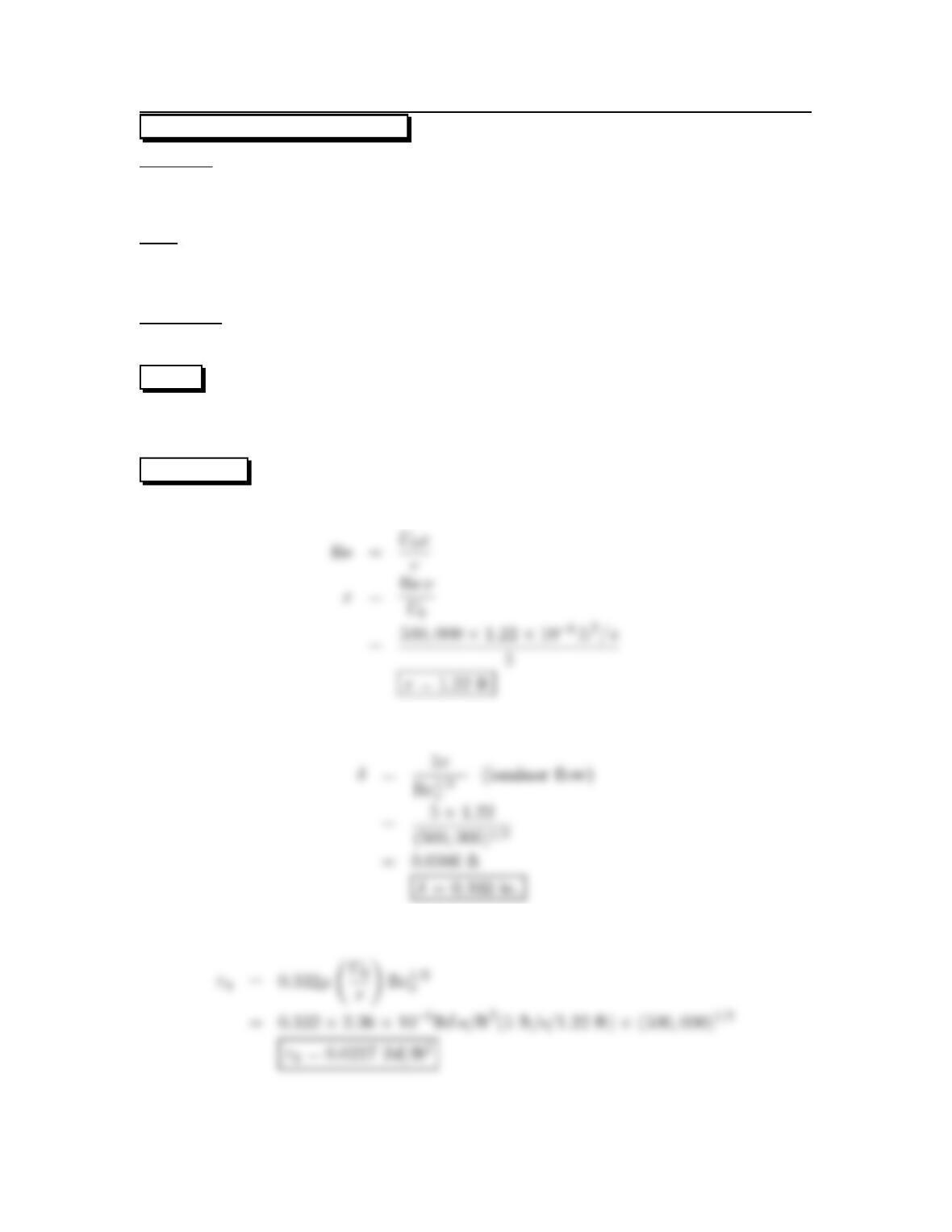
9.33: PROBLEM DEFINITION
Situation:
Athinplate6ftlongand3ftwideisheldstationaryina5ft/sstreamofwater
at 60oF.
Find:
For Rex=5×10⁵Find (a) Thickness of boundary layer, (b) distance from leading
edge and (c) shear stress.
Properties:
From Table A.5 ν=1.22 ×10−5.ft2/s, μ=2.36 ×10⁻⁵lbf-s/ft2.
PLAN
Calculate the boundary layer thickness and shear stress with the appropriate corre-
lations
SOLUTION
b) Reynolds number
a) Boundary layer thickness correlation
c) Local shear stress correlation
37
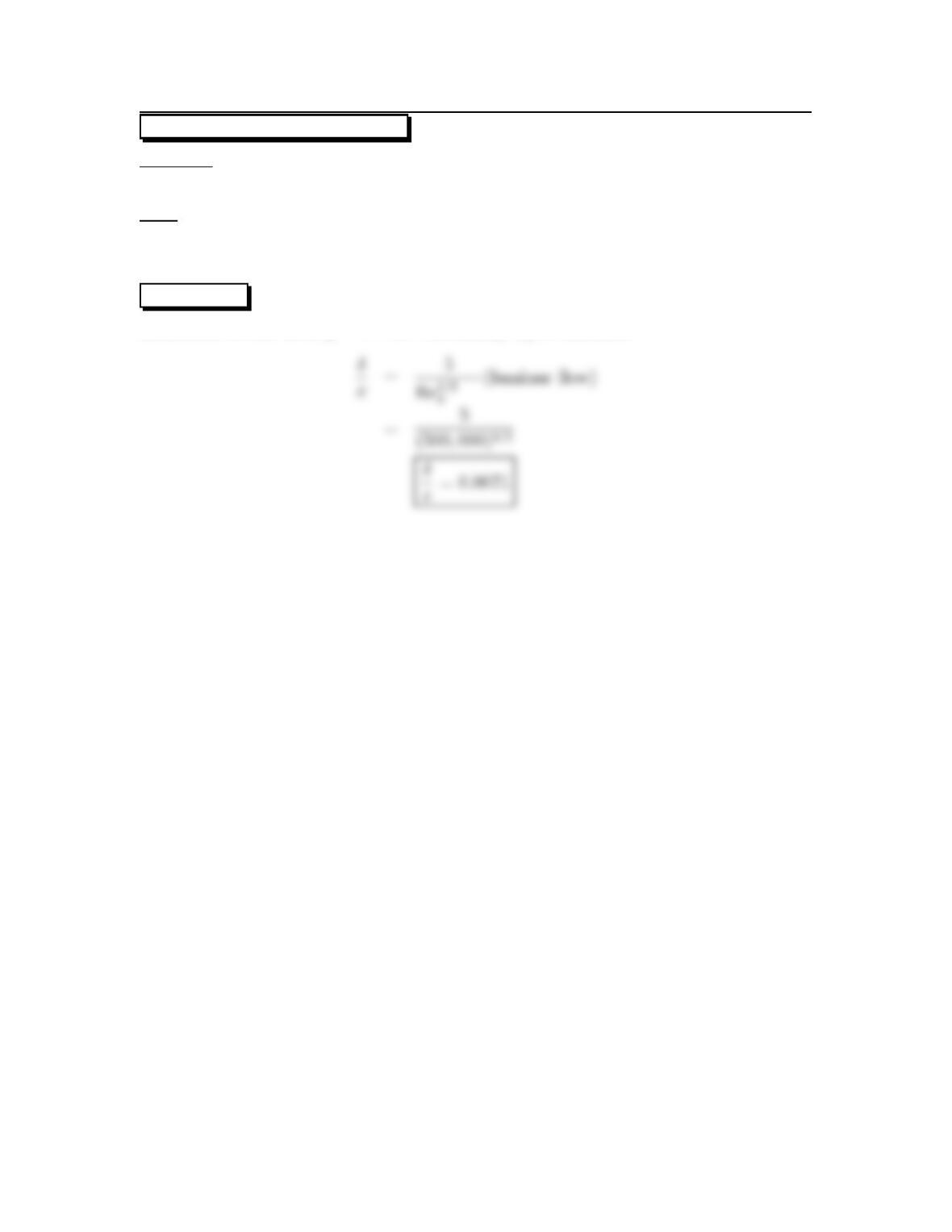
9.34: PROBLEM DEFINITION
Situation:
Laminar flow over a smooth, flat plate.
Find:
Ratio of the boundary layer thickness to the distance from leading edge just before
transition.
SOLUTION
Transition occurs at Rex=5×10⁵. Boundary layer thickness
38
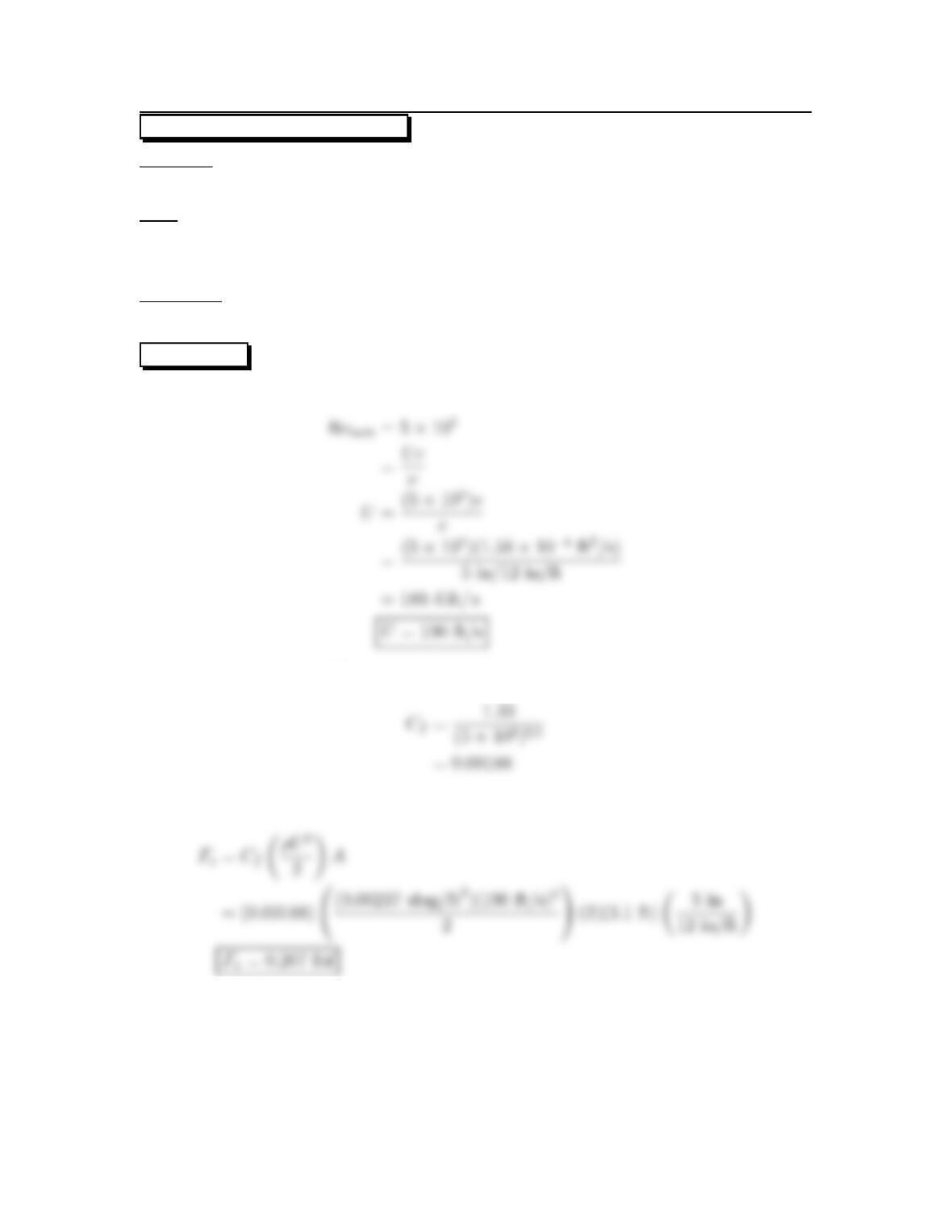
9.35: PROBLEM DEFINITION
Situation:
Flow over a 5 in chord, 3.1 ft span model airplane wing flying in air at 60oF.
Find:
(a) Speed at which turbulent boundary layer appears.
(b) Total drag at this speed.
Properties:
From Table A.3 ν=1.58 ×10−4.ft2/s, ρ=0.00237 slugs/ft3.
SOLUTION
Reynolds number for transition, Rex=5×10⁵.
Average shear stress coefficient
Surface resistance (drag force) for two surfaces (top and bottom)
39
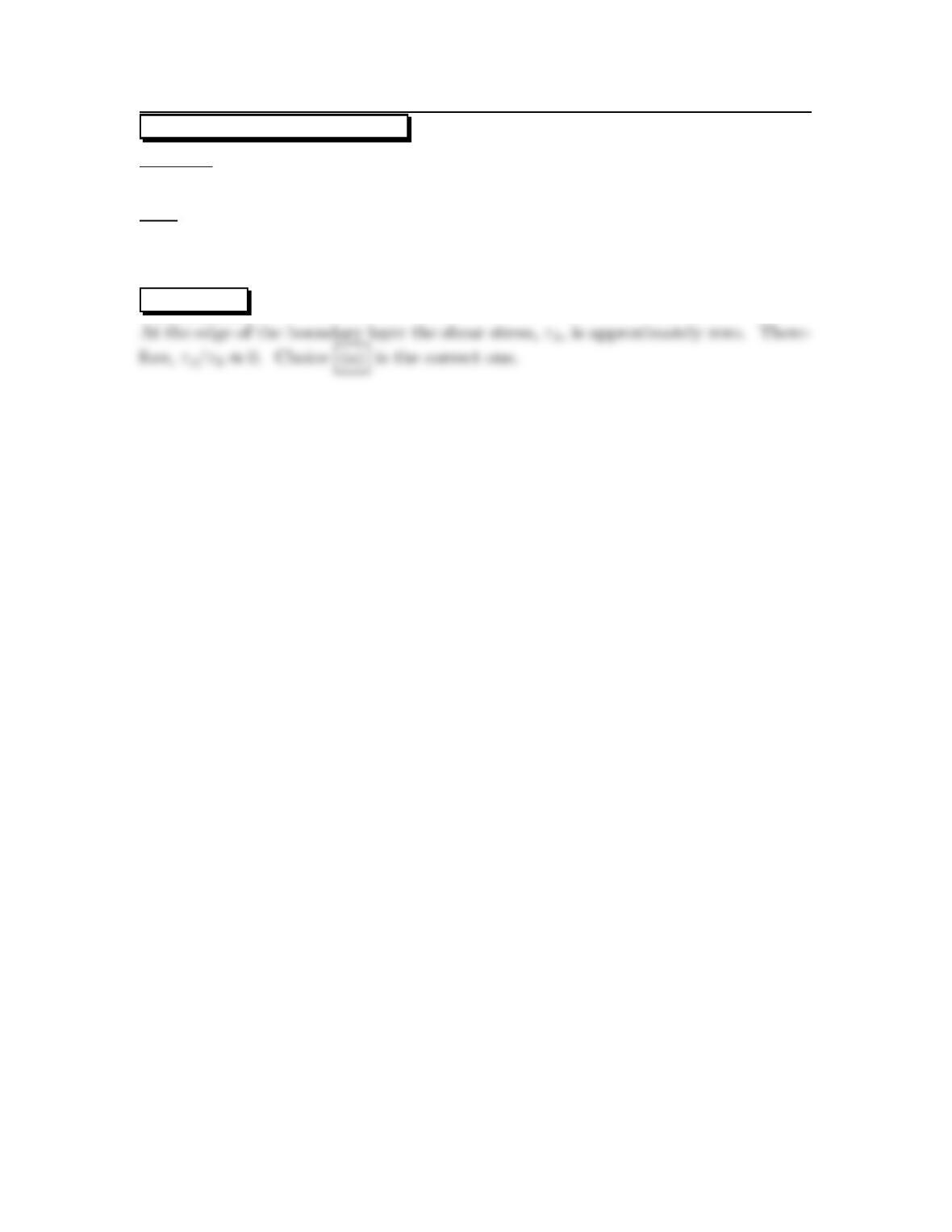
9.36: PROBLEM DEFINITION
Situation:
Oil flows over a smooth flat plate at 4 m/s.
Find:
Ratio of shear stress at edge of boundary layer to shear stress at the plate surface:
τδ/τ0
SOLUTION
40