
8.1: PROBLEM DEFINITION
Situation:
Dimensions of density, viscosity and pressure.
Find:
Primary dimensions of density, viscosity and pressure.
SOLUTION
Density
1

8.2: PROBLEM DEFINITION
Situation:
Application of the Buckingham Πtheorem.
6 dimensional variables.
3 primary dimensions.
Find:
Number of dimensionless variables.
SOLUTION
2

8.3: PROBLEM DEFINITION
Situation:
Dimensional homogeneity.
Find:
Definition of dimensional homogeneity.
SOLUTION
3
8.4: PROBLEM DEFINITION
Situation:
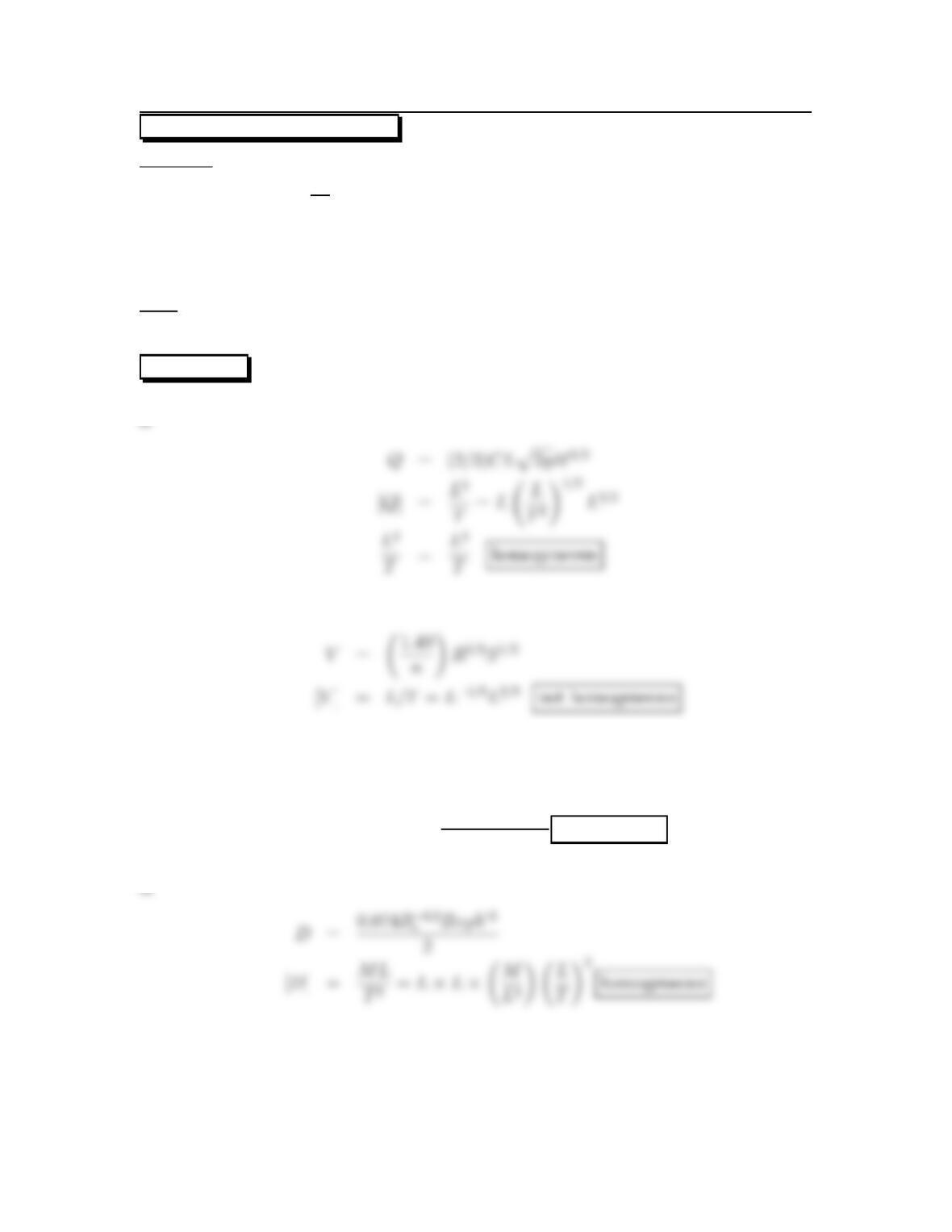
Consider equations:
(a) Q=(2/3)CL√2gH3/2.
(b) V=(1.49/n)R2/3S1/2.
(c) hf=f(L/D)V2/2g.
(d) D=0.074R−0.2
eBxρV 2/2.
Find:
Determine which equations are homogeneous.
SOLUTION
a
b
c
hf=f(L/D)V2/2g
[hf]=L=(L/L)(L/T )2
L/T 2homogeneous
d
4

8.5: PROBLEM DEFINITION
Situation:
Consider variables:
(a) T(torque).
(b) ρV 2/2.
(c) pτ/ρ.
(d) Q/N D3.
Find:
Determine the dimensions of the variables.
SOLUTION
a[T]=ML
T2×L=ML2
T2
5
8.6: PROBLEM DEFINITION
Situation:
Liquid is draining out of a tank through an orfice at the bottom.
Find:
The π−groups in the form.
∆h
d=f(π1,π
2,π
3)
.
PLAN
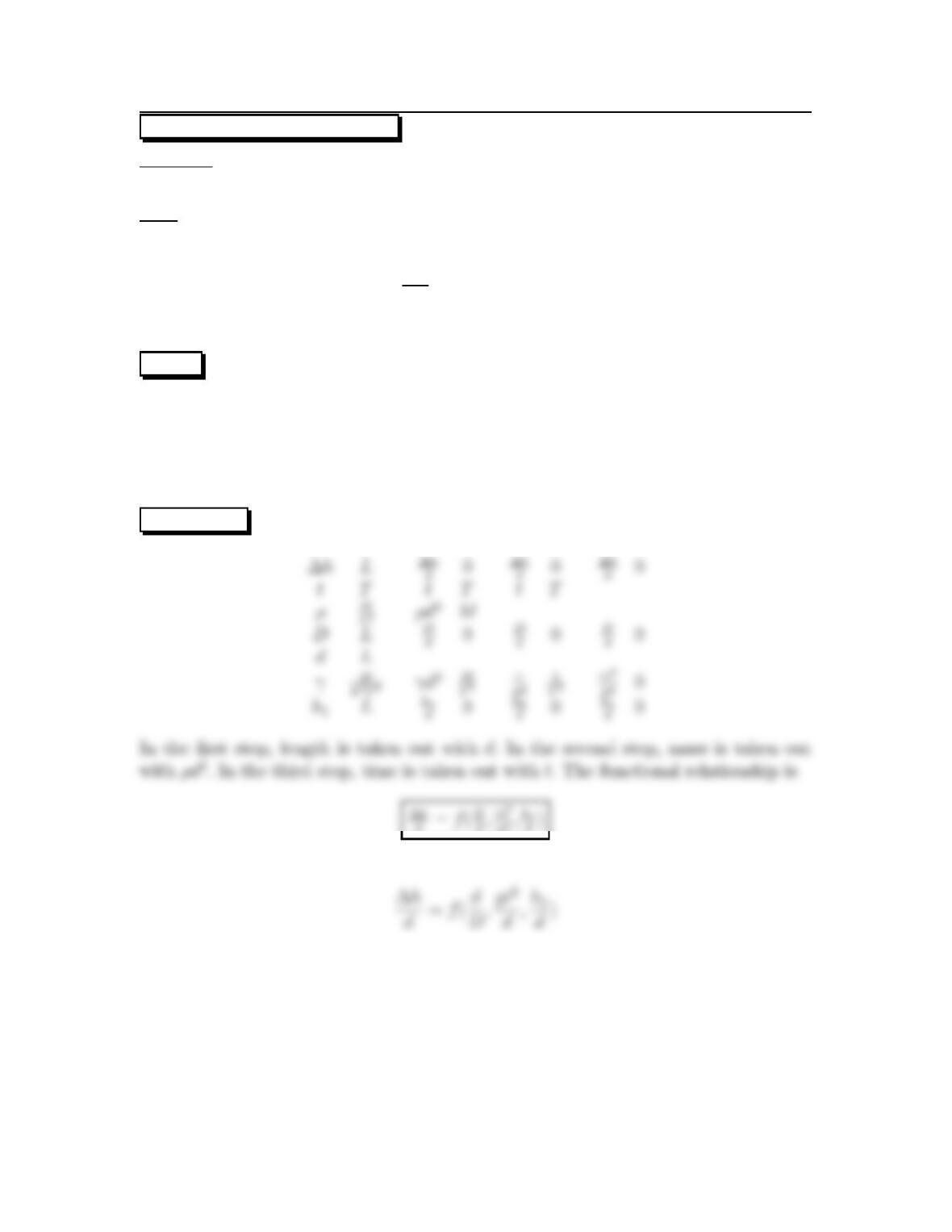
The fluid density and specific weight must also be included so functional form is
∆h=f(d, D, γ, t, hi,ρ)
Use the step-by-step method.
SOLUTION
d=f(D
d,γt2
ρd ,h1
d)
This can also be written as
6

8.7: PROBLEM DEFINITION
Situation:
Liquid rises in a capillary tube.
Find:
The π−groups.
PLAN
Use the step-by-step method.
SOLUTION
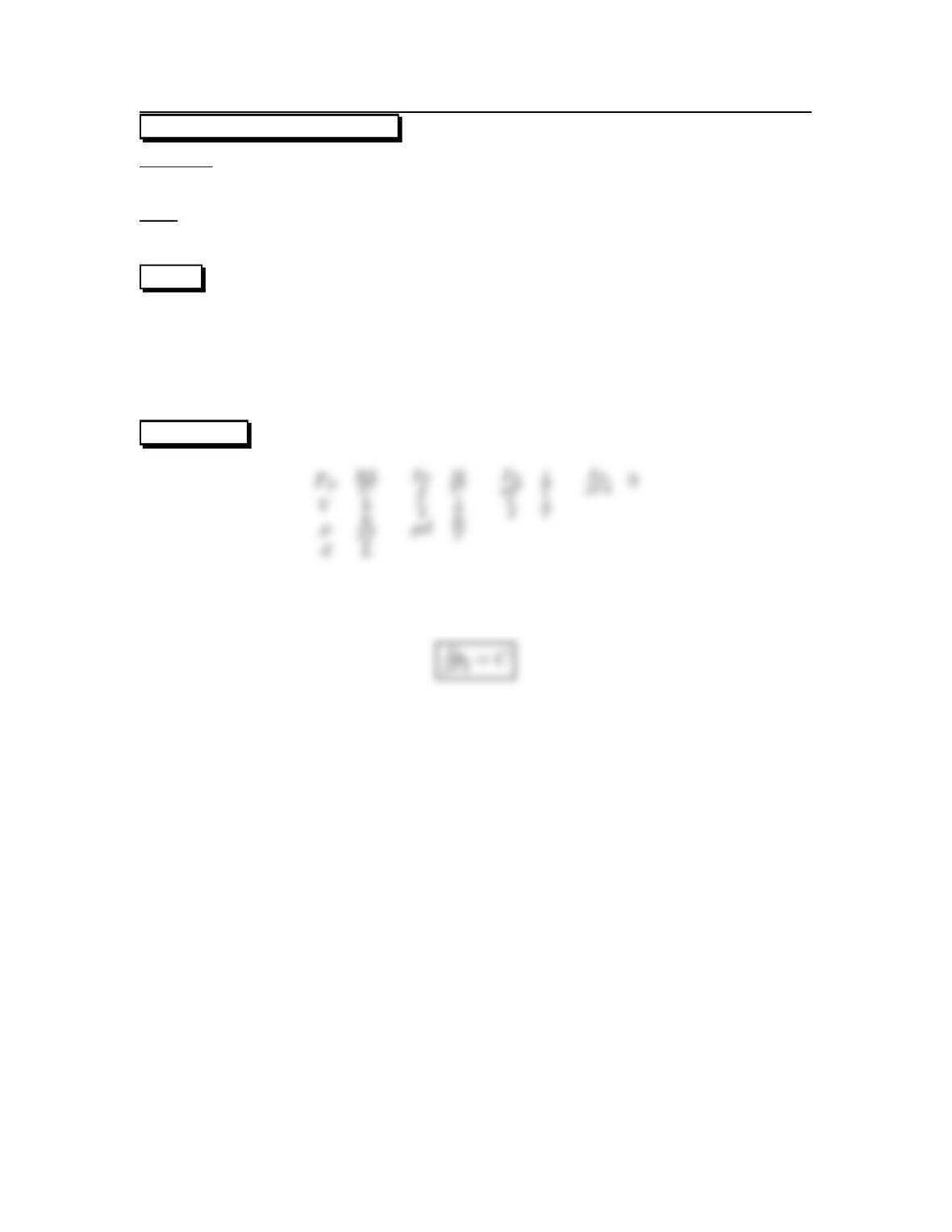
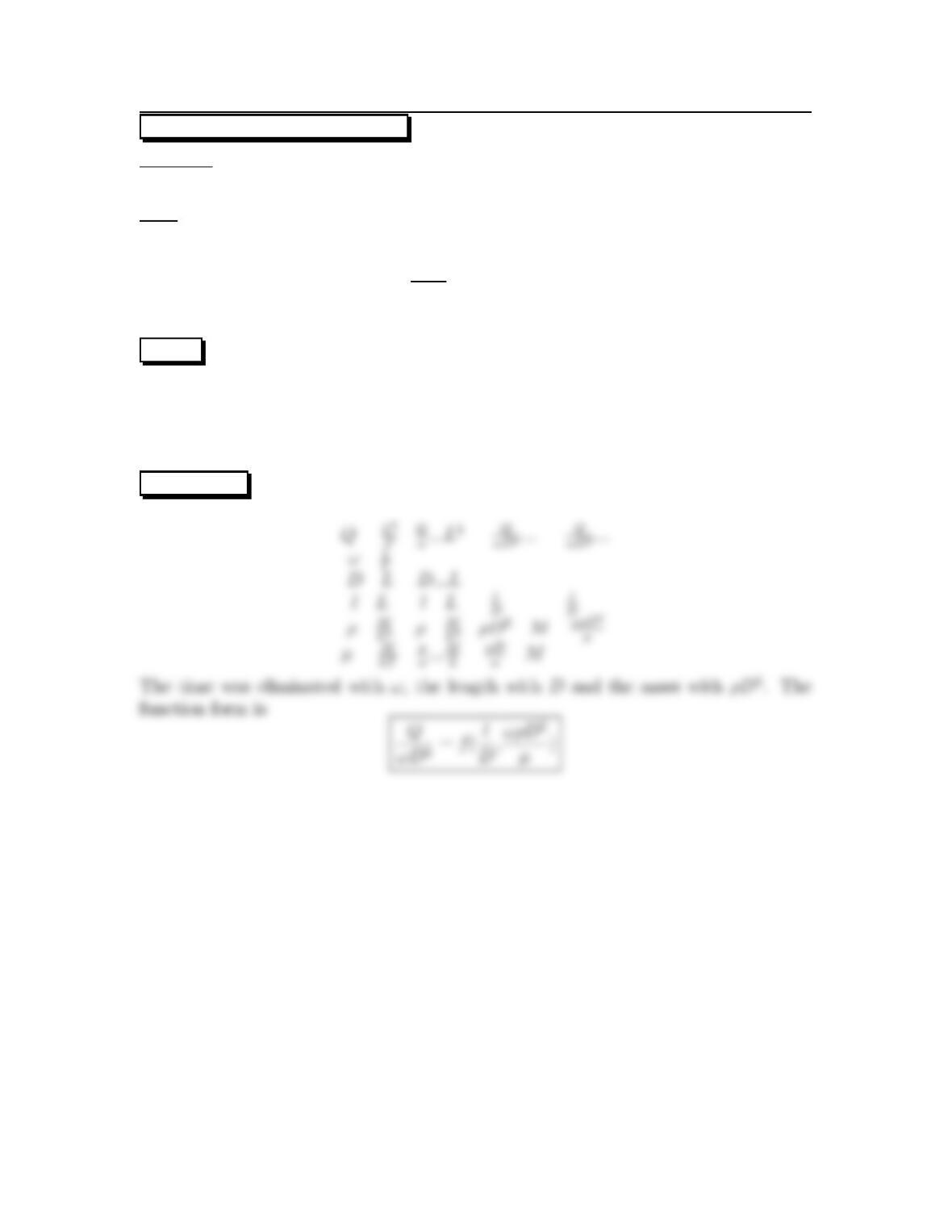
In the first step, dwas used to remove length and in the second γd2was used to
remove both length and time. The final functional form is
7
8.8: PROBLEM DEFINITION
Situation:
Drag force on a small sphere.
Find:
The relevant π−groups.
PLAN
The functional form of the equation is
FD=f(V,d,μ)
Use the step-by-step method.
SOLUTION
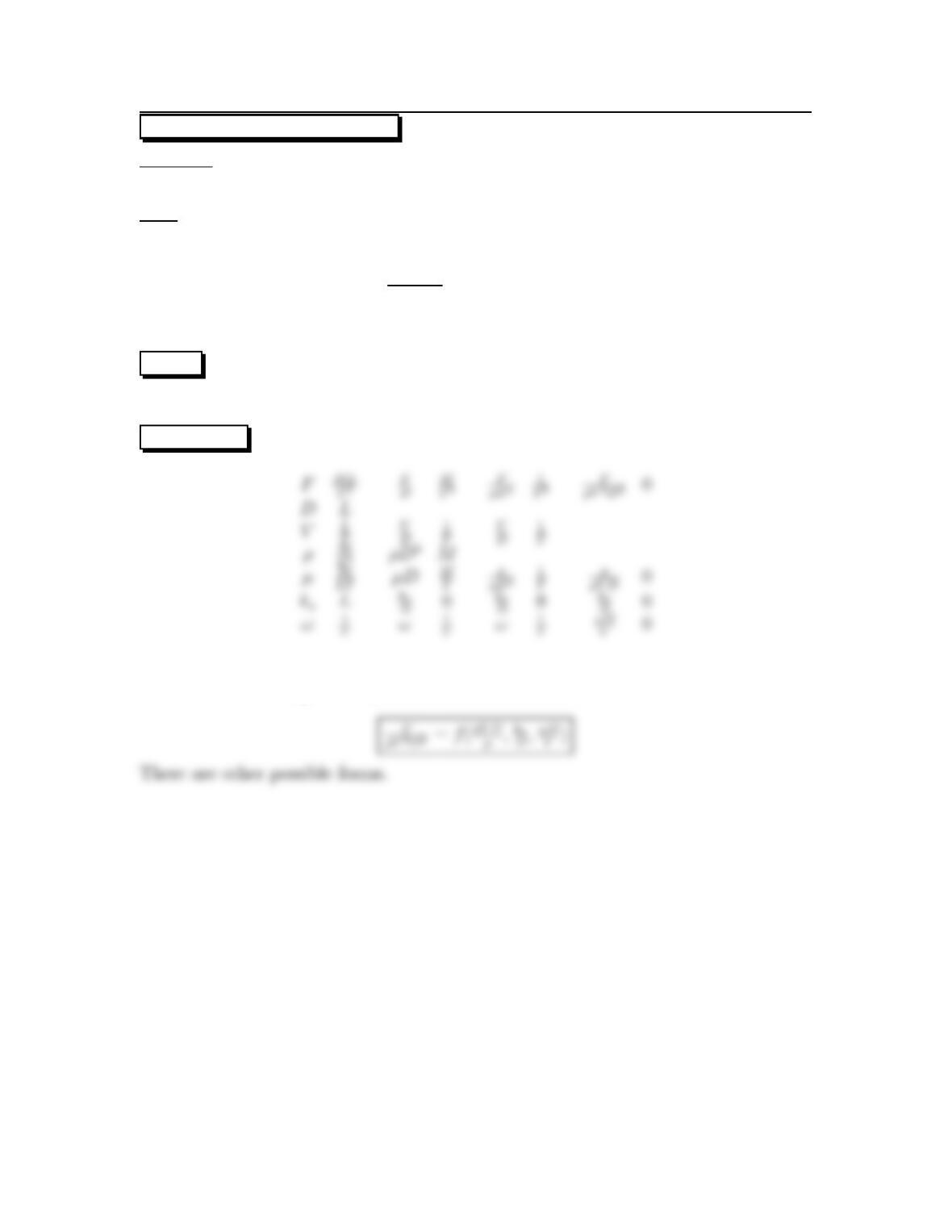
In the first step, length is removed with d. In the second, mass is removed with μd
andinthethirdtimeisremovedwithV/d. Finally
8
8.9: PROBLEM DEFINITION
Situation:
The side thrust of a rough spinning ball in a fluid.
Find:
The π−groups in the form
Fs
ρV 2
oD2=f(π1,π
2,π
3)
.
PLAN
Use the step-by-step method.
SOLUTION
Lengthisremovedinthefirst step with D, mass in the second step with ρD3and
time in the third step with V/D. The functional form is
9
8.10: PROBLEM DEFINITION
Situation:
Steady, viscous flow through a small horizontal tube.
Find:
The π−groups.
PLAN
The functional form is ∆p
∆=f(V,μ,D)
There are four dimensional variables so there will only be one π-group. Use the
step-by-step method.
SOLUTION
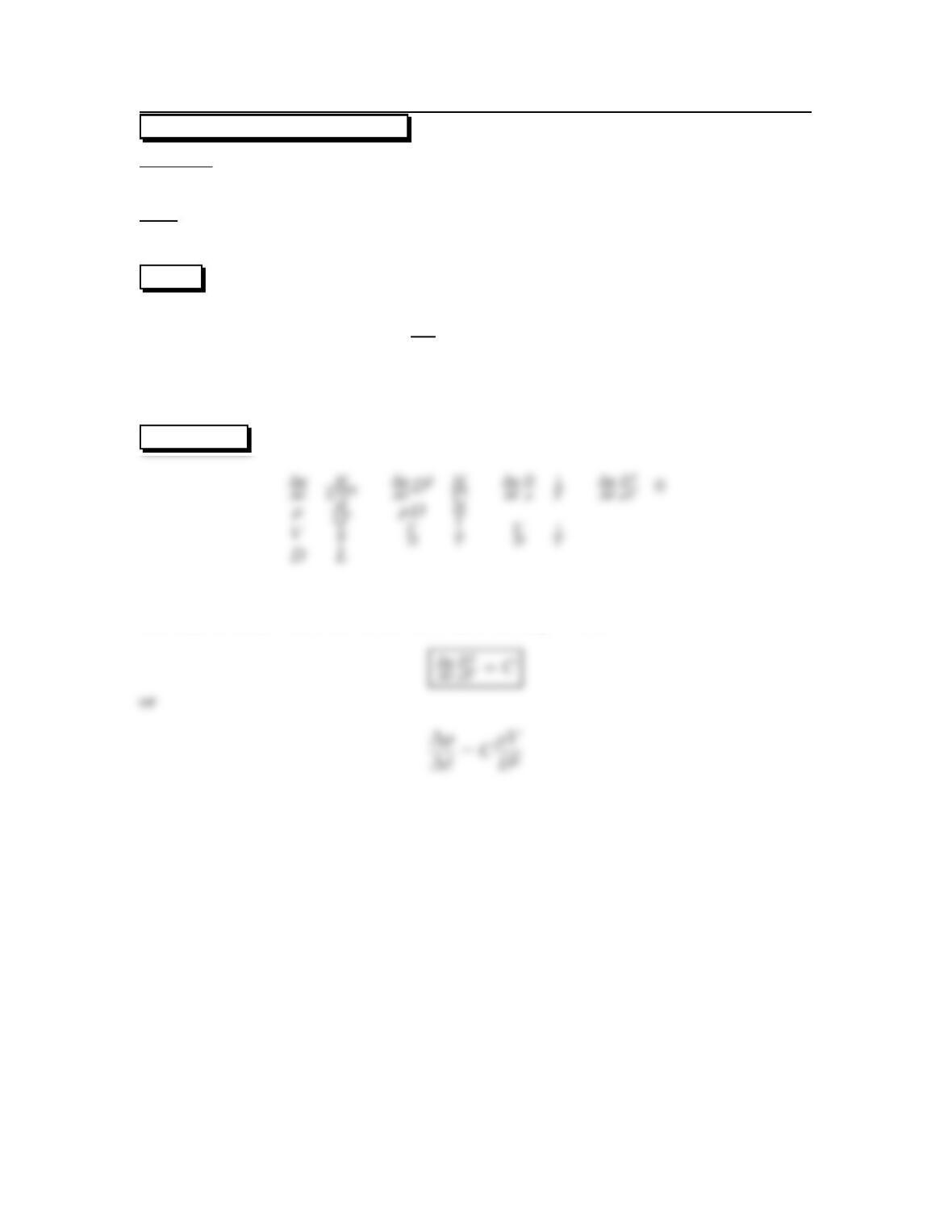
Lengthisremovedinthefirst step with D, mass is removed in the second with μD
andtimeisremovedinthethirdwithV/D. Finally we have
10
8.11: PROBLEM DEFINITION
Situation:
Vortex meter for flow rate measurement.
Find:
The functional relation in the form
Q
ωD3=f(π1,π
2)
PLAN The functional form of the equation is
Q=(ω, D, l, ρ, μ)
Use the step-by-step method.
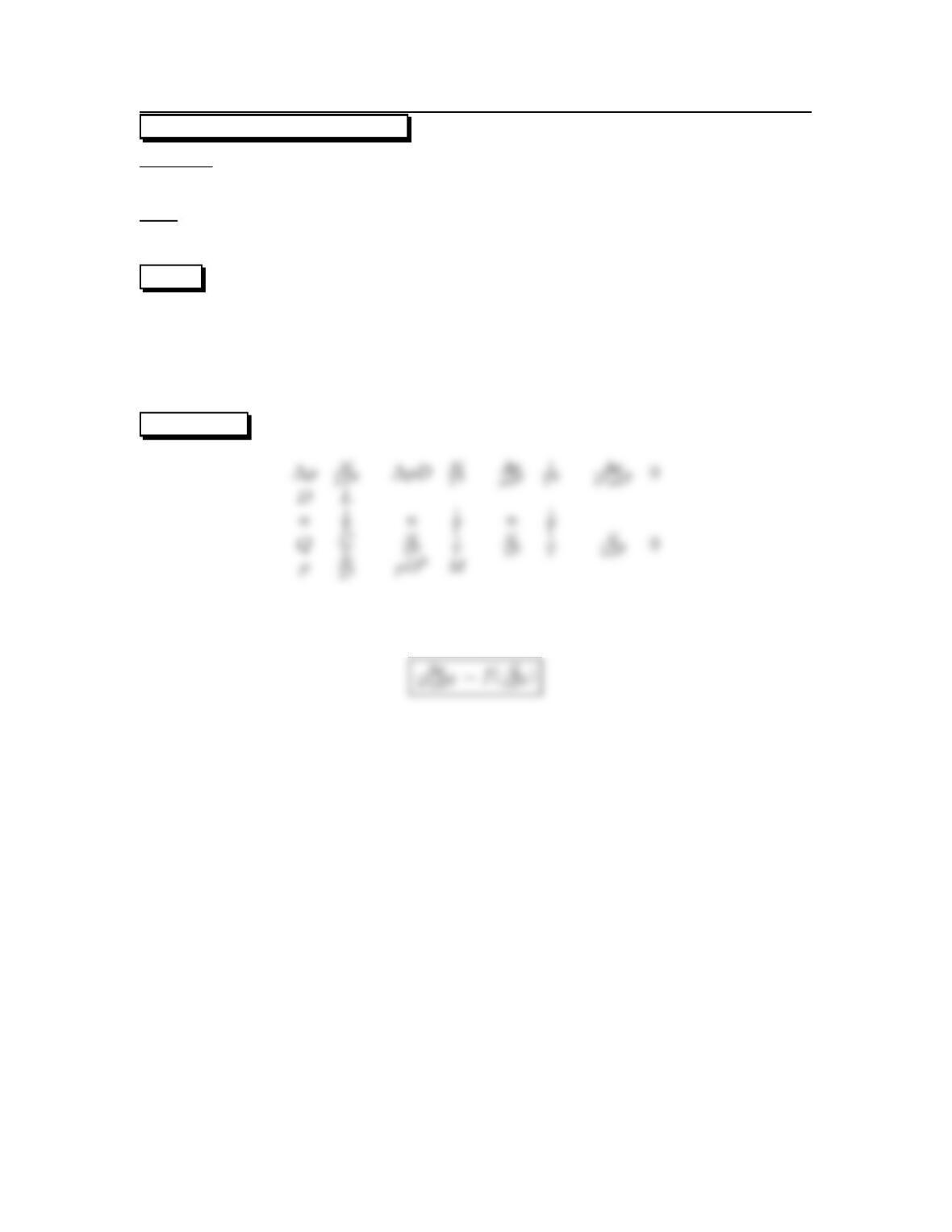
SOLUTION Setting up the table
11
8.12: PROBLEM DEFINITION
Situation:
A centrifugal pump develops a pressure change when in operation.
Find:
The π−groups.
PLAN
The functional form is
∆p=f(D, n, Q, ρ)
There are 5 dimensional variables so there should be 2 πgroups. Use the step-by-step
method.
SOLUTION
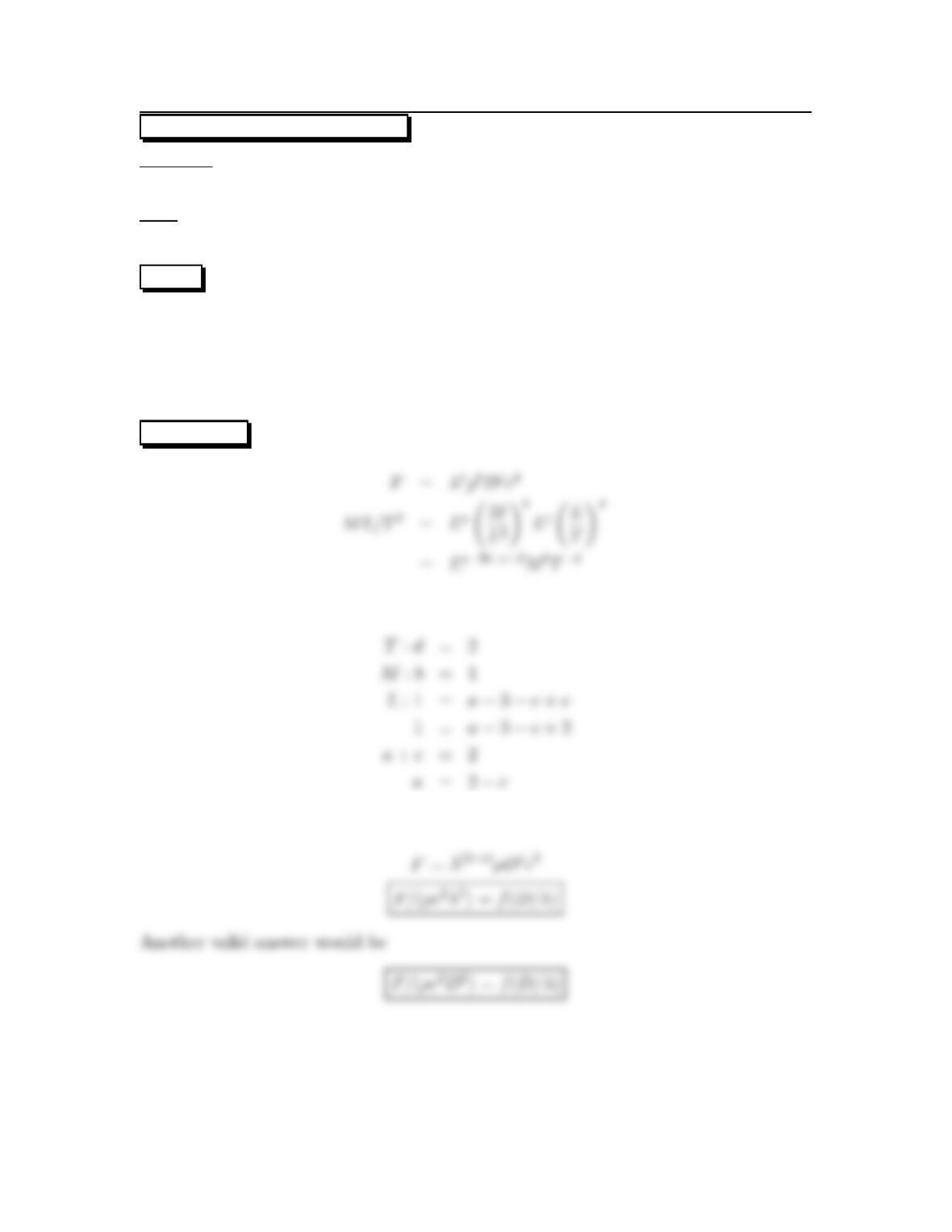
In the first step, length is removed with D. In the second step, mass is removed with
ρD3and time is removed in the third step with n. The functional form is
12
8.13: PROBLEM DEFINITION
Situation:
The force on a satellite in the earth’s upper atmosphere.
Find:
The nondimensional form of equation.
PLAN
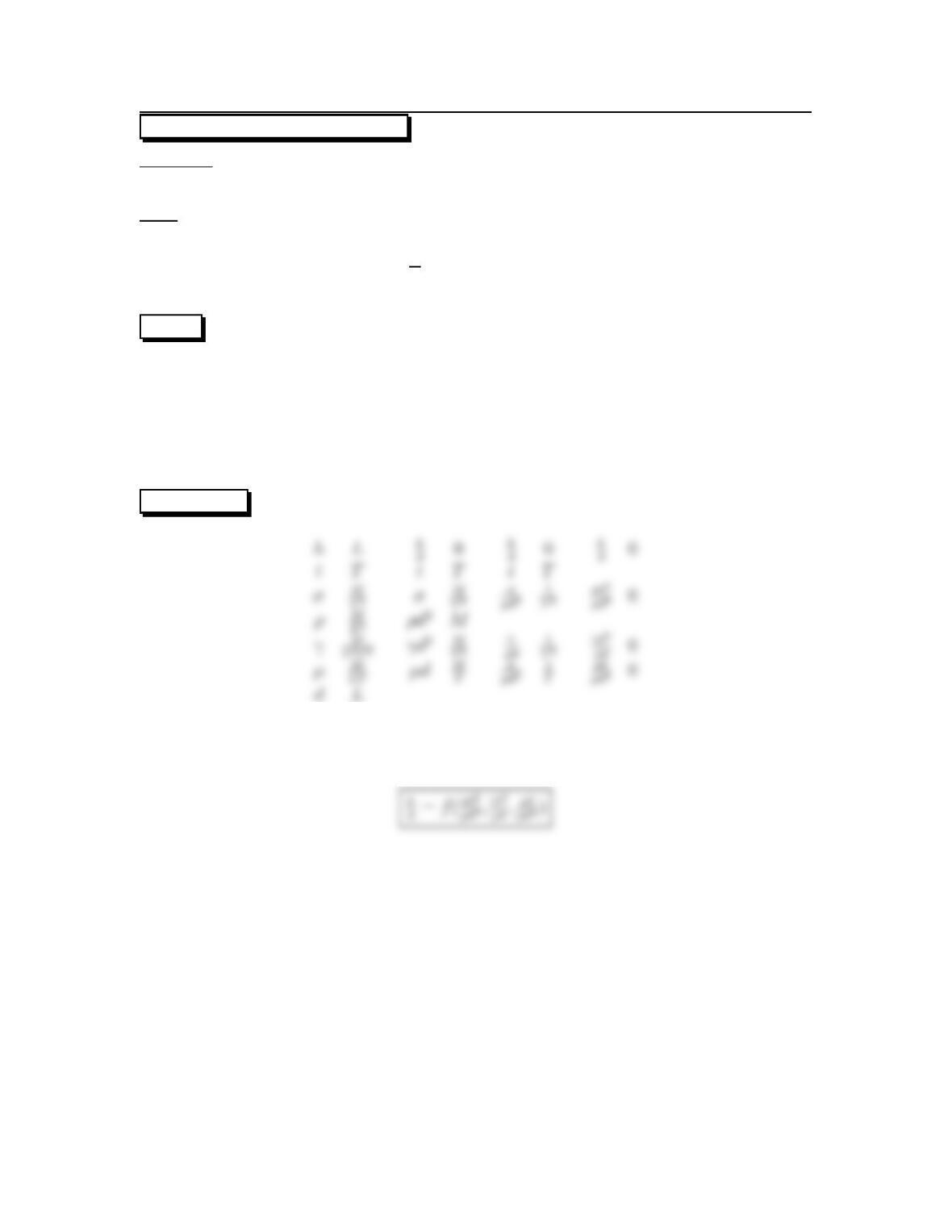
The dimensional form of the equation is
F=f(λ, D, ρ, c)
Use the exponent method.
SOLUTION
Equating powers of M, L and T,wehave
Therefore,
13
8.14: PROBLEM DEFINITION
Situation:
A study involves capillary rise of a liquid in a tube.
Find:
The π−groups in the form h
d=f(π1,π
2,π
3)
PLAN
The dimensional form of the equation is
h=f(t, d, σ, ρ, γ, μ)
There are 7 dimensional variables so there should be 4 πgroups. Use the step-by-step
method.
SOLUTION
In the first step, length is removed with d. In the second step, mass is removed with
ρd3and in the final step, time is removed with t. The final functional form is
14
8.15: PROBLEM DEFINITION
Situation:
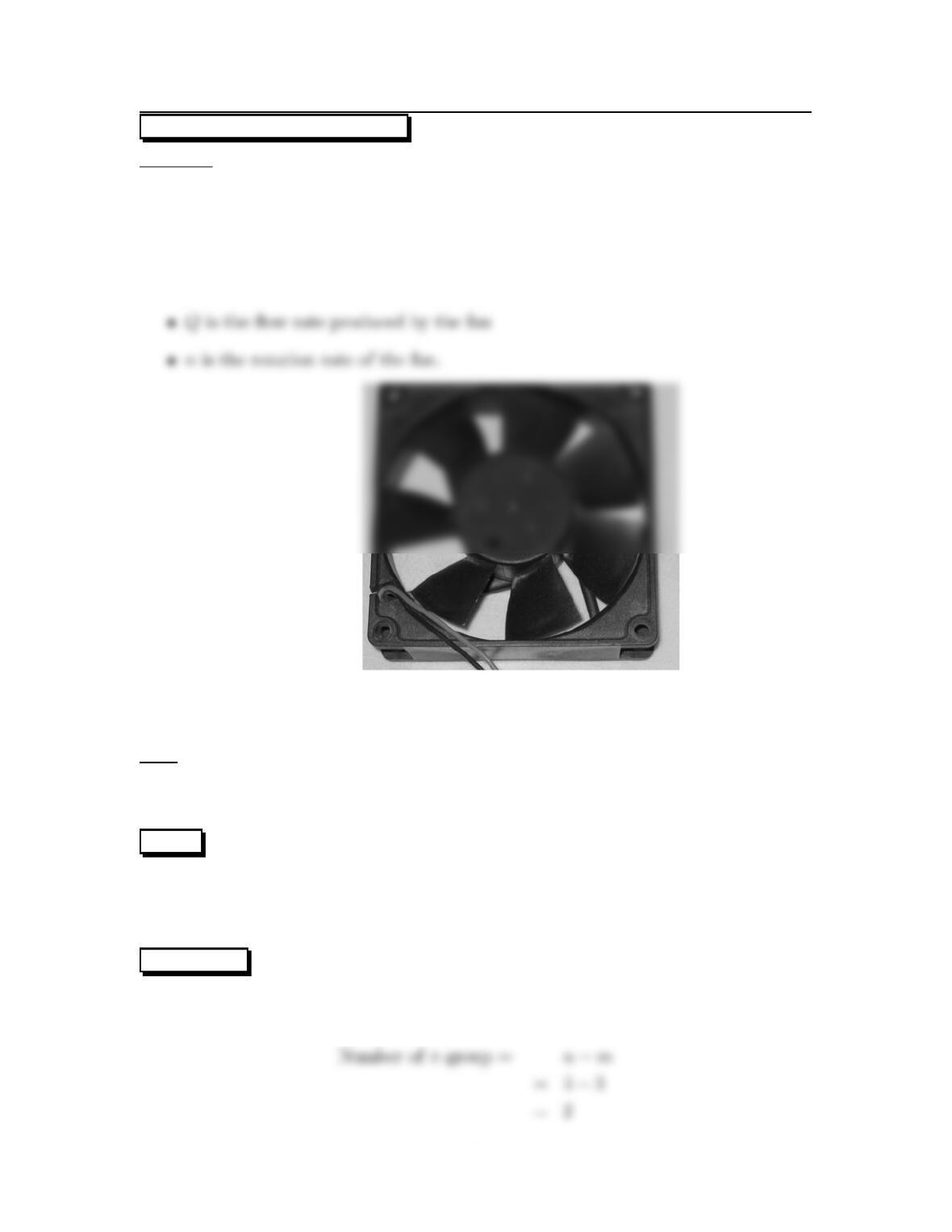
An engineer characterizing power consumed by a fan.
Power depends on four variables: P=f(ρ, D, Q, n).
•ρis the density of air
•Dis the diameter of the fan impeller
Find:
(a) Find the relevant π-groups.
(b) Suggest a way to plot the data.
PLAN
Apply the π-Buckingham theorem to establish the number of π-groups that need to
be found. Apply the step-by-step method to find these groups and then use the
π-groups to decide how a plot should be made.
SOLUTION
π-Buckingham theorem. The number of variables is n=5. The number of primary
dimensions is m=3.
15
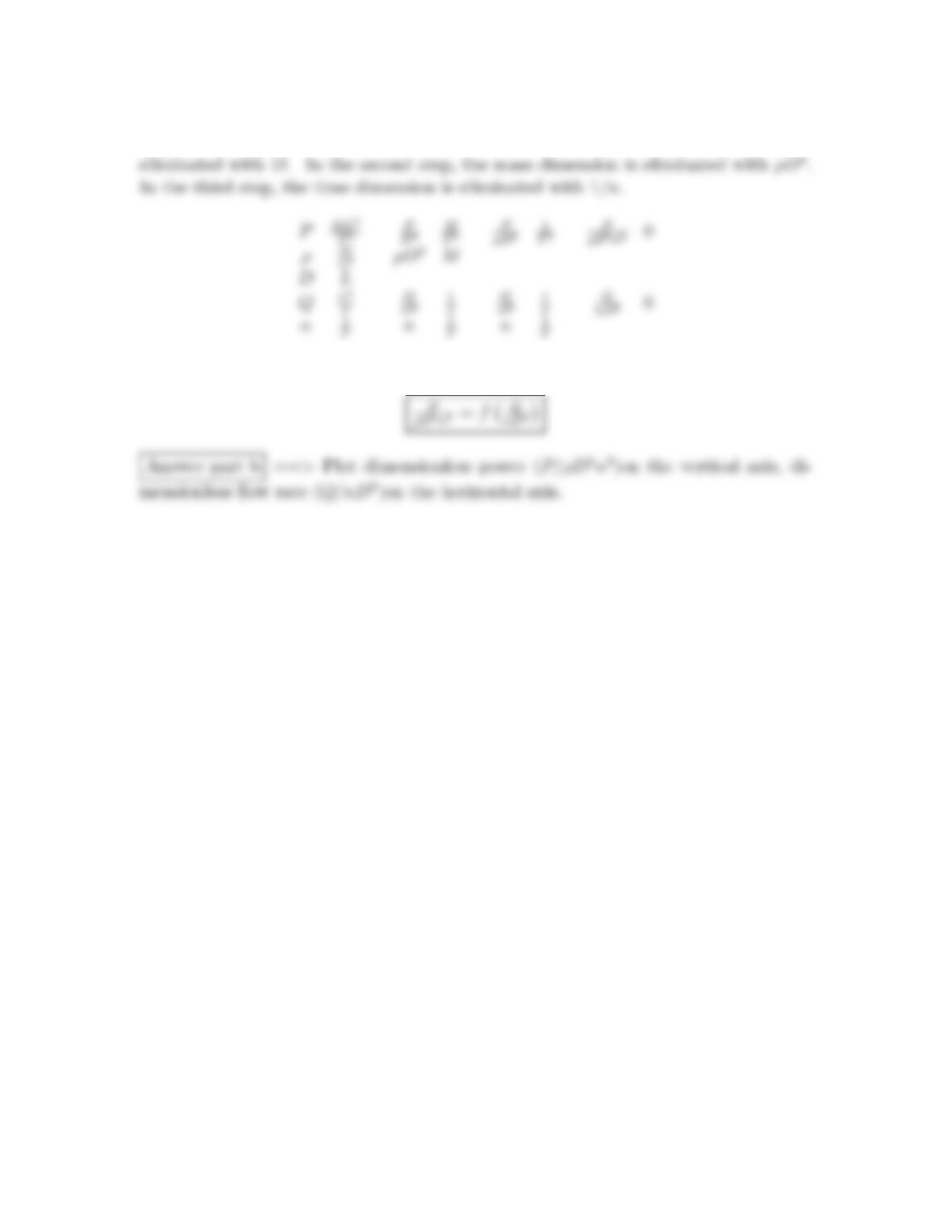
Step by step method. The variable of interest are P=f(ρ, D, Q, n).The step-by-
step process is given in the table below. In the first step, the length dimension is
The functional form of the equation using π-groups to characterize the variables is:
16

8.16: PROBLEM DEFINITION
Situation:
A liquid in a pipe flows through an abrupt contraction.
Find:
The π-groups that characterize pressure drop. Express the answer as
∆pd4
ρQ2=f(π1,π
2)
PLAN
The pressure change should depend on the upstream and downstream diameters, the
discharge, density, viscosity The functional form of the equation is
∆p=f(Q, ρ, μ, d, D)
Use the step-by-step method.
SOLUTION
Length is removed with din the first step, mass with ρd3inthesecondstepandtime
with Q/d3in the third step. The final form is
17
8.17: PROBLEM DEFINITION
Situation:
A solid particle falls through a viscous fluid.
The functional form is
V=f(ρf,ρ
p,μ,D,g)
Find:
Find the π−groups–express the answer in the form:
V
√gD =f(π1,π
2)
PLAN
Use the exponent method.
SOLUTION
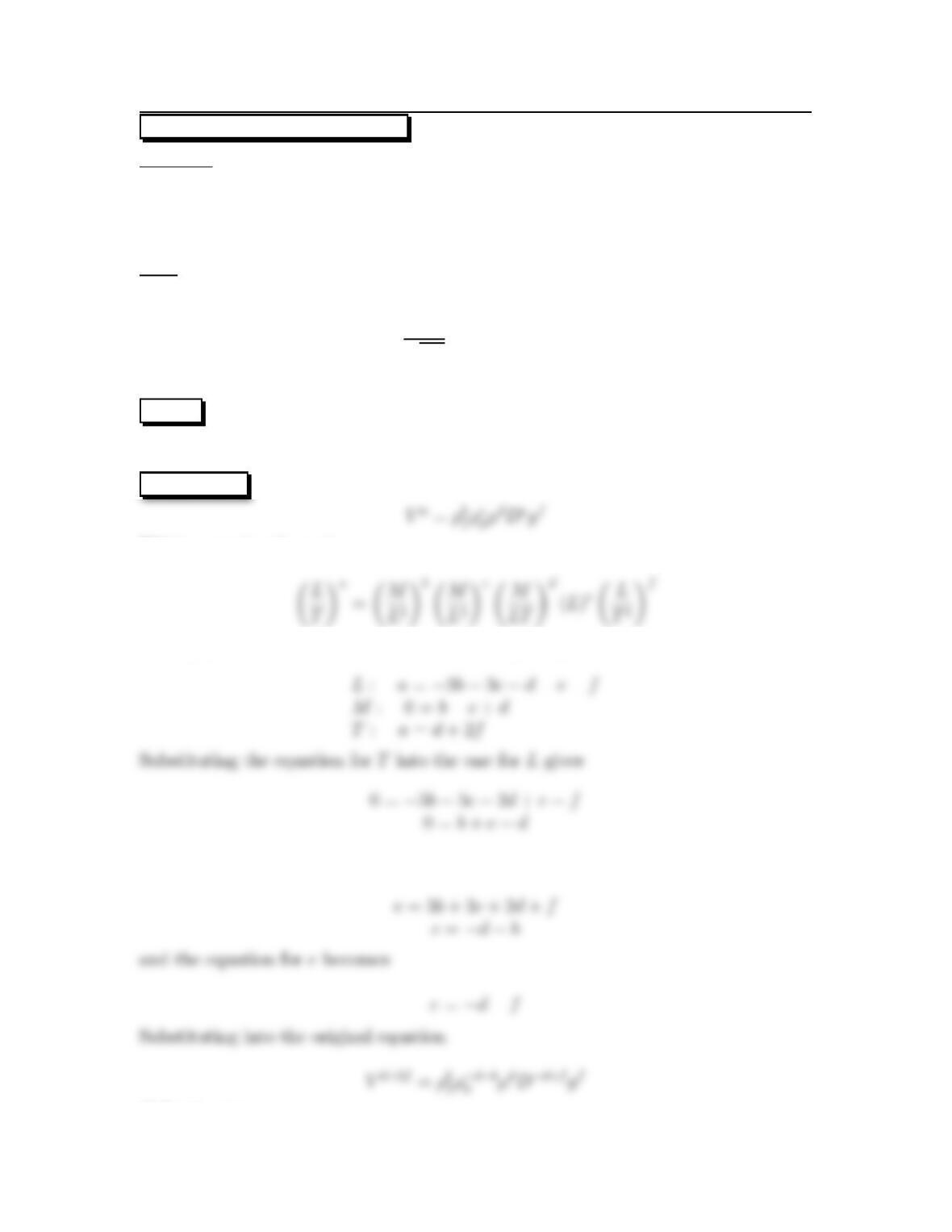
Writing out the dimensions
Setting up the equations for dimensional homogeneity
Solving for efrom the first equation and cfrom the second equation
Collecting terms
18

The functional equation can be written as
19
8.18: PROBLEM DEFINITION
Situation:
Calibration of a flow meter to measure mass flow through a pipe.
The dimensional functional form:
˙m=f(D, μ, ∆p, ρ)
Find:
The π−groups in the form
˙m
pρ∆pD4=f(π)
PLAN
Use the exponent method.
SOLUTION
The functional relationship is
Writing out the dimensional equation
and the equations for the dimensions are
Substituting the equation for time into the equation for mass yields two equations
Substituting back into the original equation
20