Solution 5.1
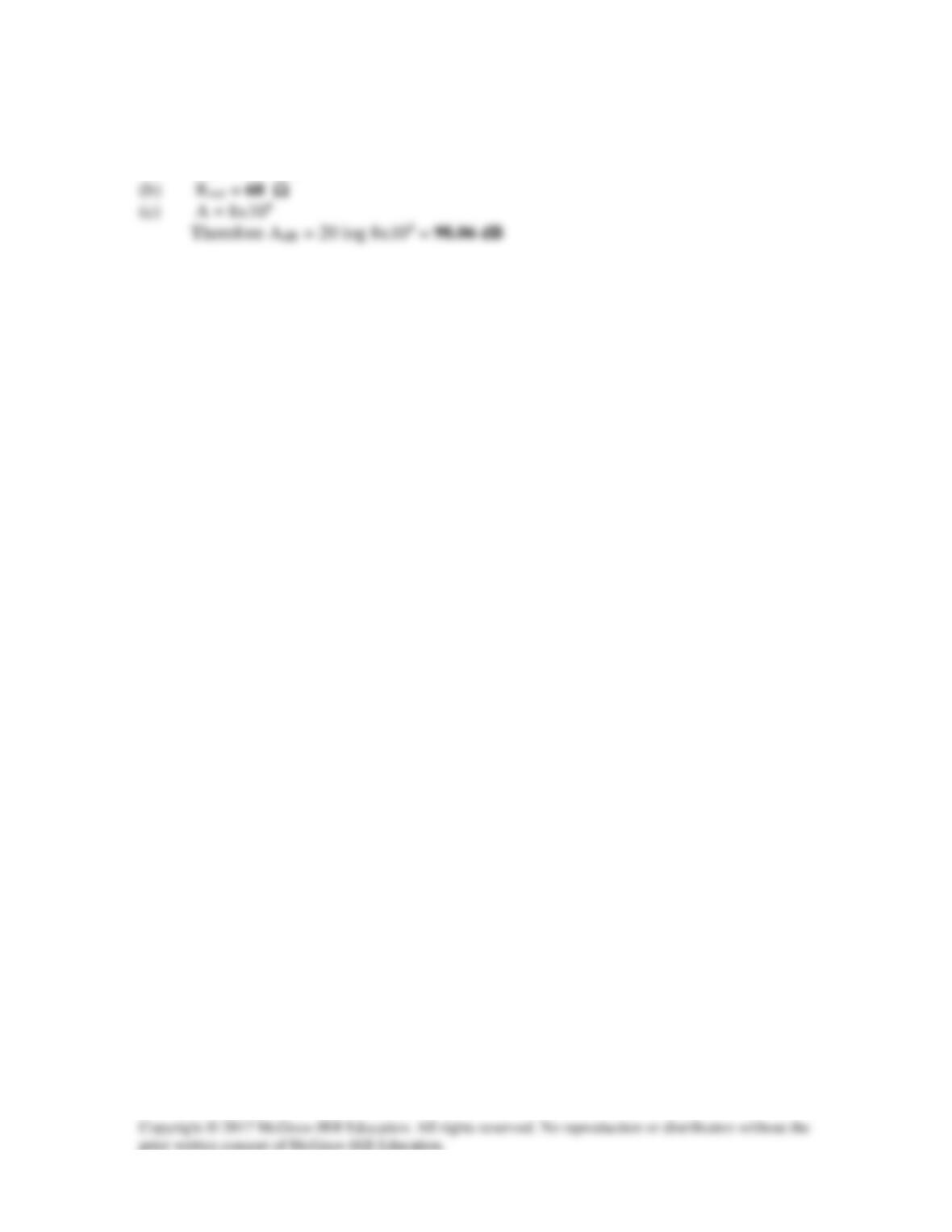
(a) Rin = 1.5 MΩ
Solution 5.2
Solution
Solution 5.3
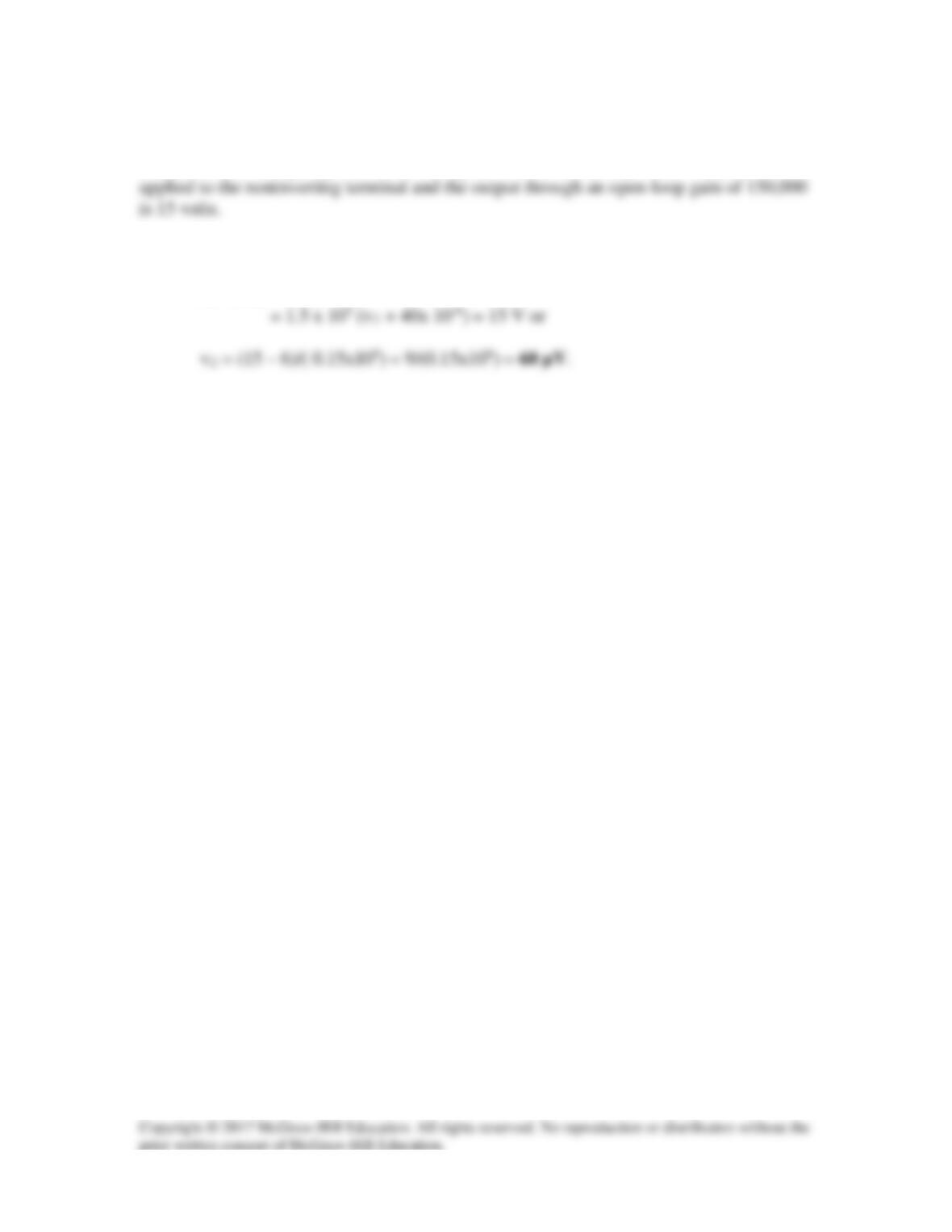
Determine the voltage input to the inverting terminal of an op amp when –40 µvolts is
Solution
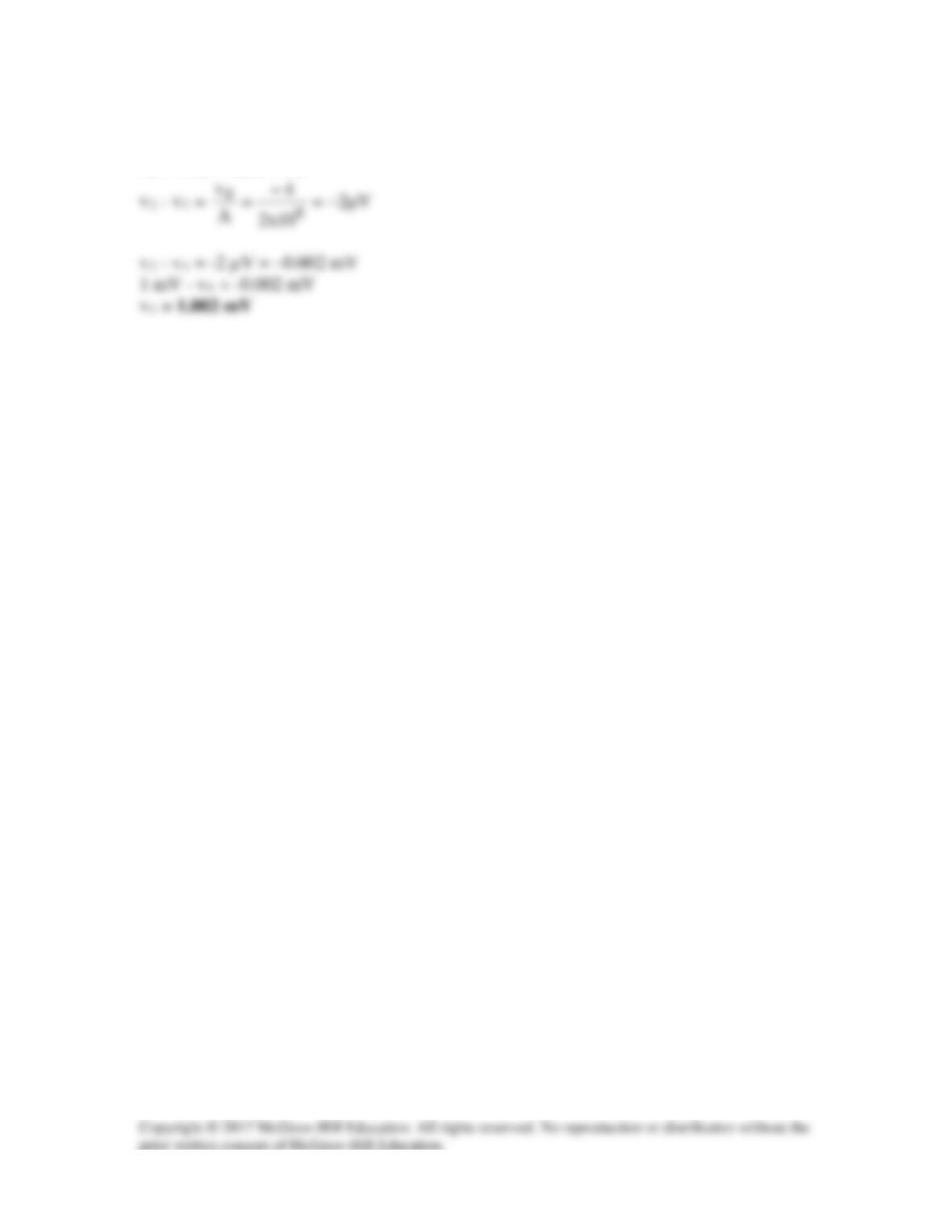
v0 = Avd = A(v2 – v1)
Solution 5.4
v0 = Avd = A(v2 – v1)
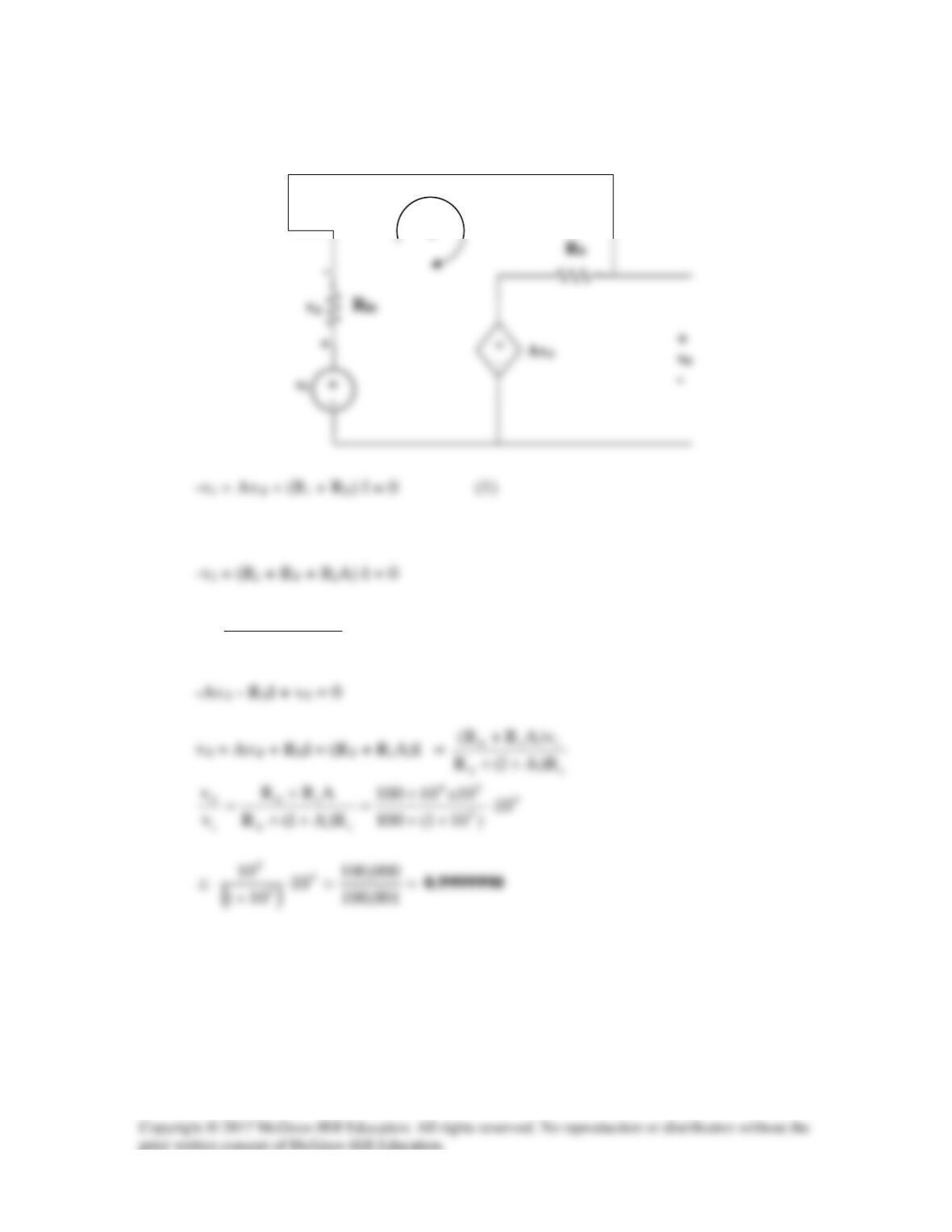
Solution 5.5
But vd = RiI,
I =
i0
i
R)A1(R
v
++
(2)
I
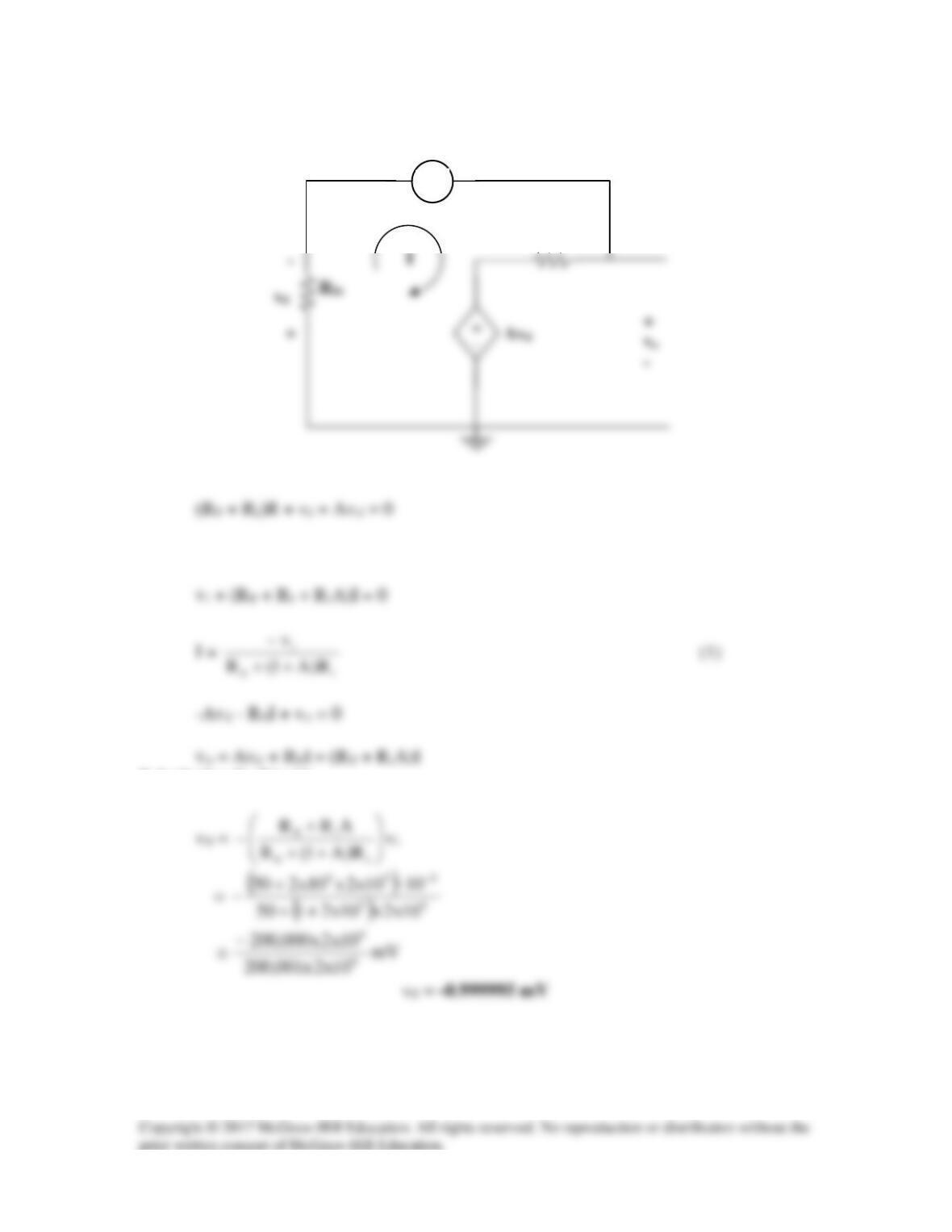
Solution 5.6
But vd = RiI,
Substituting for I in (1),
–
+
v
i
R
0
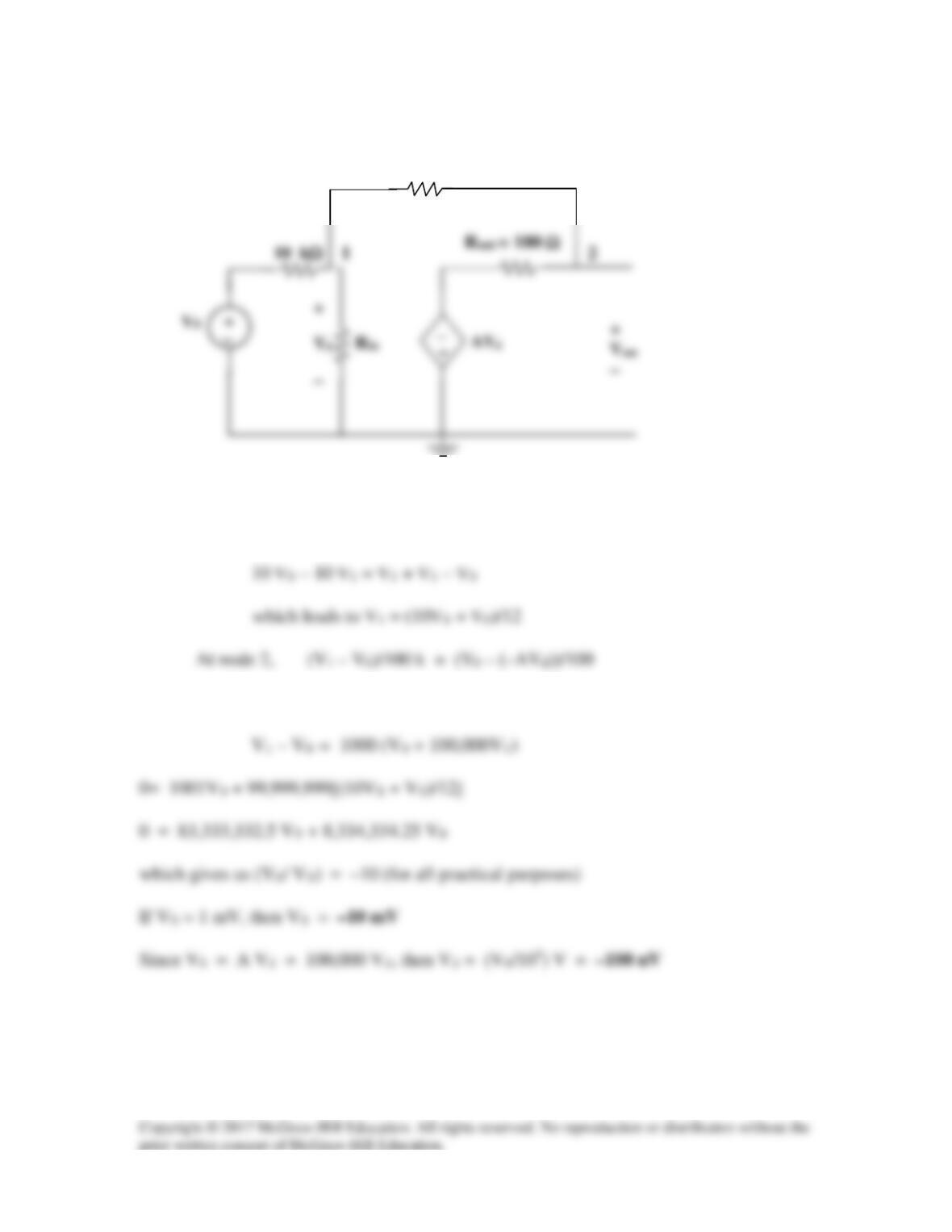
Solution 5.7
10 kΩ
At node 1, (VS – V1)/10 k = [V1/100 k] + [(V1 – V0)/100 k]
But Vd = V1 and A = 100,000,
100 kΩ
Solution 5.8
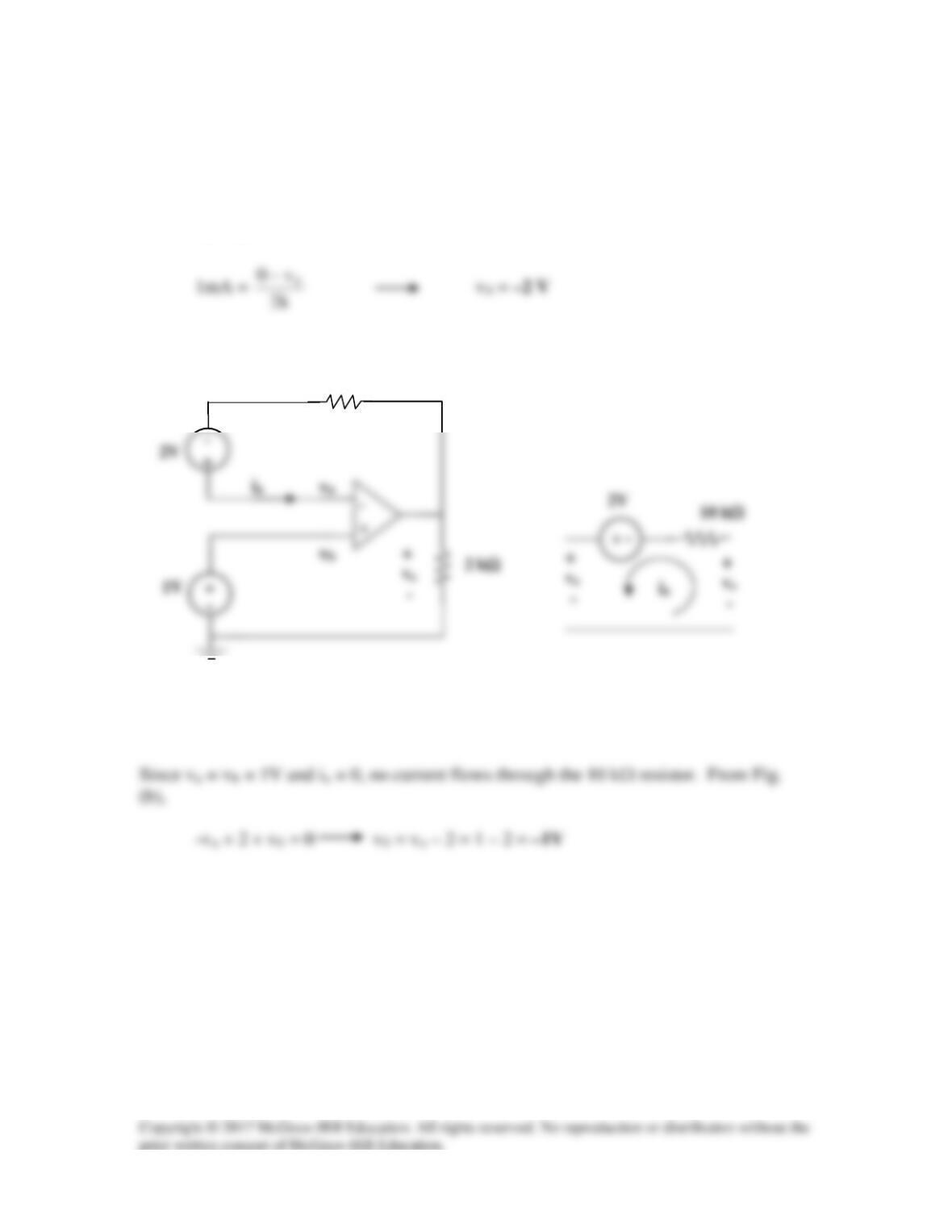
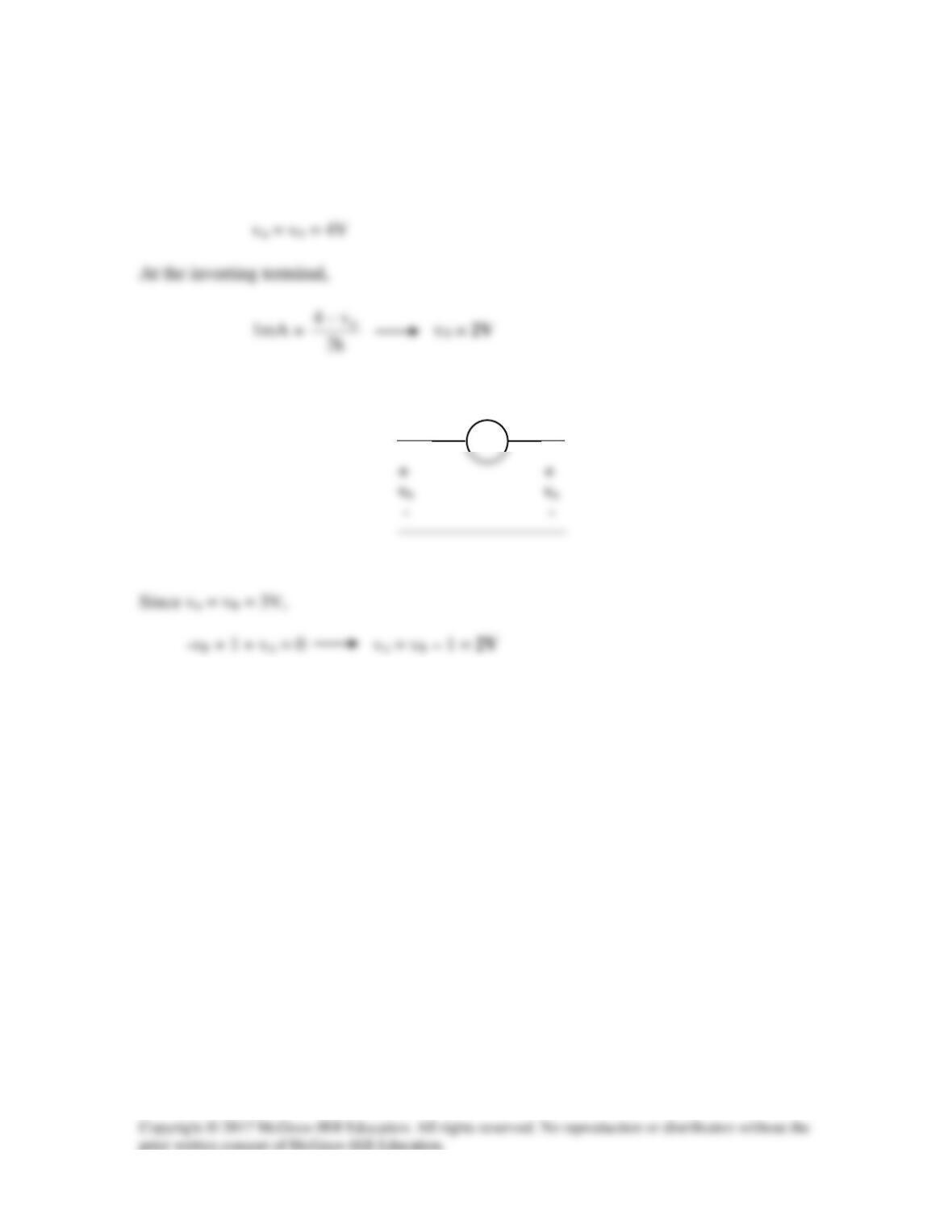
(a) If va and vb are the voltages at the inverting and noninverting terminals of the op
amp.
va = vb = 0
(b)
10 kΩ
10 kΩ
(a)
(b)
Solution 5.9
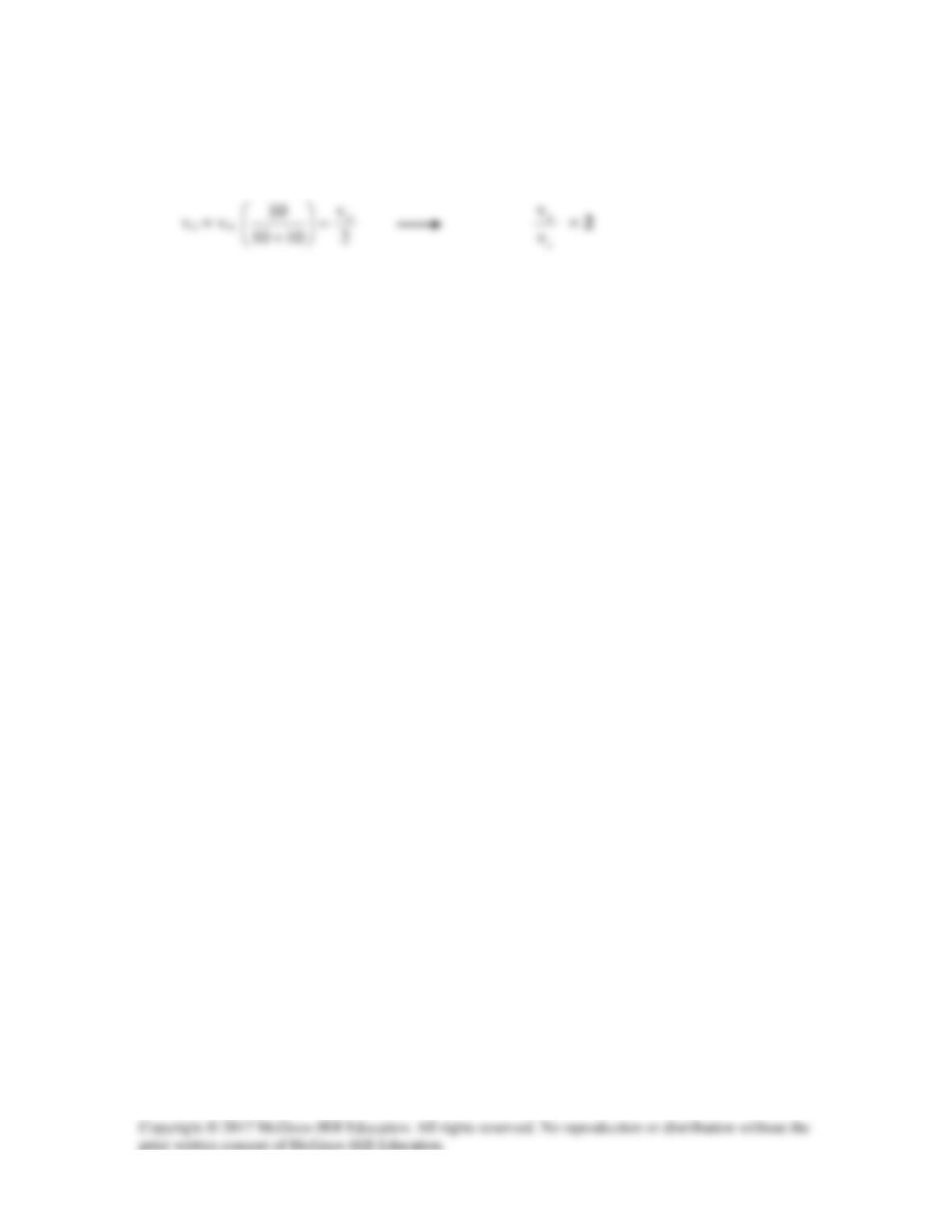
(a) Let va and vb be respectively the voltages at the inverting and noninverting
terminals of the op amp
(b)
+ –
1V
Solution 5.10
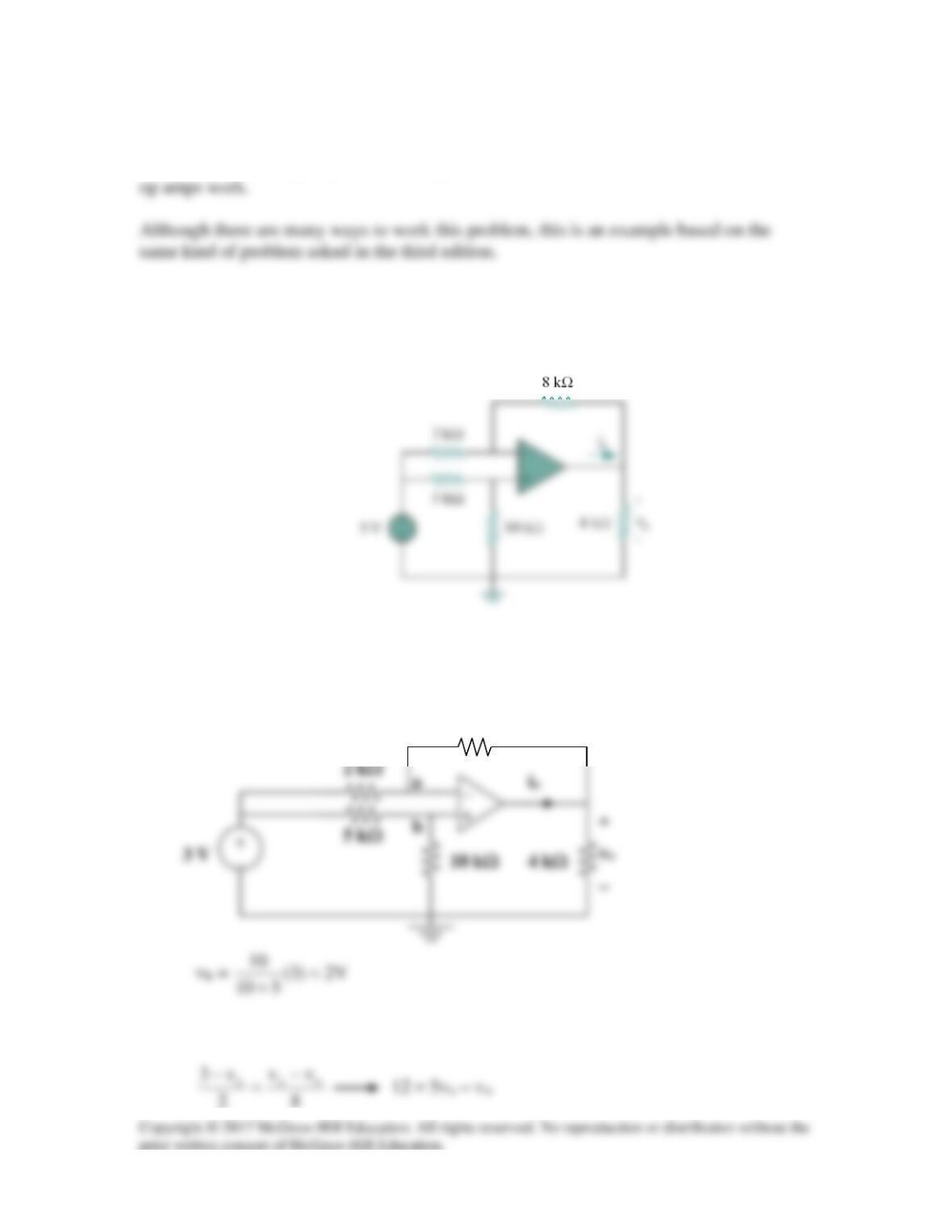
Since no current enters the op amp, the voltage at the input of the op amp is vs. Hence
Solution 5.11
Using Fig. 5.50, design a problem to help other students to better understand how ideal
Problem
Find vo and io in the circuit in Fig. 5.50.
Solution
2 kΩ
5 kΩ
At node a,
8 kΩ
Figure 5.50 for Prob. 5.11
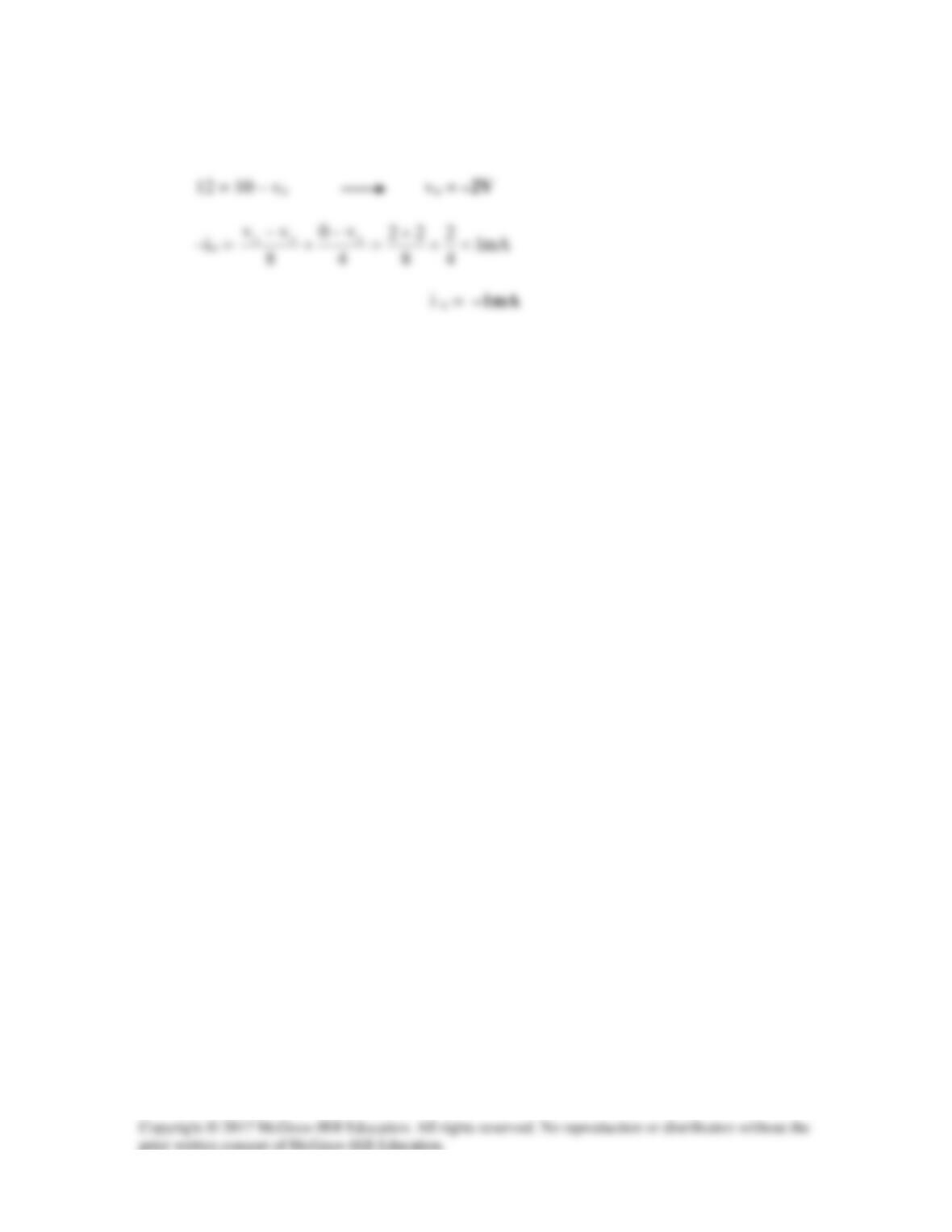
But va = vb = 2V,
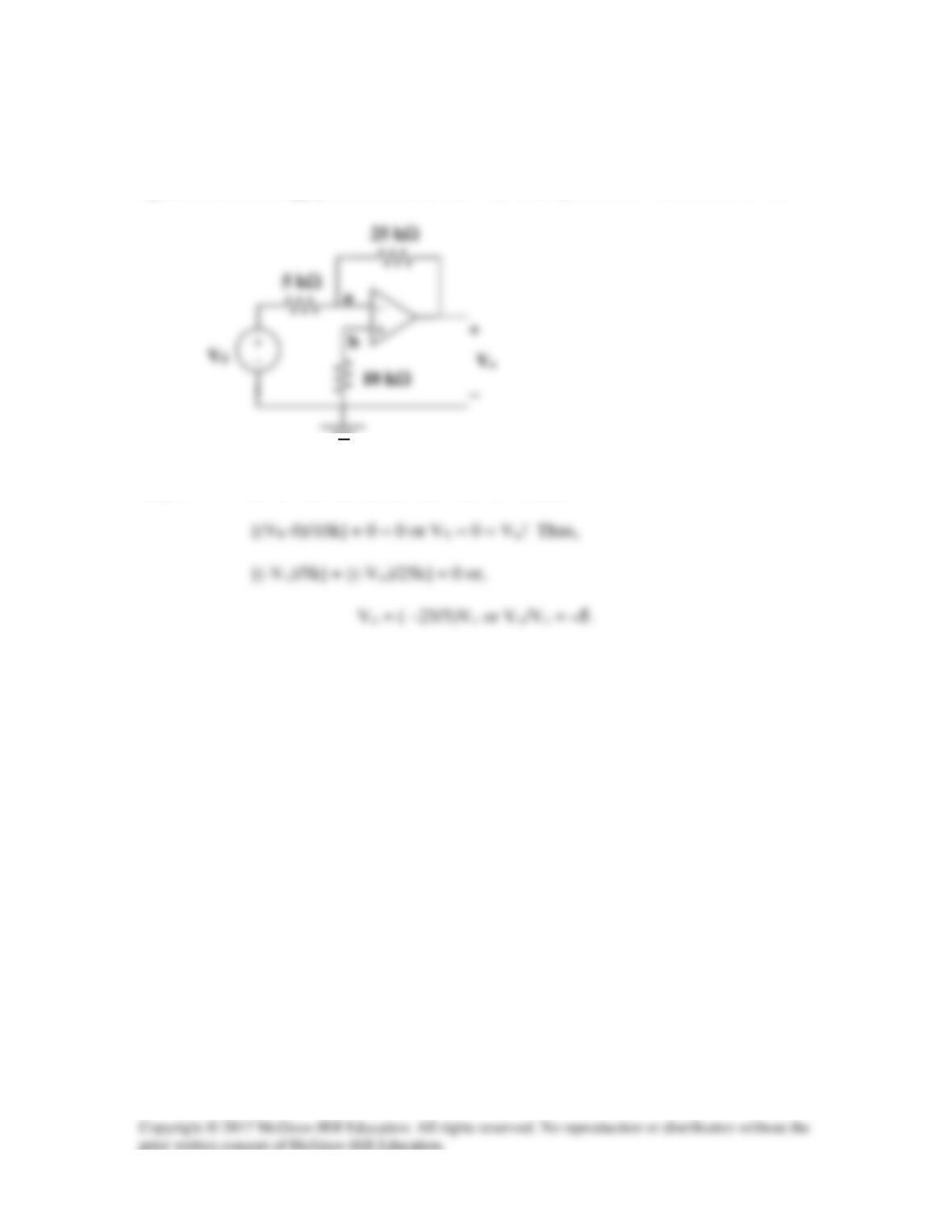
Solution 5.12
Step 1. Label the unknown nodes in the op amp circuit. Next we write the node
equations and then apply the constraint, Va = Vb. Finally, solve for Vo in terms of Vs.
Step 2. [(Va-Vs)/5k] + [(Va-Vo)/25k] + 0 = 0 and
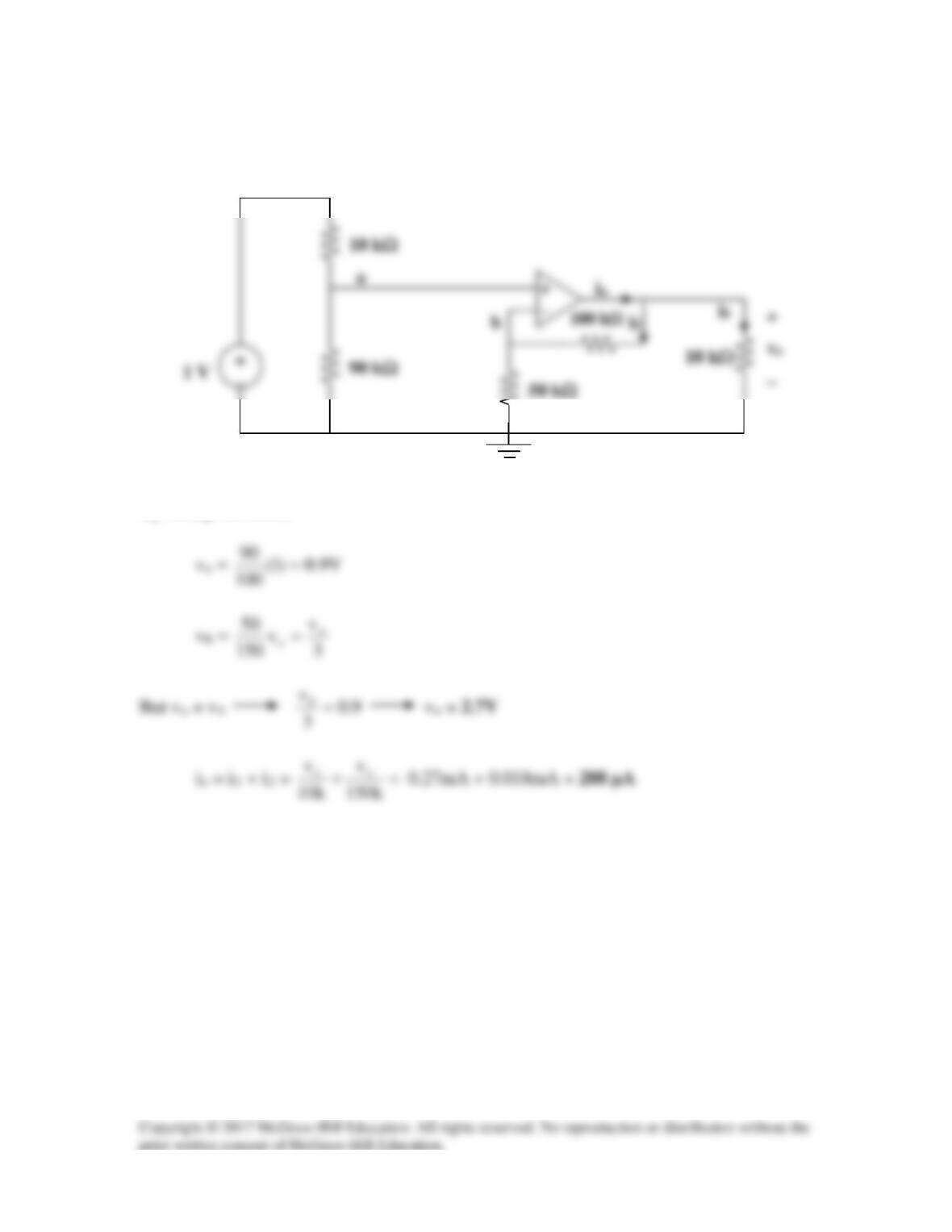
Solution 5.13
By voltage division,
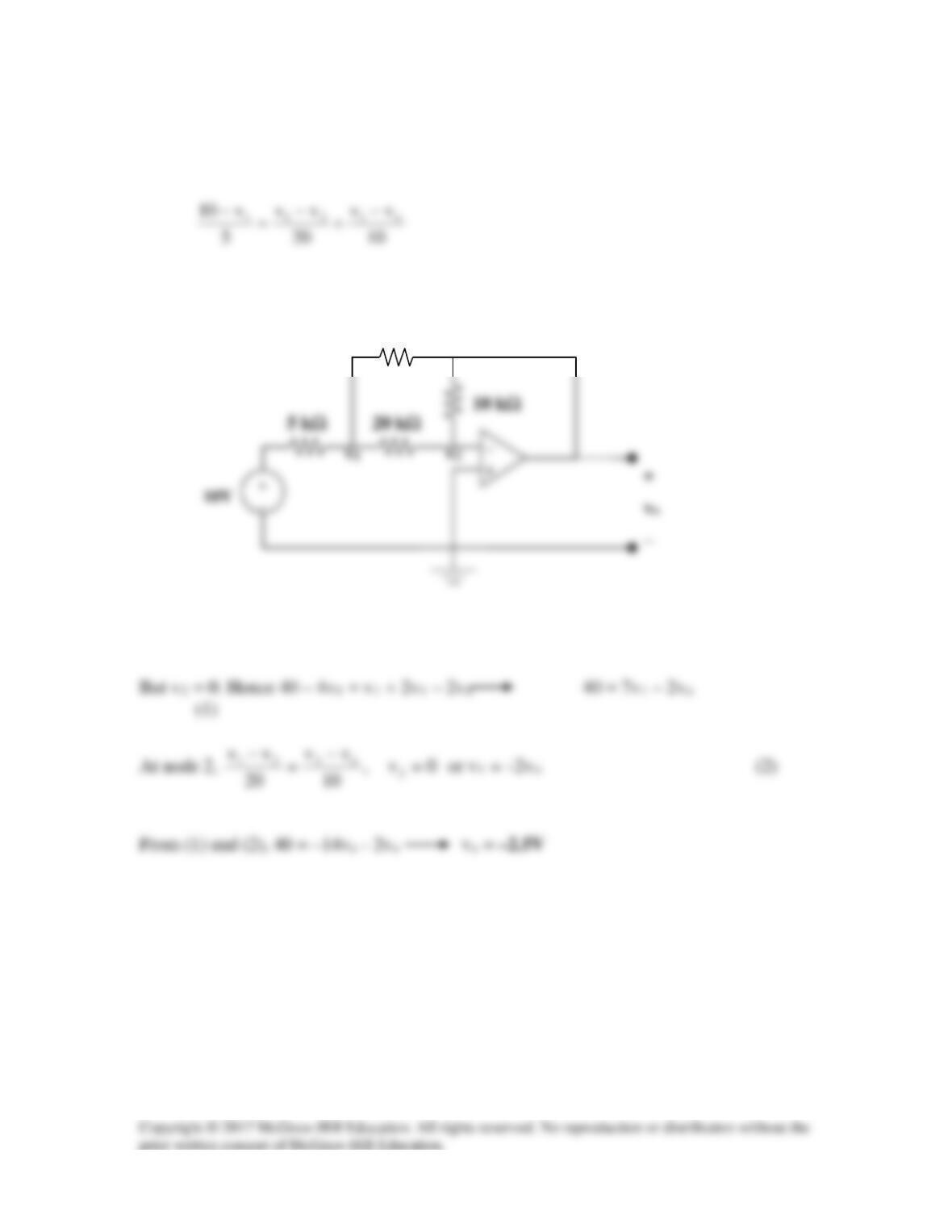
Solution 5.14
Transform the current source as shown below. At node 1,
20 kΩ
v1
v2
vo
10 kΩ
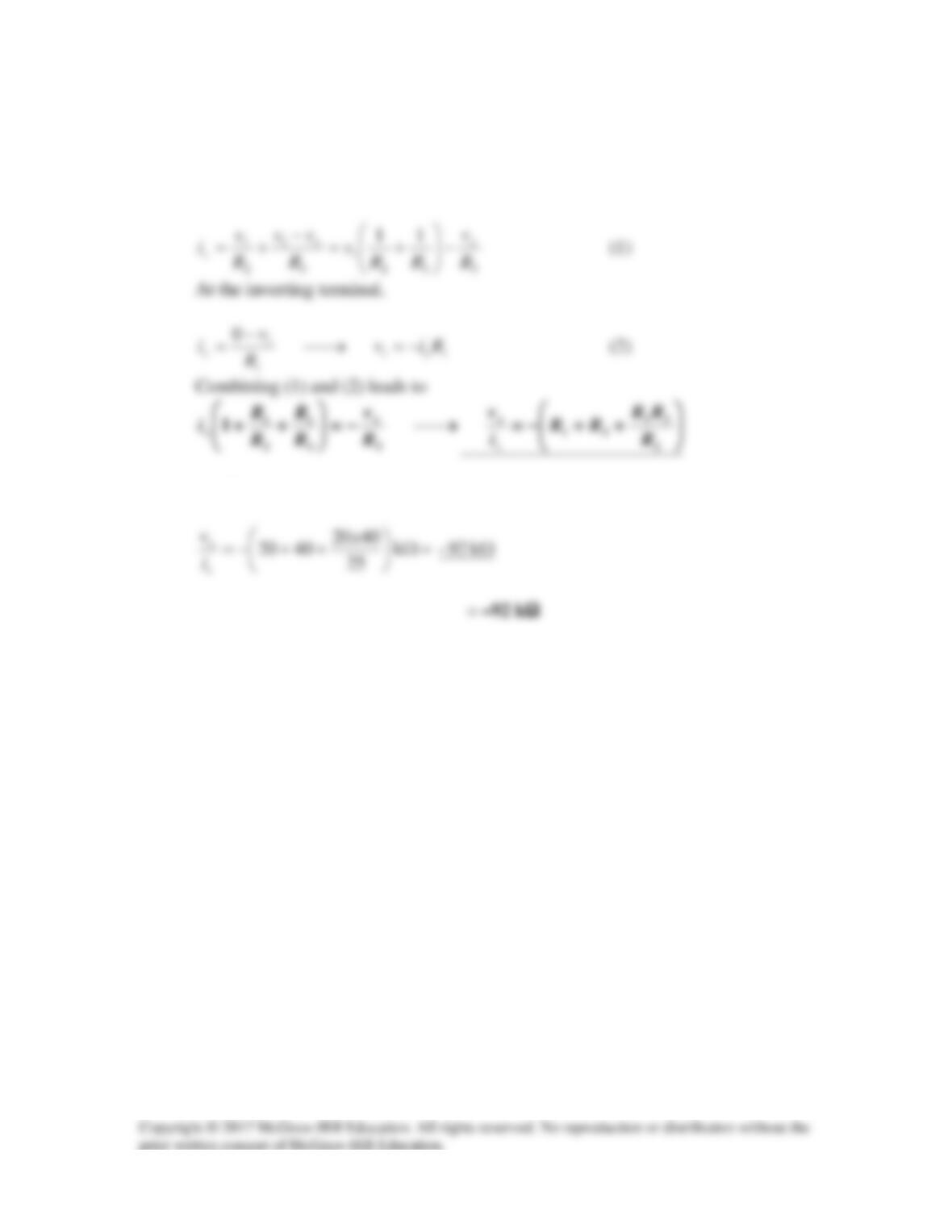
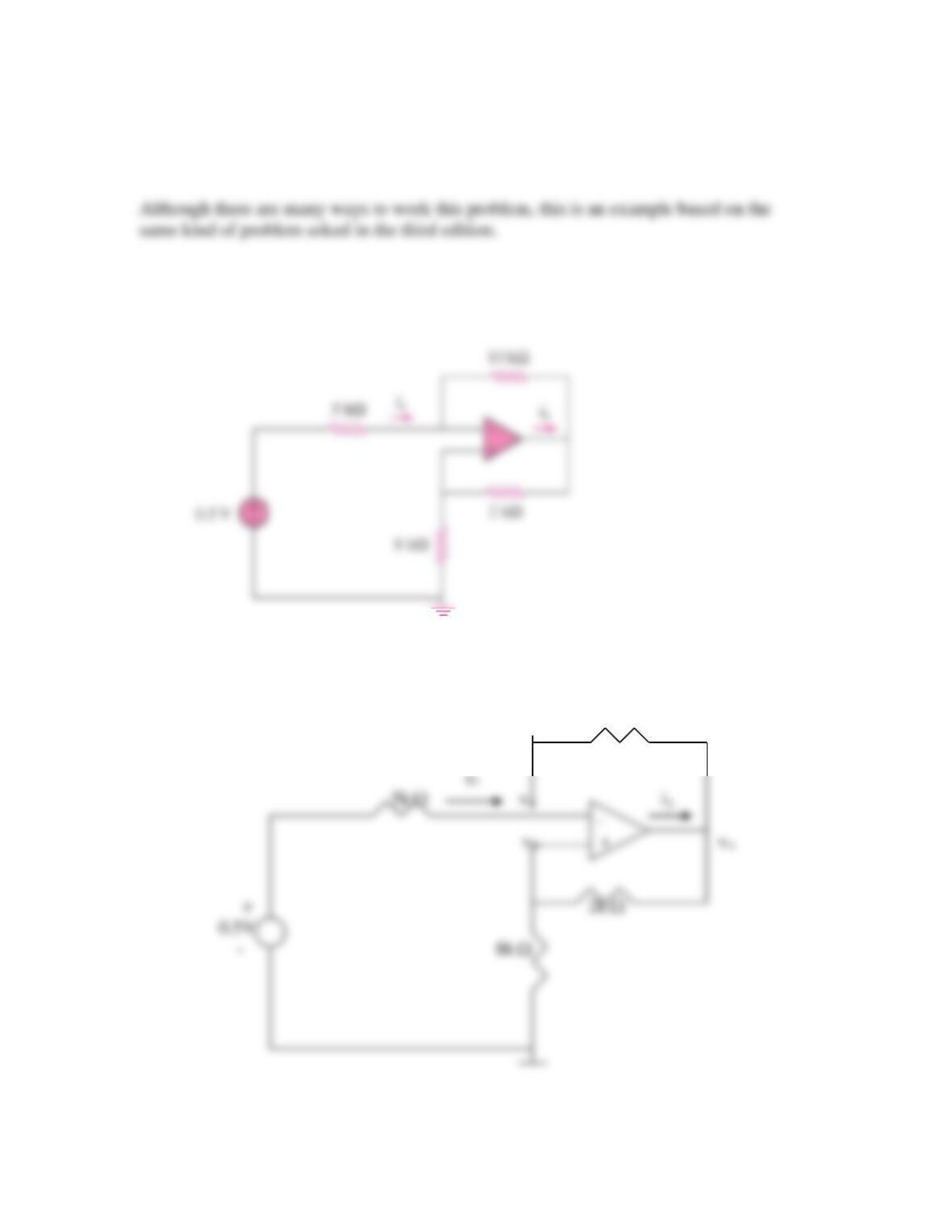
Solution 5.15
(a) Let v1 be the voltage at the node where the three resistors meet. Applying
KCL at this node gives
(b) For this case,
Solution 5.16
Using Fig. 5.55, design a problem to help students better understand inverting op amps.
Problem
Obtain ix and iy in the op amp circuit in Fig. 5.55.
Figure 5.55
Solution
10k
Ω
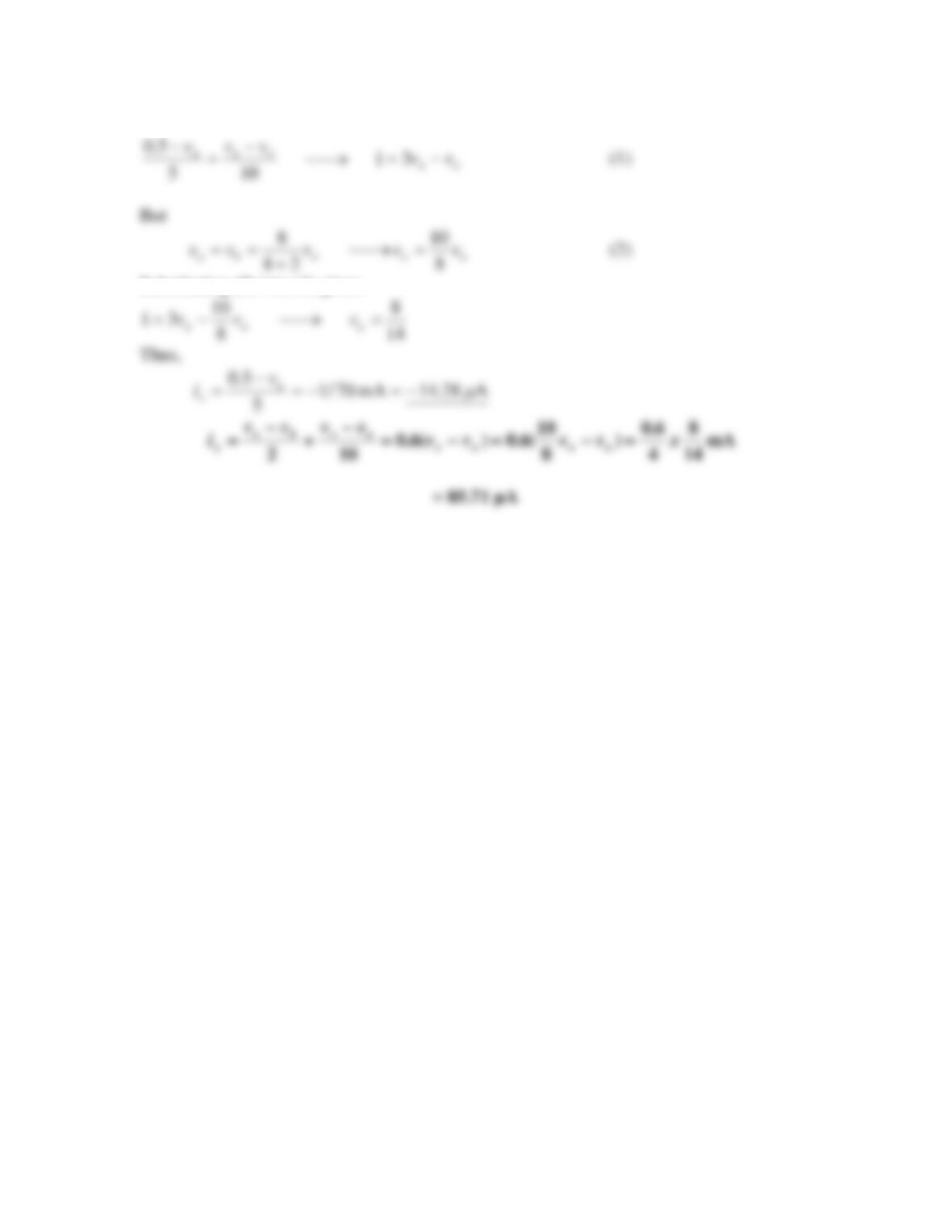
Let currents be in mA and resistances be in k
Ω
. At node a,
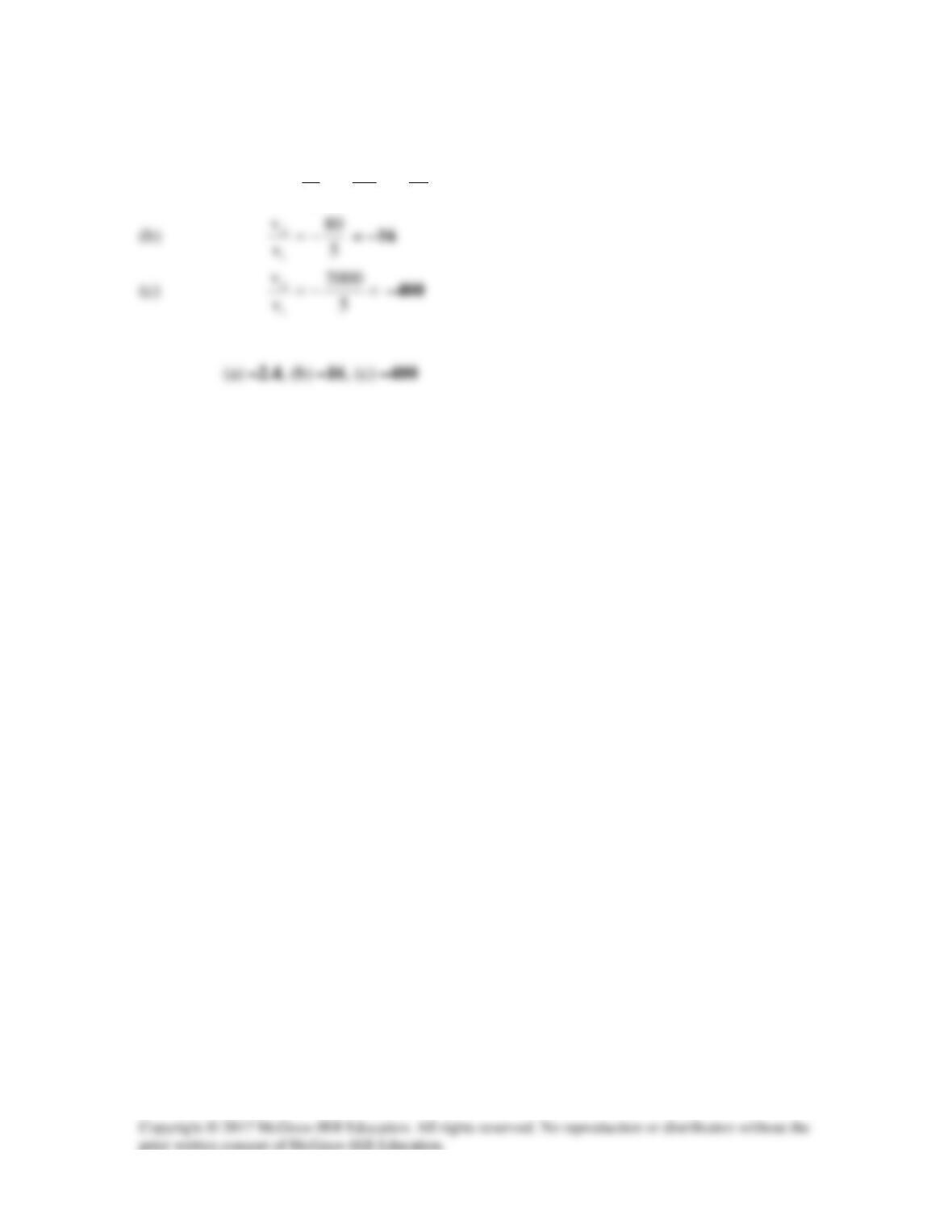
Substituting (2) into (1) gives
Solution 5.17
(a) G =
=−=−= 5
12
i
f
i
o
R
R
v
v
–2.4
Solution 5.18
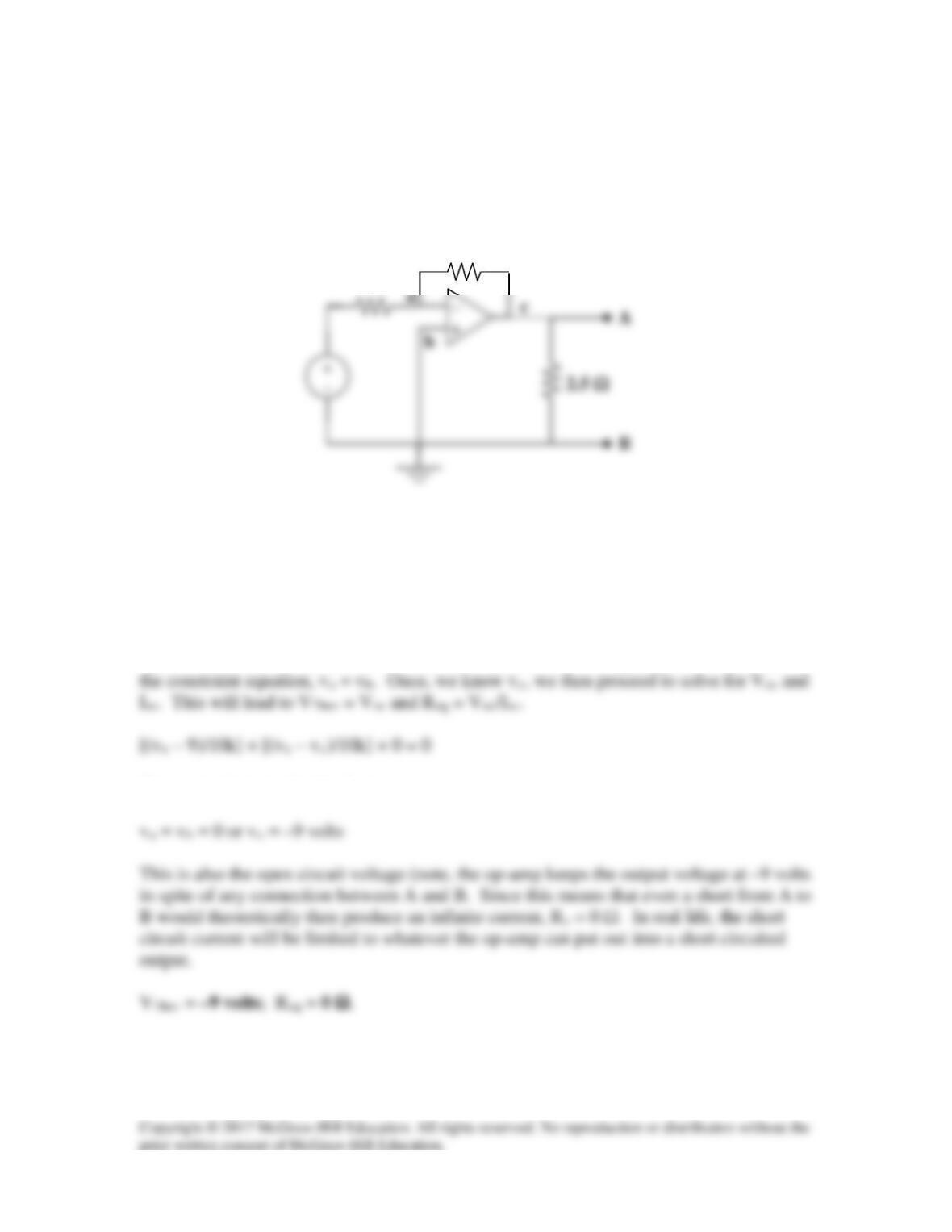
For the circuit, shown in Fig. 5.57, solve for the Thevenin equivalent circuit looking into
terminals A and B.
Figure 5.57
For Prob. 5.18.
Solution
Write a node equation at a. Since node b is tied to ground, vb = 0. Since writing a node
equation at c adds an additional unknown, the current from the op amp, we need to use
Our constraint equation leads to,