ESMT–714–0145–1
make core routing decisions on the Internet – were withdrawn, leaving no valid paths by which
the rest of the world could continue to exchange Internet traffic with Egypt’s service providers.
Such a shutdown was unprecedented in the history of the Internet, although governments in
various countries, such as Burma, China, Thailand, Tunisia, and so forth, had cut off access to
the Internet shutdown. Users could call up a toll-free number and leave a voice message, which
would then be converted into a tweet using the hashtag #Egypt. These tweets could then be
accessed without an Internet connection by dialing the same designated phone numbers, while
those with Internet access could listen to the tweets by visiting www.twitter.com/speak2tweet
(see
Shutdown of mobile networks and sending of pro-
government SMS messages
On the morning of that same Friday, January 28, 2011, the telecom operators in Egypt –
Vodafone, Etisalat, and Mobinil – shut down the mobile networks in specified areas, including
Tahrir Square, the center of the ongoing protest action. This pre-emptive move was aimed at
weakening the ability of the protesters to get themselves organized on an even larger scale
during the time of the Friday afternoon prayers. Due to the powers bestowed upon them by the
sent in its name, and limited its circulation. Vodafone later described the order to send SMS
messages as, “unacceptable,” and accused the Egyptian Government of using the Vodafone
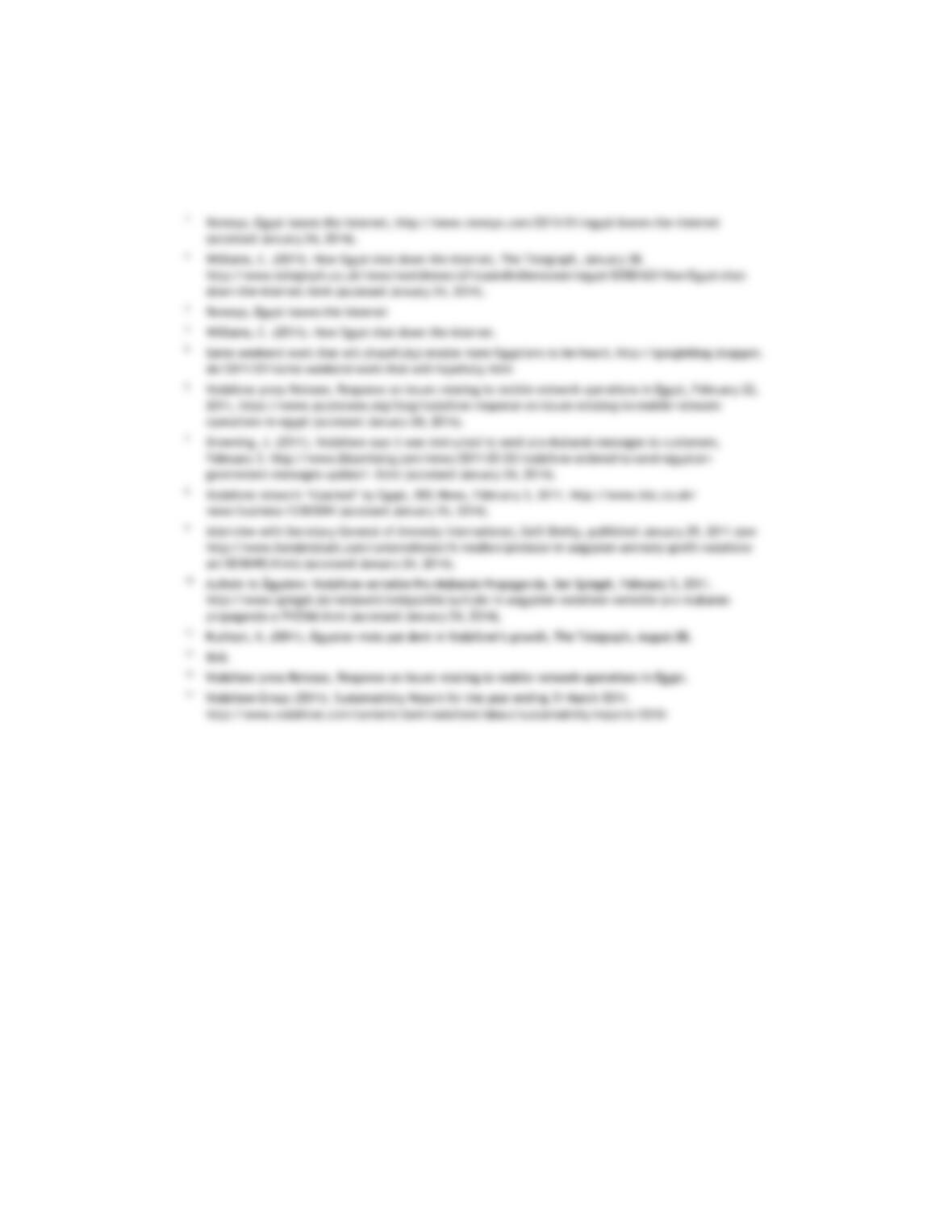
network to send unattributed text messages supporting the government. It added that, “these
messages are not scripted by any of the mobile network operators and we do not have the ability
to respond to the authorities on their content.”
Criticism of Vodafone
Sharp criticism against Vodafone came up immediately, for example, from Amnesty
International’s secretary general Salil Shetty. In an interview with the German newspaper
Handelsblatt, Salil Shetty stated, “Vodafone’s willingness to close down its network is simply
A number of human rights organizations, various influential media outlets,10 and
international supporters of the political movements in Egypt also publicly criticized Vodafone.
Vodafone Egypt didn’t start/fuse/sparked the glorious Egyptian Revolution January 25.
Vodafone Egypt didn’t start/fuse/sparked the glorious Egyptian Revolution January 25.
“Vodafone Egypt liars.
Vodafone Egypt didn’t start/fuse/sparked the glorious Egyptian Revolution January 25.
beyond belief.”
ESMT–714–0145–1
Vodafone in Egypt: National crises and their implications for
multinational corporations (B)
4
Vodafone’s response in defense of its actions
Responding to criticism of its actions of network closure, and sending propaganda SMS, Vodafone
maintained from the beginning, that it had no option but to carry out these actions, and that by
complying with the authorities, Vodafone’s employees and customers would be ‘least badly
served’under those circumstances.12 About three weeks after the incidents related to the
Internet shutdown, and the sending of propaganda SMS in Egypt, the parent company Vodafone
Group PLC issued an official statement in relation to the actions of its mobile network operations
Development of political events after January 28, 2011
Despite the disconnection of voice, text, and internet services, the demonstrations on January
28, 2011, were bigger than all others before – and finally turned into open violence. The Egyptian
What became then known as the, “Egyptian Revolution,” ended on February 11, 2011, when
Mubarak’s resignation from office was officially announced – but protests continued for quite
some time, even after February.
On June 2, 2012, Hosni Mubarak was found guilty of complicity in the murder of protestors, and
sentenced to life imprisonment. But the sentence against Mubarak was later overturned on
appeal.
Vodafone in Egypt: National crises and their implications for
multinational corporations (B)
ESMT–714–0145–1
5
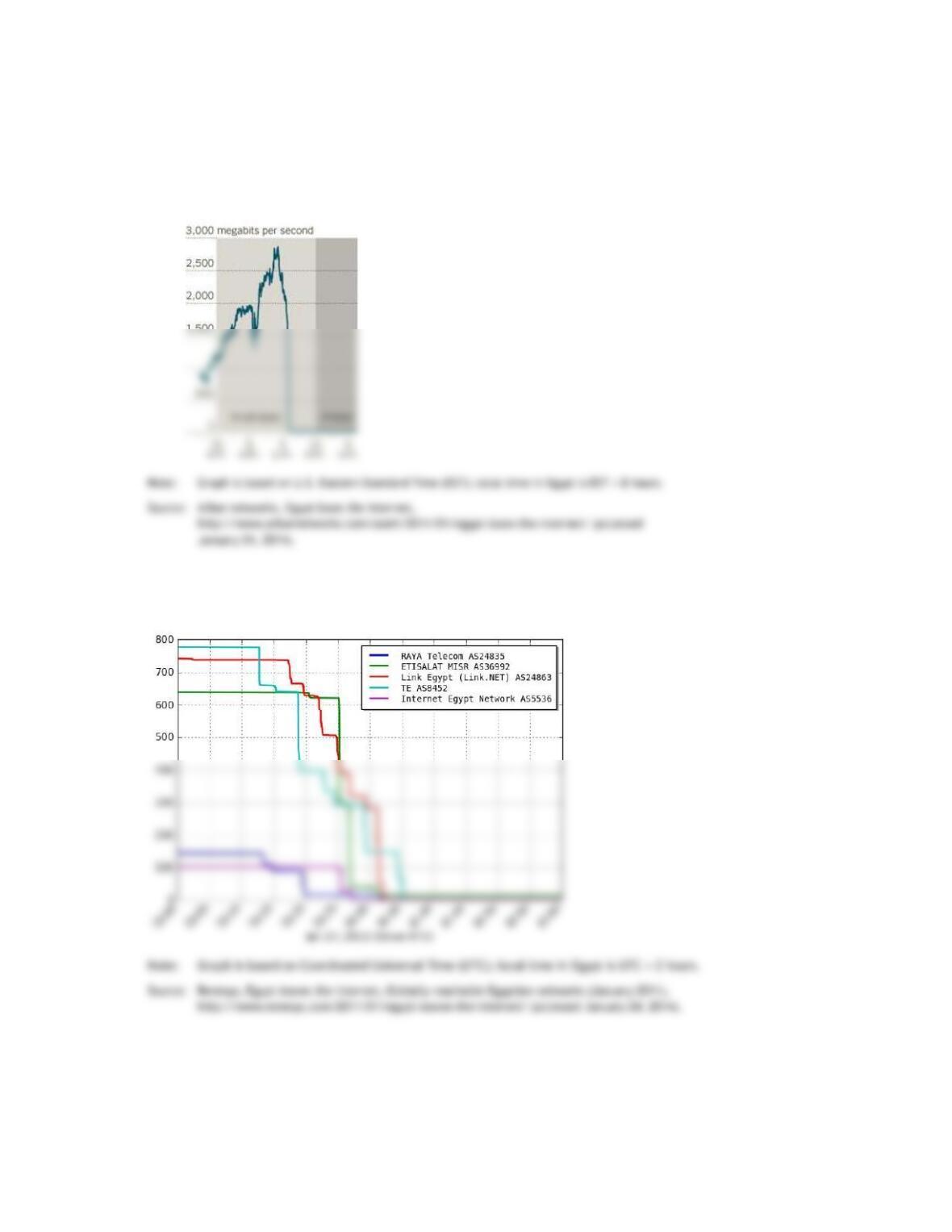
Exhibit 1: Drop in Internet traffic on January 27, 2011
Internet traffic to and from Egypt
Globally reachable Egyptian networks (January 2011)
ESMT–714–0145–1
Vodafone in Egypt: National crises and their implications for
multinational corporations (B)
6
Exhibit 2: Speak to Tweet
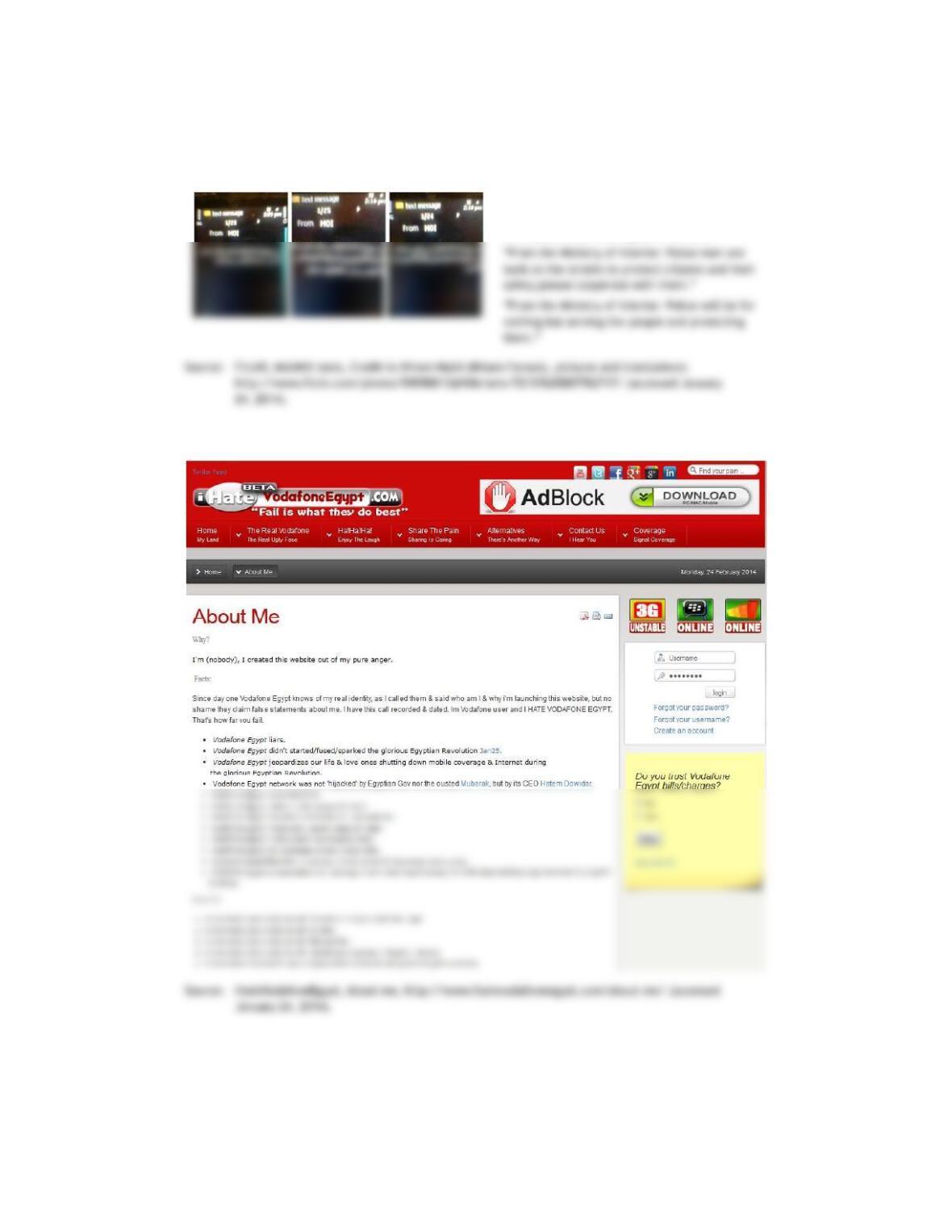
Exhibit 3: Screenshots of pro-government text messages from Vodafone Egypt
“Youth of Egypt, beware rumors and listen to
the sound of reason – Egypt is above all so
preserve it.”
“The Armed Forces asks Egypt’s honest and loyal
men to confront the traitors and criminals, and
protect our people and honor, and our precious
Egypt.”
Vodafone in Egypt: National crises and their implications for
multinational corporations (B)
ESMT–714–0145–1
7
Exhibit 4: Screenshots of pro-government text messages from Mobinil
“From the Ministry of Interior: Our dealings from
this day on will be with nothing but truthfulness,
honesty and the sovereignty of the law.”
Exhibit 5: Criticism of Vodafone Egypt
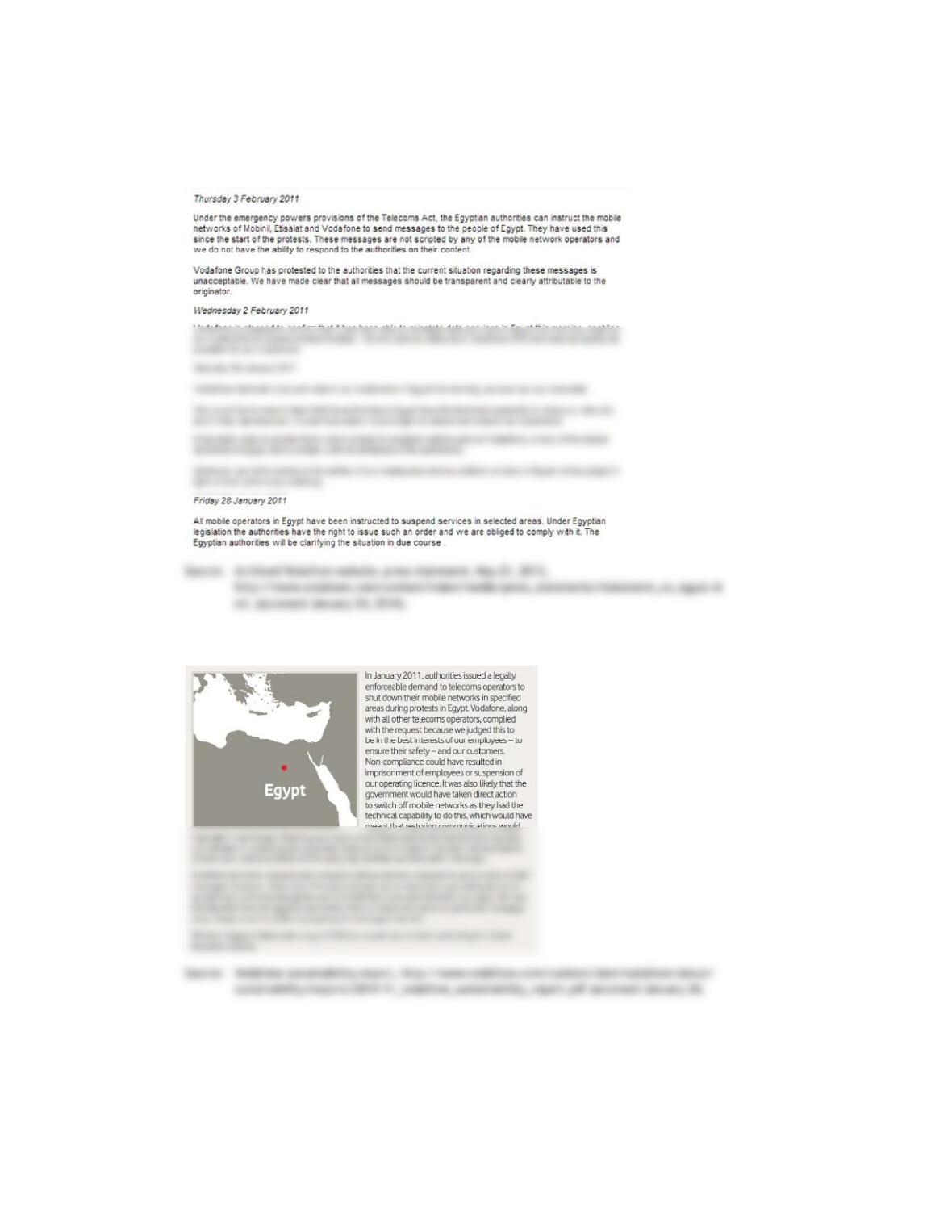
Exhibit 7: Response to political upheaval in Egypt
ESMT–714–0145–1
Exhibit 6: Vodafone’s statements regarding its actions in Egypt
Vodafone in Egypt: National crises and their implications for
multinational corporations (B)
Endnotes