Extensive detail and information is contained within the help function of Microsoft Excel and in the provided text.
You should enter your name, date, instructor’s name, and course into the cells at the top of the page. This information will be
printed on the top of each page if the template requires more than one page.
And information or data which may be required by the solution will be entered in cells with borders to help identify them.
Be advised, the template workbooks and worksheets are not protected.
Overtyping any data may remove it.
Each template is set to print with File Name, Page # of # Page(s), the print date, and the print time to assist in assembly
of multiple pages.
Where a highlighted cell shows “Date” enter the appropriate date for that step of the challenge. This may be any date format that
Microsoft Excel accepts. Some of these formats include “1/1/12″, “01/01/12”, and “01/01/2012.” All of these will return January
01, 2012, in the format set in the template.
cells with borders or in other yellow highlighted cells. The formula may be a simple “Look to” formula, an equal sign and a cell
reference, “=E27” or more complex as “=E27*5,” or something similar to the time-value-of-money formula. These are addressed in
the tutorial text provided for Microsoft Excel.
Where a highlighted cell shows “Acct Nbr” enter the appropriate account number, provided in the template and in the text for that
step of the challenge. This is entry may be a “Look to” formula to another cell where that information has been provided or
previously entered.
Check with your instructor to see if abbreviated account titles are acceptable. For example “A/R” for Accounts Receivable, “A/P”
for Accounts Payable. If your instructor is using a comparison process between workbooks for grading, these abbreviates may not
be acceptable.
Where a highlighted cell shows titles such as “Values,” “Amounts,” or “Quantities” enter the appropriate numerical value for that
step of the challenge. The cell is formatted for proper presentation of the entered information. If a dollar sign is appropriate, it
should not be entered, Microsoft Excel will place it there through formatting. Commas and significant digits (decimals) are also set
through formatting for common presentation. Since the formatting of the templates is not protected by any password, you may
change any of the formatting found in the templates to meet your desires.
text requires one, two, or three significant digits in a presentation, the template has been set for that presentation in the
appropriate cells.
Where a highlighted cell shows titles such as “Journal Number” or “Journ #” you should enter the appropriate number provided in
the template and in the text for that step of the challenge. In general this will appear in instances such as “Record the following
events in General Journal number six.”
Where a highlighted cell shows “Text” enter the appropriate text for that step of the challenge. This may be a memorandum entry
for a journal entry or a lengthy text answer discussing the results of an analysis of a company‘s financials. These titles can simply be
typed over.
The print area is defined to fit onto 8 1/2″ × 11″ sheets in portrait or landscape mode as required. Margins are generally set to no
less than 1/2″ so most printers can print them without a problem. If you printer cannot accept margins less than 1″ you may have to
reformat the margins through Page Setup.
negative value if both cells E10 and E11 contain positive values.
Name: Date:
Instructor: Course:
$72,000
$440,000
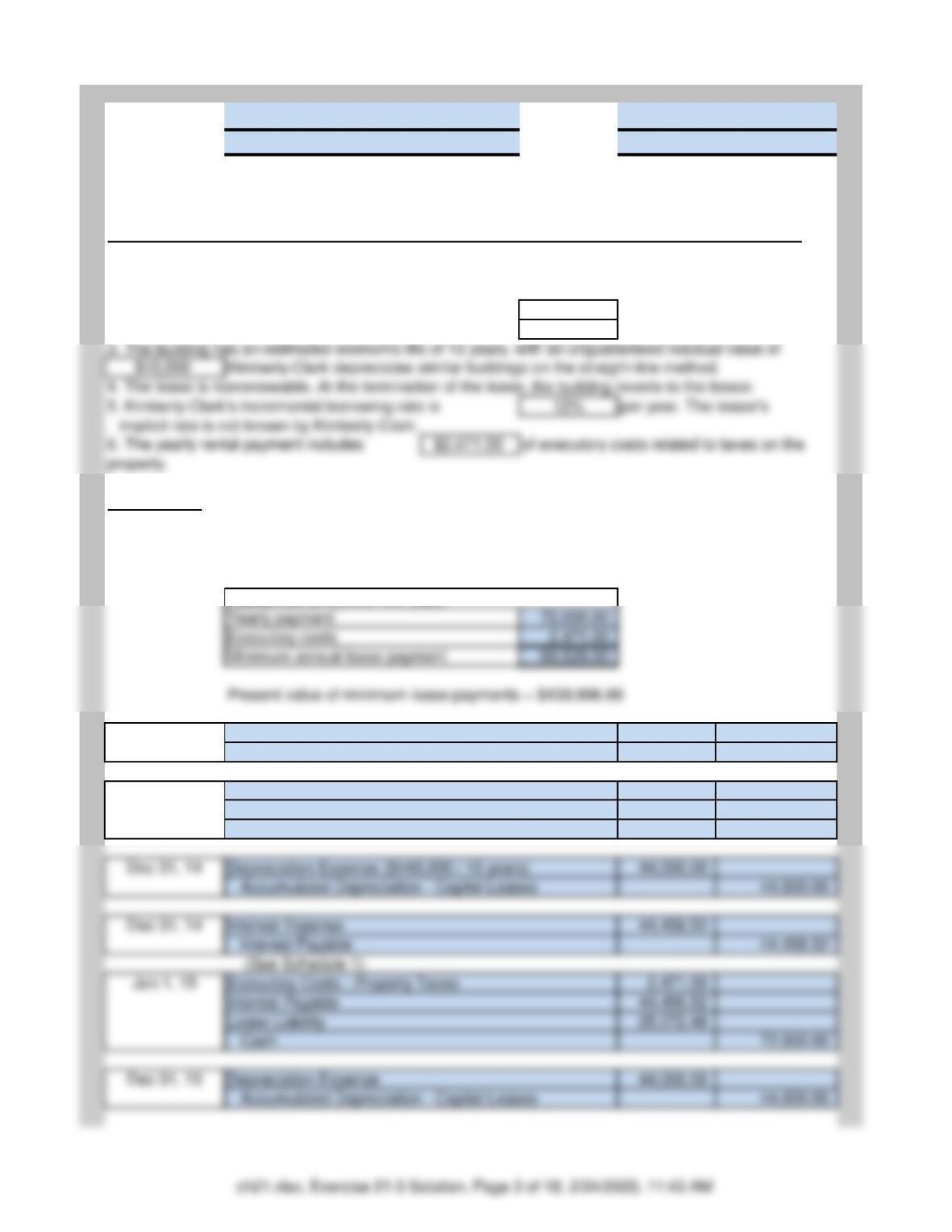
Yearly payment
Executory costs
Minimum annual lease payment
Present value of minimum lease payments = $439,996.88
Depreciation Expense ($440,000 / 10 years)
Accumulated Depreciation – Capital Leases
Interest Expense
Interest Payable
(See Schedule 1)
Executory Costs – Property Taxes
Lease Liability
Interest Payable
Cash
Depreciation Expense
Accumulated Depreciation – Capital Leases
440,000.00
440,000.00
2,471.00
69,529.00
72,000.00
Solution
Intermediate Accounting, 15th Edition by Kieso, Weygandt, and Warfield
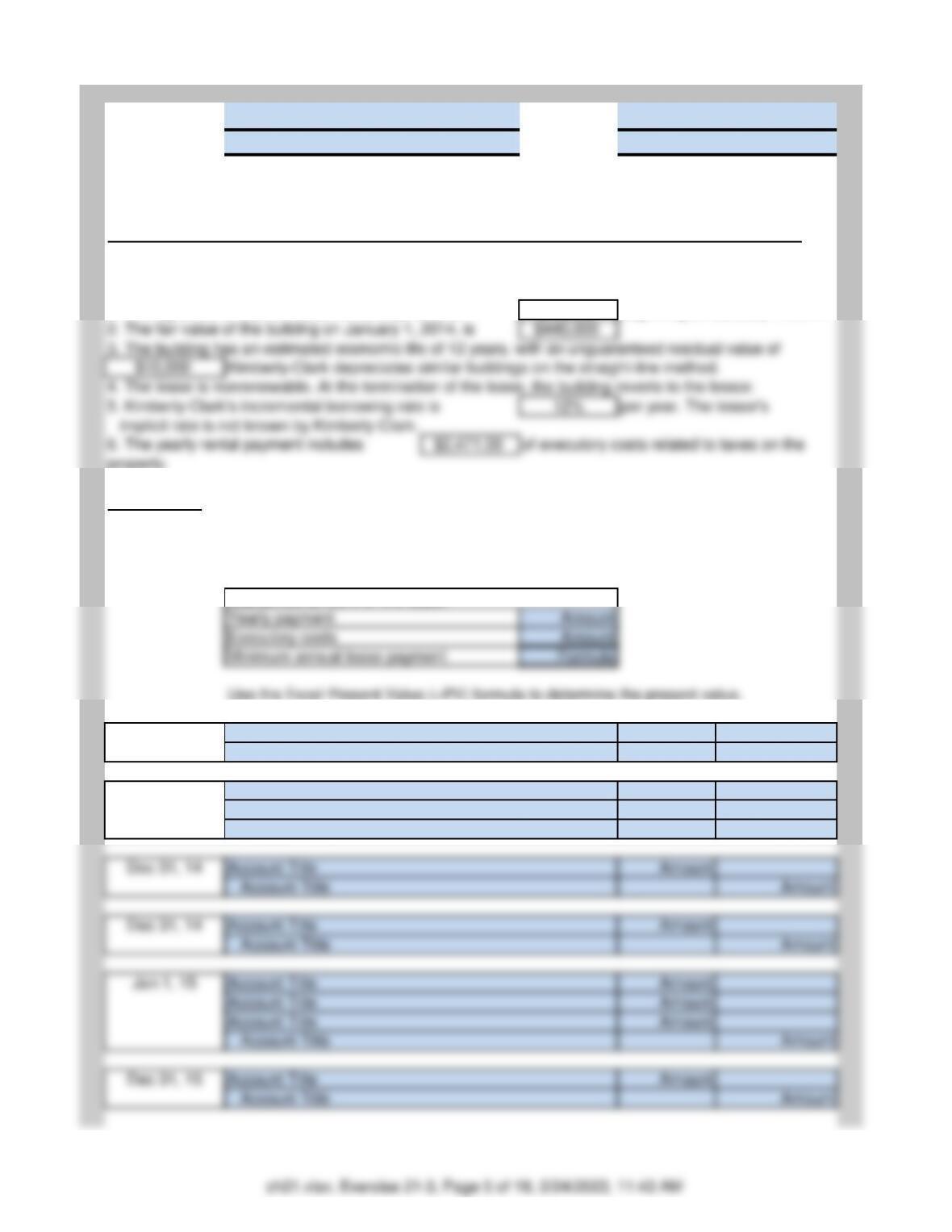
E21-3 (Lessee Entries, Capital Lease with Executory Costs and Unguaranteed Residual Value)
Assume that on January 1, 2014, Kimberly-Clark Corp. signs a 10-year noncancelable lease agreement to
lease a storage building from Trevino Storage Company. The following information pertains to this lease
agreement.
1. The agreement requires equal rental payments of
beginning on January 1, 2014.
2. The fair value of the building on January 1, 2014, is
Instructions:
Prepare the journal entries on the lessee’s books to reflect the signing of the lease agreement and to
record the payments and expenses related to this lease for the years 2014 and 2015. Kimberly-Clark’s
corporate year end is December 31.
Jan 1, 14
Leased Building
Lease Liability
Jan 1, 14
Executory Costs
Lease Liability
Cash
Capitalized amount of the lease:
3. The building has an estimated economic life of 12 years, with an unguaranteed residual value of
Kimberly-Clark depreciates similar buildings on the straight-line method.
4. The lease is nonrenewable. At the termination of the lease, the building reverts to the lessor.
of executory costs related to taxes on the
5. Kimberly-Clark’s incremental borrowing rate is
per year. The lessor’s
implicit rate is not known by Kimberly-Clark.
Name: Date:
Instructor: Course:
Solution
Intermediate Accounting, 15th Edition by Kieso, Weygandt, and Warfield
41,447.82
41,447.82
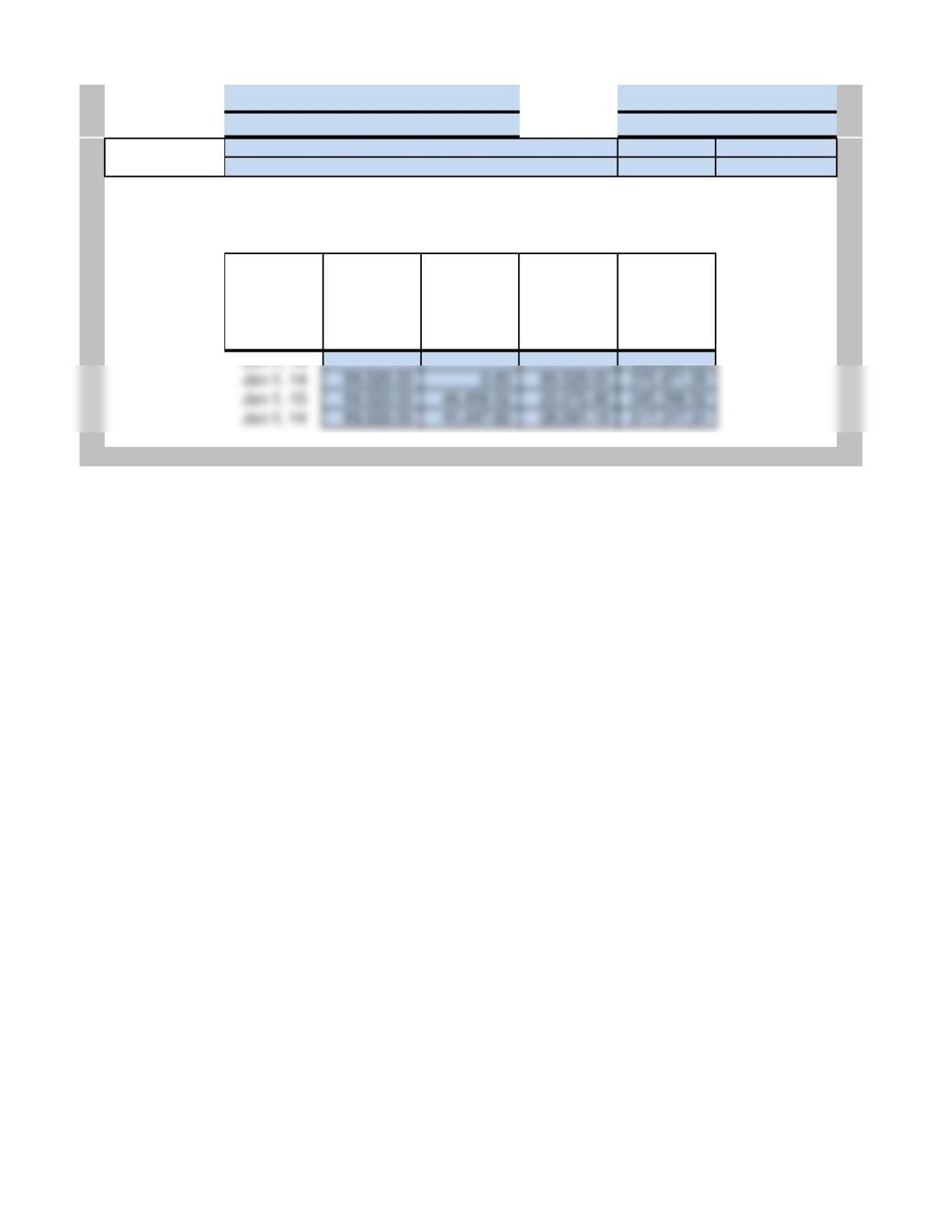
Schedule 1:
Date
Annual
Payment
Less
Executory
Costs
Interest
(12%)
on Liability
Reduction
of
Lease
Liability
Lease
Liability
Lease Amortization Schedule
Annual Payment Less Executory Costs
Dec 31, 15
Interest Expense
Interest Payable
KIMBERLY-CLARK CORPORATION (Lessee)
ch21.xlsx, Exercise 21-3 Solution, Page 4 of 18, 2/24/2023, 11:43 AM
Name: Date:
Instructor: Course:
$72,000
Yearly payment
Executory costs
Minimum annual lease payment
Account Title
Account Title
Account Title
Account Title
Account Title
Account Title
Account Title
Account Title
Account Title
Account Title
Amount
Amount
Amount
Amount
Amount
Intermediate Accounting, 15th Edition by Kieso, Weygandt, and Warfield
E21-3 (Lessee Entries, Capital Lease with Executory Costs and Unguaranteed Residual Value)
Assume that on January 1, 2012, Kimberly-Clark Corp. signs a 10-year noncancelable lease agreement to
lease a storage building from Trevino Storage Company. The following information pertains to this lease
agreement.
1. The agreement requires equal rental payments of
beginning on January 1, 2014.
property.
Instructions:
Prepare the journal entries on the lessee’s books to reflect the signing of the lease agreement and to
record the payments and expenses related to this lease for the years 2012 and 2015. Kimberly-Clark’s
corporate year end is December 31.
Use the Excel Present Value (=PV) formula to determine the present value.
Jan 1, 14
Account Title
Account Title
Jan 1, 14
Account Title
Account Title
Account Title
Capitalized amount of the lease:
2. The fair value of the building on January 1, 2014, is
3. The building has an estimated economic life of 12 years, with an unguaranteed residual value of
Kimberly-Clark depreciates similar buildings on the straight-line method.
4. The lease is nonrenewable. At the termination of the lease, the building reverts to the lessor.
of executory costs related to taxes on the
5. Kimberly-Clark’s incremental borrowing rate is
per year. The lessor’s
implicit rate is not known by Kimberly-Clark.
Name: Date:
Instructor: Course:
Intermediate Accounting, 15th Edition by Kieso, Weygandt, and Warfield
Amount
Amount
Schedule 1:
Date
Annual
Payment
Less
Executory
Costs
Interest
(12%)
on Liability
Reduction
of
Lease
Liability
Lease
Liability
Jan 1, 14 Amount
Lease Amortization Schedule
Annual Payment Less Executory Costs
Dec 31, 15
Account Title
Account Title
KIMBERLY-CLARK CORPORATION (Lessee)
ch21.xlsx, Exercise 21-3, Page 6 of 18, 2/24/2023, 11:43 AM
Name: Date:
Instructor: Course:
8 -year period
$35,013
Solution
Intermediate Accounting, 15th Edition by Kieso, Weygandt, and Warfield
Instructions:
E21-6 (Lessor Entries, Sales-Type Lease) Crosley Company, a machinery dealer, leased a
(a) Compute the amount of the lease receivable. (Use the Excel Present Value formula “=PV(” to solve.)
The present value of the lease receivable is = $200,001
(b) Prepare all necessary journal entries for Wadkins for 2014.
machine to Romero Corporation on January 1, 2014. The lease is for an
and requires equal annual payments of
at the beginning of each year. The first
payment is received on January 1, 2014. Wadkins had purchased the machine during 2013 for
Name: Date:
Instructor: Course:
8 -year period
Account Title
Account Title
$35,013
Amount
Amount
Intermediate Accounting, 15th Edition by Kieso, Weygandt, and Warfield
Instructions:
E21-6 (Lessor Entries, Sales-Type Lease) Crosley Company, a machinery dealer, leased a
(a) Compute the amount of the lease receivable. (Use the Excel Present Value formula “=PV(” to solve.)
Use this area to enter the Present Value formula
(b) Prepare all necessary journal entries for Crosley for 2014.
Jan 1, 14
Account Title
Account Title
machine to Dexter Corporation on January 1, 2014. The lease is for an
and requires equal annual payments of
at the beginning of each year. The first
ch21.xlsx, Exercise 21-6, Page 8 of 18, 2/24/2023, 11:43 AM
payment is received on January 1, 2014. Wadkins had purchased the machine during 2013 for
rental to ensure an
rate of return. The machine has an economic life of
years with no residual value and reverts to Crosley at the termination of the lease.
Name: Date:
Instructor: Course:
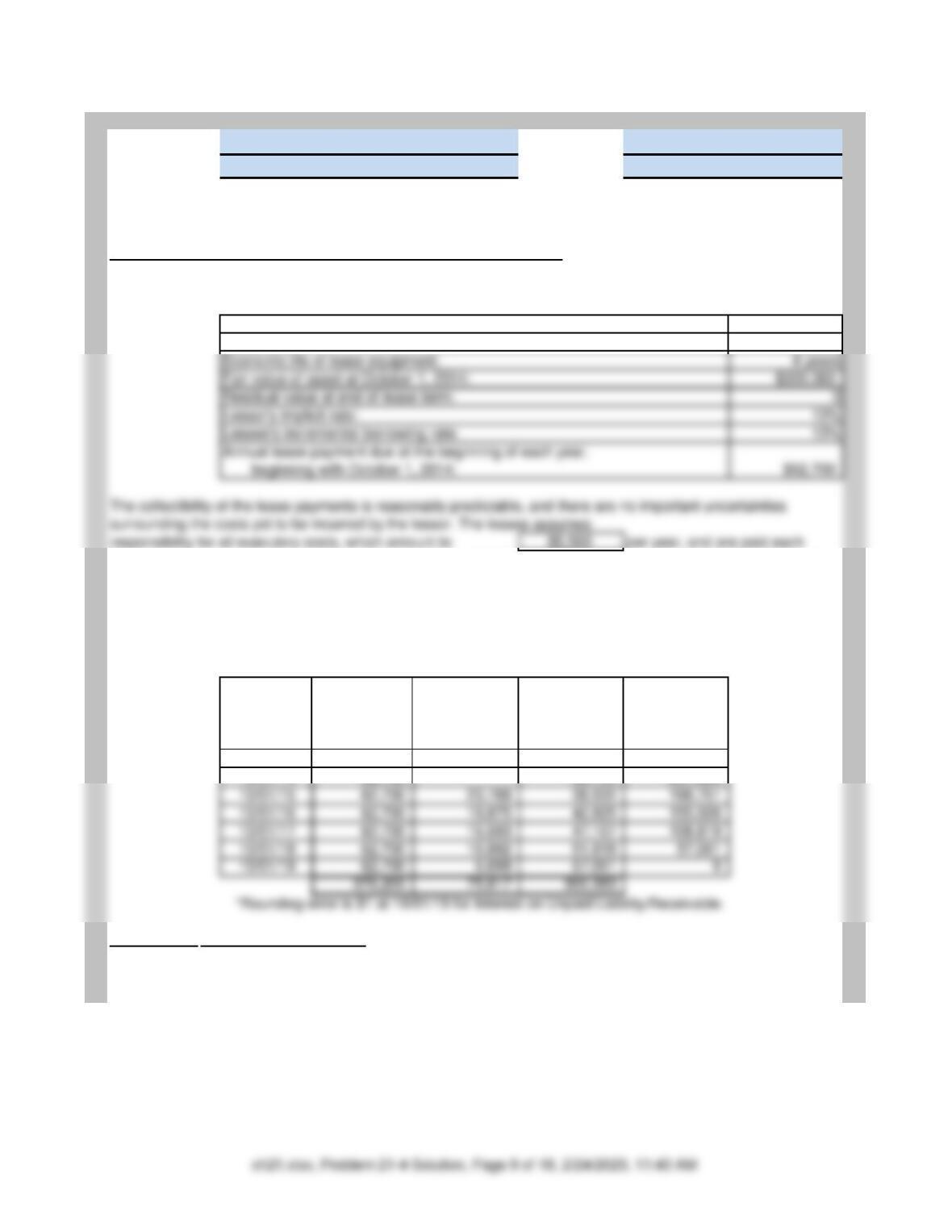
October 1, 2014
6 years
Date:
Annual lease
Payment /
Receipt:
Interest (10%)
on Unpaid
Liabililty /
Receivable:
Reduction of
Lease Liability /
Receivable:
Balance of
Lease Liability /
Receivable:
10/01/14 300,383
10/01/14 62,700 62,700 237,683
Solution
Intermediate Accounting, 15th Edition by Kieso, Weygandt, and Warfield
P21-4 (Balance Sheet and Income Statement Disclosure—Lessee) The following facts pertain to a
noncancelable lease agreement between Alschuler Leasing Company and McKee Electronics, a lessee, for a
computer system.
Inception date:
Lease term:
October 1, beginning October 1, 2014. (This $5,500 is not included in the rental payment of $62,700.) The asset
will revert to the lessor at the end of the lease term. The straight-line depreciation method is used for all
equipment.
The following amortization schedule has been prepared correctly for use by both the lessor and the lessee in
accounting for this lease. The lease is to be accounted for properly as a capital lease by the lessee and as a
direct-finance lease by the lessor.
Instructions: (Round to whole dollars.)
(a) Assuming the lessee’s accounting period ends on September 30, answer the following questions
with respect to this lease agreement:
Fair value of asset at October 1, 2014:
Residual value at end of lease term:
Lessor’s implicit rate:
Lessee’s incremental borrowing rate:
Annual lease payment due at the beginning of each year,
Economic life of lease equipment:
The collectibility of the lease payments is reasonably predictable, and there are no important uncertainties
surrounding the costs yet to be incurred by the lessor. The lessee assumes
responsibility for all executory costs, which amount to
per year, and are paid each
Name: Date:
Instructor: Course:
Solution
Intermediate Accounting, 15th Edition by Kieso, Weygandt, and Warfield
$23,768
Long-term liabilities:
Property, plant, and equipment:
$19,875
Lease executory expense
Depreciation expense ($300,383 ÷ 6)
Property, plant, and equipment:
Long-term liabilities:
$5,942
Lease executory expense [$5,500 × (3/12)]
Interest expense (See amortization schedule)
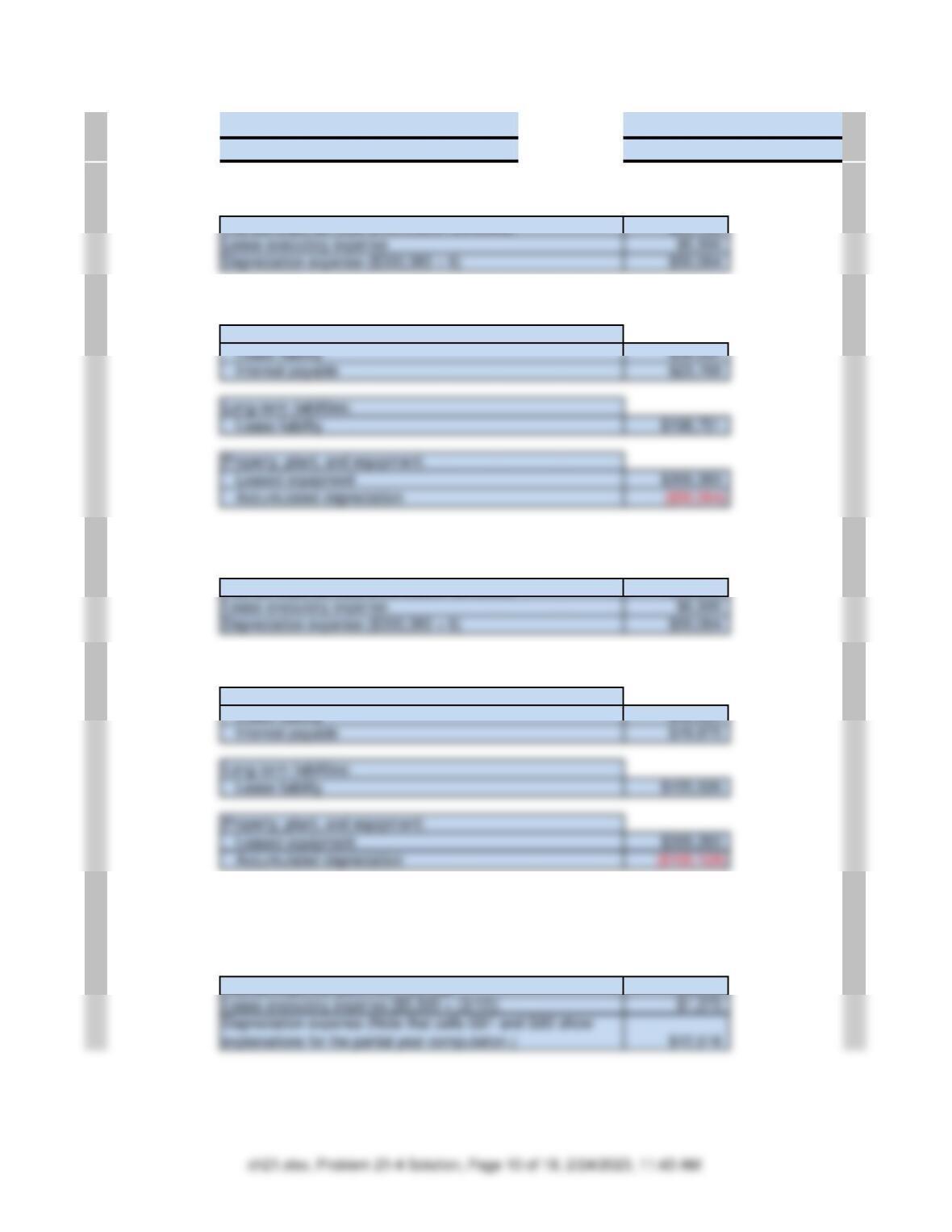
(1) What items and amounts will appear on the lessee’s income statement for the year ending
September 30, 2015?
(2) What items and amounts will appear on the lessee’s balance sheet at September 30, 2015?
Current liabilities:
(3) What items and amounts will appear on the lessee’s income statement for the year ending
September 30, 2016?
Interest expense (See amortization schedule)
(4) What items and amounts will appear on the lessee’s balance sheet at September 30, 2016?
Current liabilities:
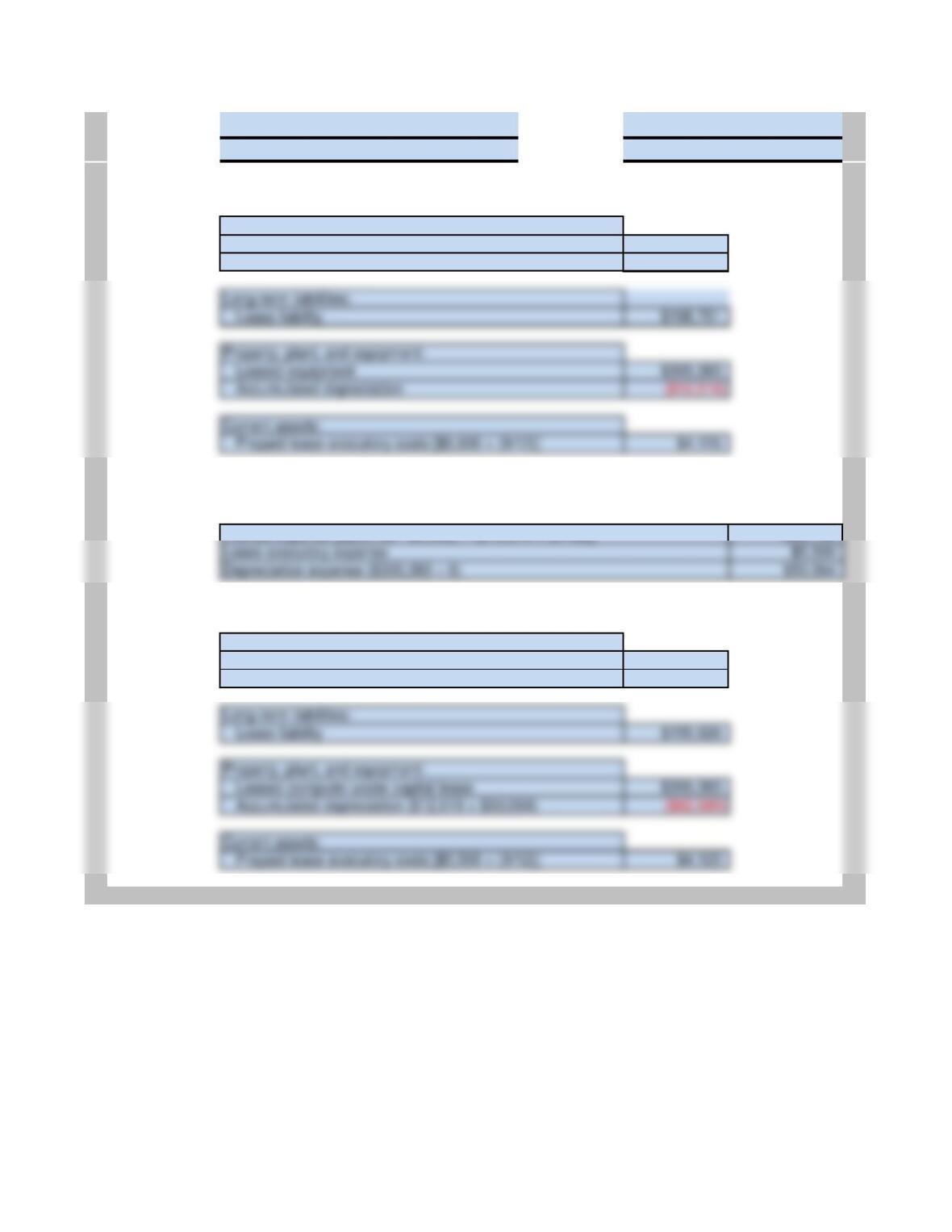
(b) Assuming the lessee‘s accounting period ends on December 31, answer the following questions
with respect to this lease agreement:
(1) What items and amounts will appear on the lessee’s income statement for the year ending
December 31, 2014?
Interest expense [$23,768 × (3/12)]
Lease executory expense
Depreciation expense ($300,383 ÷ 6)
Name: Date:
Instructor: Course:
Solution
Intermediate Accounting, 15th Edition by Kieso, Weygandt, and Warfield
$38,932
$5,942
$22,795
Depreciation expense ($300,383 ÷ 6)
Lease executory expense
Current assets:
Prepaid lease executory costs [$5,500 × (9/12)]
Property, plant, and equipment:
Leased computer under capital lease
Accumulated depreciation ($12,516 + $50,064)
Long-term liabilities:
Lease liability
$42,825
$4,969
(2) What items and amounts will appear on the lessee’s balance sheet at December 31, 2014?
Current liabilities:
Lease liability
Interest payable
Current liabilities:
Lease liability
Interest expense [$19,875 × (3/12)]
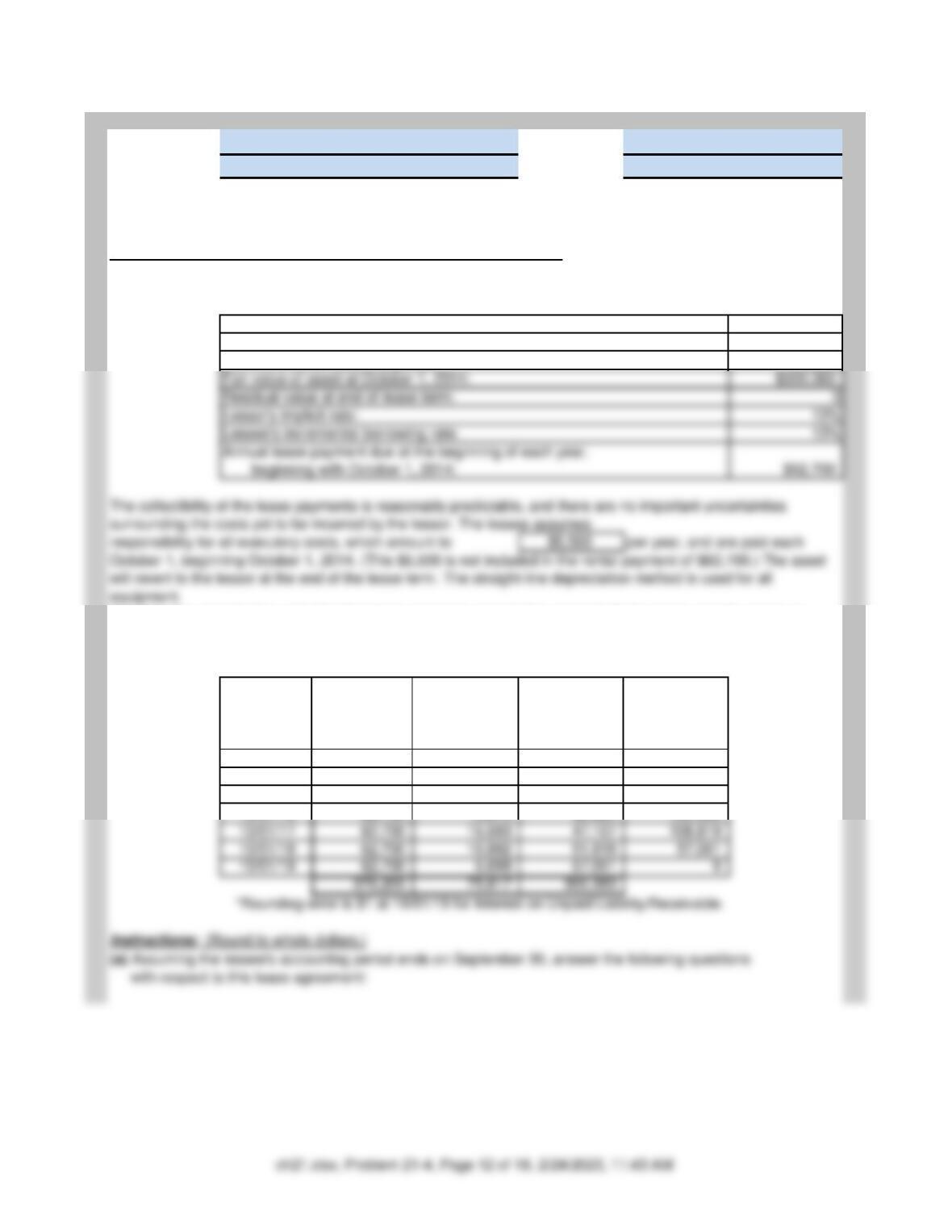
(3) What items and amounts will appear on the lessee’s income statement for the year ending
December 31, 2015?
Interest expense [($23,768 – $5,942) + ($19,875 × (3/12))]
(4) What items and amounts will appear on the lessee’s balance sheet at December 31, 2015?
ch21.xlsx, Problem 21-4 Solution, Page 11 of 18, 2/24/2023, 11:43 AM
Property, plant, and equipment:
Leased equipment
Accumulated depreciation
Long-term liabilities:
Lease liability
Current assets:
Prepaid lease executory costs [$5,500 × (9/12)]
Name: Date:
Instructor: Course:
October 1, 2014
6 years
6 years
Date:
Annual lease
Payment /
Receipt:
Interest (10%)
on Unpaid
Liabililty /
Receivable:
Reduction of
Lease Liability /
Receivable:
Balance of
Lease Liability /
Receivable:
10/01/14 300,383
10/01/14 62,700 62,700 237,683
10/01/15 62,700 23,768 38,932 198,751
10/01/16 62,700 19,875 42,825 155,926
Intermediate Accounting, 15th Edition by Kieso, Weygandt, and Warfield
P21-4 (Balance Sheet and Income Statement Disclosure—Lessee) The following facts pertain to a
noncancelable lease agreement between Alschuler Leasing Company and McKee Electronics, a lessee, for a
computer system.
Inception date:
Lease term:
Economic life of lease equipment:
The following amortization schedule has been prepared correctly for use by both the lessor and the lessee in
accounting for this lease. The lease is to be accounted for properly as a capital lease by the lessee and as a
direct-finance lease by the lessor.
Fair value of asset at October 1, 2014:
Residual value at end of lease term:
Lessor’s implicit rate:
Lessee’s incremental borrowing rate:
surrounding the costs yet to be incurred by the lessor. The lessee assumes
responsibility for all executory costs, which amount to
per year, and are paid each
Name: Date:
Instructor: Course:
Intermediate Accounting, 15th Edition by Kieso, Weygandt, and Warfield
Title
Account Title
Title
Account Title
Account Title
Amount
Amount
Amount
Account Title
Account Title
Title
Account Title
Account Title
Title
Account Title
Amount
Amount
Amount
(2) What items and amounts will appear on the lessee’s balance sheet at December 31, 2014?
Account Title
(1) What items and amounts will appear on the lessee’s income statement for the year ending
September 30, 2015?
(2) What items and amounts will appear on the lessee’s balance sheet at September 30, 2015?
Title
Account Title
Account Title
(3) What items and amounts will appear on the lessee’s income statement for the year ending
September 30, 2016?
Account Title
(4) What items and amounts will appear on the lessee’s balance sheet at September 30, 2016?
Title
Account Title
Account Title
(b) Assuming the lessee‘s accounting period ends on December 31, answer the following questions
with respect to this lease agreement:
(1) What items and amounts will appear on the lessee’s income statement for the year ending
December 31, 2014?
Account Title
Amount
Account Title
Account Title
Account Title
Name: Date:
Instructor: Course:
Intermediate Accounting, 15th Edition by Kieso, Weygandt, and Warfield
Amount
Amount
Amount
Account Title
Account Title
Title
Account Title
Title
Account Title
Account Title
Title
Account Title
Amount
Amount
Title
Account Title
Account Title
Title
Account Title
Account Title
(3) What items and amounts will appear on the lessee’s income statement for the year ending
December 31, 2015?
Account Title
(4) What items and amounts will appear on the lessee’s balance sheet at December 31, 2015?
Title
Account Title
Account Title
Title
Account Title
Title
Account Title
Name: Date:
Instructor: Course:
January 1, 2014
6 years
6 years
(a) Prepare an amortization
schedule
would be suitable for
lease term.
Date:
Annual lease
Payment /
Receipt:
Interest (12%) on
Unpaid Liability /
Receivable:
Reduction of
Lease Liability
/ Receivable:
Balance of
Lease Liability
/ Receivable:
10/01/14 600,000.00
10/01/14 124,798.00 124,798.00 475,202.00
$57,024
P21-5 (Balance Sheet and Income Statement Disclosure—Lessor) The following facts pertain to a noncancelable lease agreement between
Faldo Leasing Company and Vance Electronics, a lessee, for a computer system.
Inception date:
Lease term:
Economic life of lease equipment:
Solution
Intermediate Accounting, 15th Edition by Kieso, Weygandt, and Warfield
The following amortization schedule has been prepared correctly for use by both the lessor and the lessee in accounting for this lease. The lease is
to be accounted for properly as a capital lease by the lessee and as a direct-finance lease by the lessor.
Instructions: (Round to whole dollars.)
Interest revenue
ch21.xlsx, Problem 21-6 Solution, Page 15 of 18, 2/24/2023, 11:43 AM
Fair value of asset at October 1, 2014:
Residual value at end of lease term:
Lessor’s implicit rate:
Lessee’s incremental borrowing rate:
October 1, beginning October 1, 2014. (This $5,000 is not included in the rental payment of $124,798.) The asset will revert to the lessor at the end
Name: Date:
Instructor: Course:
Solution
Intermediate Accounting, 15th Edition by Kieso, Weygandt, and Warfield
$48,891
Noncurrent assets:
$14,256
Interest revenue [$57,024 × (3/12)]
December 31, 2014?
Current assets:
Noncurrent assets:
$54,991
Noncurrent assets:
(2) What items and amounts will appear on the lessor’s balance sheet at September 30, 2015?
Current assets:
(3) What items and amounts will appear on the lessor’s income statement for the year
ending September 30, 2016?
Interest revenue
(4) What items and amounts will appear on the lessor’s balance sheet at September 30, 2016?
Current assets:
Assuming the lessor’s accounting period ends on December 31, answer the following questions
with respect to this lease agreement:
(1) What items and amounts will appear on the lessor’s income statement for the year ending
(2) What items and amounts will appear on the lessor’s balance sheet at December 31, 2014?
(3) What items and amounts will appear on the lessor’s income statement for the year ending
December 31, 2015?
Interest revenue [($57,024 – $14,256) + ($48,891 × (3/12))]
(4) What items and amounts will appear on the lessor’s balance sheet at December 31, 2015?
Current assets:
Noncurrent assets:
Name: Date:
Instructor: Course:
January 1, 2014
6 years
(a) Prepare an amortization schedule that
would be
lease term.
Date:
Annual lease
Interest (12%)
Reduction of
Balance of
10/01/14 600,000.00
10/01/14
related to the lease. Assume the lessee’s annual accounting period ends on December 31 and reversing entries are used when appropriate.
Account Title
P21-6 (Lessee Entries with Residual Value) The following facts pertain to a noncancelable lease agreement between Faldo Leasing
Company and Vance Company, a lessee, for a computer system.
Intermediate Accounting, 15th Edition by Kieso, Weygandt, and Warfield
Inception date:
Lease term:
Instructions: (Round to whole dollars.)
The following amortization schedule has been prepared correctly for use by both the lessor and the lessee in accounting for this lease. The
lease is to be accounted for properly as a capital lease by the lessee and as a direct-finance lease by the lessor.
(b) Prepare all of the journal entries for the lessee for 2014 and 2015 to record the lease agreement, the lease payments, and all expenses
(1) What items and amounts will appear on the lessor’s income statement for the year ending
September 30, 2015?
ch21.xlsx, Problem 21-6, Page 17 of 18, 2/24/2023, 11:43 AM
Fair value of asset at January 1, 2014:
Residual value of equipment at end of lease term, guaranteed by the lessee
Lessor’s implicit rate:
Lessee’s incremental borrowing rate:
Economic life of lease equipment:
Annual lease payment due at the beginning of each year,
The asset will revert to the lessor at the end of the lease term. The lessee has guaranteed the lessor a residual value of $50,000. The lessee
uses the straight-line depreciation method for all equipment.
Name: Date:
Instructor: Course:
Intermediate Accounting, 15th Edition by Kieso, Weygandt, and Warfield
Amount
Amount
Amount
Amount
Amount
Title
Account Title
Title
Account Title
December 31, 2015?
Account Title
Title
Account Title
Account Title
Amount
Title
Account Title
(2) What items and amounts will appear on the lessor’s balance sheet at September 30, 2015?
Account Title
Title
Account Title
(3) What items and amounts will appear on the lessor’s income statement for the year
ending September 30, 2016?
Assuming the lessor’s accounting period ends on December 31, answer the following questions
with respect to this lease agreement:
(1) What items and amounts will appear on the lessor’s income statement for the year ending
December 31, 2014?
Account Title
(2) What items and amounts will appear on the lessor’s balance sheet at December 31, 2014?
(4) What items and amounts will appear on the lessor’s balance sheet at December 31, 2015?
Title
Account Title
Amount
(4) What items and amounts will appear on the lessor’s balance sheet at September 30, 2016?
Title
Account Title
Account Title
Title
Account Title
Account Title