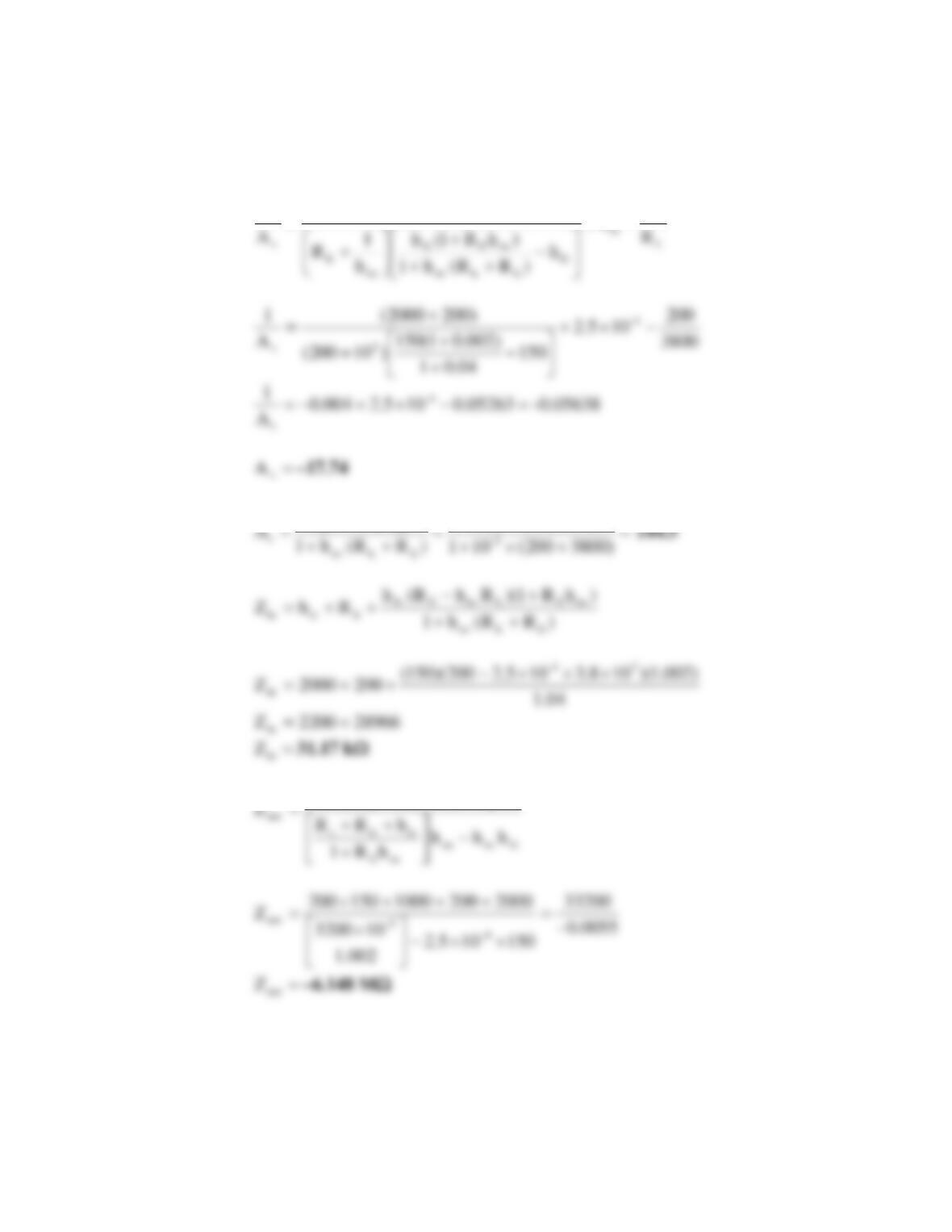
Solution 19.93
We apply the same formulas derived in the previous problem.
E
Eie
R
h
)Rh(
1−+
+
=
+
+
−
)10x2001(150
)hR1(h
5
oeEfe
ieEsfeE
hRRhR
+++
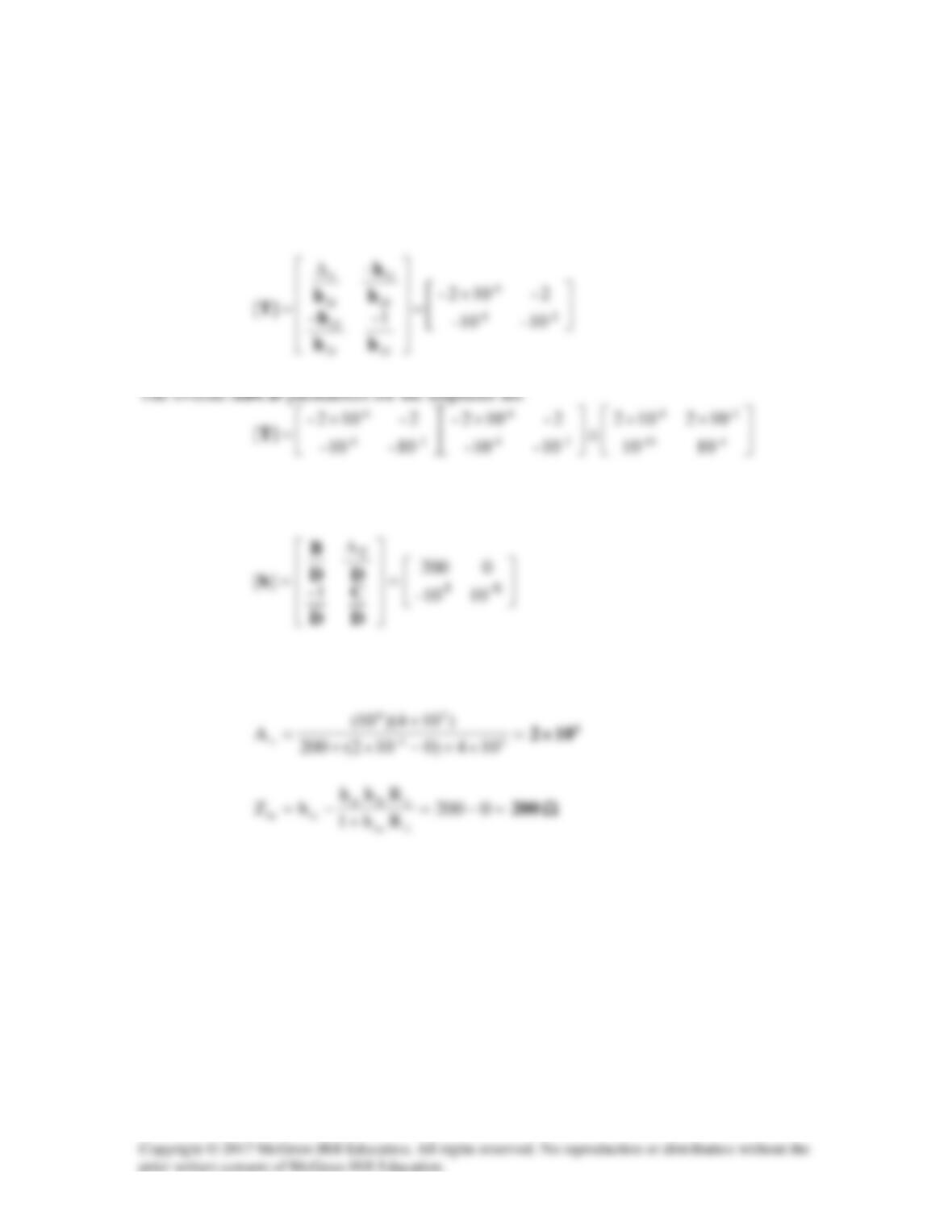
Solution 19.94
We first obtain the ABCD parameters.
Given
=
6–
10100
0200
][h
,
-4
21122211h
102 ×=−=∆ hhhh
0102102 -12-12
T=×−×=∆
Thus,
200h
ie
=
,
0h
re
=
,
4
fe
-10h =
,
-6
oe
10h =
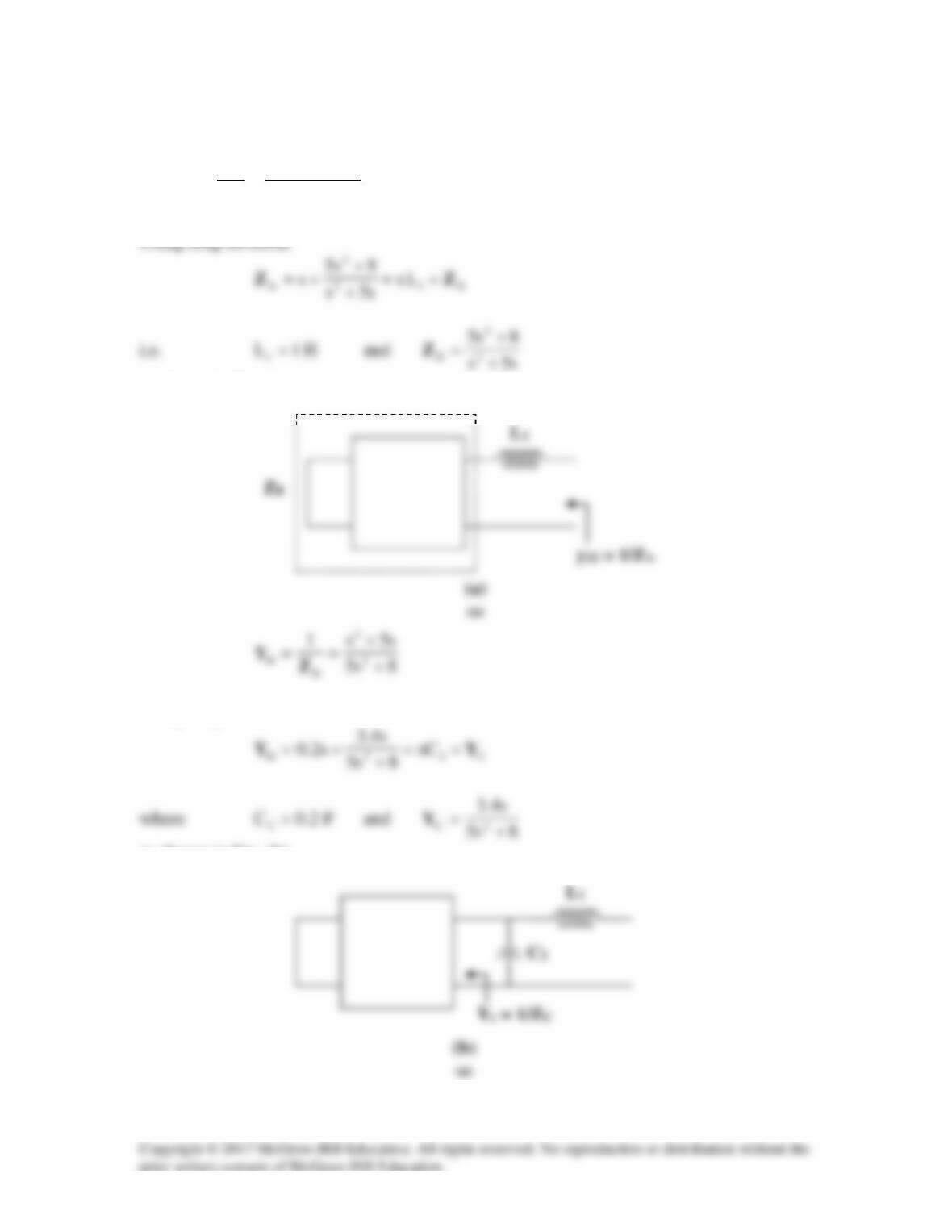
Solution 19.95
Let
s5s
8s10s1
3
24
22
A+
++
== y
Z
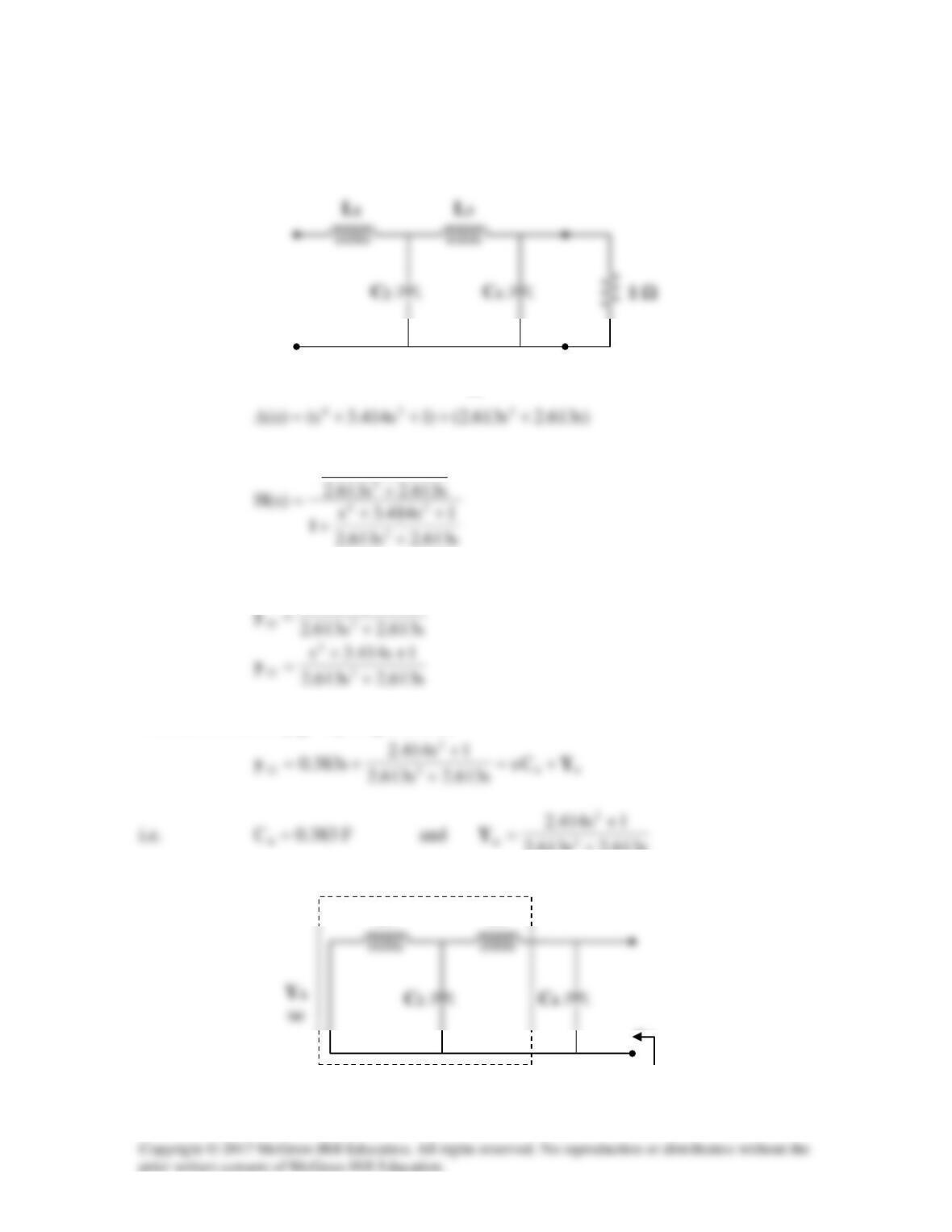
as shown in Fig (a).
Using long division,
as shown in Fig. (b).
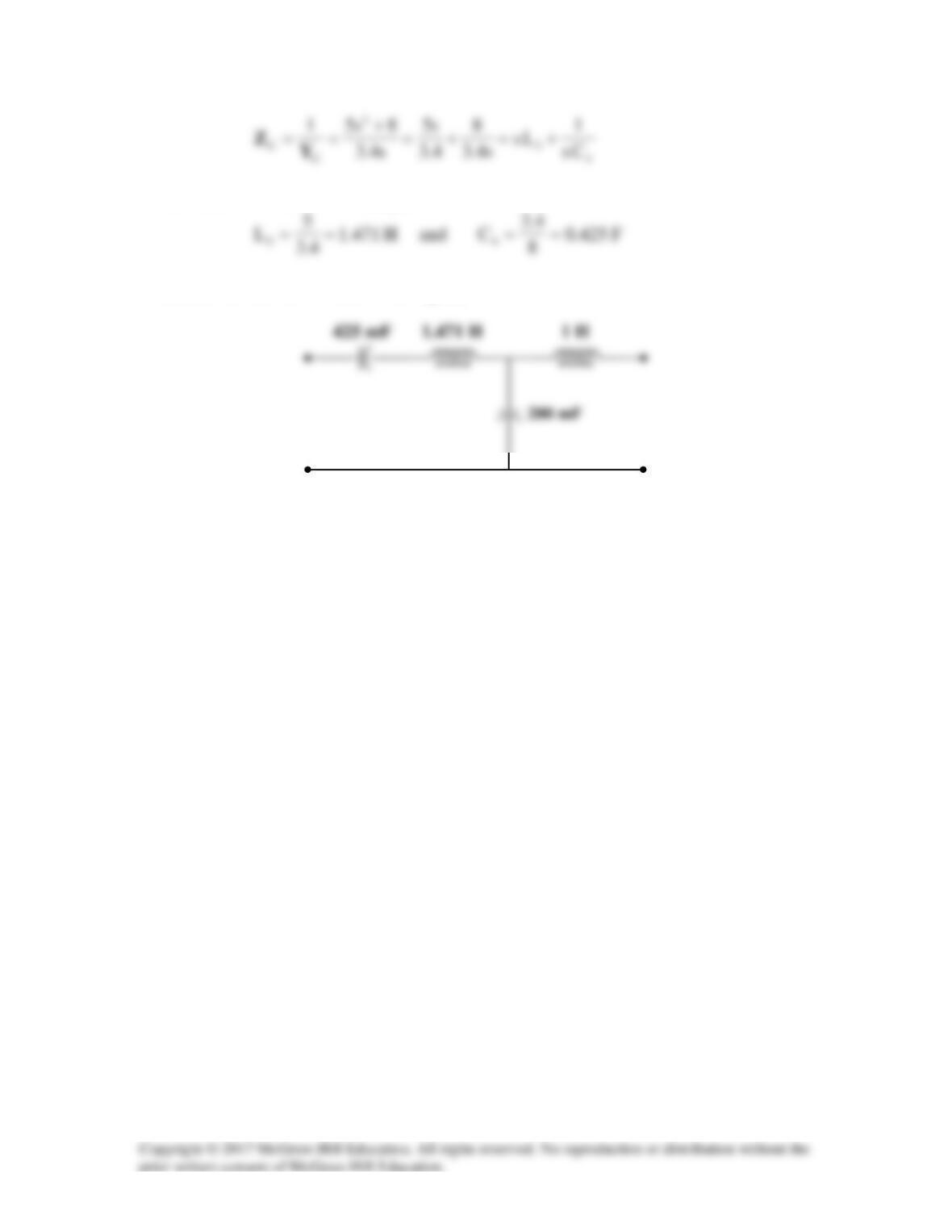
i.e. an inductor in series with a capacitor
Thus, the LC network is shown in Fig. (c).
(c)
(a)
Solution 19.96
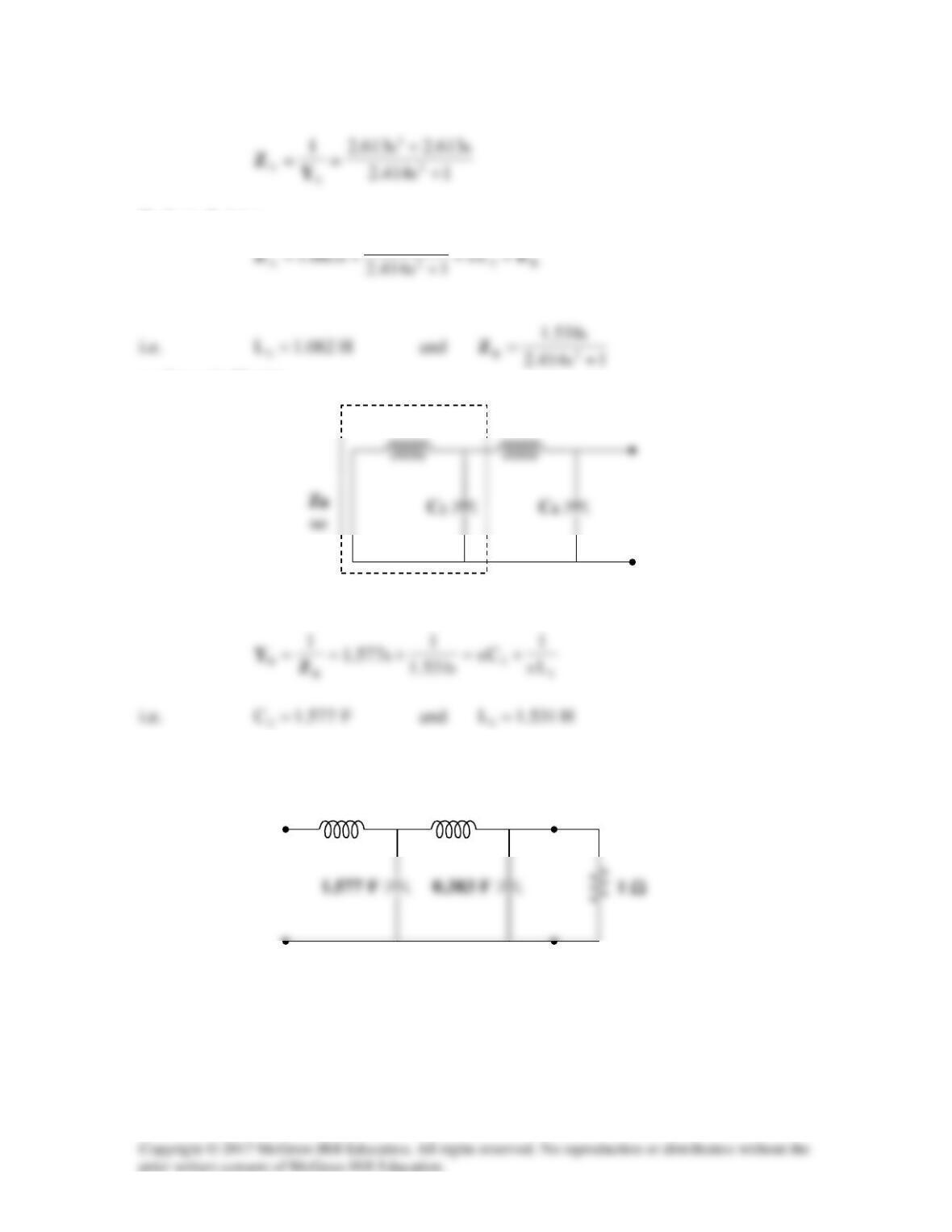
This is a fourth order network which can be realized with the network shown in Fig. (a).
1
which indicates that
1–
We seek to realize
22
y
. By long division,
s613.2s613.2
as shown in Fig. (b).
L3
L1
(a)
(a)
L3
(b)
(a)
L1
y22
(a)
By long division,
s531.1
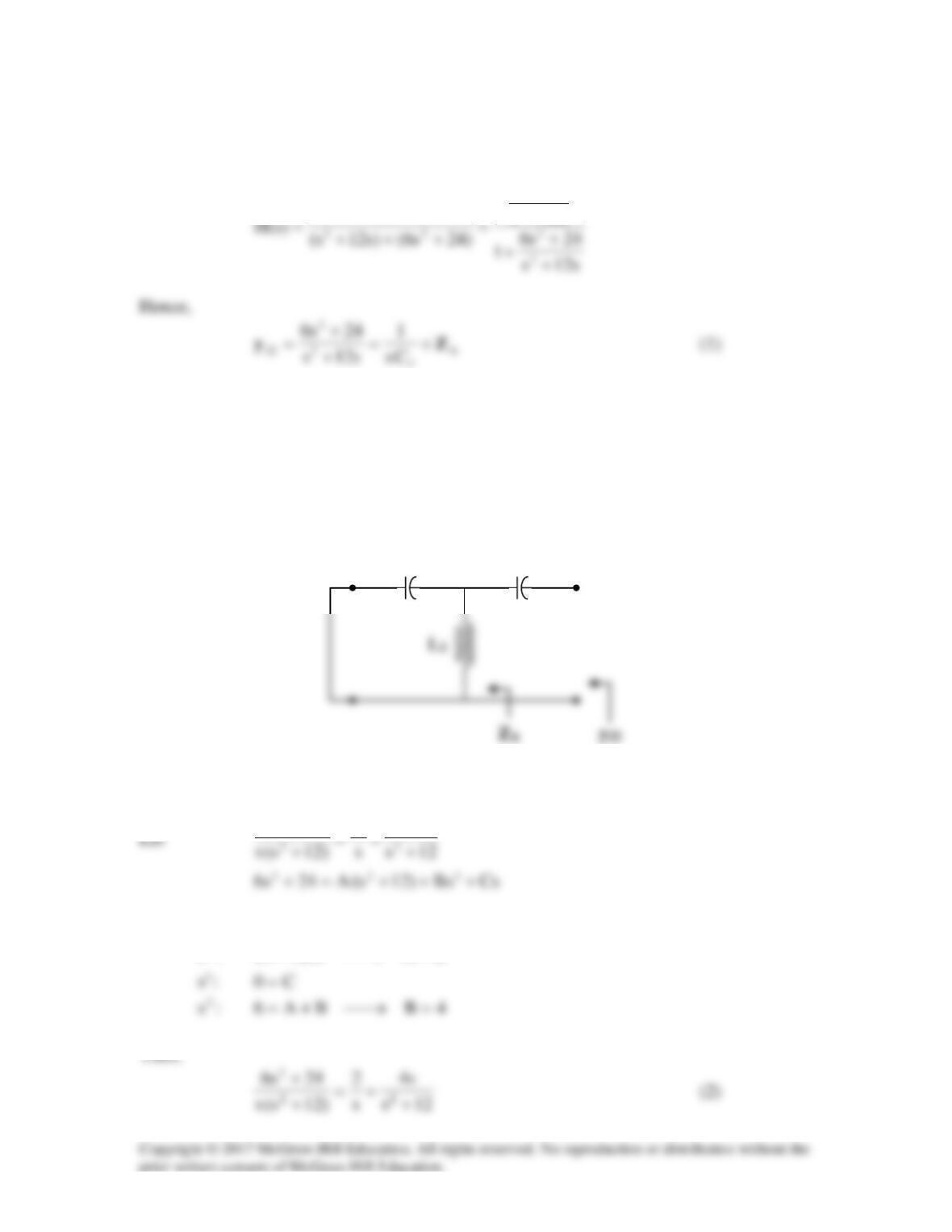
as shown in Fig.(c).
Thus, the network is shown in Fig. (d).
L3
(a)
(c)
(a)
L1
1.082 H
0.383 F
1.577 F
(d)
(a)
1.531 H
Solution 19.97
s12s
s
s
3
3
3
+
where
A
Z
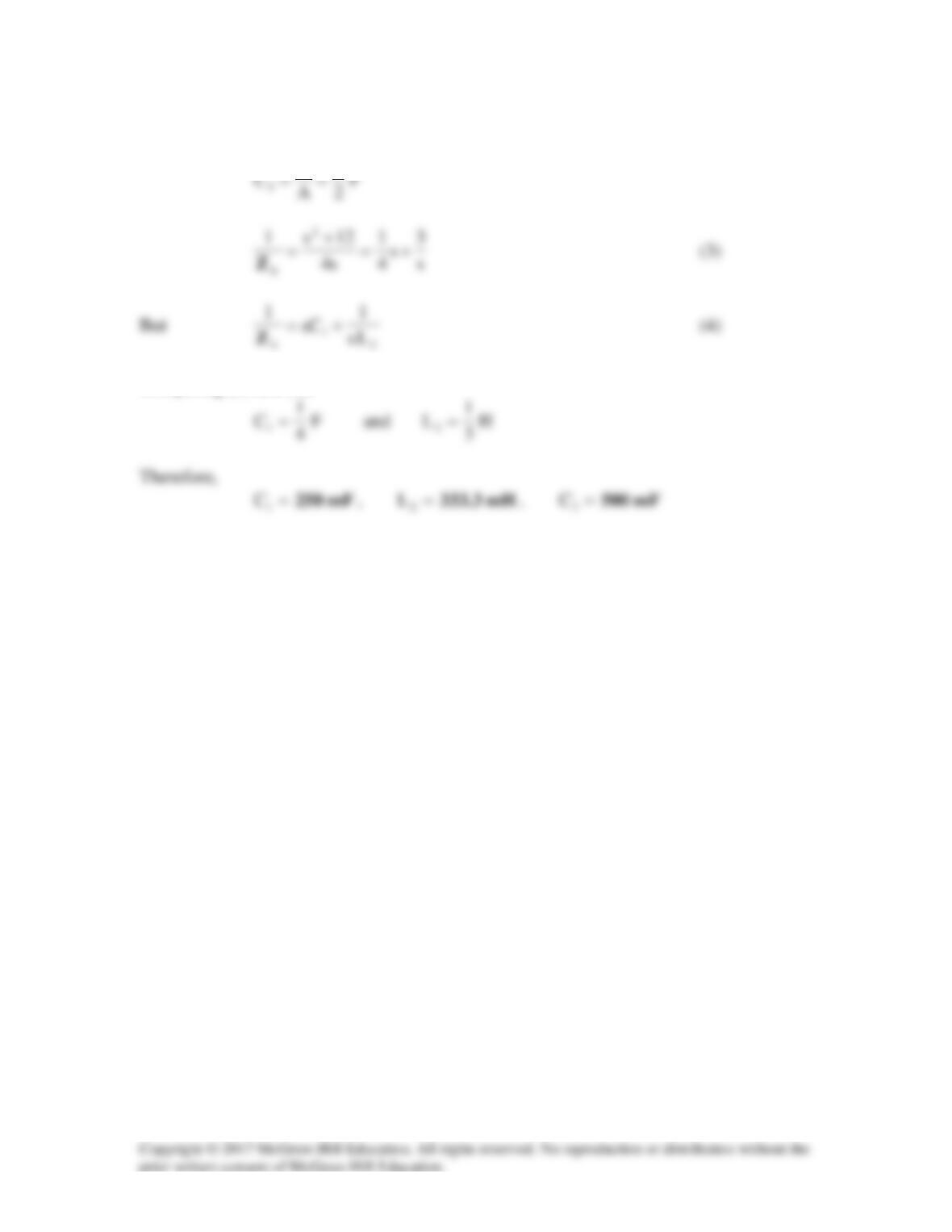
is shown in the figure below.
We now obtain
3
C
and
A
Z
using partial fraction expansion.
CBs
A
24s6
2
+
+
Equating coefficients :
0
s
:
2AA1224 =→=
2
s
(a)
(a)
C1
C3
Comparing (1) and (2),
1
1
Comparing (3) and (4),
Solution 19.98
2.08.01
h
=−=∆
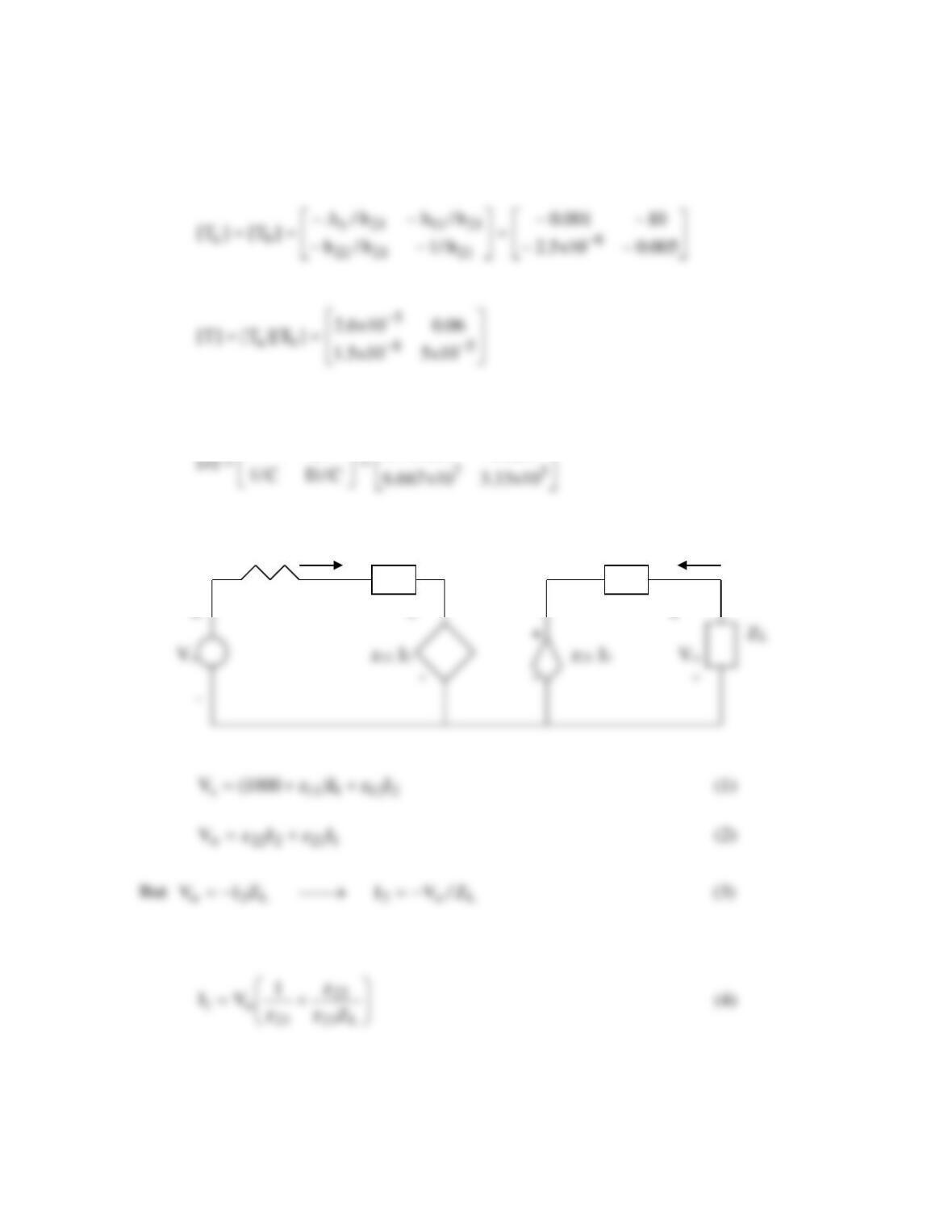
We now convert this to z-parameters
∆
3
T
0267.010x733.1
C/C/A
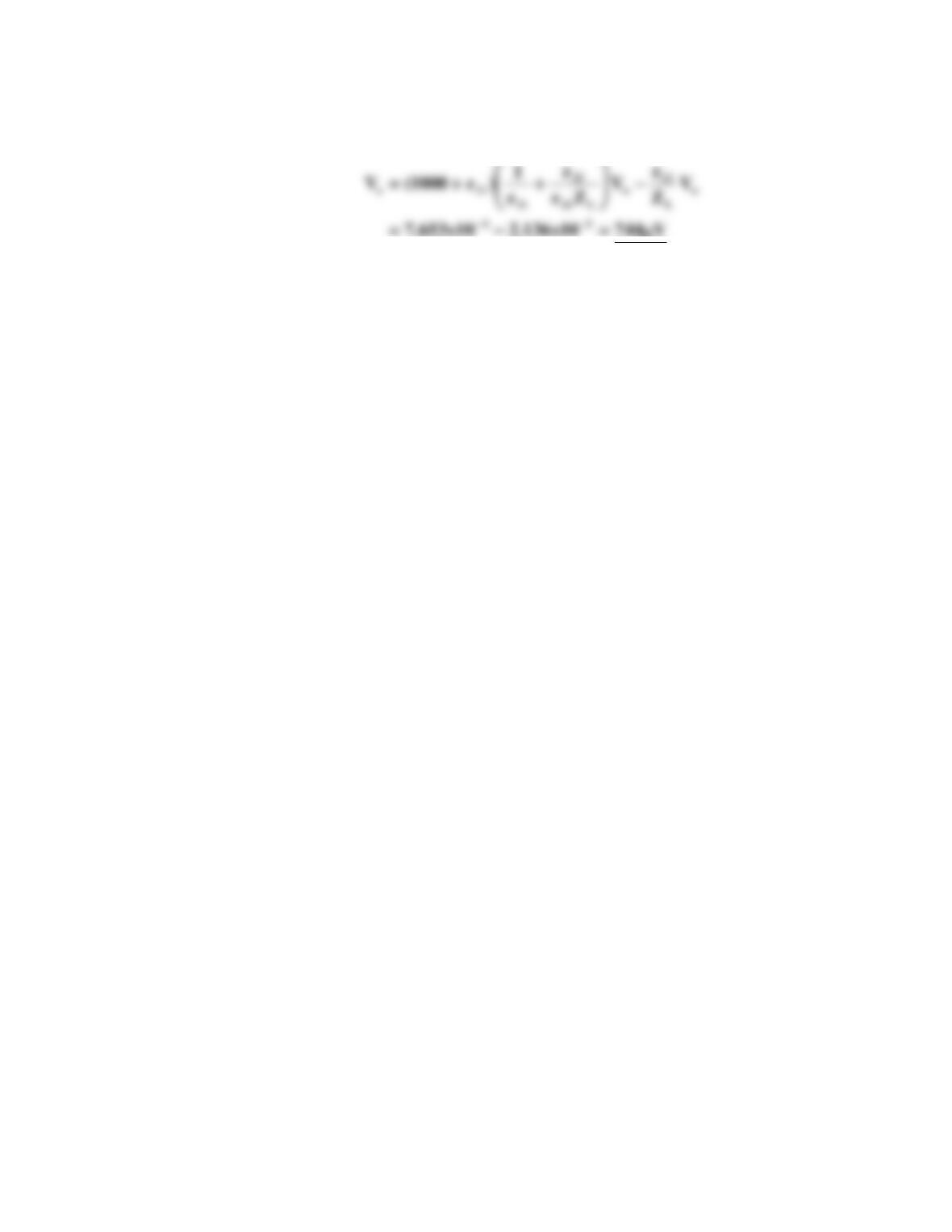
1000 I1 z11 z22 I2
Substituting (3) into (2) gives
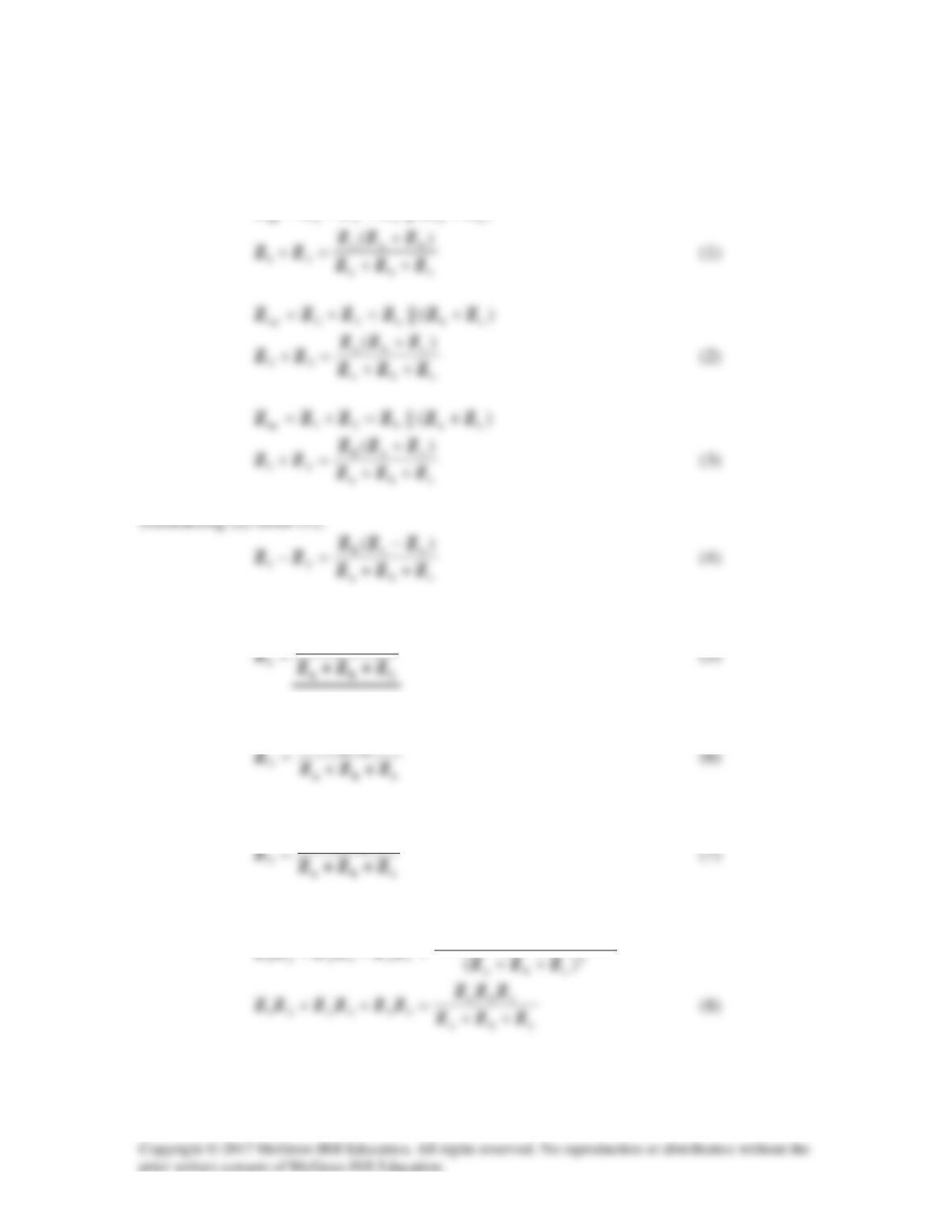
We substitute (3) and (4) into (1)
Solution 19.99
)(||
ZZZZZZ +=+=
Adding (3) and (4),
cb
ZZ
Subtracting (5) from (3),
ba
ZZ
Subtracting (5) from (1),
ac
ZZ
Using (5) to (7)
cbacba
)(
ZZZZZZ
++
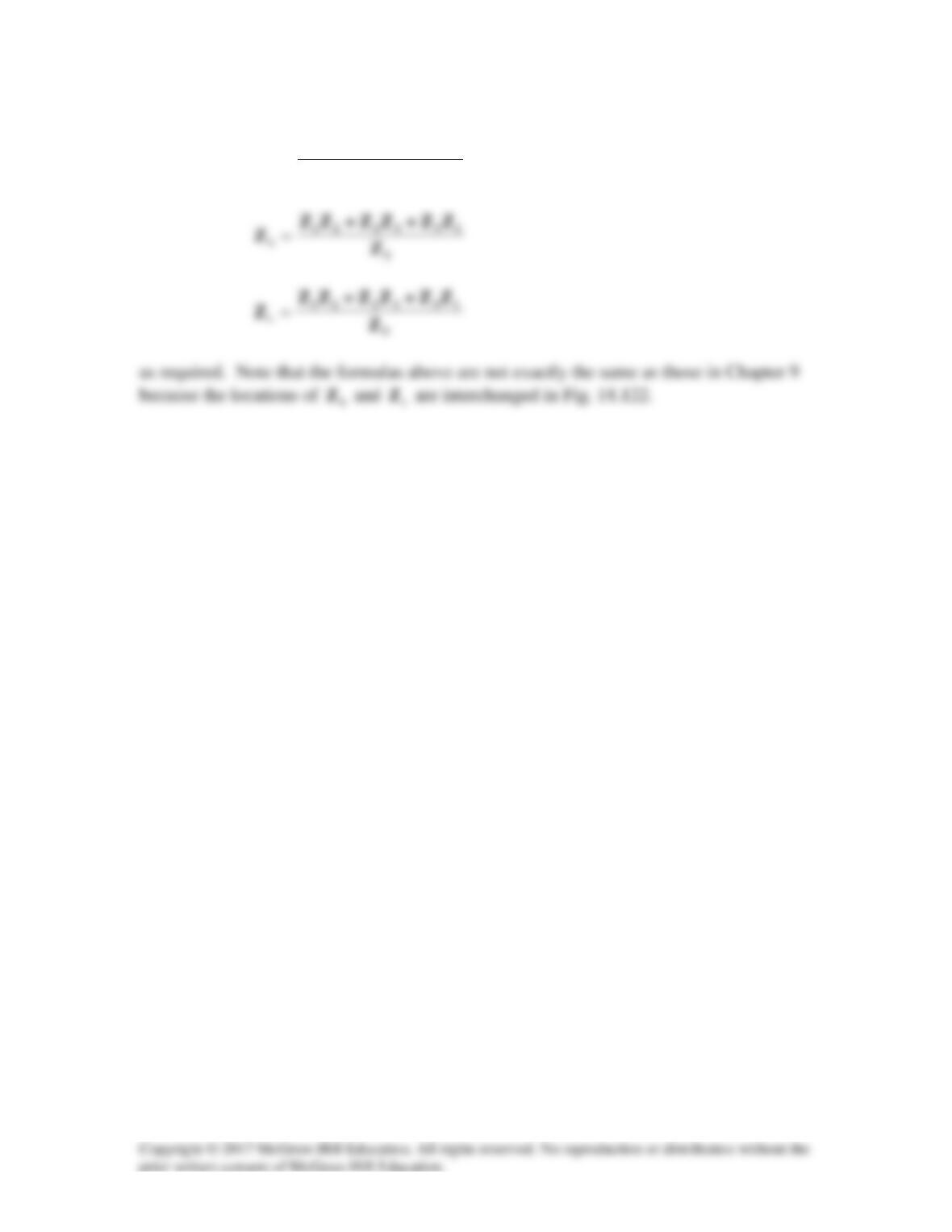
Dividing (8) by each of (5), (6), and (7),
=
a
Z
1
133221
Z
ZZZZZZ ++
=
b
Z
3
Z
2
Z