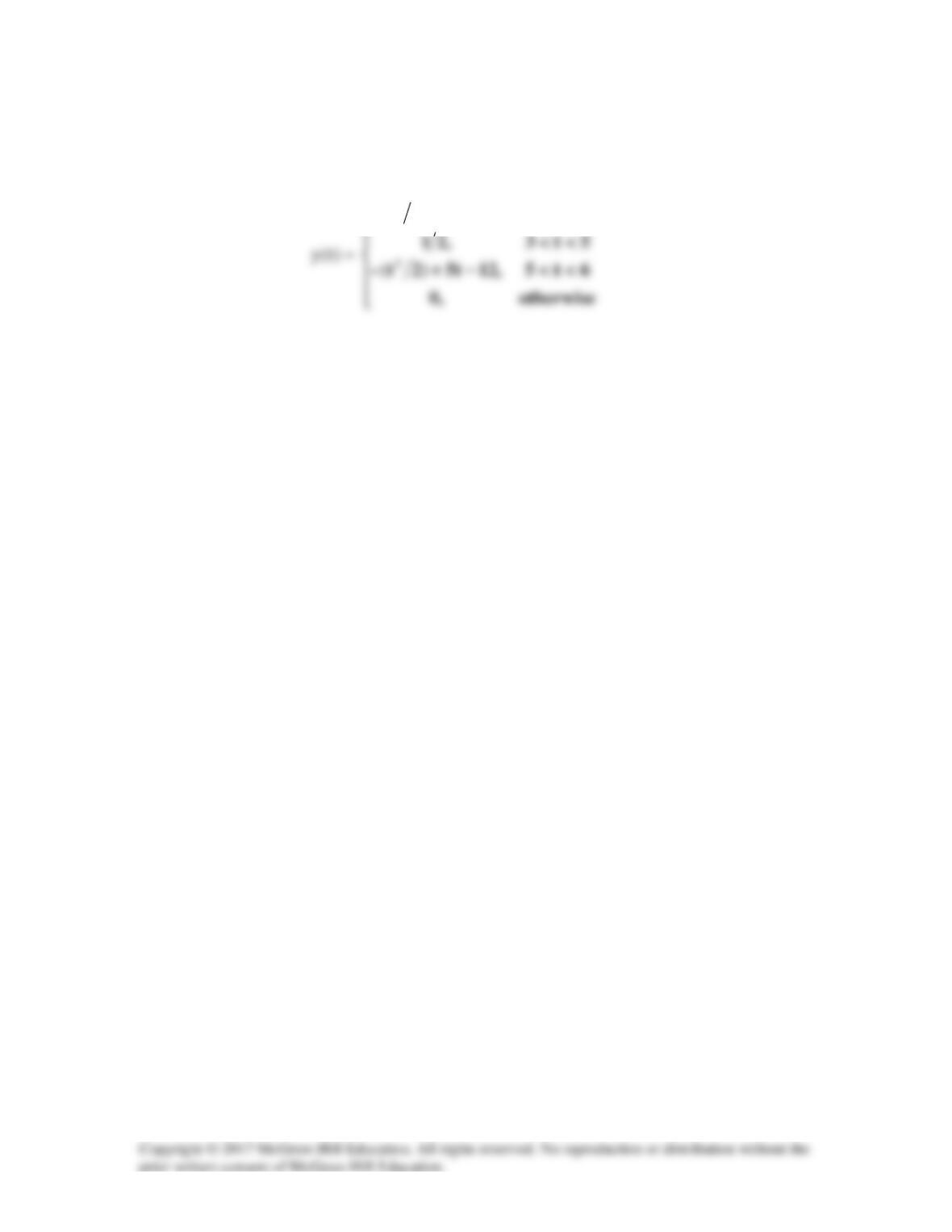
Therefore,
<<+−
3t2,2t2)2t(
2
Solution 15.45
22
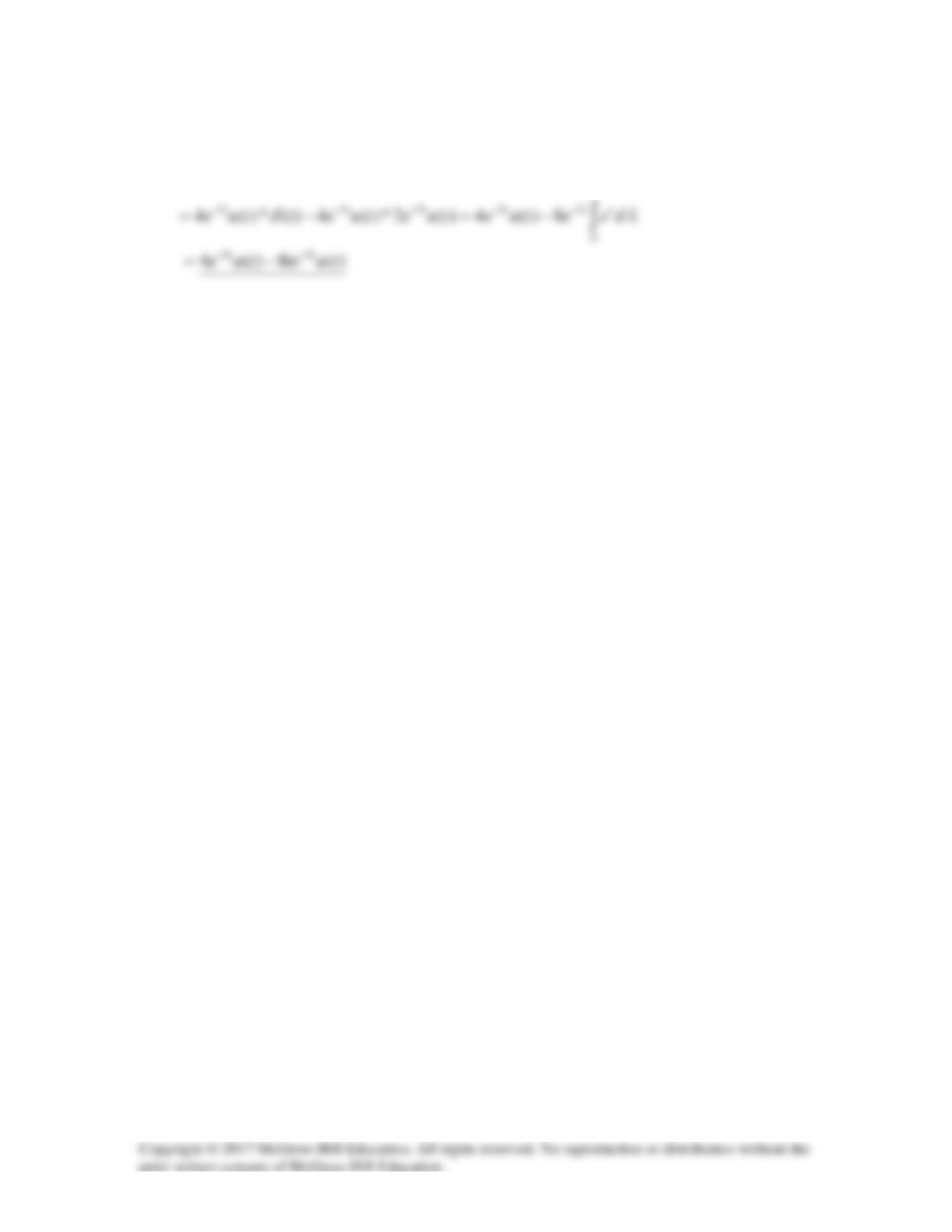
() ()* () 4 () * () 2 ()
tt
yt ht xt e ut t e ut
δ
−−
= = −
Solution 15.46
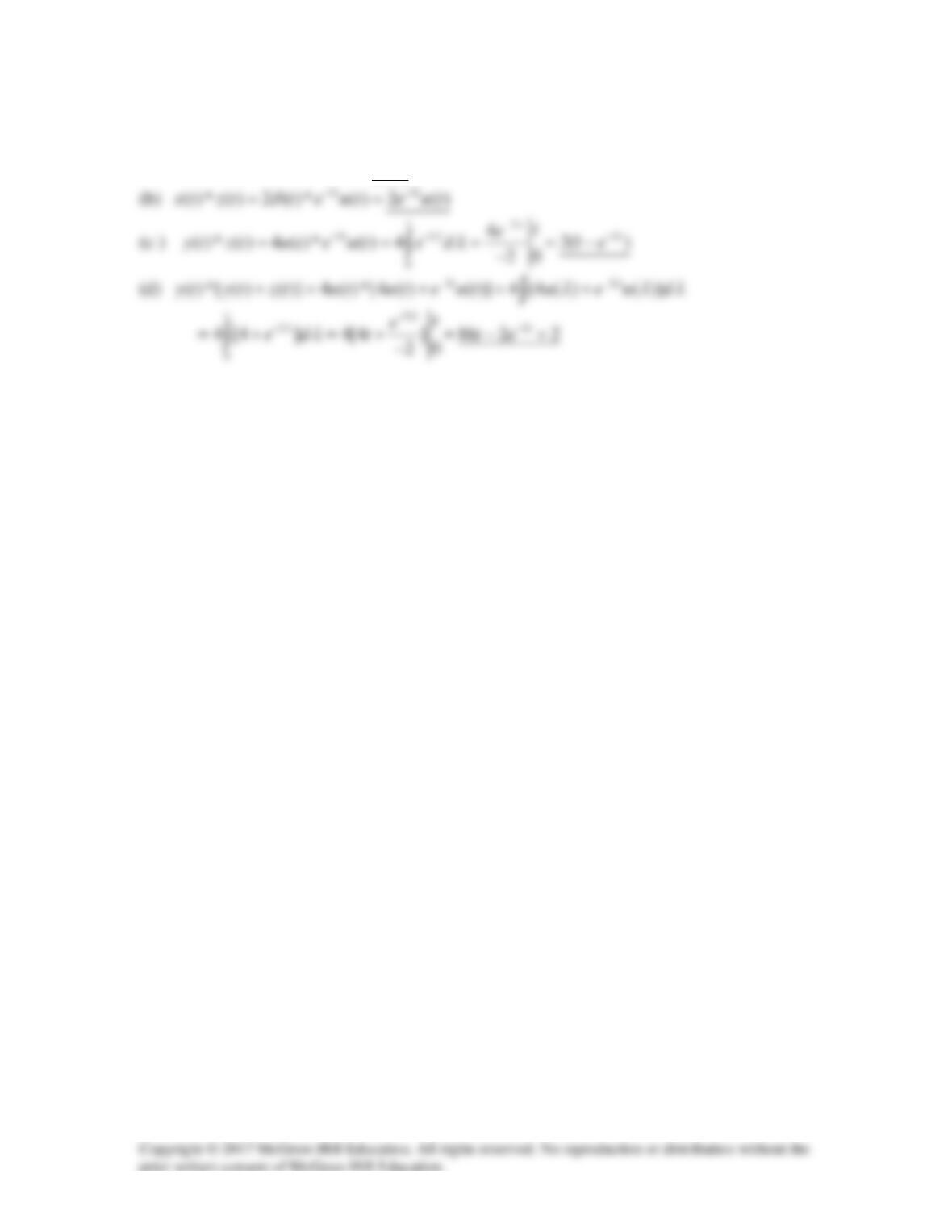
(a)
()* () 2 ()*4 () 8 ()xt yt t ut ut
δ
= =
Solution 15.47
A system has the transfer function
( )
6
( 1)( 2)
s
Hs ss
=++
(a) Find the impulse response of the system.
(b) Determine the output y(t) given that the input is
() ().xt ut=
Solution
( )
6
( ) ( 1)( 2) 1 2
s AB
aHs ss s s
= = +
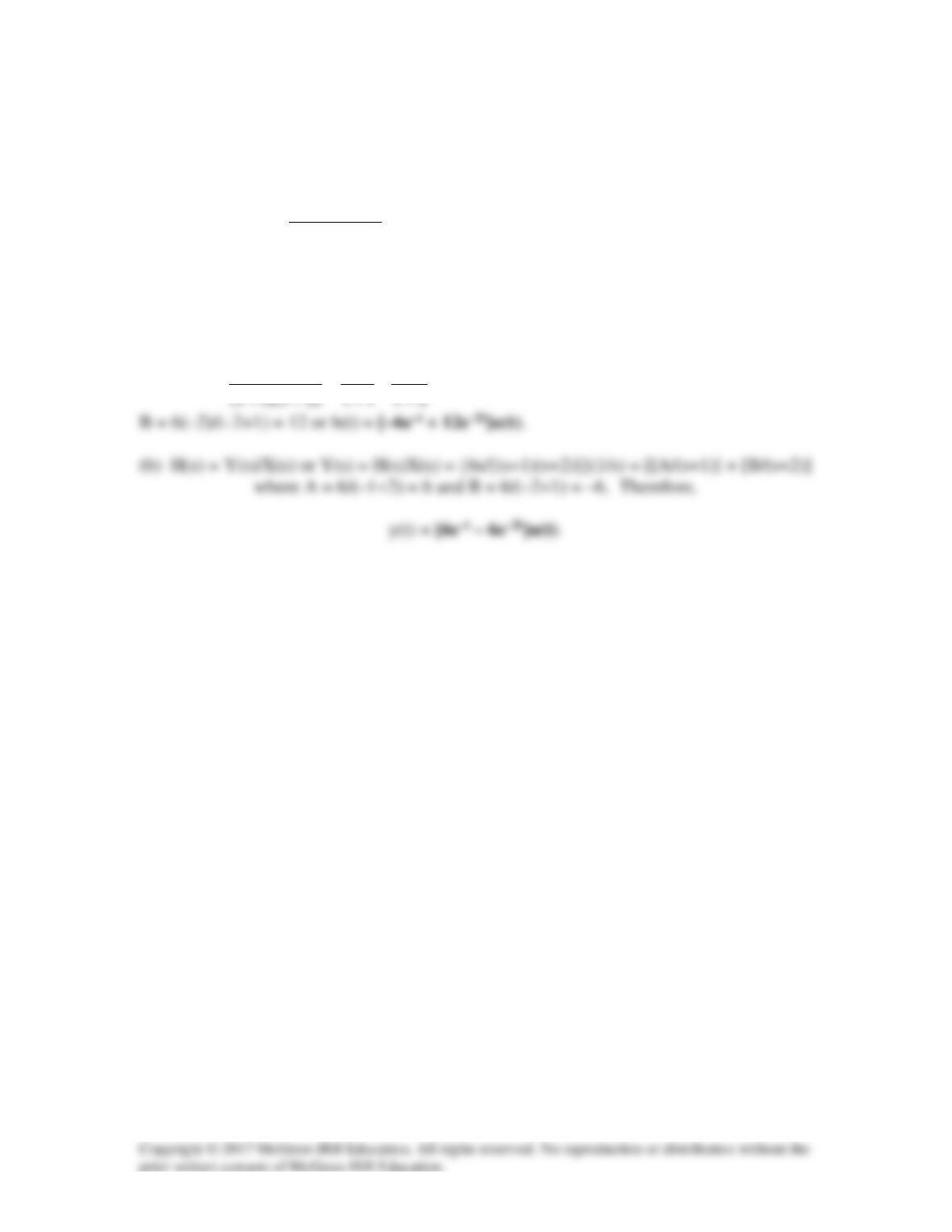
where A = 6(–1)/(–1+2) = –6 and
Solution 15.48
(a) Let 222 2)1s(
2
5s2s
2
)s(G ++
=
++
=
)t2sin(e)t(g
-t
=
)e1()t2cos(e
4
1
)t(f
t2–t–
−=
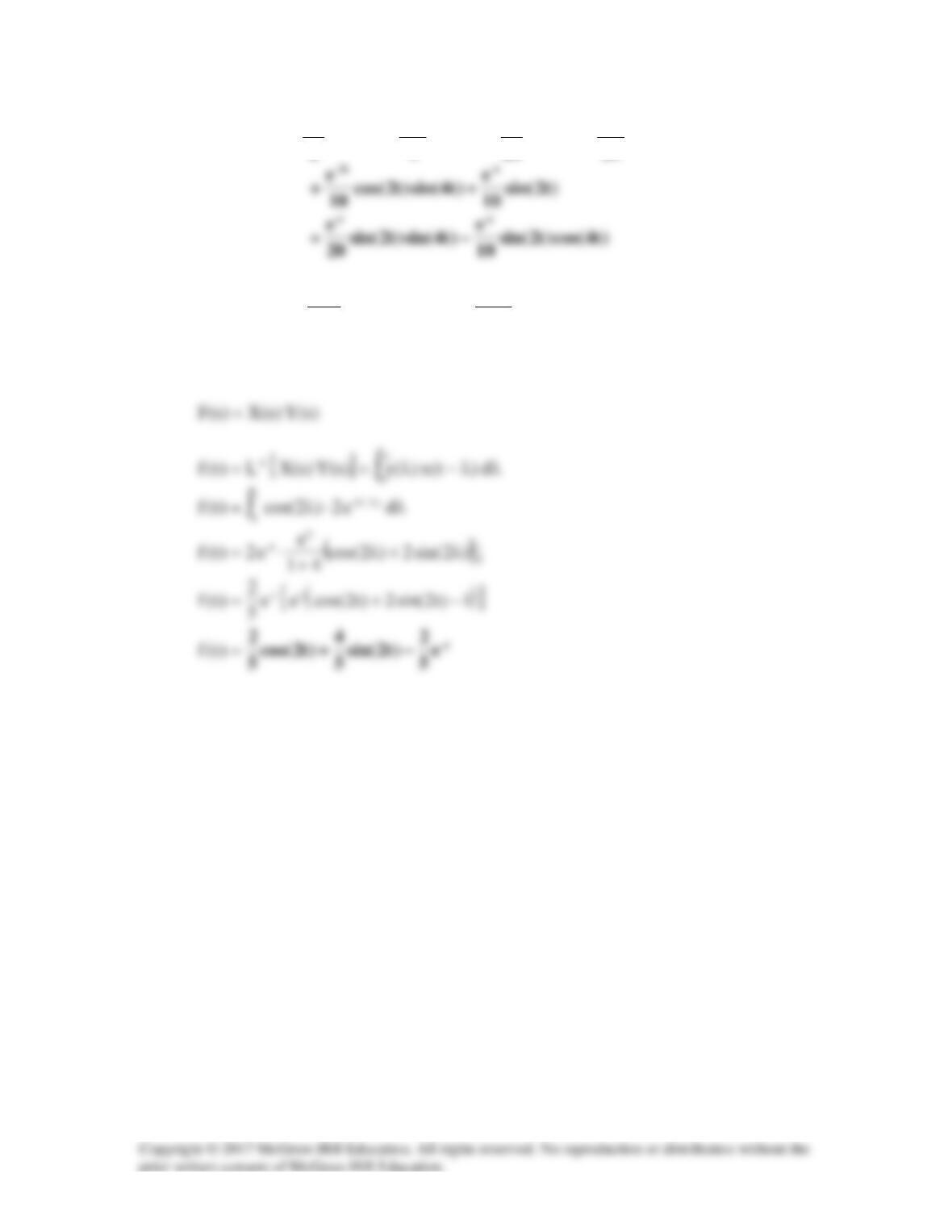
=)t(f
)t4cos()t2cos(
20
e
)t2cos(
20
e
)t2cos(
4
e
)t2cos(
2
e
-3t-t-3t-t
+−−
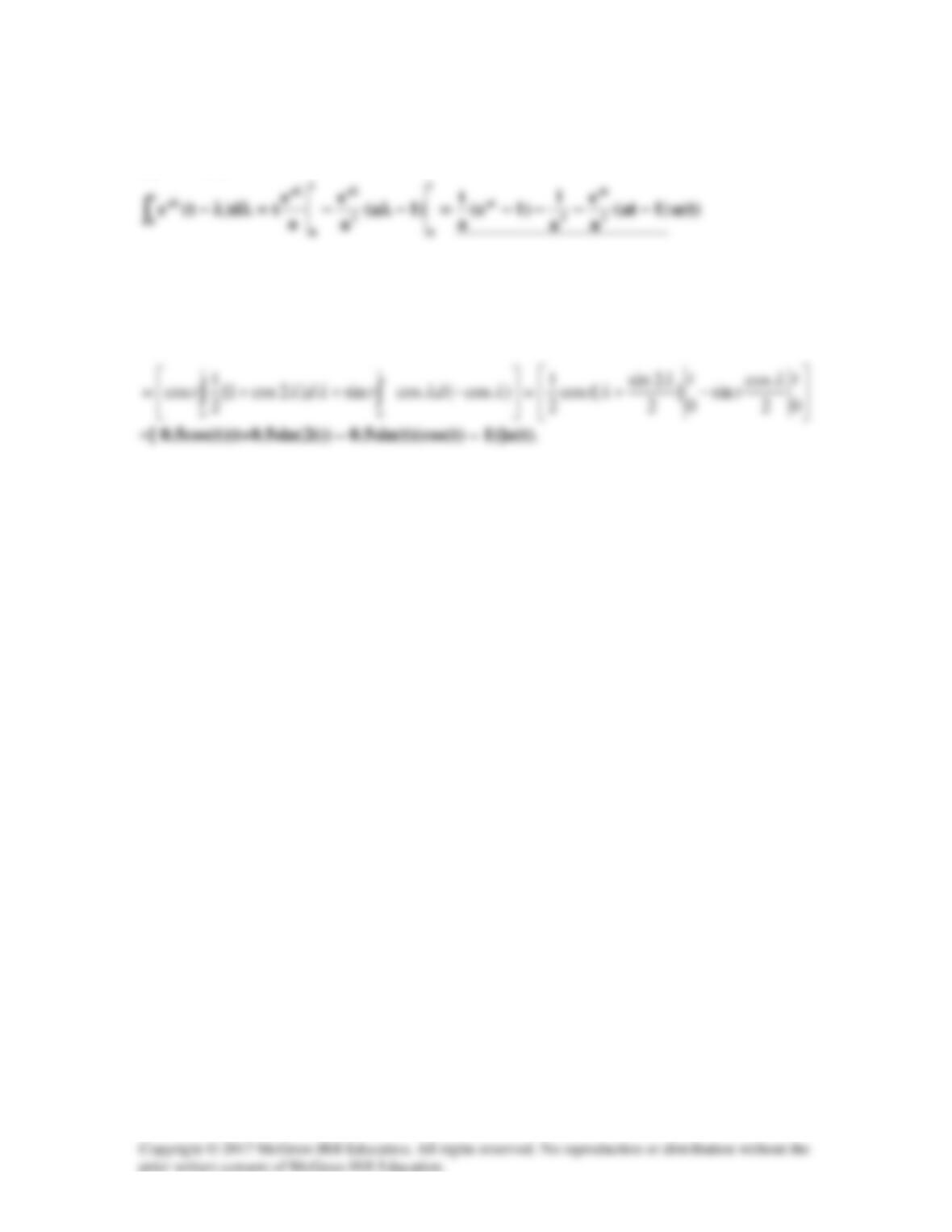
(b) Let
1s
2
)s(X +
=
,
4s
s
)s(Y +
=
)t(ue2)t(x -t
=
,
)t(u)t2cos()t(y =
Solution 15.49
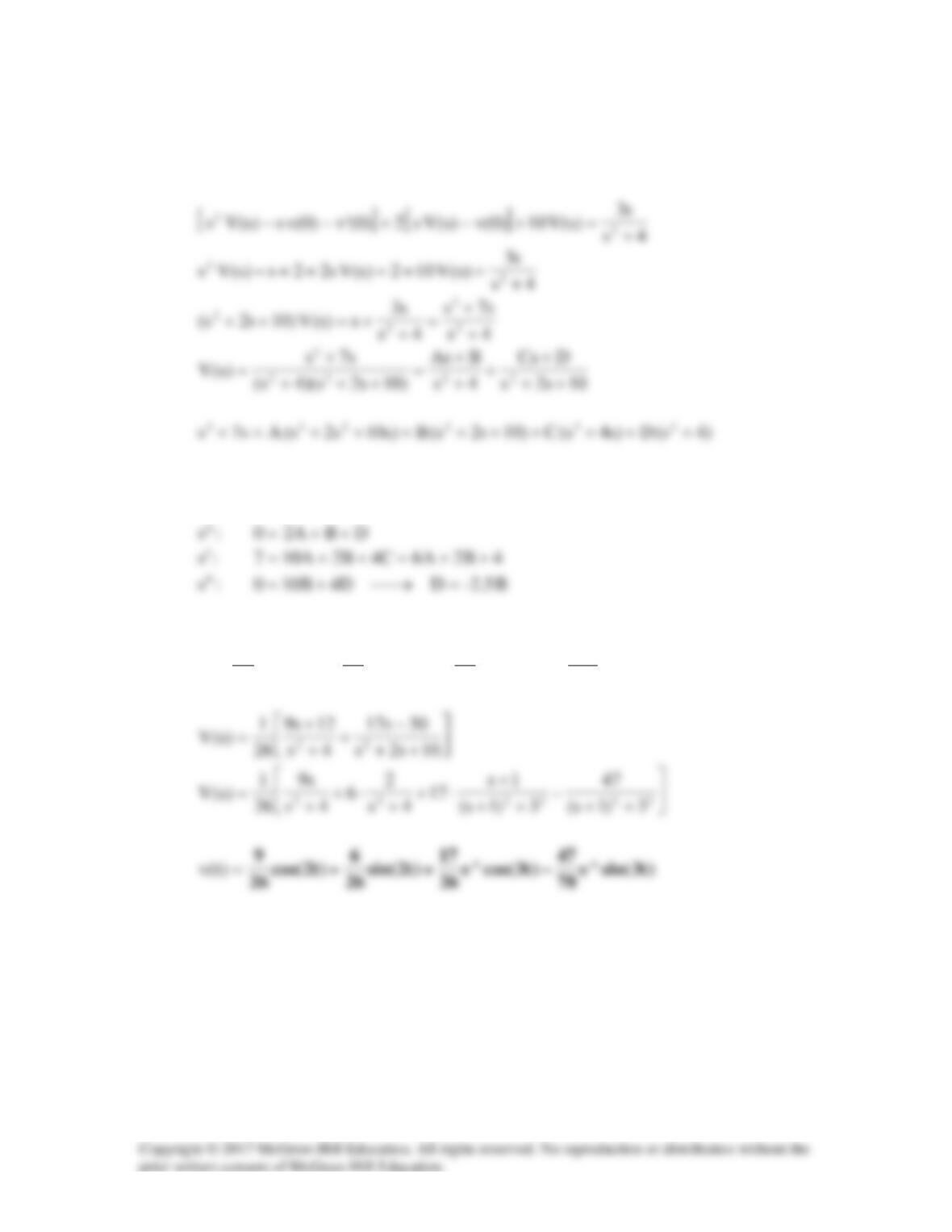
(a) t*eαtu(t) =
(b)
00
cos * cos ( ) cos cos( ) {cos cos cos sin sin cos }
tt
t tu t t d t t d
λ λλ λλ λλλ
= −= +
∫∫
Solution 15.50
Take the Laplace transform of each term.
Equating coefficients :
3
s
:
A1CCA1 −=→+=
Solving these equations yields
26
9
A=
,
26
12
B=
,
26
17
C=
,
26
30–
D=
Solution 15.51
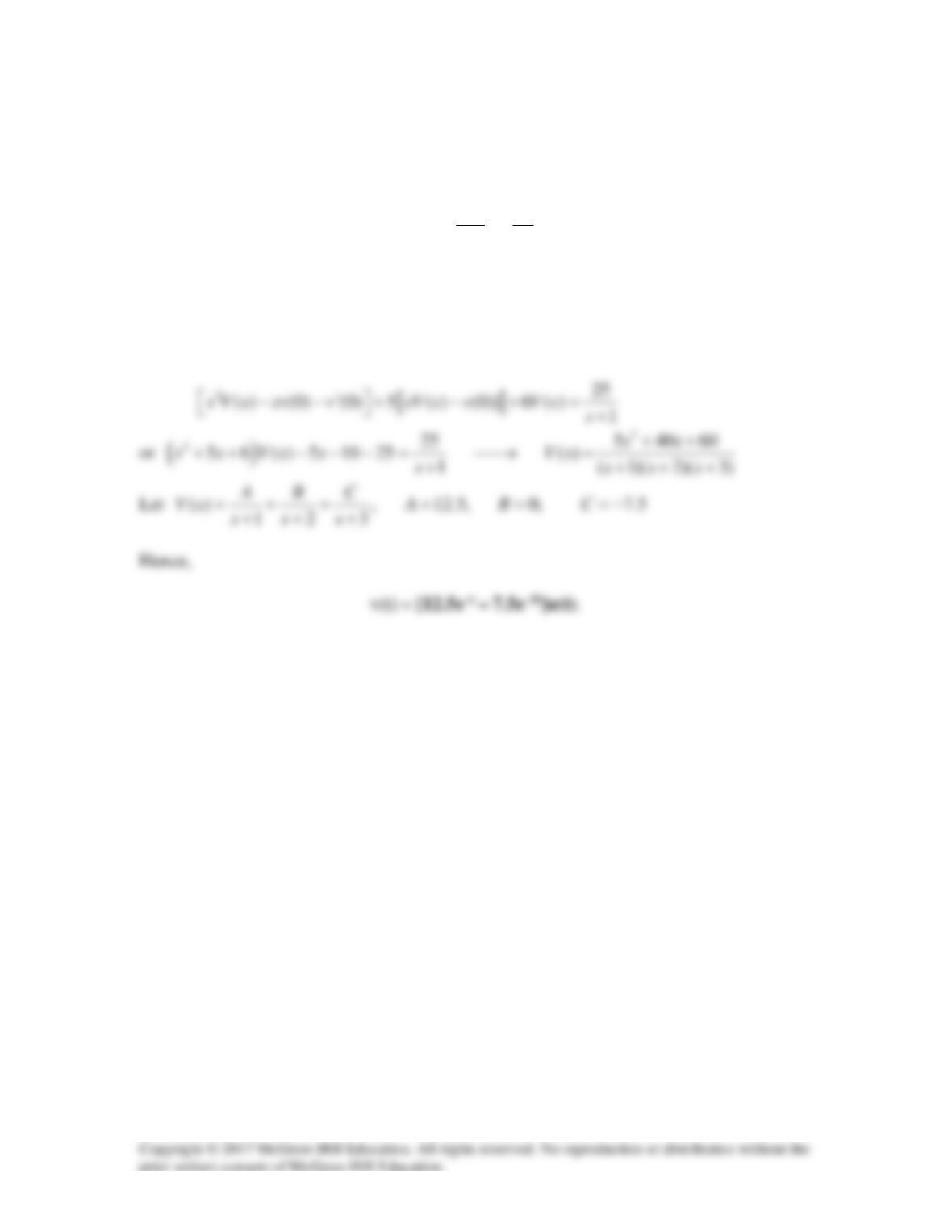
Given that v(0) = 5 and dv(0)/dt = 10, solve
( )
2
25 6 25 .
t
d v dv v eut
dt dt
−
+ +=
Solution
Taking the Laplace transform of the differential equation yields
Solution 15.52
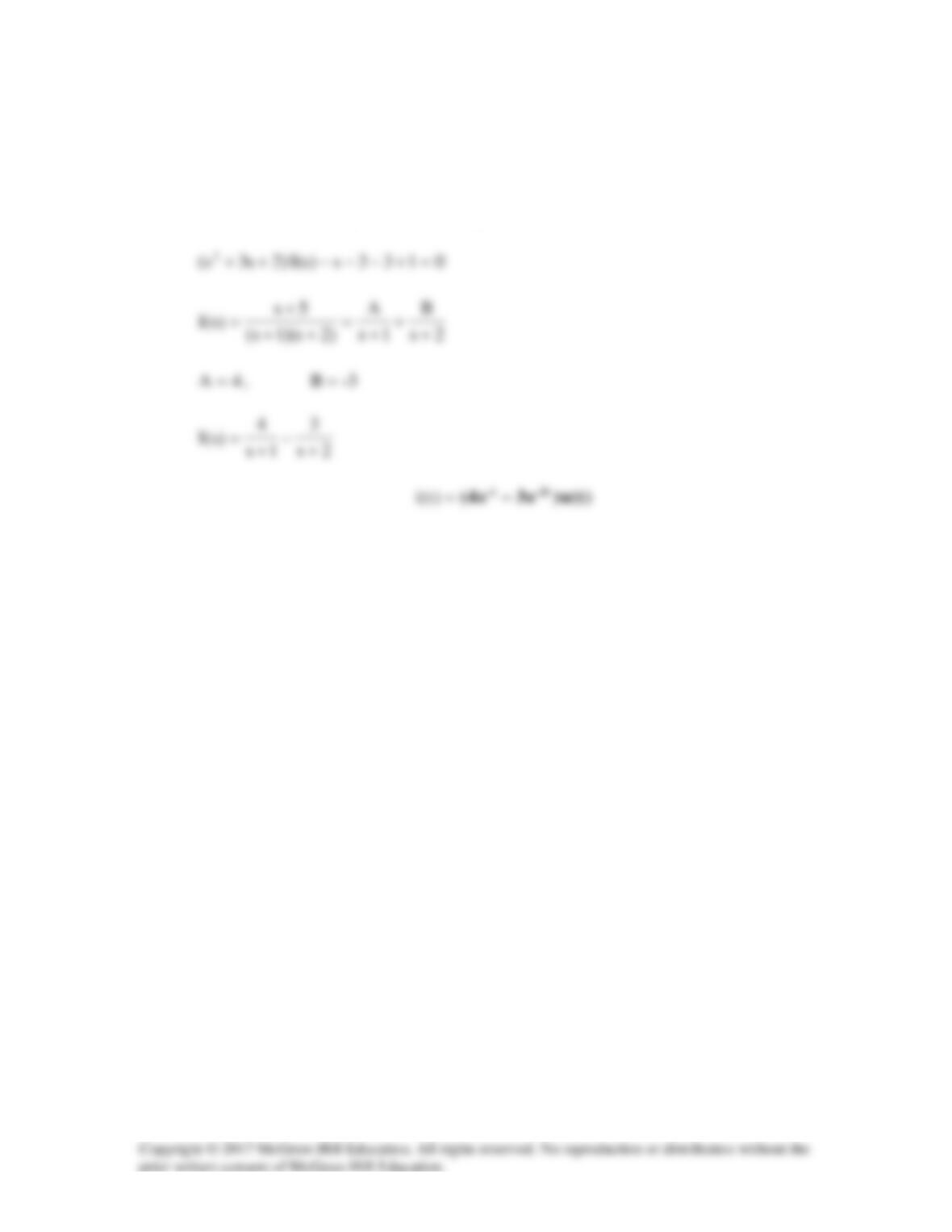
Take the Laplace transform of each term.
[ ] [ ]
01)s(I2)0(i)s(Is3)0(i)0(is)s(Is2=++−+
′
−−
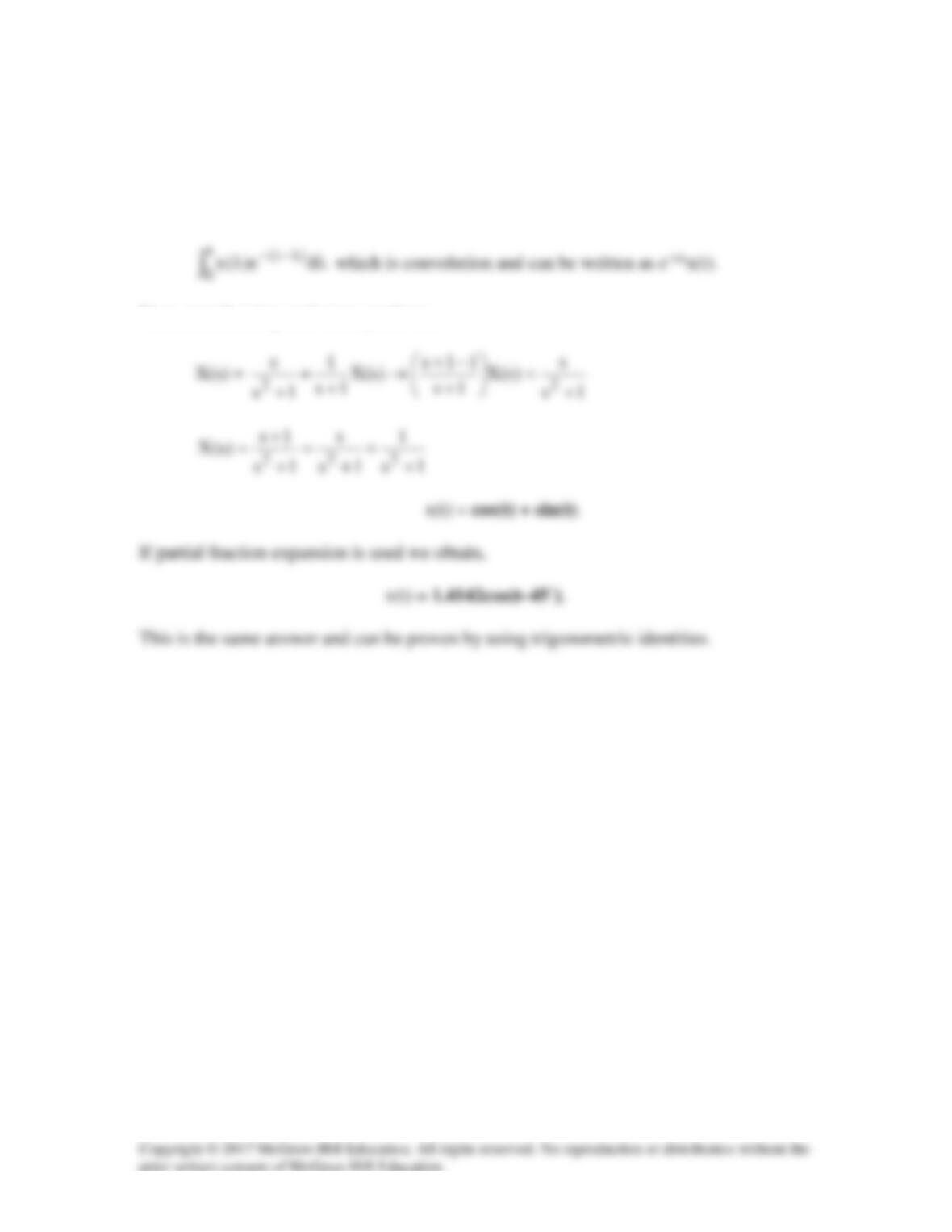
Solution 15.53
Transform each term.
We begin by noting that the integral term can be rewritten as,
Now, transforming each term produces,