Solution 14.1
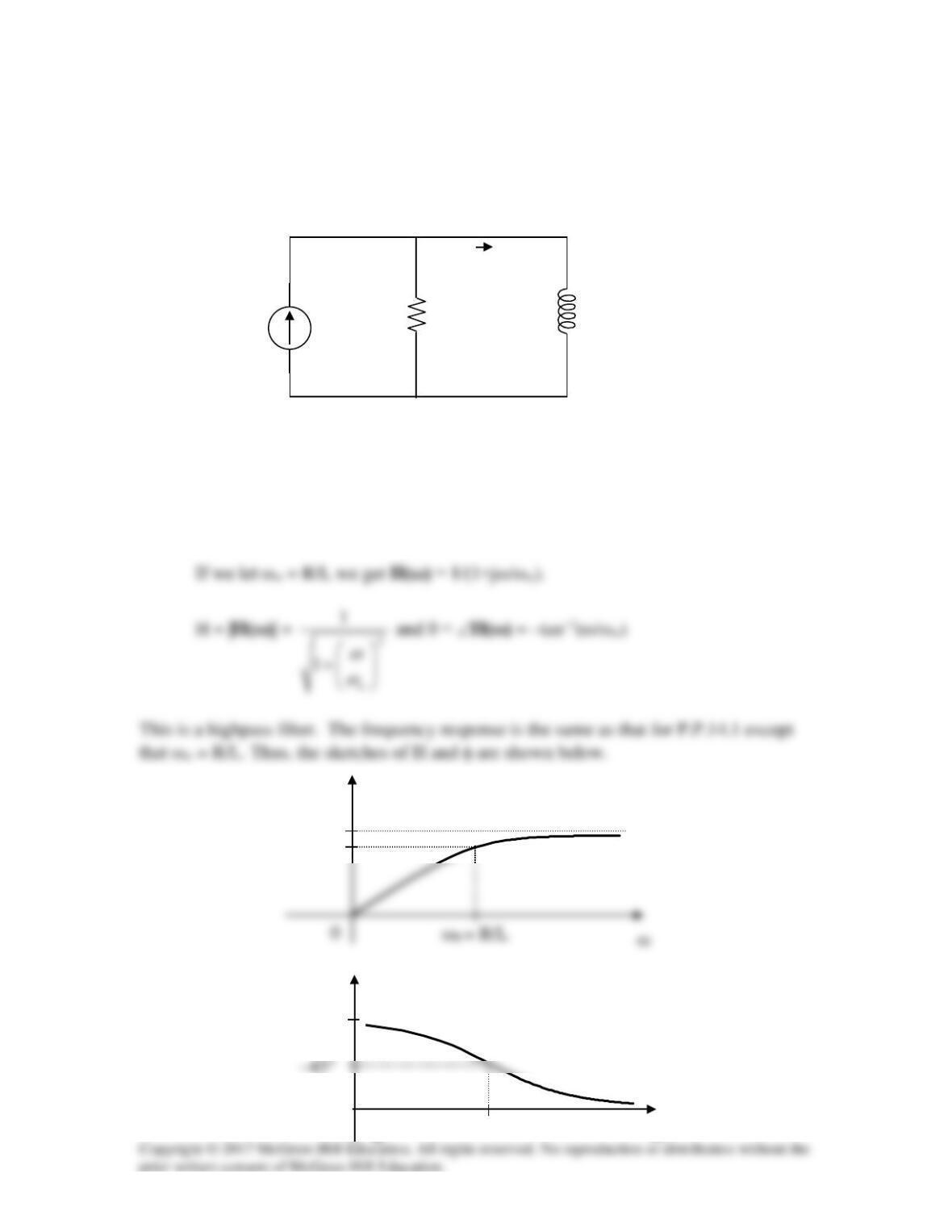
Find the transfer function Io/Ii of the RL circuit in Fig. 14.68. Express the transfer
function using ωo = R/L.
Figure 14.68
For Prob. 14.1.
Solution
H(ω) = Io/Ii = [RjωL/(R+jωL)]/(jωL) = 1/(1+jωL/R)
1
0.7071
H
0°
ω0 = R/L
ω
φ
–90°
L
R
ii(t)
io(t)
Solution 14.2
Using Fig. 14.69, design a problem to help other students to better understand how to
determine transfer functions.
Although there are many ways to solve this problem, this is an example based on the
same kind of problem asked in the third edition.
Problem
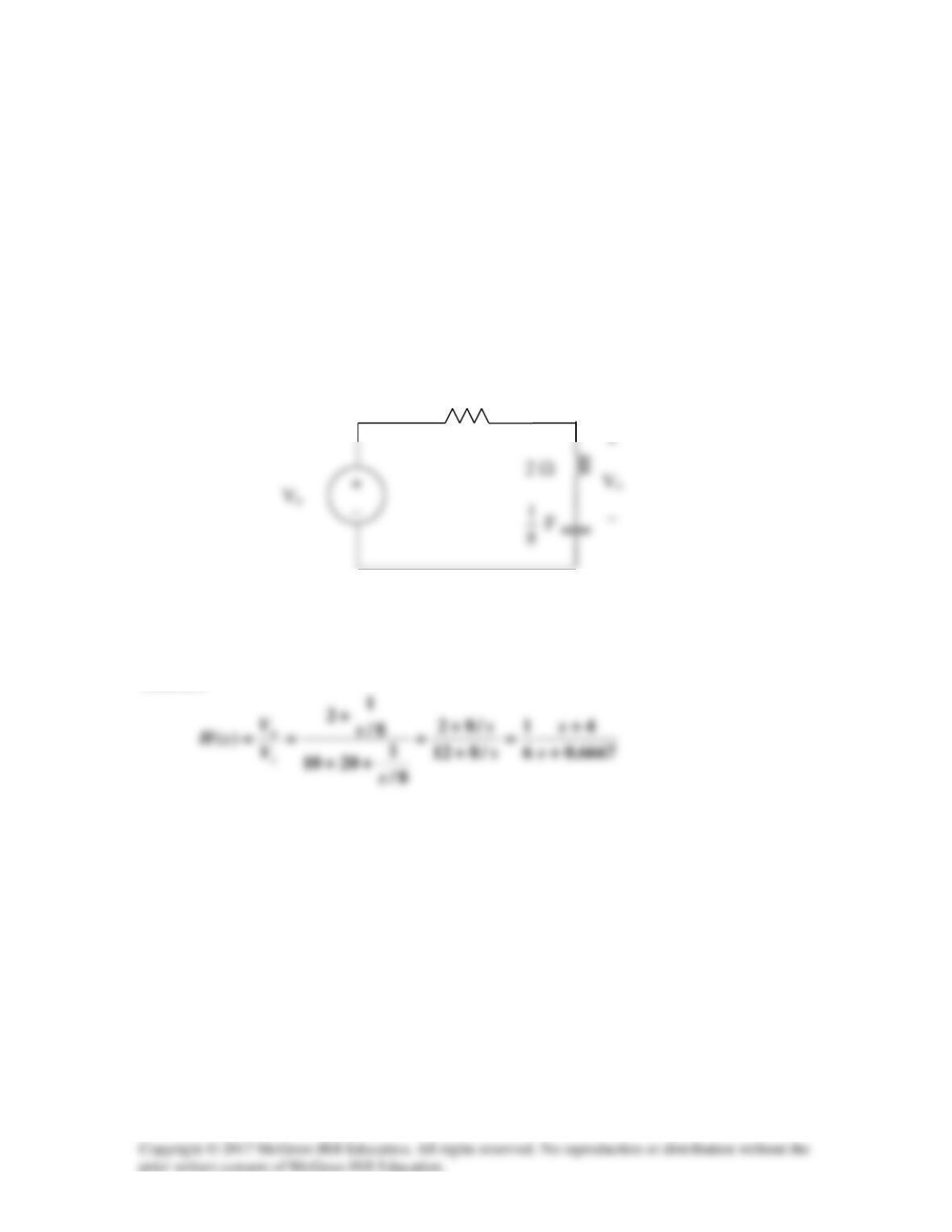
Obtain the transfer function Vo/Vi of the circuit in Fig. 14.66.
Figure 14.66 For Prob. 14.2.
Solution
10 Ω
−
10s
+
V1
Solution 14.3
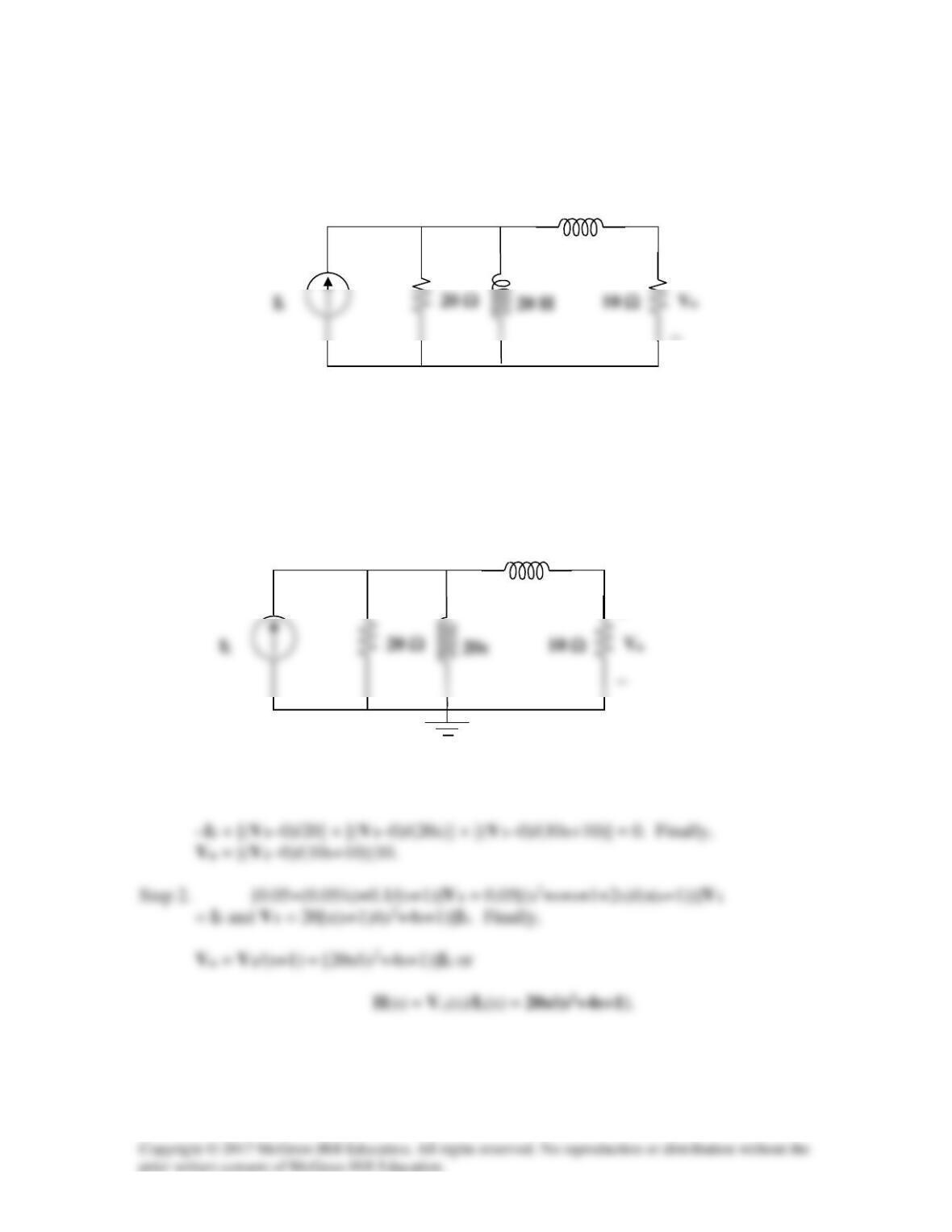
For the circuit shown in Fig. 14.67, find H(s) = Vo(s)/Ii(s).
Figure 14.67
For Prob. 14.3.
Solution
Step 1. We can transform this circuit into the s-domain where 10 H becomes 10s
and 20 H becomes 20s. This leads to the following circuit,
We can use nodal analysis to solve this problem. Clearly we can write the
following nodal equation.
10 H
+
−
Solution 14.4
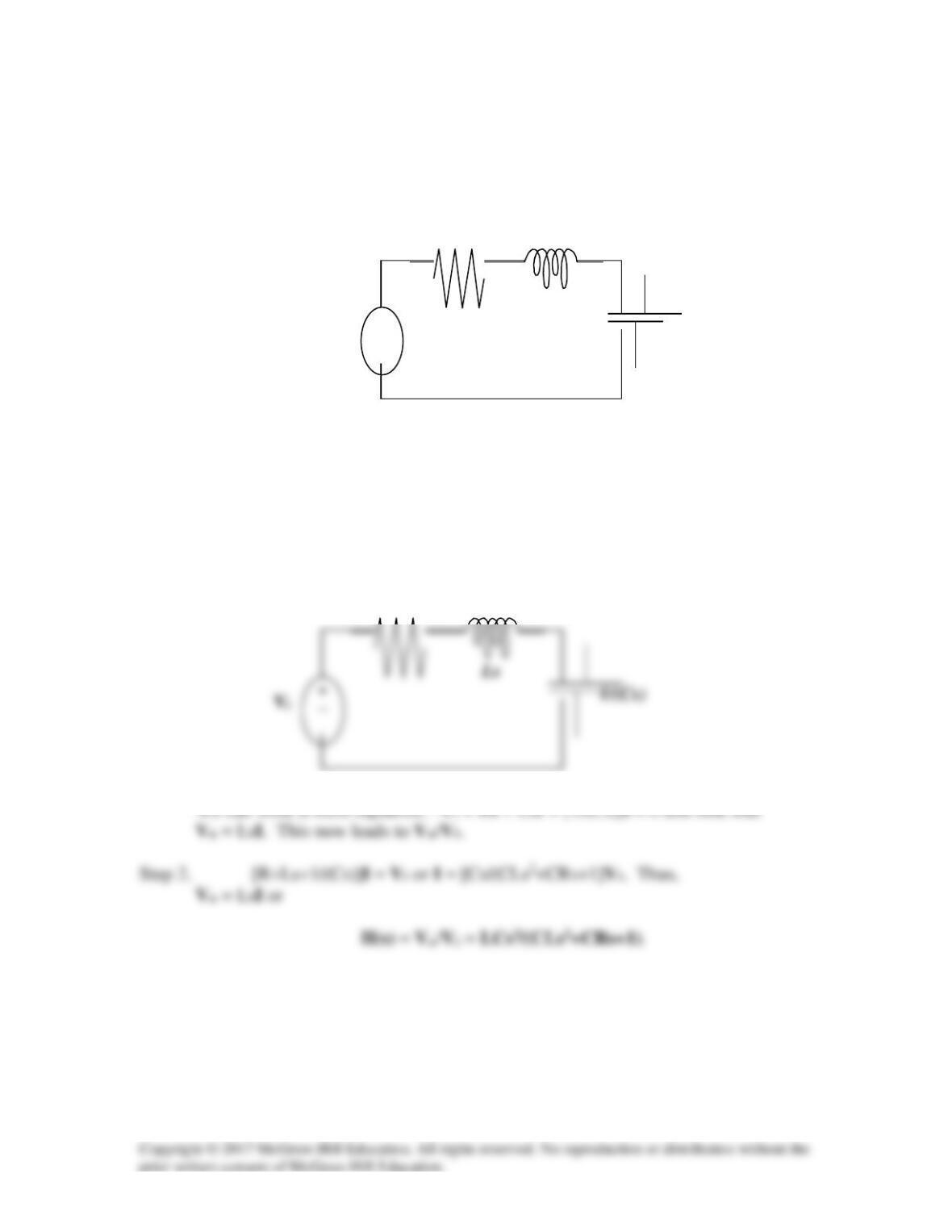
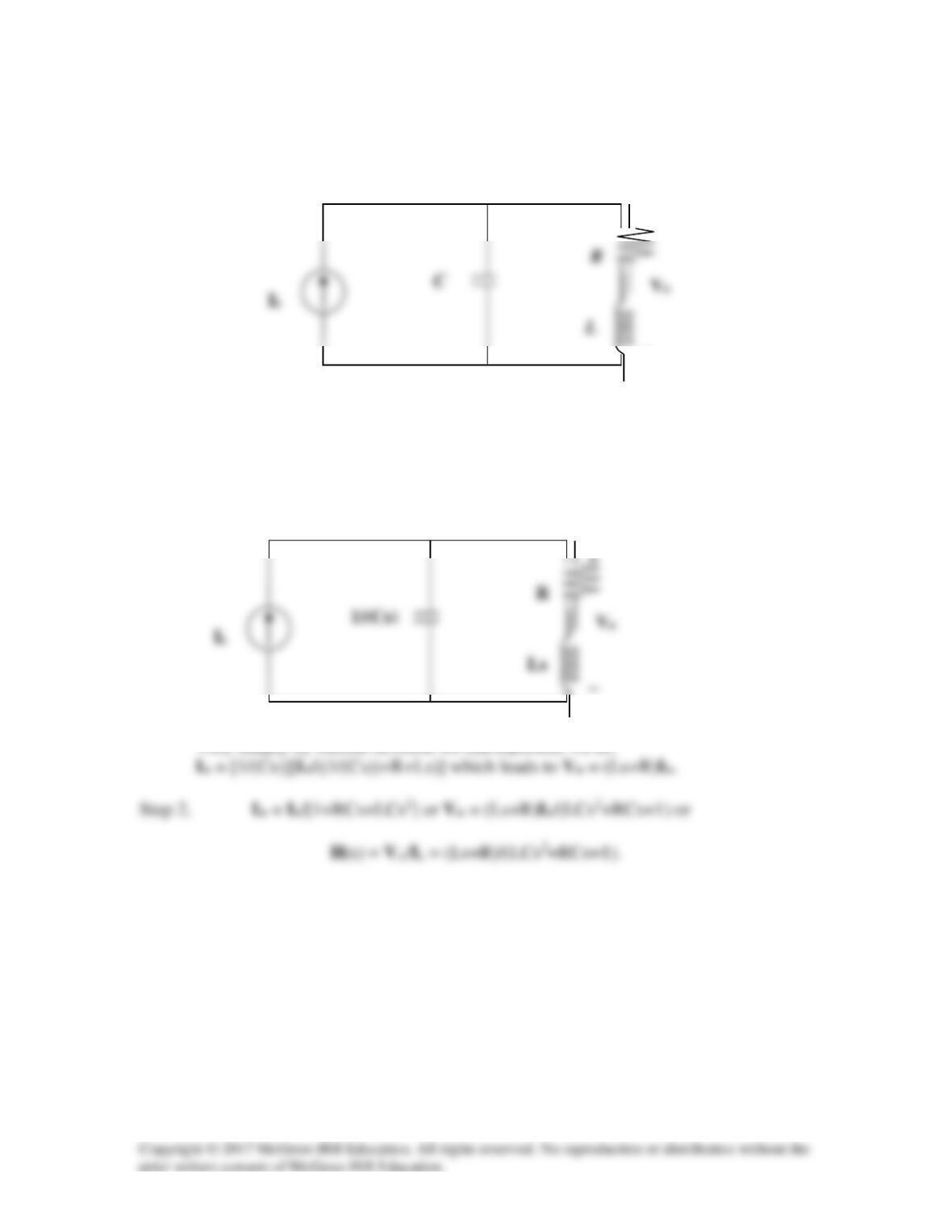
Find the transfer function H(s) = Vo/Vi of the circuit shown in Fig. 14.71.
Figure 14.71
For Prob. 14.4.
Solution
Step 1. First we convert the circuit into the s-domain where the capacitor becomes
1/(Cs) and the inductor becomes Ls. Now we redraw the circuit as follows,
R
V
−
+ −
Vo
L
R
V
i
+
−
C
+ −
Vo
Solution 14.5
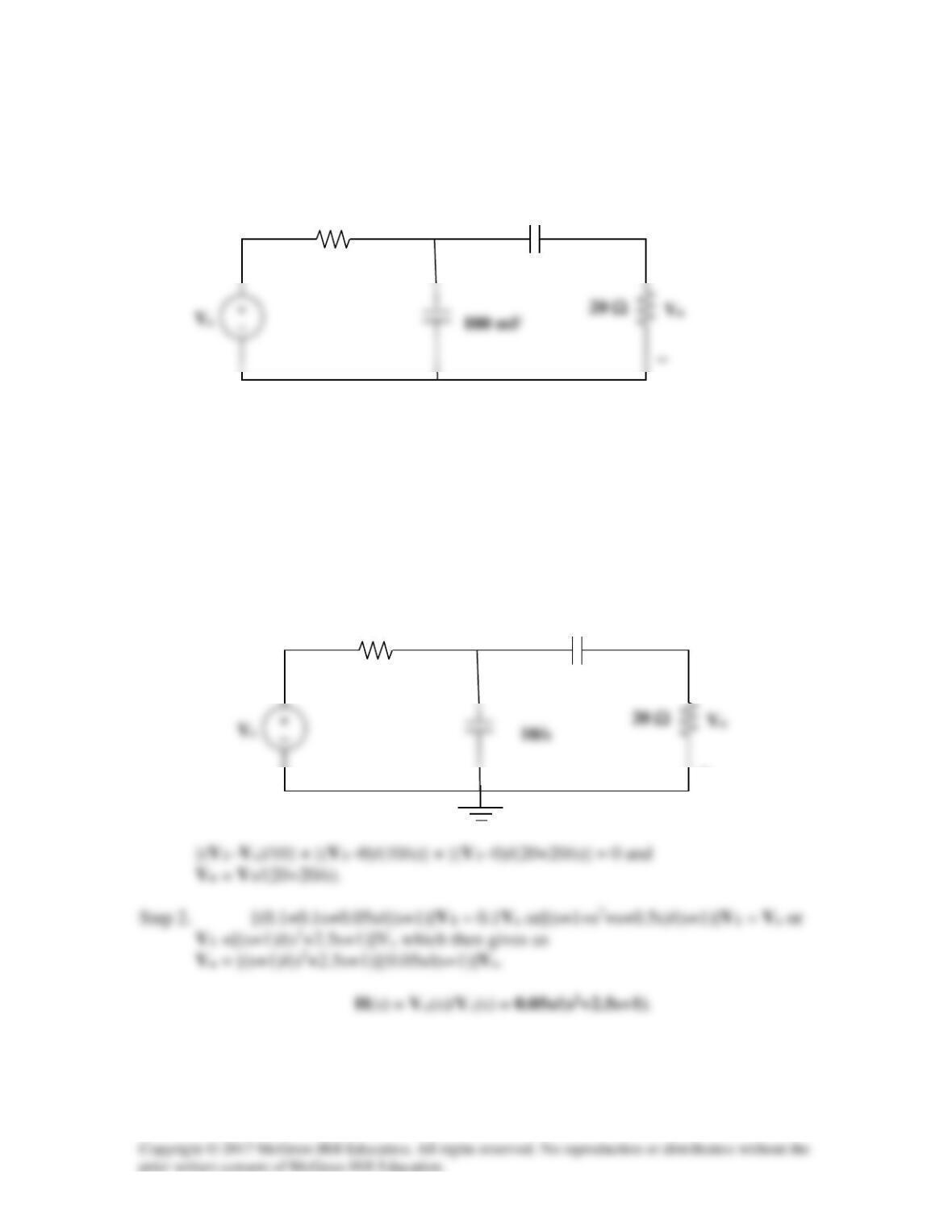
For the circuit shown in Fig. 14.72, find H(s) = Vo/Is.
Figure 14.72
For Prob. 14.5.
Solution
Step 1. Let the capacitor be represented by 1/(Cs) and the inductor by Ls. Then
convert the circuit into the s-domain.
+
−
Very simply by current division we can represent Vo as,
+
−
+
−
10 Ω
20/s
V1
Solution 14.6
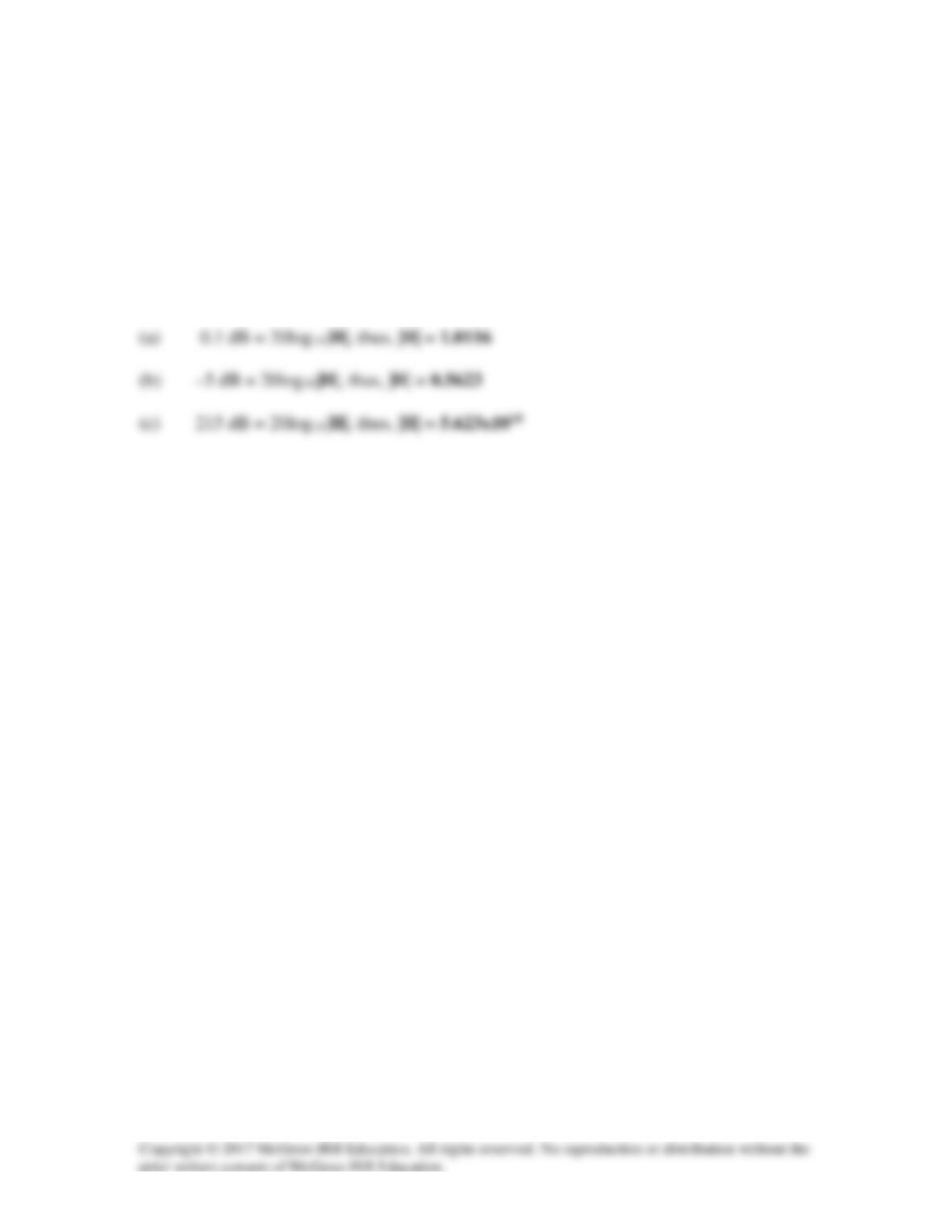
For the circuit in Fig. 14.73, find H(s) = Vo(s)/Vs(s).
Figure 14.73
For Prob. 14.6.
Solution
Step 1. The 50 mF capacitor becomes 20/s and the 100 mF capacitor becomes
10/s. Now we convert the circuit into the s-domain and using nodal analysis we
can solve for Vo.
+
10 Ω
50 mF
Solution 14.7
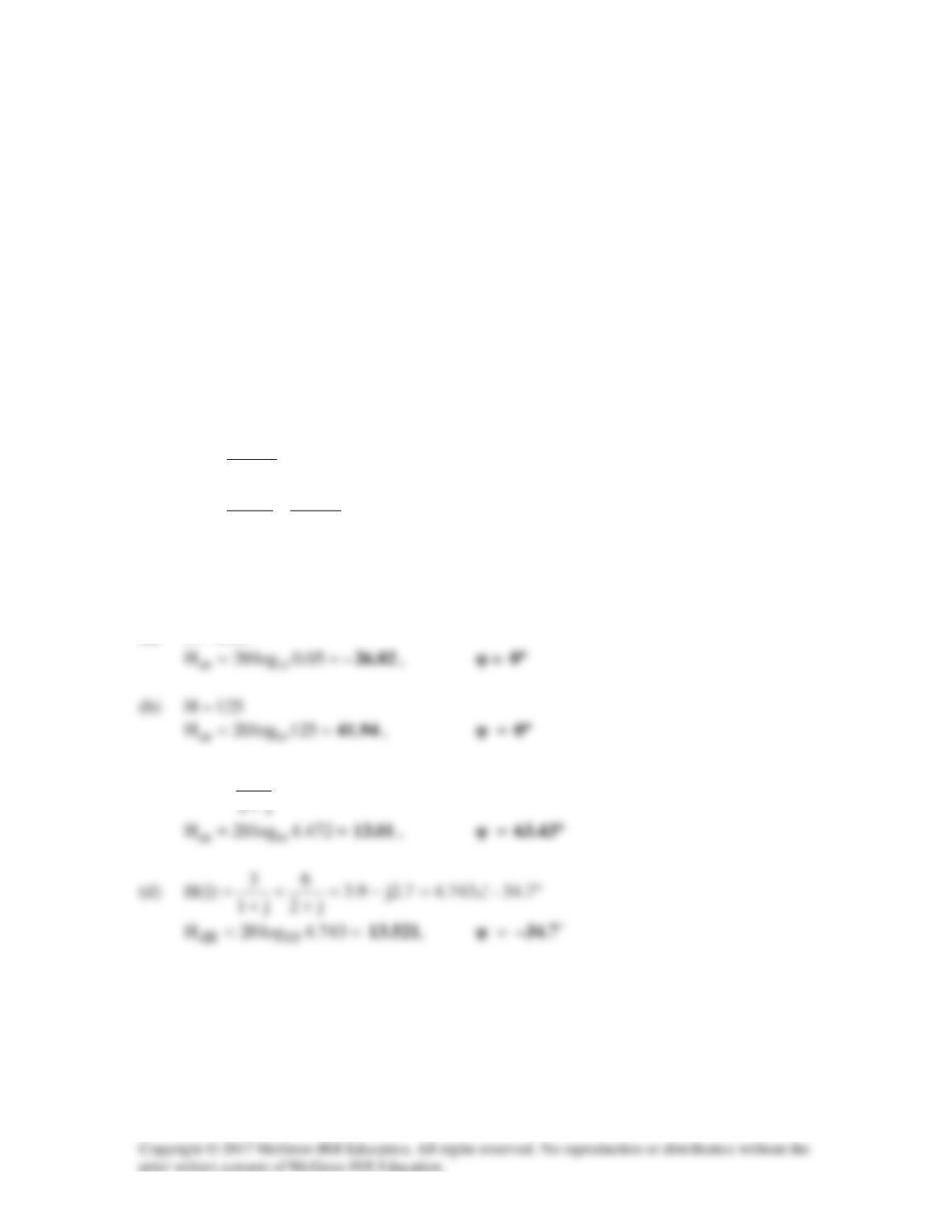
Calculate |H| if HdB equals
(a) 0.1 dB
(b) –5 dB
(c) 215 dB
Solution
Solution 14.8
Design a problem to help other students to better calculate the magnitude in dB and phase
in degrees of a variety of transfer functions at a single value of ω.
Although there are many ways to solve this problem, this is an example based on the
same kind of problem asked in the third edition.
Problem
Determine the magnitude (in dB) and the phase (in degrees) of H(
ω
) at
ω
= 1 if H(
ω
)
equals
(a) 0.05
(b) 125
(c)
10
2
j
j
ω
ω
+
(d)
36
12jj
ωω
+
++
Solution
(a)
05.0H =
(c)
°∠=
=43.63472.4
10j
)1(H
Solution 14.9
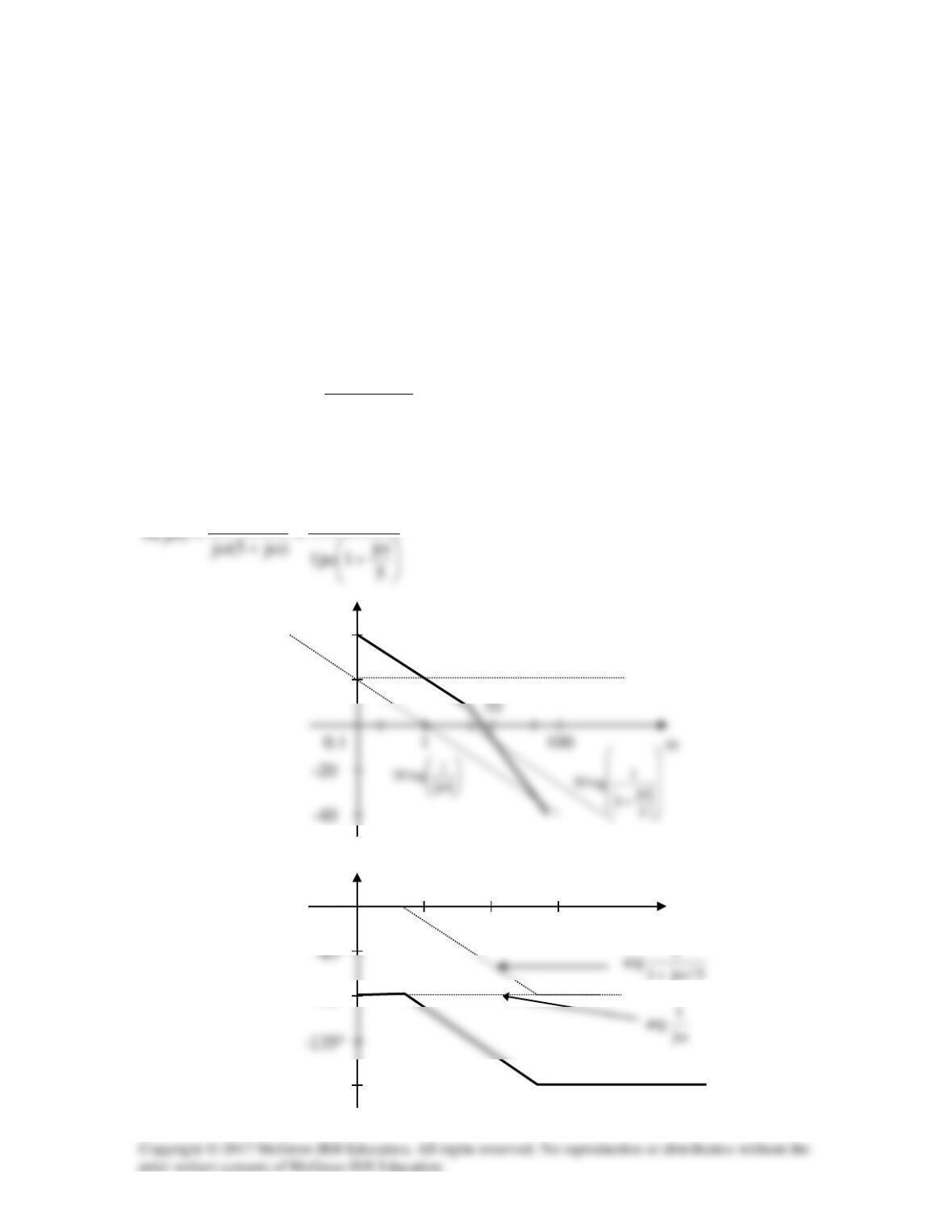
)101)(1(10
10
)(
ωω
ω
jj ++
=H
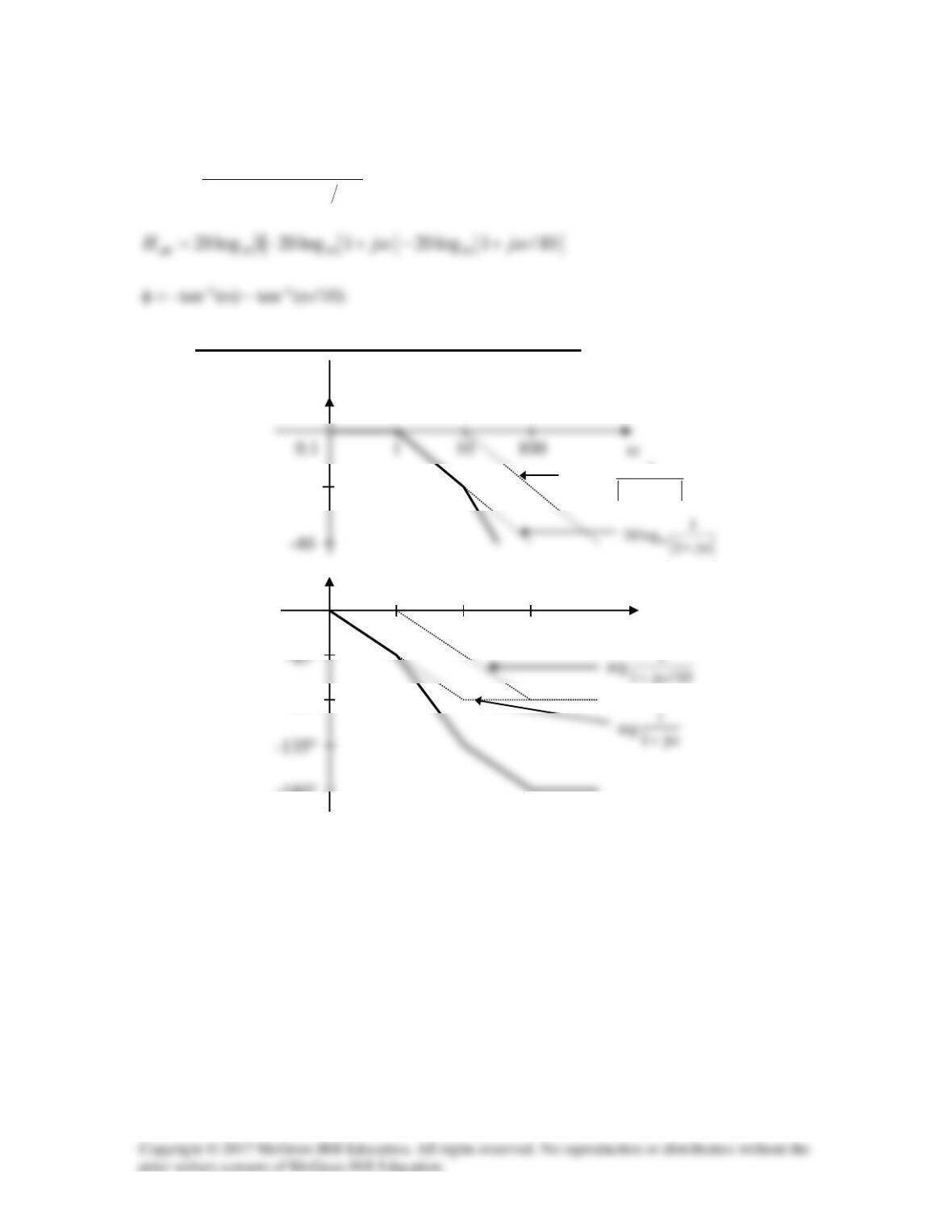
The magnitude and phase plots are shown below.
φ
-135°
-45°
ω
100
1
10
0.1
-180°
-90°
20
HdB
-40
-20
10/j1
1
log20 10 ω+
Solution 14.10
Design a problem to help other students to better understand how to determine the Bode
magnitude and phase plots of a given transfer function in terms of jω.
Although there are many ways to solve this problem, this is an example based on the
same kind of problem asked in the third edition.
Problem
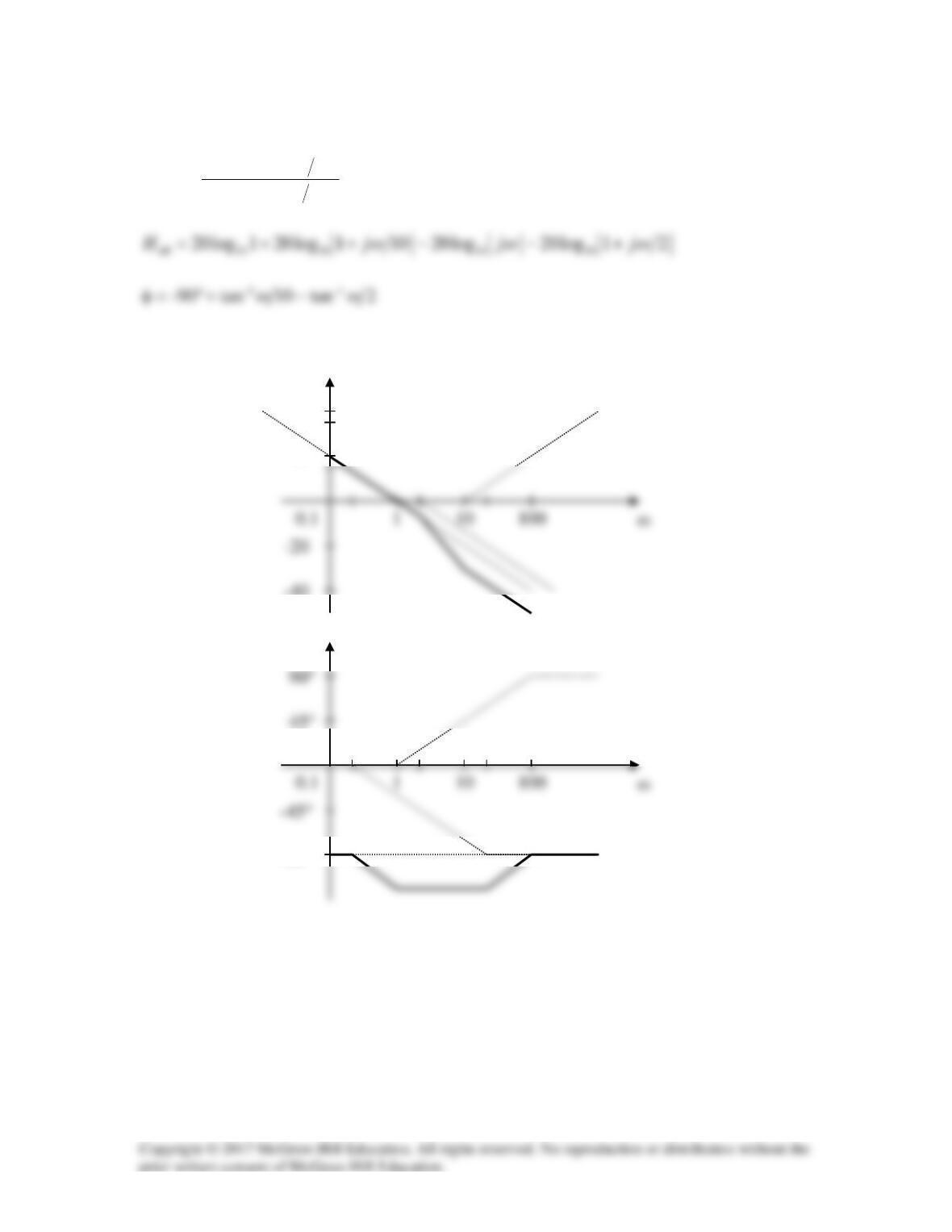
Sketch the Bode magnitude and phase plots of:
( ) ( )
50
H5
jjj
ωωω
=+
Solution
10
50
1
φ
-45°
ω
100
1
10
0.1
-180°
-90°
HdB
20
40
20 log1
φ
-45°
-90°
HdB
-20
20
-40
40
Solution 14.11
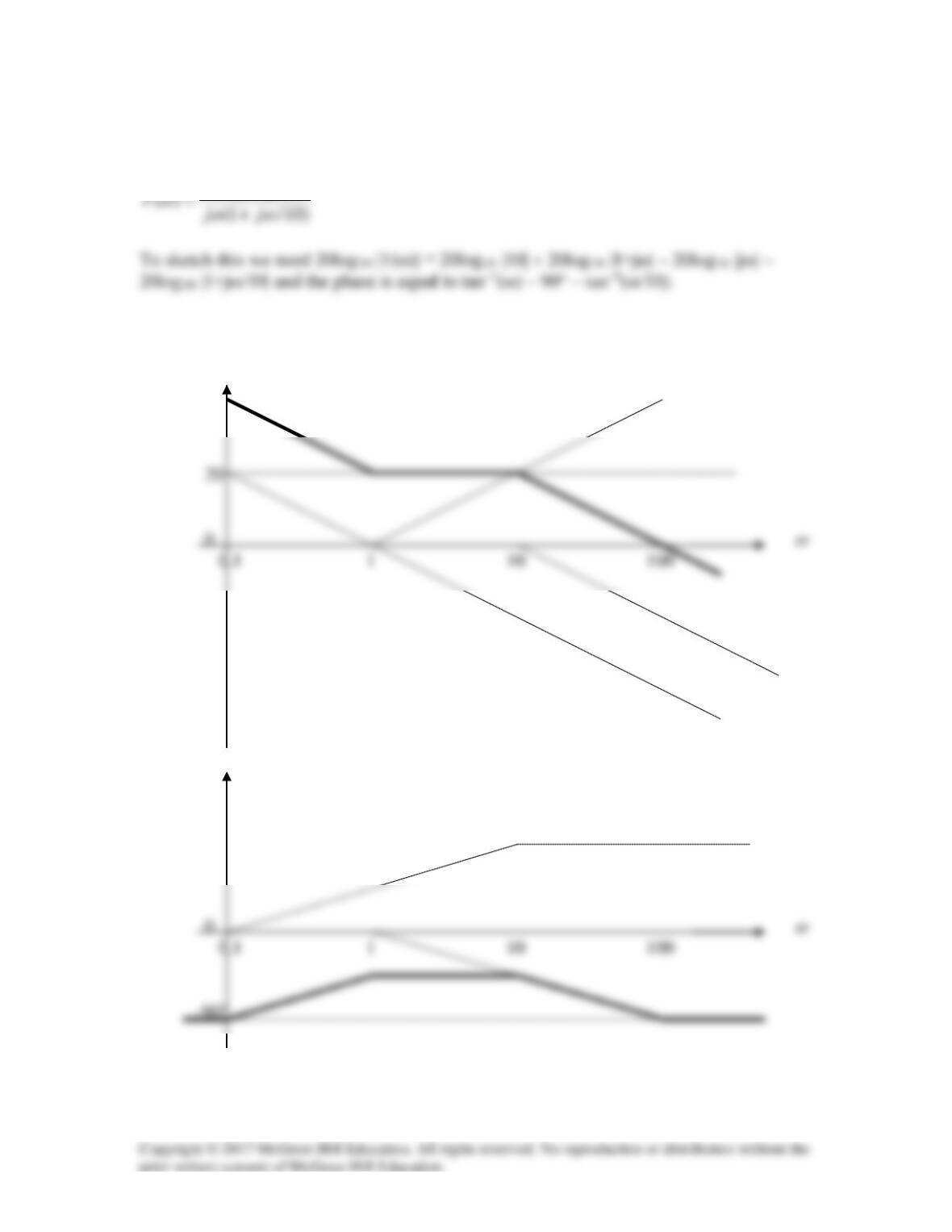
)]21([2
)101(102.0
)(
ωω
ω
ω
jj
jx
+
+
=H
The magnitude and phase plots are shown below.
Solution 14.12
)1(10
ω
j
+
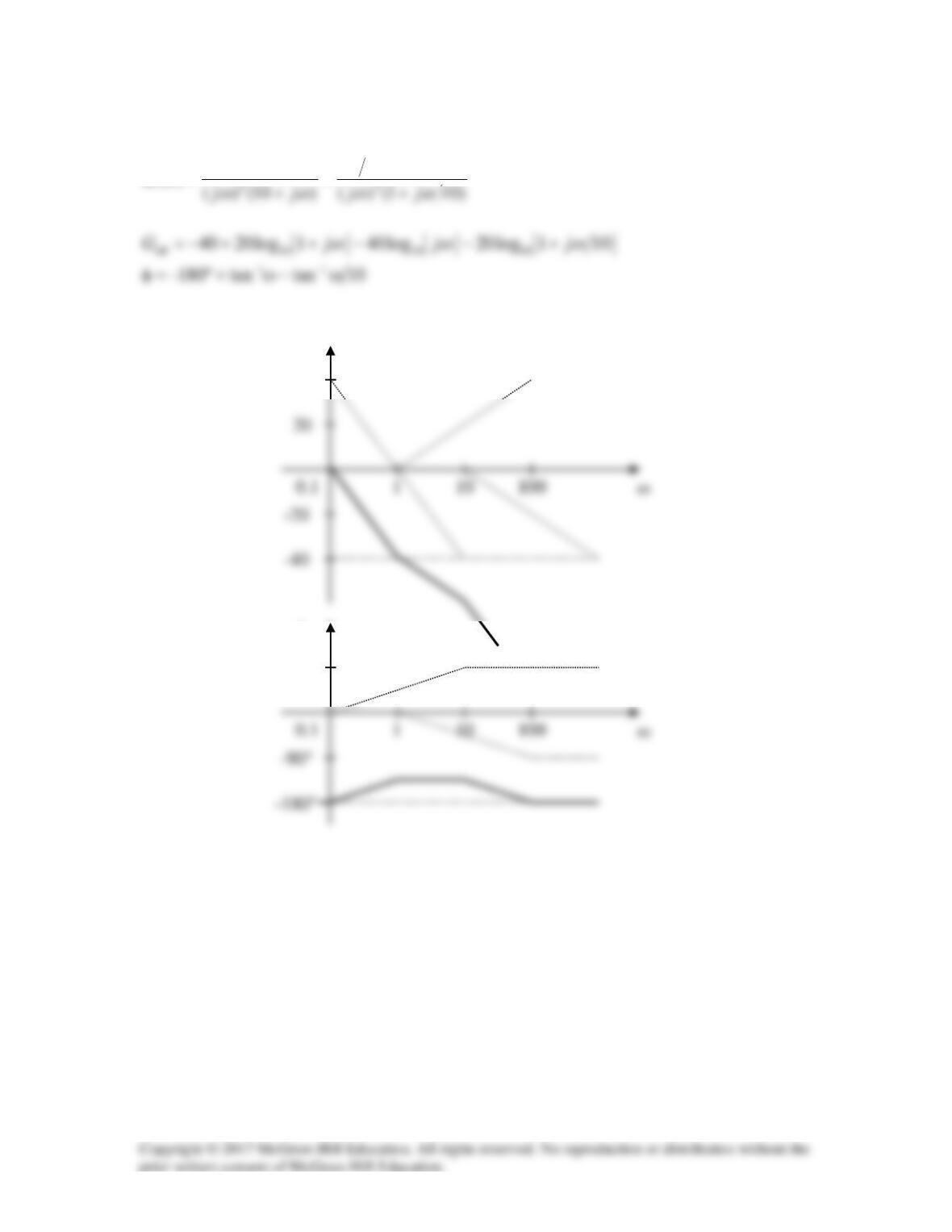
The plots are shown below.
|T| (db)
-20
-40
arg T
90o
Solution 14.13
)1)(1001(
)1(1.0
)(
ω
ω
ω
j
j
+
=
+
=G
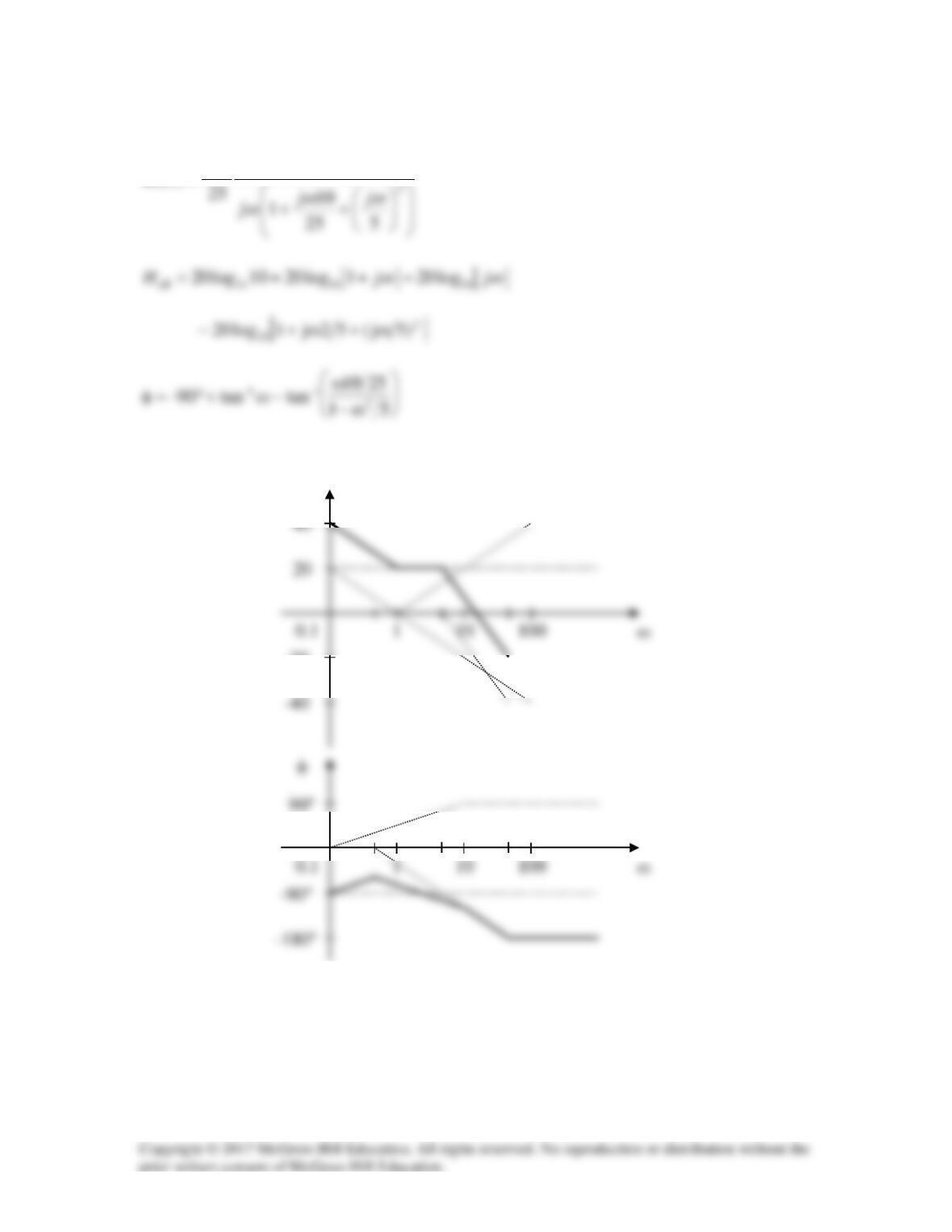
The magnitude and phase plots are shown below.
φ
90°
GdB
20
40
Solution 14.14
+
=
1
250
)(
ω
ω
j
H
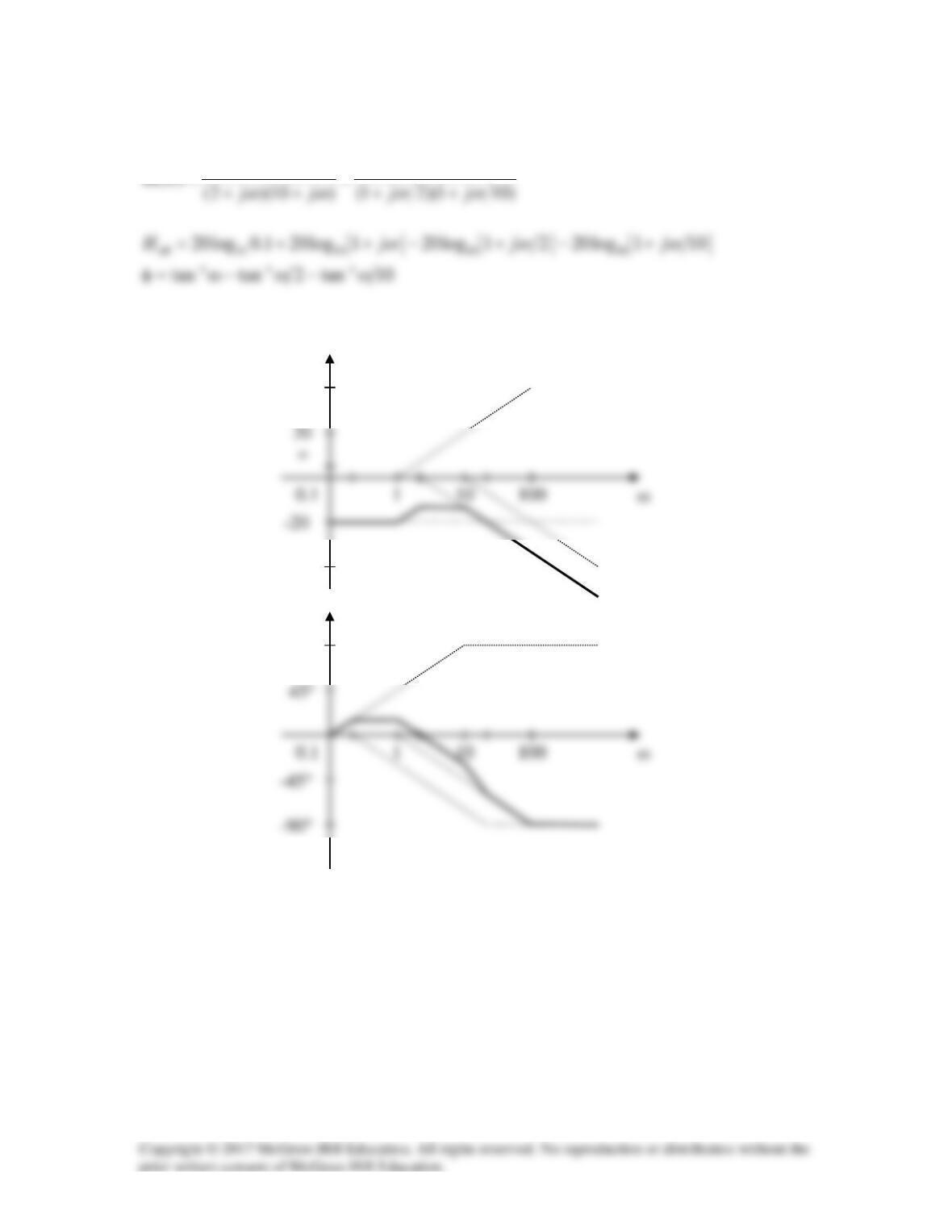
The magnitude and phase plots are shown below.
HdB
-20
Solution 14.15
)1(1.0
)1(2
ω
ω
j
j
+
+
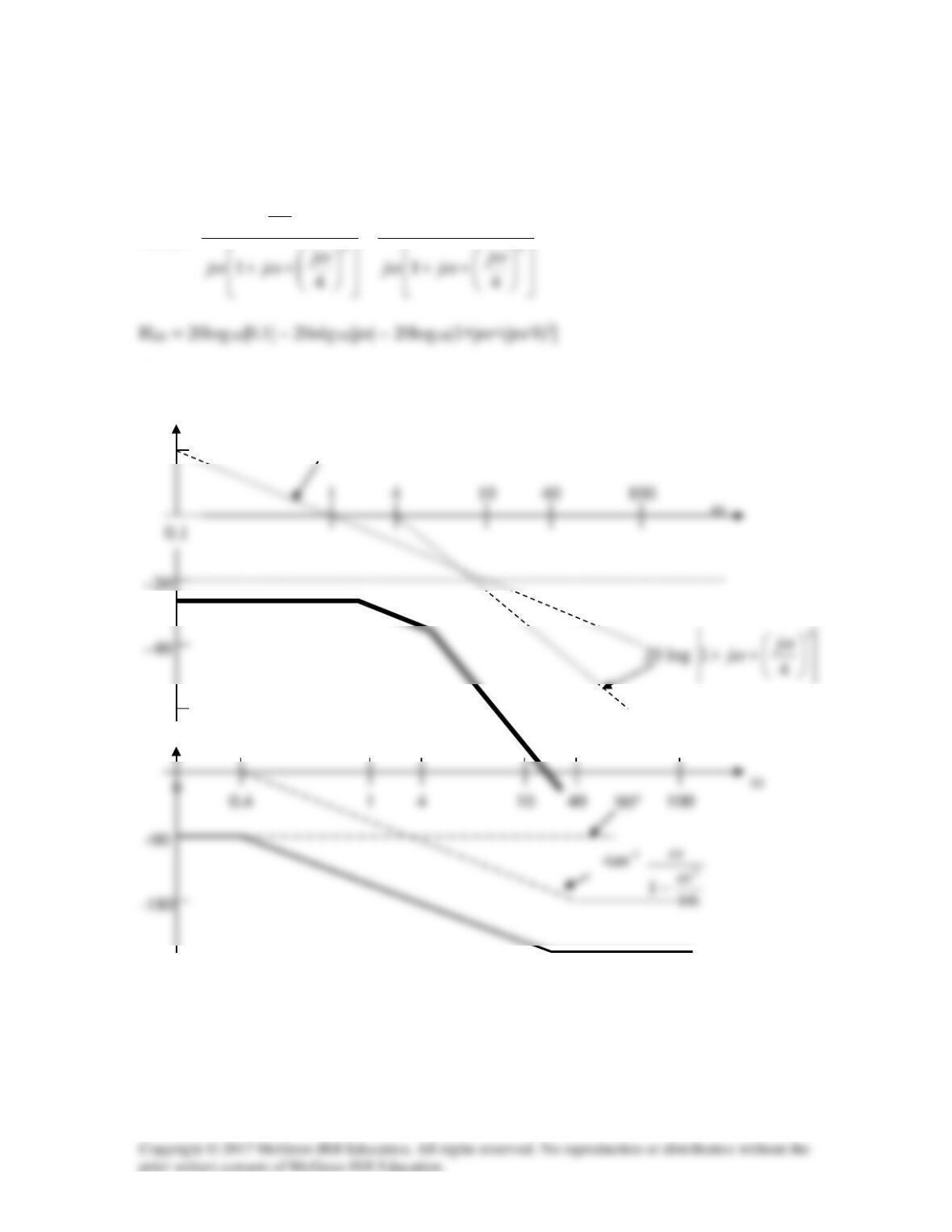
The magnitude and phase plots are shown below.
φ
45°
90°
HdB
-20
-40
40
Solution 14.16
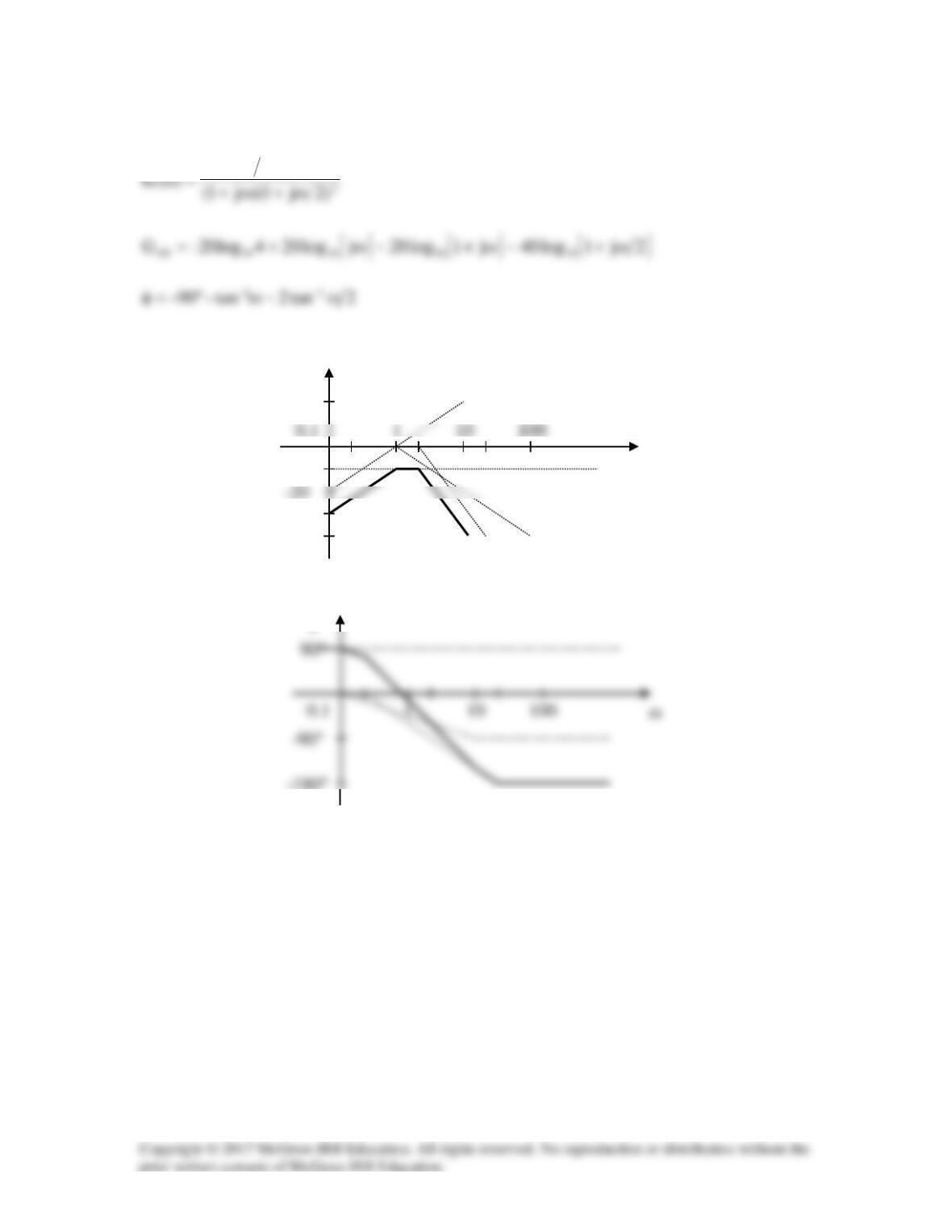
H(ω) =
1.6
0.1
16
=
The magnitude and phase plots are shown below.
H
–20
–40
20 log (j
ω
)
20
–60
Solution 14.17
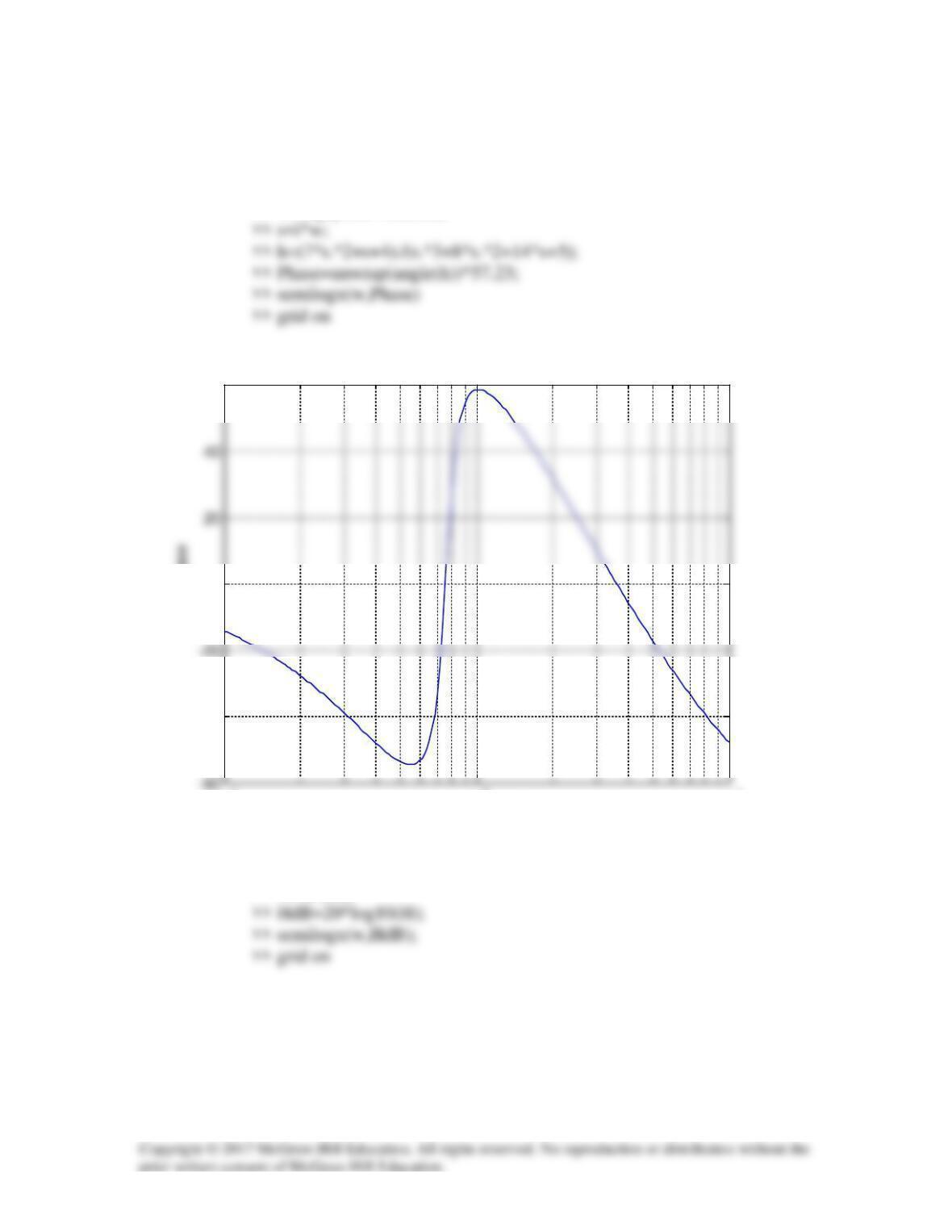
j)41(
ω
The magnitude and phase plots are shown below.
φ
ω
-180°
GdB
-20
20
ω
-40
-12
Solution 14.18
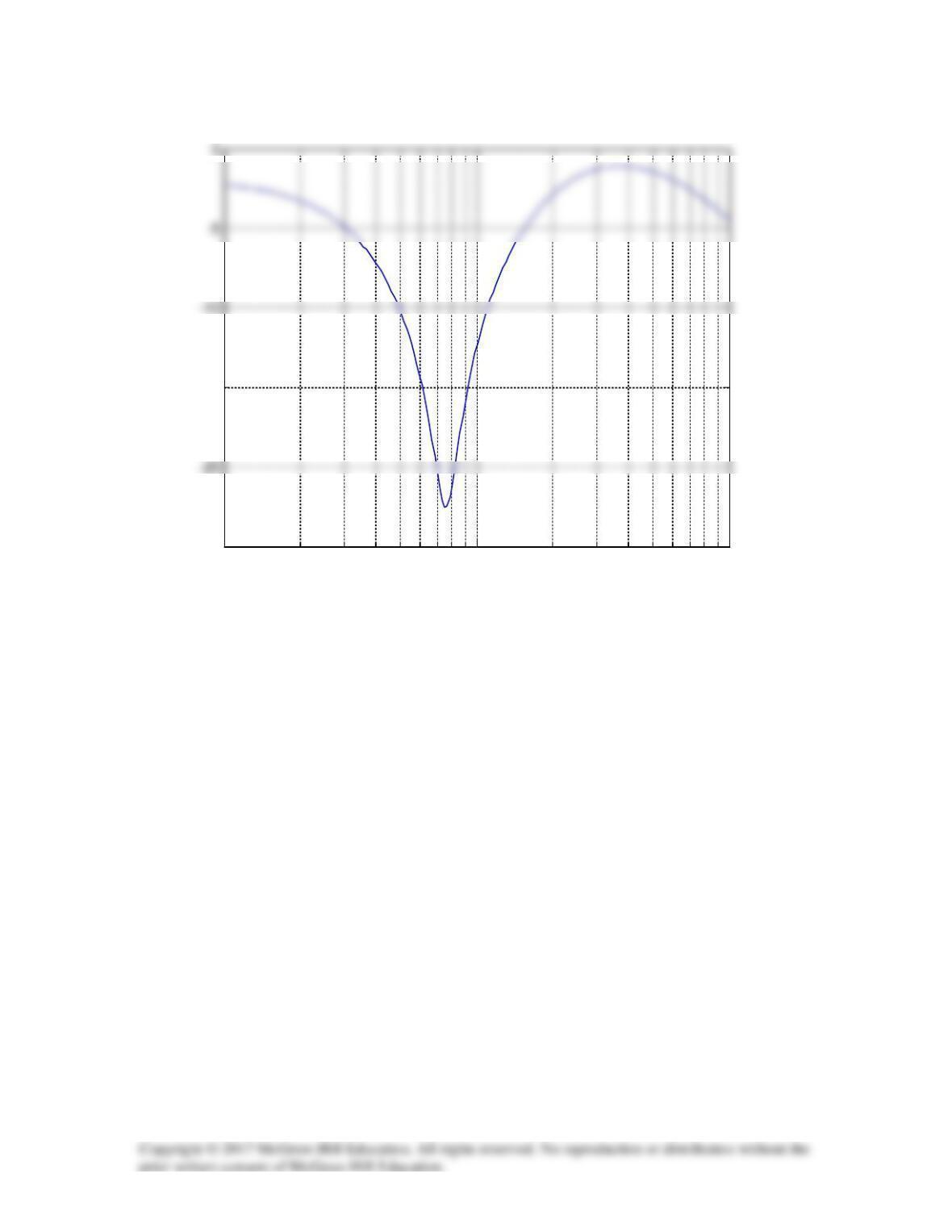
The MATLAB code is shown below.
>> w=logspace(-1,1,200);
10
-1
10
0
10
1
-40
0
60
w
H(jw) Phase
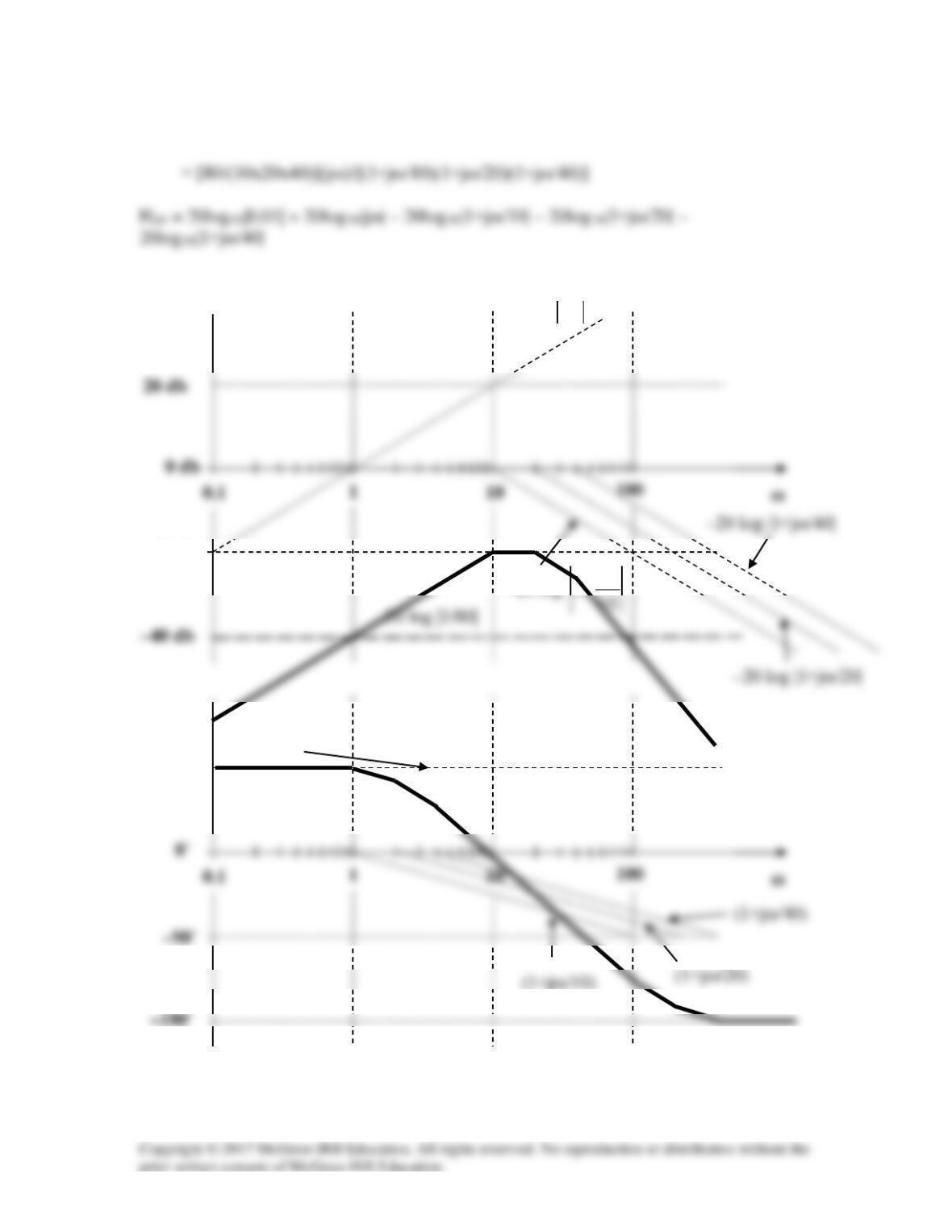
Now for the magnitude, we need to add the following to the above,
>> H=abs(h);
10
-1
10
0
10
1
-25
-15
w
HdB
Solution 14.19
H(ω) = 80jω/[(10+jω)(20+jω)(40+jω)]
The magnitude and phase plots are shown below.
jω
90˚
j
ω
–20 db
20 log
j
ω