The Birth of Crisis Infomatics
Because of modern media technology, the pictures and tragic news from Haiti after the January
earthquakes were immediate and heartrending to watch. Leysia Palen’s research group in the Computer
Science Department at CU-Boulder has been turning technology to more than just reporting. The idea
takes grassroots information from those at the scene—think text messages, twitters, blogs, facebook and
Please start by telling us your vision. Where will the study of crisis informatics take us in five years?
It’s Fall 2014 in Southern California. Temperatures are high and small fires have ignited in dry areas.
With Santa Ana winds picking up speed and dried vegetation at its densest in years, emergency officials
are worried the fires will expand and affect communities that have encroached further and further into the
“wildlandurban interface.” Residents have been notified of the fires through weather and environmental
alerting direct to their smart phones. Some evacuations have begun, and residents in other more distant
areas remain on alert.
Upon receiving the evacuation and alert notifications, people start taking action. Most residents under
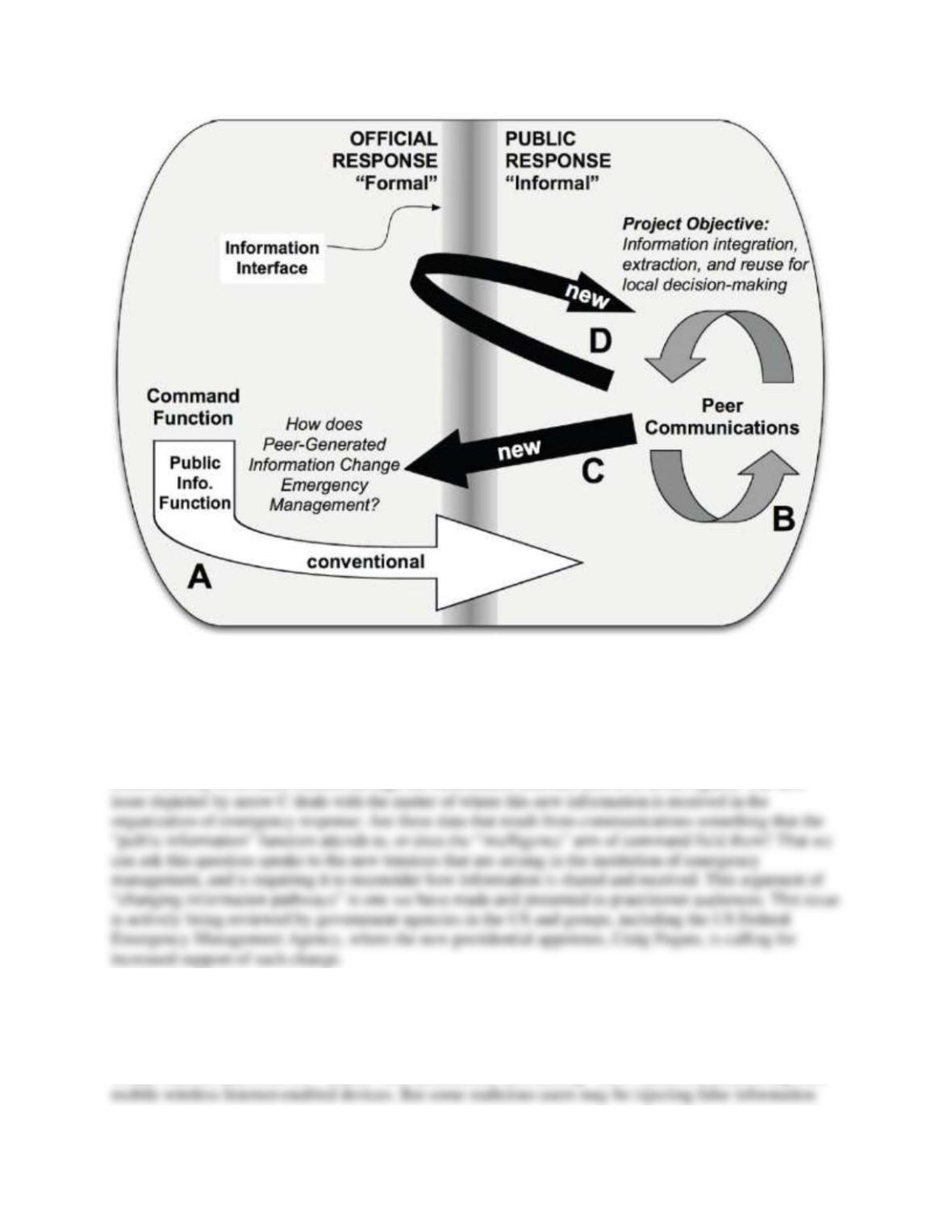
Figure 1. Crisis Response as a Social System
One figure from your paper shows your conceptualization of how the public will interact with the
crisis response team? Please tell us about the new kinds of new information flow will happen.
One piece we’ve already shown in the Santa Ana scenario: More and more of the public’s information
comes directly from other citizens through the information interface (arrow D in the figure). The new
In the diagram, both of the new arrows are coming from a source that might appear unreliable.
How do you deal with that?
That’s the problem of the bad actor. The information we use ostensibly relies upon many users distributed
within what are known as the “impact” and immediately surrounding “filter” zones communicating with
Please describe some examples from the present day.
Two of our Ph.D. students, Sophia Liu amd Sarah Vieweg went to Virginia Tech in the aftermath of the
tragic shootings. They could only describe the experience as harrowing, but still informative and
groundbreaking for seeing the area of crisis informatics become relevant. Within 90 minutes of the
shootings, before the extent of the crime was known, an I’m OK at VT group on Facebook had emerged.
Other researchers have examined examined how farmers used computational media to find information
and support one another during the lengthy 2001 UK foot-and-mouth crisis. In the 2004 Indian Ocean
tsunami, there were indications of significant socio-technical change in public participation behaviors
What are some of the specific questions that you’ll be analyzing as part of your NSF research?
In tackling such empirical goals for disaster research, we must understand features of activity at different
scales of interaction. This includes (but is not limited to) analysis of:
1. where and when online crisis-based information arises;
2. how people organize around online information exchange including the degrees and types of