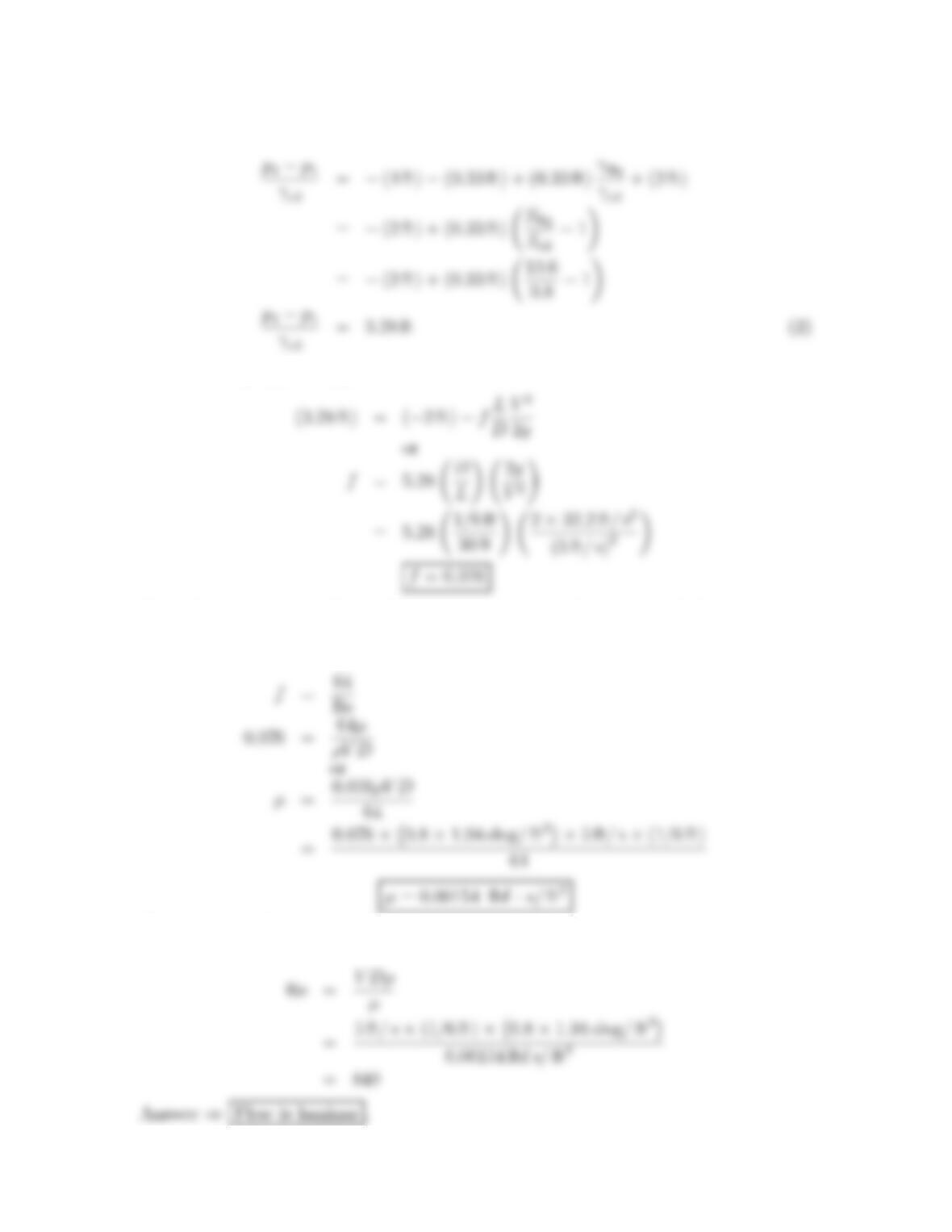
Calculate values
Substitute Eq. (2) into (1)
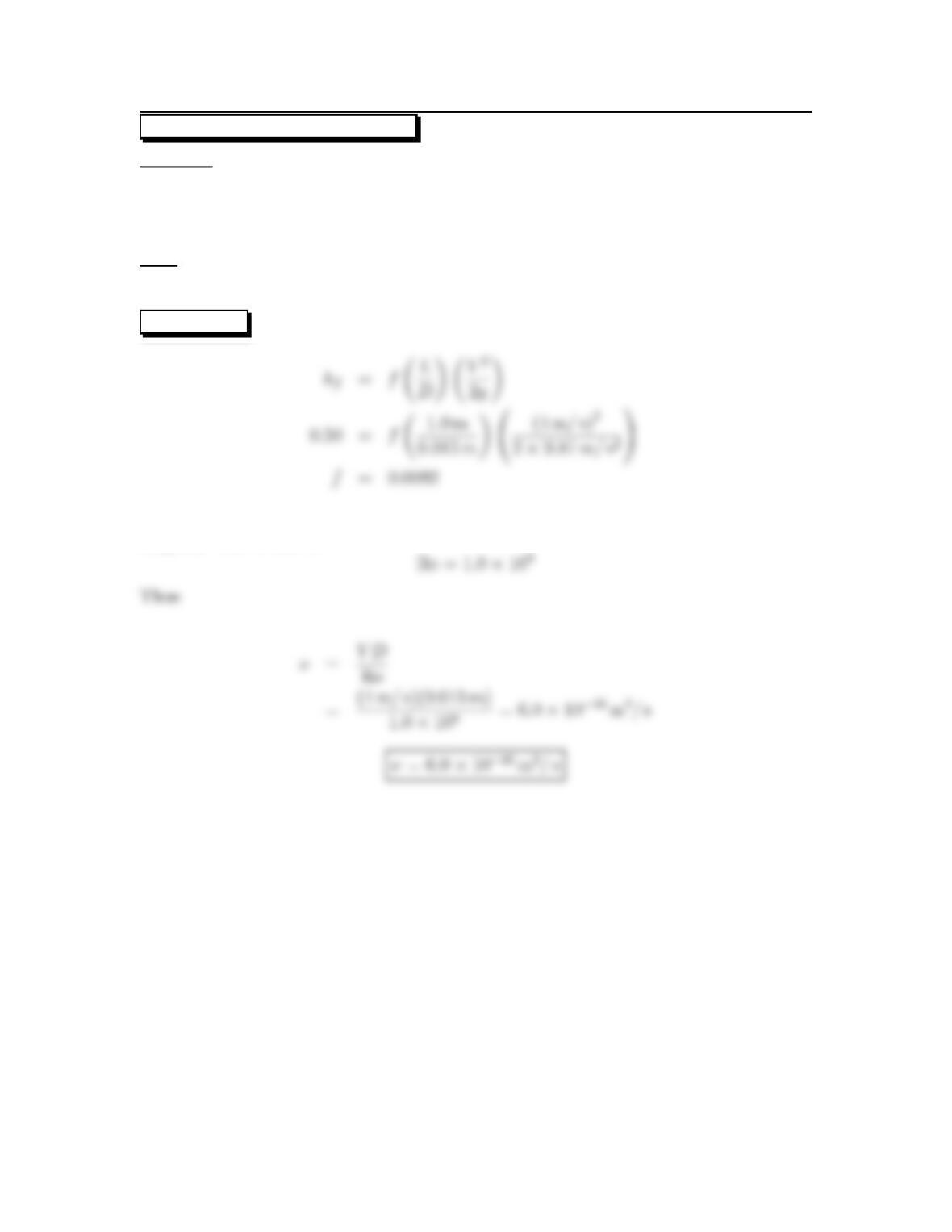
Since the resistance coefficient (f)is now known, use this value to find viscosity.
Resistance coefficient (f)(assume laminar flow)
Check laminar flow assumption
41
10.29: PROBLEM DEFINITION
Situation:
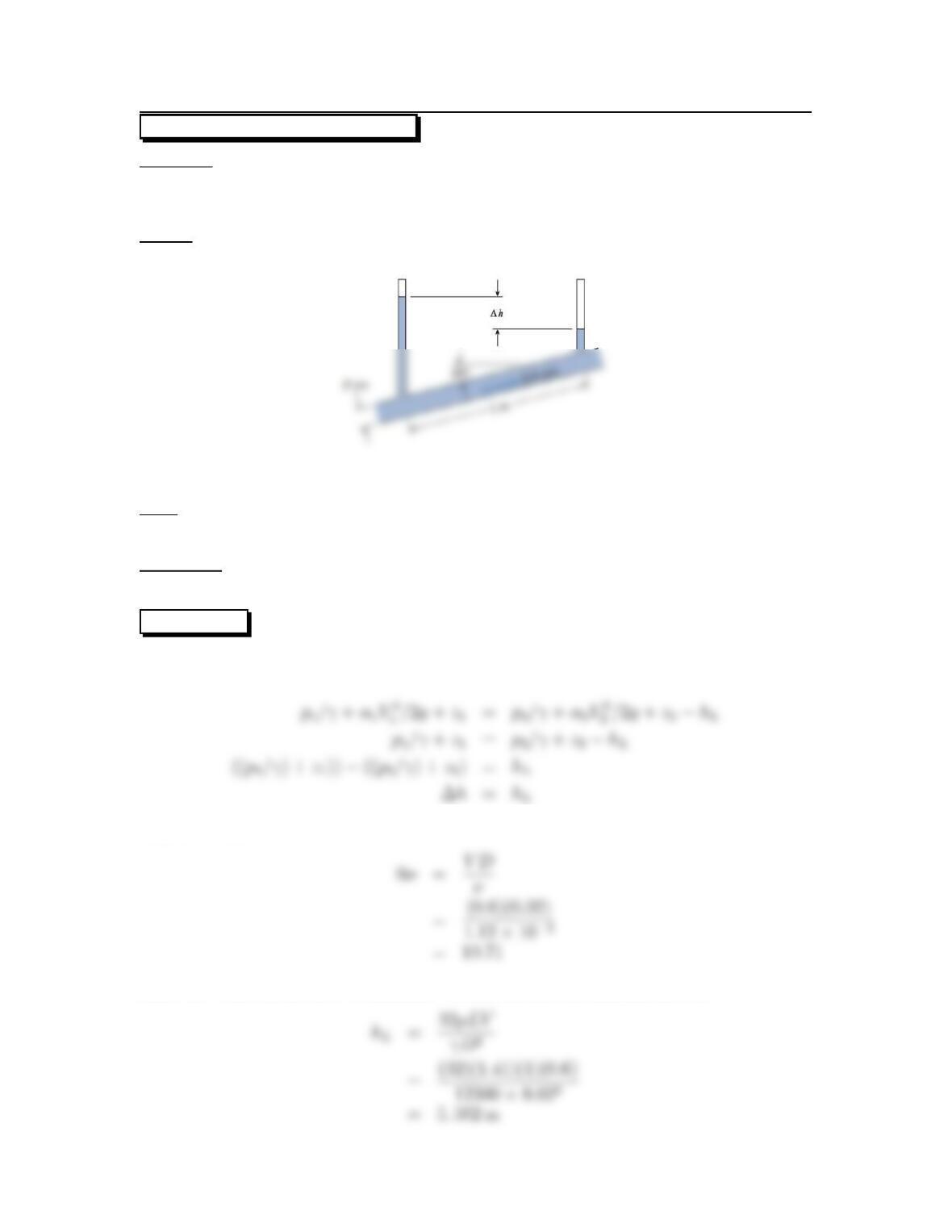
Glycerin flows through a commercial steel pipe connected to two piezometers.
D=2cm,V=0.6m/s.
Sketch:
Find:
Height differential (in m).
Properties:
Glycerin (20 ◦C),TableA.4,μ=1.41 N ·s/m2,ν=1.12 ×10−3m2/s.
SOLUTION
Energy equation (apply from one piezometer to the other)
Reynolds number
Since Re <2000,the flow is laminar. The head loss for laminar flow is
42
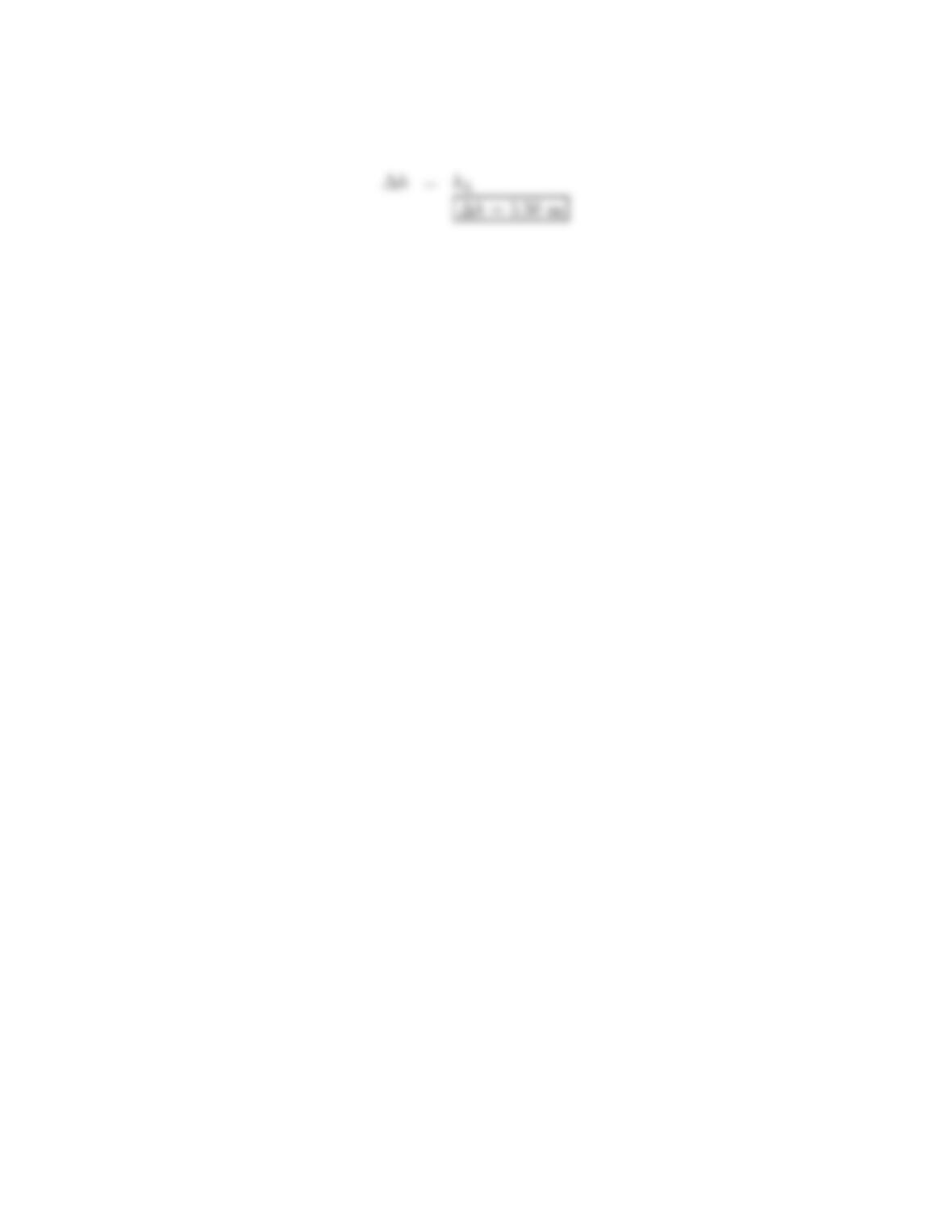
Energy equation
43
10.30: PROBLEM DEFINITION
Situation:
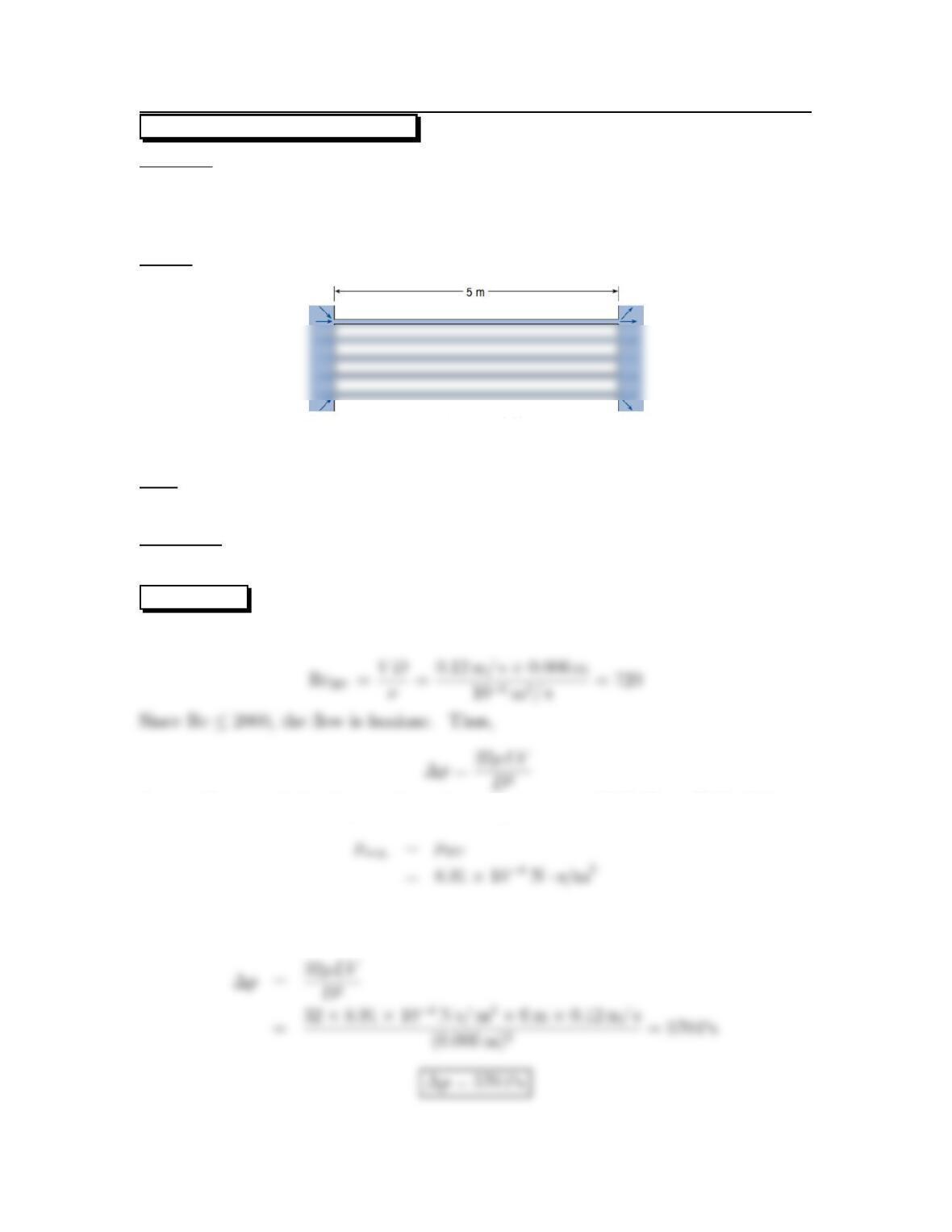
Water is pumped through tubes in a heat exchanger
D=6mm,L=6m,V=0.12 m/s.
T1=20◦C,T2=30◦C.
Sketch:
Find:
Pressure difference across heat exchanger.
Properties:
Water (20 ◦C),TableA.5:v=10
−6m2/s.
SOLUTION
Reynolds number (based on temperature at the inlet)
Assume linear variation in μand use the temperature at 25oC. From Table A.5
and
44
10.31: PROBLEM DEFINITION
Find:
Use Figure 10.3, Table 10.3, and Table 10.4 (in §10.6 of EFM10e) to assess the
following statements as True or False:
a. If ks/D is 0.05 or larger, and the flow is turbulent, the value of fis not dependent
on ReD.
b. For smooth pipes and turbulent flow, fdepends on ks/D and not ReD.
c. For laminar flow, fis always given by f=64/ReD.
d. If ReD=2×10⁷and ks/D = 0.00005, then f=0.012.
e. If ReD=1000and the pipe is smooth, f=0.04.
f. The sand roughness height ksfor wrought iron is 0.002 mm.
SOLUTION
a. If ks/D is 0.05 or larger, and the flow is turbulent, the value of fis not dependent
45
10.32: PROBLEM DEFINITION
Situation:
Water flows through a PVC pipe.
4″ Schedule 40. D=4.026 in = 0.3355 ft.
Q=1ft
3/s,k
s=0.
Find:
Resistance coefficient f.
Properties:
Water (70 ◦F), Table A.5, ν=1.06 ×10⁻⁵ft2/s.
SOLUTION
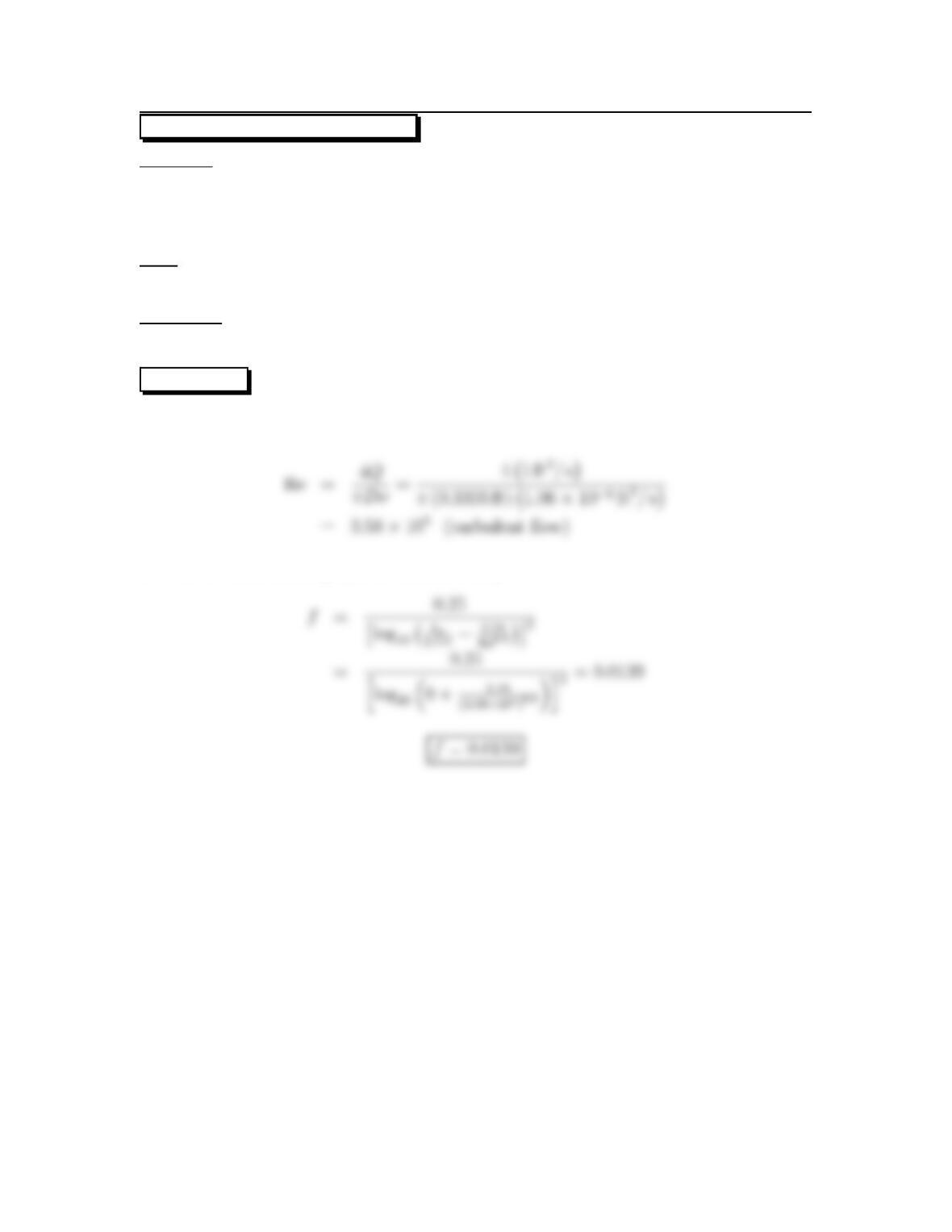
1. Reynolds number.
2. Swamee and Jain Eqn (10.39 in EFM 10e)
46
10.33: PROBLEM DEFINITION
Situation:
Water flows through a brass tube.
ks=0,D=2cm.
Q=0.003 m3/s.
Find:
Resistance coefficient, f.
SOLUTION
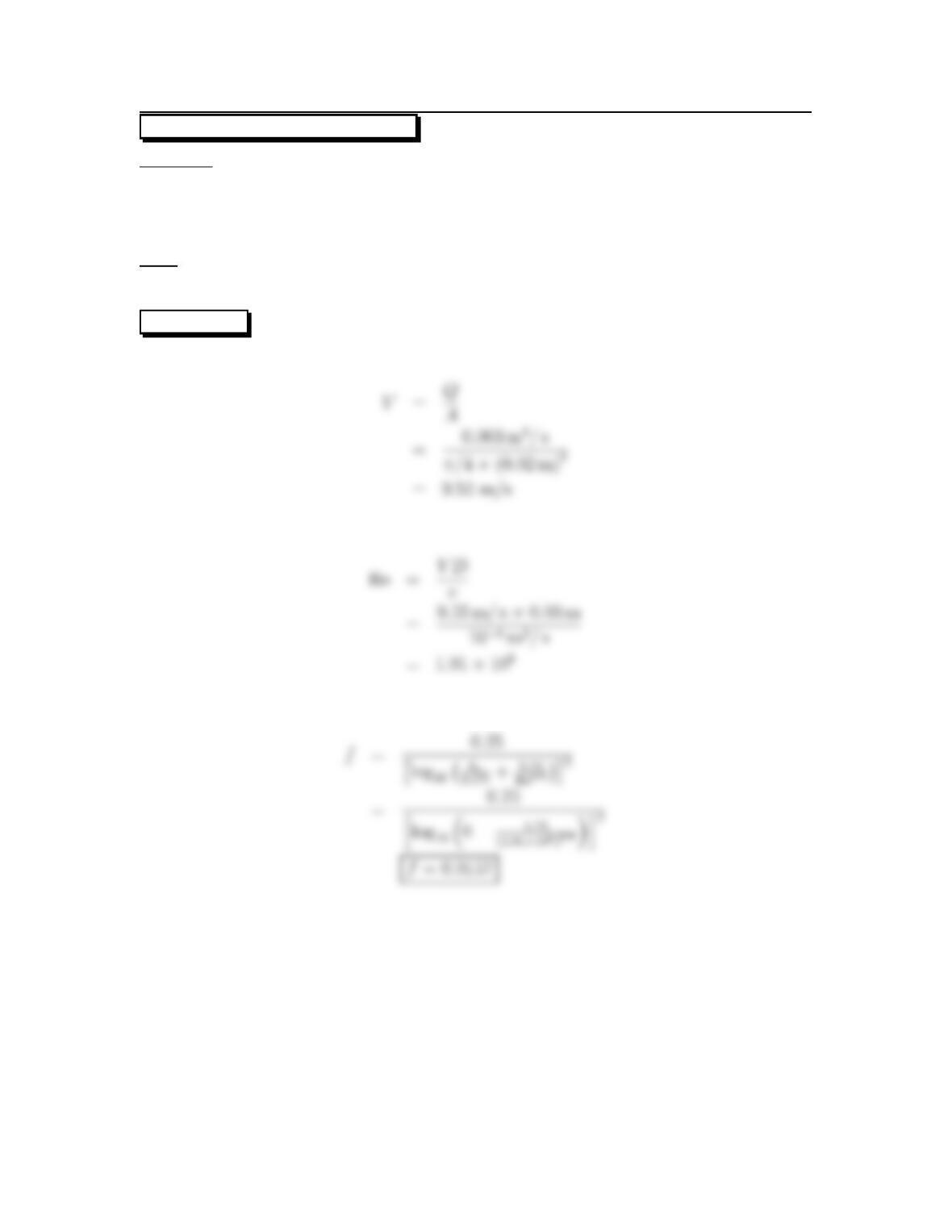
Flow rate equation
Reynolds number
Friction factor (Swamee-Jain correlation)
47
10.34: PROBLEM DEFINITION
Situation:
Water flows through a smooth pipe.
D=0.25 m,Q=0.05 m3/s.
ks=0.
Find:
Resistance coefficient, f.
Properties:
Water (10 ◦C), Table A.5, ν=1.31 ×10⁻⁶m2/s.
SOLUTION a
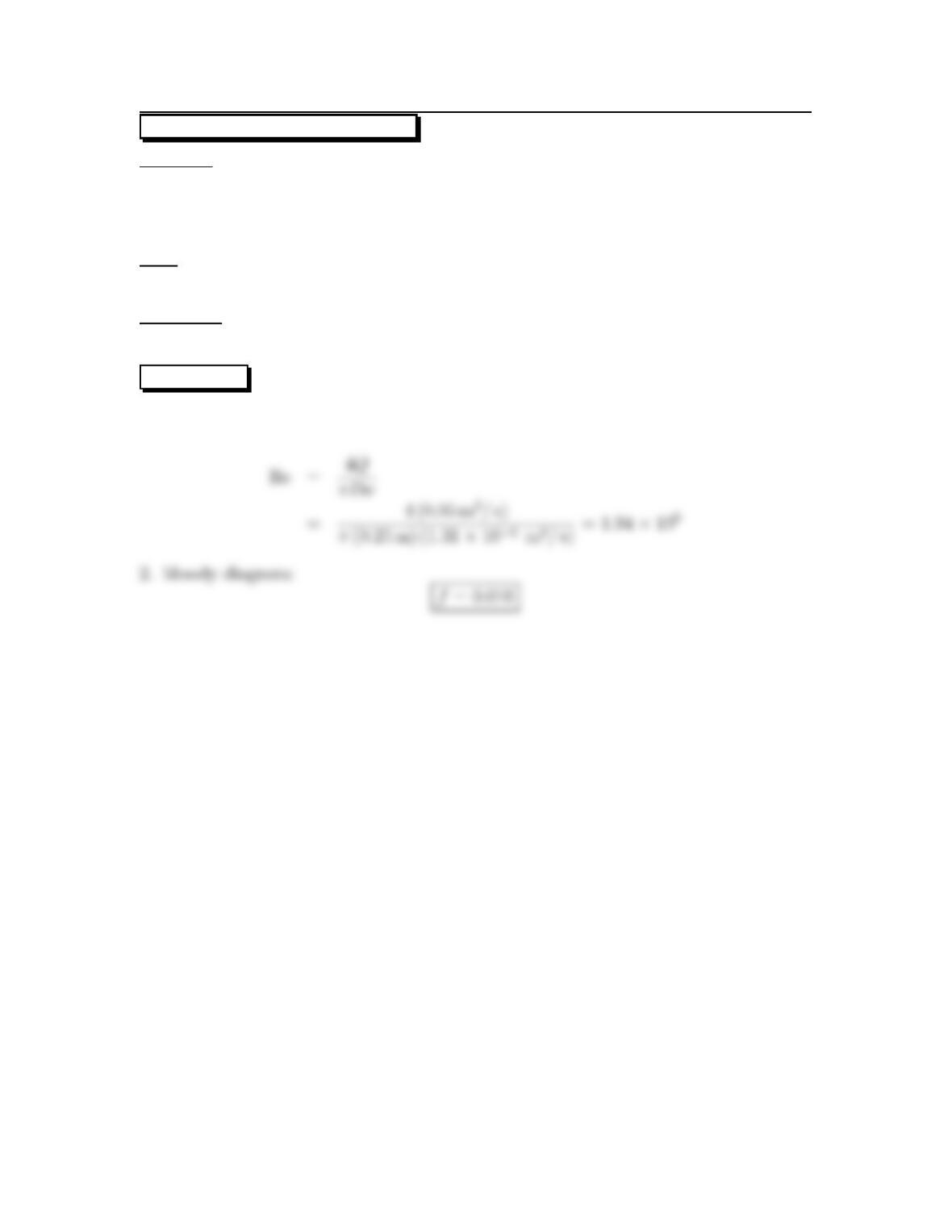
1. Reynolds number
48
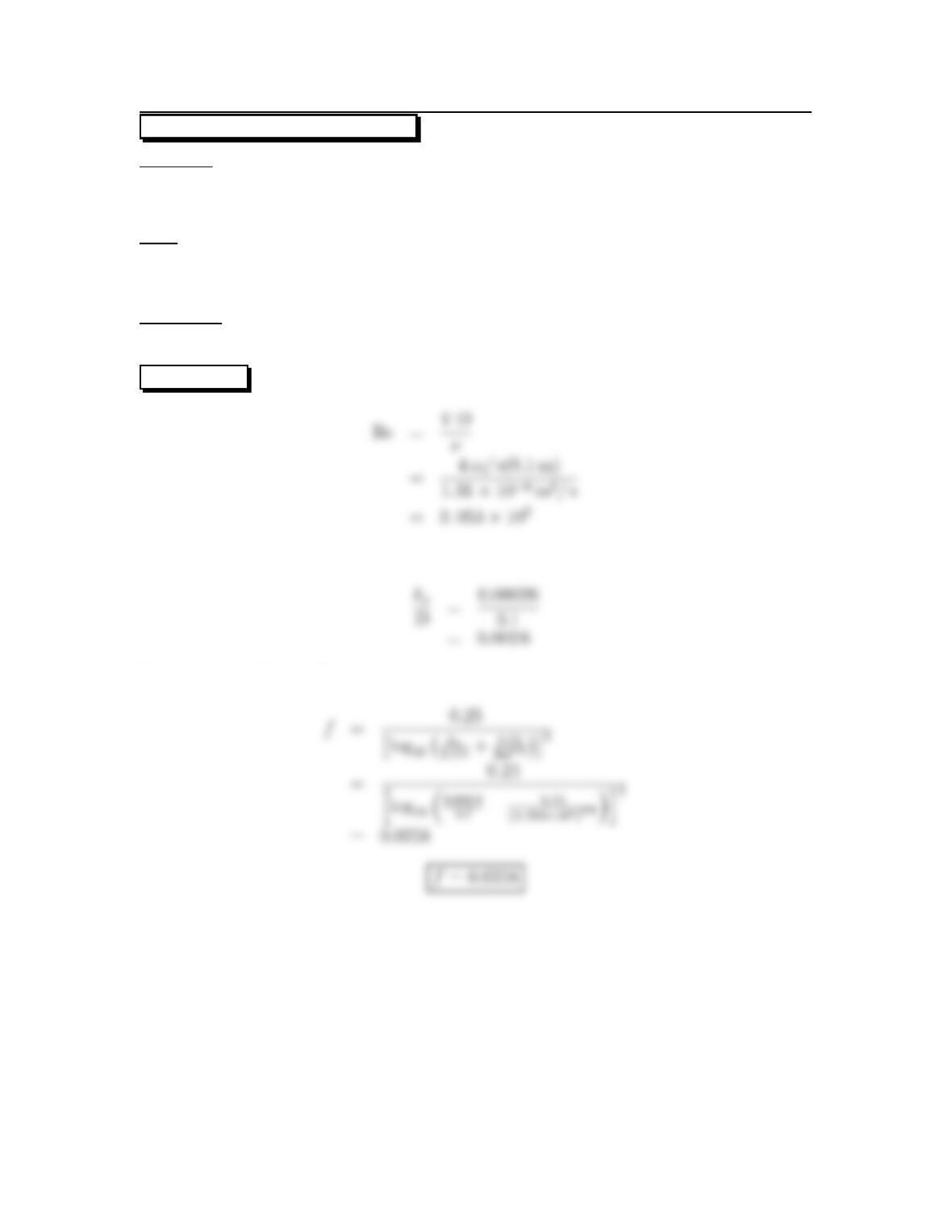
10.35: PROBLEM DEFINITION
Situation:
Water flows through a cast-iron pipe.
D=10cm,V=4m/s.
Find:
Calculate the resistance coefficient.
Plot the velocity distribution.
Properties:
Water (10 ◦C), Table A.5: ν=1.31 ×10⁻⁶m2/s.
SOLUTION
Sand roughness height
Resistance coefficient (Swamee-Jain correlation; turbulent flow)
49
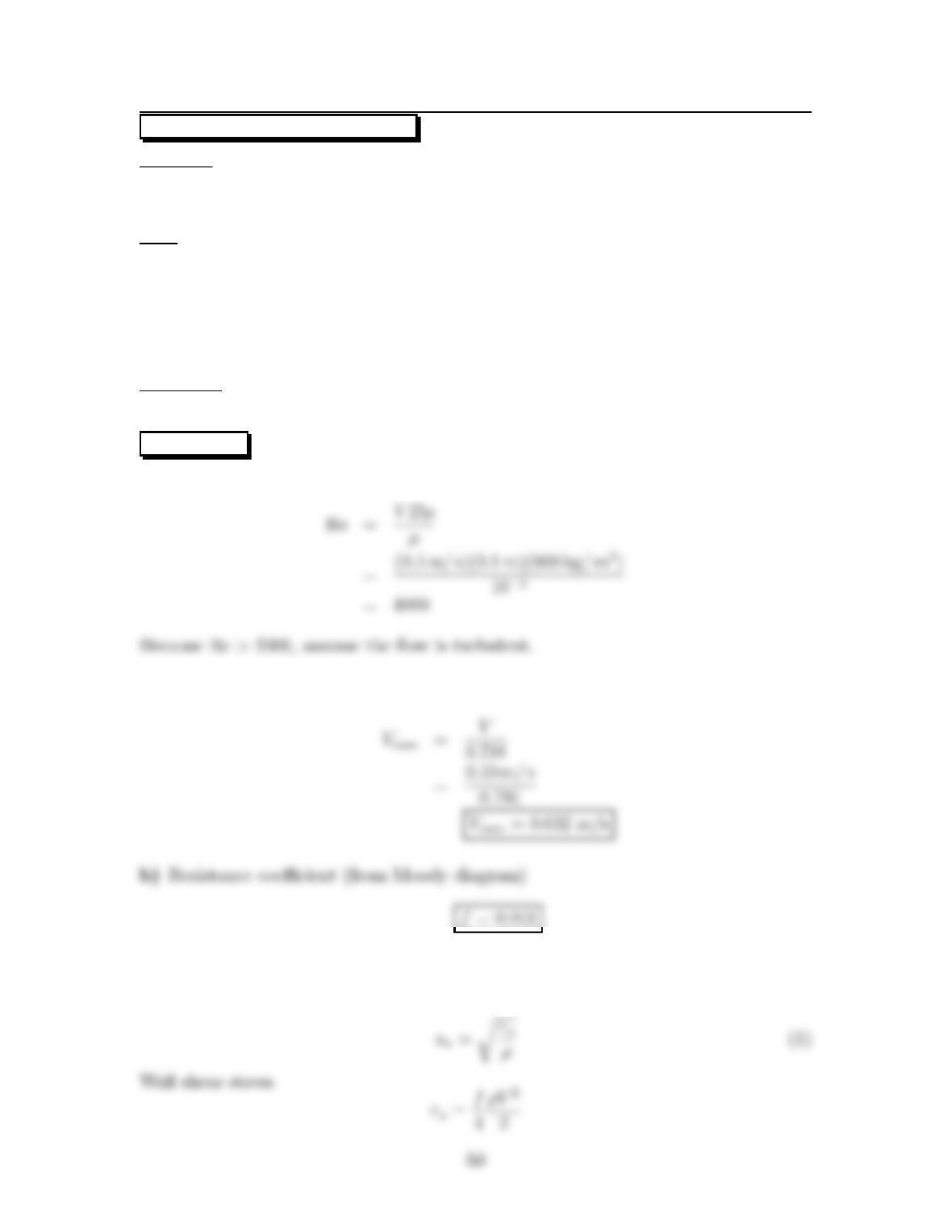
10.36: PROBLEM DEFINITION
Situation:
Afluid flows in a smooth pipe.
D=100mm,¯
V=500mm/s.
Find:
(a) Maximum velocity (m/s).
(b) Resistance coefficient.
(c) Shear velocity (m/s).
(d) Shear stress 25 mm from pipe center (N/m2).
(e) Determine if the head loss will double if discharge is doubled.
Properties:
μ=10
−2N·s/m2,ρ=800kg/m3.
SOLUTION
Reynolds number
a) Table 10.2 relates mean and centerline velocity. From this table,
c) Shear velocity is defined as
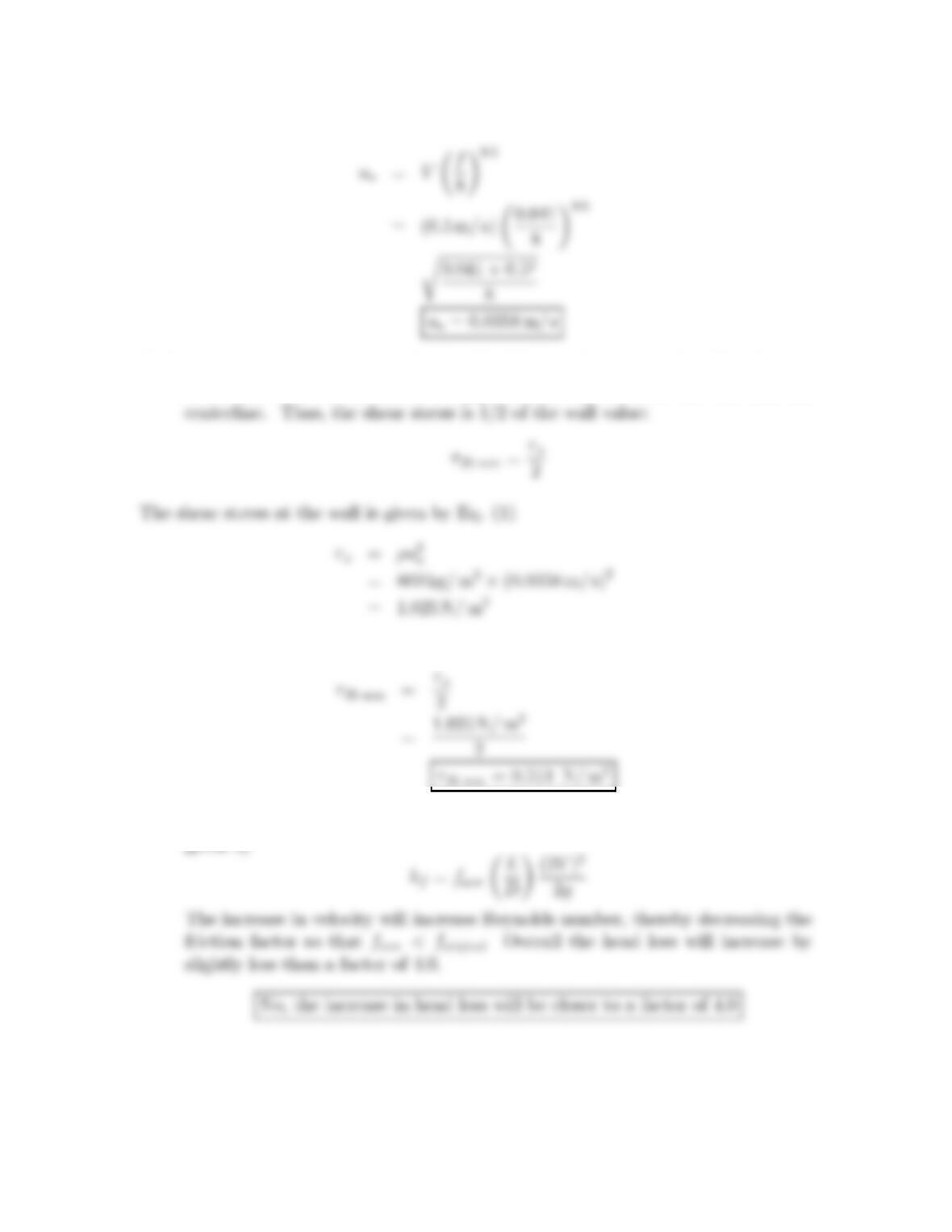
Combine equations
d) In a pipe flow, shear stress is linear with distance from the wall. The distance
of 25 mm from the center of the pipe is half way between the wall and the
Thus
e) If flow rate (Q)is doubled, the velocity will also double. Thus, head loss will be
given by
51
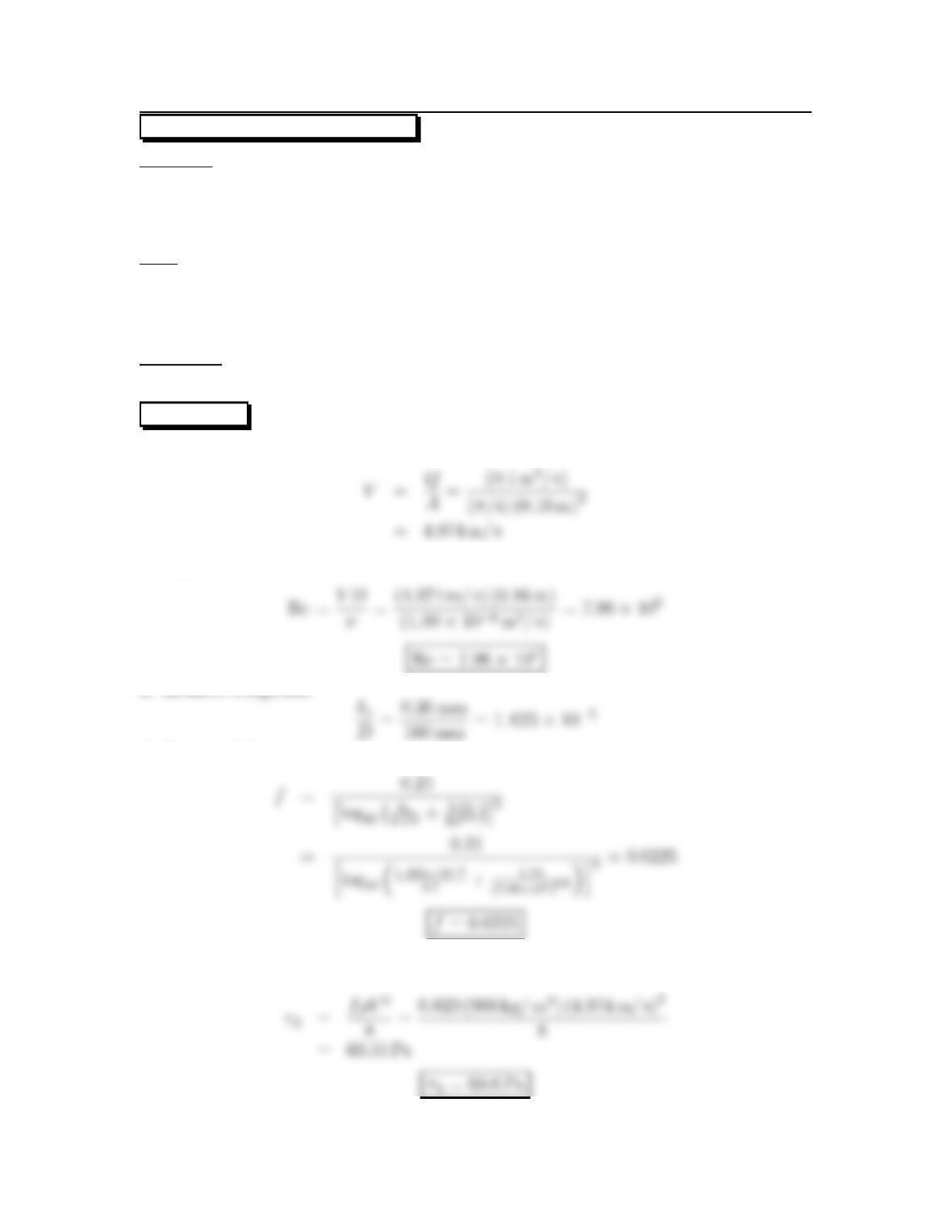
10.37: PROBLEM DEFINITION
Situation:
Water flows in a cast iron pipe.
D=0.16 m,Q=0.1m
3/s.
ks=0.26 mm.
Find:
Reynolds number.
Friction factor, f.
Shear stress at the wall (Pa).
Properties:
Water (20 ◦C), Table A.5: ρ=998kg/m3,ν=1.00 ×10−6m2/s.
SOLUTION
1. Flow rate eqn.
2. Reynolds number
4. Swamee Jain eqn.
5. Definition of f:
52
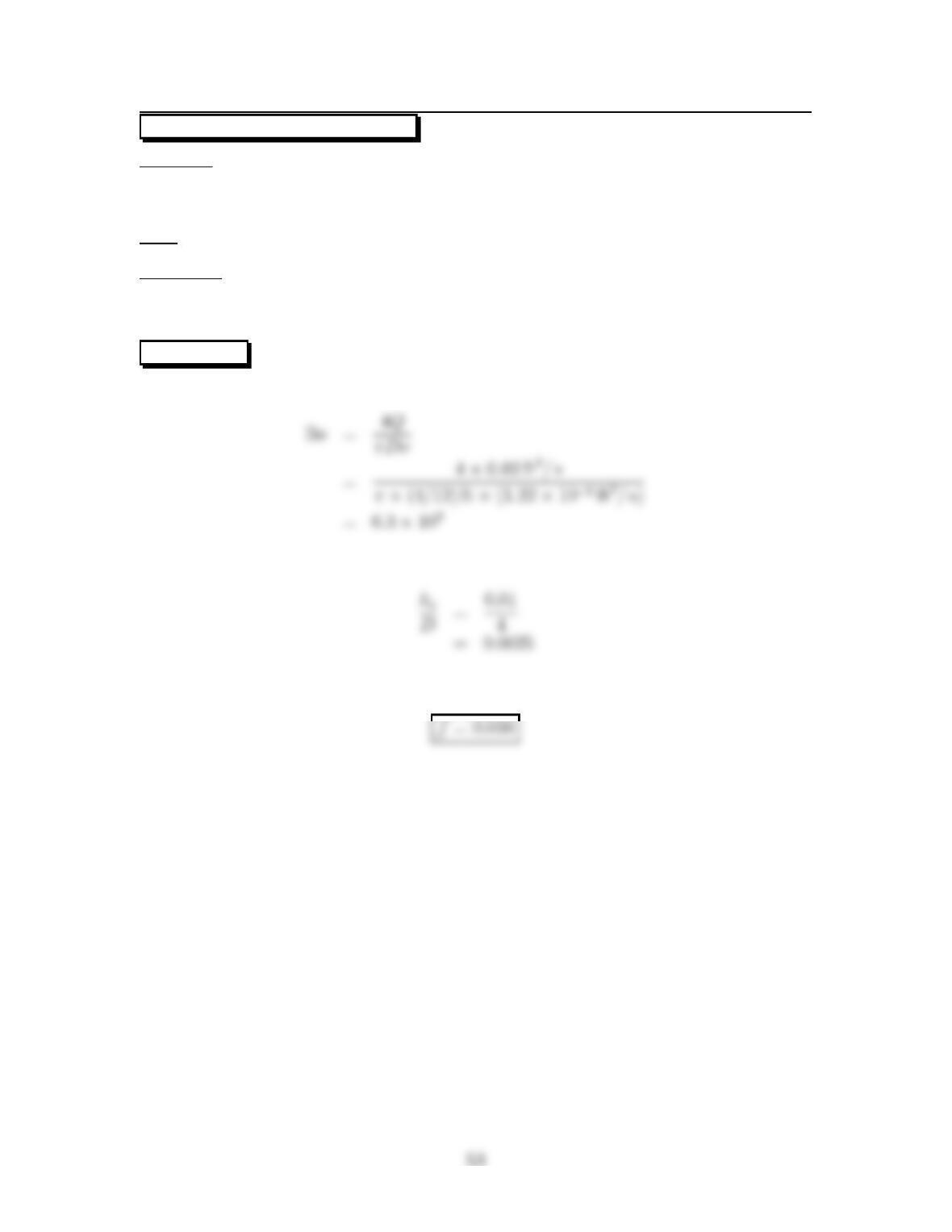
10.38: PROBLEM DEFINITION
Situation:
Water flows in a uncoated cast iron pipe.
D=4in,Q=0.02 ft3/s.
Find:Resistancecoefficient f.
Properties:
From Table A.5 (60 ◦F):ν=1.22 ×10⁻⁵ft2/s.
From Table 10.4: ks=0.01 in.
SOLUTION
Reynolds number
Sand roughness height
Friction factor (from Moody diagram)
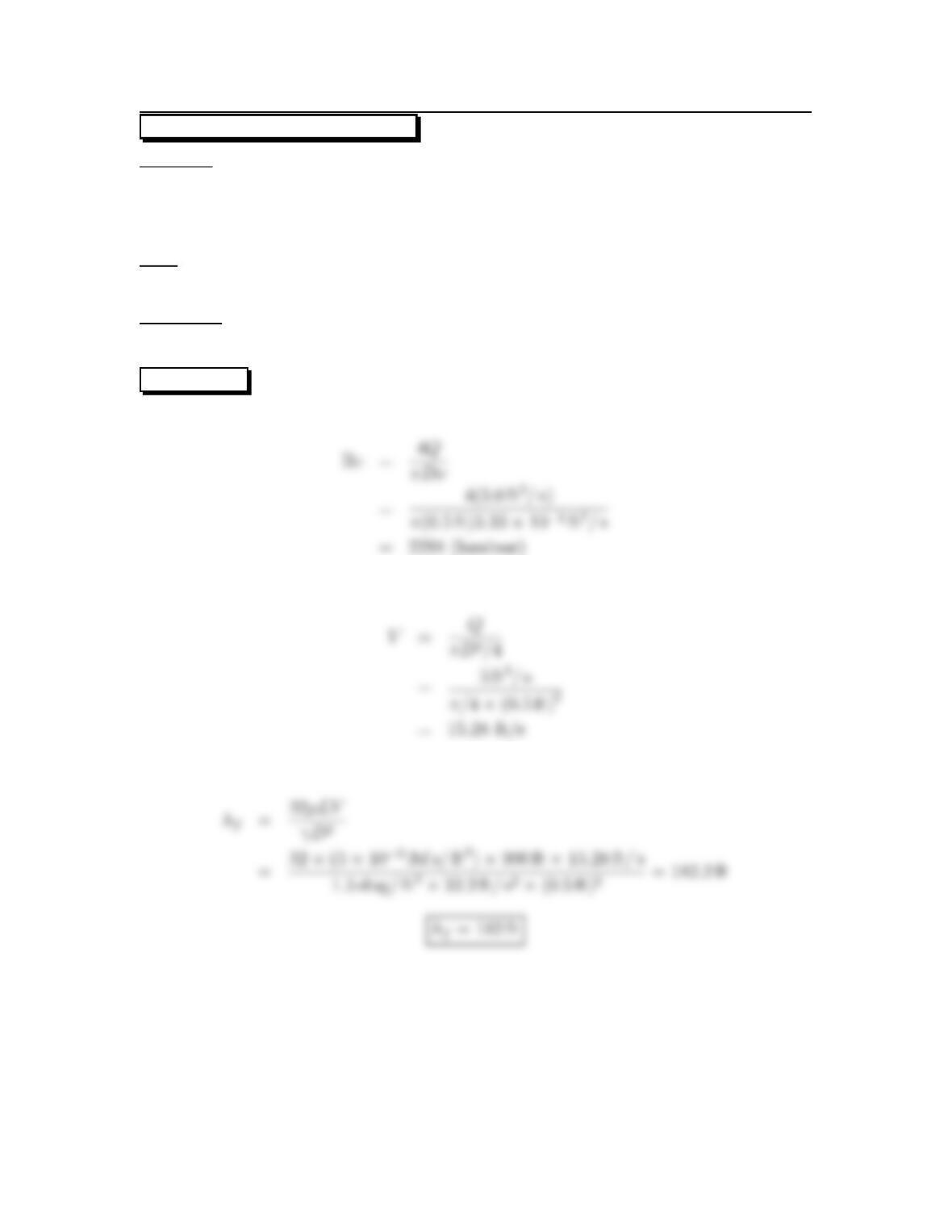
10.39: PROBLEM DEFINITION
Situation:
Fluid flows in a concrete pipe.
D=6in,L=900ft.
Q=3cfs, ks=0.0002 ft.
Find:
Head loss (ft).
Properties:
ρ=1.5slug/ft3,ν=3.33 ×10−3ft2/s.
SOLUTION
Reynolds number
Flow rate equation
Head loss (laminar flow)
54
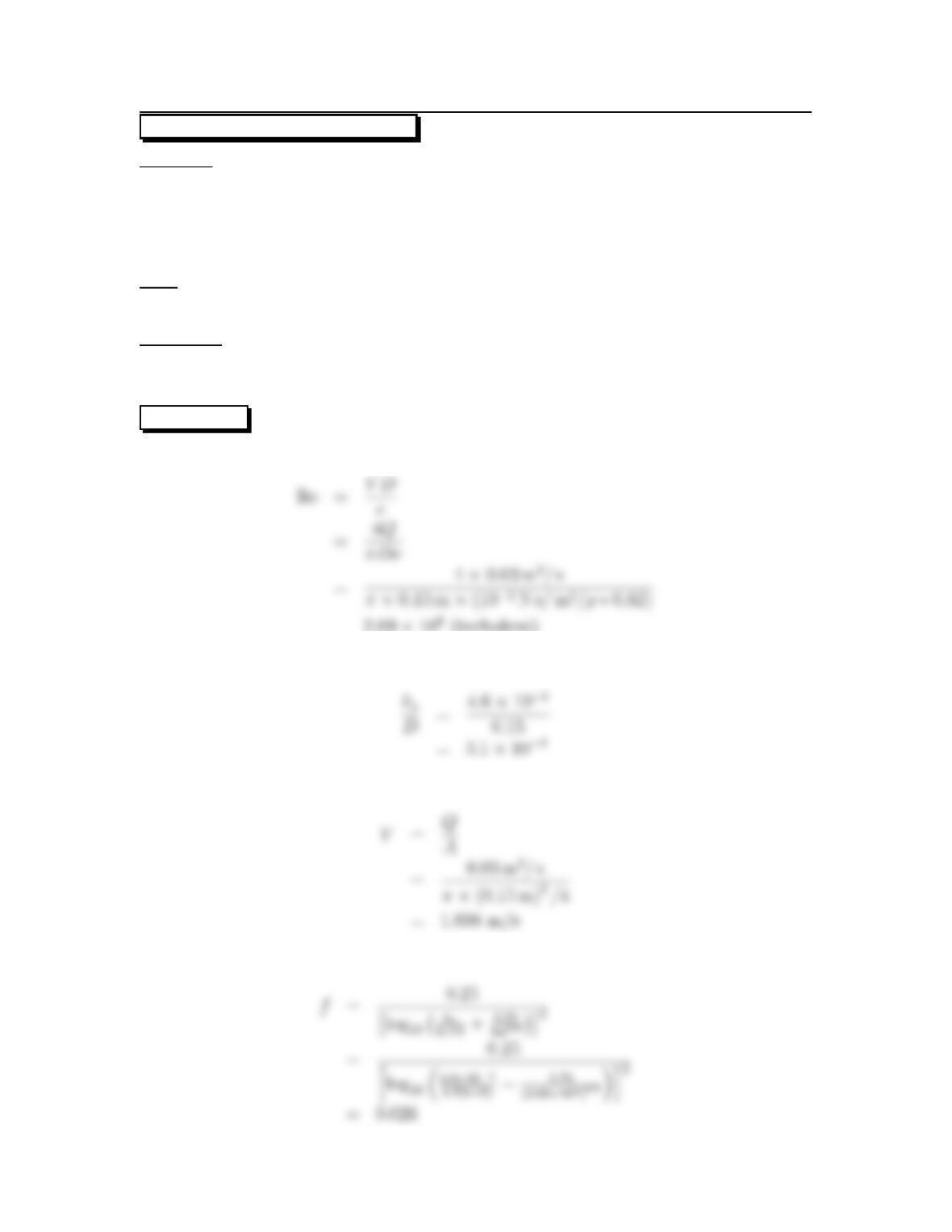
10.40: PROBLEM DEFINITION
Situation:
Crude oil flows through a steel pipe.
D=15cm,Q=0.03 m3/s.
pB= 300 kPa,L=1.5km.
zB=20m
Find:
Pressure at point A(kPa).
Properties:
S=0.82,μ=10
−2Ns/m2.
From Table 10.4: ks=4.6×10⁻⁵m.
SOLUTION
Reynolds number
2.09 ×10⁴(turbulent)
Sand roughness height
Flow rate equation
Resistance coefficient (Swamee-Jain correlation; turbulent flow)
55
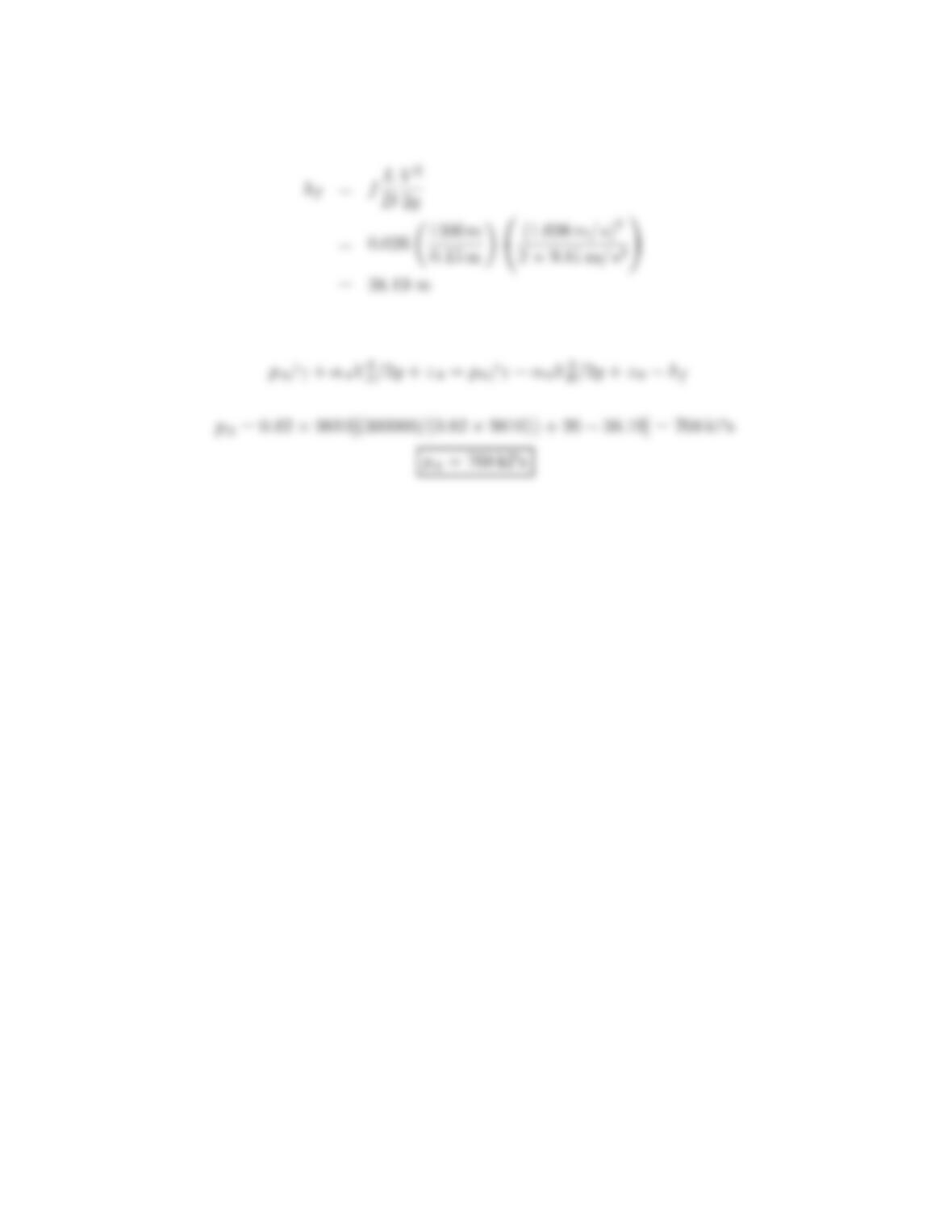
Darcy Weisbach equation
Energy equation
56
10.41: PROBLEM DEFINITION
Situation:
A pipe is being using to measure viscosity of a fluid.
D=1.5cm,L=1m.
V=4m/s,hf=50cm.
Find:
Kinematic viscosity.
SOLUTION
At this value of friction factor, Reynolds number can be found from the Moody
diagram. The result is:
57
10.42: PROBLEM DEFINITION
Situation:
For a selected pipe:
f=0.06,D=40cm.
V=3m/s,ν=10
−5m2/s.
Find:
Change in head loss per unit meter if the velocity were doubled.
SOLUTION
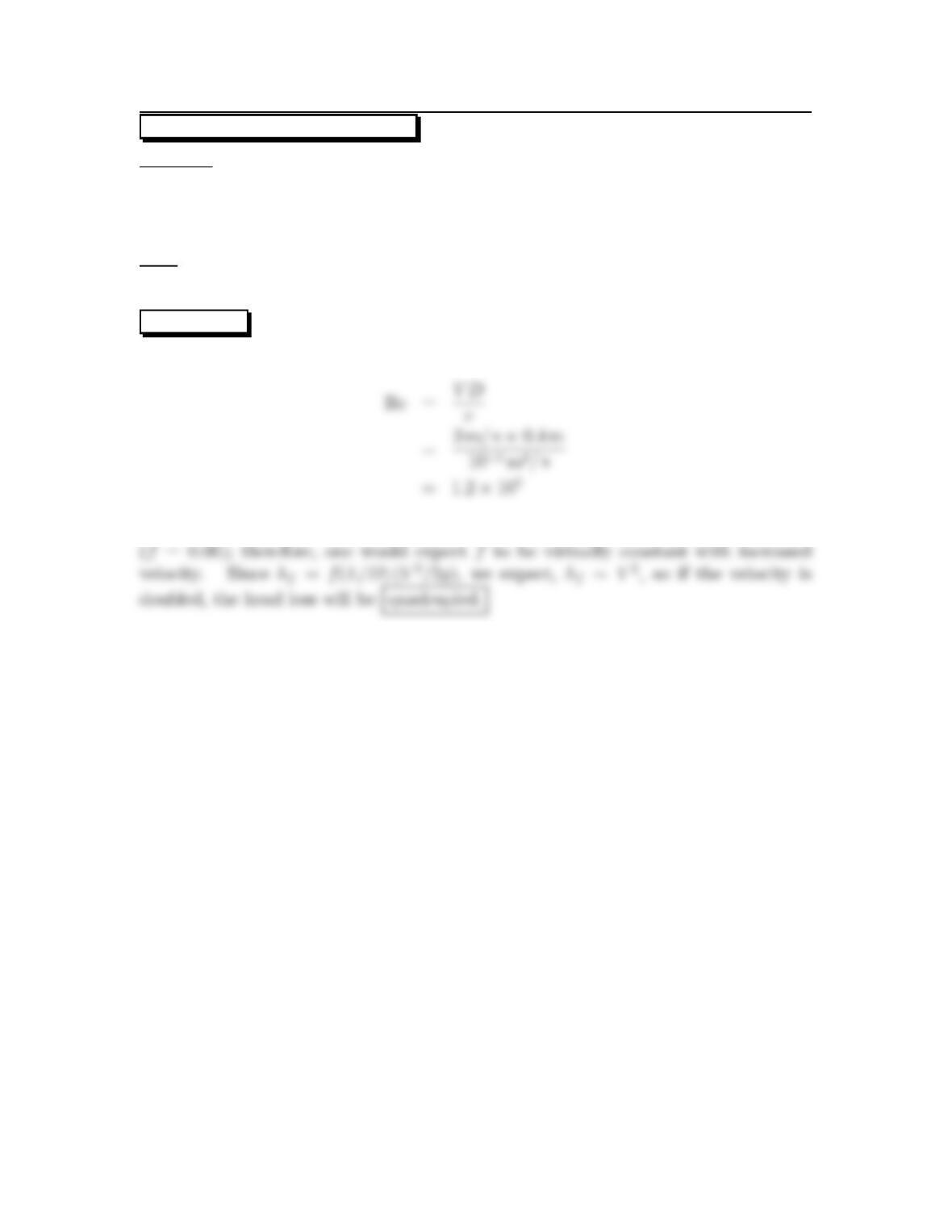
Reynolds number
Since Re >3000,theflow is turbulent and obviously the conduit is very rough
58
10.43: PROBLEM DEFINITION
Situation:
Water flows through a horizontal run of PVC pipe
V=5ft/s,L=100ft.
Nominal diameter 2.5″ Schedule 40 D=2.45 in.=0.204 ft (lookuponinternet).
Find:
(a) Pressure drop in psi.
(b) Head loss in feet.
(c) Power in horsepower needed to overcome the head loss.
Assumptions:
Assume ks=0.
Assume α1=α2, where subscripts 1 and 2 denote the inlet and exit of the pipe.
Properties:
Water (50 ◦F) ,Table A.5:
ρ=1.94 slug/ft3,γ=62.4lbf/ft3,ν=14.1×10−6ft2/s.
PLAN
To establish laminar or turbulent flow, calculate the Reynolds number. Then find
the appropriate friction factor (f)and apply the Darcy-Weisbach equation to find
the head loss. Next, find the pressure drop using the energy equation. Lastly, find
power using P=˙mghf.
SOLUTION
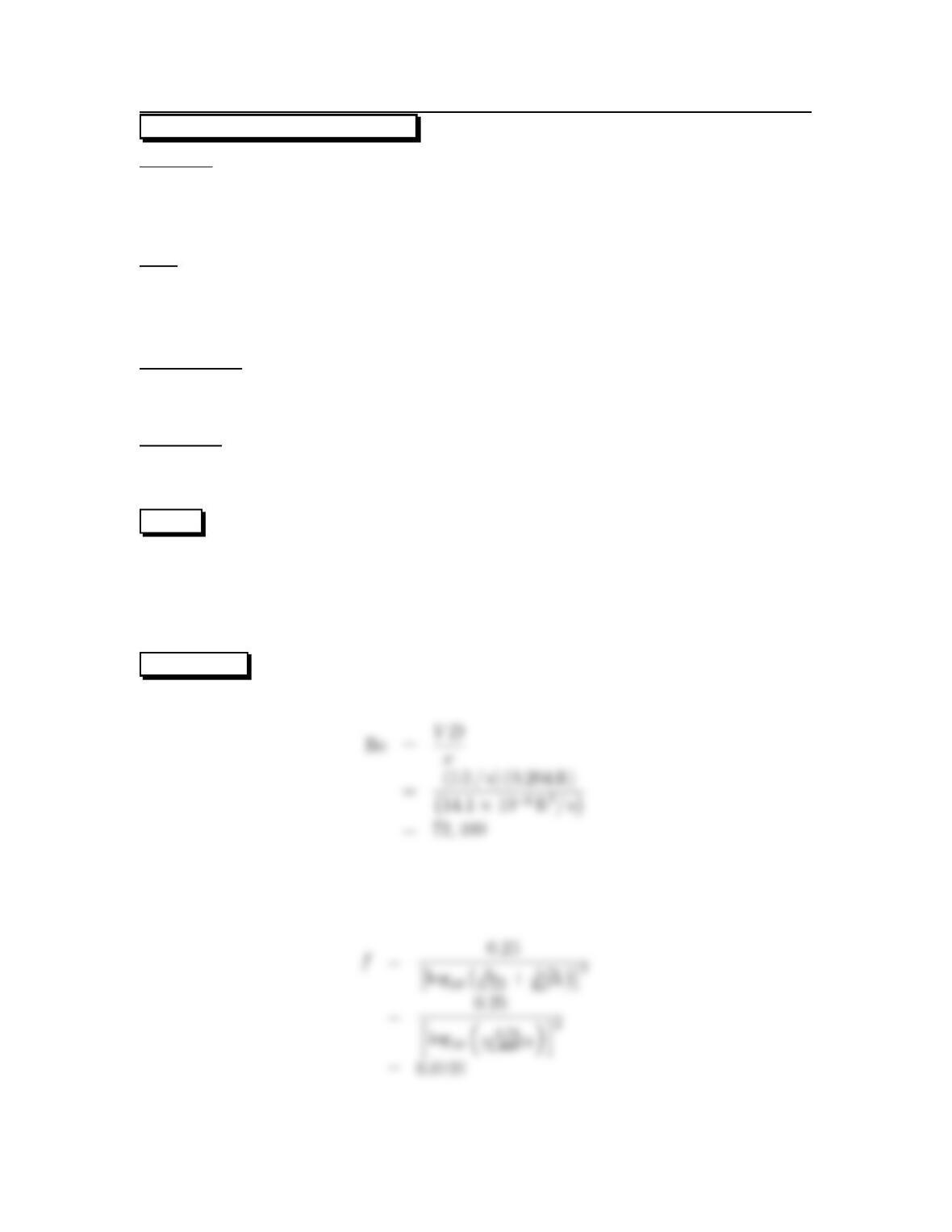
Reynolds number
Thus, flow is turbulent.
Friction factor (f)(Swamee-Jain correlation)
59
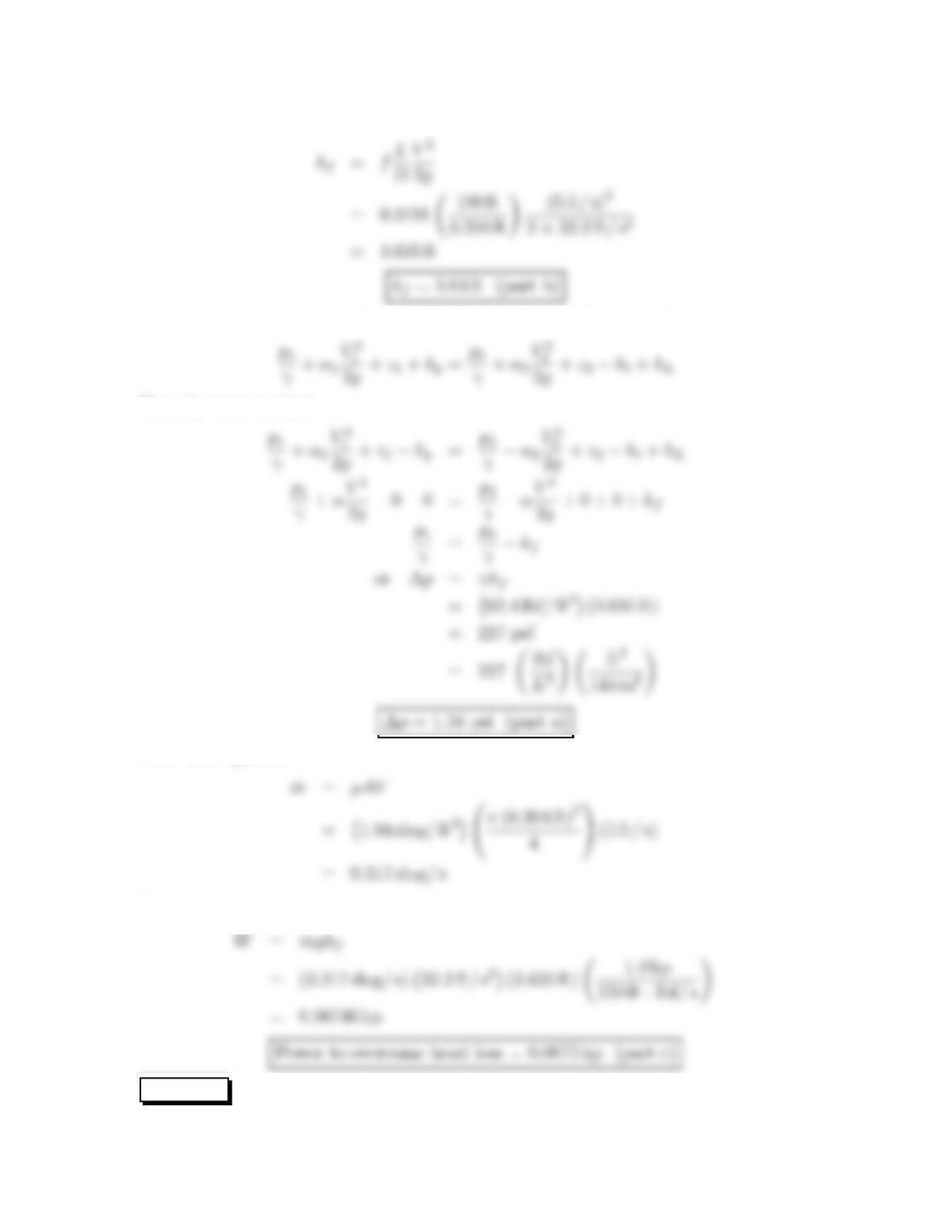
Darcy-Weisbach equation
Energy equation (section 2 located 100 ft downstream of section 1).
Term by term analysis
Flow rate equation
Power equation
REVIEW
60