Solution 1.1
(a) q = 6.482×10¹⁷ x [-1.602×10⁻¹⁹ C] = –103.84 mC
(b) q = 1. 24×1018 x [-1.602×10⁻¹⁹ C] = –198.65 mC
(b)
( )
C 4)–20t(4ttq
+=
(c)
( )
( )
2e15etq 18t-3t −
−=
nC
(d) q(t) = 5t2(3t3+ 4) pC
(e) q(t) = 2e–3tsin(20πt) µC
( )
∫
(d)
C 40t) si n 0.12t(0.16cos40e30t–+−=
−
+
=+=
∫
t)cos 40–t40sin30(
1600900
q(0)t40sin10eq(t)

Solution 1.4
Since i is equal to Δq/Δt then i = 300/30 = 10 amps.
(a) At t = 1ms,
=== 2
dt
i
15 A
(b) At t = 6ms,
== dt
dq
i
0 A
(c) At t = 10ms,
=
−
== 4
30
dt
dq
i
–7.5 A
Solution 1.7
–20

Solution 1.8
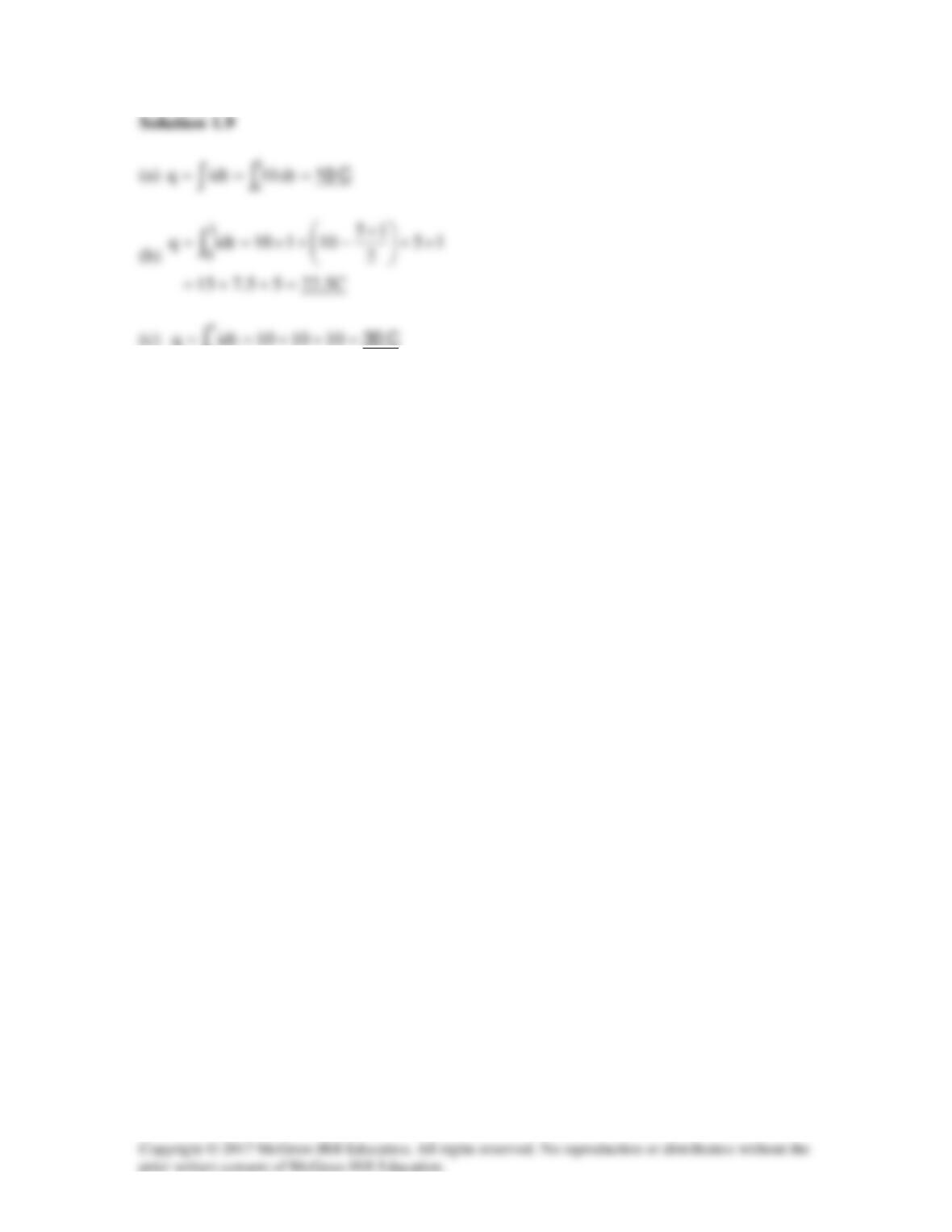
C 15 μ110
2
110
idtq =×+
×
==
∫
0

Solution 1.10
q = it = 10×103x15x10-6 = 150 mC
Solution 1.11
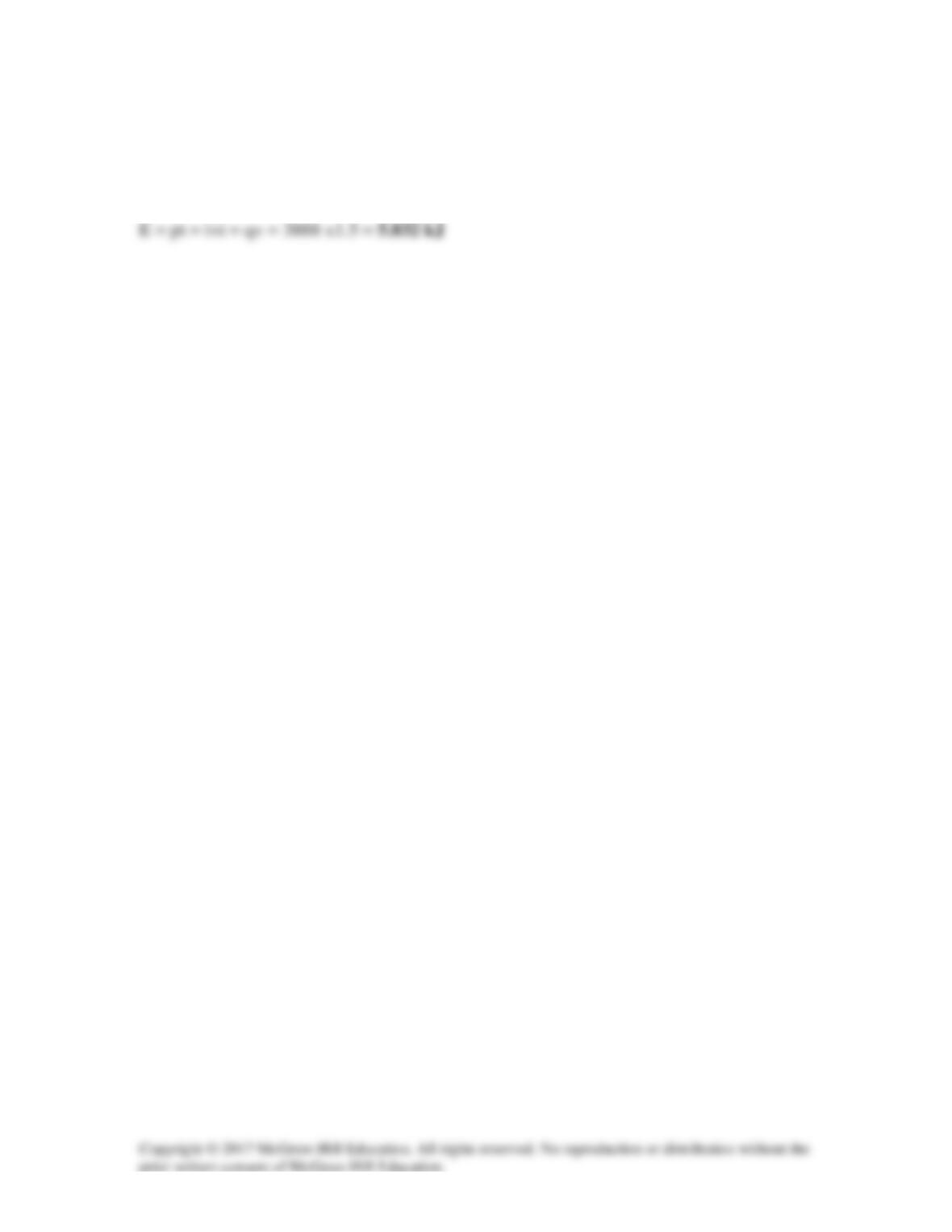
q= it = 90 x10-3 x 12 x 60 x 60 = 3.888 kC
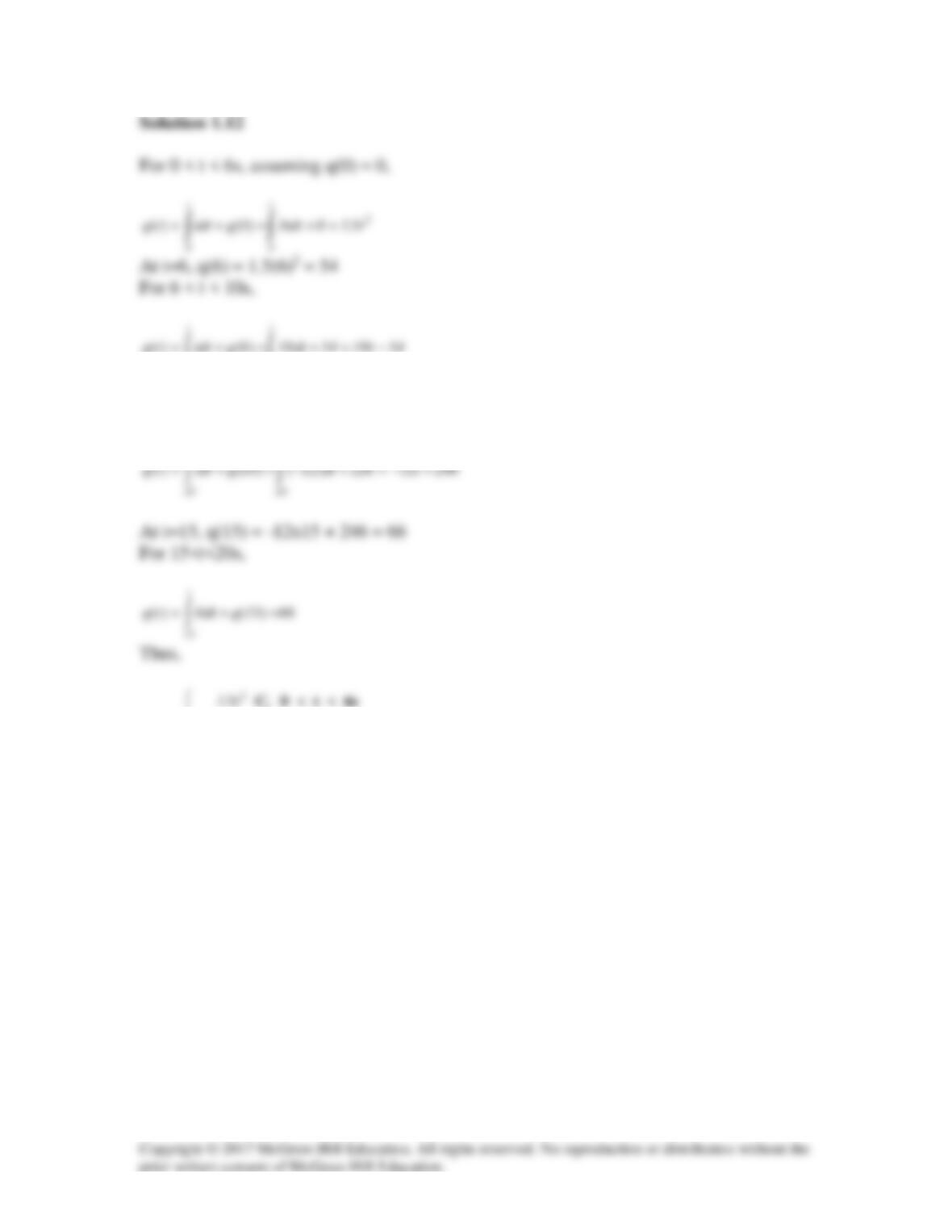
∫ ∫
6 6
At t=10, q(10) = 180 – 54 = 126
For 10<t<15s,
t t
q t
t
t
( )
,
=−
− +
18 54
12 246
66
C, 6 < t < 10s
C, 10 < t < 15s
C 15 <t <20s
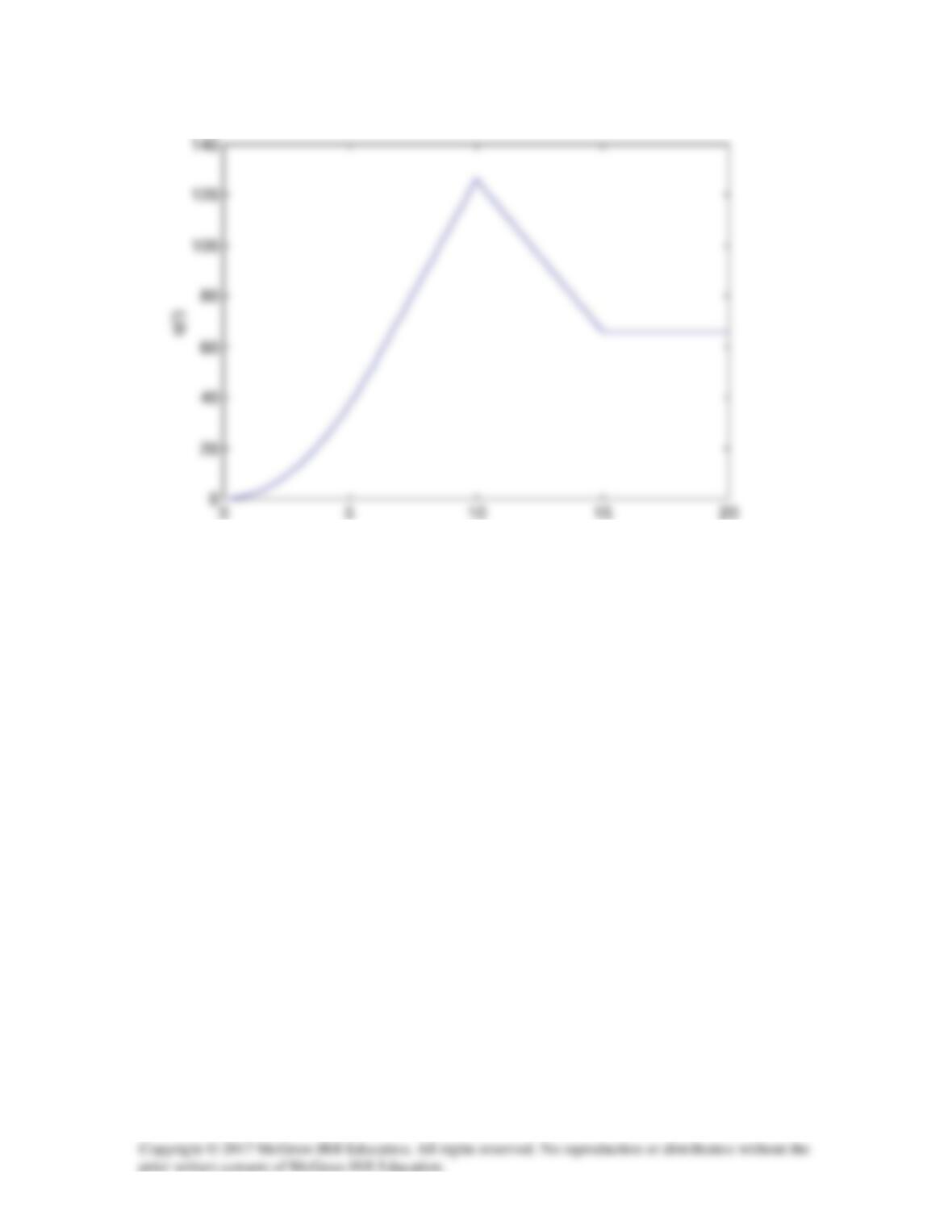
The plot of the charge is shown below.
t
Solution 1.13
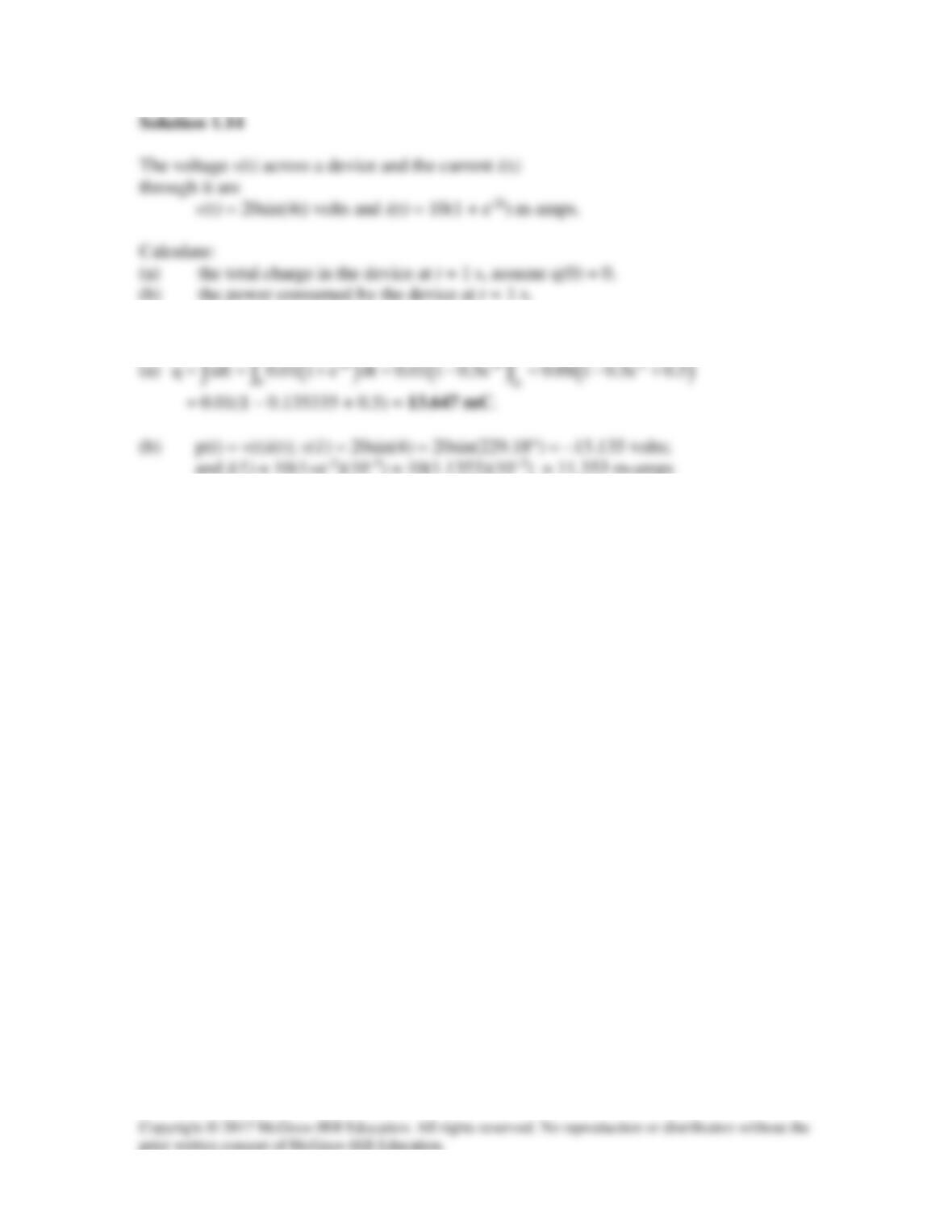
(a) i = [dq/dt] = 20πcos(4πt) mA
p = vi = 60πcos2(4πt) mW
At t=0.3s,
1
1-2t -2t -2
p(1) = (–15.125)(11.353)(10–3) = –171.71 mW
( )
=−−=
=== ∫ ∫
1e003.0
e
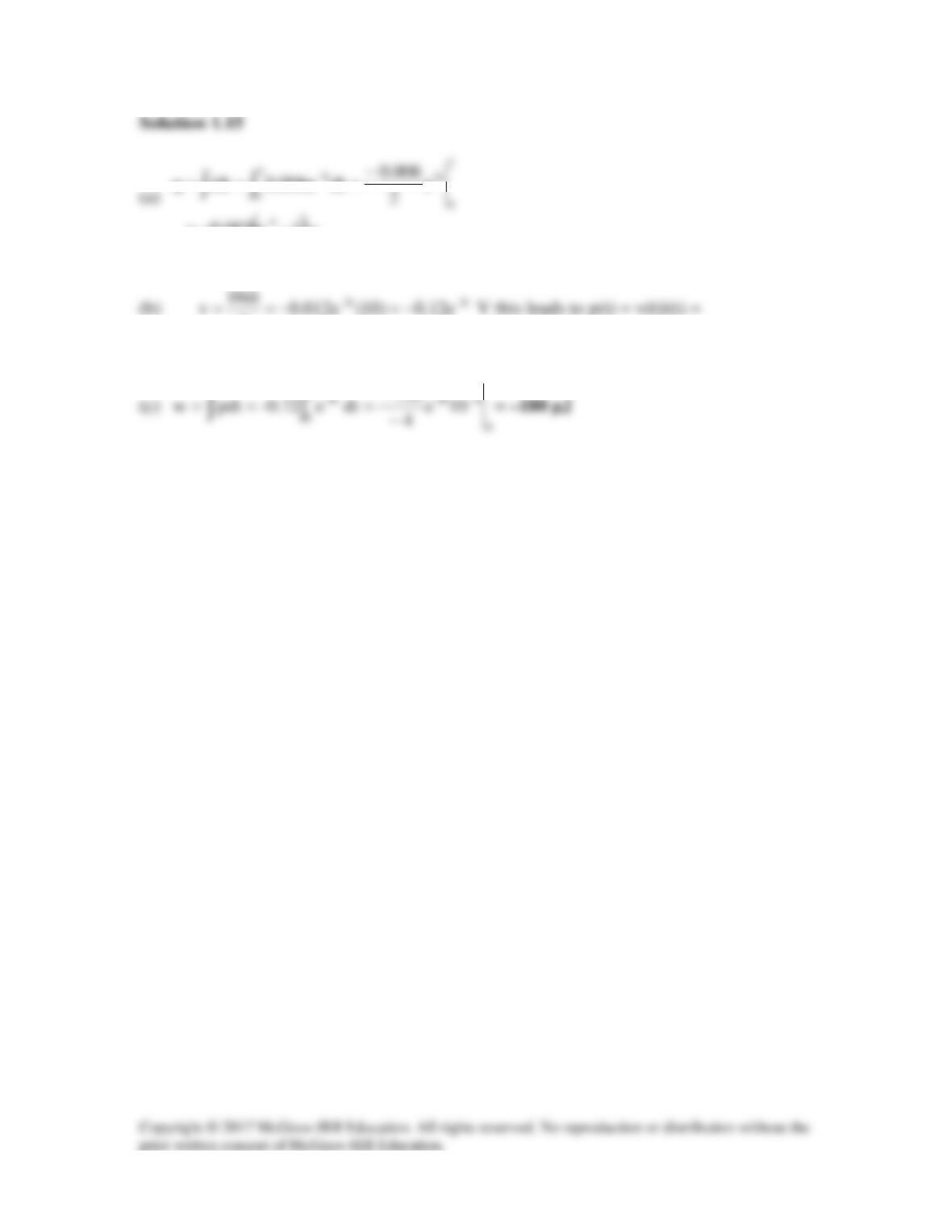
dt0.006eidtq
2.945 mC
dt
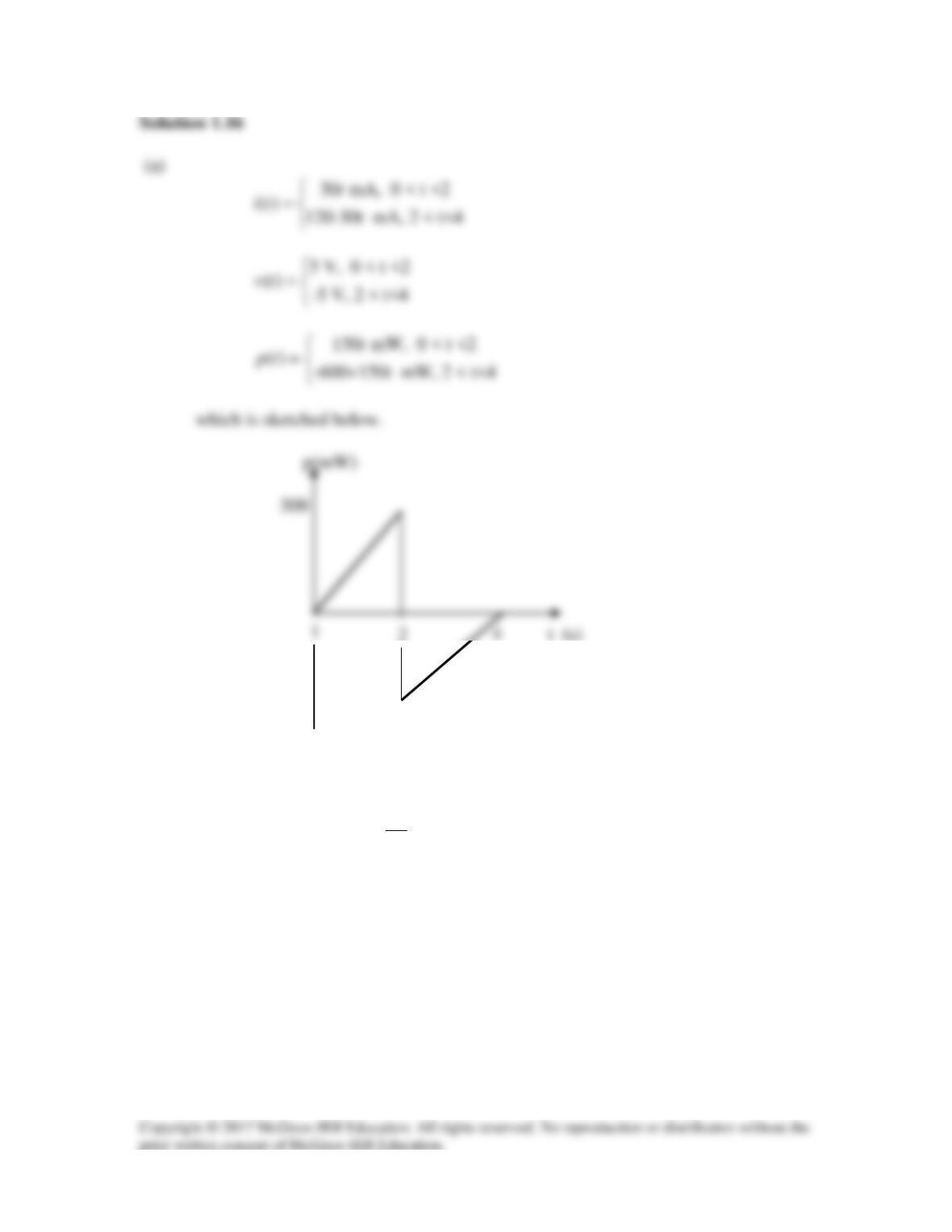
(-0.12e–2t)(0.006e–2t) = –720e–4t µW
3
3
-300
(b) From the graph of p,
4
0
0 JW pdt= =
∫
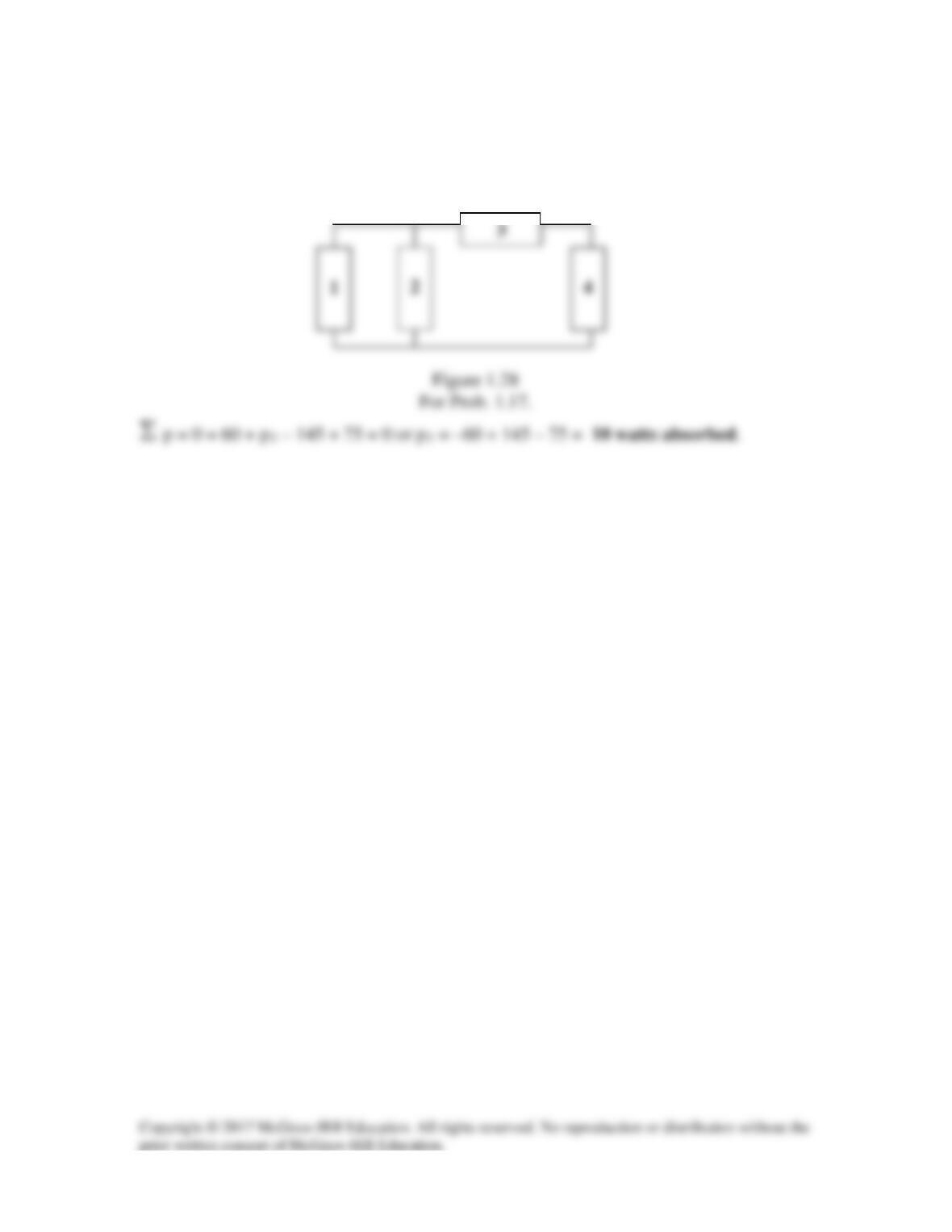
Solution 1.17
Figure 1.28 shows a circuit with four elements, p1 = 60 watts absorbed, p3 = –145 watts
absorbed, and p4 = 75 watts absorbed. How many watts does element 2 absorb?