
1
Case #2
“BMW AG: The Digital Auto Project (A)”
Harvard Business School Case: #9-699-044 (Rev. Nov. 1, 2001)
Academic instructors who are registered with the publisher’s
website (http://www.hbsp.harvard.edu) may download the Teaching
Note #5-603-117 (March 5, 2003) for this case free of charge.
ABSTRACT
BMW is known for its hand-craftsmanship in automotive styling
and high standards of product excellence but they also have the
longest product development process of 60 months as compared to
30 to 40 months by US and Japanese automakers. Since the time to
TEACHING OBJECTIVES
The objective of this case is to address issues related to
the “redesign” of product development processes. It offers
students the opportunities to talk about the competitive needs
SUGGESTED QUESTIONS FOR CLASSROOM DISCUSSION
1. What are the competitive challenges in the automobile
industry in 1997 and beyond? In what ways do these challenges
affect BMW?
2
ANALYSIS
1. What are the competitive challenges in the automobile
Industry in 1997 and beyond? In what ways do these challenges
affect BMW?
The challenges are: (a) the European car market is the buyers
market with a capacity of 20 MM cars and sales only 14 MM per
year; foreign car entry into Europe is expected after 1999; (b)
shorter product development time (e.g., Europe 58 months, USA 55
months, Japan 51 months) allows BMW competitors (noticeably Japan)
2. How would you evaluate the product development process at BMW?
Why was the target objective of 50 percent reduction in
development time set by BMW senior management?
The product development process at BMW has been sequential,
going for perfection at each step. It was suitable for marketing
products to stable niche markets for customers who value
tradition, luxury and prestige and have money to spend.

3
B. The re-engineering task force focuses very properly on five
(5) aspects covering 90 percent of all critical areas: body,
climate control, fuel supply, engines/powertrain, and acoustics.
C. Auto development requires collaboration between diverse
people, including outside vendors.
D. Styling is a link between the past and the future for the
purpose of maintaining a familiar design (e.g., dual circular
headlights and the double kidney front grille). At BMW, this is
an area dominated by style artists who possess constant refined
empirical skills. Artist trained in old schools are not
comfortable with CAS (Computer Aided Styling). The implied
3. What should BMW do for exterior styling – go “digital” or
“clay”? Why?
Clay is the favored method of styling by traditional artists
at BMW. This technique has served them very well in the past. It
involves multiple prototypes and allows a very adjustment of
surface lines and contours to create a superior surface finish
that sets BMW apart from the competition. In a way, this has been
4
remaining 10 percent, they would experience a diminishing return
using CAS.
Market results indicate that BMW has been quite successful in
overtaking Mercedes Benz in the luxury car category. However,
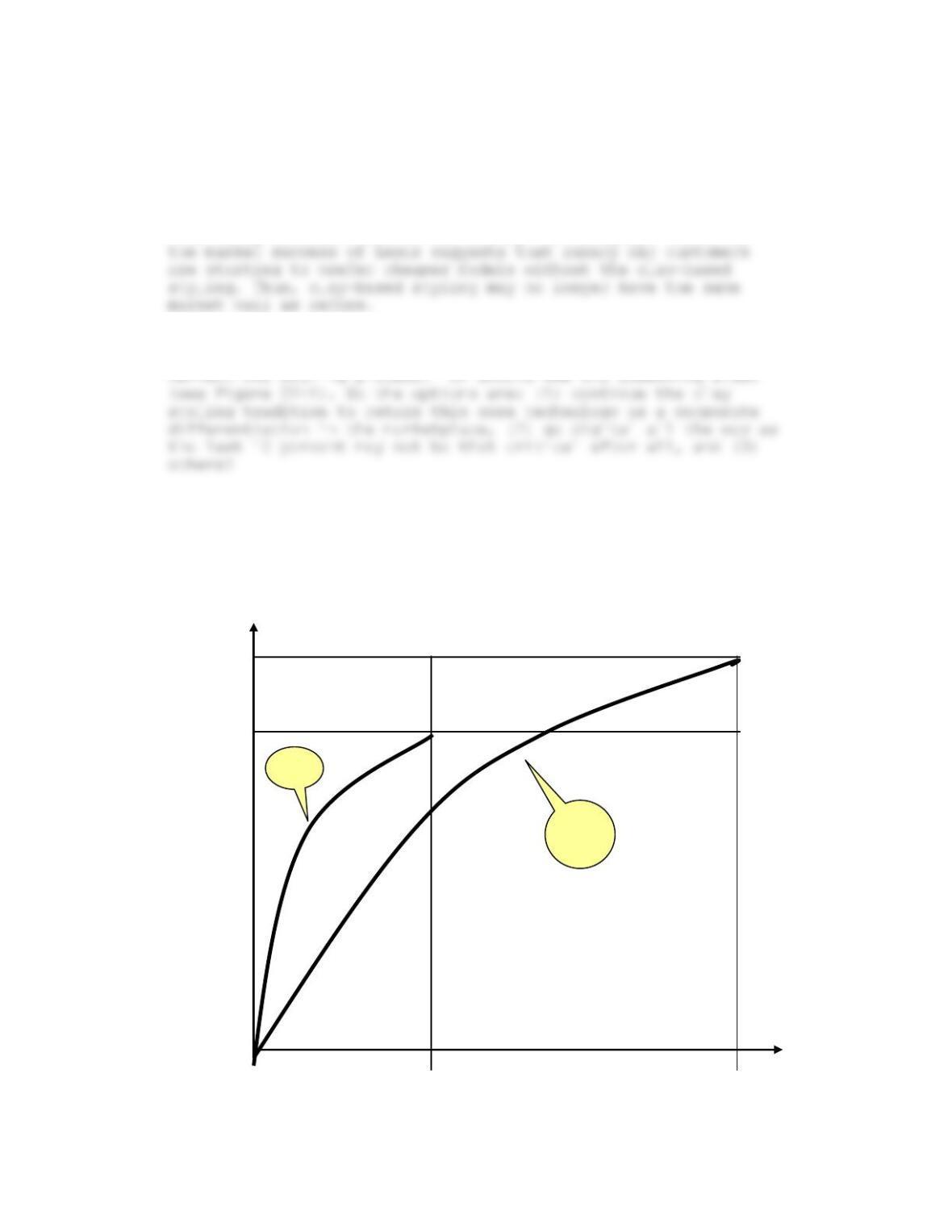
Should BMW opt for the slow clay process to achieve perfect
car styling results or should BMW elect for the fast but not
FIGURE C2-1. TIME REQUIREMENTS FOR CAS AND CLAY
Styling Quality
100%
Time
T1 T2
90%
Clay
CAS
5
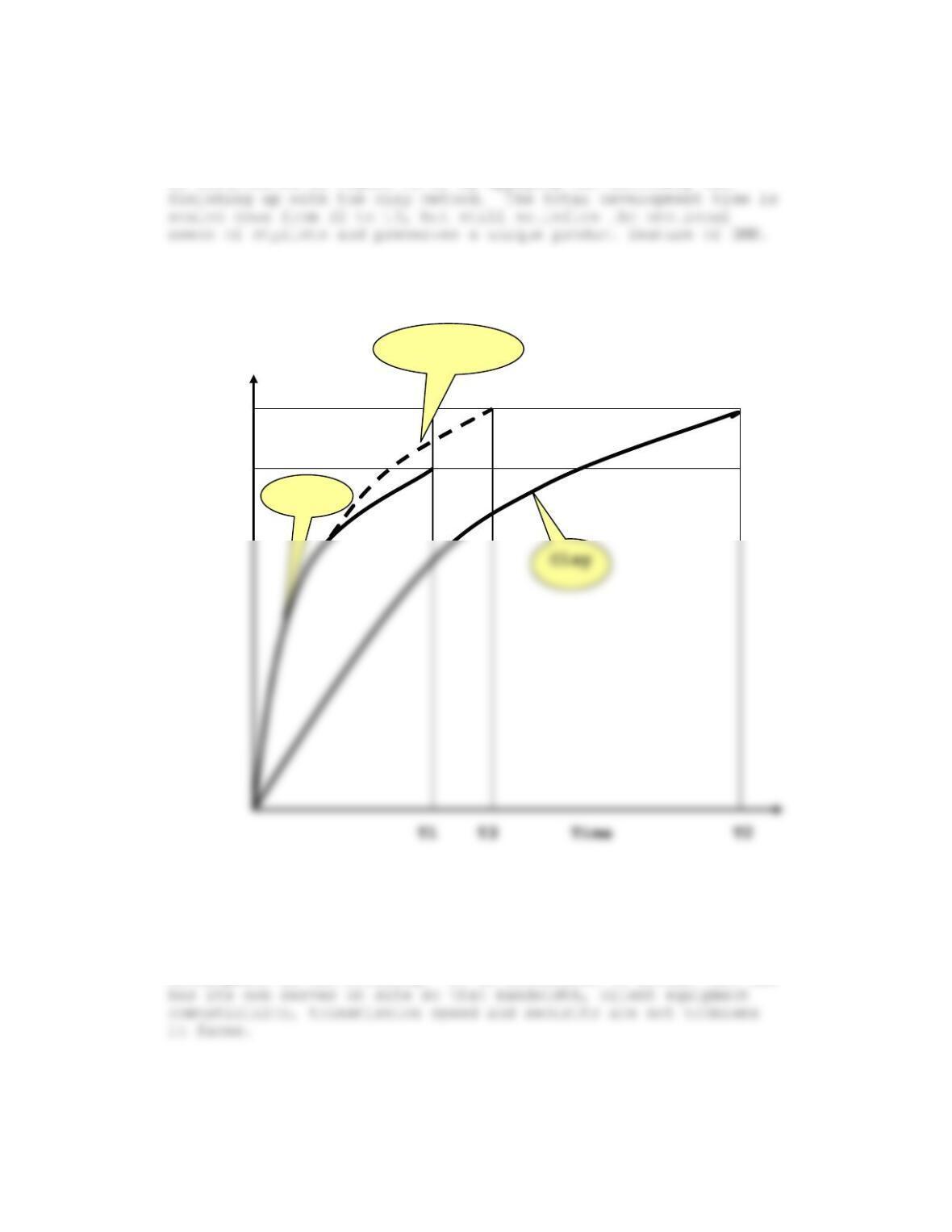
A reasonably good solution is to adopt a combination strategy,
as illustrated in Figure C2-2, by applying CAS initially and
FIGURE C2-2. COMBINATION STRATEGY FOR CAR STYLING
4. Would BMW derive any benefits from utilizing web-based
engineering technologies in product development? Why or why not?
BMW has already centralized engineering and product
development in one building. It is reasonable to assume that BMW
Styling Quality
100%
90%
CAS
Clay Finish
6
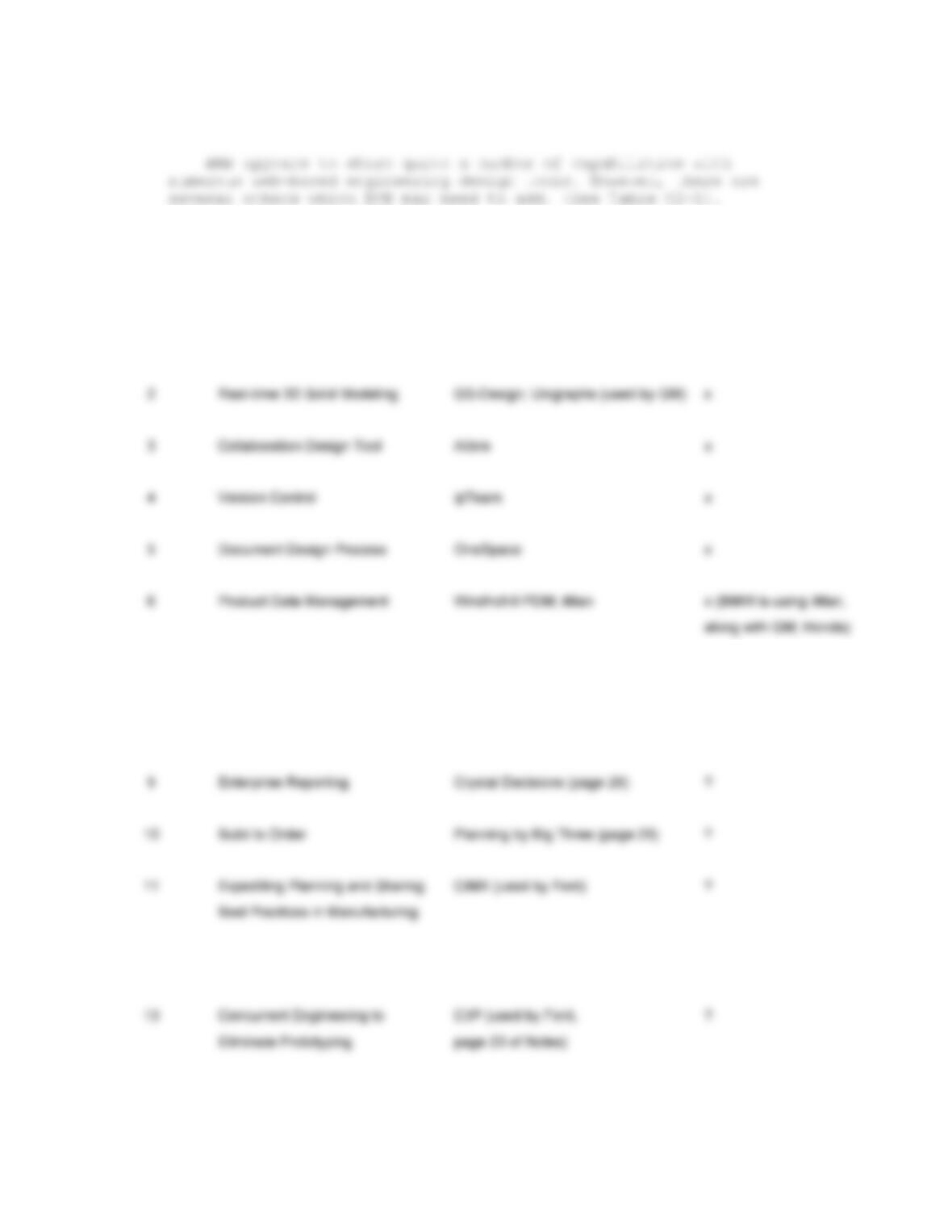
TABLE C2-1. WEB-BASED TOOLS POTENTIALLY USEFUL TO BMW
# Design Features Web-Based BMW
1 Central Depository of Data FIBER x
7 Enabling Outsourcing emPower x
8 Marketing & Selling ISS x (page 28 of notes)
12 Embedded Systems Page 22 of Notes ?

7
In summary, the capabilities listed below, if added, could
further assist BMW in achieving its ambitious goal of reducing
product development time by 50 percent. To become a global
player in the automobile industry, BMW needs to start planning
its own “build to order” system which appears to be the wave of
the future:
Parallel tasking is not the same as concurrent engineering.
BMW may need to learn more from Ford (i.e., C3P) by eliminating
prototyping as a key step for achieving the 50 percent reduction
of product development time.