FINANCIAL ACCOUNTING – Eleventh Edition Solutions Manual
S3-1
(10 min.)
Solution:
Millions
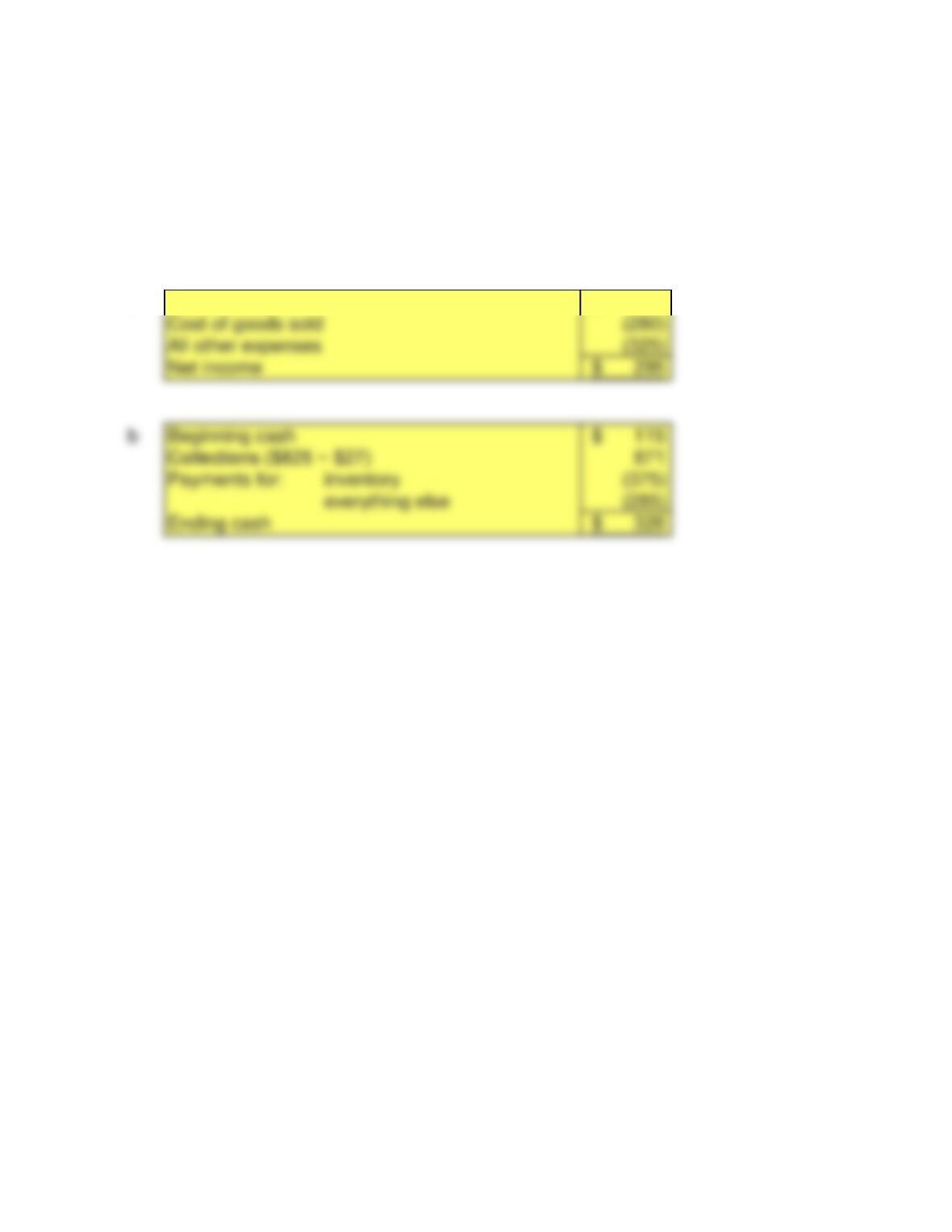
a Sales revenue $ 900
a. How much was Carter’s net income for 2016?
b. How much was Carter’s cash balance at the end of 2016?
Chapter 3: Accrual Accounting and Income Page 1 of 105
b Beginning cash $ 115
FINANCIAL ACCOUNTING – Eleventh Edition Solutions Manual
S3-2
(10 min.)
Solution:
Statement Reports (Amounts in millions)
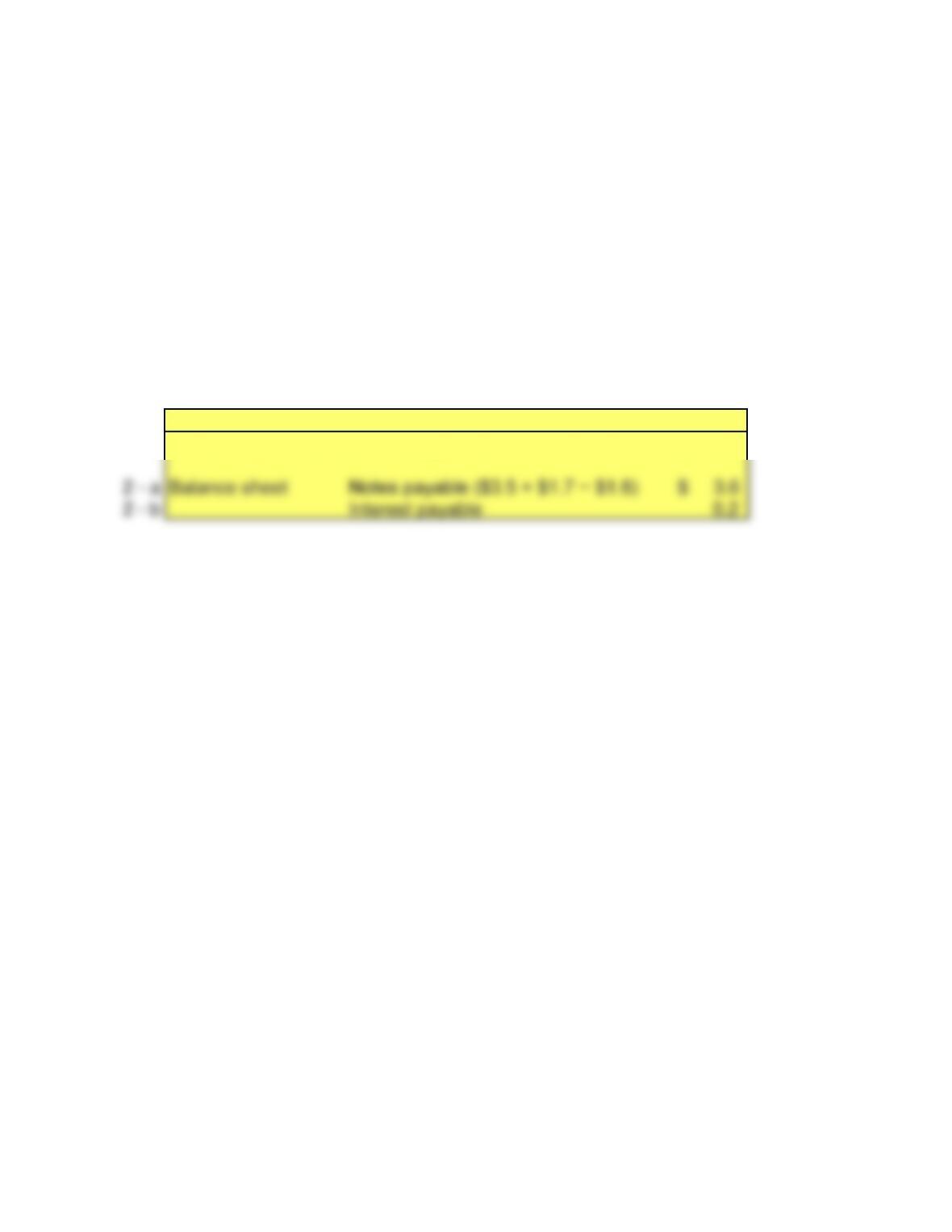
1 – a Income statement Interest expense 0.4$
Show what Westwood should report for these facts on the following
financial statements:
1. Income statement for 2016
a. Interest expense
2. Balance sheet as of December 31, 2016
a. Notes payable
b. Interest payable
Chapter 3: Accrual Accounting and Income Page 2 of 105
2 – b Interest payable 0.2
FINANCIAL ACCOUNTING – Eleventh Edition Solutions Manual
S3-3
(10 min.)
Solution:
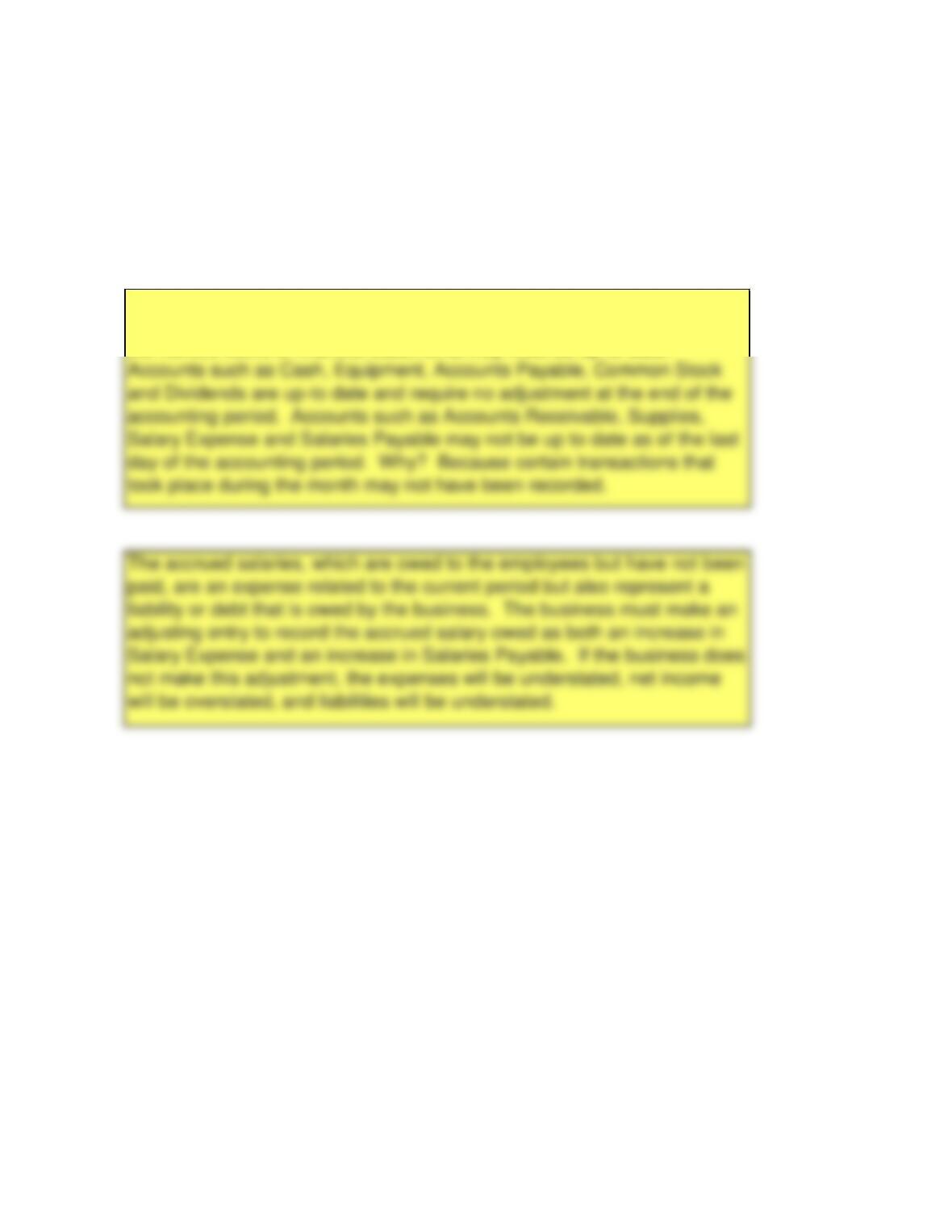
Write a reply to explain to the employee why the adjusting entry is needed
for accrued salary expense.
At the end of each accounting period, the business reports its performance
through the preparation of financial statements. In order to be useful to
the various users of financial statements they must be up-to-date.
Chapter 3: Accrual Accounting and Income Page 3 of 105
FINANCIAL ACCOUNTING – Eleventh Edition Solutions Manual
S3-4
(10 min.)
Solution:
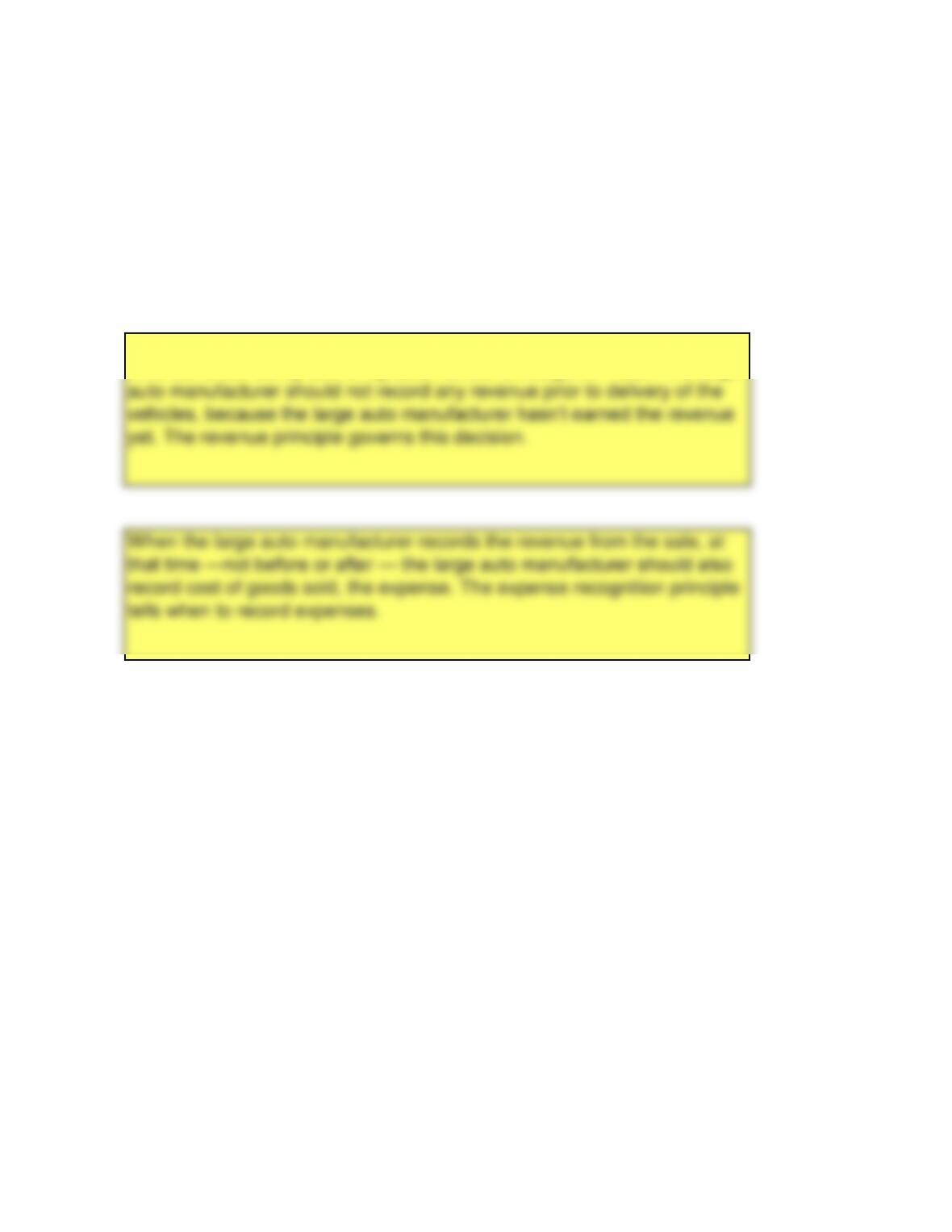
Write a short paragraph to explain to the auto manufacturer when the
company should, and should not, record this sales revenue and the
related expense for cost of goods sold. Mention the accounting principles
that provide the basis for your explanation.
The large auto manufacturer should record sales revenue when the
revenue is earned by delivering automobiles to Budget or Hertz. The large
Chapter 3: Accrual Accounting and Income Page 4 of 105
FINANCIAL ACCOUNTING – Eleventh Edition Solutions Manual
S3-5
(10 min.)
Solution:
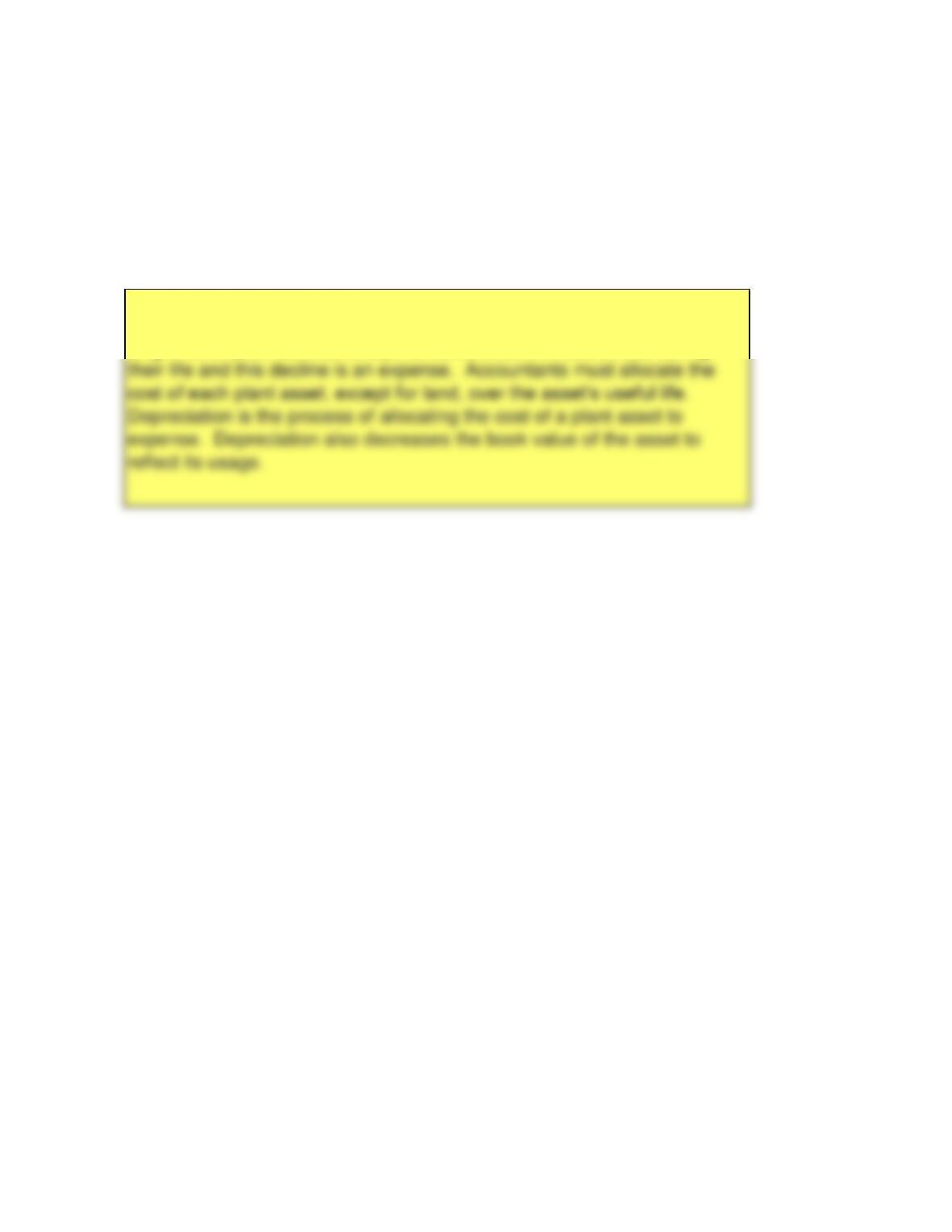
Depreciation is the periodic allocation of the cost of a tangible long-lived
asset, less its estimated residual value, over its estimated useful life. All
long-lived or plant assets, except for land, decline in usefulness during
Write a short paragraph to explain in your own words the concept of
depreciation as used in accounting.
Chapter 3: Accrual Accounting and Income Page 5 of 105

FINANCIAL ACCOUNTING – Eleventh Edition Solutions Manual
S3-6
(10 min.)
Solution:
a. The Expense Recognition Principle
Identify the accounting concept or principle that gives the most direction
on how to account for each of the following situations:
Chapter 3: Accrual Accounting and Income Page 6 of 105
b. The Time-Period Concept
d. The Revenue Principle
e. The Expense Recognition Principle
FINANCIAL ACCOUNTING – Eleventh Edition Solutions Manual
S3-7
(10 min.)
Solution:
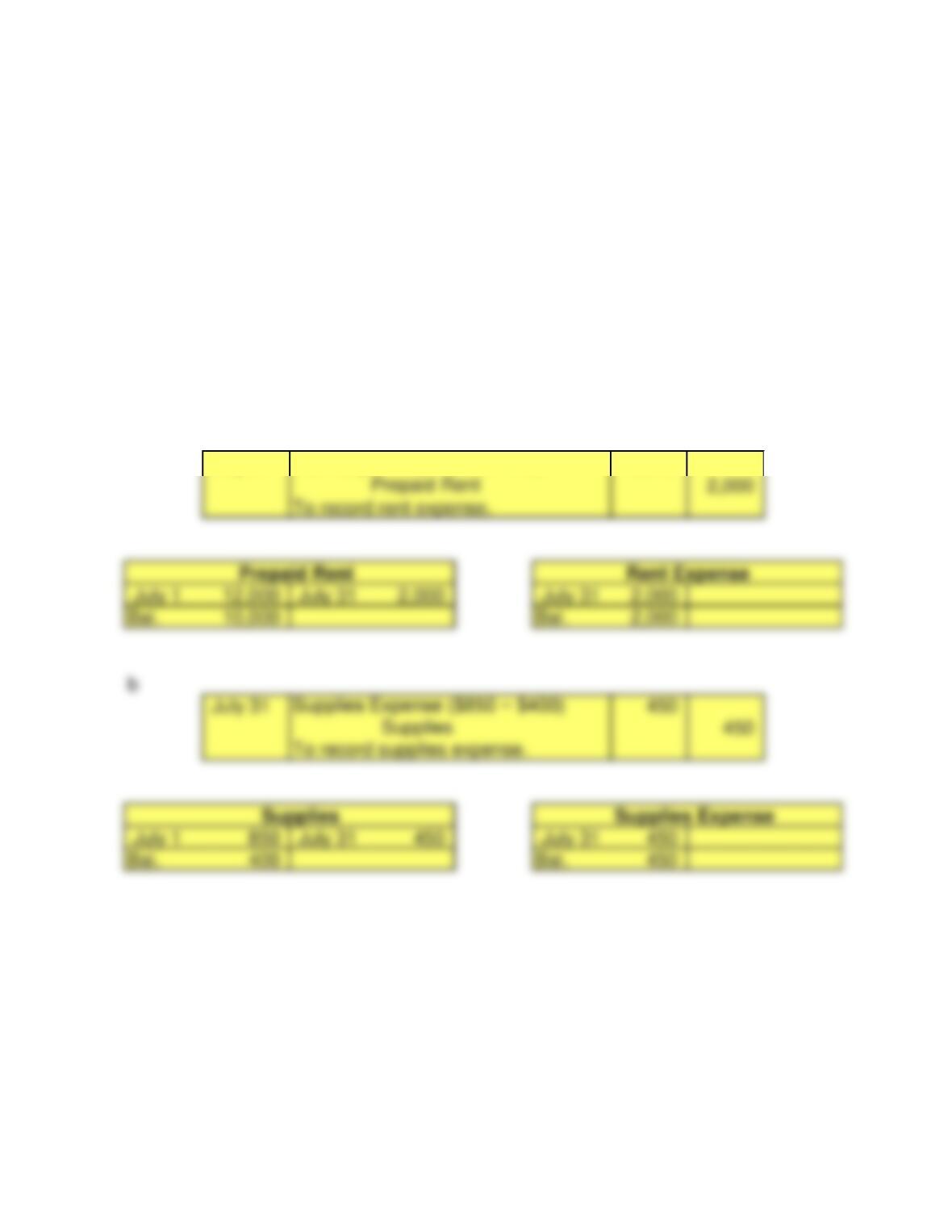
a
July 31 2,000
a. On July 1, Davis Tree Service prepaid $12,000 for six months’ rent. Give the
adjusting entry to record rent expense at July 31. Include the date of the entry and an
explanation. Then post all amounts to the two accounts involved, and show their
balances at July 31. Davis Tree Service adjusts the accounts only at July 31, the end
of its fiscal year.
b. On July 1, Davis Tree Service paid $850 for supplies. At July 31, Davis Tree
Service has $400 of supplies on hand. Make the required journal entry at July 31.
Then post all amounts to the accounts and show their balances at July 31.
Rent Expense ($12,000 × 1/6)
Chapter 3: Accrual Accounting and Income Page 7 of 105
FINANCIAL ACCOUNTING – Eleventh Edition Solutions Manual
S3-8
(10 min.)
Solution:
Req. 1
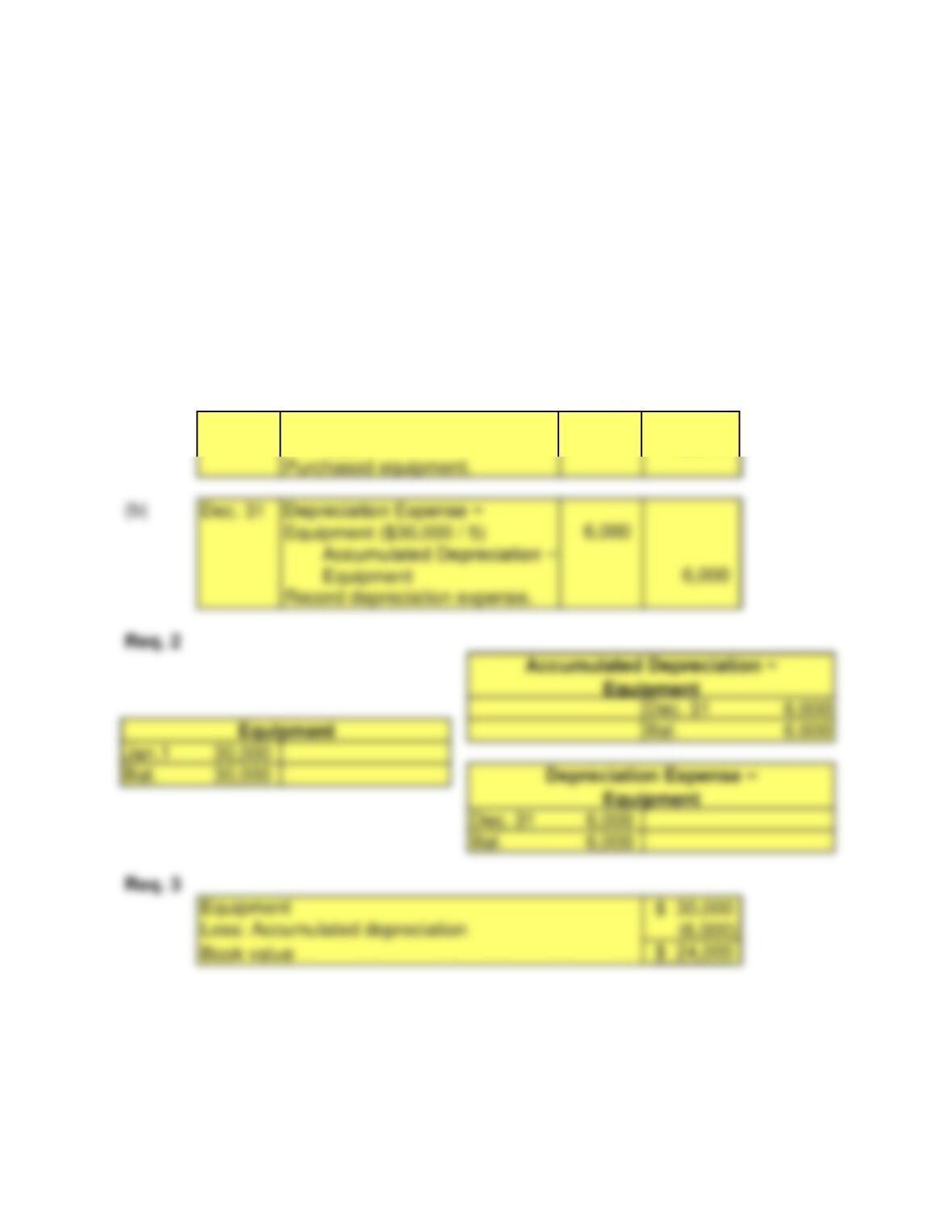
(a) Jan. 1 Equipment 30,000
Cash 30,000
1. Make journal entries to record (a) purchase of the equipment on January 1 and (b)
annual depreciation on December 31. Include dates and explanations, and use the
following accounts: Equipment; Accumulated Depreciation—Equipment; and
Depreciation Expense—Equipment.
2. Post to the accounts and show their balances at December 31.
3. What is the equipment’s book value at December 31?
Chapter 3: Accrual Accounting and Income Page 8 of 105
Req. 3
FINANCIAL ACCOUNTING – Eleventh Edition Solutions Manual
S3-9
(10 min.)
Solution:
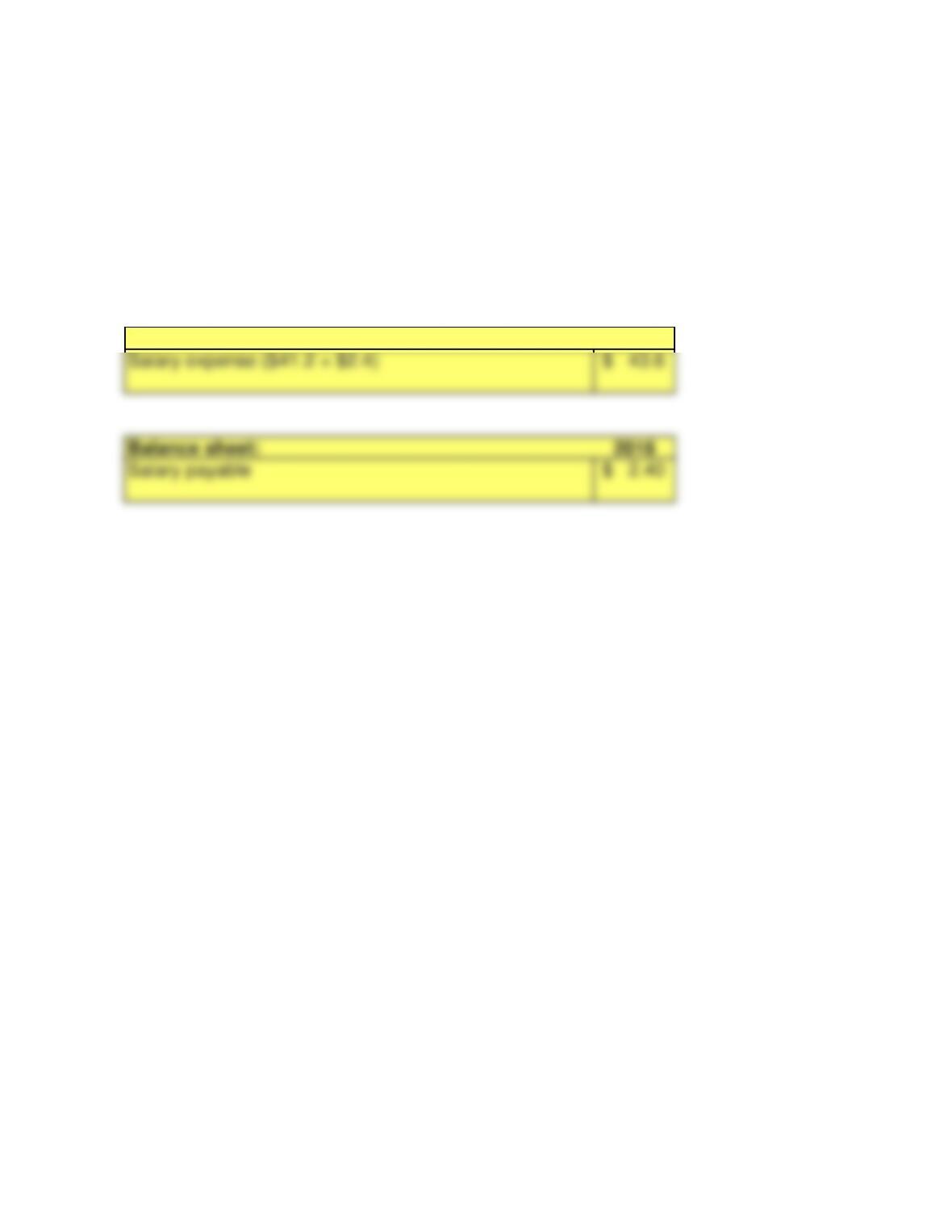
(Amounts in millions)
Income statement: 2016
Show what Quanta would report on its 2016 income statement
and on its balance sheet at the end of 2016.
Chapter 3: Accrual Accounting and Income Page 9 of 105
Balance sheet: 2016
FINANCIAL ACCOUNTING – Eleventh Edition Solutions Manual
S3-10
(10 min.)
Solution:
Req. 1
Oct. 31 Interest Expense 433
Interest Payable 433
Req. 2
Oct. 31 433
Nov. 30 433
Req. 3
Jan. 2 Interest Payable 1,299
Cash 1,299
Interest Payable
1. Make Laziza’s adjusting entry to accrue monthly interest expense at October
31, at November 30, and at December 31. Date each entry and include its
explanation.
2. Post all three entries to the Interest Payable account. You need not take the
balance of the account at the end of each month.
3. Record the payment of three months’ interest on January 2.
Chapter 3: Accrual Accounting and Income Page 10 of 105
Nov. 30 Interest Expense
Interest Payable 433
Dec. 31 Interest Expense 433
Interest Payable 433
FINANCIAL ACCOUNTING – Eleventh Edition Solutions Manual
S3-11
(10 min.)
Solution:
Req. 1
Oct. 31 Interest Receivable 433
Interest Revenue 433
Req. 2
Oct. 31 433
Nov. 30 433
Req. 3
Jan. 2 Cash 1,299
Interest Receivable 1,299
Interest Receivable
1. Make First State Bank’s adjusting entry to accrue monthly interest revenue
at October 31, at November 30, and at December 31. Date each entry and
include its explanation.
2. Post all three entries to the Interest Receivable account. You need not take
the balance of the account at the end of each month.
3. Record the receipt of three months’ interest January 2.
Chapter 3: Accrual Accounting and Income Page 11 of 105
Nov. 30 Interest Receivable 433
Interest Revenue 433
Dec. 31 Interest Receivable 433
Interest Revenue 433
FINANCIAL ACCOUNTING – Eleventh Edition Solutions Manual
S3-12
(5-10 min.)
Solution:
Explain what happens to the unearned revenue over the course of a year as
The New York Times delivers papers and online content to subscribers. Into
what account does the earned subscription revenue go as The New York
Times delivers papers and online content? Give the journal entries that The
New York Times would make to (a) collect $65,000 of subscription revenue in
advance and (b) record earning $55,000 of subscription revenue. Include an
explanation for each entry, as illustrated in the chapter.
Unearned revenues are liabilities because The New York Times has
received cash from subscribers in advance of providing them with newspapers
Chapter 3: Accrual Accounting and Income Page 12 of 105
FINANCIAL ACCOUNTING – Eleventh Edition Solutions Manual
S3-13
(5-10 min.)
Solution:
a.
Prepaid Rent
24,000
Cash 24,000
To record annual payment for rent.
Give the journal entries that Peachtree Services would make for (a) the
annual rent payment of $24,000 on August 1 and (b) the adjusting entry
for rent expense on December 31, 2016. What is the balance of
Prepaid Rent at December 31, 2016?
Chapter 3: Accrual Accounting and Income Page 13 of 105
b. Rent Expense 10,000
Prepaid Rent 10,000
To record rent expense for the 5 months
August 1 through December 31 ($24,000 ×
5 / 12).
FINANCIAL ACCOUNTING – Eleventh Edition Solutions Manual
S3-14
(10 min.)
Solution:
a. Accounts Receivable 22,000
Service Revenue 22,000
Journalize the following for Gerbig:
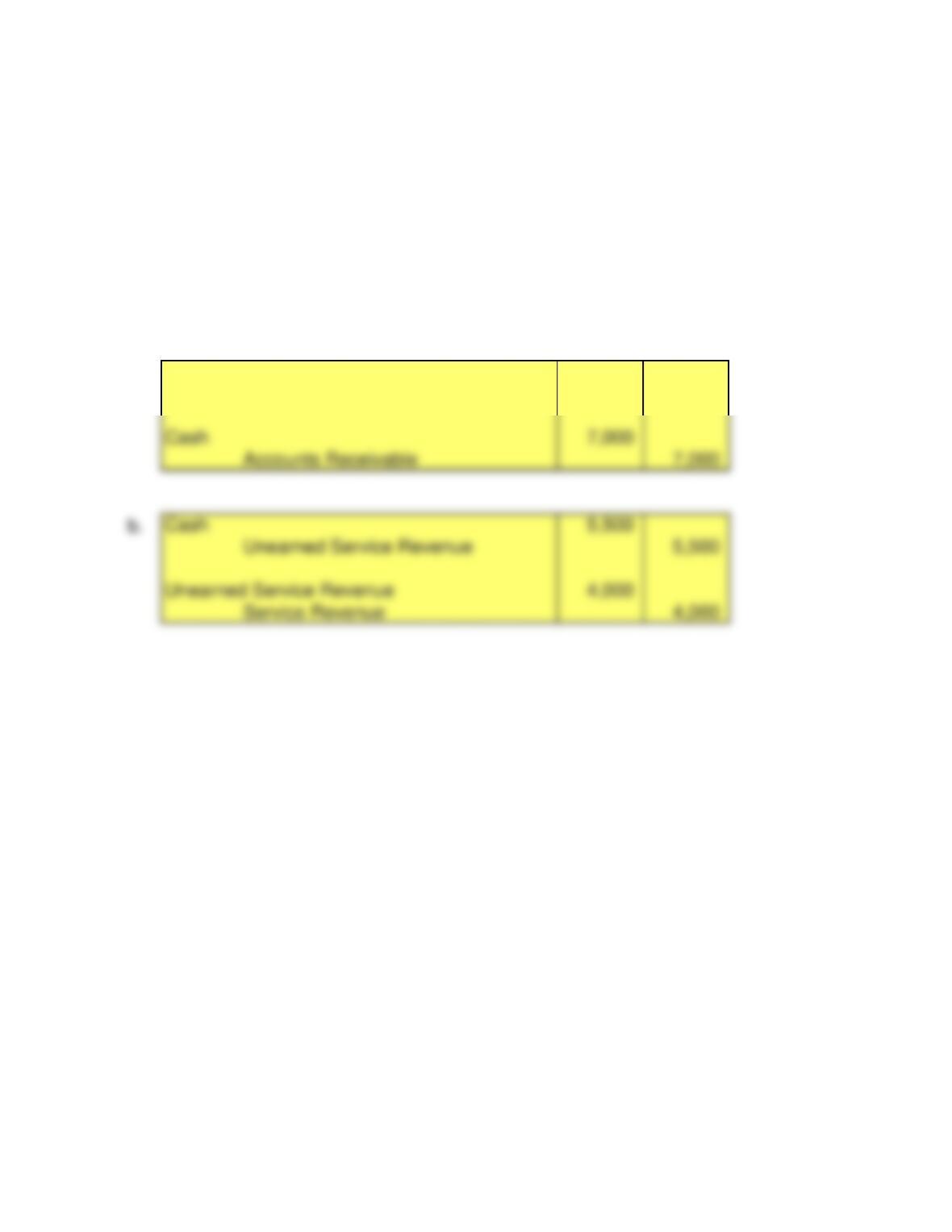
a. Earning service revenue of $24,000 on account and then collecting
$7,000 on account
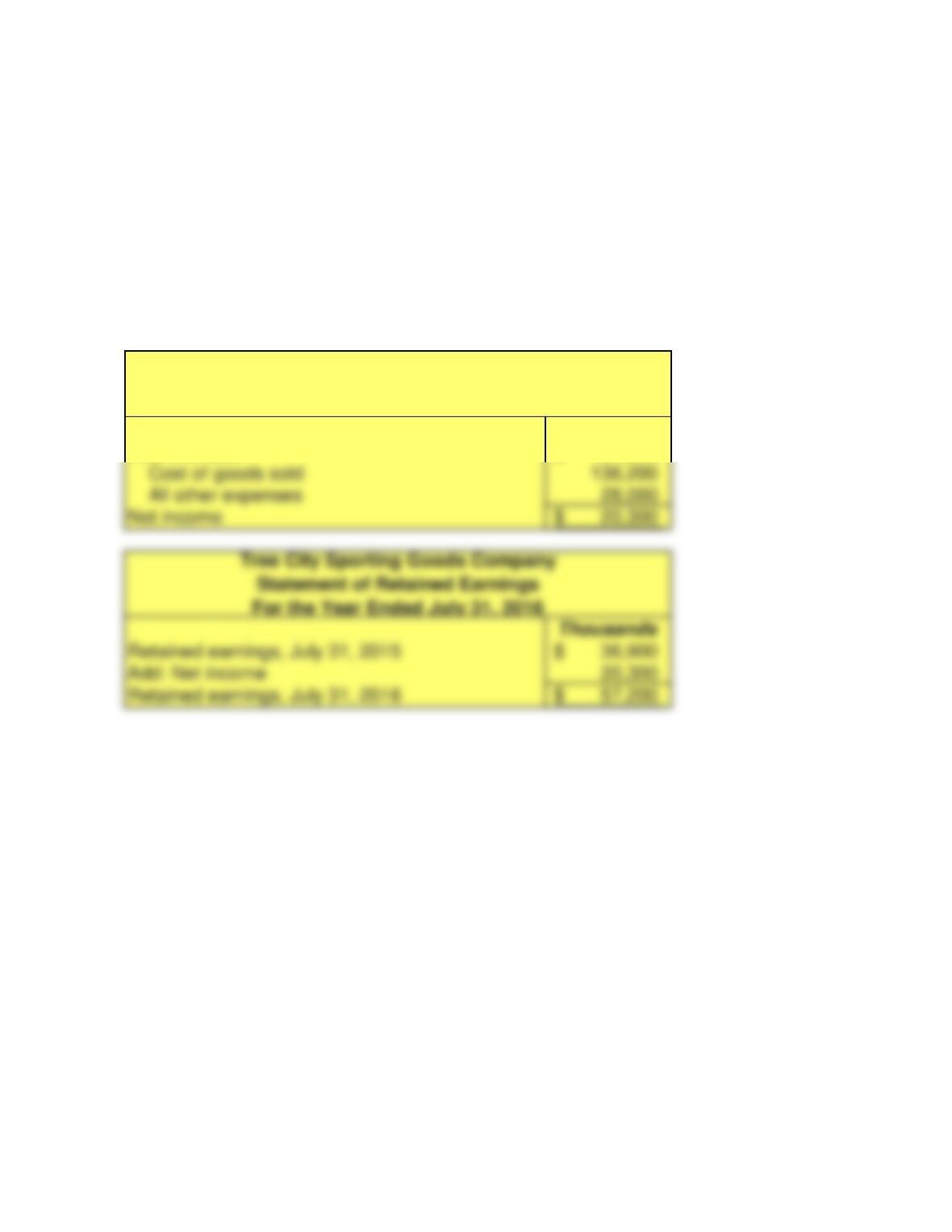
b. Receiving $5,500 in advance and then earning $4,000 as service
revenue
Chapter 3: Accrual Accounting and Income Page 14 of 105
Accounts Receivable 7,000
Service Revenue 4,000
FINANCIAL ACCOUNTING – Eleventh Edition Solutions Manual
S3-15
(15-30 min.)
Solution:
Thousands
$ 184,500
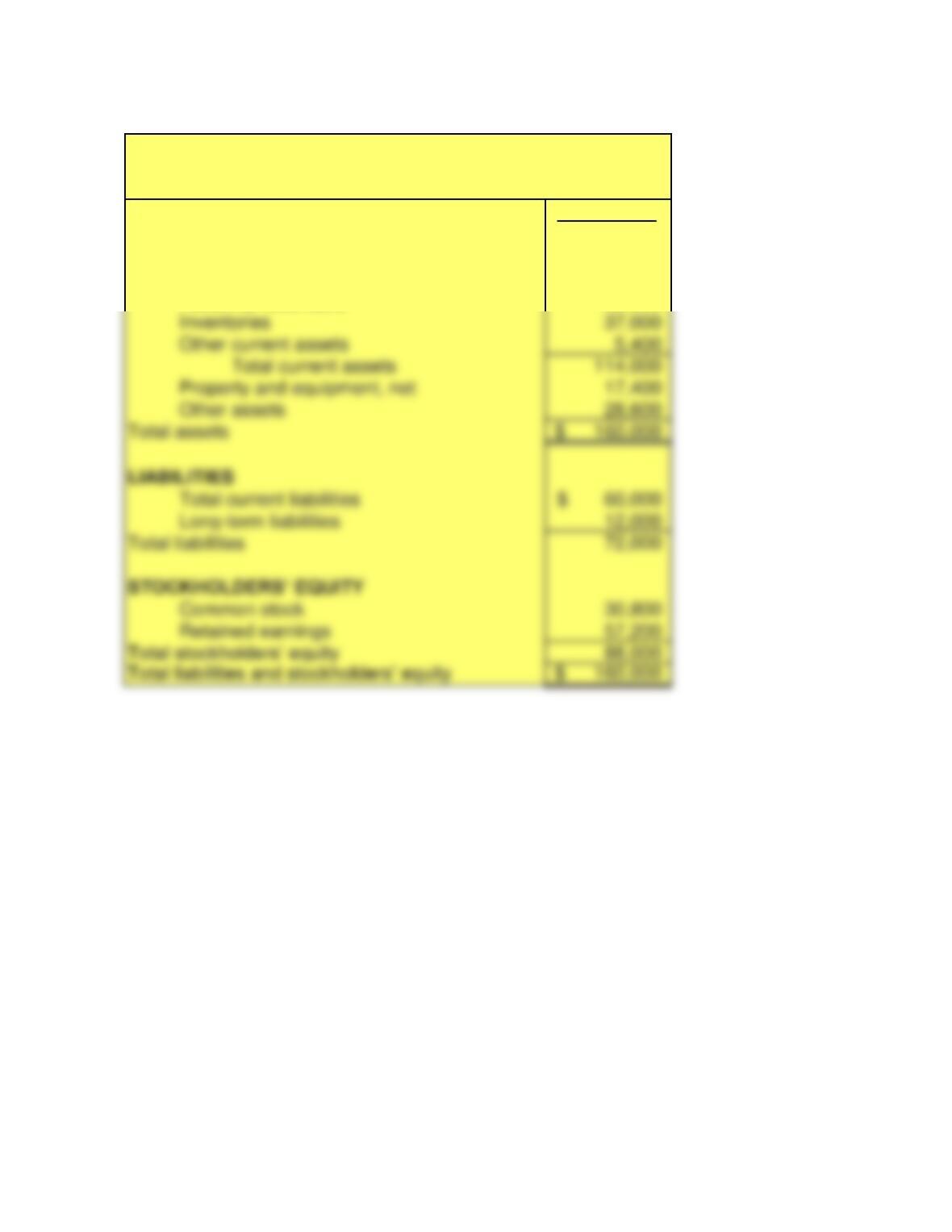
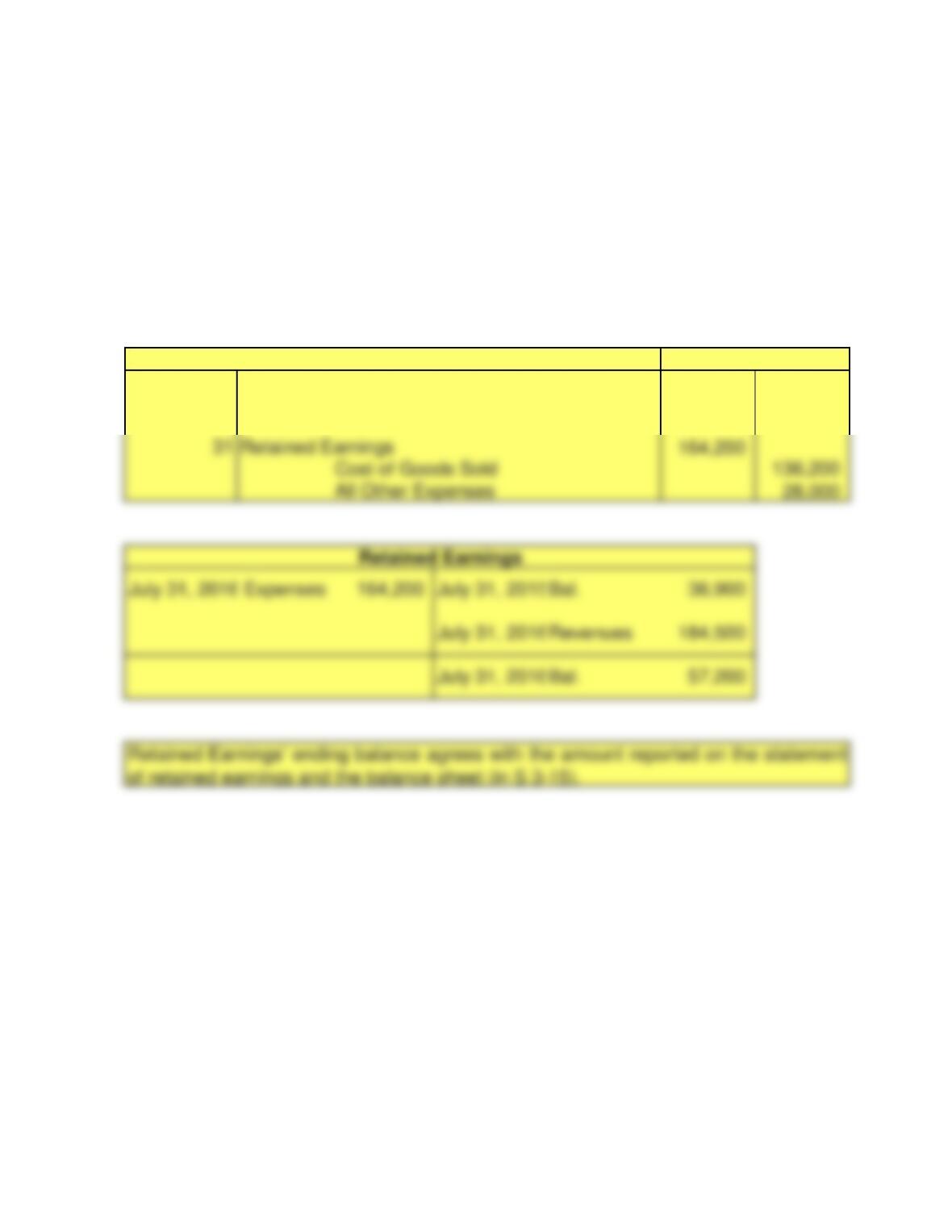
Prepare Tree City Sporting Goods Company’s single step
income statement for the year ended July 31, 2016; statement of
retained earnings for the year ended July 31, 2016; and
classified balance sheet at July 31, 2016.
Tree City Sporting Goods Company
Income Statement
For the Year Ended July 31, 2016
Net revenues
Chapter 3: Accrual Accounting and Income Page 15 of 105
Thousands
$ 36,900
Retained earnings, July 31, 2015
All other expenses
Add: Net income
FINANCIAL ACCOUNTING – Eleventh Edition Solutions Manual
Thousands
Cash 43,100$
Accounts receivable
28,500
Tree City Sporting Goods Company
Balance Sheet
July 31, 2016
ASSETS
Current:
Chapter 3: Accrual Accounting and Income Page 16 of 105
Inventories
37,000
Other current assets
Property and equipment, net 17,400
Other assets
28,600
Total current liabilities
Long-term liabilities 12,000
Common stock 30,800
Retained earnings 57,200
LIABILITIES
FINANCIAL ACCOUNTING – Eleventh Edition Solutions Manual
S3-16
(5-10 min.)
Solution:
CLOSING ENTRIES
July 31
Net Revenues 184,500
Retained Earnings 184,500
Make the company’s closing entries at July 31, 2016. Then set up a T-account for
Retained Earnings and post to that account. Compare Retained Earnings’ ending
balance to the amount reported on Tree City’s statement of retained earnings and
balance sheet.
Thousands
Chapter 3: Accrual Accounting and Income Page 17 of 105
Cost of Goods Sold 136,200
All Other Expenses 28,000
FINANCIAL ACCOUNTING – Eleventh Edition Solutions Manual
S3-17
(5 min.)
Solution:
(Dollars in thousands)
Req. 1
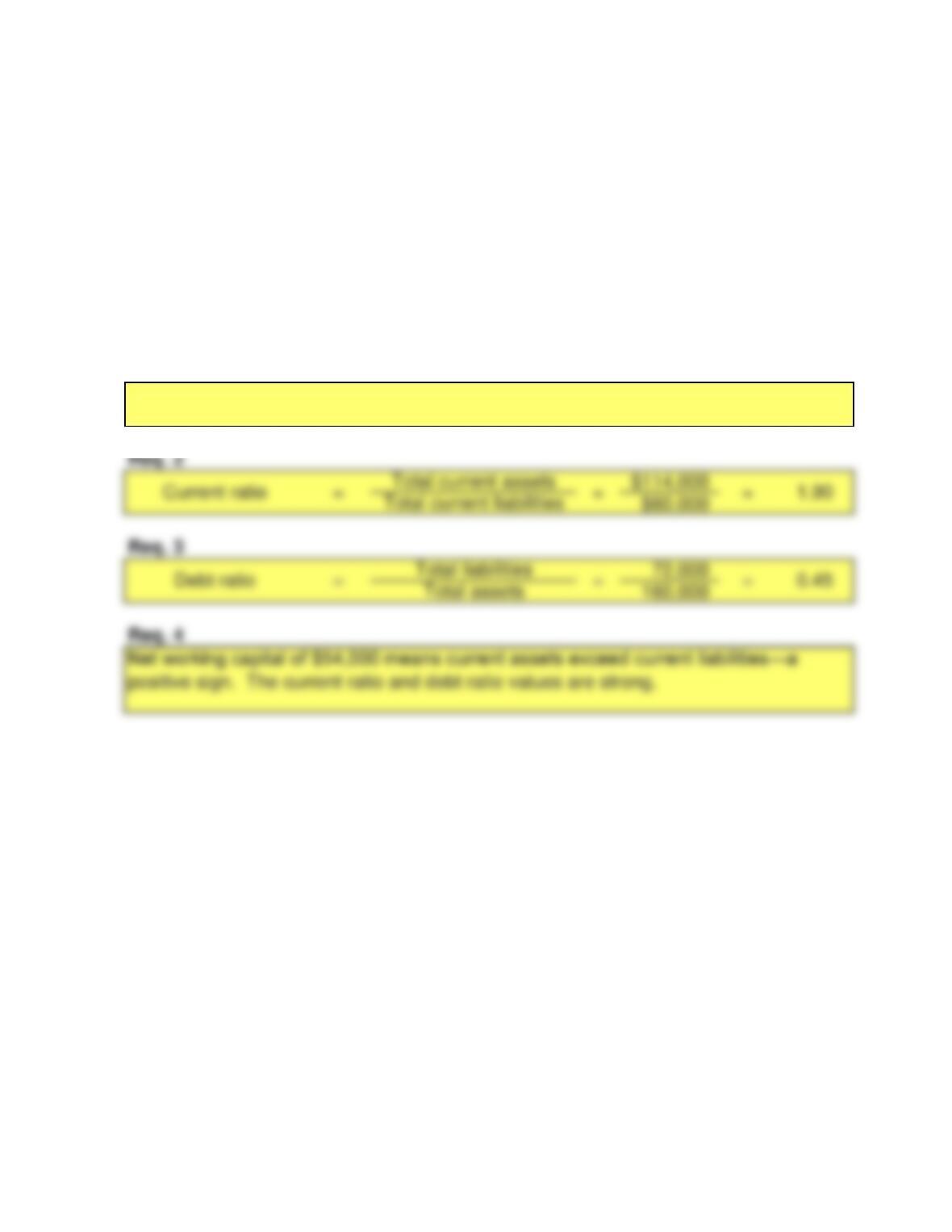
Net working capital = −
$54,000 = −
Total current assets
$114,000
Total current liabilities
$60,000
1. Compute Tree City’s net working capital.
2. Compute Tree City’s current ratio. Round to two decimal places.
3. Compute Tree City’s debt ratio. Round to two decimal places.
4. Do these values and ratios look strong, weak, or middle-of-the-road?
Chapter 3: Accrual Accounting and Income Page 18 of 105
Req. 2
Req. 3
Req. 4
FINANCIAL ACCOUNTING – Eleventh Edition Solutions Manual
S3-18
(10 min.)
Solution:
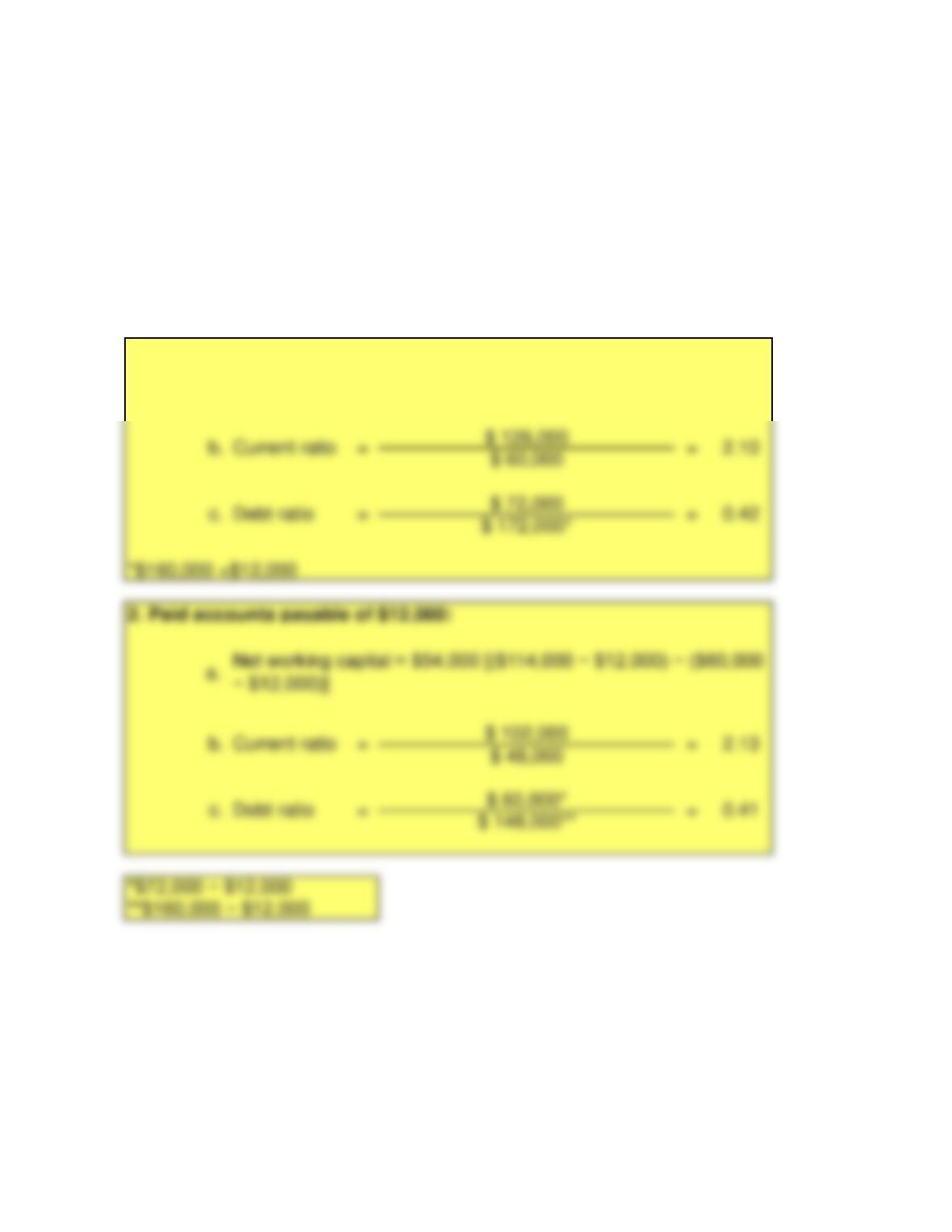
1. Earned revenue of $12,000 on account:
Compute Tree City Sporting Goods Company’s (a) net working capital, (b)
current ratio, and (c) debt ratio for each transaction. When calculating the
revised ratios, treat each of the above scenarios independently. Round ratios
to two decimal places.
a. Net working capital = $66,000 [($114,000 + $12,000) − $60,000]
Chapter 3: Accrual Accounting and Income Page 19 of 105
FINANCIAL ACCOUNTING – Eleventh Edition Solutions Manual
E3-19A
(5-10 min.)
Solution:
Millions
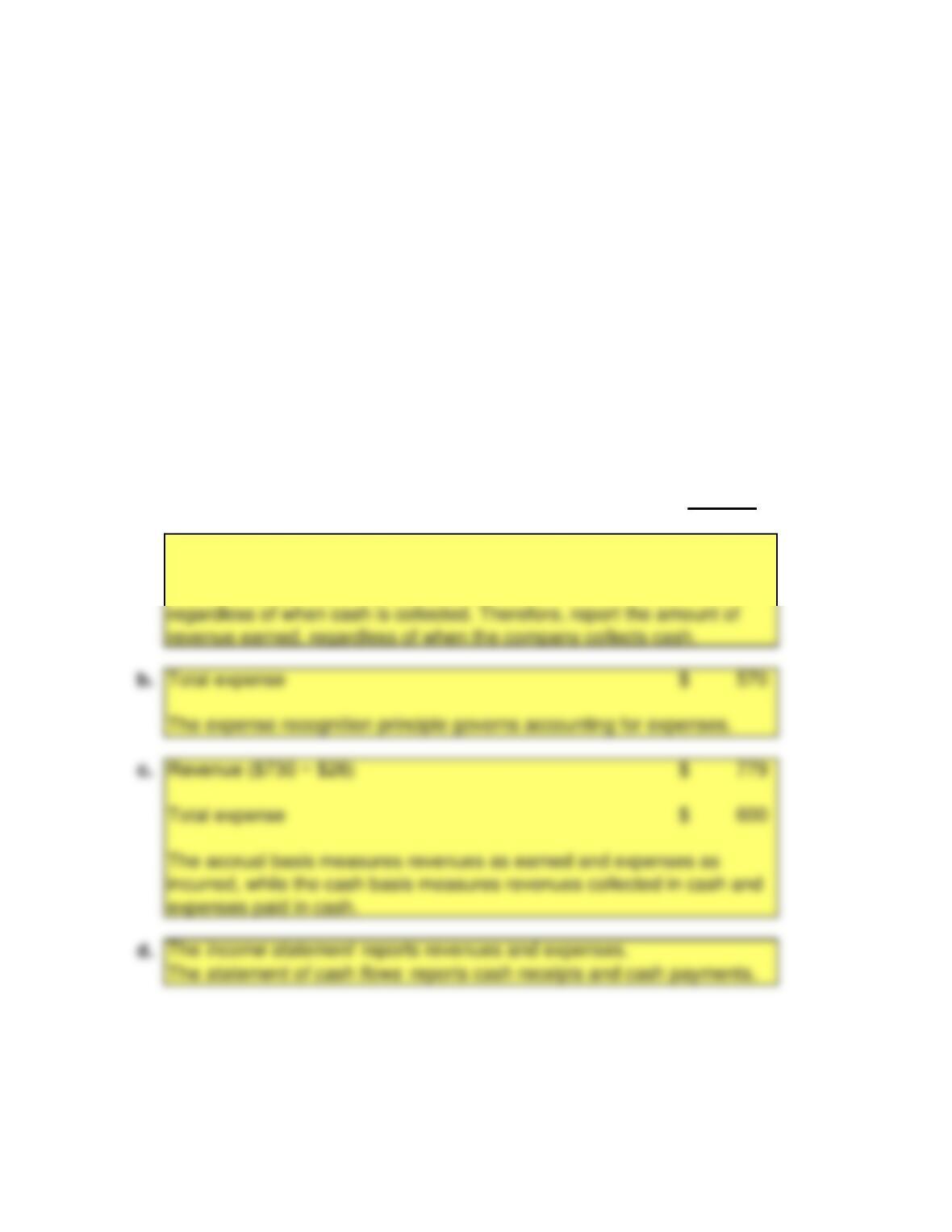
a. Revenue 800$
a. Under accrual accounting, what amount of revenue should Nicholson
Network report for 2016? How does the revenue principle help to answer
these questions?
b. Under accrual accounting, what amount of total expense should Nicholson
Network report for 2016? Which accounting principle helps to answer this
question?
c. Re-do parts a and b using the cash basis. Explain how the accrual basis
differs from the cash basis.
d. Which financial statement reports revenues and expenses? Which
statement reports cash receipts and cash payments?
The revenue principle says to record revenue when it has been earned ,
Chapter 3: Accrual Accounting and Income Page 20 of 105