1.
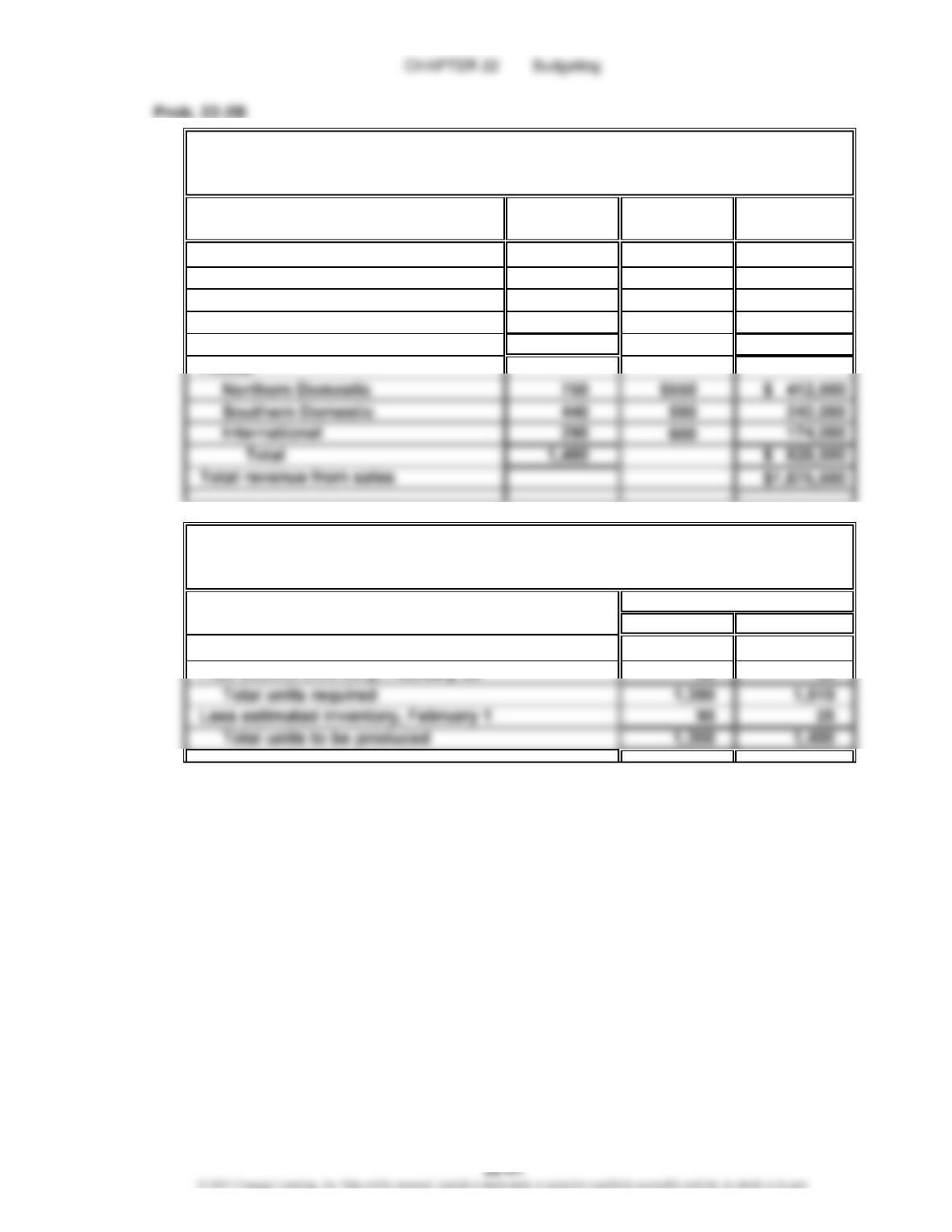
Unit Sales Unit Selling
Volume Price Total Sales
King:
Northern Domestic 610 $780 $ 475,800
Southern Domestic 340 780 265,200
International 360 850 306,000
Total 1,310 $1,047,000
2.
King Prince
Expected units to be sold 1,310 1,480
For the Month Ending February 28
Units
Product and Area
Royal Furniture Company
Sales Budget
For the Month Ending February 28
Royal Furniture Company
Production Budget
CHAPTER 22 Budgeting
Prob. 22-2B (Continued)
3.
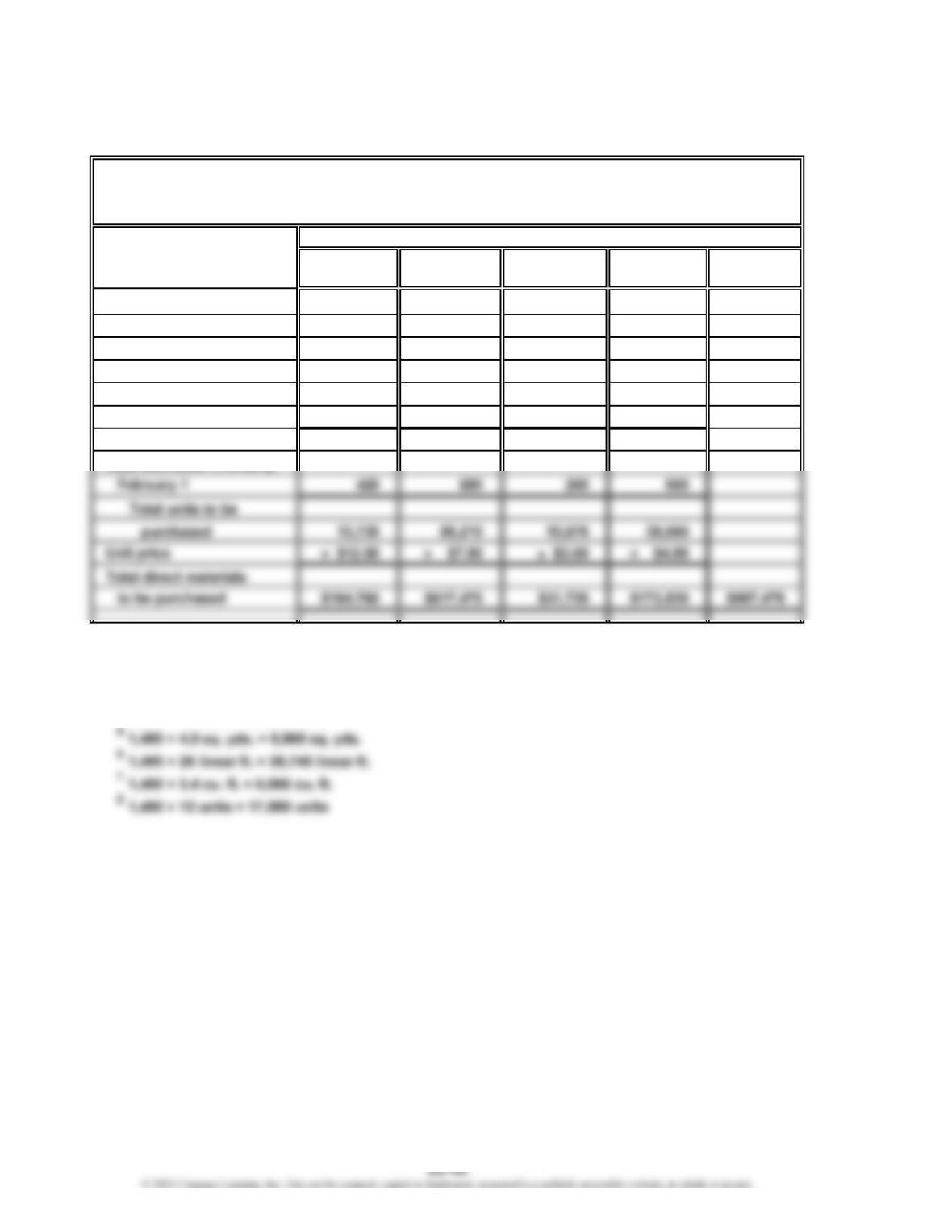
Fabric Wood Filler Springs
(sq. yds.) (linear ft.) (cu. ft.) (units) Total
Required units for
production:
King 7,800 49,400 5,460 20,800
Prince 5,960 38,740 5,066 17,880
Plus desired inventory,
February 28 390 650 300 540
Total units required 14,150 88,790 10,826 39,220
1
1,300 × 6.0 yds. = 7,800 sq. yds.
2
1,300 × 38 linear ft. = 49,400 linear ft.
3
1,300 × 4.2 cu. ft. = 5,460 cu. ft.
4
1,300 × 16 units = 20,800 units
Royal Furniture Company
Direct Materials Purchases Budget
For the Month Ending February 28
Direct Materials
1234
56 78
CHAPTER 22 Budgeting
Prob. 22-2B (Concluded)
4.
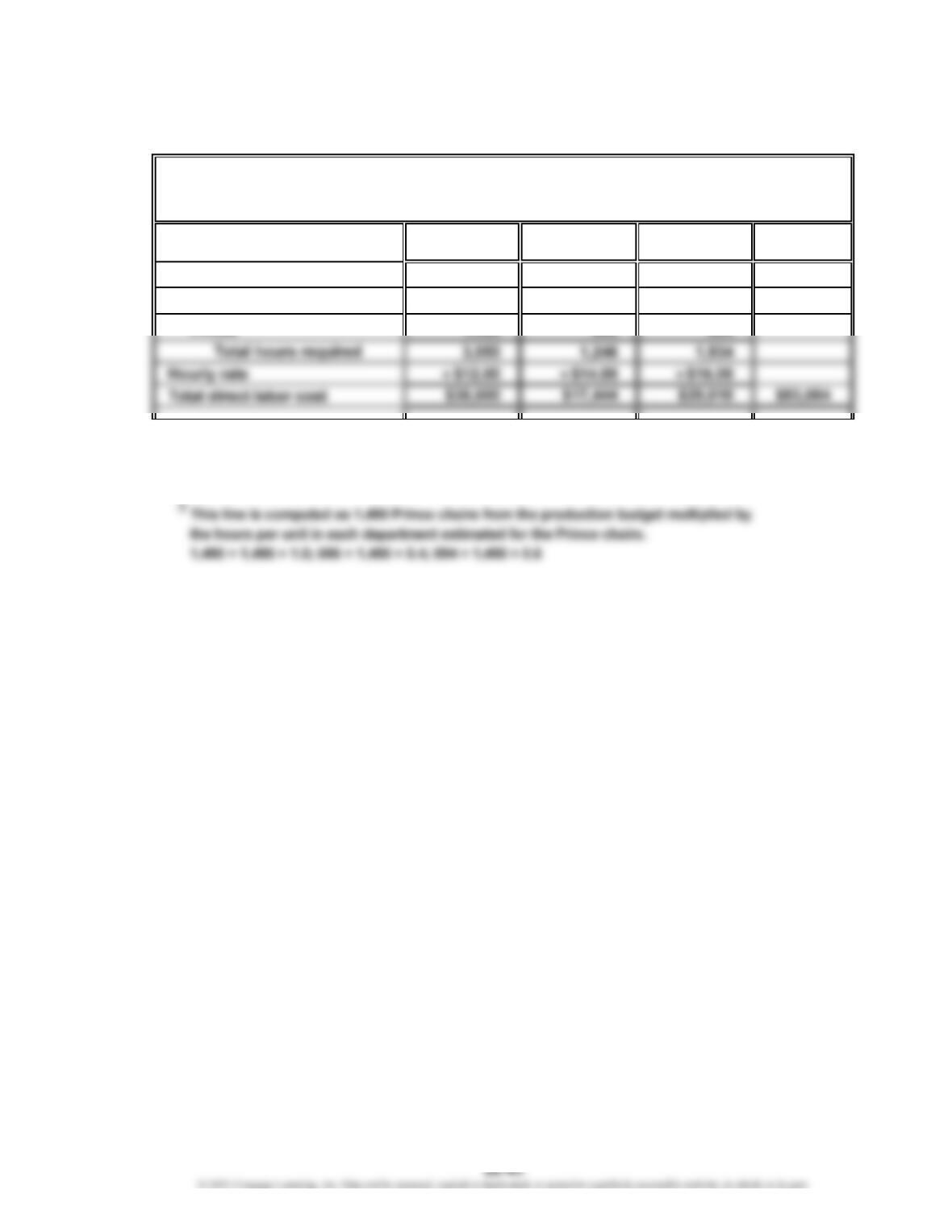
Framing Cutting Upholstery
Department Department Department Total
Hours required for production:
King
1
1,560 650 1,040
2
1
This line is computed as 1,300 King chairs from the production budget multiplied by
the hours per unit in each department estimated for the King chairs.
1,560 = 1,300 × 1.2; 650 = 1,300 × 0.5; 1,040 = 1,300 × 0.8
Royal Furniture Company
Direct Labor Cost Budget
For the Month Ending February 28
CHAPTER 22 Budgeting
Prob. 22-3B
1.
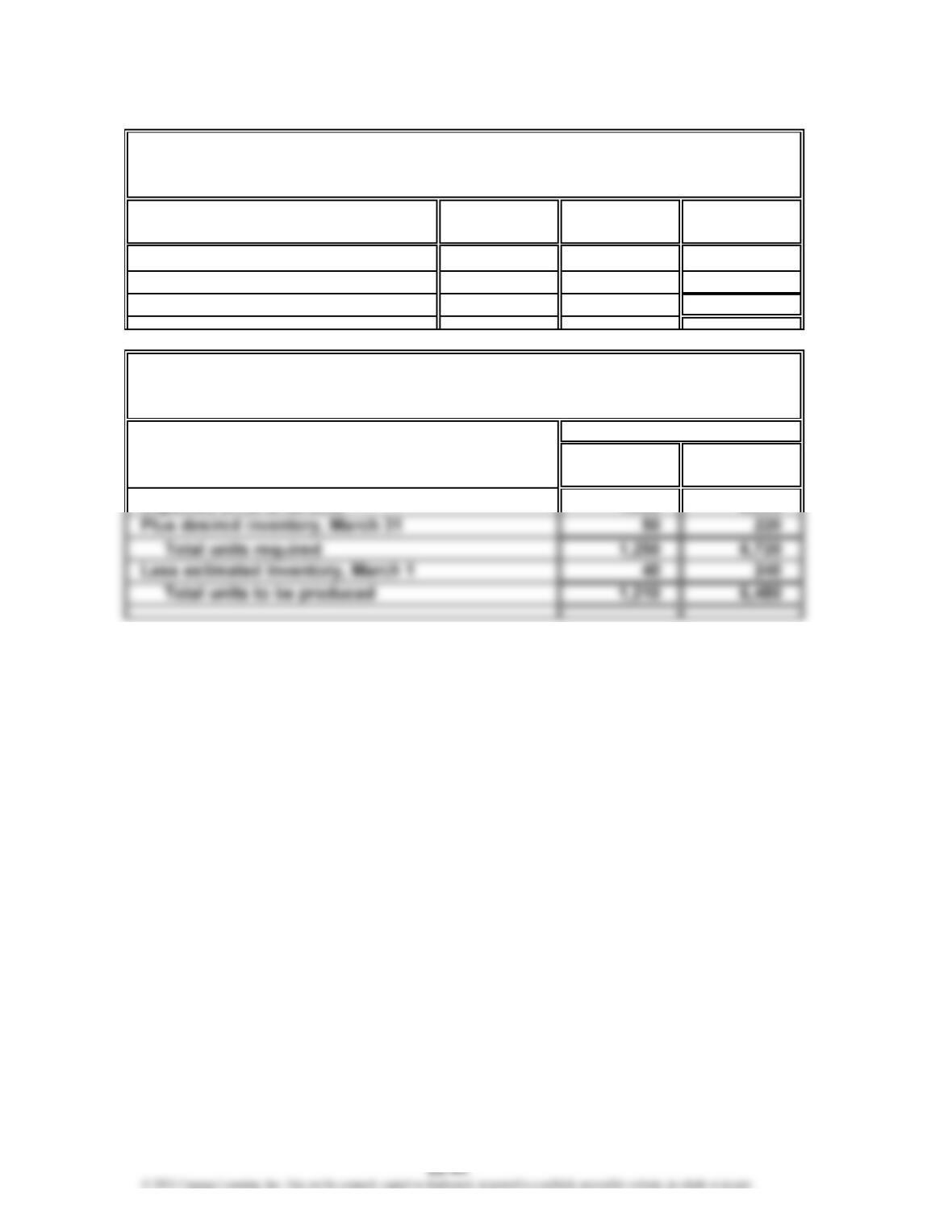
Unit Sales Unit Selling
Volume Price Total Sales
Batting helmet 1,200 $ 40 $ 48,000
Football helmet 6,500 160 1,040,000
Total revenue from sales $1,088,000
2.
Batting Football
Helmet Helmet
For the Month Ending March 31
Units
Gold Medal Athletic Co.
Sales Budget
For the Month Ending March 31
Gold Medal Athletic Co.
Production Budget
CHAPTER 22 Budgeting
Prob. 22-3B (Continued)
3.
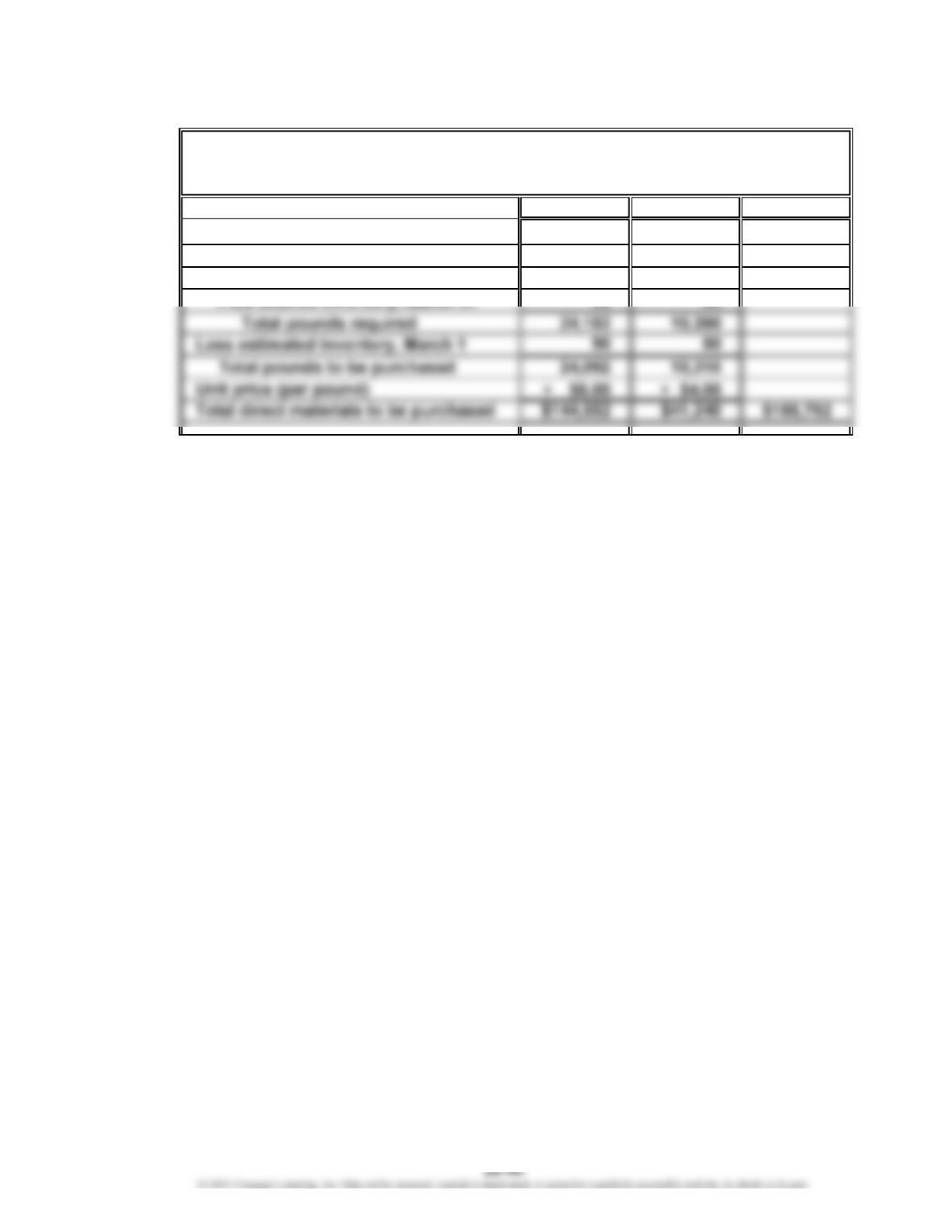
Plastic Foam Lining Total
Pounds required for production:
Batting helmet 1,452 605
Football helmet 22,680 9,720
1
1,210 × 1.20 lb. = 1,452 lb.
2
1,210 × 0.50 lb. = 605 lb.
3
6,480 × 3.50 lb. = 22,680 lb.
4
6,480 × 1.50 lb. = 9,720 lb.
Gold Medal Athletic Co.
Direct Materials Purchases Budget
For the Month Ending March 31
12
34
CHAPTER 22 Budgeting
Prob. 22-3B (Continued)
4.
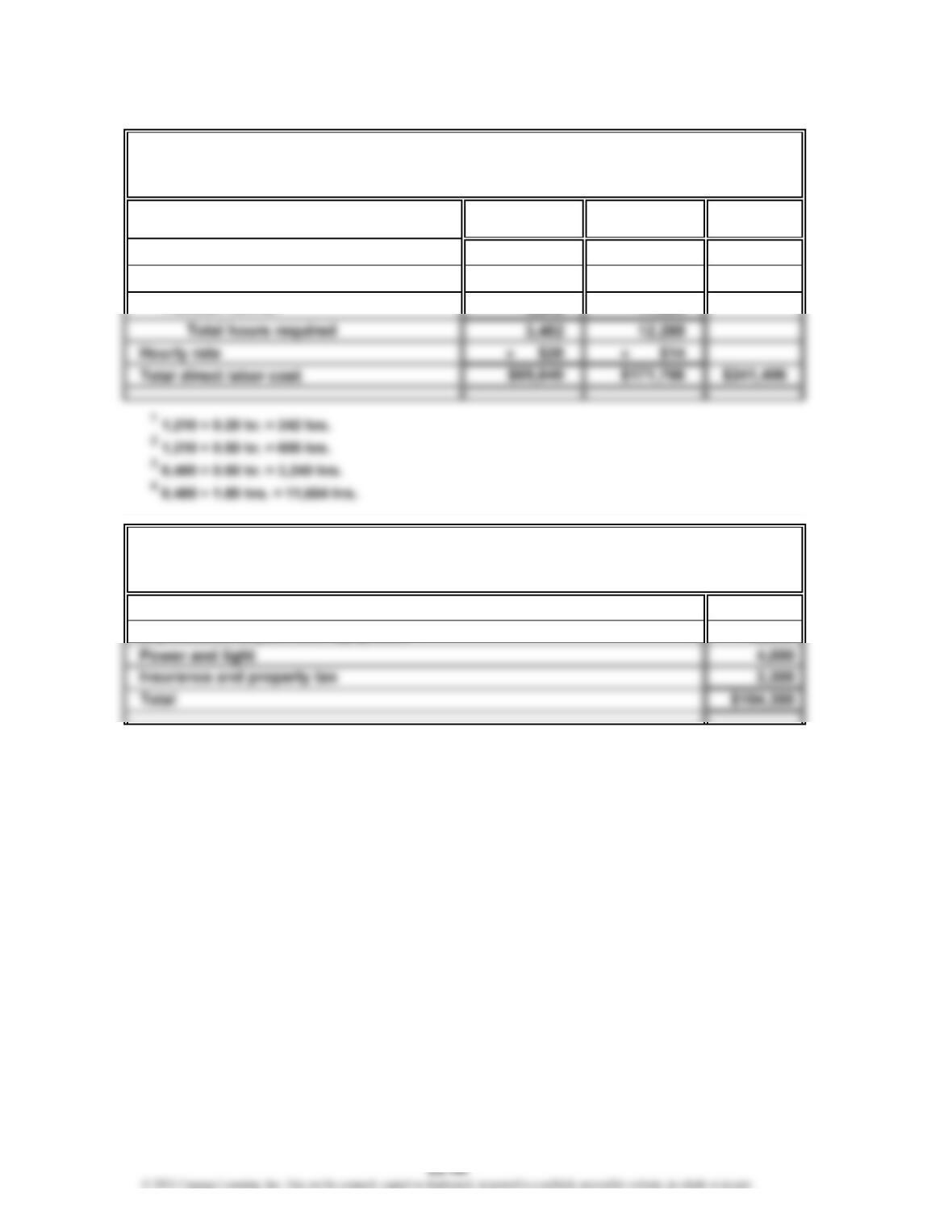
Molding Assembly
Department Department Total
Hours required for production:
Batting helmet 242 605
5.
Indirect factory wages $ 86,000
Depreciation of plant and equipment 12,000
Factory Overhead Cost Budget
For the Month Ending March 31
Gold Medal Athletic Co.
Direct Labor Cost Budget
For the Month Ending March 31
Gold Medal Athletic Co.
12
34
CHAPTER 22 Budgeting
Prob. 22-3B (Continued)
6.
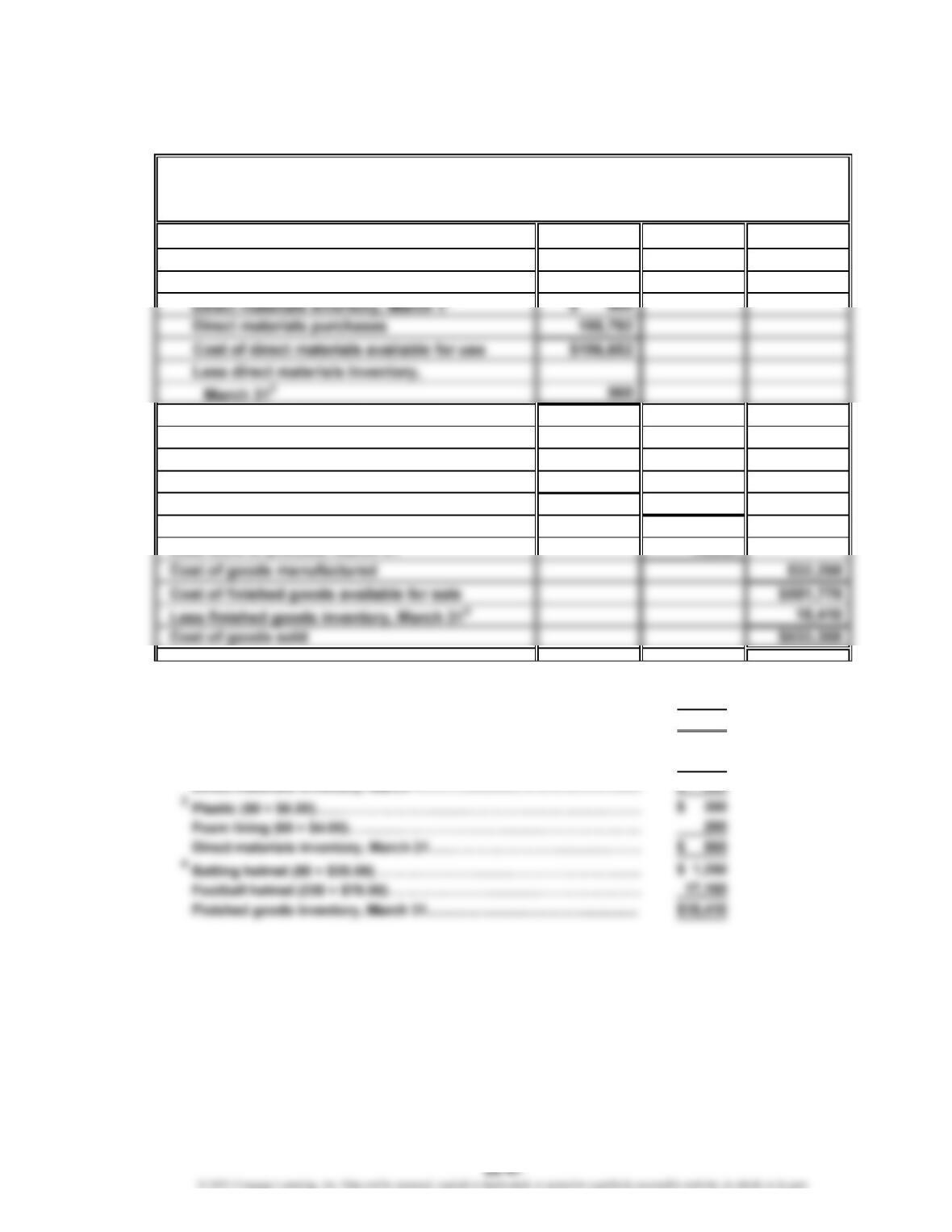
Finished goods inventory, March 1
1
$ 19,480
Work in process inventory, March 1 $ 15,300
Direct materials:
Cost of direct materials placed in
production $186,092
Direct labor 241,406
Factory overhead 104,300
Total manufacturing costs 531,798
Total work in process during period $547,098
1
Batting helmet (40 × $25.00)…………………………………………………
…
$ 1,000
Football helmet (240 × $77.00)………………………………………………
…
18,480
Finished goods inventory, March 1………………………………………… $19,480
2
Plastic (90 × $6.00)……………………………………………………………
…
$ 540
Foam lining (80 × $4.00)………………………………………………………
…
320
…
…
…
…
…
Gold Medal Athletic Co.
Cost of Goods Sold Budget
For the Month Ending March 31
CHAPTER 22 Budgeting
Prob. 22-3B (Concluded)
7.
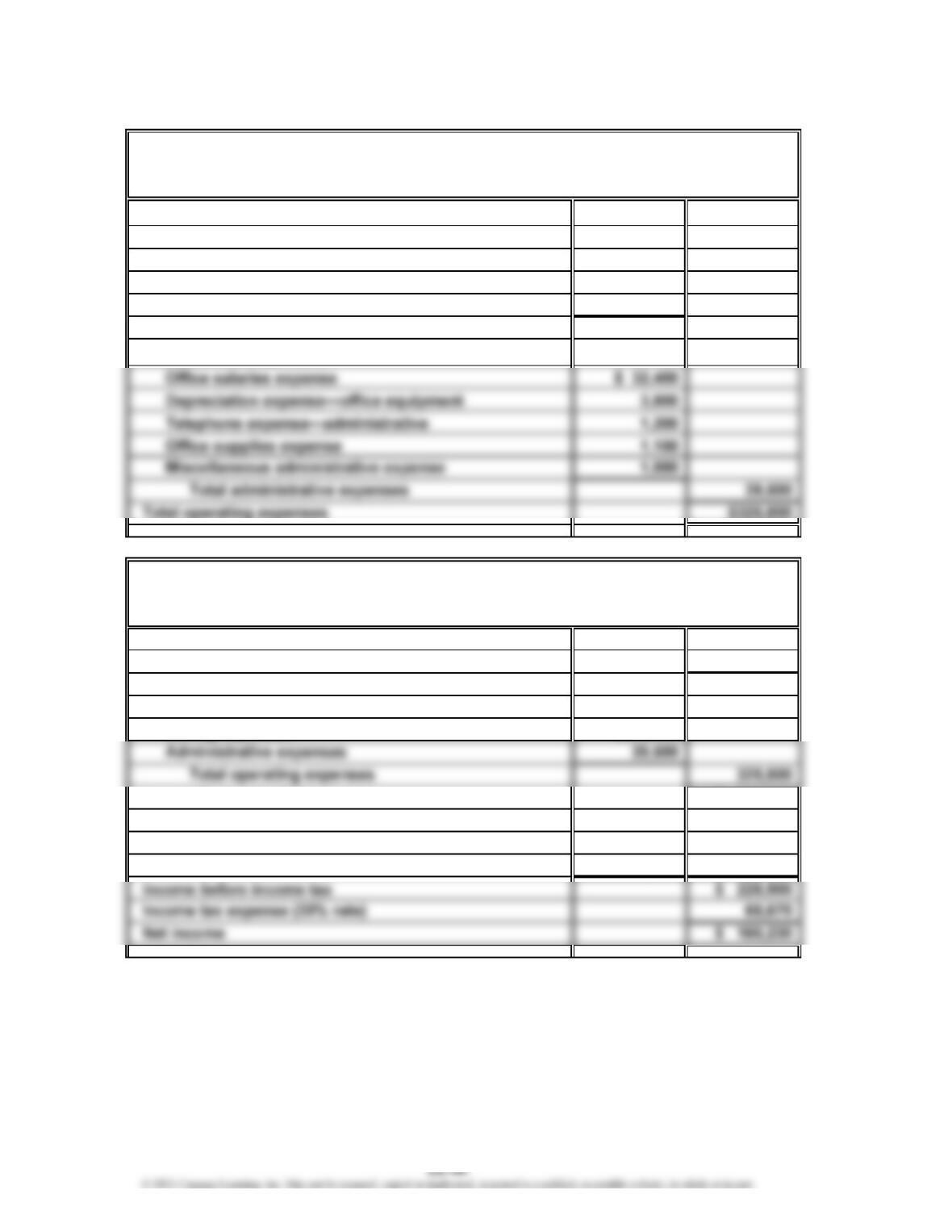
Selling expenses:
Sales salaries expense $184,300
Advertising expense 87,200
Telephone expense—selling 5,800
Travel expense—selling 9,000
Total selling expenses $286,300
Administrative expenses:
8.
Revenue from sales $1,088,000
Cost of goods sold 533,368
Gross profit $ 554,632
Operating expenses:
Selling expenses $286,300
Income from operations $ 228,832
Other revenue and expense:
Interest revenue $ 940
Interest expense (872) 68
Gold Medal Athletic Co.
Budgeted Income Statement
For the Month Ending March 31
Gold Medal Athletic Co.
Selling and Administrative Expenses Budget
For the Month Ending March 31
CHAPTER 22 Budgeting
Prob. 22-4B
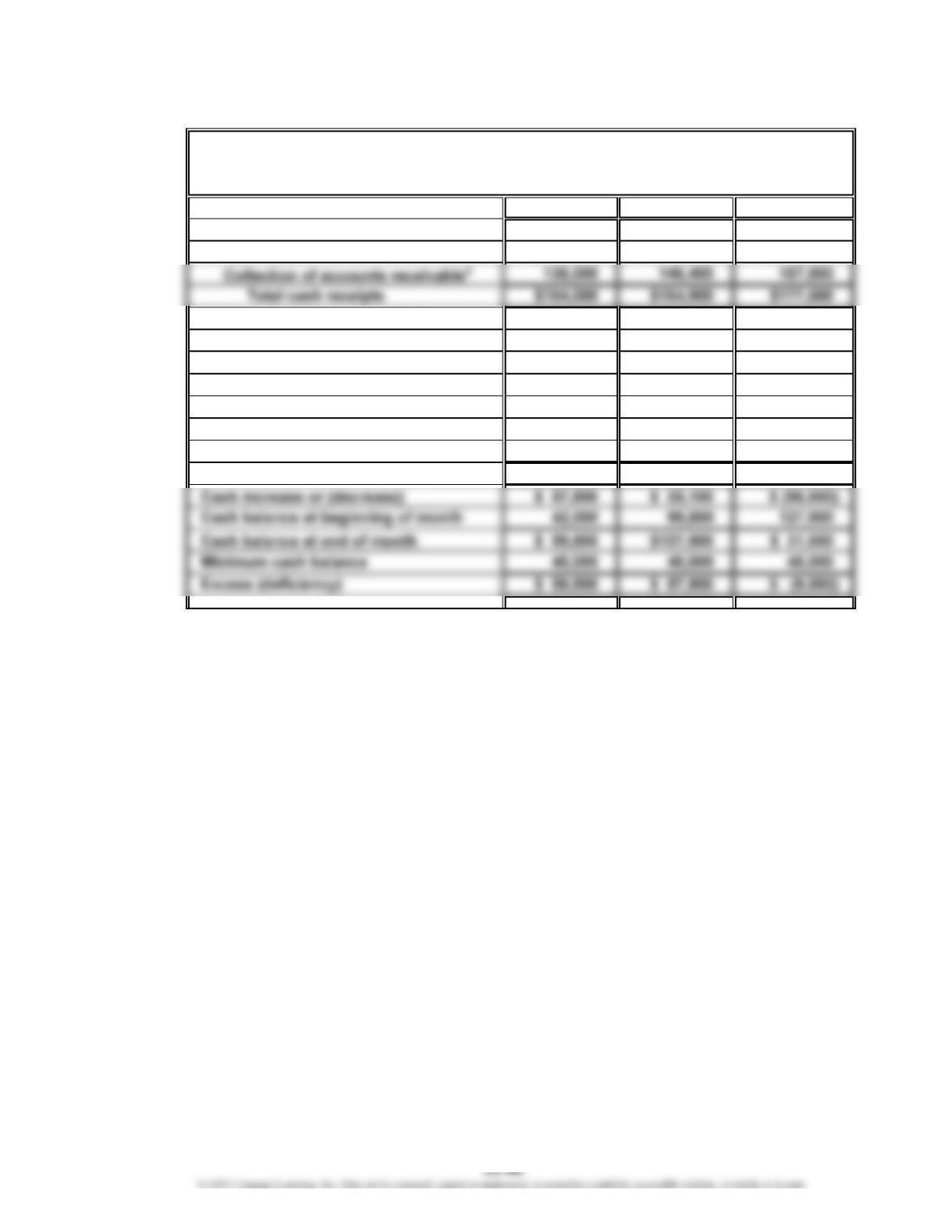
1.
June July August
Estimated cash receipts from:
Cash sales $ 16,000 $ 18,500 $ 20,000
Estimated cash payments for:
Manufacturing costsb$ 56,200 $ 66,800 $ 88,400
Selling and administrative expenses 40,000 46,000 51,000
Capital expenditures 120,000
Other purposes:
Income tax 24,000
Dividends 15,000
Total cash payments $ 96,200 $136,800 $274,400
Mercury Shoes Inc.
For the Three Months Ending June 30
Cash Budget
CHAPTER 22 Budgeting
Prob. 22-4B (Concluded)
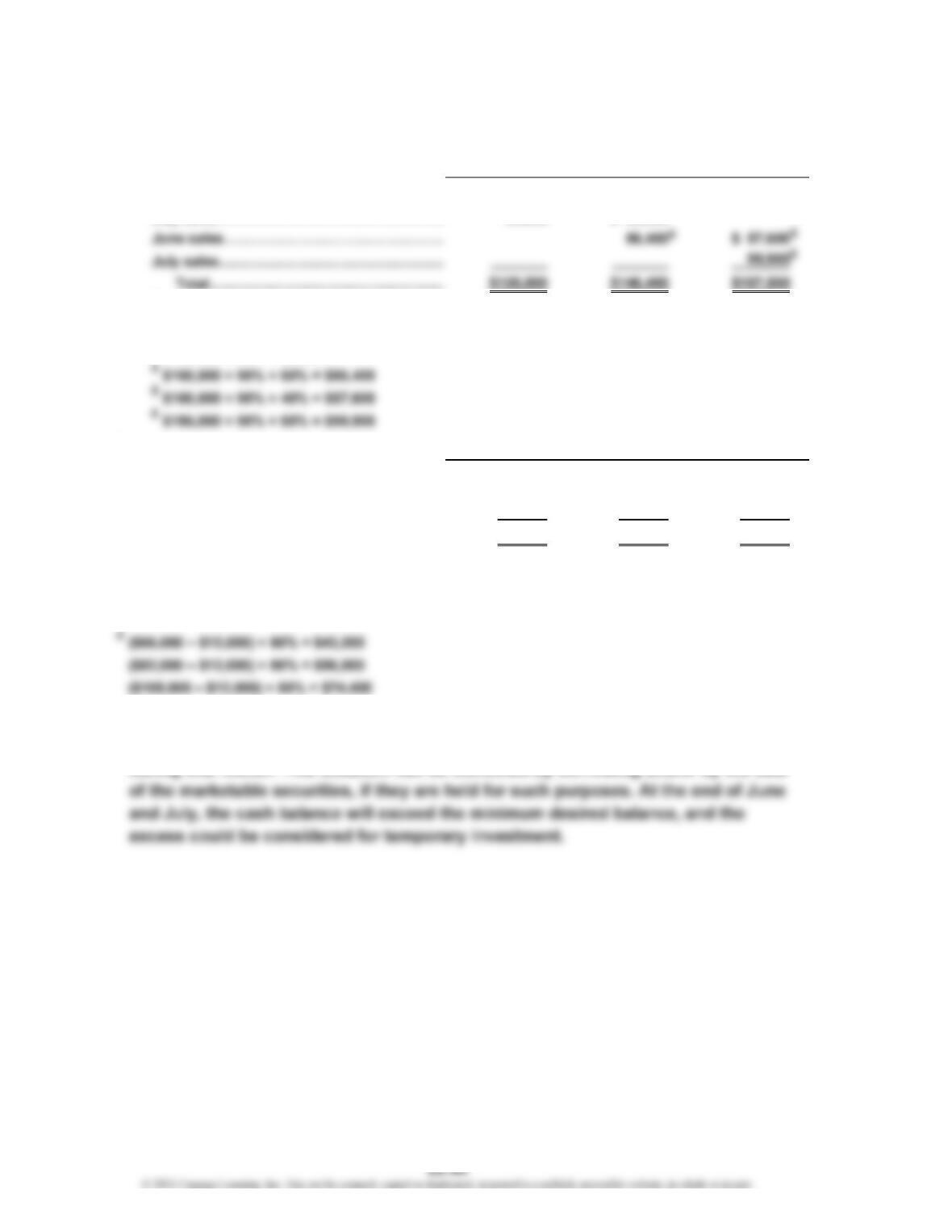
Computations:
a
Collections of accounts receivable: June July August
April sales………………………………………
…
$ 48,000
1
$120,000 × 40% = $48,000
2
$150,000 × 60% = $90,000
3
$150,000 × 40% = $60,000
b
Payments for manufacturing costs: June July August
Payment of accounts payable,
be
g
innin
g
of month balance
c
………………
…
$13,000 $10,800 $14,000
Pa
y
ment of current month’s cost
d
…………
…
43,200 56,000 74,400
Total…………………………………………
…
$56,200 $66,800 $88,400
c
Accounts payable, June 1 balance = $13,000
($66,000 – $12,000) × 20% = $10,800
($82,000 – $12,000) × 20% = $14,000
2. The budget indicates that the minimum cash balance will not be maintained in
August. This is due to the capital expenditures requiring significant cash outflows
1
23
…
CHAPTER 22 Budgeting
Prob. 22-5B
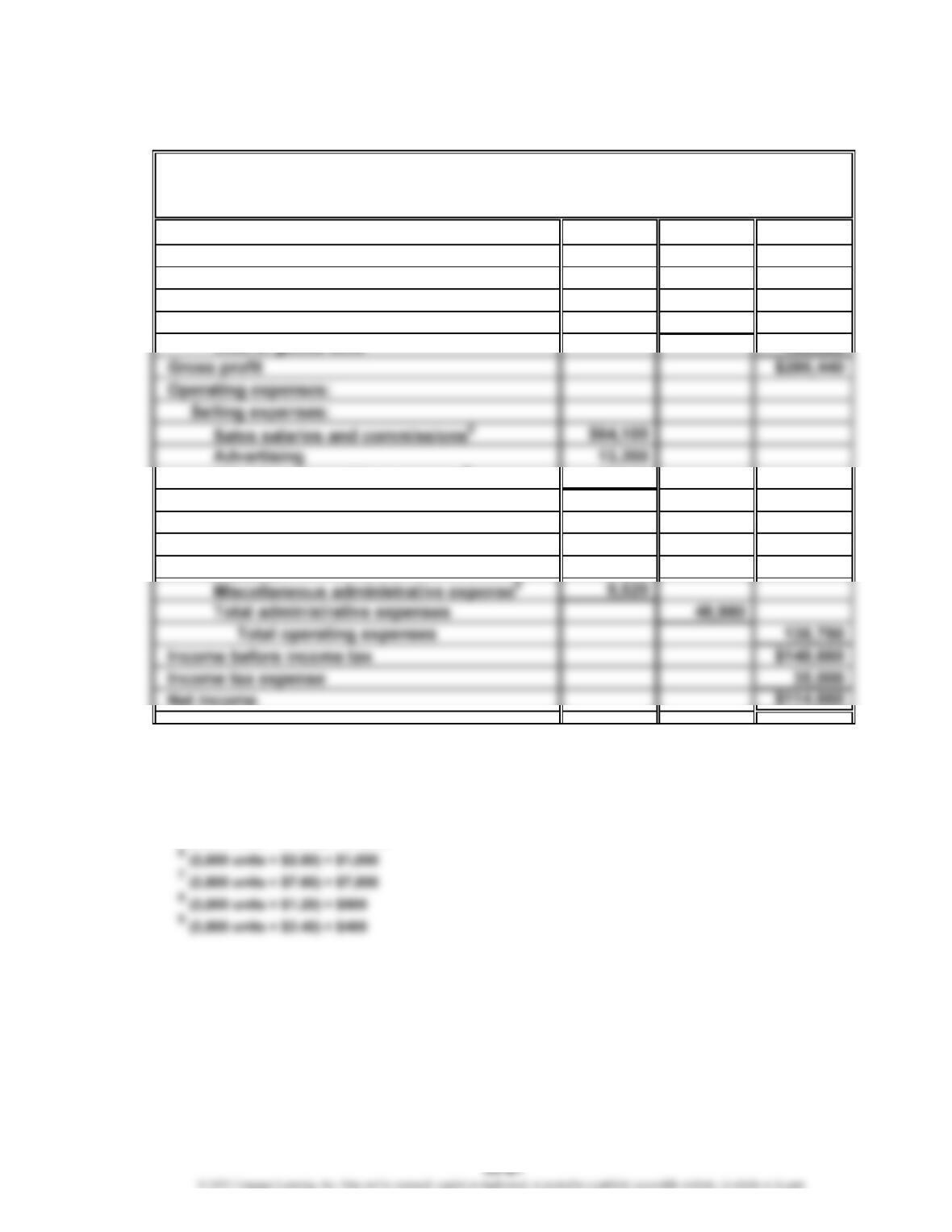
1.
Sales1$456,000
Cost of goods sold:
Direct materials2$114,000
Direct labo
r
331,920
Factor
y
overhead423,640
Miscellaneous sellin
g
ex
p
enses610,500
Total selling expenses $ 87,800
Administrative expenses:
Office and officers salaries7$34,400
Su
pp
lies85,060
Net income $114,660
13,800 units × $120
23,800 units × $30
33,800 units × $8.40
4(3,800 units × $4.80) + $4,000 + $1,400
5(3,800 units × $13.50) + $12,800
Mesa Publishing Co.
Budgeted Income Statement
For the Year Ending December 31, 20Y8
CHAPTER 22 Budgeting
Prob. 22-5B (Continued)
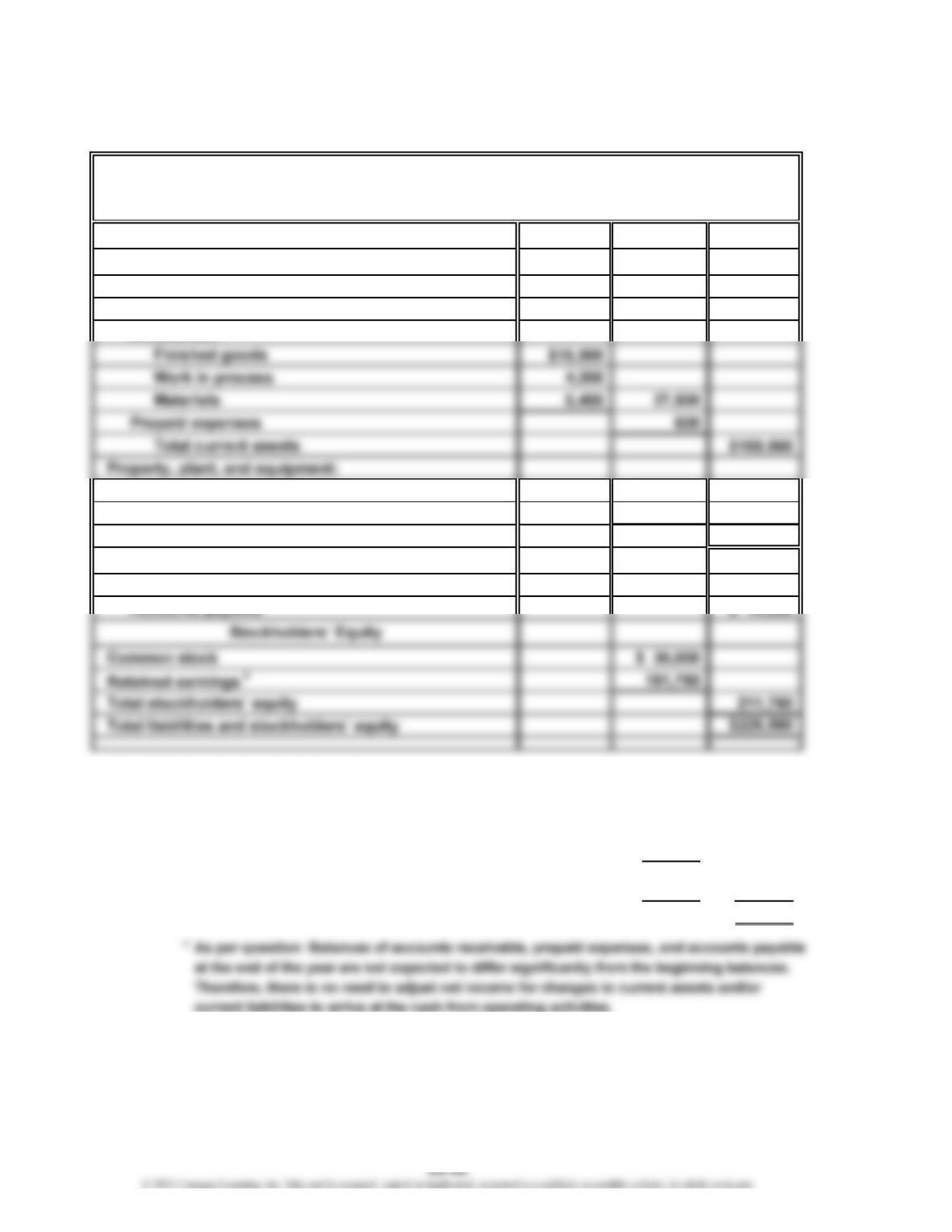
2.
Current assets:
Cash 1 $106,660
Accounts receivable 23,800
Plant and equipment 2 $104,000
Less accumulated depreciation 3 36,000 68,000
Total assets $226,560
Current liabilities:
1Cash balance, December 31, 20Y8:
Balance, January 1, 20Y8………………………………………………………
…
$ 26,000
Add: Cash from operations
Net income*……………………………………………………………… $114,660
Depreciation of plant and equipment………………………………
…
4,000 118,660
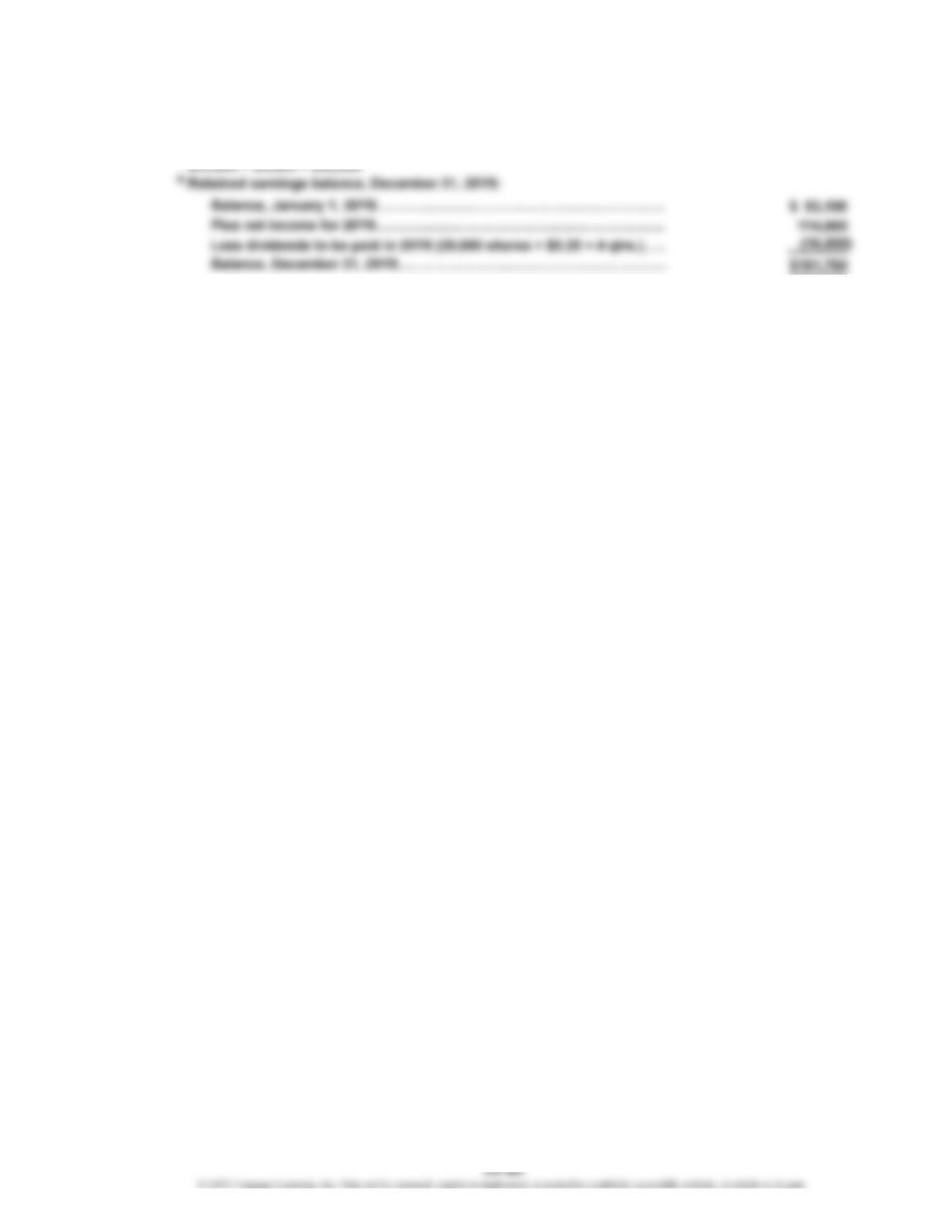
Less: Dividends to be paid in 20Y8 (20,000 shares × $0.20 × 4 qtrs.)… $ 16,000
Plant and equipment to be acquired in 20Y8……………………… 22,000 (38,000)
Cash balance, December 31, 20Y8……………………………………………
…
$106,660
Mesa Publishing Co.
Budgeted Balance Sheet
December 31, 20Y8
Assets
Liabilities
CHAPTER 22 Budgeting
Prob. 22-5B (Concluded)
2$82,000 + $22,000 = $104,000
3$32,000 + $4,000 = $36,000
CHAPTER 22 Budgeting
CP 22-1
Cam should reject Megan’s request to charge the convention-related costs against
July’s budget. This is just one example of many attempts to slide expenses into
different budget periods than when actually incurred. This is a common issue that
controllers face. Often, operating managers will attempt to accelerate future
expenditures into low-expenditure months or delay present expenditures into future
periods in order to avoid going over budget. These attempts to “slide” expenditures
CASES & PROJECTS
CHAPTER 22 Budgeting
CP 22-2
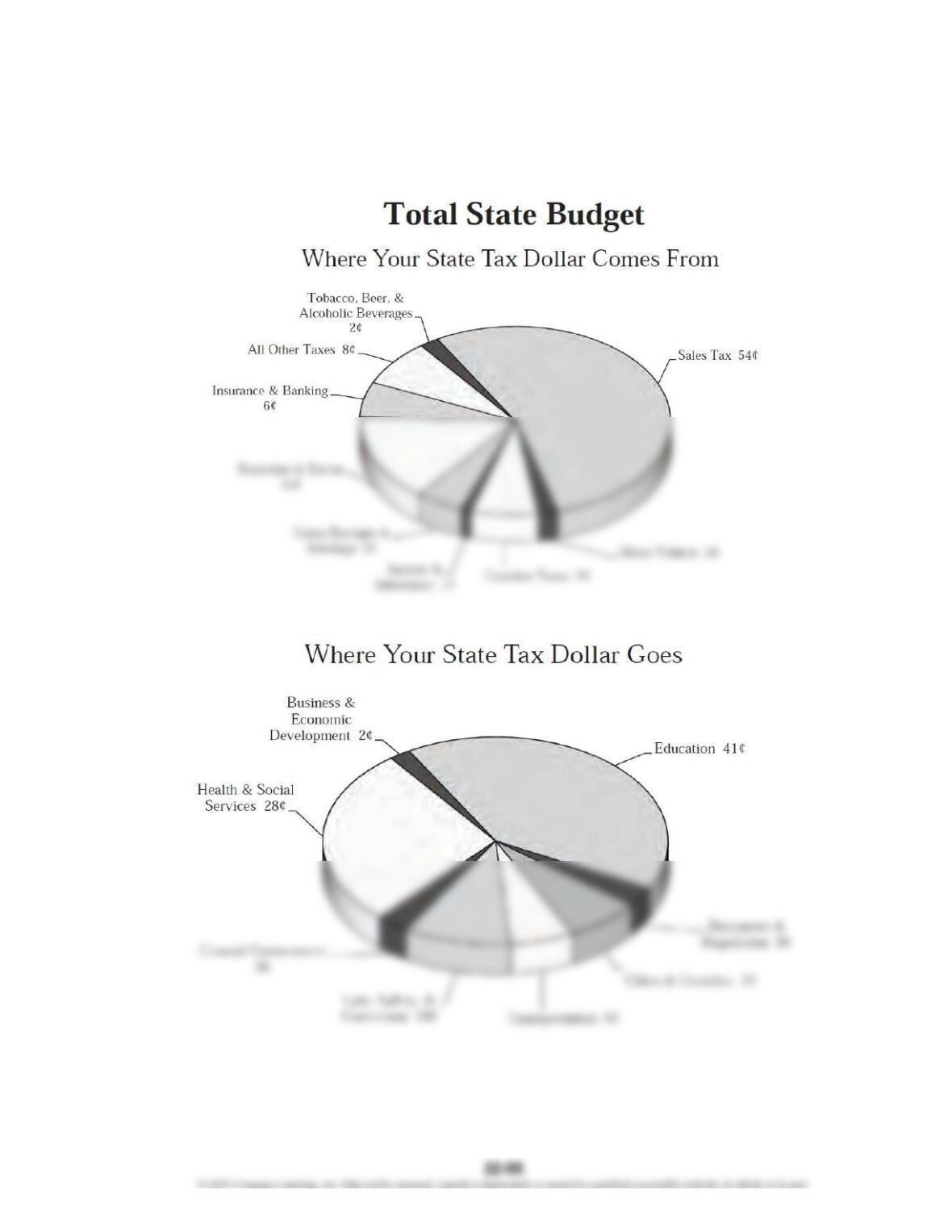
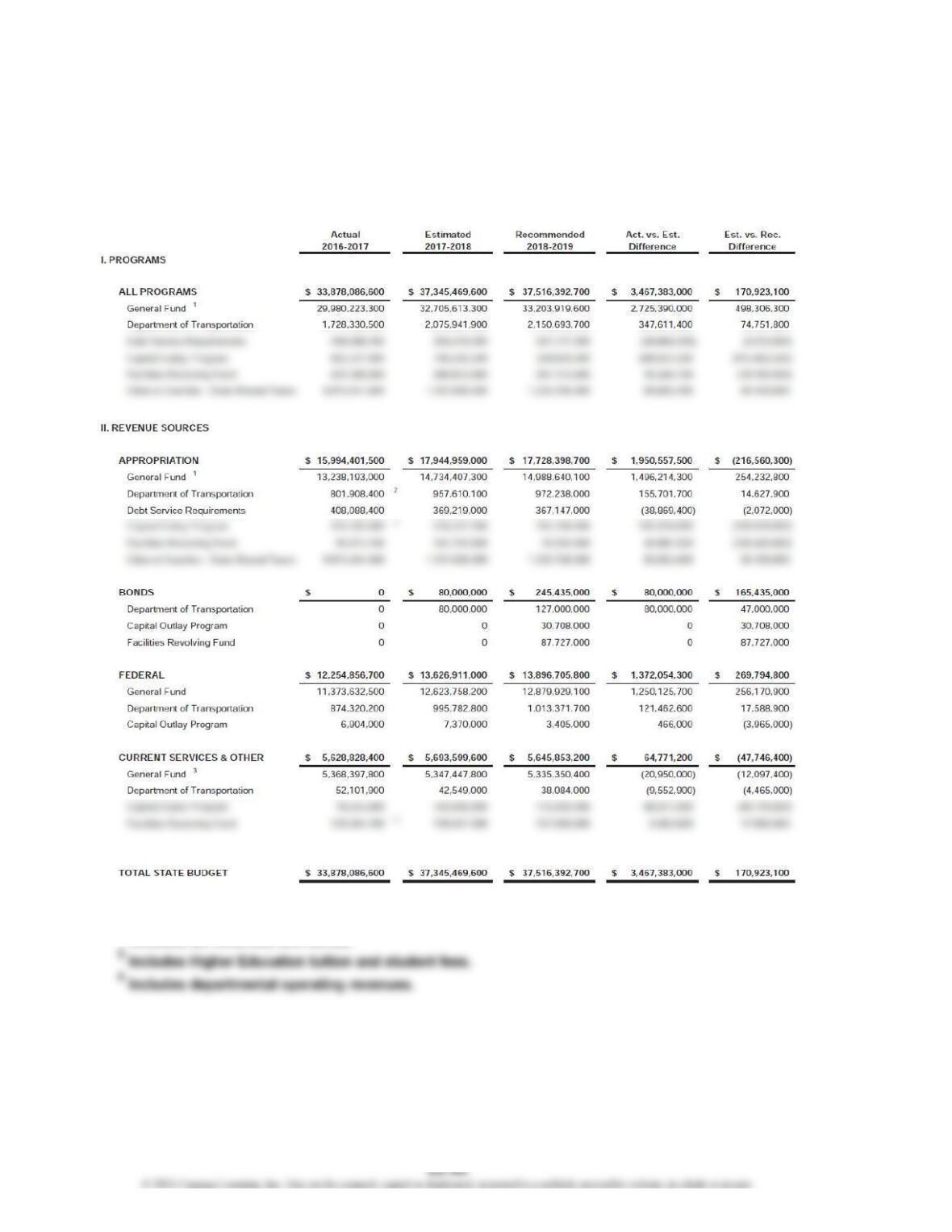
Answers will vary per state selected. Examples from the state of Tennessee are shown
here.
Fiscal Year 2018–2019
CHAPTER 22 Budgeting
CP 22-2 (Concluded)
1
General Fund includes Education Lottery-funded programs.
2
Total State Budget
Comparison of Programs and Revenue Sources
Fiscal Years 2016–2017, 2017–2018, and 2018–2019
CHAPTER 22 Budgeting
CP 22-3
Memo
To: Stacy Collins
From: Ima Student
Re: Evaluating City of Milton Budget
After reviewing the city of Milton’s budget data, it appears that considerable goal conflict
exists within departments, resulting in department managers making poor budgeting and
spending decisions. The amount of actual expenditures was less than budgeted for the
first 10 months of the budget year. As the budget year-end approached, department
managers appear to have spent the remaining excess budget, going over budget in
May and June. The amount spent for the year was equal to the total amount budgeted
because the difference between the annual actual and budgeted totals is zero. Thus, the
managers did not spend more than was authorized for the year. However, the managers
There are a number of techniques that the city could undertake to more effectively
budget and align departmental behavior with the city’s goals. First, departments could
adopt flexible budgets, which allow for monthly budgets to change with underlying
allow a manager to request additional funds after the budget year has begun. With this
solution, department managers would not need to hold back spending for emergencies,
because emergencies could be handled with a separate request. For example, if the town
had a natural disaster, police and fire departments could request additional funding to
meet the increased budget need. Finally, the budget could be designed to encourage
thrift. For example, the budget could be designed so that managers carry forward a
portion of their unspent budget to future years. This system would reward departmental
CHAPTER 22 Budgeting
CP 22-4
a. The hospital’s new budget method is clearly an example of a flexible budget. The
budget changes with changes in underlying activity, such as patient-days.
Patient-days are the number of patients multiplied by the number of days in the
b. The advantage of a flexible budget is to accurately plan variable costs of the
hospital with changes in the underlying activity base. Using a static budget
would create actual deviations from budget that would be difficult to interpret.
Managers would not be able to determine if the deviations were the result of cost
(in)efficiencies or whether they were due to changes in activity level. A flexible
CP 22-5
a. The budget information indicates that the actual expenditures by the Operations
Department exceeded what was planned by $12,000. The bank manager may ask
the operations manager why the travel and training expenditures exceeded the
plan by a total of $20,000. It may be that the additional expenditures were
necessary, but an explanation is in order.
b. The bank manager does not know if the actual resources consumed by the
Operations Department are the right amount of resources for doing the right
things. In other words, this budget doesn’t say anything about the actual work
of the Operations Department and how much cost this work consumes. The bank
manager doesn’t have a good sense if there is waste in the department or not. The
CHAPTER 22 Budgeting
CP 22-5 (Concluded)
The budget doesn’t indicate why there was more travel and training than expected.
Maybe the department introduced a new computer system, and all employees
needed off-site training in order to use the system. This would explain the
additional spending on travel and training. The training needed to be done,
regardless of the budget.
CP 22-6
Domino’s could use a master budget to plan operations consistent with the sales
forecast. The sales forecast could be used to develop the production budget for
pizzas. The sales and production budgets would be identical because there would
be no finished goods inventory for cooked pizzas. The sales (production) budget
would be used to develop a direct materials purchases budget. For example, the
pizza ingredients, packaging materials, beverages, and other materials could be
planned from the sales budget. In addition, the cost of delivery fuel (driver
reimbursement for gas) could be planned from the sales budget. The sales
The budget process could be used to direct and coordinate all the various
restaurants. In this way, all the managers would be operating under the same set
of assumptions. The actual performance of the company and the individual stores
could be compared with the budget in order to provide all levels of the organization
appropriate feedback and control. This feedback can be used to adjust operations to