Chapter 12
Valuation: Cash-Flow-Based Approaches
12-21
Part II—Computing Walmart’s Share Value Using Free Cash Flows to All
Debt and Equity Stakeholders
g. Walmart’s capital structure at the end of 2015 consists of the following
amounts and proportions:
RA = [0.178 × 0.050 × (1 – 0.320)] + [0.811 × 0.090] + [0.011 × 0.1259] =
0.604 + 7.297 + 0.147 = 8.047%
h., i., j., k., and l.
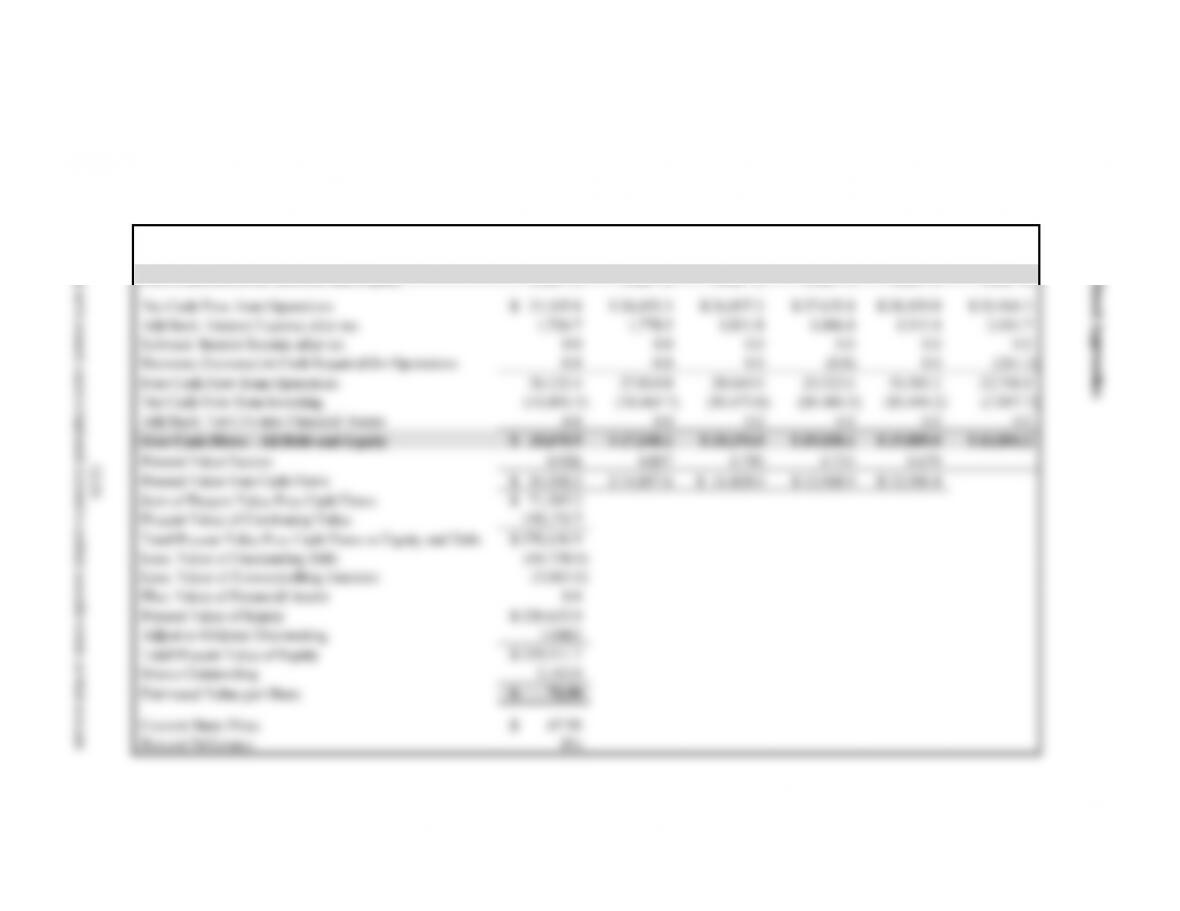
Exhibit 12.E presents the excerpts from FSAP for the valuation of Walmart based on
projected free cash flows to all debt and equity stakeholders. The first rows of the
table present the computations for Walmart’s projected free cash flows for all debt
used to compute the weighted-average cost of capital are not internally consistent
Chapter 12
Valuation: Cash-Flow-Based Approaches
12-22
h. Projected amounts of free cash flows for all debt and equity stakeholders in Years +1
through +5 are as follows:
Year +1 Year +2 Year +3 Year +4 Year +5
i. Projected free cash flows for all debt and equity stakeholders in Year +6 are as
follows:
Year +6
j. The data in Exhibit 12.E show that the sum of the present value of free cash flows for
all debt and equity stakeholders for Walmart for Years +1 through +5, discounted at a
k. The data in Exhibit 12.E show that the present value at the start of Year +1 of the
Chapter 12
Valuation: Cash-Flow-Based Approaches
12-23
l. The data in Exhibit 12.E show the following computations:
(2) Subtracting the value of debt and noncontrolling interests provides the present
(3) After adjusting the sum of the present value using the midyear discounting
© 2018 Cengage Learning®. May not be scanned, copied or duplicated, or posted to a publicly accessible website, in whole or in part.
Chapter 12
Valuation: Cash-Flow-Based Approaches
Exhibit 12.E
Free-Cash-Flows-Based Valuation of Walmart Stores
(amounts in millions except per share amounts)
(Integrative Case 12.1)
Continuing
1 2 3 4 5 Value
Free Cash Flows for All Debt and Equity Year +1 Year +2 Year +3 Year +4 Year +5 Year +6
Chapter 12
Valuation: Cash-Flow-Based Approaches
12-25
Part III—Sensitivity Analysis and Recommendation
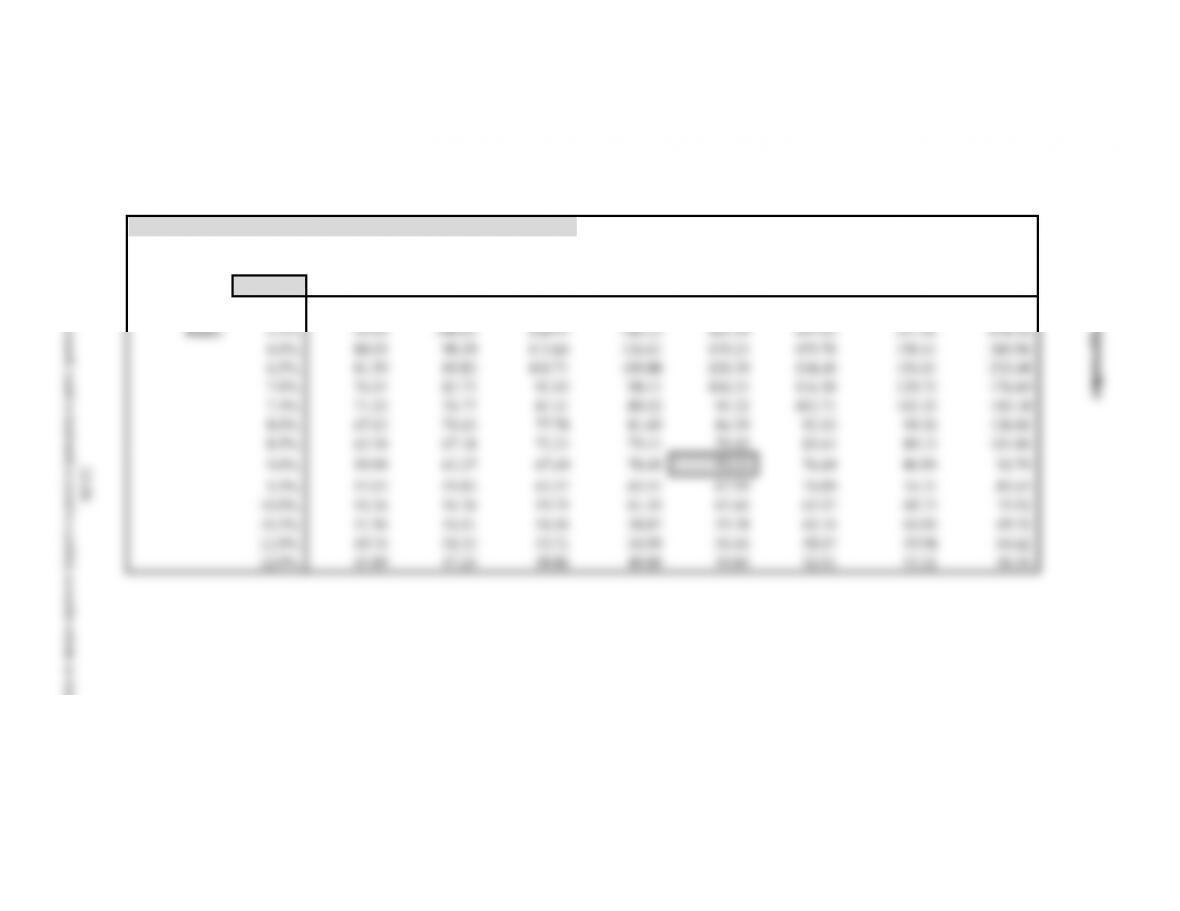
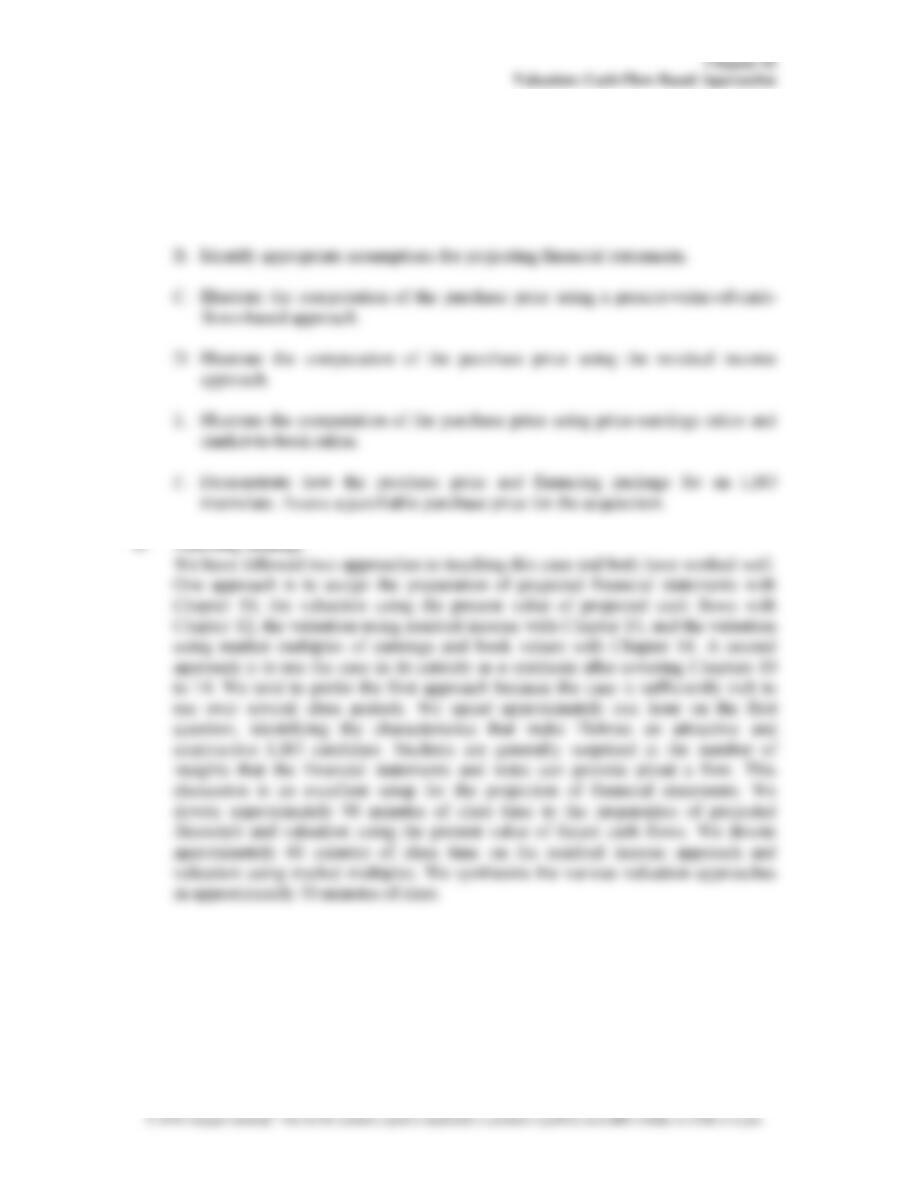
m. The data in Exhibit 12.F show the results of various sensitivity analysis scenarios,
$67.50.
n. At the start of Year +1, Walmart’s share price was $67.50. Our baseline share value
estimate is $73.11, implying that Walmart shares are underpriced by roughly 8%.
© 2018 Cengage Learning®. May not be scanned, copied or duplicated, or posted to a publicly accessible website, in whole or in part.
Chapter 12
Valuation: Cash-Flow-Based Approaches
Exhibit 12.F
Free-Cash-Flows-Based Valuation of Walmart Stores—Sensitivity Analyses
(Integrated Case 12.1)
Free Cash Flow Valuation Sensitivity Analysis:
Long-Run Growth Assumptions
73.11 0.0% 1.0% 2.0% 2.5% 3.0% 3.5% 4.0% 5.0%
Discount 5.0% 104.84 121.55 149.39 171.67 205.08 260.78 372.16 na
12-27
Case 12.2
Holmes Corporation: LBO Valuation
I. Case Objectives and Questions
A. Identify attractive and unattractive characteristics of an LBO candidate.
Chapter 12
Valuation: Cash-Flow-Based Approaches
12-28
III. Holmes as an LBO Candidate
A. Factors that make Holmes an attractive LBO candidate
would like to get immediate tax savings from interest deductions on the
3. Despite management’s statements about the importance of having a
0.5% ($479,410/$102,698,836 in Year 15). Rapid technology changes
4. Highly liquid assets. Holmes could probably sell its accounts receivable and
5. Dividends that the company could cut. Holmes will be privately held after
the LBO. The purchasers would prefer not to take out dividends, which are
6. No apparent “golden parachutes.” No large payments need to be paid to
12-29
8. Relatively low level of fixed costs (approximately $1.7 million of $90
million operating costs), so not much operating leverage. High operating
10. Could shift to LIFO to save taxes. LIFO charges the most recent costs to
12. Managerial expertise probably not critical to running this business. The
13. Has two identifiable segments, making breakup of Holmes easier if
14. Has an overfunded pension plan when pension liabilities are measured using
the accumulated benefit obligation. The purchasers might revert the excess
B. Factors that make Holmes an unattractive LBO candidate
Chapter 12
Valuation: Cash-Flow-Based Approaches
5. Much of sales growth has recently come from abroad (21.4% of Year 14
6. Most of cash represents customer advances that company should not use to
finance an LBO.
8. Nature of company’s technological edge in foreign markets unclear. Given
the low level of R&D, any technological edge could quickly dissipate if
other firms are able to duplicate the technology in foreign markets. Note that
Holmes does not suggest that it has any technology advantage in domestic
markets.
IV. Projecting Future Financial Statements
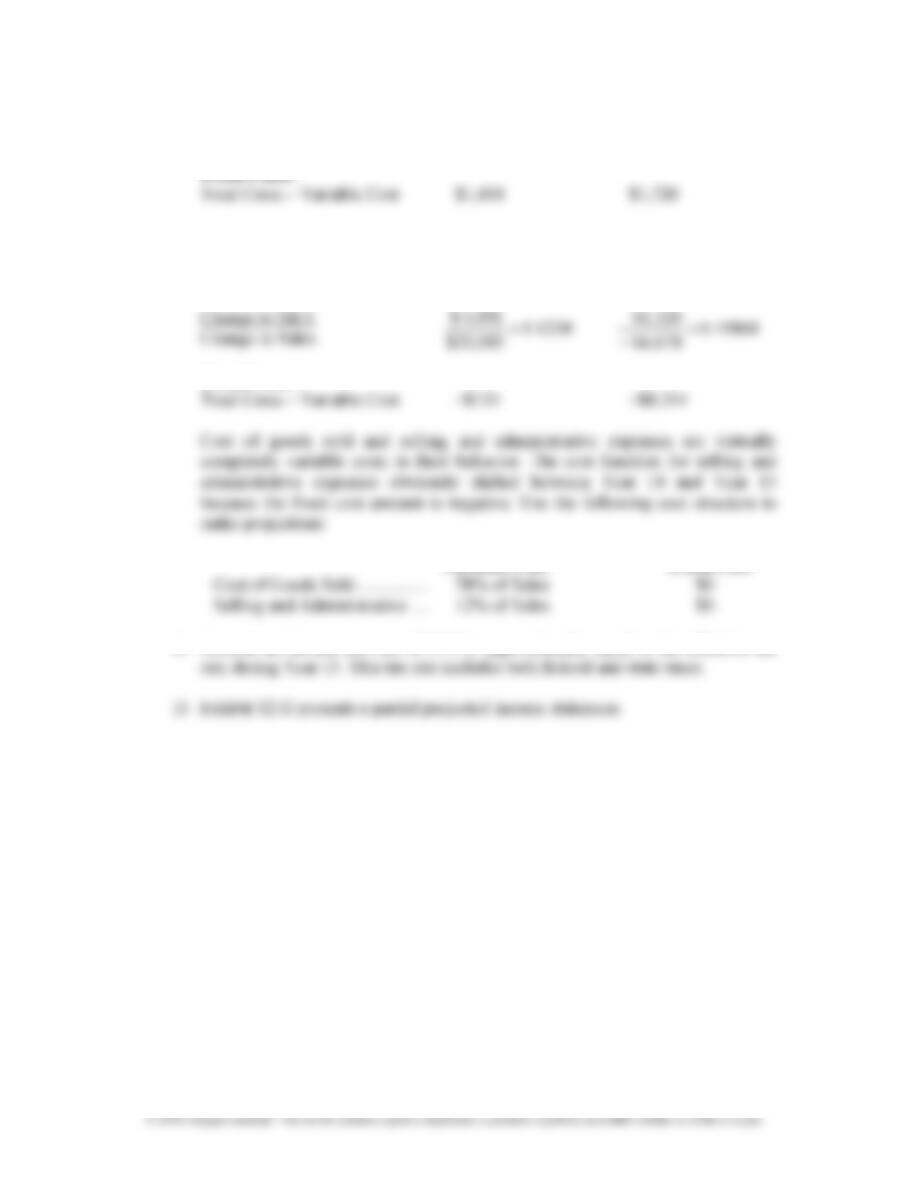
B. The next step is to determine the cost structure of Holmes.
Cost of Goods Sold (CGS) Year 13/Year 14 Year 14/Year 15
Variable Cost:
Chapter 12
Valuation: Cash-Flow-Based Approaches
Fixed Costs:
Selling and Administrative
(S&A) Year 13/Year 14 Year 14/Year 15
Variable Costs:
Fixed Costs:
Variable Cost Fixed Cost
C. Assume an income tax rate of 37.5%, approximately equal to the effective tax
Chapter 12
Valuation: Cash-Flow-Based Approaches
12-32
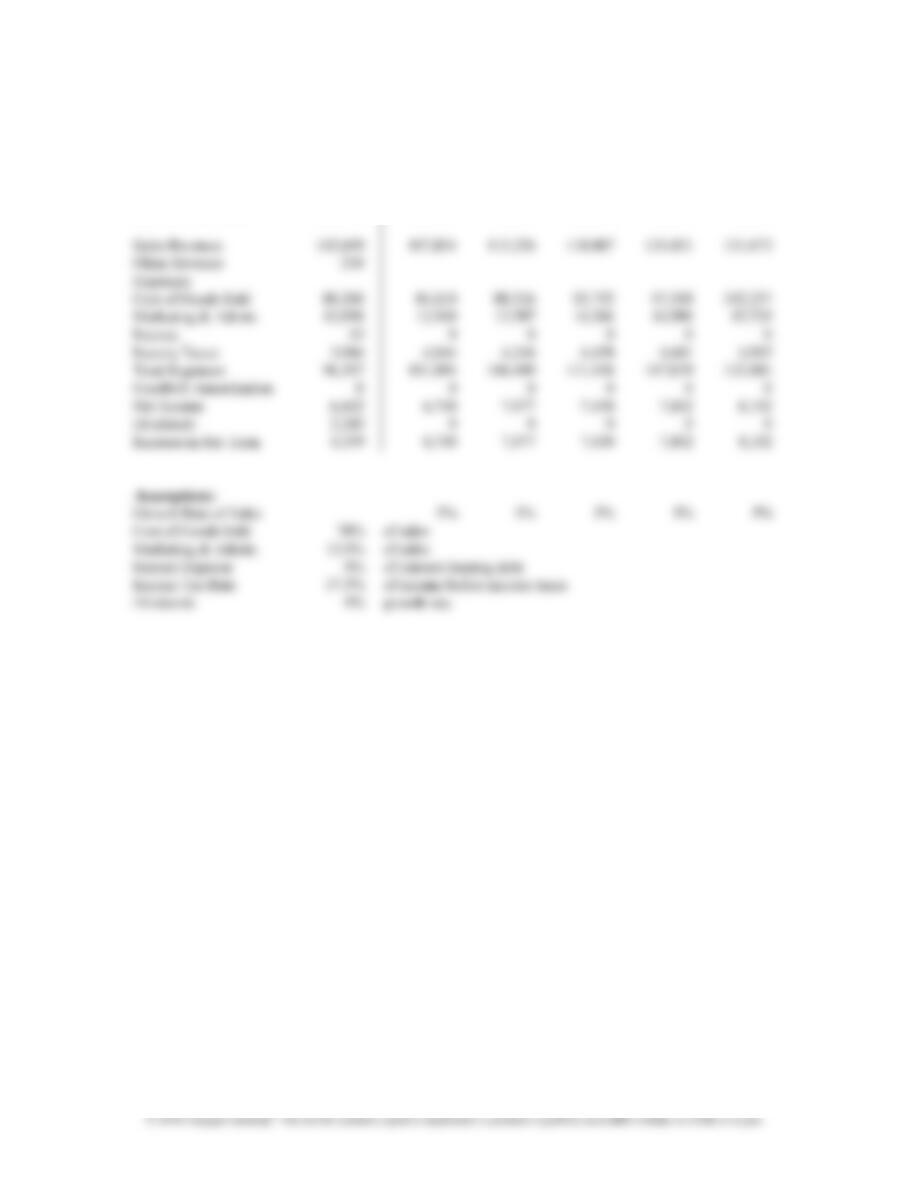
Exhibit 12.G
Partial Projected Income Statements for Holmes Corporation
(amounts in thousands)
Income Statement
Y
ear 15 Year 16 Year 17 Year 18 Year 19 Year 20
Chapter 12
Valuation: Cash-Flow-Based Approaches
E. The next step is to project the balance sheet. Make the following assumptions: