Chapter 1
Strategic Management and Strategic Competitiveness

Learning Objectives
Studying this chapter should provide you with the strategic
management knowledge needed to:
1. Define strategic competitiveness, strategy, competitive advantage, above-
average returns, and the strategic management process.
2. Describe the competitive landscape and explain how globalization and
technological changes shape it.
3. Use the industrial organization (I/O) model to explain how firms can earn
above-average returns.
4. Use the resource-based model to explain how firms can earn above-
average returns.
5. Describe vision and mission and discuss their value.
6. Define stakeholders and describe their ability to influence organizations.
7. Describe the work of strategic leaders.
8. Explain the strategic management process.
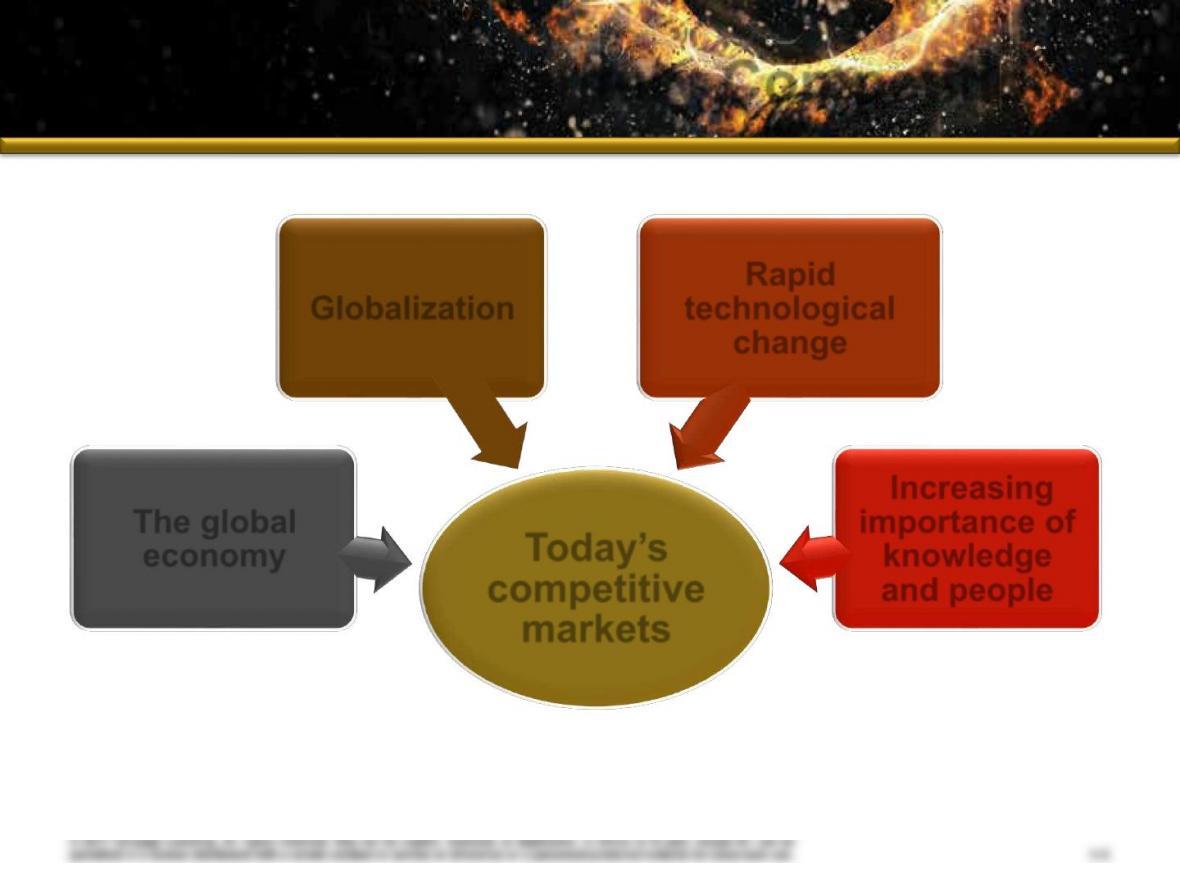
Twenty-First Century Competition
Today’s
competitive
markets
The global
economy
Globalization
Rapid
technological
change
Increasing
importance of
knowledge
and people
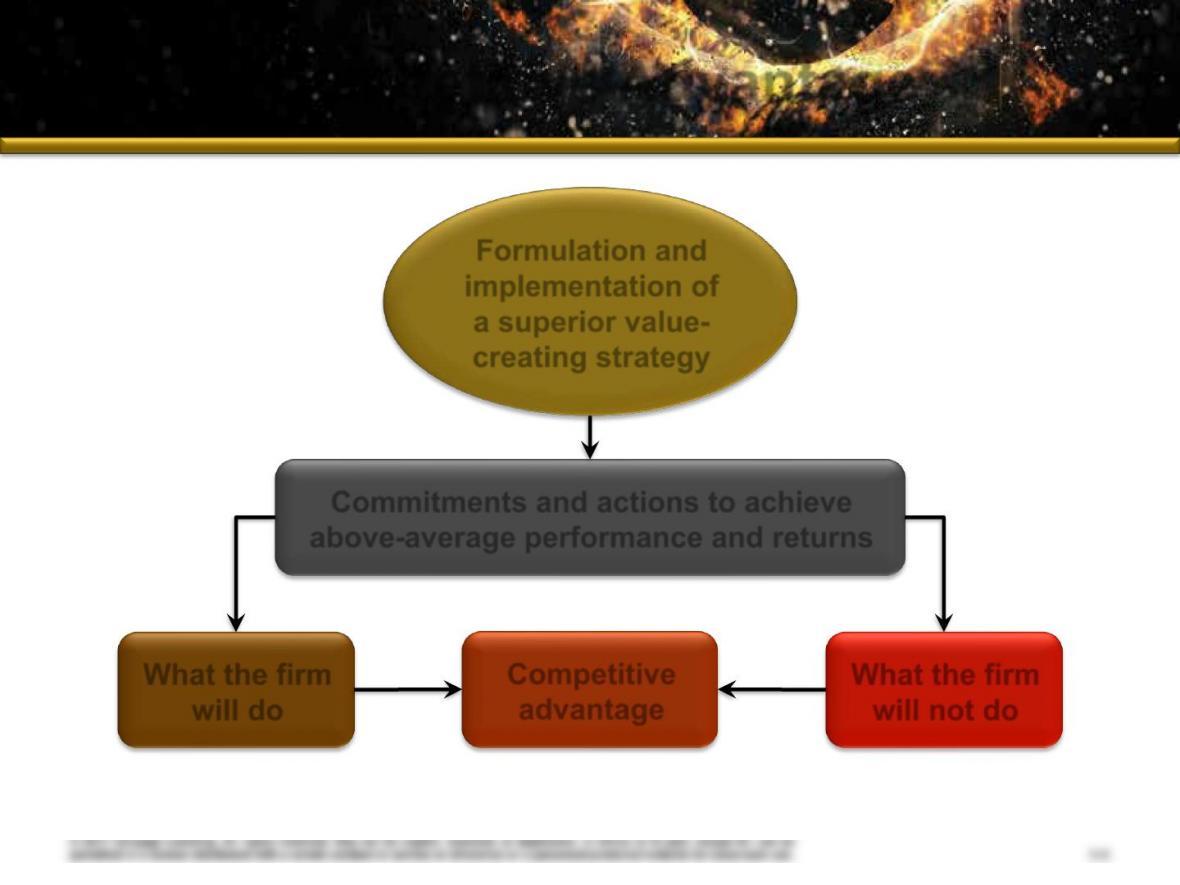
Competitive Advantage
Formulation and
implementation of
a superior value-
creating strategy
Commitments and actions to achieve
above-average performance and returns
What the firm
will do
What the firm
will not do
Competitive
advantage
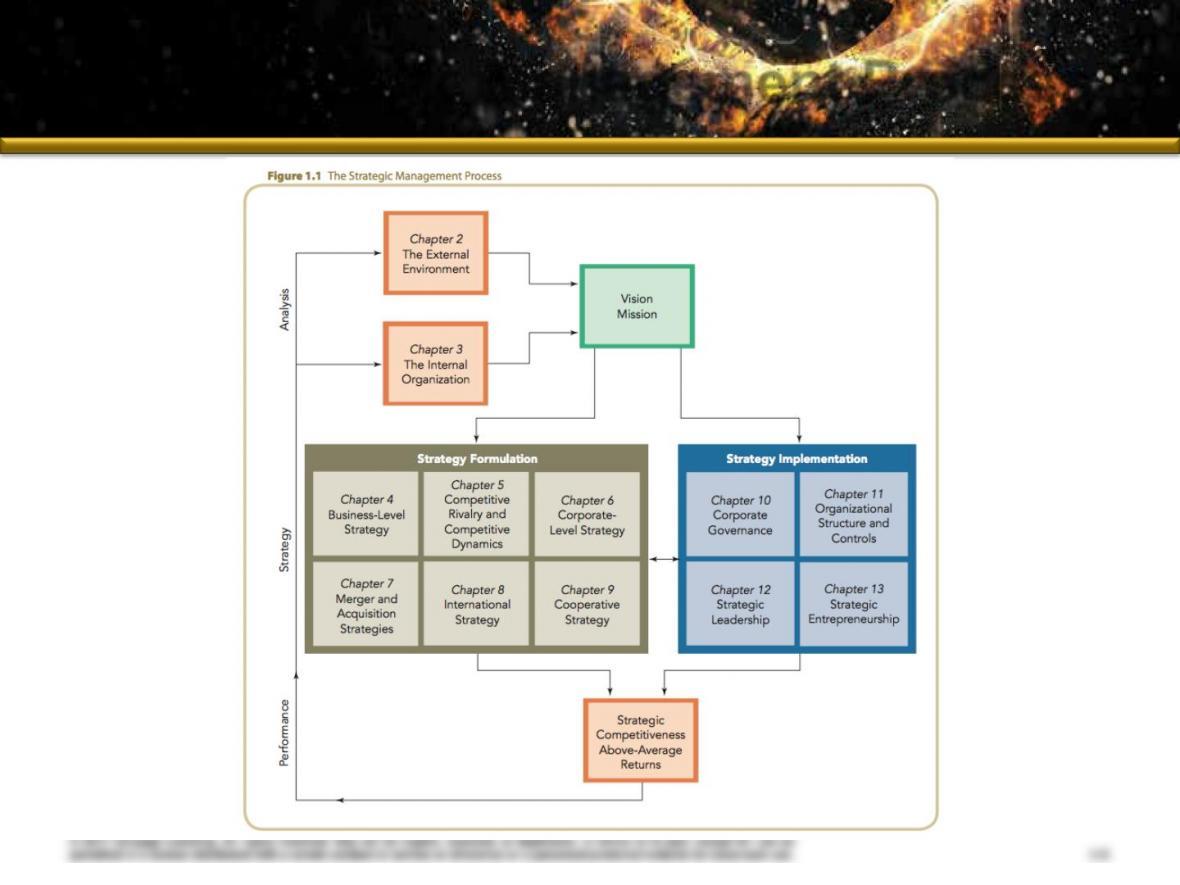
The Strategic Management Process
©2017 Cengage Learning. All rights reserved. May not be copied, scanned, or duplicated, in whole or in part, except for use as

The Global Competitive Landscape
Increasing
•Market volatility and instability due to
the rapid pace of change in markets
•Blurring of market boundaries
•Globalized flow of financial capital
•Need for flexibility, speed, innovation,
and integration in the use of technology
•Strategic and operational complexity
of global-scale competition
•Rising product quality standards
Decreasing
•Traditional time for adapting to change
•Traditional sources of competitive advantage
•Traditional managerial mindset
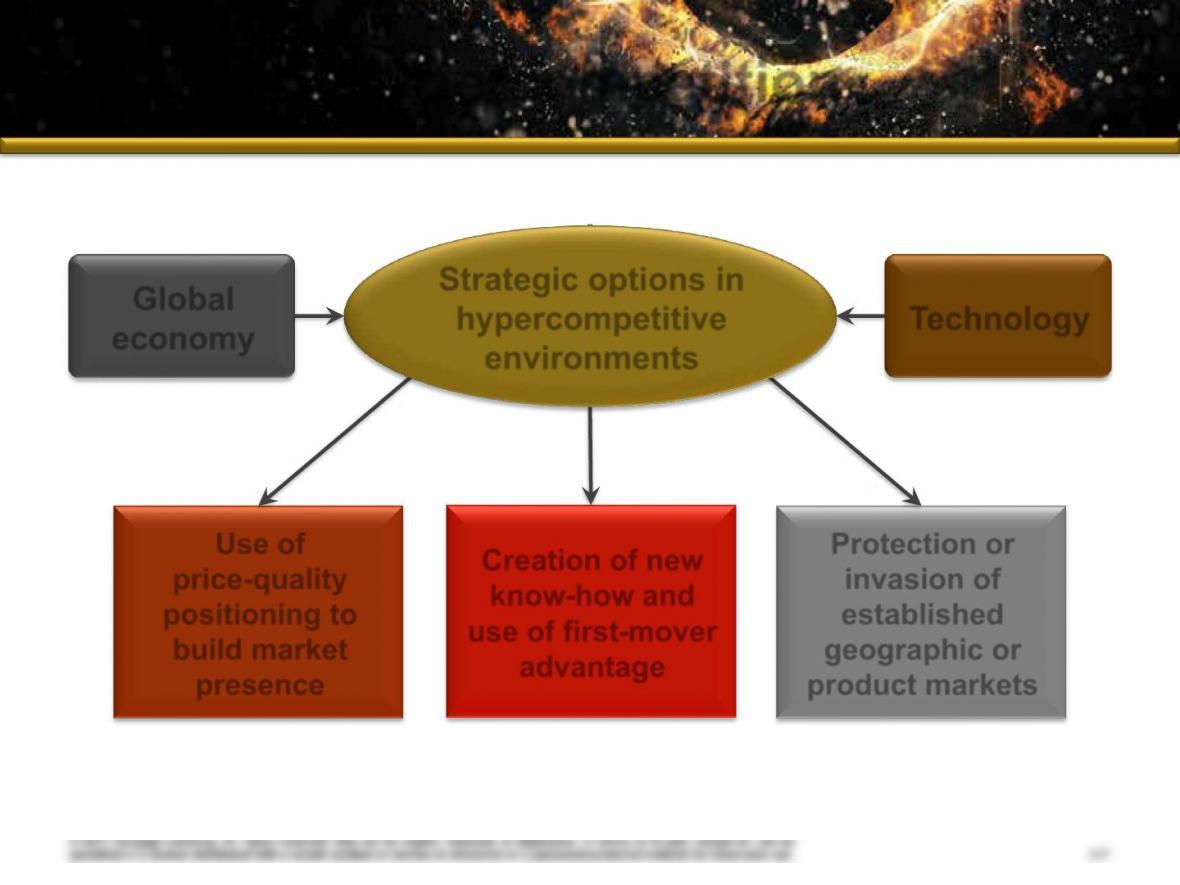
Hypercompetition
Creation of new
know-how and
use of first-mover
advantage
Use of
price-quality
positioning to
build market
presence
Protection or
invasion of
established
geographic or
product markets
Strategic options in
hypercompetitive
environments
Global
economy Technology
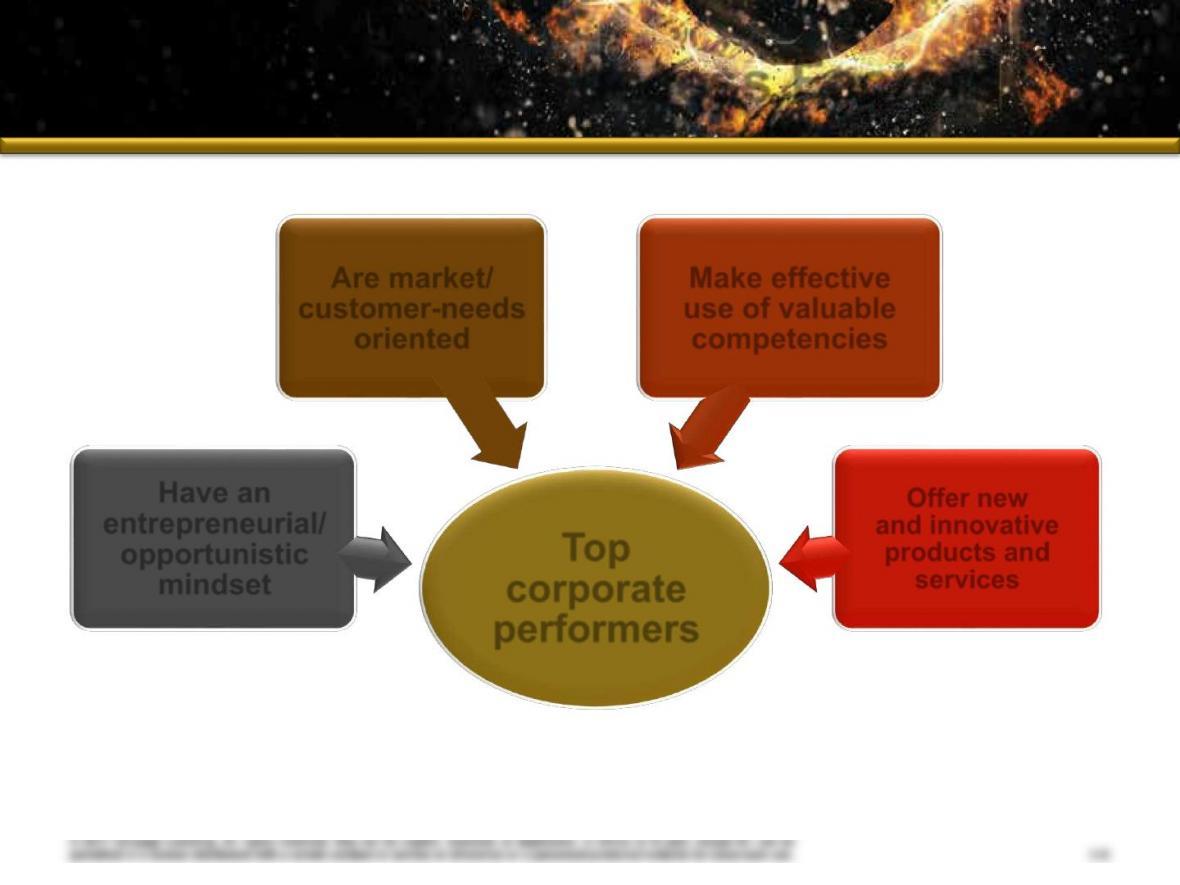
Competitive Success Factors
Top
corporate
performers
Have an
entrepreneurial/
opportunistic
mindset
Are market/
customer-needs
oriented
Make effective
use of valuable
competencies
Offer new
and innovative
products and
services
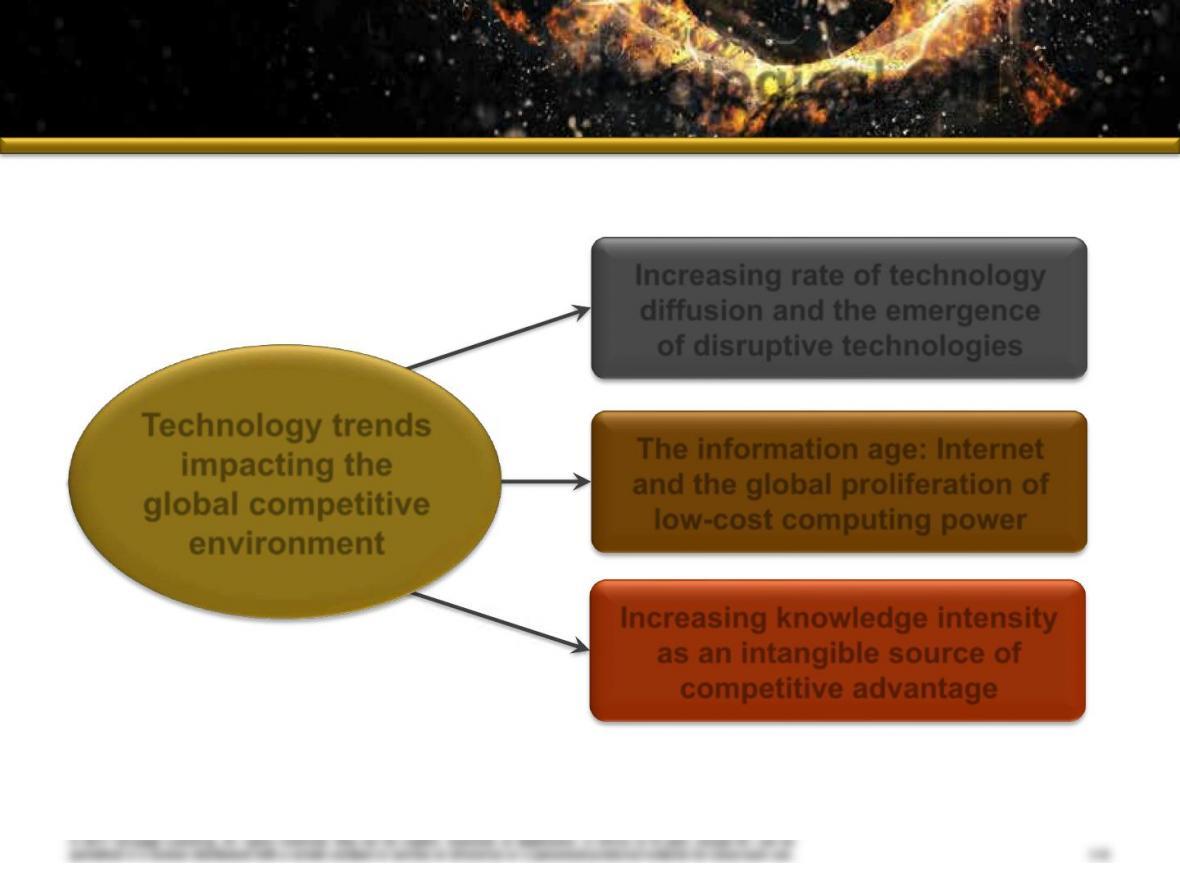
Technology and Technological Changes
The information age: Internet
and the global proliferation of
low-cost computing power
Increasing rate of technology
diffusion and the emergence
of disruptive technologies
Increasing knowledge intensity
as an intangible source of
competitive advantage
Technology trends
impacting the
global competitive
environment
Strategic Flexibility
•Strategic Flexibility:
Strategic Choices
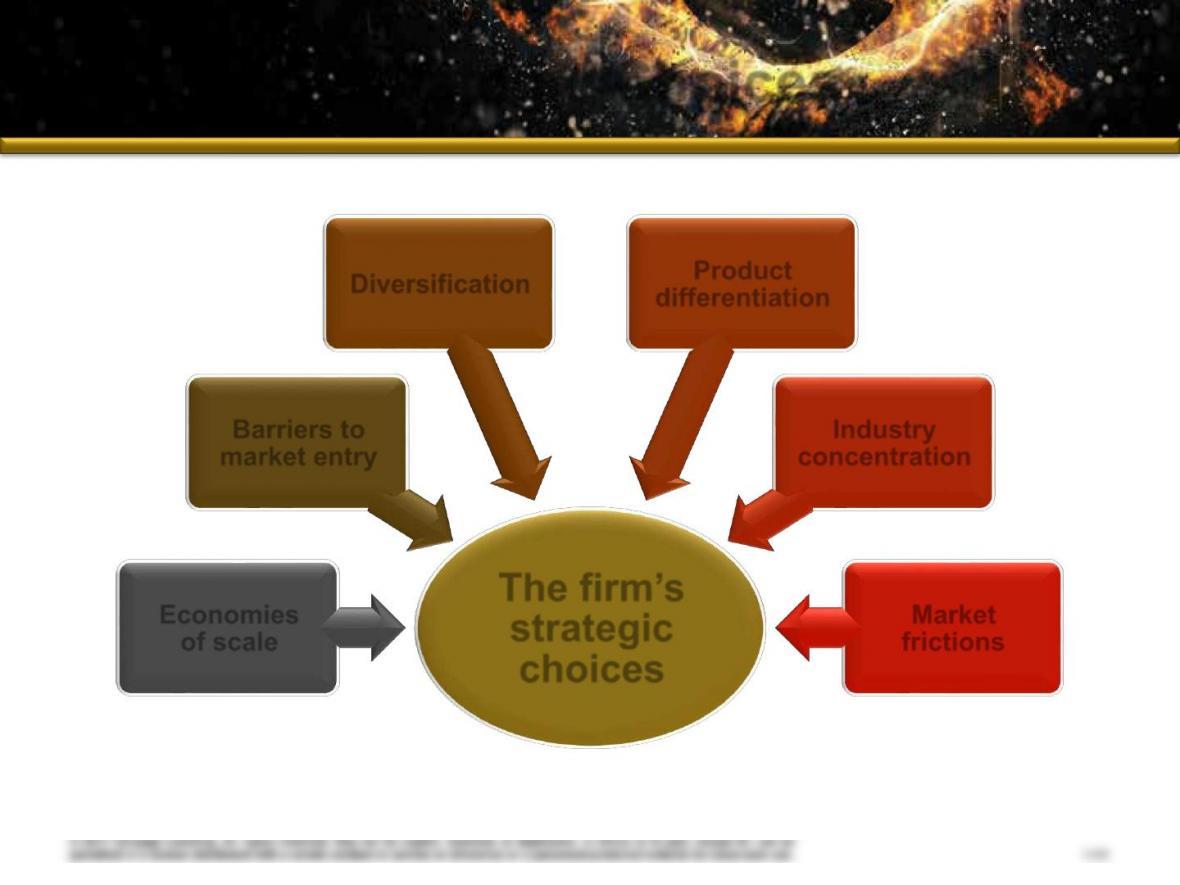
The firm’s
strategic
choices
Economies
of scale
Barriers to
market entry
Diversification Product
differentiation
Industry
concentration
Market
frictions
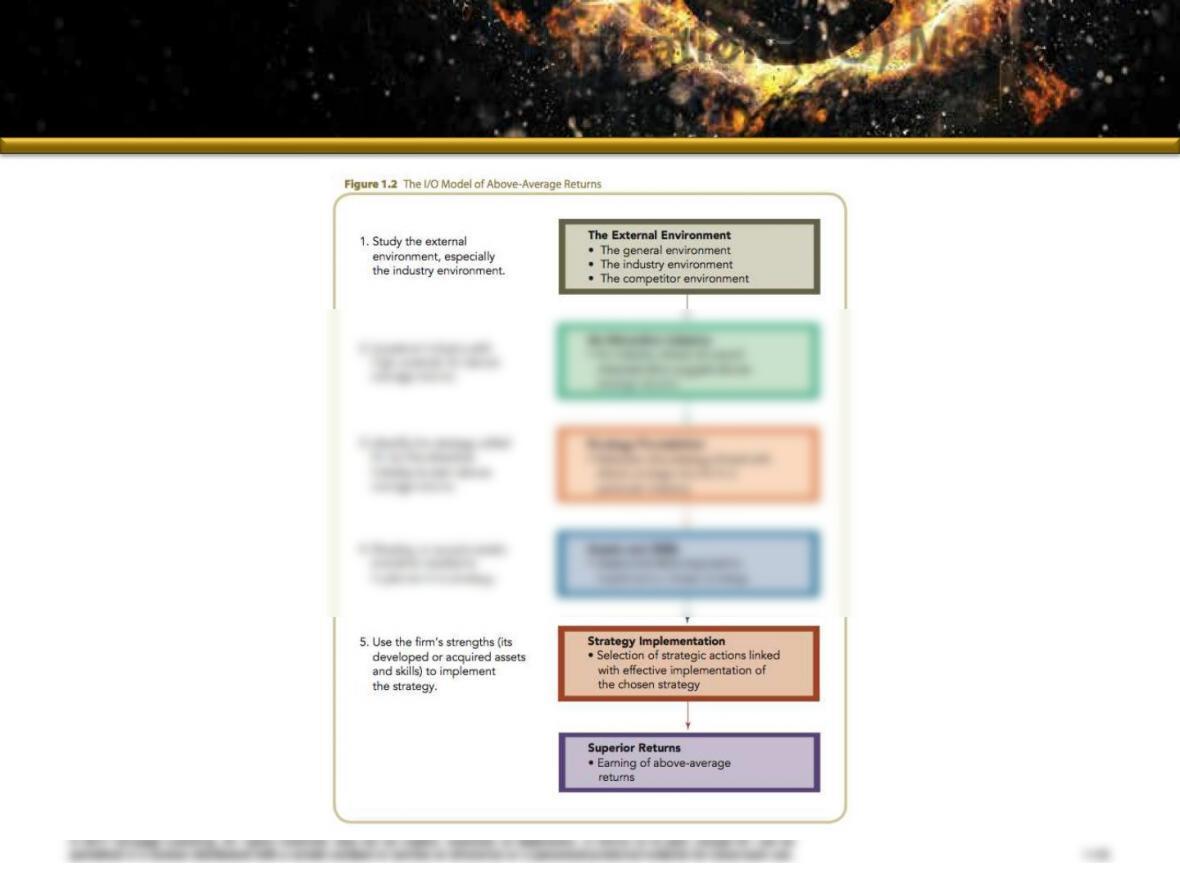
The Industry Organization (I/O) Model
of Above-Average Returns
I/O Model Assumptions
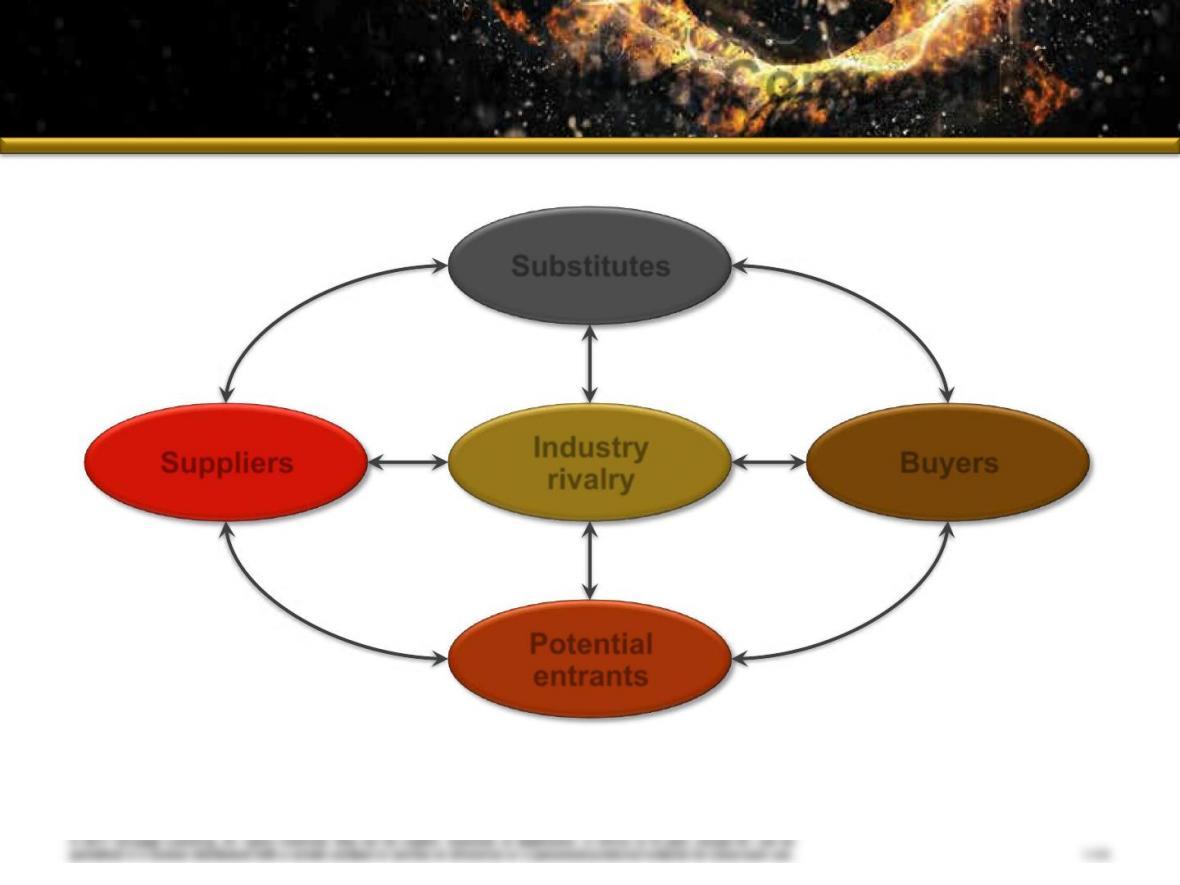
Five Forces Model of Competition
Suppliers
Substitutes
Buyers
Potential
entrants
Industry
rivalry
Five Forces Model Assumptions