
CHAPTER 3
STRATEGIC MANAGEMENT
A. OVERVIEW
This chapter provides an overview of the strategic management process, including
specific influences on HR policies, practices and procedures. Two fundamental strategic
models are presented, including the Industrial Organizational (I/O) Model with its
external environmental analysis emphasis (outside-in approach) and Resource Based
View of the Firm (RBV) with its internal analysis emphasis (inside-out approach).
Generic corporate strategies discussed include growth, stability and turnaround, each
with specific HR implications. Finally, business unit strategies of cost leadership,
differentiation and focus are elaborated, along with staffing/HR influences.
Fundamentally, organizational strategy formulation and implementation should be the
driving force behind all HR policies, programs and practices.
B. LECTURE OUTLINE
1. OPENING CASE – COSTCO
Costco is an international chain of membership retail warehouse stores that keep
costs down by lowering overhead, such as by only carrying 4,000 SKUs (stock-
keeping units) of inventory, buying in bulk and utilizing warehouse space.
Costco also only employs very limited staff outside of the buying and
merchandising functions, further lowering overhead. Costco recognizes that
busy consumers want value and convenience, and build these into product
offerings.
2. INTRODUCTION
Strategic management is the process of formulating and implementing an action
plan to achieve corporate objectives, specifically including how these objectives
are to be met. Senior management must find “fit” between the organization, its
strategy and its environment. Strategic plans are long-range in nature, and
require review and updating to ensure continued fit.
3. MODELS OF STRATEGY
1. Industrial Organization (I/O) Model argues that the external environment
should be the primary determinant of firm strategy. The model assumes
that the external environment presents threats and opportunities, and
equal access to highly mobile resources across industry firms.
Organizations should operate within the industry that affords the best
opportunities, and where competitive advantage can be developed
through low cost or differentiating strategic approaches. Strategy is
externally driven.
2. Resource Based View of the Firm (RBV) argues that organizational
resources and capabilities, including human resources, should be the basis
for strategic decision making. Organizations can develop a competitive
advantage through the acquisition and value enhancement of their
resources. Sarasota Memorial Hospital’s five pillars of excellence
approach example. Strategy is internally driven.

4. THE PROCESS OF STRATEGIC MANAGEMENT
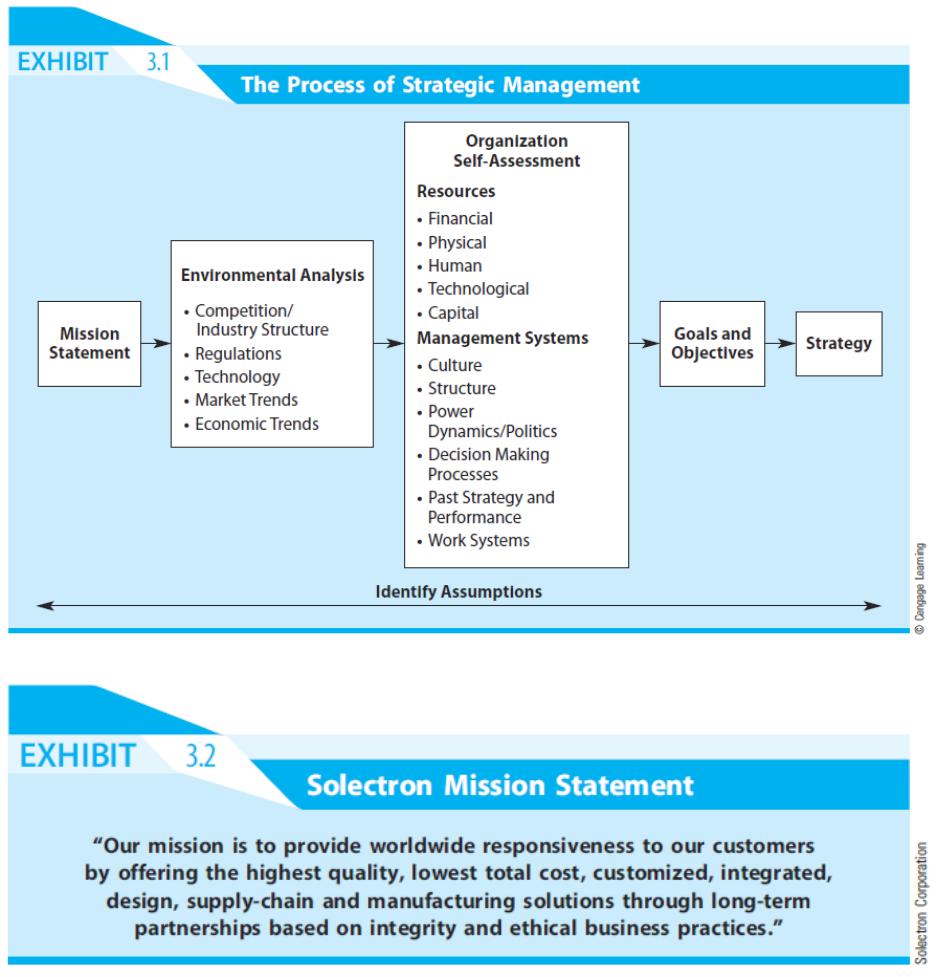
Exhibit 3-1: THE PROCESS OF STRATEGIC MANAGEMENT
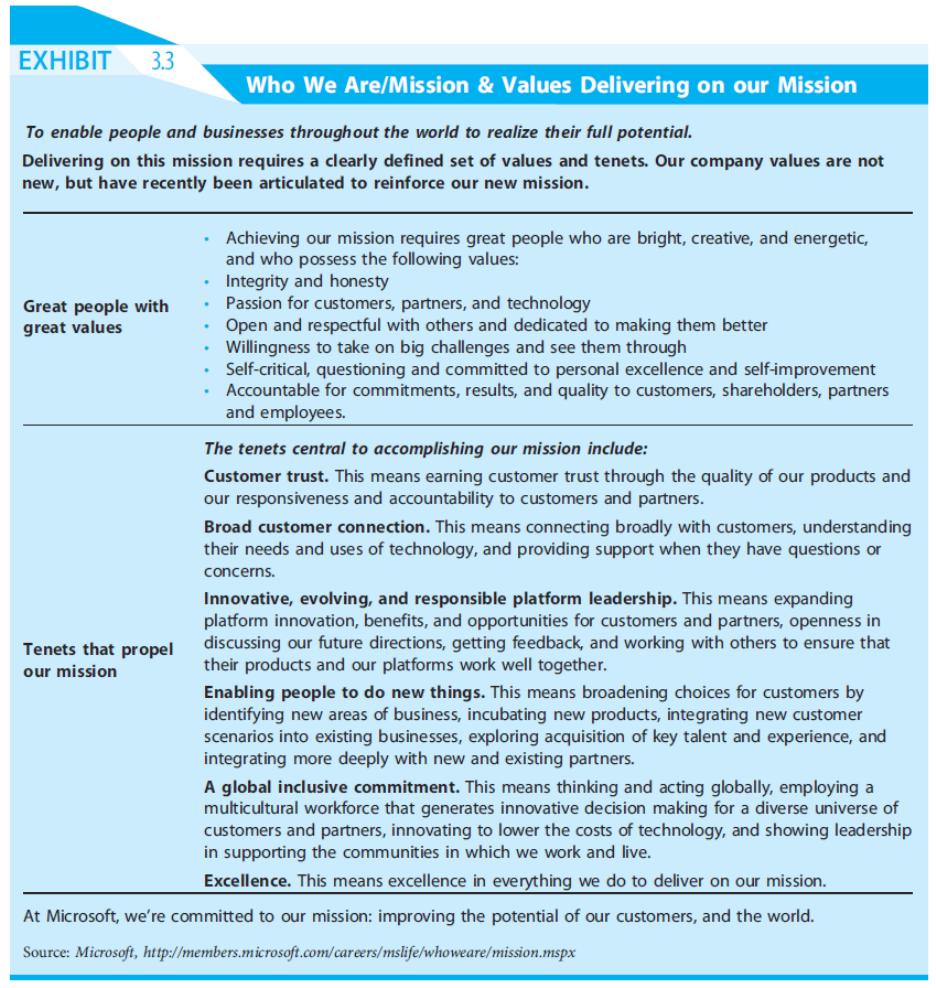
1. Mission Statement – defines organizational purpose. Solectron (Exhibit
3.2) and Microsoft (Exhibit 3-3) mission statements are provided.
2. Environmental Analysis – of the external environment, including
regulatory, competitive and industry structures; market, economic,
technological and demographic trends. Southwest Airlines management
of its environment is provided as an illustration.
3. Organizational Self-Assessment – of various organizational resources and
of management systems.
4. Goals and Objectives – should be specific, measurable and flexible; define
performance measures and evaluation processes.
5. Strategy – how the organization intends to achieve its goals, including
specific means, competitive actions and organizational operations. First
Tennessee National is presented as an example.
6. Identify Assumptions – throughout the process it is critical to identify
and preferably write down assumptions which have been made about
future conditions in the external environment (i.e., economy, competition,
technology, etc.)
5. CORPORATE STRATEGIES
Three generic organizational strategies, each with HR implications
1. Growth – can be internal or externally driven. Strategic HR issues
include adequate hiring and training planning; informing current
employees of promotion and development opportunities; and ensuring
quality and performance standards are maintained. External growth
through merger and acquisition may result in layoffs, and difficulties can
be encountered in merging two HR systems, cultures, etc.
2. Stability – organizations maintain the status quo, often resulting in limited
upward mobility opportunities for employees that can lead to turnover.
Key employees should be identified and retention strategies developed.
3. Turnaround or Retrenchment – organizational downsizing or
downscoping may lead to cost cutting in payroll/HR. Best Buy is
presented as an example of a turnaround strategy.
6. BUSINESS UNIT STRATEGIES
Three basic business unit strategies are recognized here, each requiring different
strategic HR approaches.
1. Cost Leadership Strategy – increased efficiency and cost cutting, with
savings passed to customers. Short term HR strategies are emphasized,
rather than long term ones that focus on results. HR implications include
specialized jobs, cross-trained employees, incentives which might be
developed to entice higher paid people to leave the organization.
2. Differentiation Strategy – organization distinguishes its products and
services, or at least consumer perceptions of them. Premium pricing is
common and performance measures may be more long term in nature.
Staffing may focus more on external hiring to bring constantly needed
fresh, creative approaches.

3. Focus Strategy – assumes that different market segments have different
needs, and attempts to satisfy particular groups. Employees must be
aware of what makes that particular market unique, and should be
appropriately trained to ensure customer satisfaction.
7. DYER AND HOLDER’S TYPOLOGY OF STRATEGIES
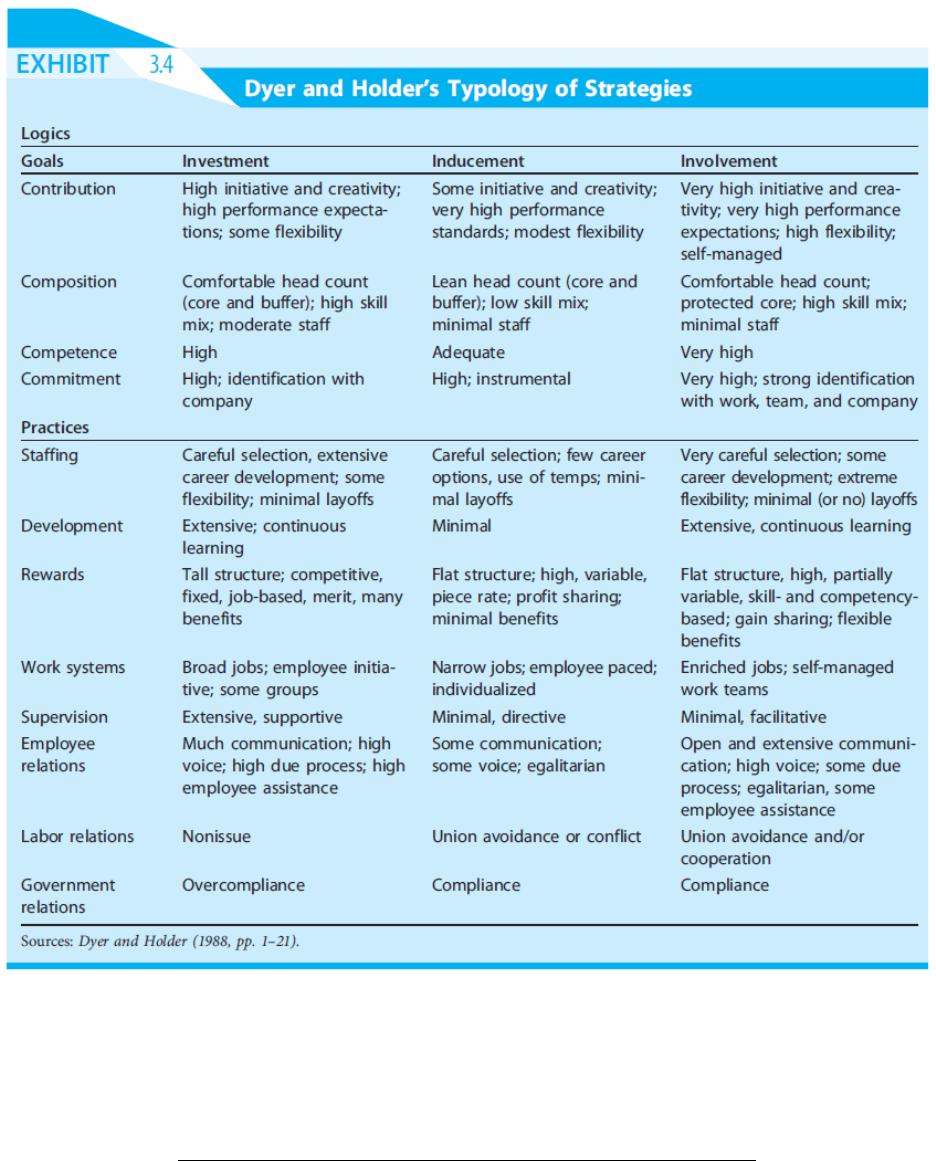
1. Investment logic – concerned with adaptability to changing market
conditions.
2. Inducement logic – concerned with cost containment and efficiency.
3. Involvement logic – dual strategy of cost containment and innovation.
7. OTHER DIMENSIONS OF STRATEGY
1. Innovation and creativity. Whirlpool is provided as an example of
innovation. Cirque du Soleil is provided as an example of creativity.
2. Privatization
8. CONCLUSION
1. The development of organizational strategy is a unique process that can
vary greatly from one organization to another.
2. Often, organizational success can be traced to people management
systems that clearly support its mission and strategy.
3. Organizational strategy formulation should be the driving force behind all
HR policies, programs and practices.
4. A strategic HR approach provides three critical benefits, including
facilitation of:
1. The development of a high quality work force through its focus on
the types of people and skills needed
2. Cost-effective utilization of labor, particularly in service
industries where labor is generally the highest cost.
3. Planning and assessment of environmental uncertainty and
adaption, discussed further in Chapter 4.
READINGS
Reading 3.1 – Are You Sure You Have a Strategy?
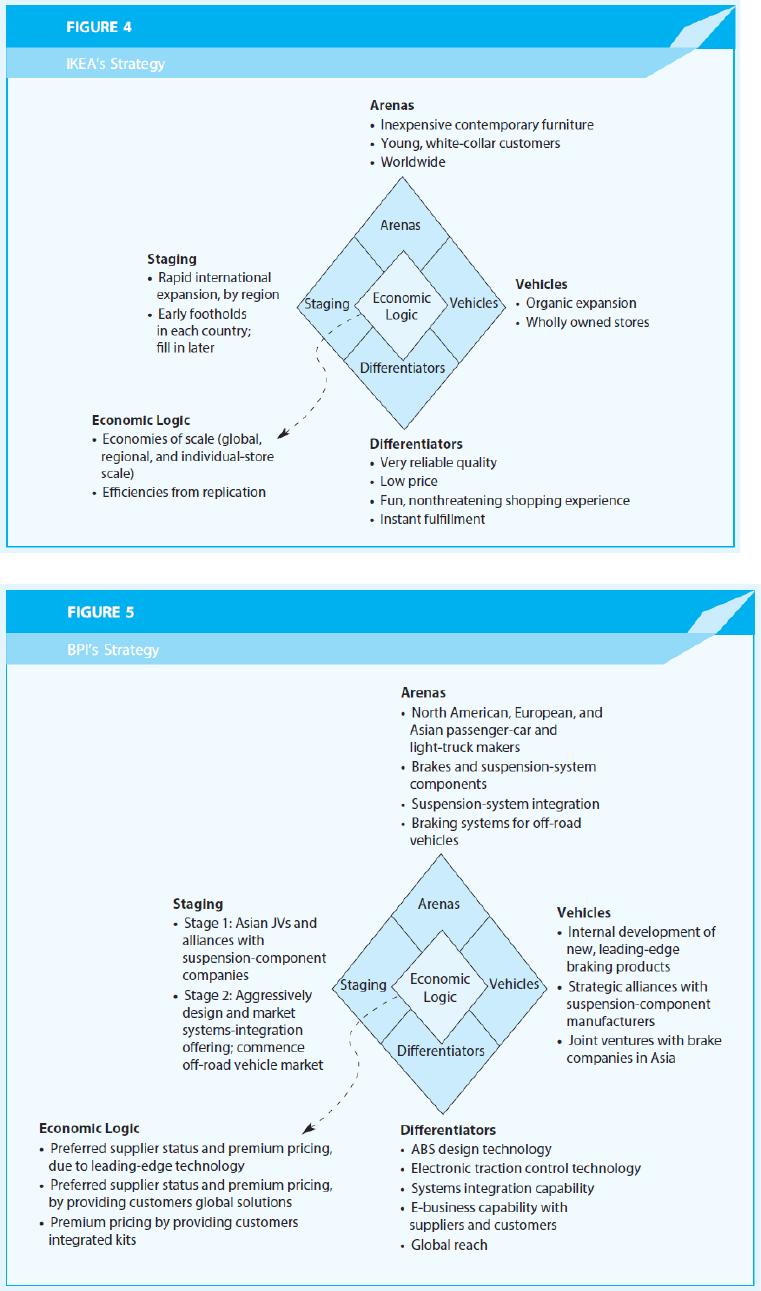
This article argues that “strategy” has become a catchall term which means anything an
individual wants it to mean. It argues that a true strategy has five components, which provide
answers to five specific questions: 1) where will we be active? (arenas); 2) how will we get
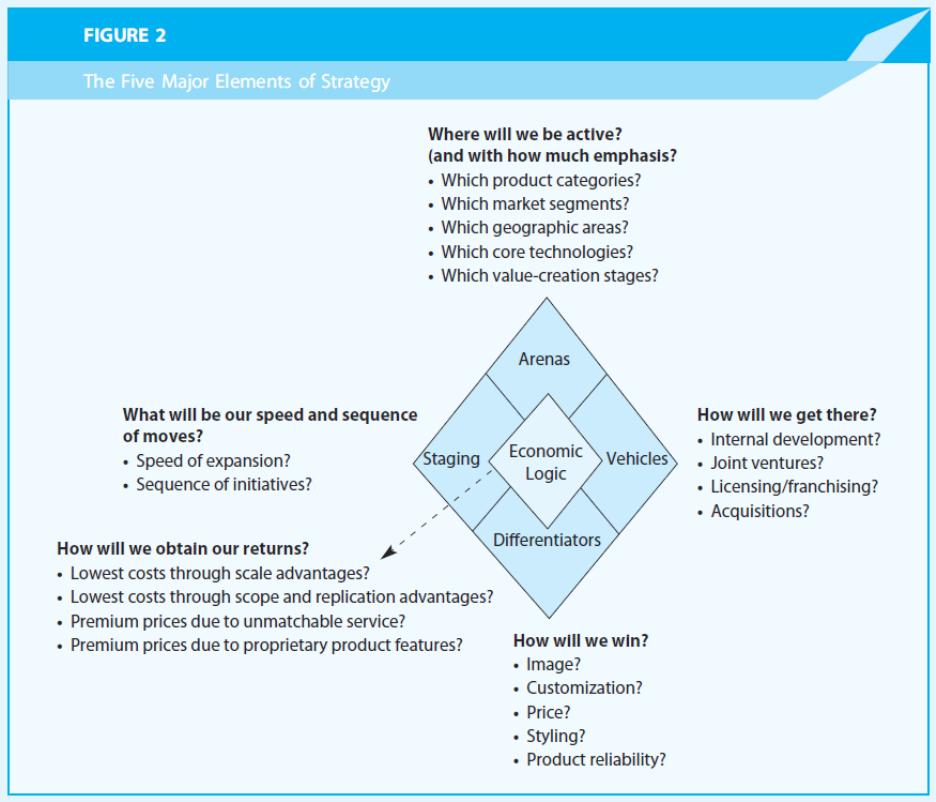
there? (vehicles); 3) how will we win in the marketplace? (differentiators); 4) what will be our
speed and sequence of moves? (staging); and 5) how will be obtain our returns? (economic
logic)
IKEA and BPI are presented as examples.

Reading 3.2 – Bringing Human Resources Back into Strategic Planning
In most organizations, HR is only brought in for informative consultation after the strategic
plan is constructed to ensure that the HR team will be able to provide the right number of
people, in the right place, with the right training. Such a process is too little, too late and
ignores the values which HR can provide to the strategic planning process.
This occurs for two primary reasons. First, senior managers who have been developed from
within tend to be disconnected from the operational level of the organization. Second,
executives hired from the outside often fail to fully appreciate the context and environment in
which the organization operates. HR can provide the remedies to each of these deficiencies and
ensure greater success with the planning process by being the conduit for subject-matter
contribution and the linchpin that sustains and holds the process together.
The author developed an eight stage strategic planning processes and identifies the critical roles
which HR can play during each stage of the process.
Stage 1 – Understand the Planning Legacy- the planning process needs to be informed by
what’s been done before; What was the result of any previous work?; Where were the
successes and failures?; How have employees been affected?; and What is the organizational
attitude, at all levels, toward the strategic planning process and the resulting plans?
HR can conduct this type of research at all levels of the organization. Without this knowledge,
strategic planning teams will often repeat the same mistakes of their predecessors.
Step 2 – Create a Diverse Planning Team – the formation of an intelligent strategic-planning
team which includes both diversity of thought and diversity of skills.
HR is the repository of all employee data related to knowledge, functional expertise, skills and
experiences and is in the best position to compile an optimal team.
Step 3 – Align Planning with Leadership Goals – ensuring that planning efforts are being
conducted in tandem with the organization’s mission and vision of senior executives
HR should communicate this knowledge as well as provide access to senior leaders and help
facilitate effective and well-structured interviewing sessions that will aid communication.
Step 4 – Analyze Current Realities – examine the organization’s history with its current
position and identify both the factors that can be leveraged to move the organization forward as
well as those may serve as obstacles and challenges to moving forward.
HR can facilitate the selection of subject matter experts as well as provide technical expertise
regarding laws and regulations which affect existing and potential employees
Step 5 – Develop Alternative Performance Options – ensuring that the strategic plan has
some flexibility in the form of alternative scenarios and courses of action
HR can determine, with a great degree of accuracy, what resources (people, time, tools, and
money) realistically exist in the current organization, which ones can be acquired from outside
the organization, and which ones can be redistributed around the organization to achieve any
alternative options.
Step 6 -Measure Progress – ensuring that actual performance is in line with that expected
HR ensures that all associated performance measures are clearly understood throughout the
organization and ensures that the performance management system rewards appropriate
performance.
Step 7 – Deploy the Strategic Plan – developing appropriate and effective communication to
create enthusiasm and commitment to the components of the plan.
HR develops plans and programs to ensure and monitor employee engagement and commitment.
Step 8 – Develop Contingency Plans – given the fact that assumptions made during the
planning process about the future may not materialize as anticipated, plans need to be flexible
to address the realities which develop for the organization.
HR assists the organization with any kind of change initiatives which must be implemented as
part of this process.