
Part 03 – The Importance of Ethics
3-35
Love – strong affection; feelings of passion, devotion, or tenderness for another.
Material wealth – large amount of possessions or resources having economic value.
Naturalness – having to do with nature, innocence, and basic simplicity.
Order – the desire for every part or unit to be in its right place in a normal or efficient
state.
Physical health – a state of physical well being and freedom from illness; functioning
well.
Physical pleasure – a state of physical gratification; bodily enjoyment or satisfaction.
Power – the ability to act or produce an effect; to have control or authority over others.
Privacy – the quality or state of being content when alone; enjoying seclusion.
Recognition – gaining special notice or attention; receiving social respect, honor, or
reward.
Religious faith – beliefs related to divinity and spiritual experience.
Responsibility – the ability to answer for one’s acts or decisions; the ability to fulfill
one’s obligations; meeting one’s duties.
Security – freedom from worry, especially in matters dealing with physical and economic
needs.
Self-expression – the ability to make known, show, or state one’s personal feelings, ideas,
or beliefs.
Truth – honesty; the real state of things; actuality; the quality of being in accordance with
facts.

Part 03 – The Importance of Ethics
3-36
Scoring
Step 1
Each value appeared in different groupings five times on the questionnaire. On the chart, Figure
3.2, enter the number you assigned to each value each time that value appeared. Then add the
total numbers across.
FIGURE 3.2: YOUR SCORING CHART
Value Number of groupings
listed in this value
Your ratings for the value
each time it appeared
Total
Aesthetic Values 2, 12, 14, 19, 20
Power 1, 4, 14, 16, 21
Physical Pleasure 3, 5, 10, 11, 14
Order 1, 2, 5, 15, 17
Achievement 1, 6, 7, 10, 20
Self-expression 2, 3, 6, 16, 18
Human Relationships 7, 9, 14, 15, 18
Material Wealth 9, 11, 16, 17, 20
Responsibility 10, 12, 17, 18, 21
Helpfulness 1, 11, 13, 18, 19
Naturalness 5, 6, 9, 19, 21
Truth 5, 7, 12, 13, 16
Leadership 4, 6, 11, 12, 15
Leisure 6, 8, 13, 14, 17
Love 3, 13, 15, 20, 21
Physical Health 2, 4, 9, 10, 13
Privacy 1, 3, 8, 9, 12
Religious Faith 8, 10, 15, 16, 19
Security 3, 4, 7, 17, 19
Independence 2, 7, 8, 11, 21
Recognition 4, 5, 8, 18, 20

Part 03 – The Importance of Ethics
3-37
Step 2
In the blank spaces below, list the values, starting with the highest totals, for all 21 values. This
list will show the values most important to you.
Values in Order of Importance to You
High-Order Values Middle-Order Values Low-Order
Values
1. _____________ 8. _____________ 15. ____________
2. _____________ 9. _____________ 16. ____________
3. _____________ 10. _____________ 17. ____________
4. _____________ 11. _____________ 18. ____________
5. _____________ 12. _____________ 19. ____________
6. _____________ 13. _____________ 20. ____________
7. _____________ 14. _____________ 21. ____________
Step 3
Complete the scoring chart for your partner, Figure 3.3.
FIGURE 3.3: PARTNER’S SCORING CHART
Value Number of groupings
listed in this
value
Your ratings for the value
each time it appeared
Total
Aesthetic Values 2, 12, 14,
19, 20
Power 1, 4, 14, 16, 21
Physical Pleasure 3, 5, 10, 11, 14
Order 1, 2, 5, 15, 17
Achievement 1, 6, 7, 10, 20
Self-expression 2, 3, 6, 16, 18
Human Relationships 7, 9, 14, 15, 18
Material Wealth 9, 11, 16, 17, 20

Part 03 – The Importance of Ethics
3-38
Responsibility 10, 12, 17, 18, 21
Helpfulness 1, 11, 13, 18, 19
Naturalness 5, 6, 9, 19, 21
Truth 5, 7, 12, 13, 16
Leadership 4, 6, 11, 12, 15
Leisure 6, 8, 13, 14, 17
Love 3, 13, 15, 20, 21
Physical Health 2, 4, 9, 10, 13
Privacy 1, 3, 8, 9, 12
Religious Faith 8, 10, 15, 16, 19
Security 3, 4, 7, 17, 19
Independence 2, 7, 8, 11, 21
Recognition 4, 5, 8, 18, 20
Step 4
In the blank spaced below, list the values, starting with the highest totals, for all 21 values. This
list will show the values most important to your partner.
Values in Order of Importance to Your Partner
High-Order Values Middle-Order Values Low-Order Values
1. _____________ 8. _____________ 15. _______
2. _____________ 9. _____________ 16. _______
3. _____________ 10. _____________ 17. _______
4. _____________ 11. _____________ 18. _______
5. _____________ 12. _____________ 19. _______
6. _____________ 13. _____________ 20. _______
7. _____________ 14. _____________ 21. _______
Step 5
Determine the value compatibility between you and your partner according to the following
formula.

Part 03 – The Importance of Ethics
3-39
a. Count the number of high-order values you share (the exact ranking of the values may differ)
and multiply this number by 3.
Total ________
b. Count the number of low-order values you share (the exact ranking of the values may differ)
and multiply by 2.
Total ________
c. Count the number of middle-order values you share (the exact ranking of the values may
differ) and multiply this number by 1.
Total ________
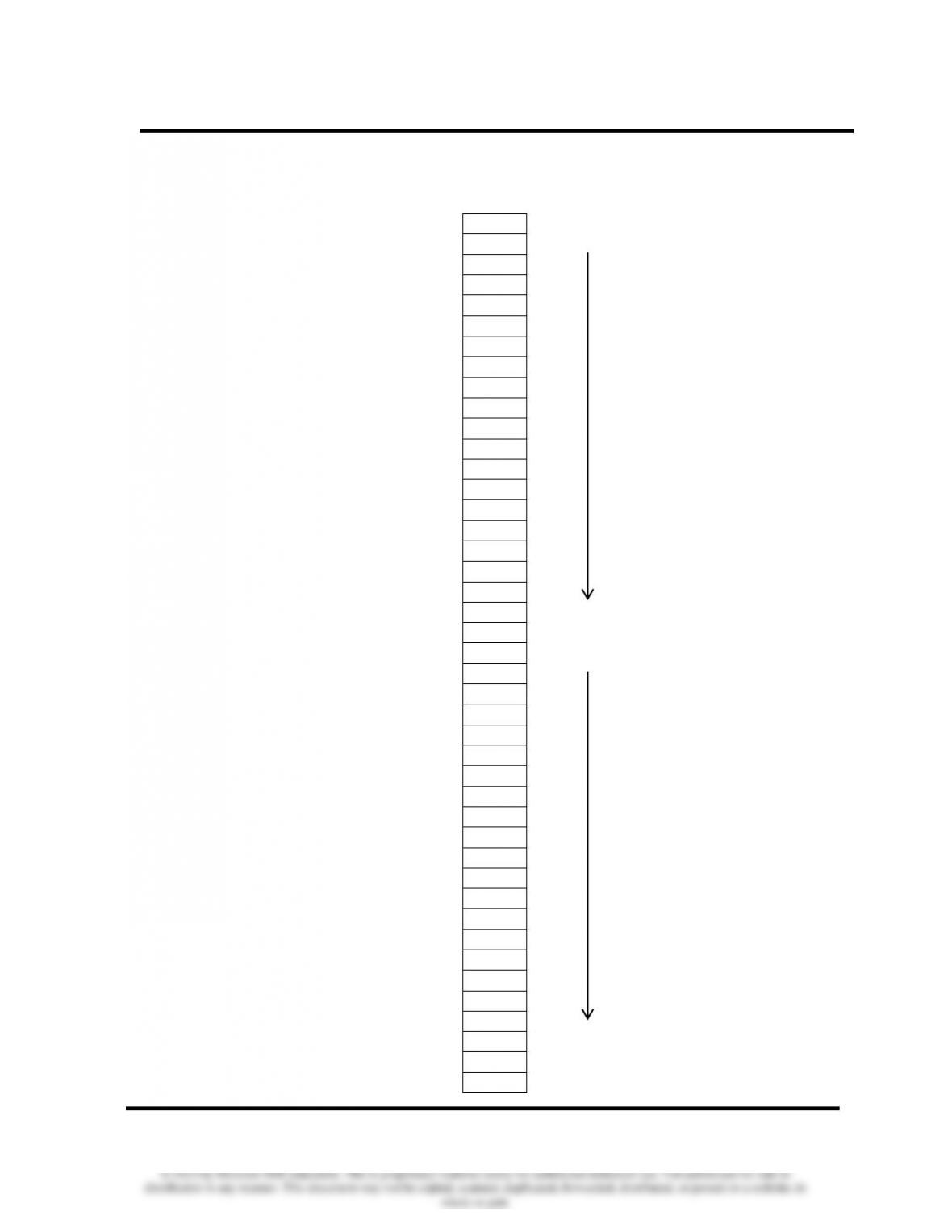
d. Add the three totals (a, b, and c), then indicate your compatibility level on the following index,
Figure 3.4.
The higher the score on the index (0-42), the greater the level of value compatibility between you
and your partner, and the less conflict you would expect to experience.
Part 03 – The Importance of Ethics
3-40
0
1
2
3
4
5
6
7
8
9
10
11
12
13
14
15
16
17
18
19
20
21
22
23
24
25
26
27
28
29
30
31
32
33
34
35
36
37
38
39
40
41
42
FIGURE 3.4: VALUE COMPATIBILITY INDEX
Low
Middle
High

Part 03 – The Importance of Ethics
3-41
Discussion Questions
After you and your partner have completed the questionnaire, compare the order in which you
placed the values and the level of your compatibility index. Discuss how differences and
similarities in personal values influence your relationship. Consider whether each person allows
the full expression of the values most important to the other person, and consider how point of
agreement and difference can be used to improve the relationship. Be tolerant in this discussion.
Remember, the questionnaire does not measure many other important factors of compatibility,
such as interpersonal sensitivity, interests, and temperament; nor does it measure levels of
morality, a critical element in human relationships. Remember also that different people may
have different meanings for the words on the questionnaire. One person may define
responsibility one way, and another may interpret the word differently. Finally, remember that
this questionnaire does not measure negative values, and that complementary values may enrich a
relationship. In this spirit, use the following thought as a guide: “Our errors and our
controversies in the sphere of human relations often arise from looking on people as though they
could be altogether bad, or altogether good.”

Part 03 – The Importance of Ethics
3-42
EXERCISE 3.4: NAVIGATION AIDS—PEOPLE AND EXPERIENCES
Consider the people and experiences that have helped shape your values in each of the
following areas. Write these in the spaces provided.
Family
People:
Significant experiences:
Social Class
People:
Significant experiences:
Education
People:
Significant experiences:

Part 03 – The Importance of Ethics
3-43
EXERCISE 3.4: NAVIGATION AIDS—PEOPLE AND EXPERIENCES
(Continued)
Media
(Books, Newspapers, Magazines, Radio, Film, and Television)
People:
Significant experiences:
Music
People:
Significant experiences:
Religion
People:
Significant experiences:

Part 03 – The Importance of Ethics
3-44
EXERCISE 3.4: NAVIGATION AIDS—PEOPLE AND EXPERIENCES
(Continued)
Institutions
People:
Significant experiences:
EXERCISE 3.5: LEADERSHIP SHIELD
Step-by-Step Procedure
Step 1: Ask which participants have a family coat or arms, crest, or shield. Ask those
who have one to describe it or draw a picture. Explain that the purpose of the activity is
to develop a new symbol that emphasizes leadership.
Step 2: Distribute one sheet of flipchart paper and several colored markers to each
participant. Ask participants to draw the outline of a crest or shield on the paper.
Demonstrate by drawing the outline of a shield on your flipchart. (or distribute Handout)
Step 3: Explain that four categories of information have been selected for representation
on the shield or coat of arms. Announce one category at a time, and remind participants
to leave space on their shield for all four. Allow them about two minutes to draw each
response.
Here are the categories, one for each quadrant of the shield:
a. Draw a picture that represents two of your leadership skills.
b.Draw a picture representing the part of your current work that you like best.

Part 03 – The Importance of Ethics
3-45
c. Draw a picture representing to values that influence how you lead others.
d.Draw a picture to represent a recent success or accomplishment.
Step 4: Ask the participants to complete their coat of arms by writing their family name
somewhere on the shield and then adding a personal motto they try to exemplify. They
can embellish their shield with other graphics or designs if they wish.
Step 5: Ask each person to explain what they have included on their shield, and why.
Allow about one minute per person. (Participants might only have tome to explain one
part of it.)
Step 6: Briefly discuss how our background, values, and personal philosophy affects the
ways we interact and lead. Tie what is shared by the participants into the content of your
leadership program.
Variations
• Take a picture of each participant and affix it to their shield
• If you have more than 20 people or you need to save time, form groups of 5-6 for
Step 5.

Part 03 – The Importance of Ethics
3-46
LEADERSHIP SHIELD

Part 03 – The Importance of Ethics
3-47
DISCUSSION QUESTIONS AND ACTIVITIES
To personalize the subject of the importance of ethics, ask your students to consider
questions such as these:
1. What core values would you like to see exhibited in the ideal work environment?
2. Which of the 6 stages of moral development do you fit into at this point in your life?
3. Discuss Mark Twain’s aphorism, “Always do what is right. It will gratify most of the
people and astound the rest,” as it relates to leadership.
4. Have you ever known a leader with integrity? Describe his or her principles and
practices.

Part 03 – The Importance of Ethics
3-48