Brief Exercise 20-12 (concluded)
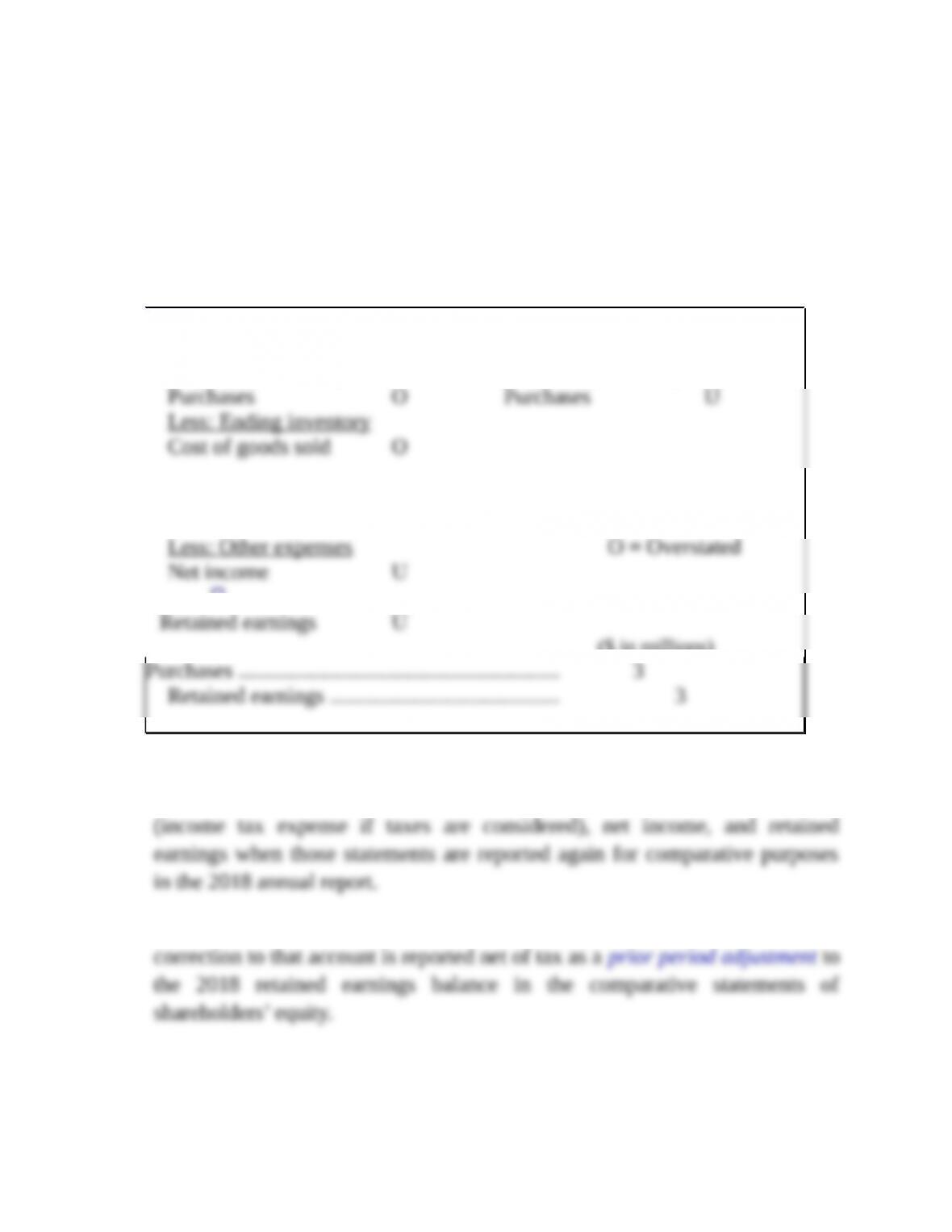
Error b
1. To include the $3 million in year 2018 purchases and increase retained
earnings to what it would have been if 2017 cost of goods sold had not
included the $3 million purchases.
Analysis:
2017 2018
Beginning inventory Beginning inventory
Revenues
Less: Cost of goods sold O U = Understated
($ in millions)
2. The 2017 financial statements that were incorrect as a result of the error
would be retrospectively restated to reflect the correct cost of goods sold,
3. Because retained earnings is one of the accounts incorrectly stated, the

4. Also, a disclosure note should describe the nature of the error and the impact
Exercise 20-1
Requirement 1
January 1, 2018 ($ in millions)
Retained earnings……………………………………………………………….. 30
Inventory (cumulative effect) * ………………………………………….. 30
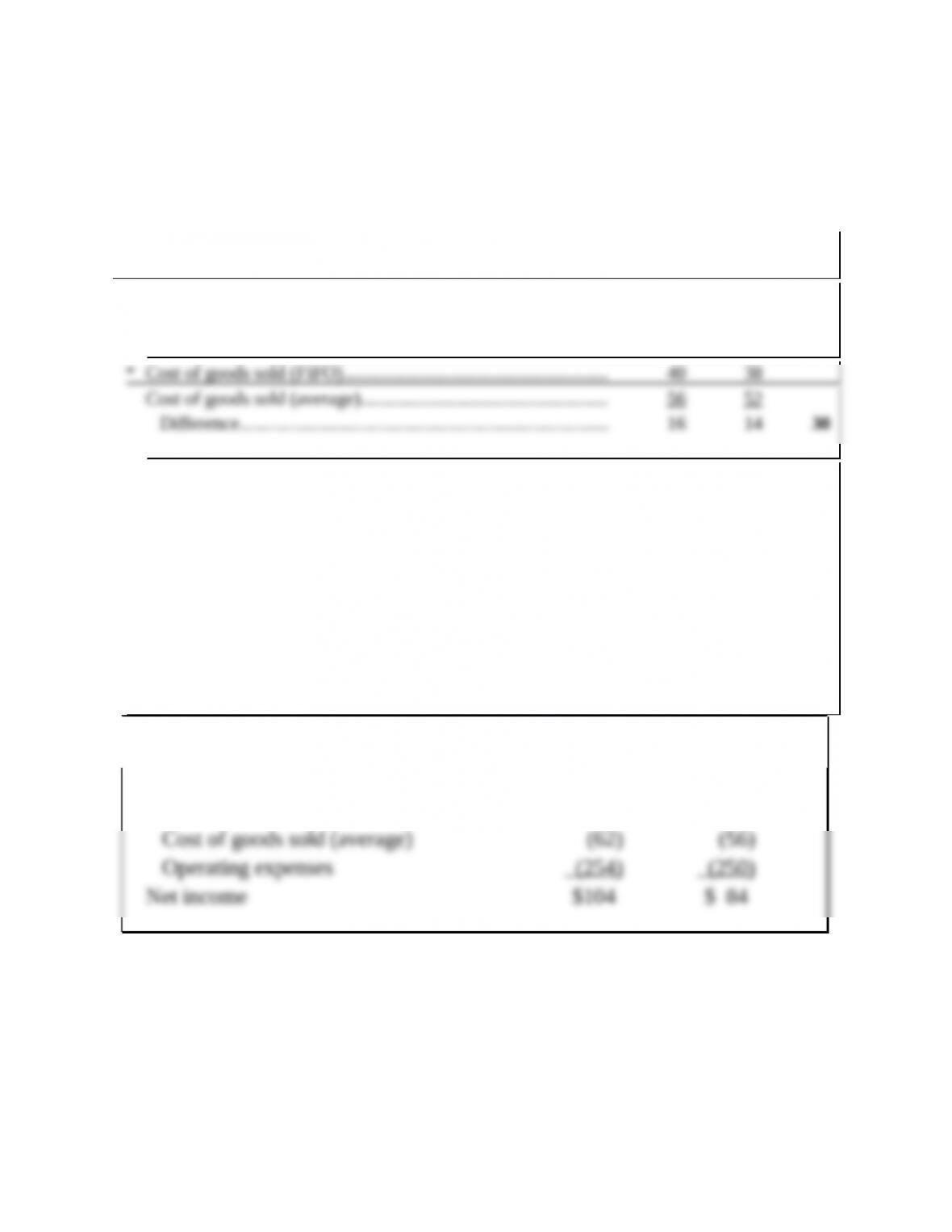
2017 2016 Total
Since the cost of goods available for sale each period is the sum of the cost of goods sold
and the cost of goods unsold (inventory), a $30 million difference ($16 + 14) in cost of
goods sold due to using FIFO rather than Average means there also is a $30 million
difference in inventory. The cumulative prior year difference in cost of goods sold is
reflected as a difference in prior years’ income and, therefore, the balance in retained
earnings.
Requirement 2
COMPARATIVE INCOME STATEMENTS
($ in millions) 2018 2017
Revenues $420 $390
EXERCISES
Exercise 20-1 (continued)
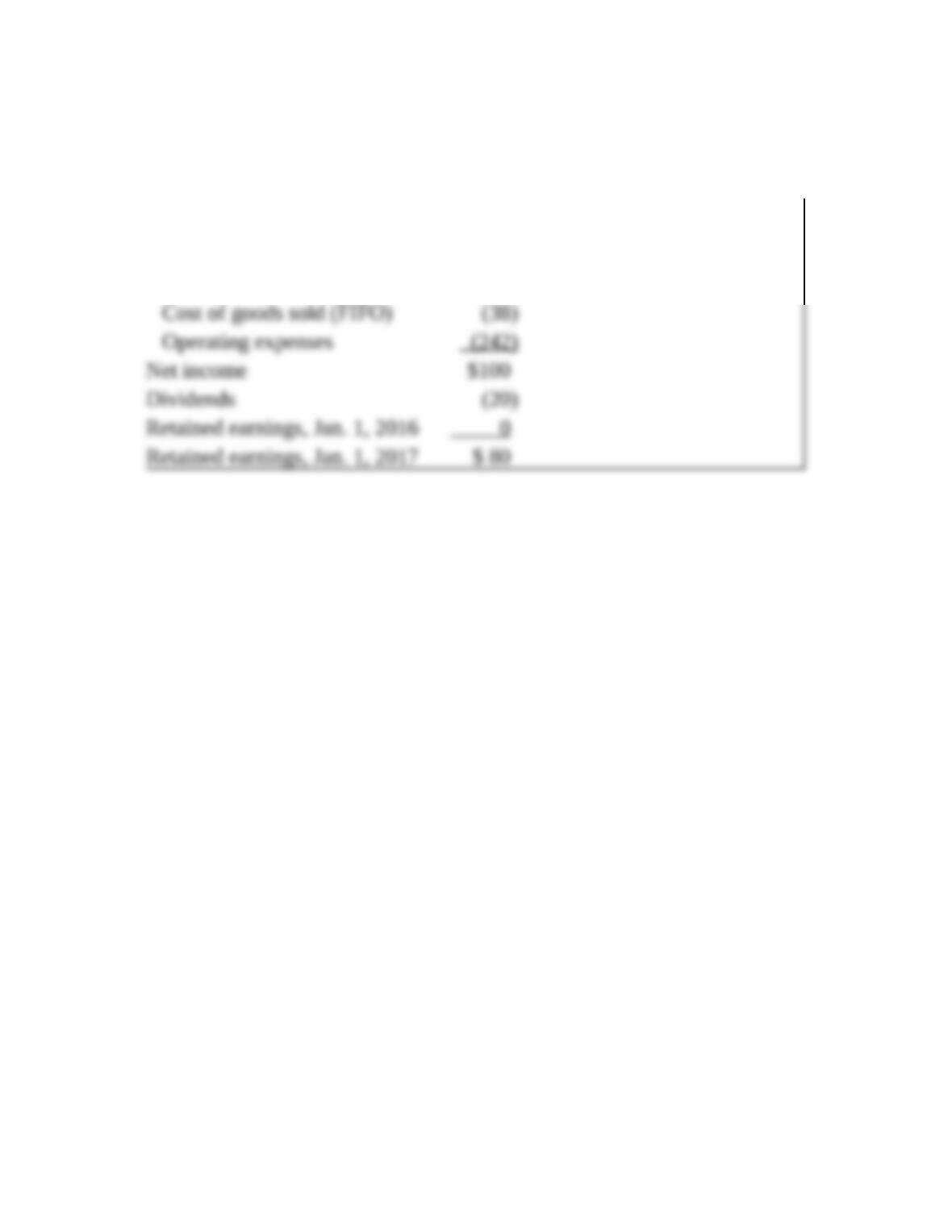
Requirement 3
Calculations ($ in millions):
2016
Revenues $380
Exercise 20-1 (concluded)
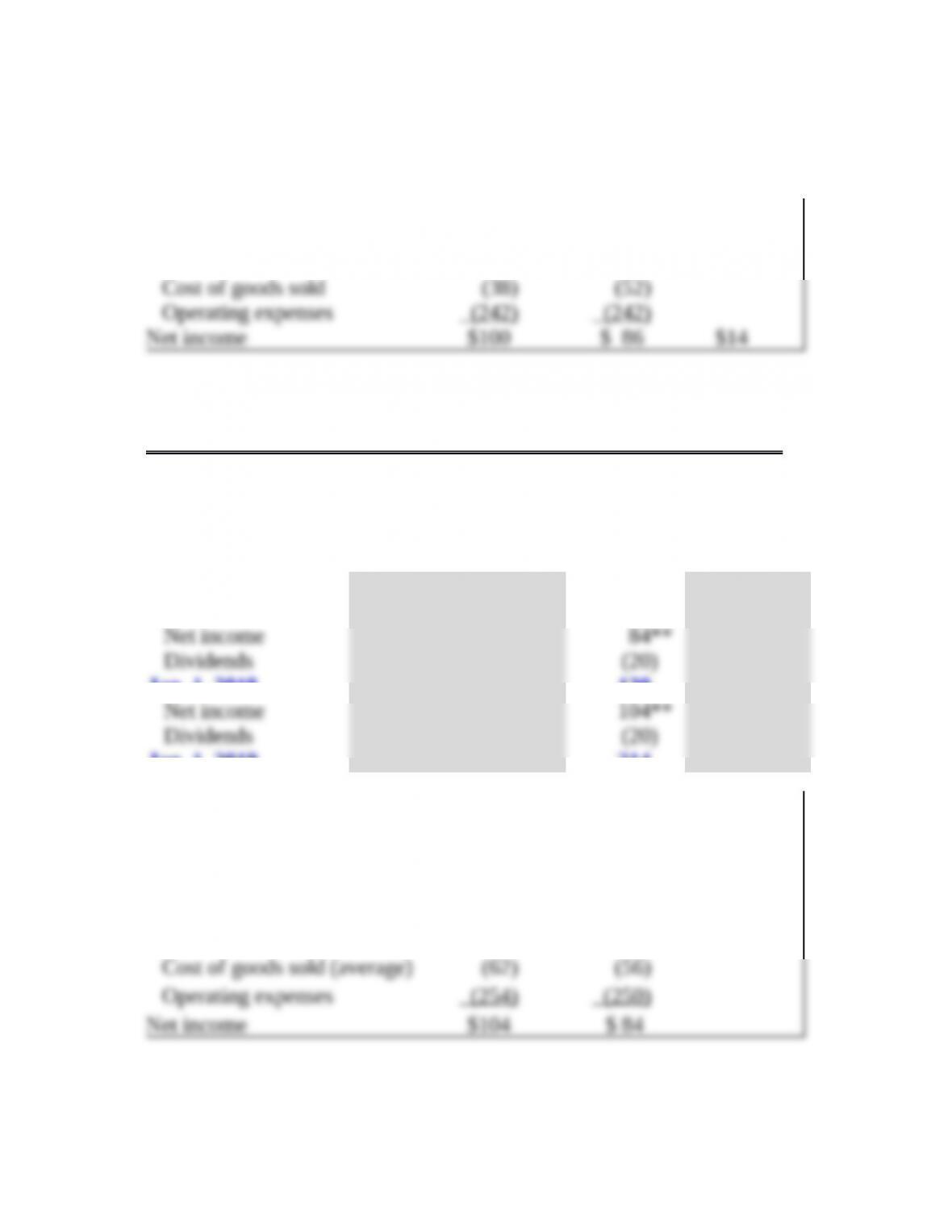
Requirement 4
Calculations ($ in millions): 2016
FIFO Average Difference
Revenues $380 $380
Comparative Statements of Shareholders’ Equity
(not required)
($ in millions)
Common
Stock
Additional
Paid-in
Capital
Retained
Earnings
Total
Shareholders’
Equity
Jan. 1, 2017* 66
Jan. 1, 2018 130
Jan. 1, 2019 214
*Decreased from $80 million to $66 million to reflect the effect of the
change in inventory methods.
**Calculations ($ in millions):
2018 2017
Revenues $420 $390
Exercise 20-2
Requirement 1
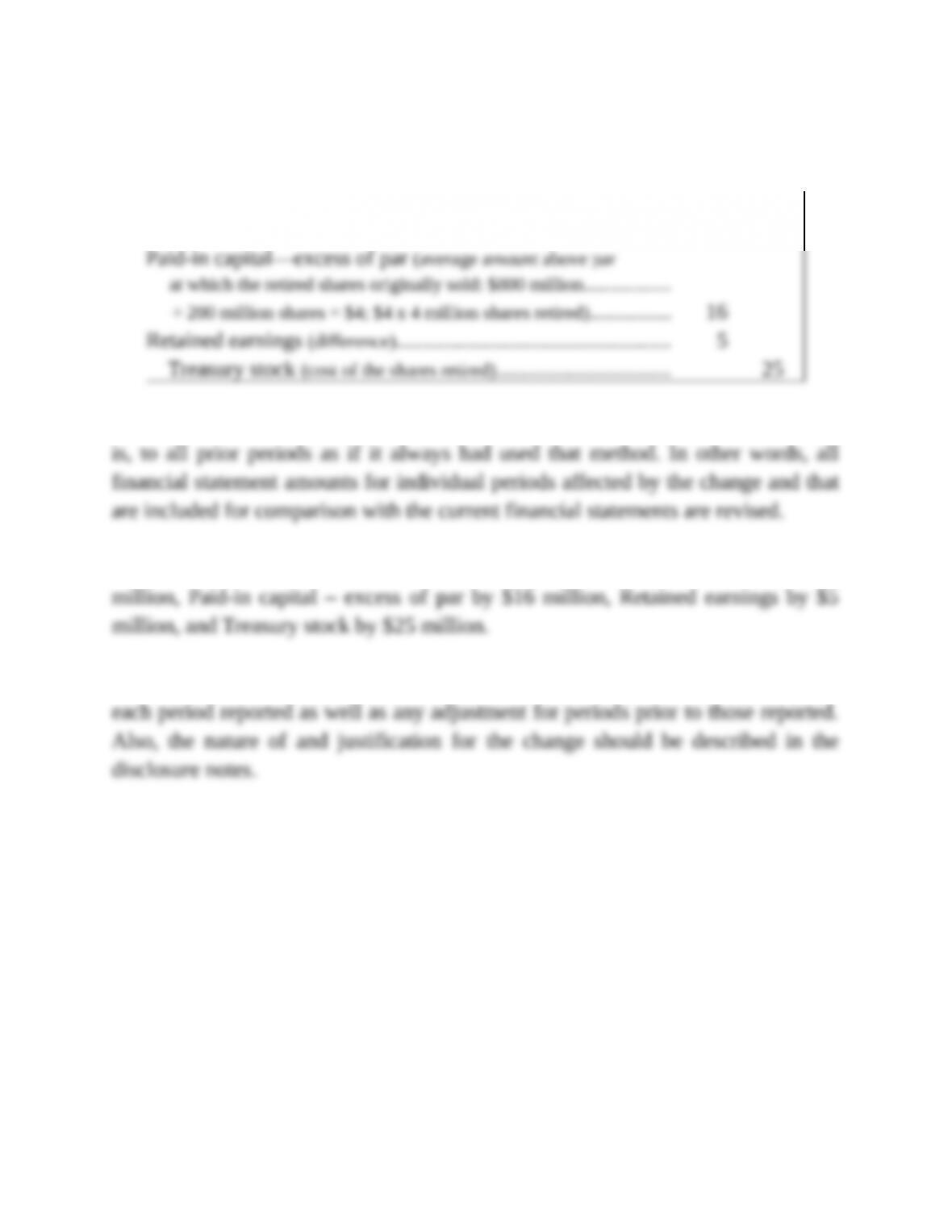
Balance at January 1, 2018, using LIFO $780,000
Prior to 2018, using FIFO:
Inventory would have been higher by $60,000, so
Cost of goods sold would have been lower by $60,000, so
Requirement 2
January 1, 2018
Inventory (additional inventory if FIFO had been used) …………………. 60,000
Exercise 20-3
This is a change in accounting principle.
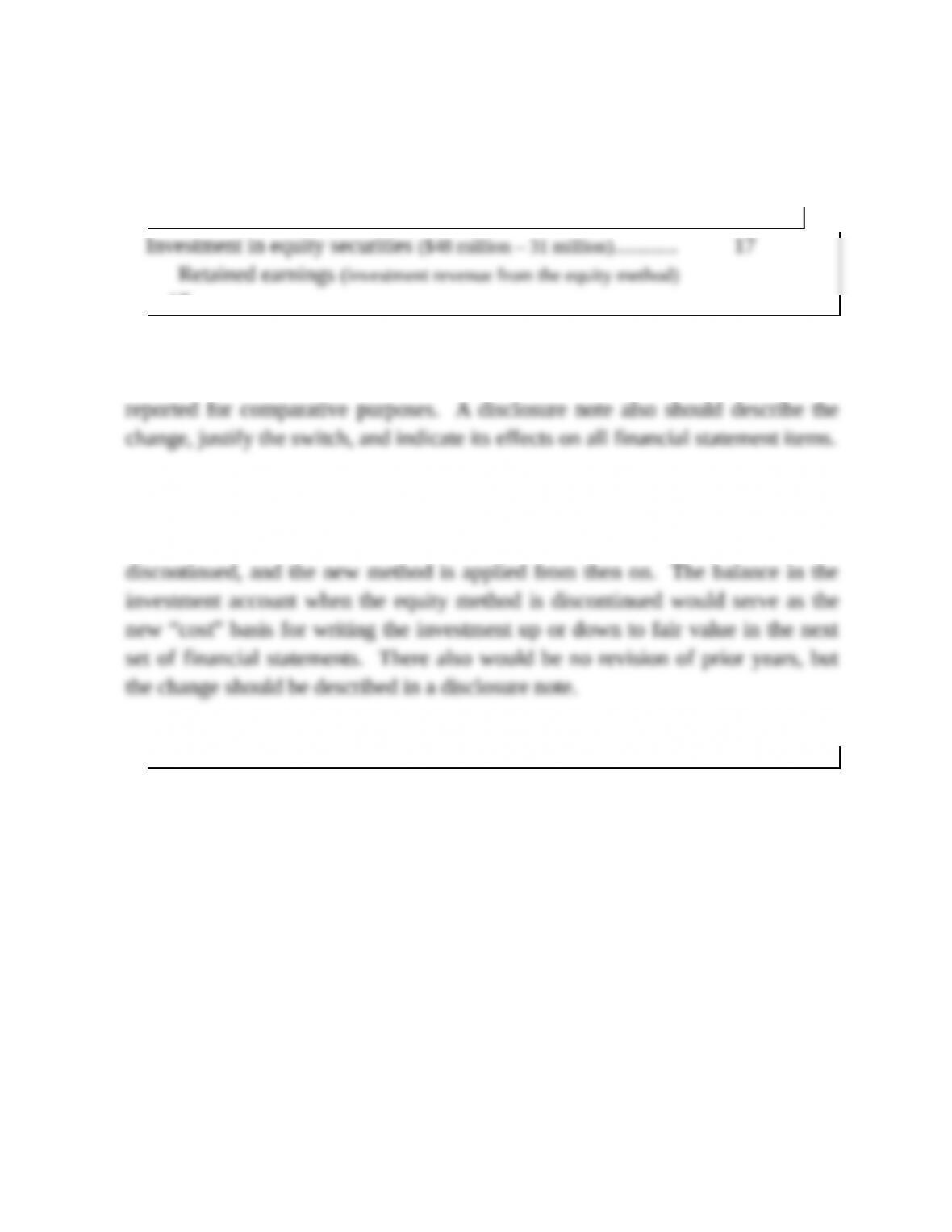
($ in millions)
Common stock ($1 par x 4 million shares retired)……………………. 4
UMC applies the new way of reporting reacquired shares retrospectively; that
In each prior period reported, then, UMC would reduce Common stock by $4
The effect of the change on each line item affected should be disclosed for
Exercise 20-4
Requirement 1
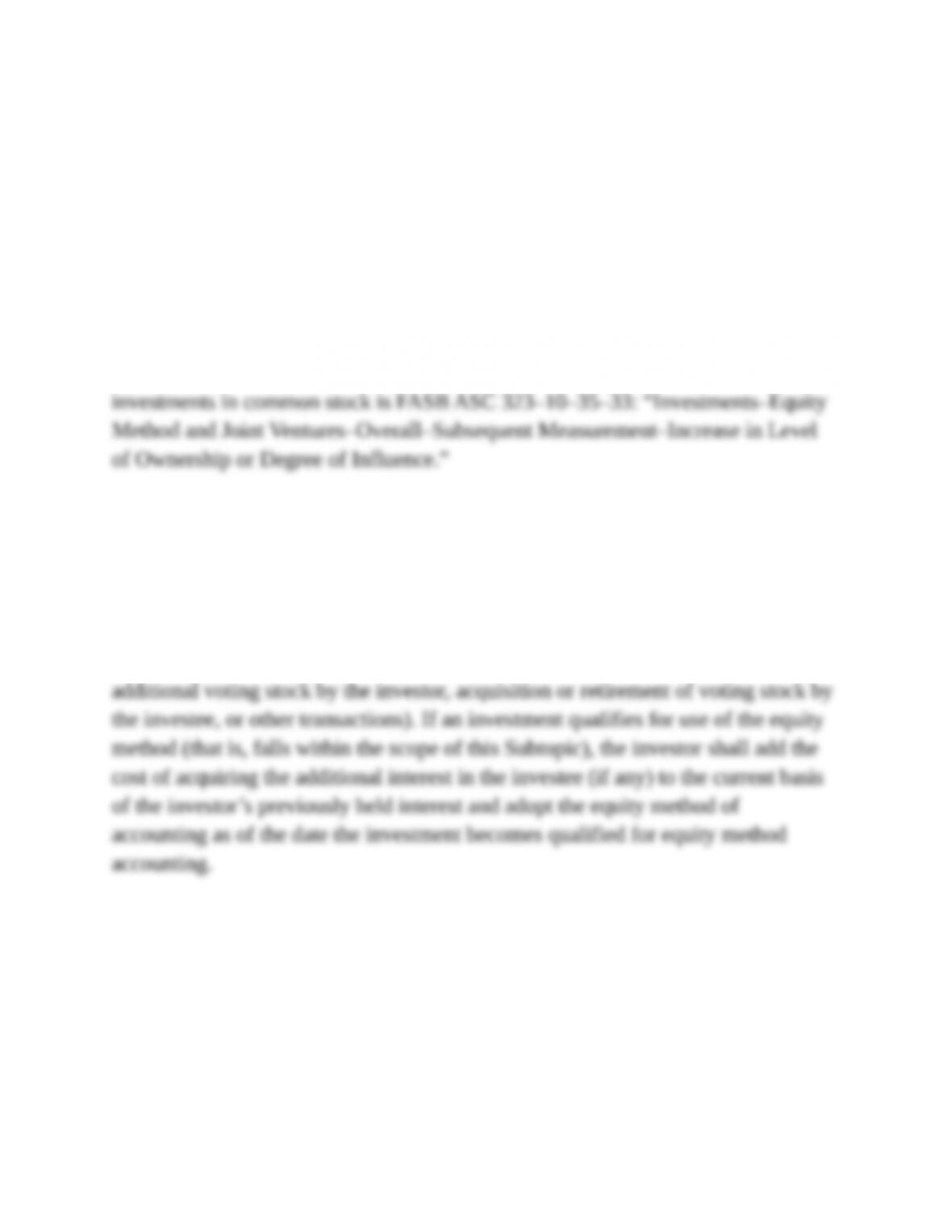
($ in millions)
17
Requirement 2
Financial statements would be recast to reflect the equity method for each year
Requirement 3
When a company changes from the equity method, no adjustment is made to
the book value of the investment. Instead, the equity method is simply
Exercise 20-5
Requirement 1
Access FASB Accounting Codification
Requirement 2
The specific citation that describes the guidelines for how to account for a change
in percentage ownership which then mandates use of the equity method for
Requirement 3
35-33 An investment in common stock of an investee that was previously
accounted for on other than the equity method may become qualified for use of the
equity method by an increase in the level of ownership (that is, acquisition of