95
CHAPTER 17
Secondary Functions 2
The unit on secondary functions continues with a discussion of secondary leading–tone chords, this part of the
chapter paralleling the approach used in Chapter 16. Intensive chord spelling and recognition drills should be
continued in this chapter, including diatonic seventh chords as well as the material from Chapters 16 and 17.
The chapter continues with consideration of harmonic sequences employing secondary functions and the substitution
of leading tone chords for diatonic sevenths or secondary dominants in such sequences (Piston’s analysis of vii07 as
a V09 is especially appealing here). The final two sections concern deceptive resolutions of secondary functions and
non–dominant secondary functions, such as VI/vi.
Answers to Selected Exercises
Exercise 17-1
A.
B. 1. vii0r /iv 2. vii0r/V 3. vii0q/vi 4. X 5. vii0q/VII
Exercise 17-2
A. 1. a. Occurrences of a: mm. 59–62, Vla. and Vc.
Chapter 17
96
mm. 69–72, Vn. I (last measure varied)
2. D: ! | %r/$ | $ %t/2 | 2 | _ | 2–t |
%e (!w) | 70e/6 | 6 | 70e/% | !w %e | ! |
3. g: (i) Ve | iv i (ivw) ii0q/iv | Vy/iv ivq a Ve i |
4. The form is a contrasting period. We offer two analyses of the second measure. A class discussion about
this measure might be useful. Is one analysis “better” than the other? How would one make that judgment?
Is it necessary or even useful to decide?
E: ! !9y t $ (9e) % y
Chapter 17
97
!q (9r) $ % 70e/6 6 7–e/% % e !
5. The form is a parallel double period.
G: ! % $q ! % 6 4q/6 %/6 %r/2 %/% y %r ! %t
Chapter 17
98
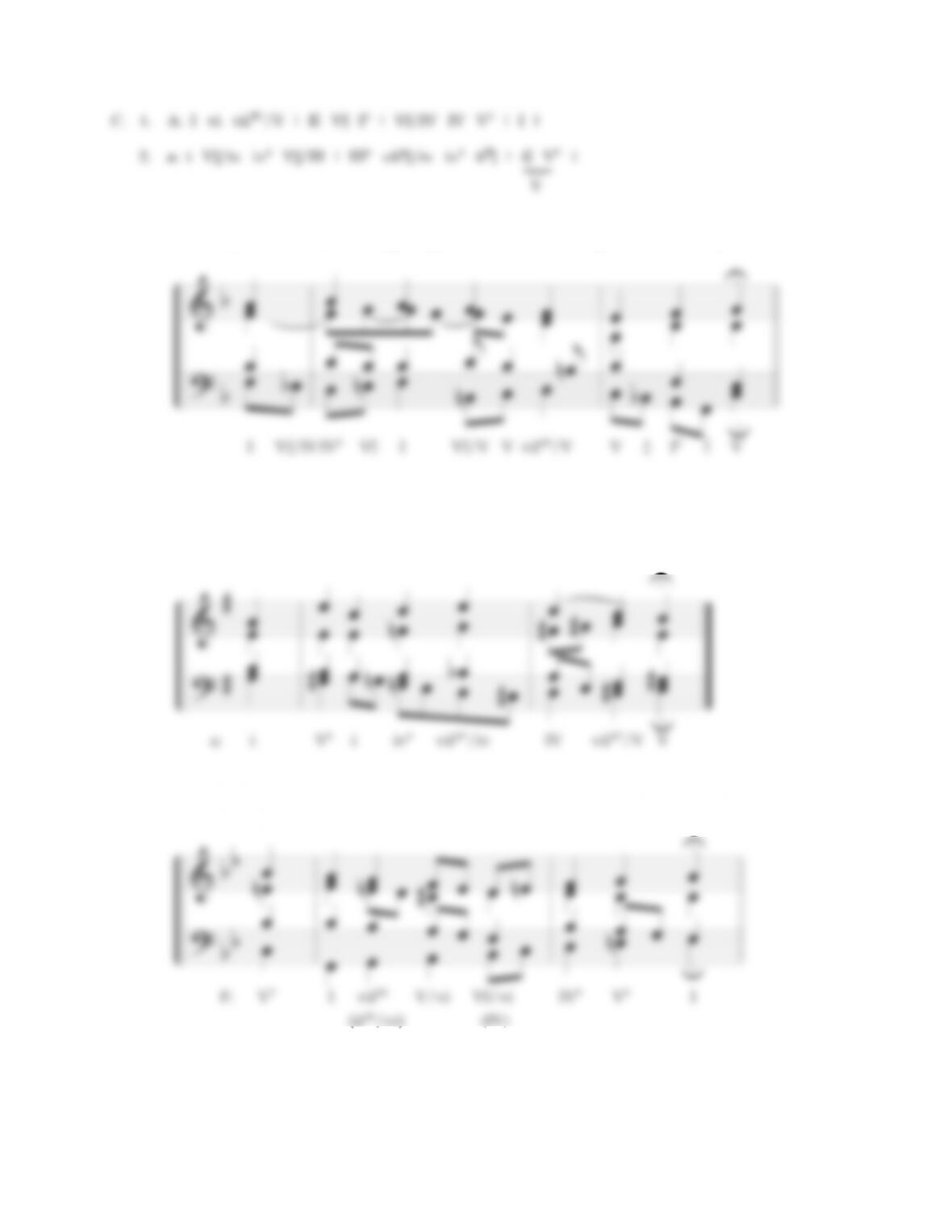
6.
A: ! 9y 6 (!w) $ ! %e ! %e ! 9y 6 (!w)
$ ! %e ! %e ! % %r/2 (70e/2) 2 2–e/6
%/6 %/6 %e/$ $ ! %e ! %e !
Chapter 17
99
C. 1. A: ! 6 7–e/% | !w %y !q | %r/$ $ %e | ! |
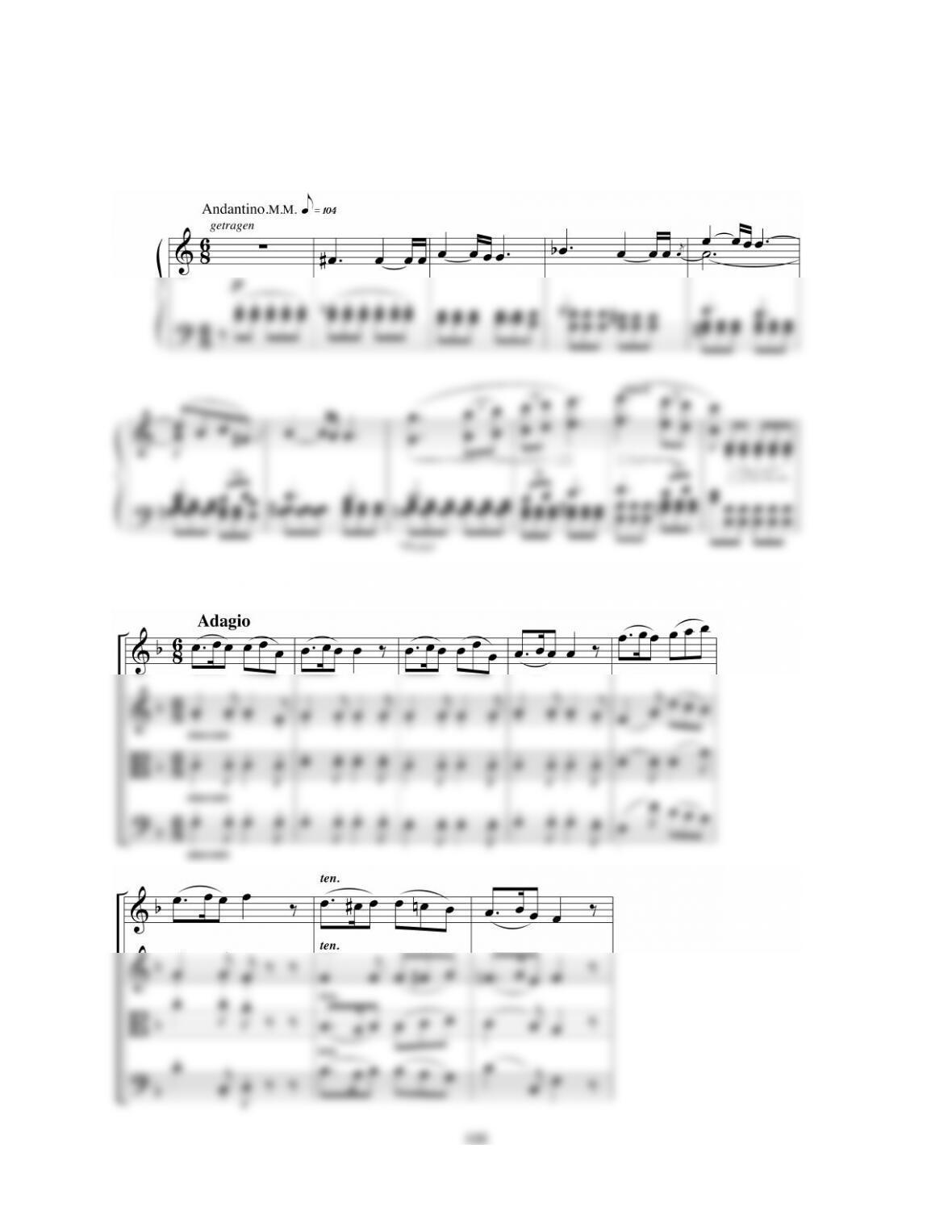
D. 1. Bach: Chorale No. 68. Notice the crossing of the alto and tenor parts to avoid parallel octaves between alto
and bass. (On the 4th beat of the only complete measure there is an optional 6e = 2e/%.)
2. Bach: Chorale No. 3. The unaccented appoggiatura in the tenor in the final measure is unusual. It might be
heard as an “unprepared” passing tone from the bass (D-E-F#). (On the 4th beat of the only complete
measure there is an optional 2-y/4.)
3. Bach: Chorale No. 266. The vii0q-Ve/vi–VI/vi progression is especially interesting.
Chapter 17
100
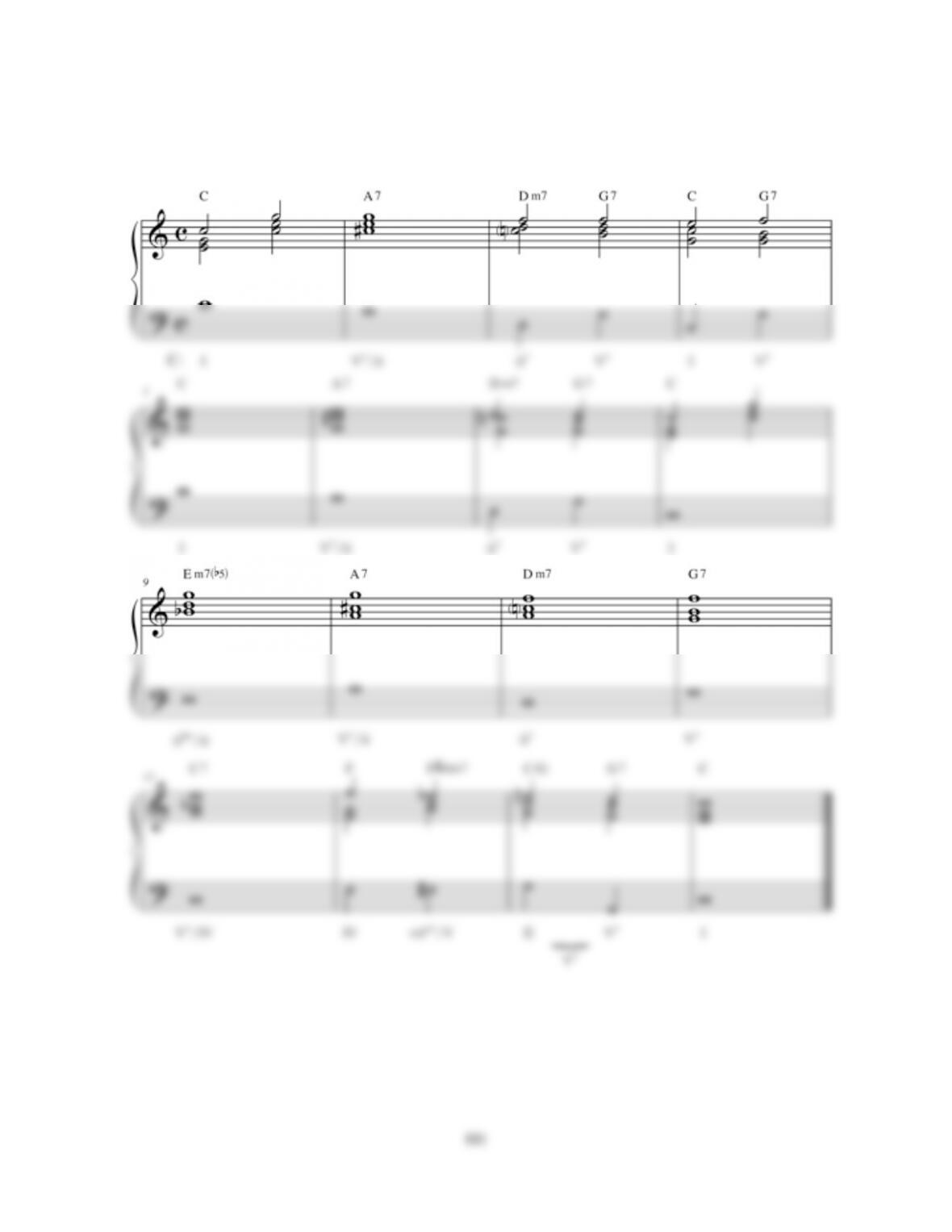
E. 1. Schumann: Sonata, Op. 22, II. This is an excellent excerpt for class analysis, although the cto7 (see Chapter
24) in m. 7 will have to be explained. The second chord in m.9 is also somewhat problematical. A solution
is to label the G# as a passing tone or to hear the chord as a V/vi with an avoided resolution.
2. Haydn: String Quartet, Op.20 No.5, III
Chapter 17
101
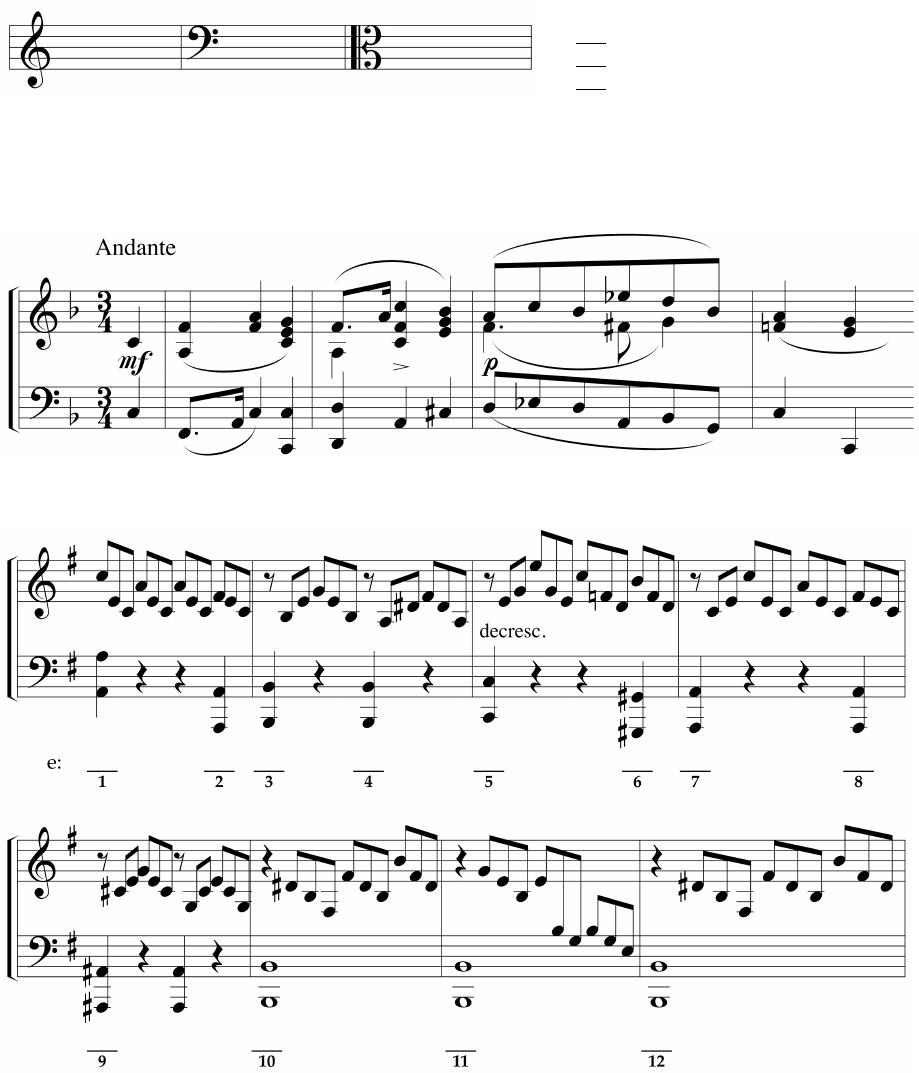
F. Registral shifts like the ones we used in mm. 1 and 8 are necessary, or conventional voice leading will drive
the right hand into the basement. The apparently unresolved Eb in the 70e/V actually resolves to the D after
the “delaying action” by the cadential six–four.
Chapter 17
102
______________________ _____________________________
(section) (name)
Chapter 17 Quiz
A. Notate these chords in the specified inversions. B. Which one(s) of the following pro–
Include key signatures. gressions could be considered a
circle–of–fifths progression?
___ de Ge C9e Fe
___ Ee c#0e De G9e
___ Fe Bbe g0e c0e
A: 7-e/% Eb: 70q/$ G: 2-e/2
C. Label the chords in the two excerpts below. If the blanks are too close together, put some of the roman numerals
above the others.
1.
F: V ___ ___ ___ ___ ___ ___ ___ ___ ___ ___ ___ ___
1 2 3 4 5 6 7 8 9 10 11 12
2.
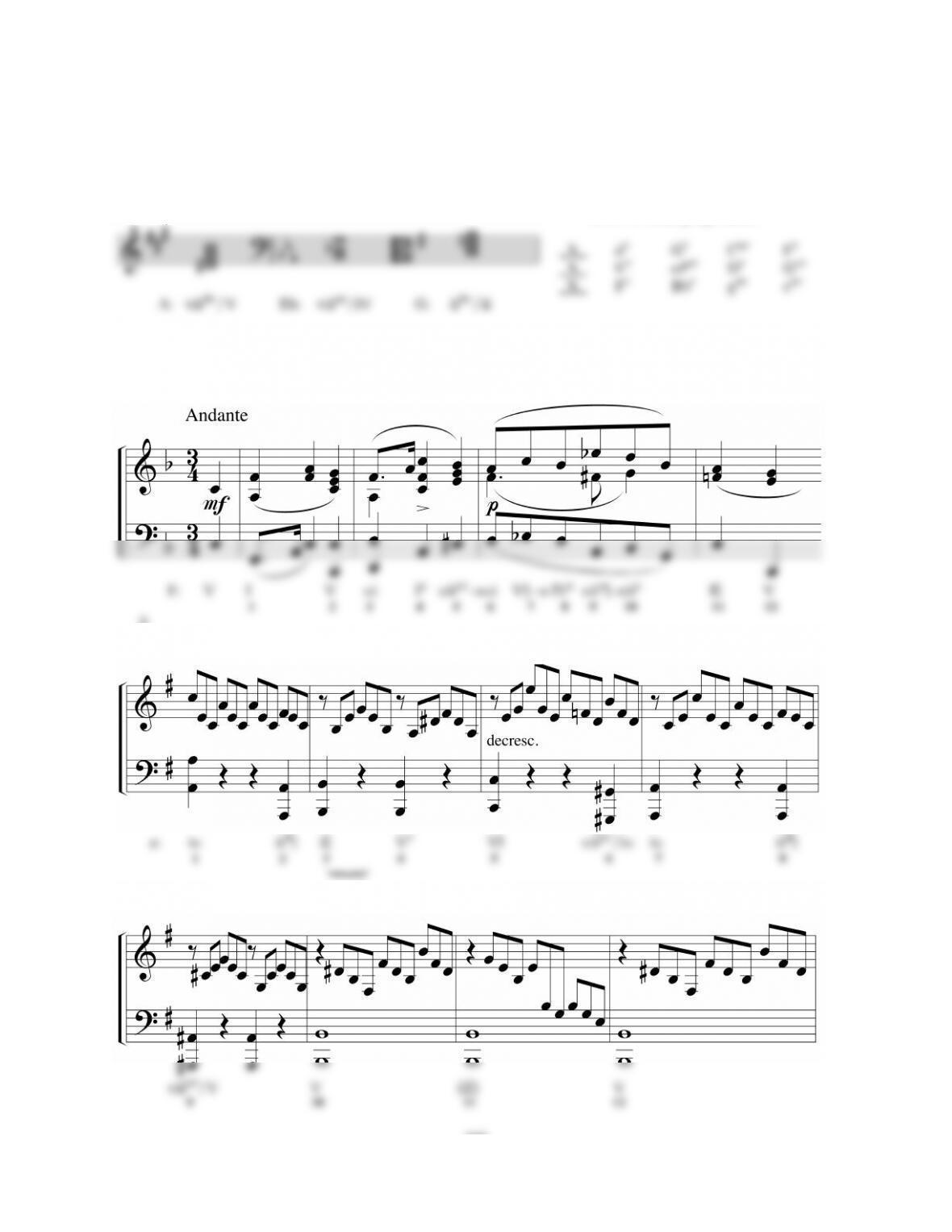
Chapter 17
103
Key for Chapter 17 Quiz
A. Notate these chords in the specified inversions. B. Which one(s) of the following pro–
Include key signatures. gressions could be considered a
circle–of–fifths progression?
C. We recommend the use of arrows, as we have done here, when space is limited. [The second excerpt is from
Beethoven’s Sonata, Op. 14 No. 1, III.]
1.
{
%
e: 4 2–r 1w %e ^ 70e/4 4 2-r
%
70e/% % (1w) %