85
CHAPTER 16
Secondary Functions 1
We begin the study of chromaticism with a chapter on the secondary V and V7 chords. Our approach is first to treat
the spelling and recognition of these chords in the abstract, after which secondary dominants in context are
discussed.
Intensive chord spelling drills are essential for Chapters 16 and 17, with speed being an important factor. We
frequently use ungraded “quick thinking quizzes” of 10 to 20 questions read at a fairly rapid rate, the rule being that
the student must not write the question, only the answer. Oral drill/response games are also effective and fun, with
even the quickest students finding a challenge in questions on the order of “D would be the bass note of the chord
following a Vy of IV in what major key?”
Those who employ levels analysis, even informally, will want to emphasize that in almost all cases a secondary
dominant is harmonically subservient to the chord it tonicizes. Also, it is perfectly acceptable to analyze mini–
tonicizations, as in Exercise 16-2-A-2, in which mm. 21–24 could be analyzed as: | 1 | %r 1 | %y | 1q
of ii
Answers to Selected Exercises
Exercise 16-1
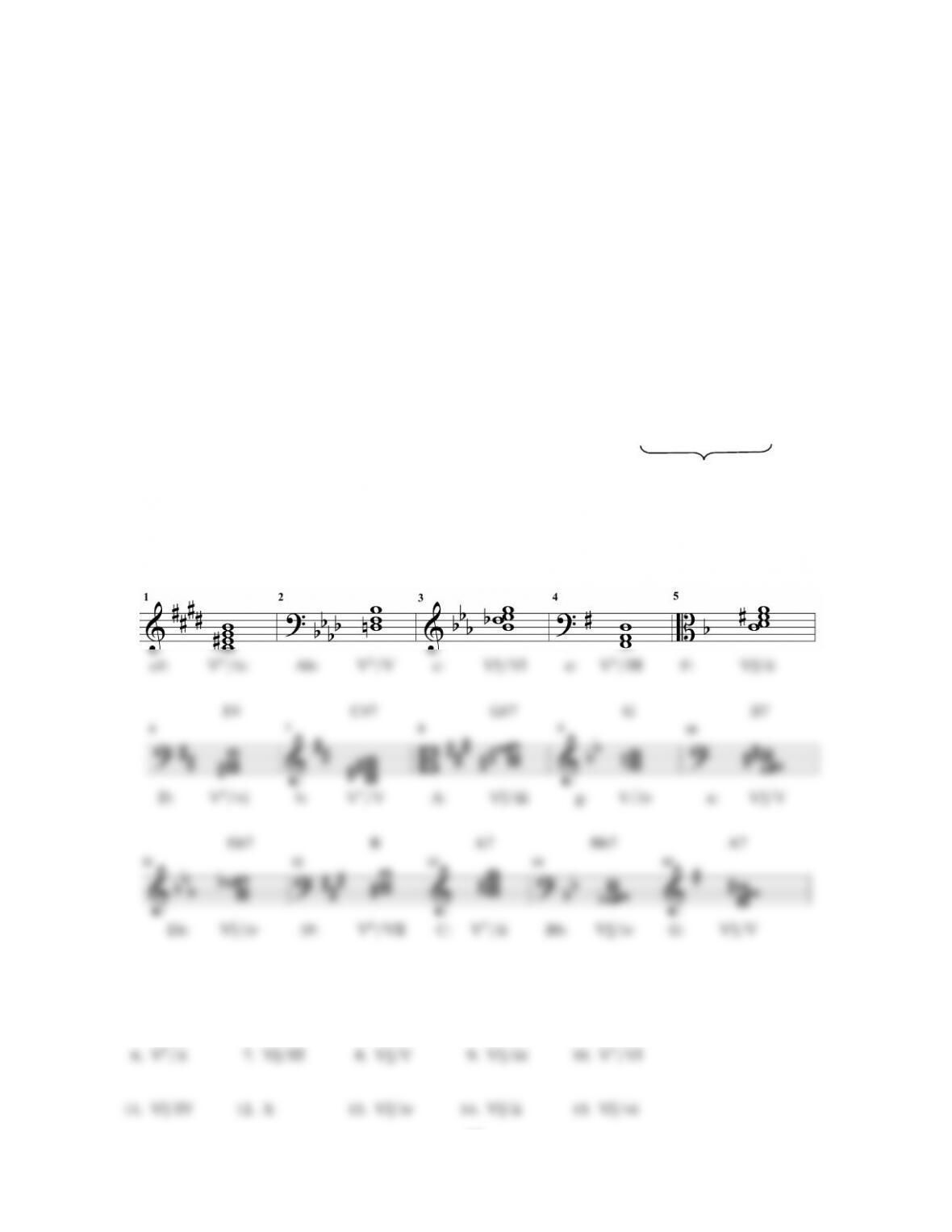
A. C#7 Bb Eb7 D D7
c#: %e/4 Ab: %q/% c: %t/^ e: %q/# F: %y/2
B. 1. %r/% 2. %e/6 3. X 4. %e/4 5. X
6. %e/2 7. %r/# 8. %y/% 9. %t/3 10. %e/^
Chapter 16
86
Exercise 16-2
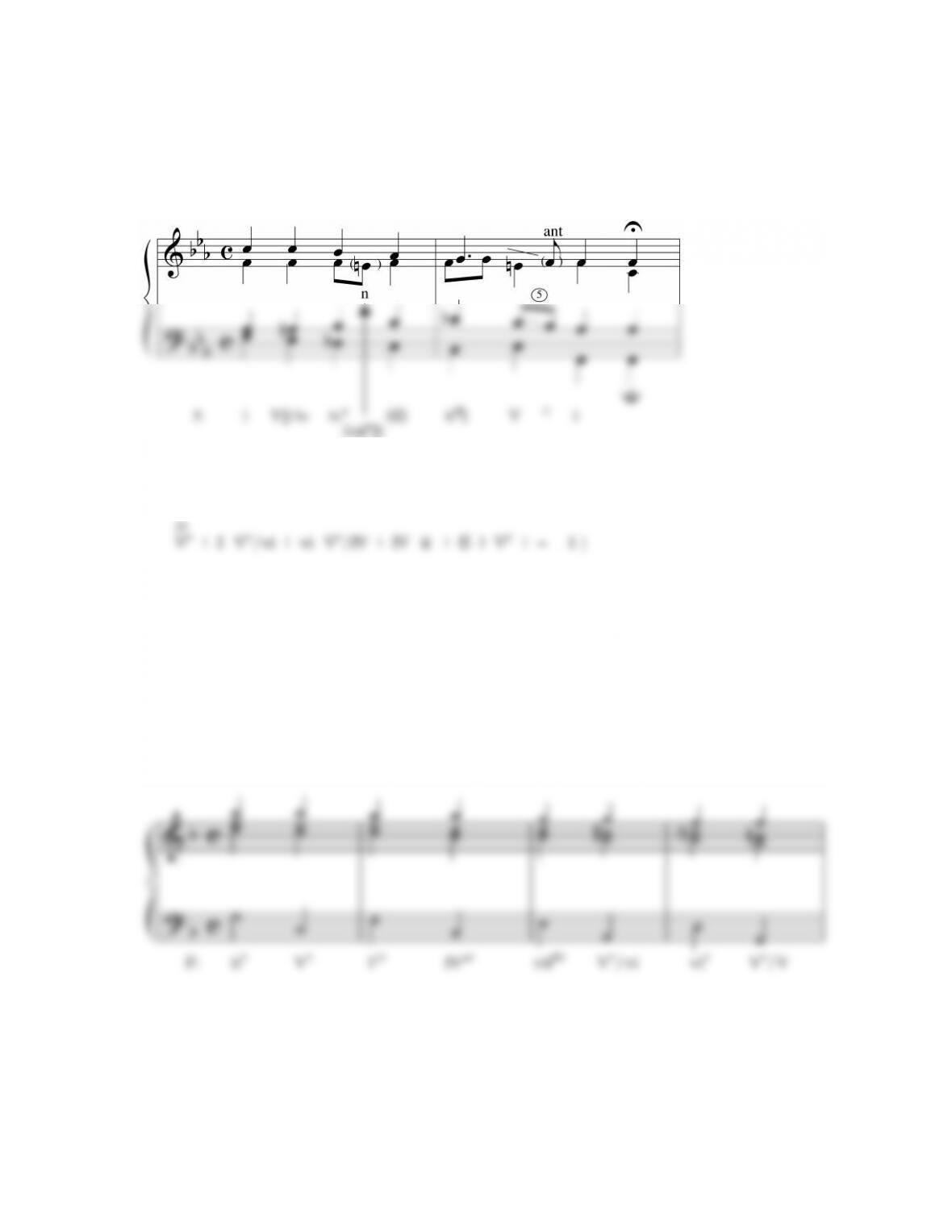
A. 1. The parallel fifths involve an anticipation above a passing seventh in an authentic cadence.
f: 1 %y/4 4q (1w) 2–r % e 1
2. C: ! | %r ! | %y | !q %(e)/2 | 2 | %r/2 2 | %y/2 | 2q e |
25
3. The progression is, of course, a long circle–of–fifths sequence, broken just once, at the C7–Am7
progression. As the song continues, the progression is repeated in the key of G. The words for mm. 5–8
appear to refer directly to the interruptions in the sequence: “(I) pick myself up, dust myself off, and start
all over again.”
In terms of partwriting, the only tricky spot is at that same C7–Am7 progression. Our solution omits the 3rd
from the Am7, although one could omit the 5th instead (at the expense of the soprano line) by having the
top line leap down to C5. Taking the Bb, which is the 7th of the C7 chord, up to the C does not seem to be a
good solution. Students should be encouraged to include the courtesy accidentals in mm. 4, 5, and 7.
Chapter 16
87
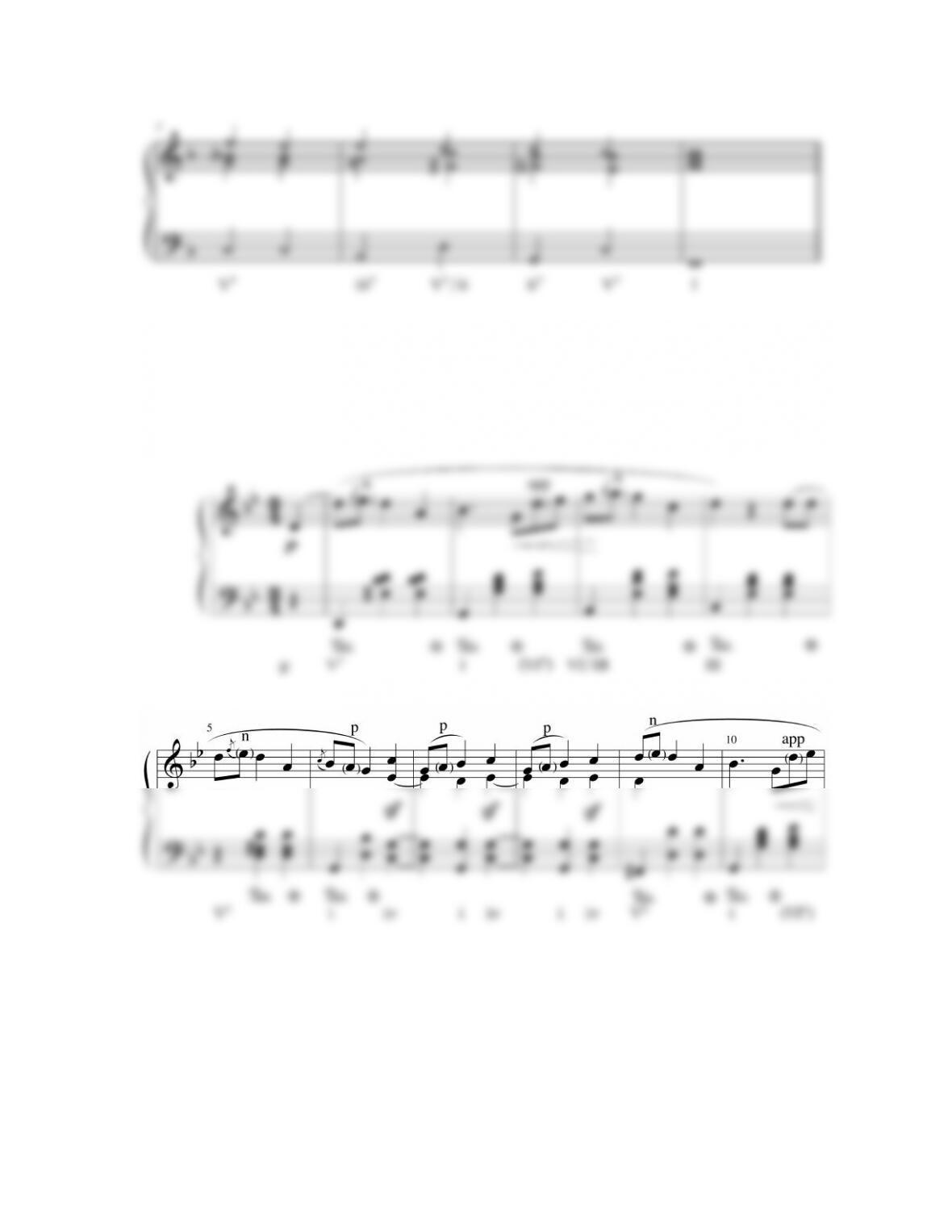
4. F# appears only in the accompaniment, while F appears in both the melody and the accompaniment. This
causes cross relationships in m.1, 5, and 13. Measure 15 is especially problematical, with a descending
melodic minor scale set over a gradually emerging V7 chord, which results in the questionable analysis of a
suspension (G5) resolving to a passing tone. The form is a parallel double period; the antecedent and the
consequent are both sentences.
%e 1 4 1 4 1 4 %q 1 (^q)
Chapter 16
88
%r//# # %e 1 4 %e 1
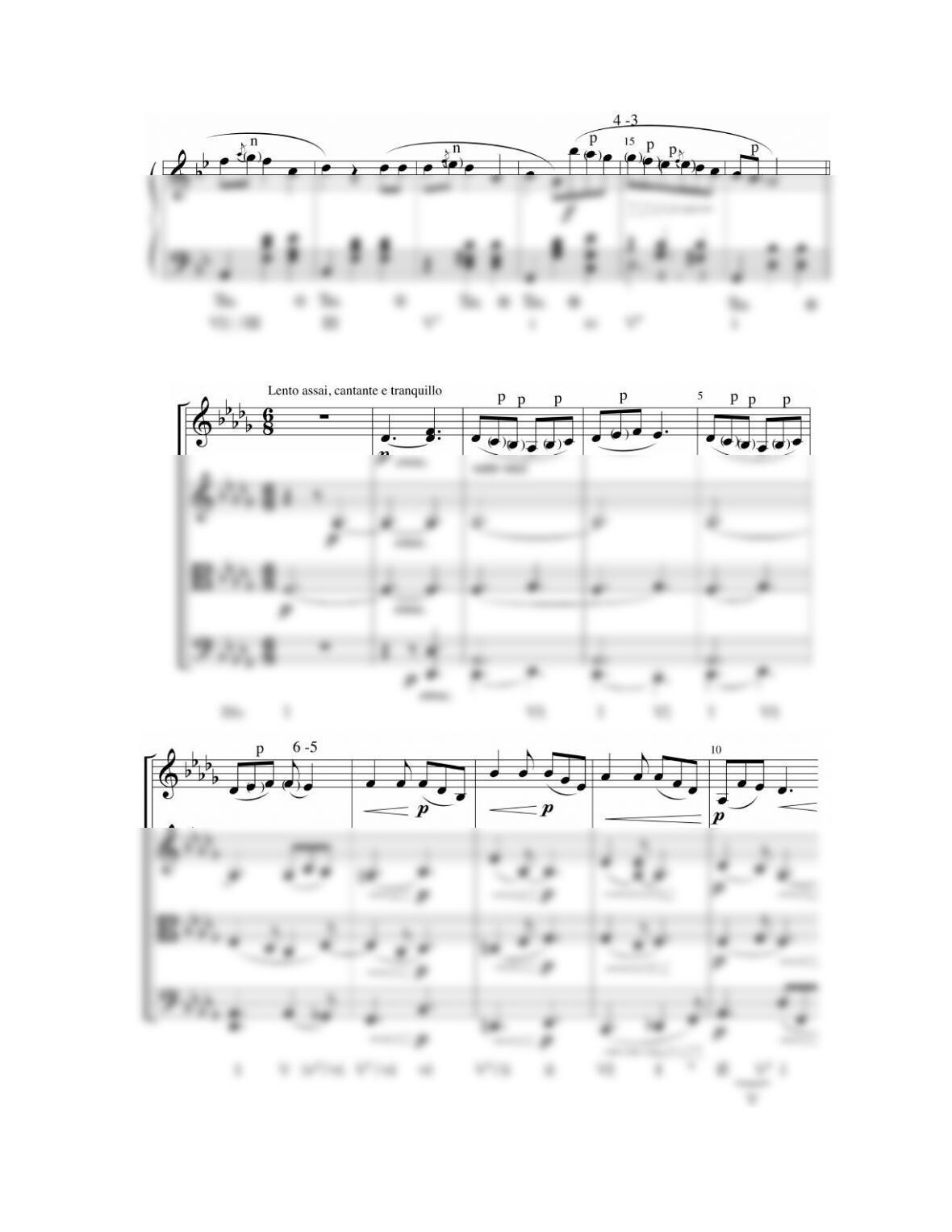
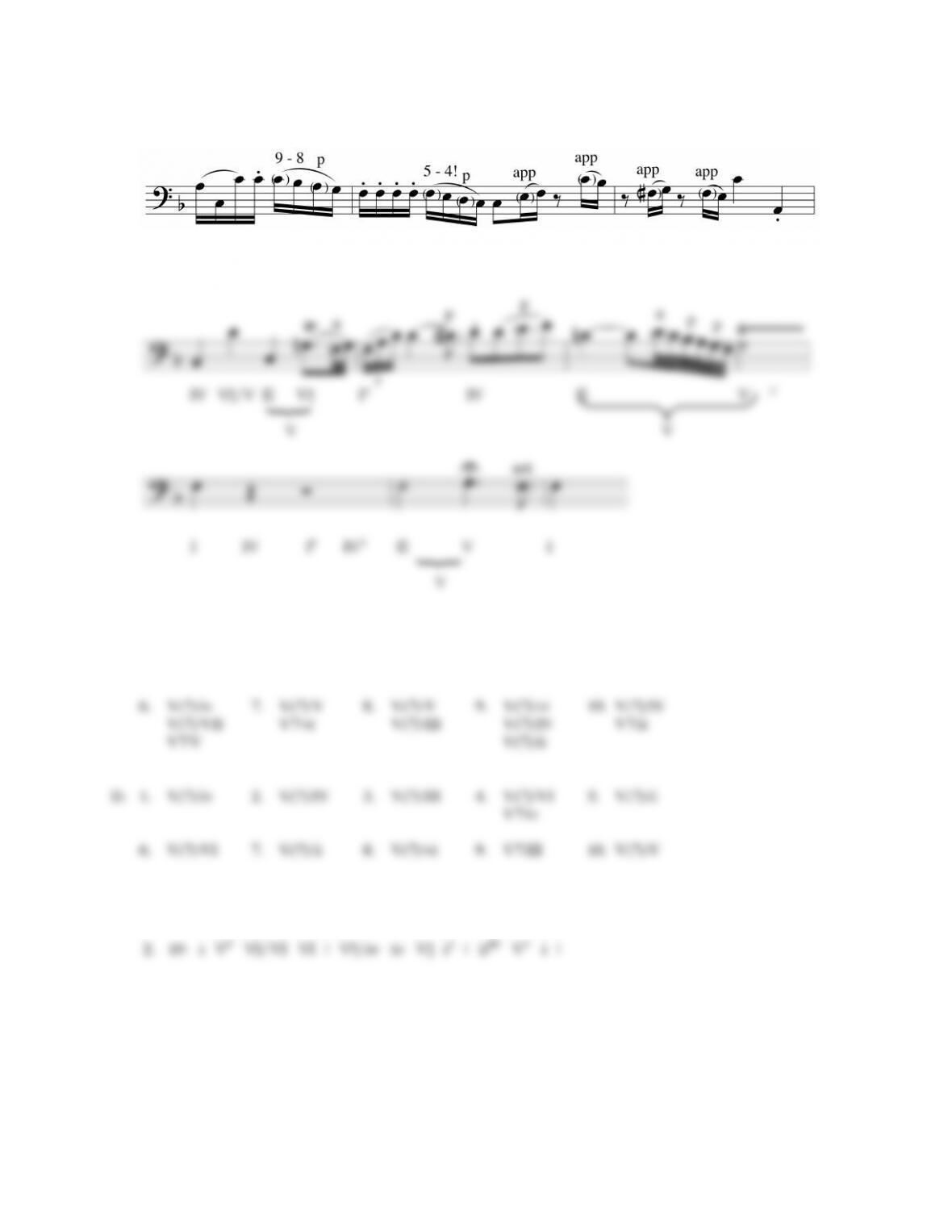
5. The form is a sentence.
Db: ! %t ! %r ! %t
! % 4q/6 %e/6 6 %q/2 2 %r ! q !w %e !
Chapter 16
89
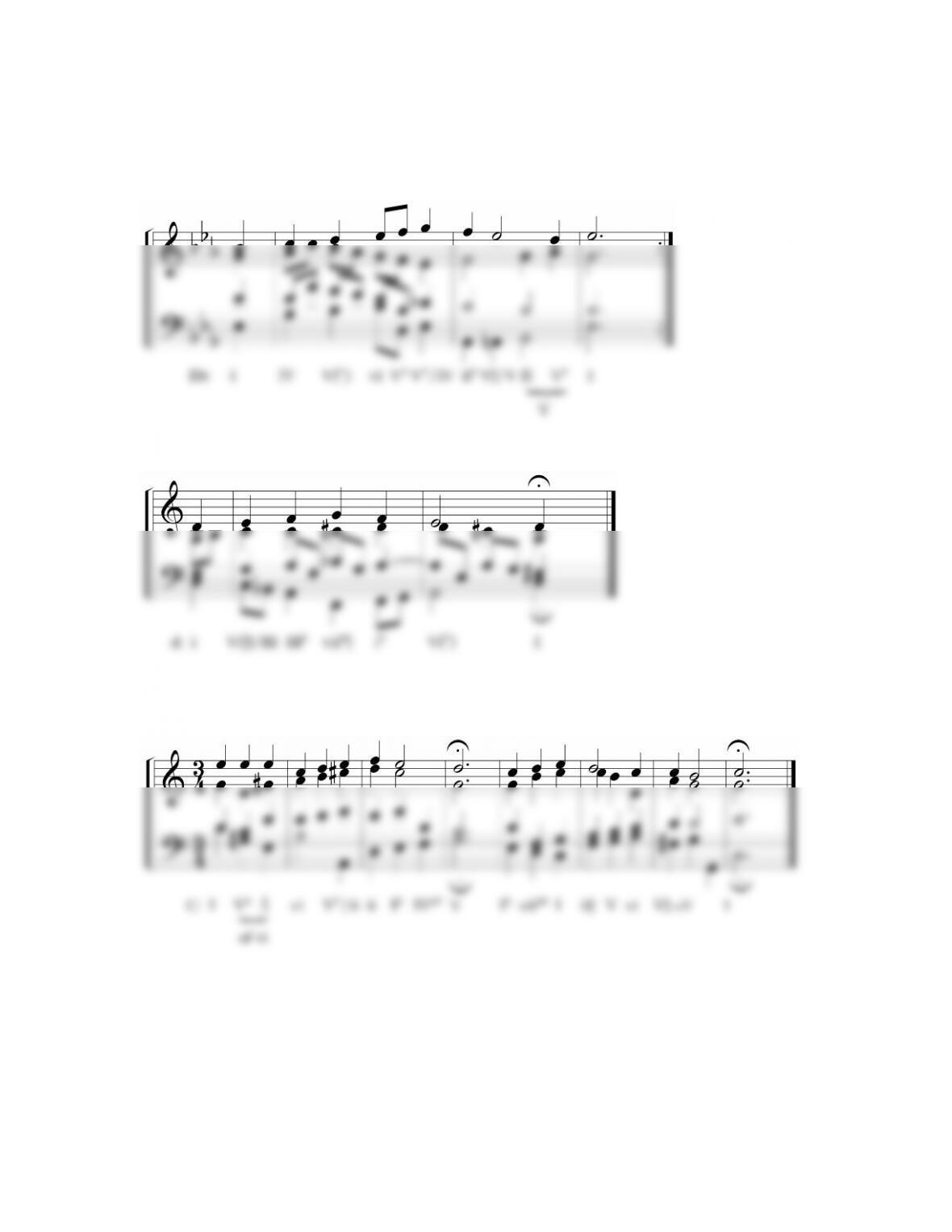
6.
F: ! 2q !w %y !q 2q !w %y !q %r/$
{ {
% %
C. 1. V(7)/VI 2. V(7)/VII 3. V(7)/iii 4. V(7)/ii 5. V(7)/IV
V(7)/iv V(7)/III V(7)/vi V(7)/V V7/V
V7/iii
E. 1. Bb: I Vy/$ $q %e | %r/6 6 2q %e | ! |
2. f#: 1 %e %r/^ ^ | %t/4 4 %y 1q | 2–e %e 1 |!
Chapter 16
90
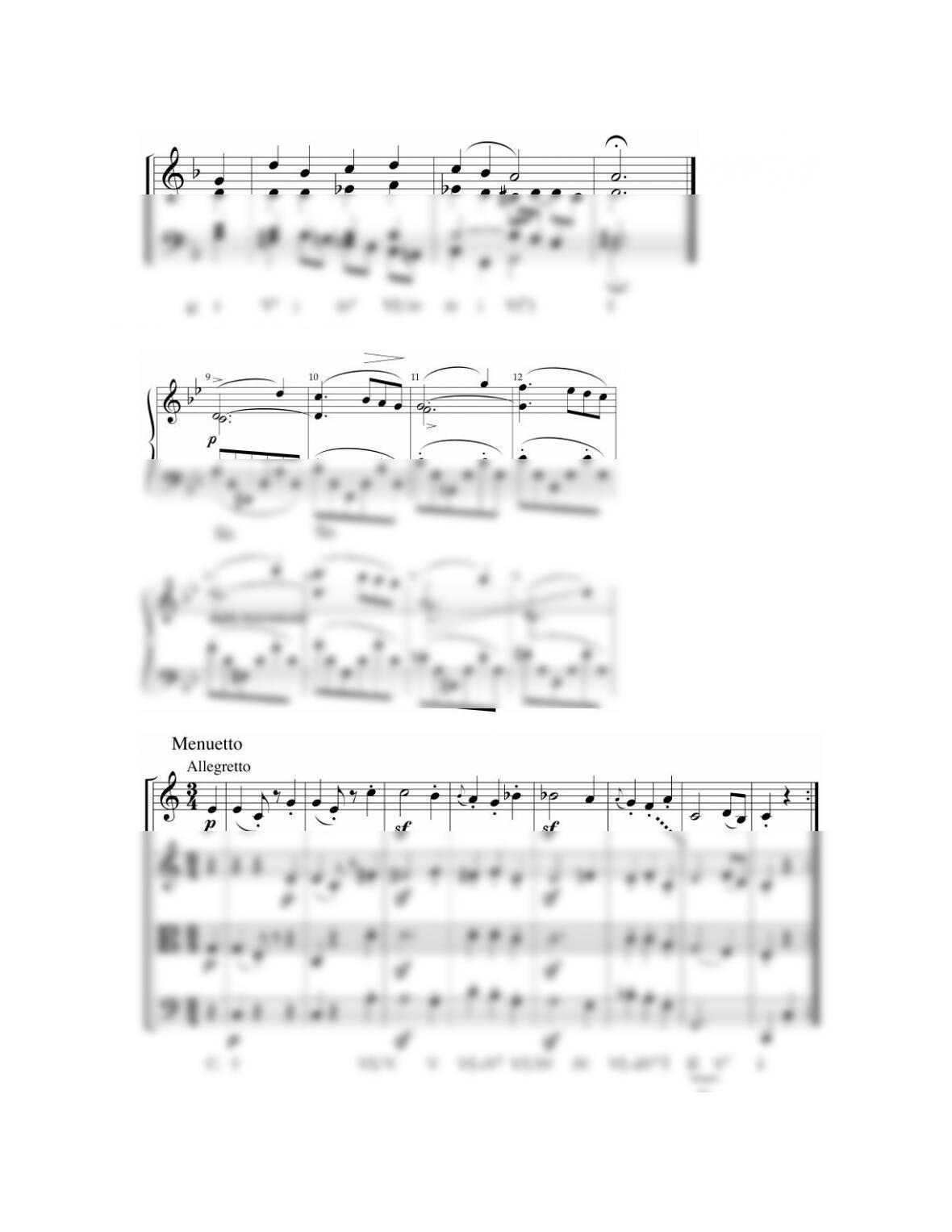
F. 1. Bach: Chorale No. 107. The wide spacing in the V7/IV is clearly justified by the sweep of the lines, with
the texture divided into parallel tenths (soprano and bass) and thirds (alto and tenor). Notice also the leap of
the seventh in the bass, after which the parallel tenths continue. The iiq sounds a bit like a IV with a 6–5
suspension.
Eb: ! IV %(e) 6 %q %e/$ 2q %r/% !w %e !
2. Bach: Chorale No. 180. Tonicization of the mediant, rare in the major mode, is common in minor.
d: 1 %(y)/# #q 70r 1q %(e) !
3. Bach: Chorale No. 217. This excerpt is notable in several respects, including, in the second phrase, wide
spacing in m. 5 and unusual voice leading in the V–vi progression in m. 6.
C: ! %q a 6 %e/2 2 !q $9e V !q 70q ! 2r % 6 %r®V I
Chapter 16
91
4. Bach: Chorale No. 262.
g: 1 %q 1 4q %r/4 4 1 %(e) !
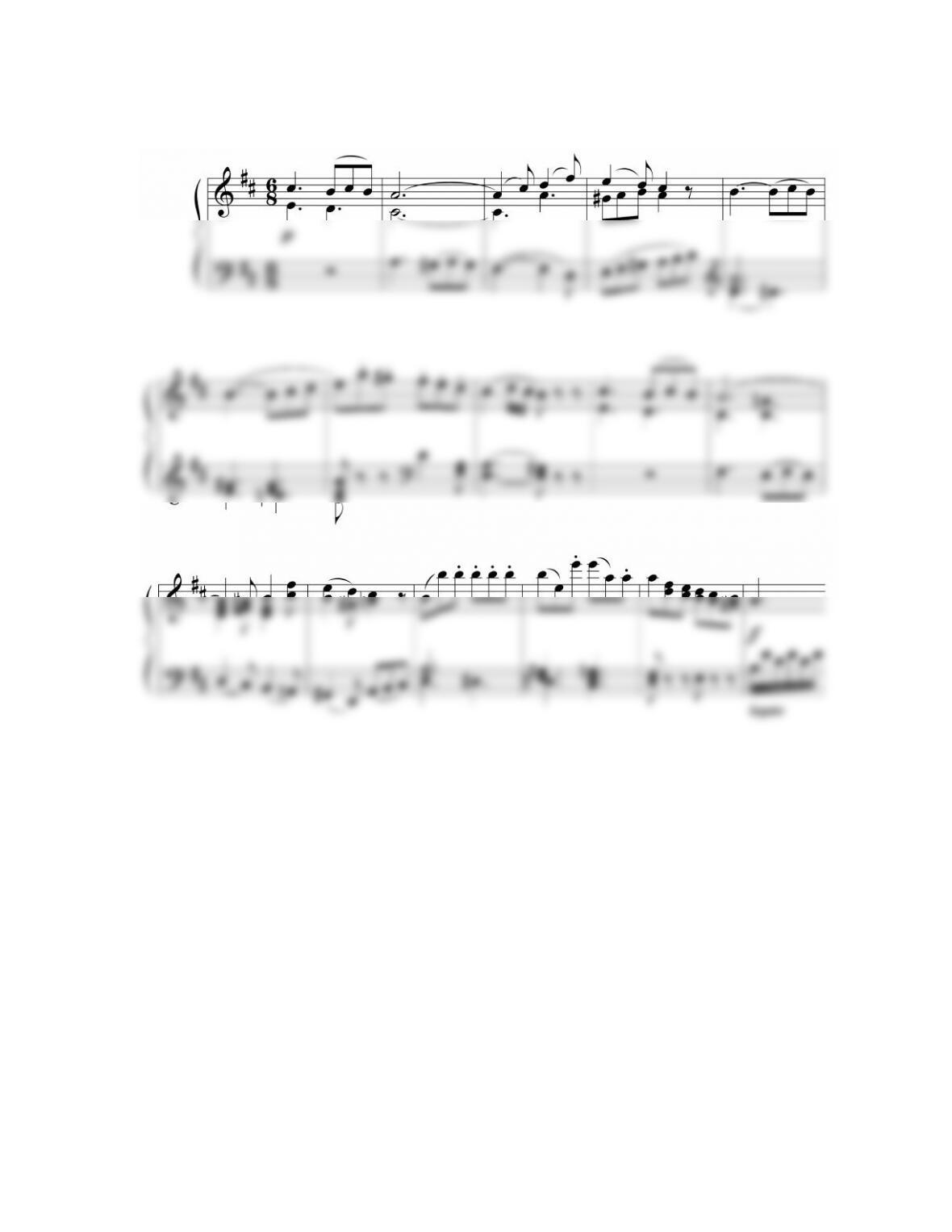
H. Haydn: String Quartet, Op. 54, No.2, III. Notice the C5–C4 stepwise descent in the melody.
C: I %t/% % %y®Vq %t/$ $ %y®$q a !w %e !
Chapter 16
92
I. Mozart: Piano Sonata, K.311, III, mm. 41–56
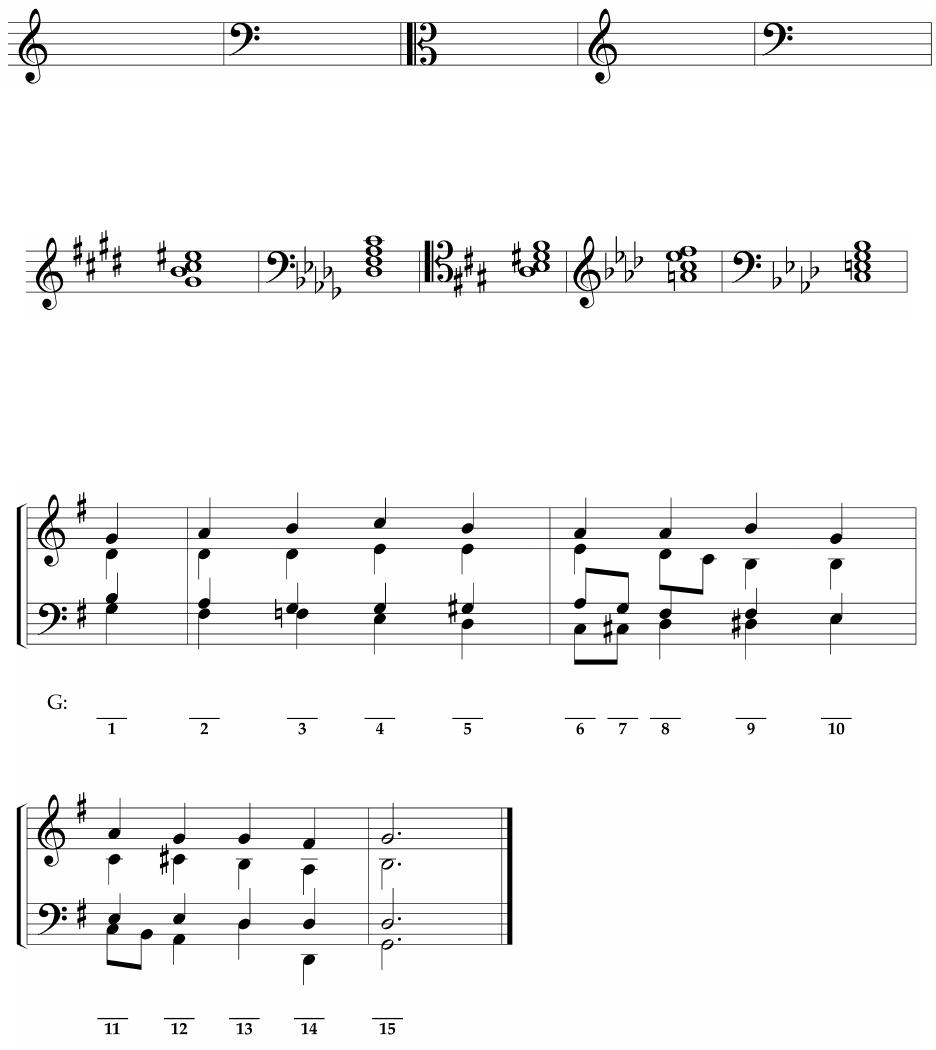
Chapter 16
93
______________________ ______________________________
(section) (name)
Chapter 16 Quiz
A. Notate these secondary dominants in the specified inversions. Include key signatures.
e: %e/% Bb: %q/3 G: %t/$ b: %r/^ D: %y/2
B. Label any chord that might be a secondary dominant with the appropriate roman numeral. Label all other chords
with an x .
E: ______ Db: ______ A: ______ f: ______ Ab: ______
C. Label chords and NCTs in this example.
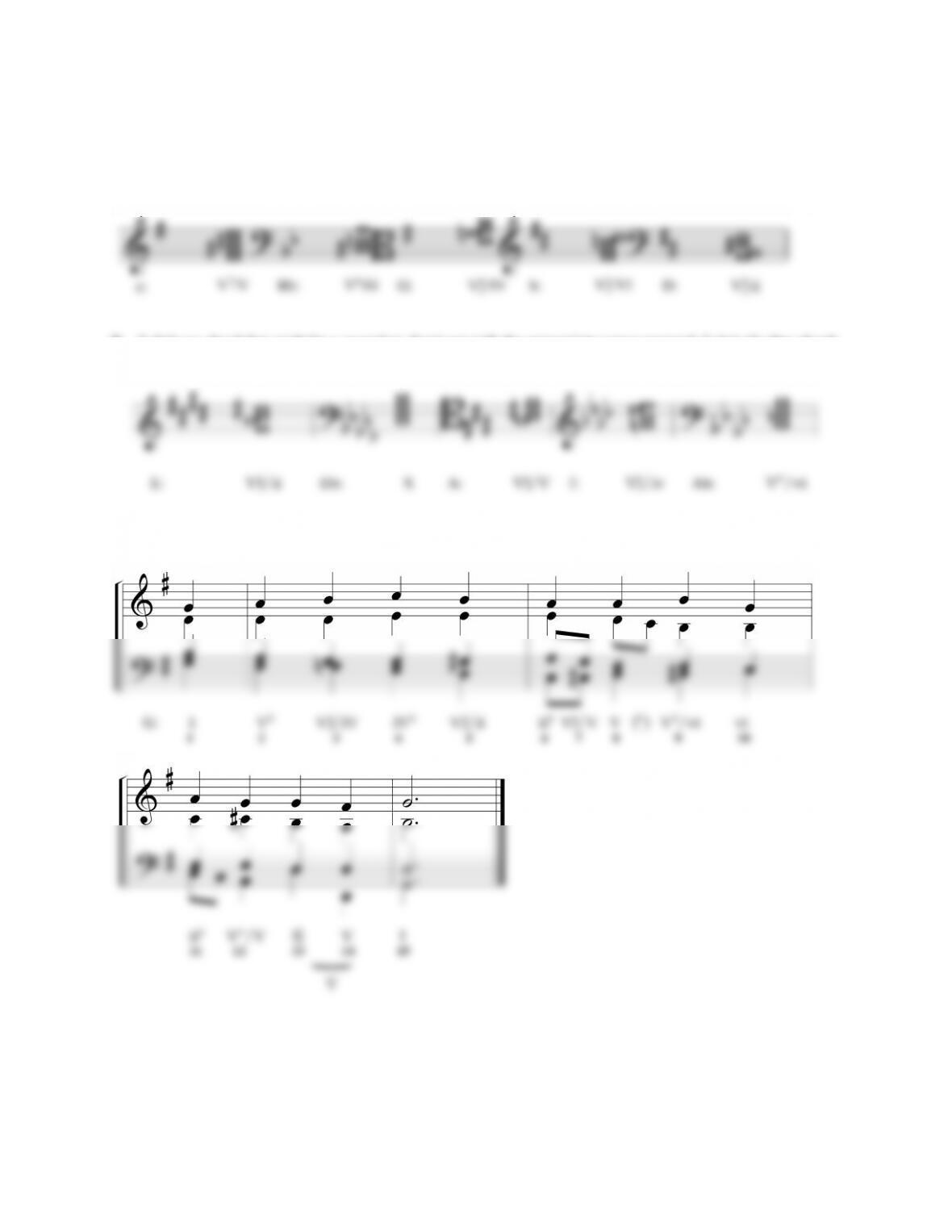
Chapter 16
94
Key for Chapter 16 Quiz
A. Notate these secondary dominants in the specified inversions. Include key signatures.
with an x .
C. Label chords and NCTs in this example. [Adapted from Bach Chorale #353]
G: ! %q %y/$ $q %y/2 2q %r/% % (e) %q/6 6