70
CHAPTER 14
The V7 Chord
Most theory instructors will probably agree that the resolution of the root position V7 is the most challenging
partwriting problem that the student will face in the study of tonal harmony. This might come as a surprise to the
student who has heard tales of chromatic harmony to come, but the combinations of complete and incomplete
seventh chords with complete and incomplete tonic triads, as well as some very stringent procedures concerning the
treatment of dissonance and the leading tone, convince us that this is the case.
The V7–vi (or VI) progression must also be mastered. Students have trouble with this, even though the principles are
not very different from the V–vi (or VI) progression. An especially challenging problem for class drill is the iv-V-VI
progression in the minor mode.
The root position V7 should be well understood before proceeding to the discussion of the inverted V7 in order to
avoid an overload of information. Nevertheless, the inverted V7 is easier to manage than the same chord in root
position, since both the dominant and tonic chords will almost always be complete in a four–part texture, and the
voice leading is usually by step or common tone.
The chapter also includes a discussion of the approach to the seventh of the V7 (root position or inverted). This
concept, as well as the downward resolution of the seventh, is important in the study of all seventh chords.
Answers to Selected Exercises
Exercise 14-1
A.
B. The first Ve resolves to VI: leading tone and root up by step, fifth and seventh down by step, resulting in a
doubled third in the VI chord. The other Ve resolves to i, frustrating the leading tone in the alto in order to
obtain a complete tonic triad. “Slash chords” indicating inversions are always an option with lead–sheet
symbols, and they are especially appropriate for the cadential six–four, which would be labeled as F#m/C#.
{
V
Chapter 14
71
C.
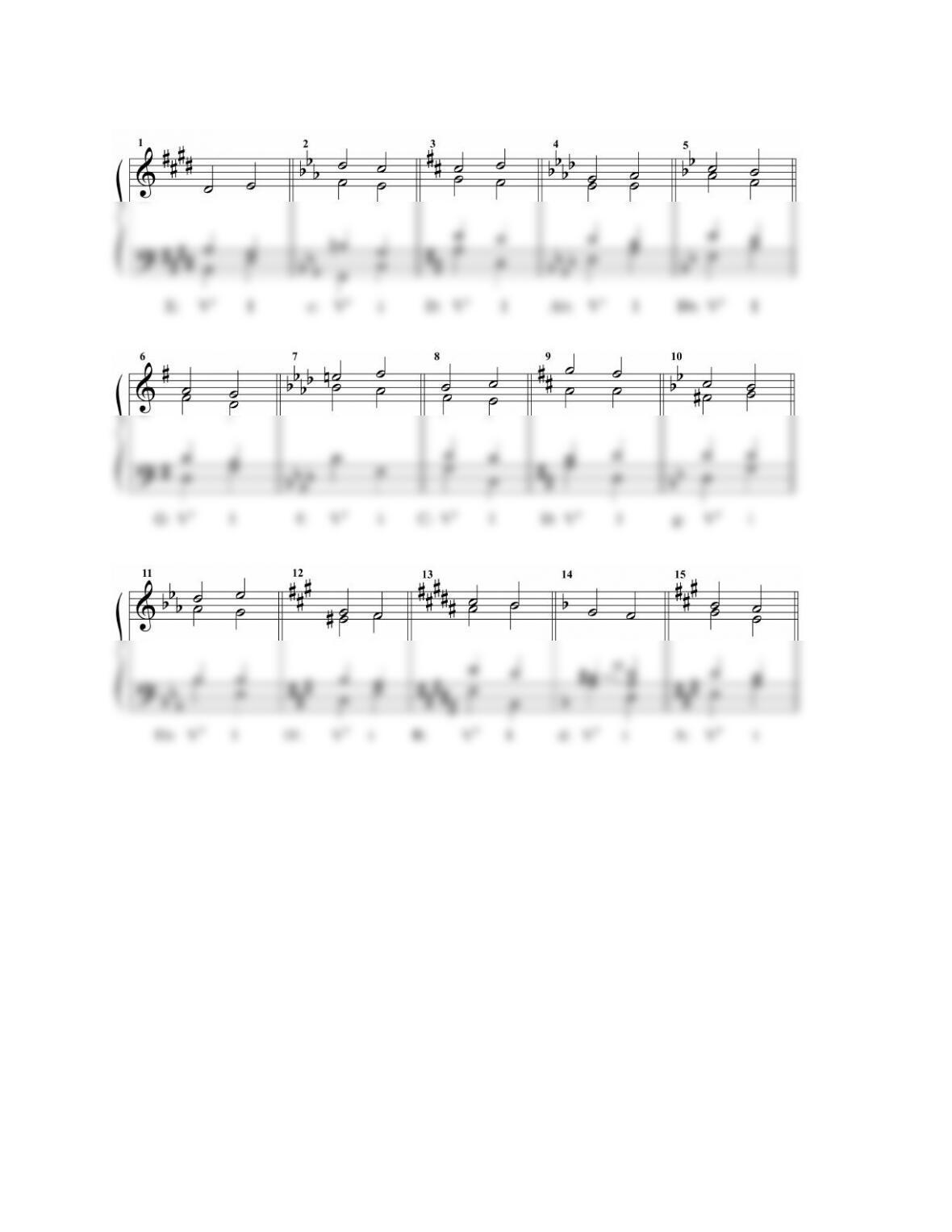
E: Ve I c: Ve i D: Ve I Ab: Ve I Bb: Ve I
G: Ve I f: Ve i C: Ve I D: Ve I g: Ve i
Eb: Ve I f#: Ve i B: Ve I d: Ve i A: Ve i
Chapter 14
72
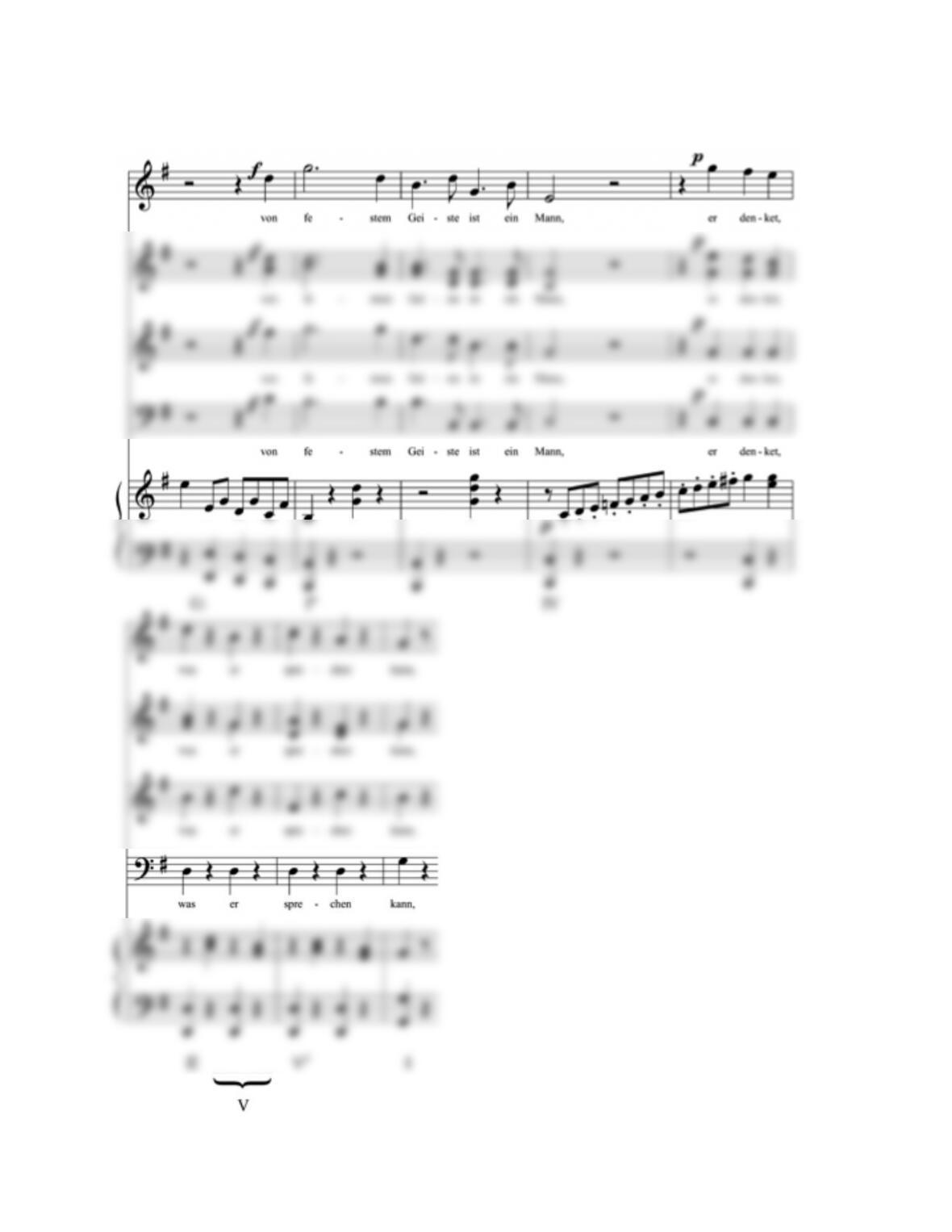
F. Mozart’s version of this exercise (from The Magic Flute, Act II) is for five voices. Notice that the soprano and
first alto cross in m. 4, and the parallel octaves in mm. 7–8
Chapter 14
73
G. 1. Bach: Chorale No. 349. We do not label the C#m7 at the end of the first measure because it is not truly a
chord (notice the unresolved seventh).
b: 1 %(e) ^ 4 1 % (e) 1
2. Bach: Chorale No. 347. Notice the unaccented appoggiatura in the alto over the !w.
G: ! %q 6 $ !w %e !
3. Bach: Chorale No. 315. The seventh of the optional $9e resolves eventually to the A.
G: % ! q ($9e) !w %e !
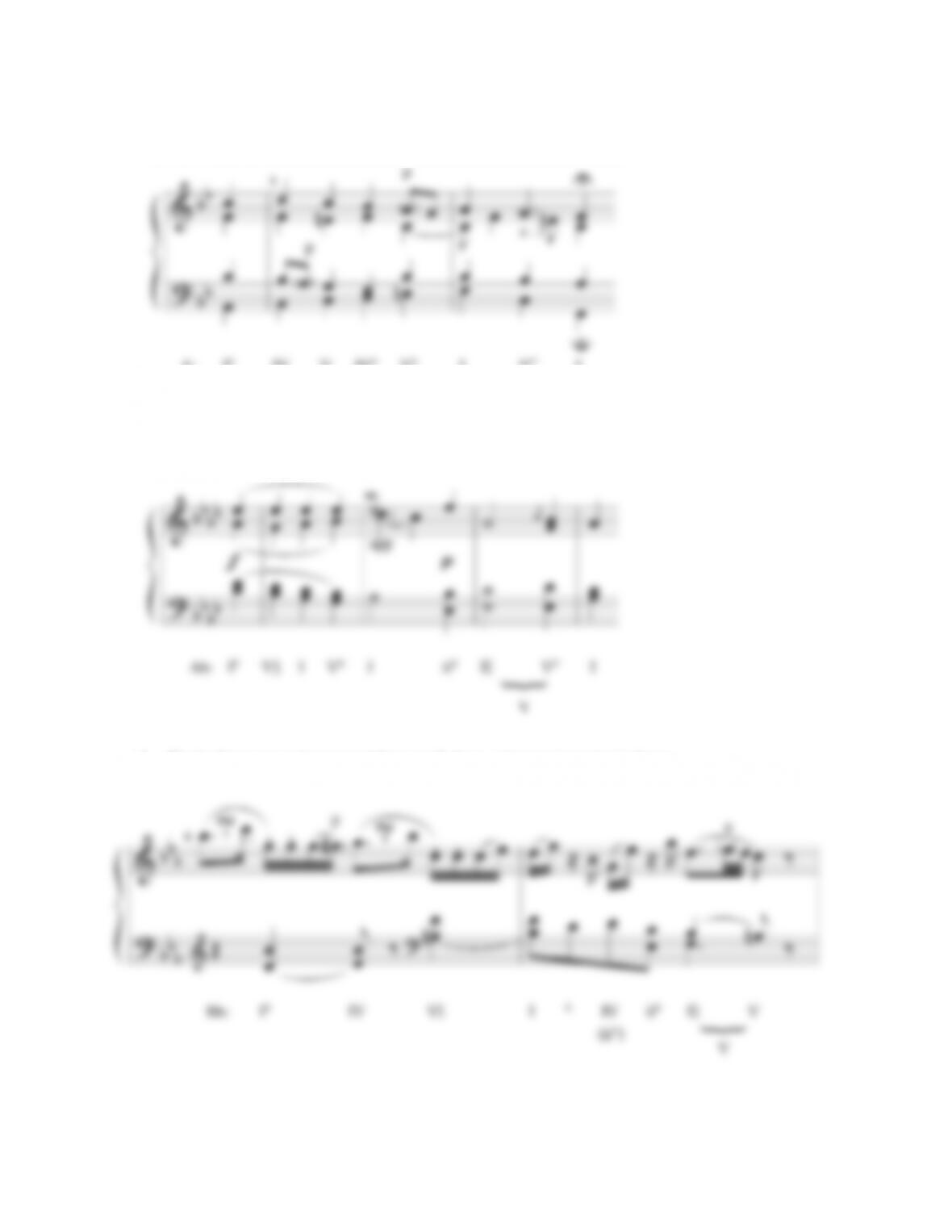
Exercise 14-2
A.
Chapter 14
74
B. 1. The leading tone, in an inner voice, leaps down to the fifth of the tonic triad. The seventh resolves down by
step and illustrates the passing tone figure.
F: !q $ % $q %q ! %e !
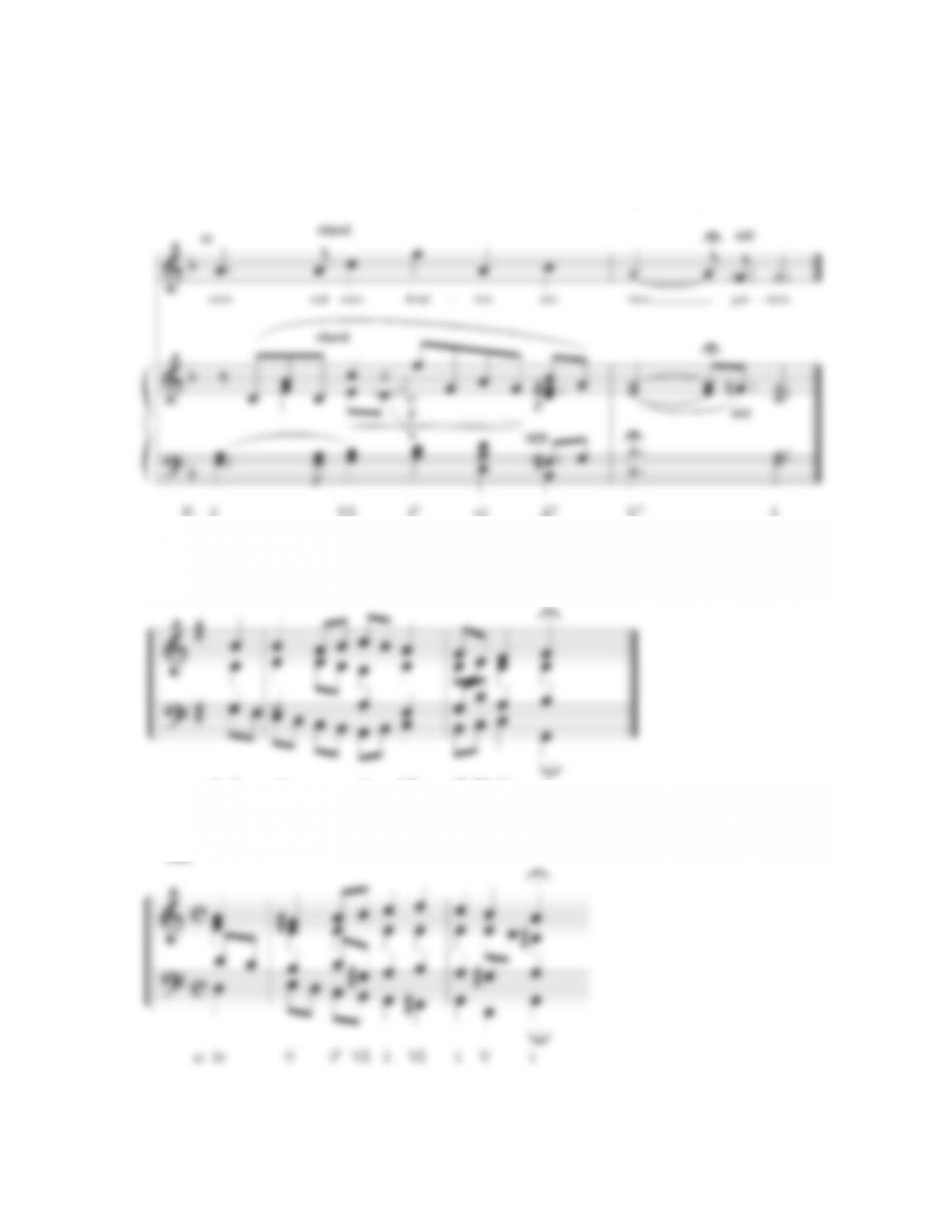
2. In both Ve chords the leading tone resolves up by step and the seventh resolves down by step, with a
passing tone figure in the Vt, neighbor figure in the Ve.
Chapter 14
75
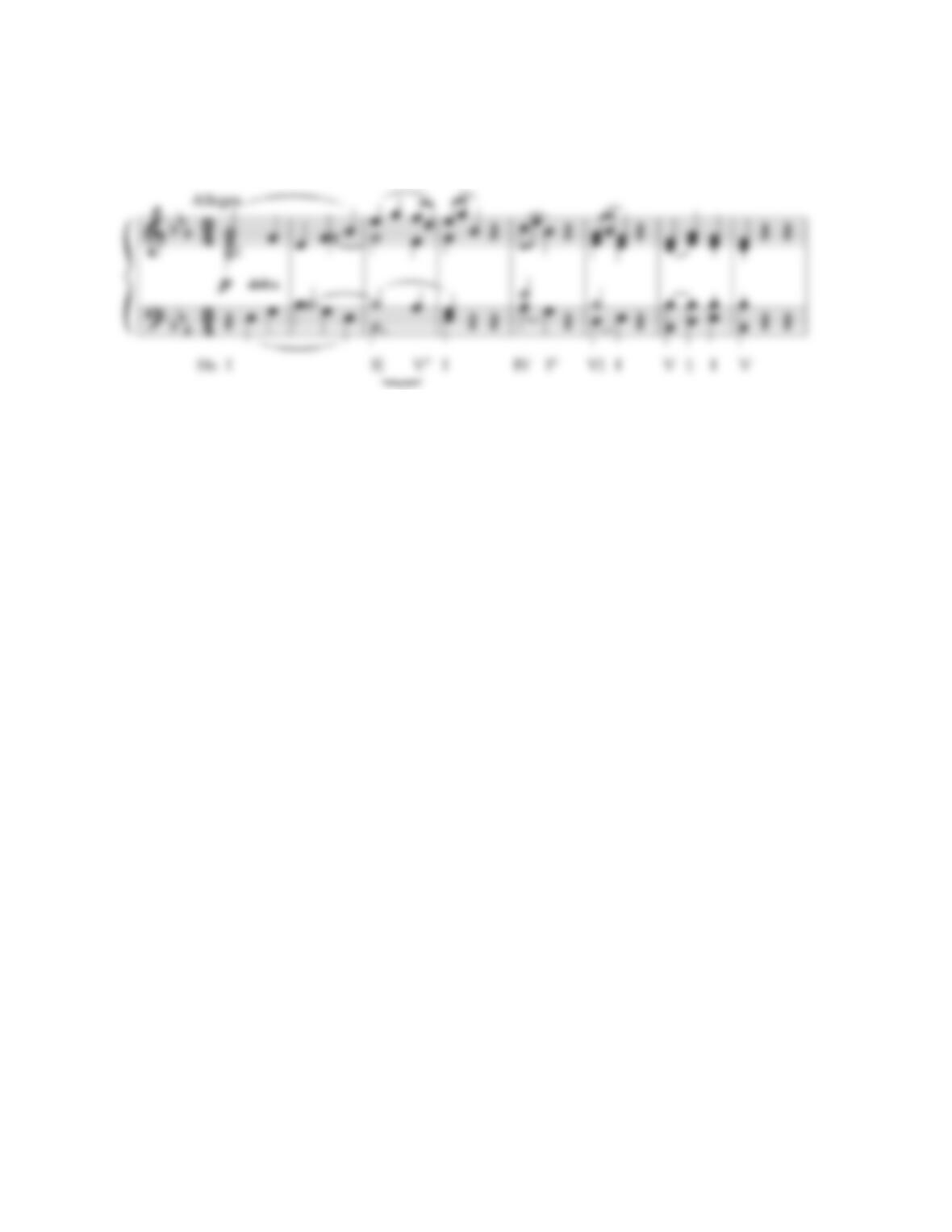
4. The leading tone in the Vt, in an inner voice, moves down to the fifth of the tonic chord (or the D4 is an
escape tone, with the leading tone resolving up to the grace note), while the seventh illustrates the
ascending passing tone figure associated with the I-Vt-Iq progression. The leading tone in the Ve leaps
down to the fifth of the tonic triad, while the seventh conforms to the appoggiatura figure.
F. 1. Bach: Chorale No. 125. Notice the use of an incomplete IV (or iiq) chord to avoid parallel fifths.
G: ! 6 2 %y !q $ % !
(2q)
2. Bach: Chorale No. 184. In such cases we would always accept ive and Vy at the beginning and Ve at the
end.
a: 4 % 1q %w 1 %r 1 % 1
Chapter 14
76
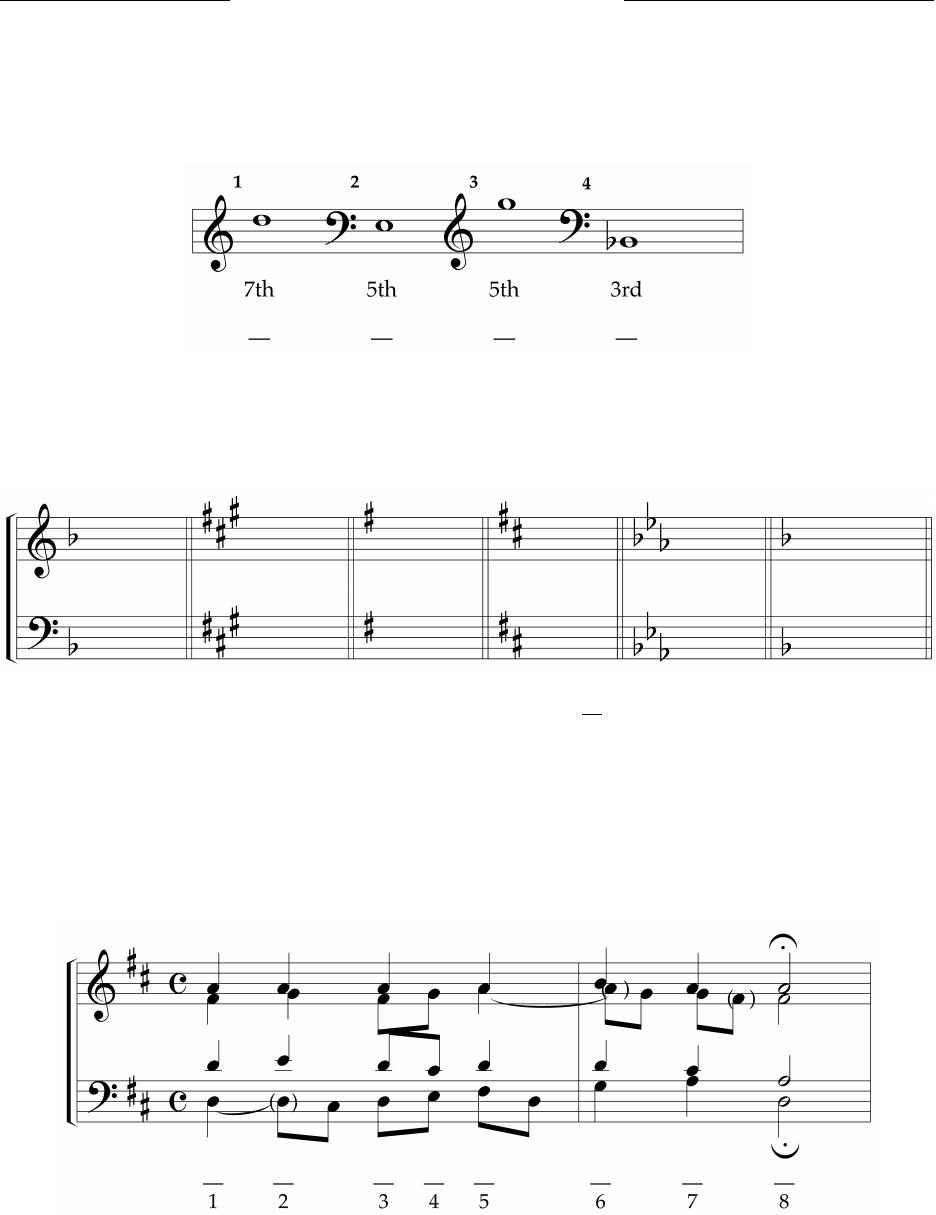
G. Beethoven: Sonata, Op.7, III. The more observant students will notice the parallel octaves between soprano and
alto in m.3. The ear recognizes Eb5 as the more important melody note, which mitigates the effect of the
octaves.
Eb: ! !w %e ! $ !q %r ! % r ! %
%
Chapter 14
77
_______________________ _______________________________
(section) (name)
Chapter 14 Quiz
A. The note given in each case is the root, 3rd, 5th, or 7th of a %e chord. Notate the chord in root position, and
name the major key in which it would be the %e.
B. Notate and resolve the following chords. Be sure to use complete (c) or incomplete (i) chords where indicated.
If the chord of resolution is not specified, use a tonic triad in root position or inversion, as appropriate. Use four
voices in each example.
d: %e 1 A: %e ! e: %e ^ b: %r __ Eb: %y __ F: %t __
(c) (c) (i) (c)
C. All NCTs in the example below are in parentheses. (1) Analyze all chords in this example with roman numerals.
(2) Label all NCTs. Label any suspensions with the appropriate arabic numerals (7–6, etc.). (3) For each %e
chord, in root position or inverted, identify the approach and resolution of the 7th (passing tone figure, etc.).
Chapter 14
78
Key for Chapter 14 Quiz
A. The note given in each case is the root, 3rd, 5th, or 7th of a %e chord. Notate the chord in root position, and
name the major key in which it would be the %e.
A D F Cb
B. Notate and resolve the following chords. Be sure to use complete (c) or incomplete (i) chords where indicated.
If the chord of resolution is not specified, use a tonic triad in root position or inversion, as appropriate. Use four
voices in each example.
d: %e 1 A: %e ! e: %e ^ b: %r _I_ Eb: %y _Iq_ F: %t _I_
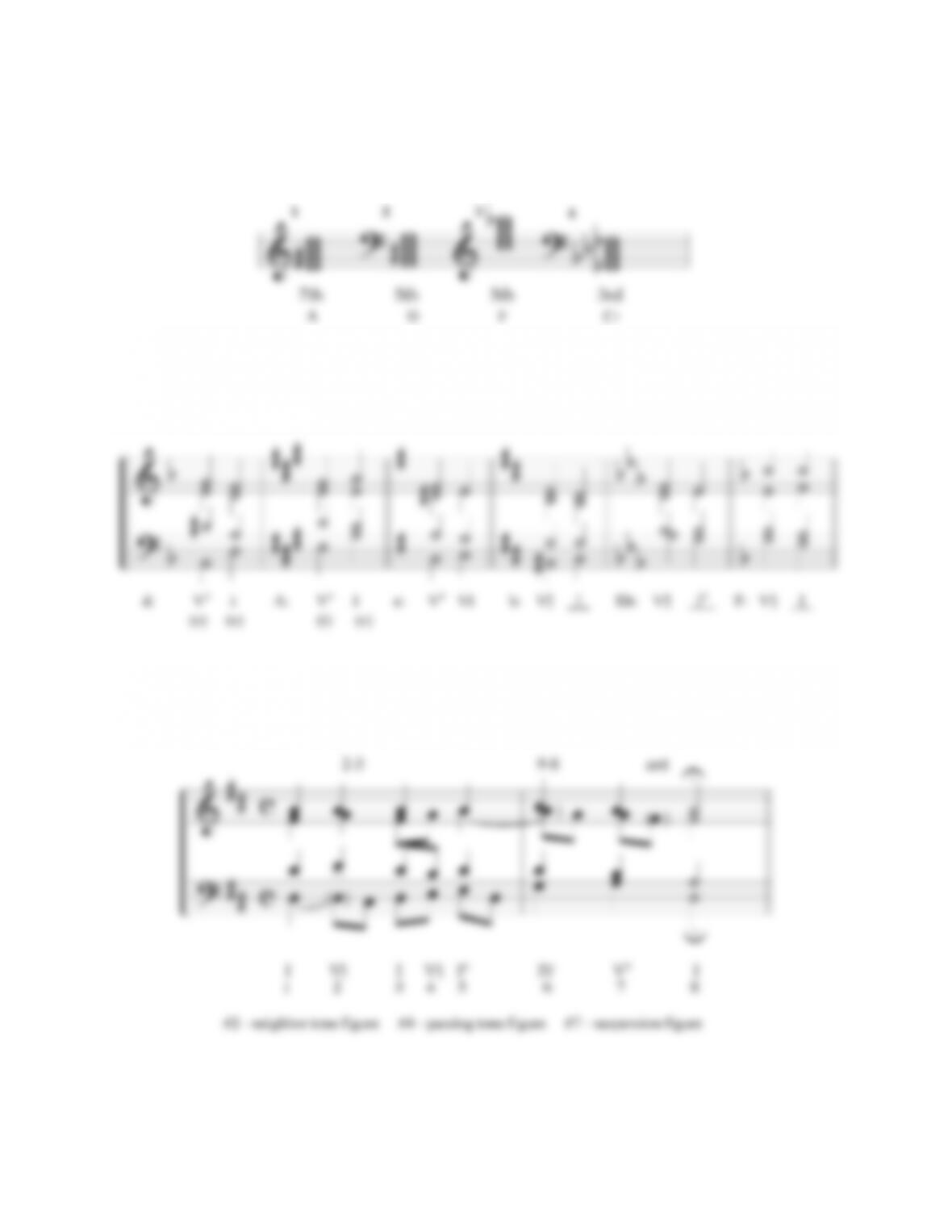
C. All NCTs in the example below are in parentheses. (1) Analyze all chords in this example with roman numerals.
(2) Label all NCTs. Label any suspensions with the appropriate arabic numerals (7–6, etc.). (3) For each %e
chord, in root position or inverted, identify the approach and resolution of the 7th (passing tone figure, etc.).