64
CHAPTER 13
Non-Chord Tones 2
This chapter explains appoggiaturas, escape tones, the neighbor group, anticipations, and the pedal point. This is
followed by a brief discussion of some problems that can arise in analysis.
Unfortunately, practice at aural identification of NCT types is often neglected. A good way to begin such exercises
is with short examples such as those in Self–Test 12-2-B and Exercise 13–1 B, moving on from there to simple
chorale–style phrases, then to melodies with accompaniment.
Making textural reductions is another helpful classroom activity. It is usually most successful if the instructor guides
the analysis and summarizes the findings. (For an example, see Exercise 13–1 A.5 below.)
Answers to Selected Exercises
Exercise 12-1
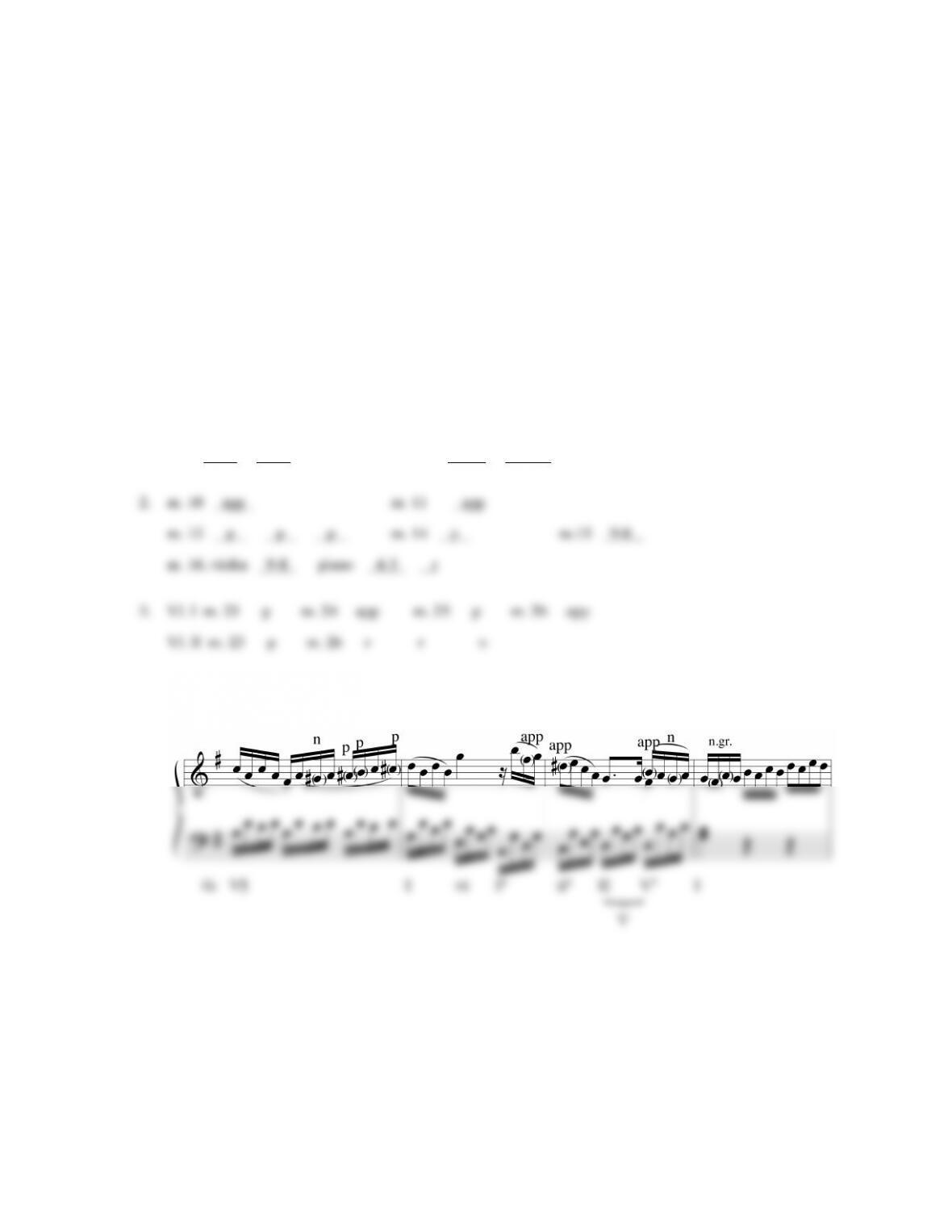
A. 1. m. 1 e e m. 2 app app _
4. The vi–I6–ii6 progression can perhaps be best understood as an elaborated (or prolonged) vi–ii6
progression.
G: %t ! 6 !q 2q !w %e !
Chapter 13
65
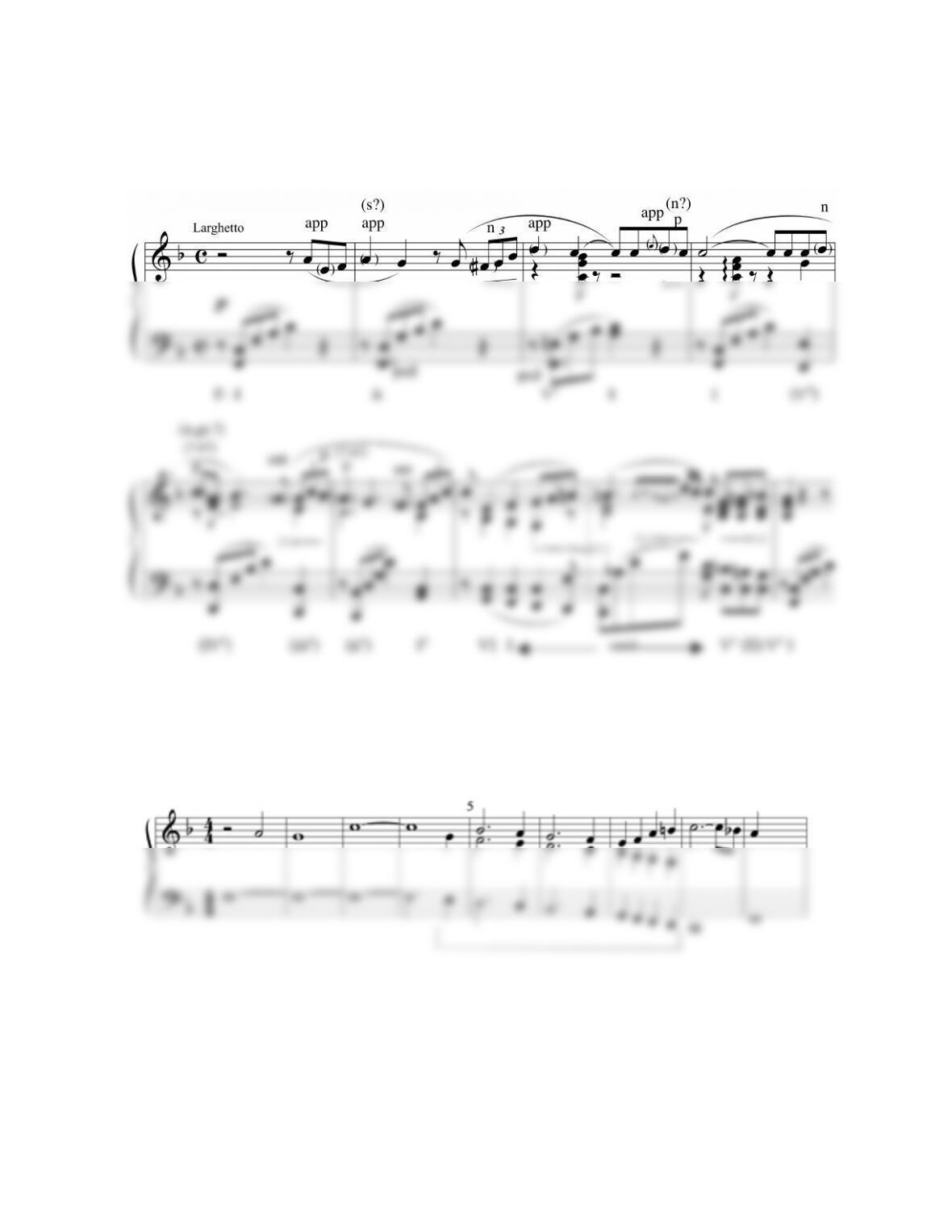
5. This example illustrates the limitations of traditional NCT analysis, as discussed in the final pages of the
chapter. We have shown multiple analyses for some of the problematic spots. These generally involve
interpretations at different levels, as in m. 2, where the A4 is on the surface an appoggiatura but is clearly
suspended from the previous measure as well.
F: ! 11 %e ! ! (%q)
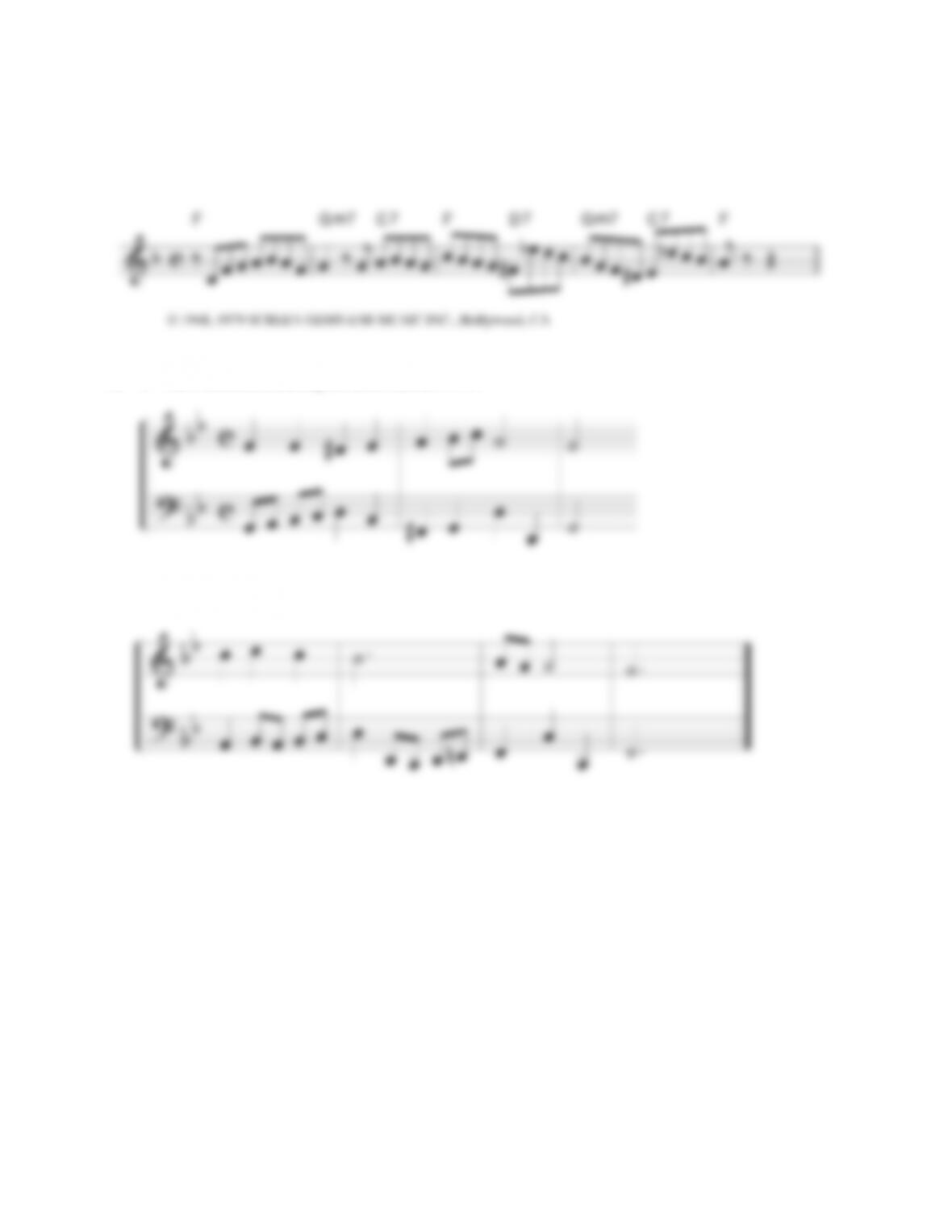
A possible reduction of the previous excerpt is shown below. It points out that the portion of the excerpt
that is included in the assignment (mm. 1–7) features an octave descent in the bass harmonized, for the most
part, by parallel sixths (13ths) in the melody and parallel thirds (10ths) in the alto. The succession of
parallel sixth chords is non–functional in the traditional sense, which is why the roman numerals (above)
have been enclosed in parentheses.
Chapter 13
66
6. There are only three non–traditional NCTs in this excerpt, and all of them are unaccented appoggiaturas
that occur on a weak part of the beat: the Eb, the Dm, and the Db. The Eb and the Db can both be heard as flat
ninths of their respective dominant seventh chords, while the Dm provides a half–step approach to the E.
Davis, “Little Willy Leaps”
D. 1. This exercise is from Figured Bass Chorale No. 5.
2. And this one is from Figured Bass Chorale No. 12.
Chapter 13
67
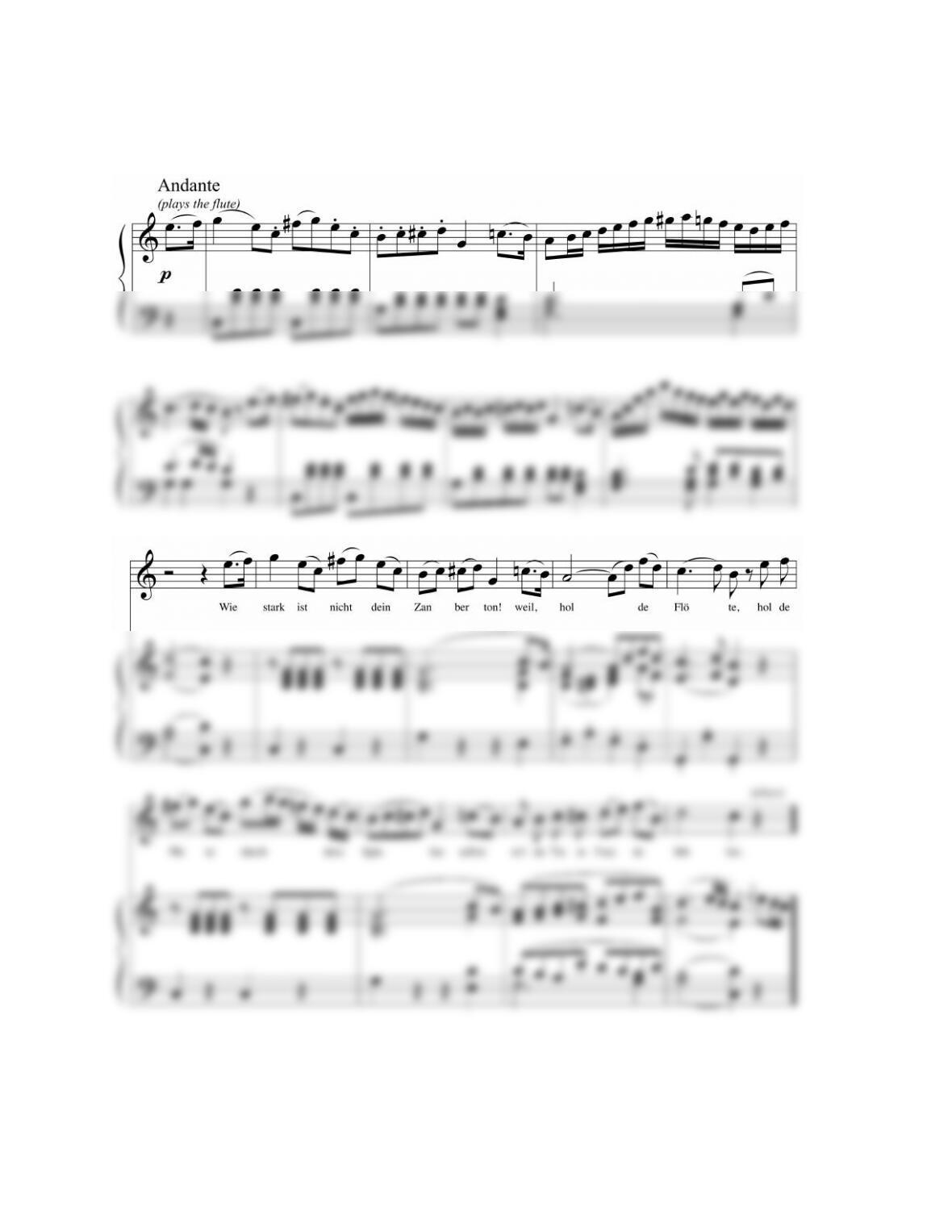
G and H. This exercise is drawn from the Finale of Act I of the Magic Flute. It is interesting to compare the vocal
excerpt with the embellished instrumental version that precedes it.
Chapter 13
68
_______________________ ___________________________
(section) (name)
Chapter 13 Quiz
A. Define the following NCTs as completely as you can. Where appropriate, be sure to indicate how the NCT is
approached and resolved.
anticipation
appoggiatura
escape tone
neighbor group
pedal point
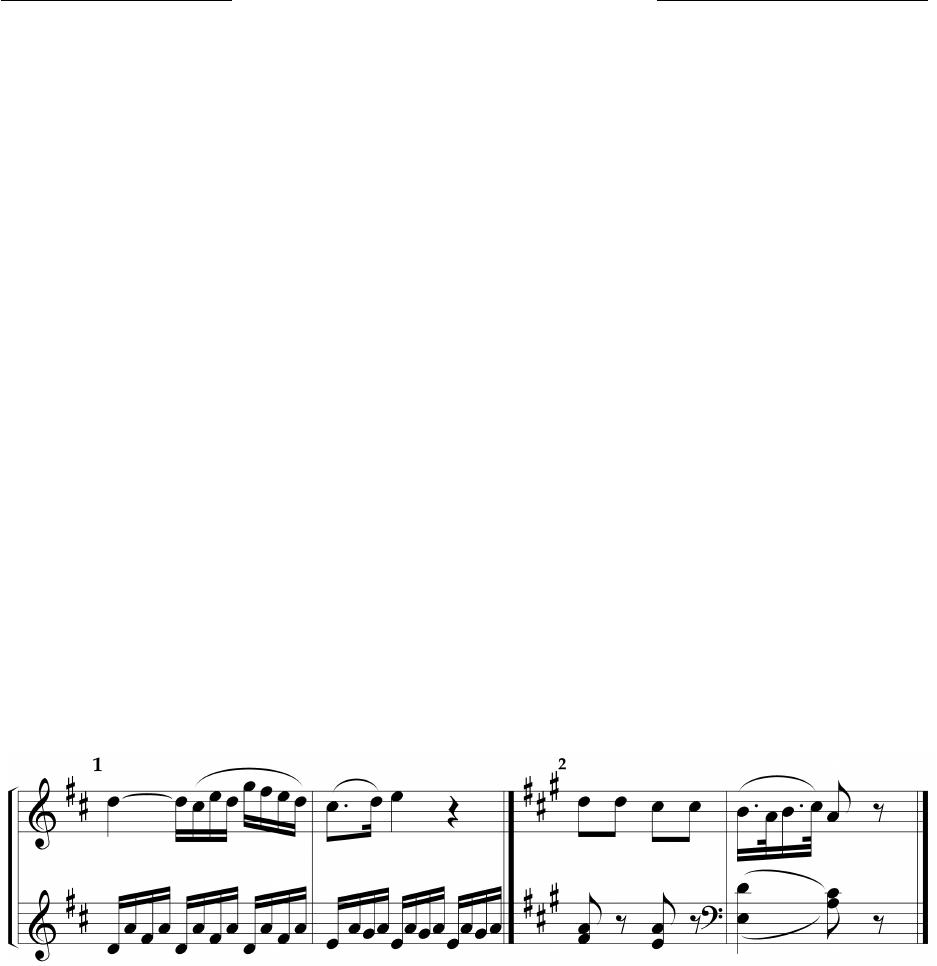
B. Put parentheses around each NCT in the excerpts below, and label each NCT.
D: ! %t A: $q !w %e !
Chapter 13
69
Key for Chapter 13 Quiz
A. Define the following NCTs as completely as you can. Where appropriate, be sure to indicate how the NCT is
approached and resolved.
B. Put parentheses around each NCT in the excerpts below, and label each NCT.
(These excerpts are adapted from Mozart’s sonatas K. 545, II, and K. 576, III.)
{
%