58
CHAPTER 12
Non-Chord Tones 1
The student will be familiar by this time with the concept of the non–chord tone from many of the examples in
preceding chapters. What remains is to categorize them, which we do by means of contour, and to learn to use them
compositionally. Chapter 12 defines nine types of NCT but concentrates on passing tones, neighboring tones,
suspensions, and retardations. After being introduced, passing tones, along with arpeggiations, are incorporated into
counterpoint exercises that now allow for the addition of weak–beat motion distributed in a balanced manner
between the two voices. Instructions for adding neighbor tones and suspensions to simple textures follow later in the
chapter.
Non–chord tones judiciously employed can greatly improve the musicality of the theory exercise. On the other hand,
indiscriminate use of NCTs can lead to very unsatisfactory results. A good classroom activity is to begin with a
three– or four–voice example on the board, perhaps composed collectively by the class, to which NCTs and
arpeggiations are to be added. Playing each NCT as it is proposed by the class should convince the students that they
cannot simply add embellishments wherever they might “fit,” but instead must work at a piano.
Answers to Selected Exercises
Exercise 12-1
A.
B.
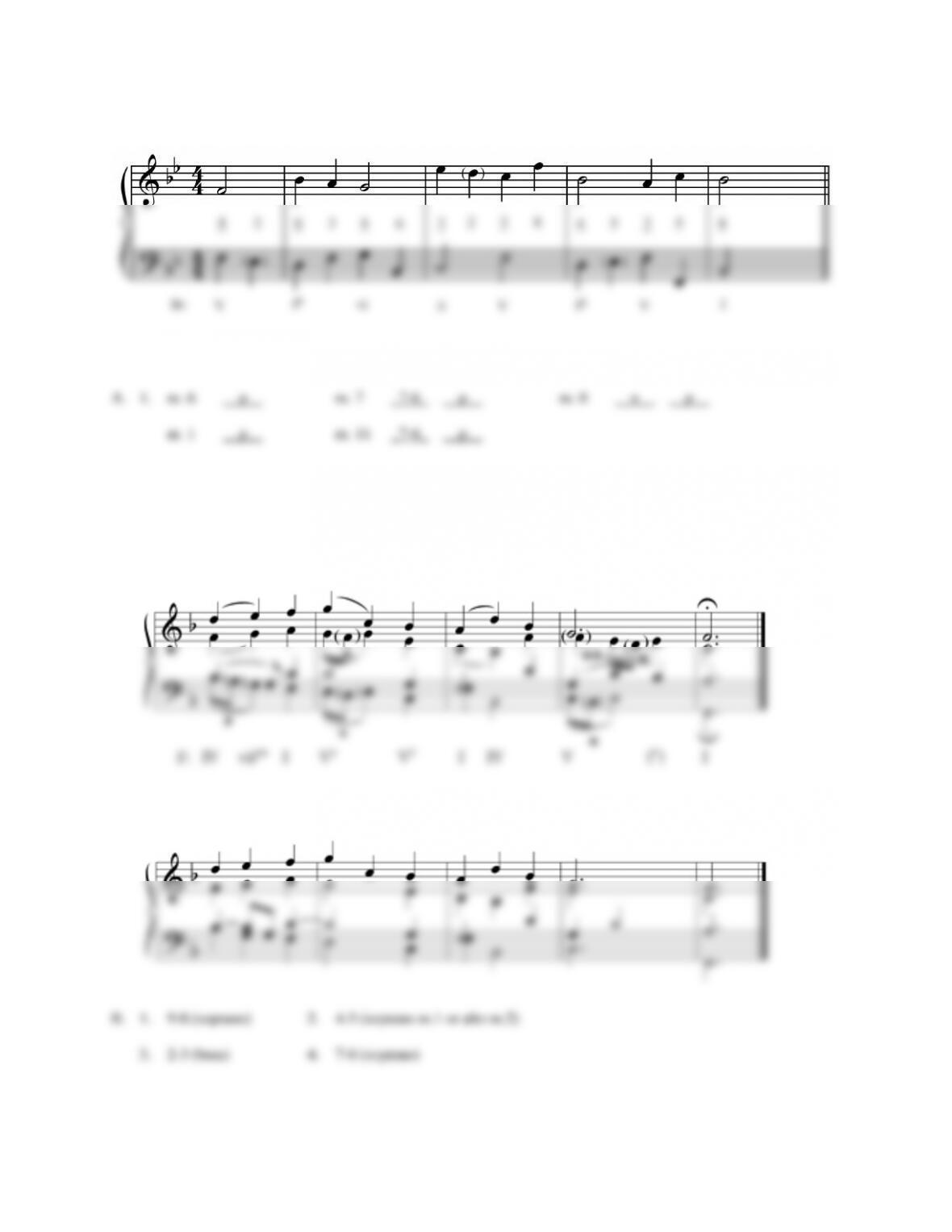
One–to–one version:
Chapter 12
59
Embellished version:
Exercise 12-2
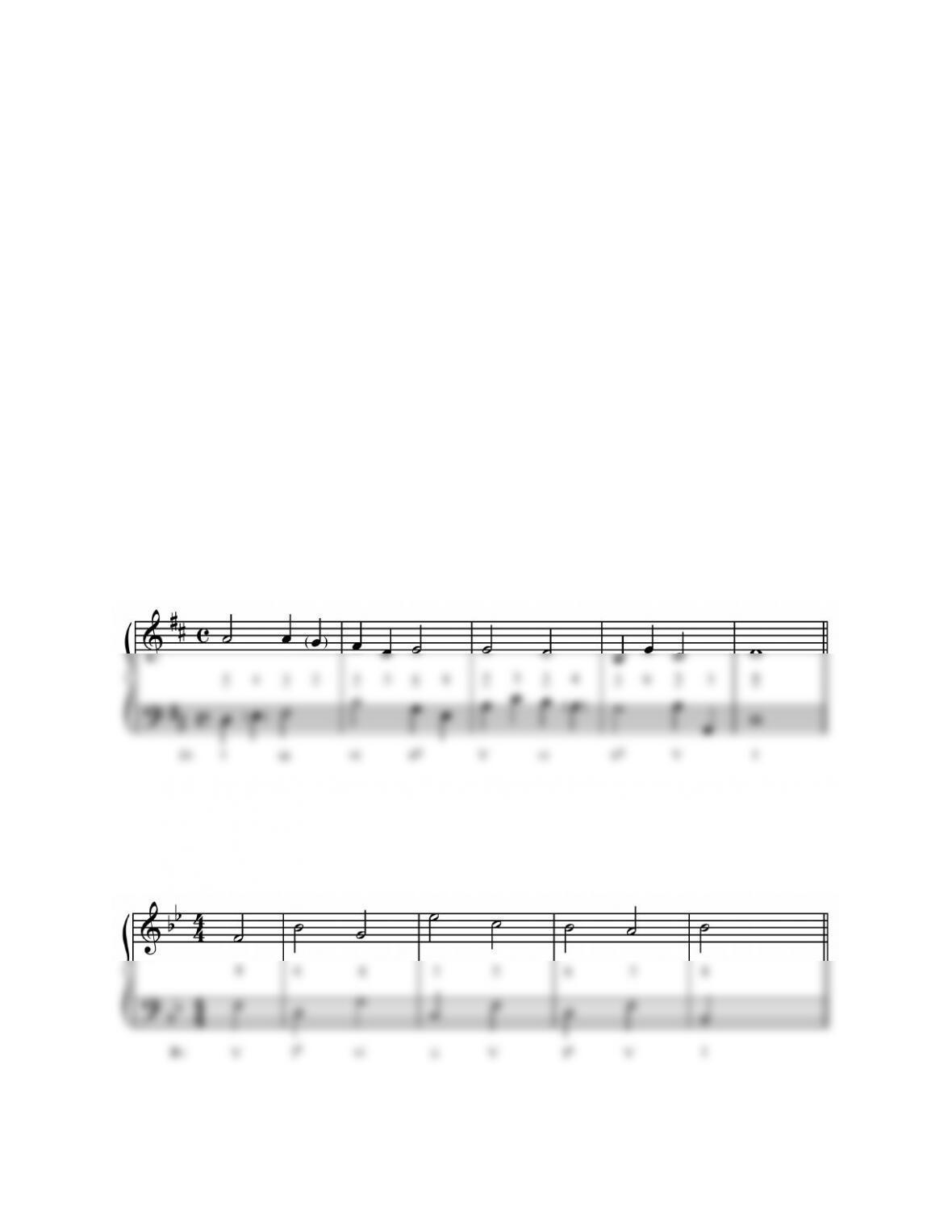
A. 1. m. 6 __p__ m. 7 _7–6_ __p__ m. 8 __n__ __p__
2. The embellishments do not conceal any voice–leading problems. Assuming that Bach composed the bass line
first (against a given melody), he had few options in m.3. It would be possible to put the altos on D4 on beat 2
to avoid the spacing problem, but moving in similar motion into the doubled third does not produce a pleasing
effect. This would have allowed the tenor to remain on F3 and the alto on D4 on beat 4, but the effect of the
soprano/alto dissonance (Bach’s preferred 4–3 suspension treatment) in the next measure would have been lost.
F: $ 70q ! %q %e ! $ % (e) !
Reduction (notice the stepwise descent from D5 to F4)
Chapter 12
60
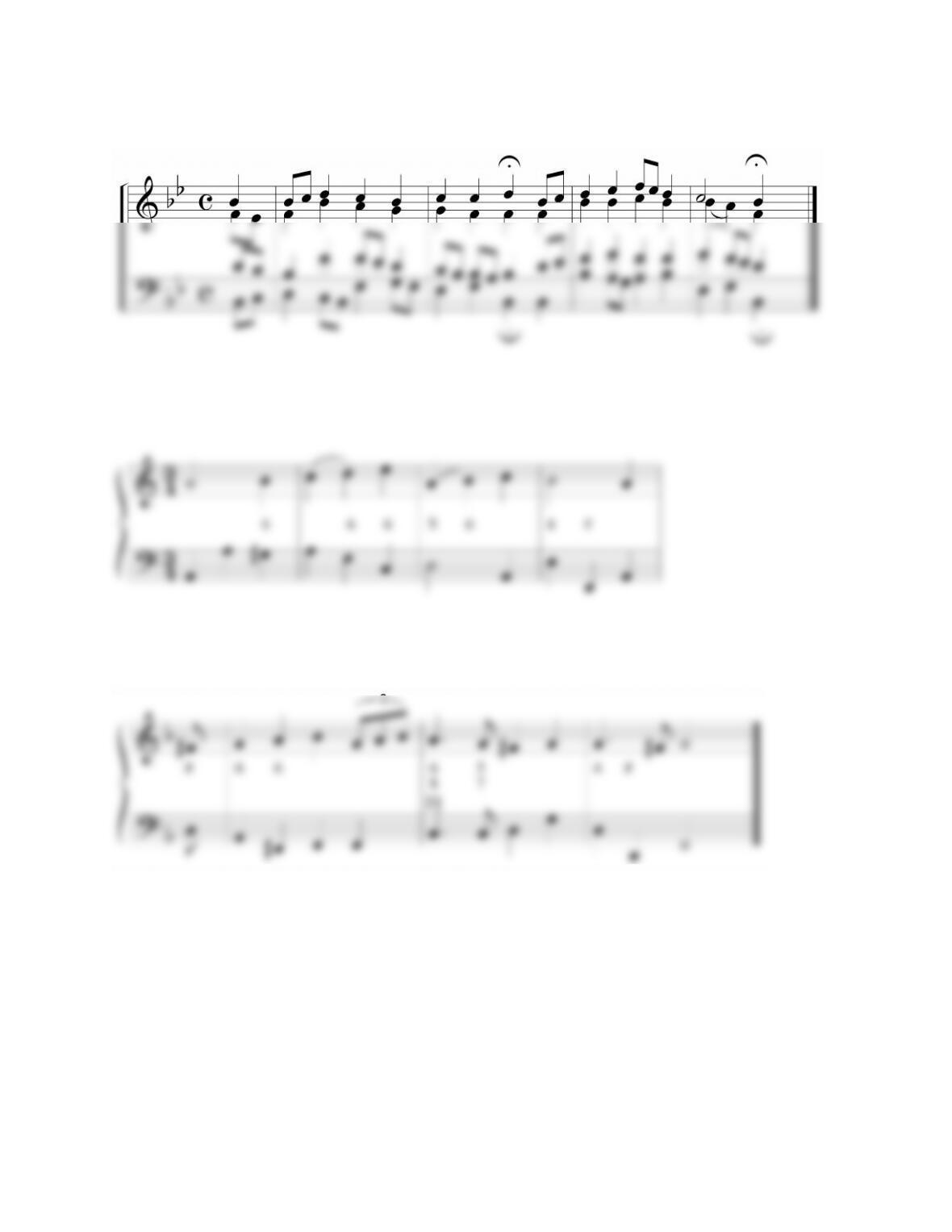
C. This exercise was drawn from Chorale No. 260.
D. 1. This bass line comes from Figured Bass Chorale No. 20.
2. And this one comes from Figured Bass Chorale No. 26.
Chapter 12
61
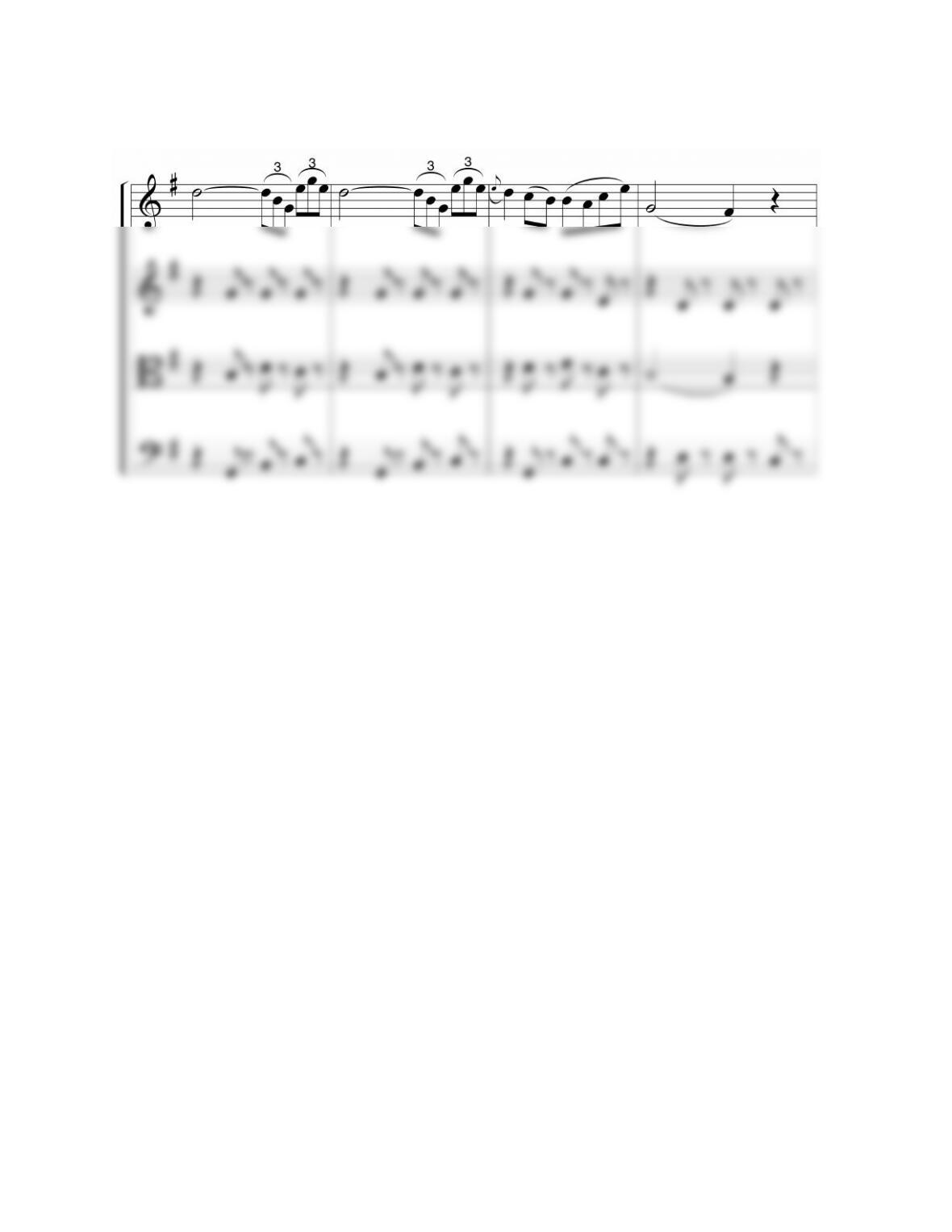
G. This exercise is based on Mozart’s String Quartet, K.170, III, mm. 44–47.
H. In fact, Mozart did not use Exercise G as the first phrase of a parallel period.
Chapter 12
62
______________________ _____________________________
(section) (name)
Chapter 12 Quiz
A. Embellish the one–to–one counterpoint given here. Indicate the harmonic intervals formed by the two voices,
then underline the strong–beat labels and put parentheses around all dissonant pitches.
B. Add the best example of a suspension to each of the following, along with one other type of embellishment.
Label the suspensions with numbers (7-6, etc.), and label the other embellishments with the appropriate
abbreviations.
C. Label each chord (making sure that both quality and bass position are correct), and label the NCTs. Suspensions
should be labeled with the appropriate numbers (7–6, etc.). There is only one chord in the final measure.
Chapter 12
63
Key for Chapter 12 Quiz
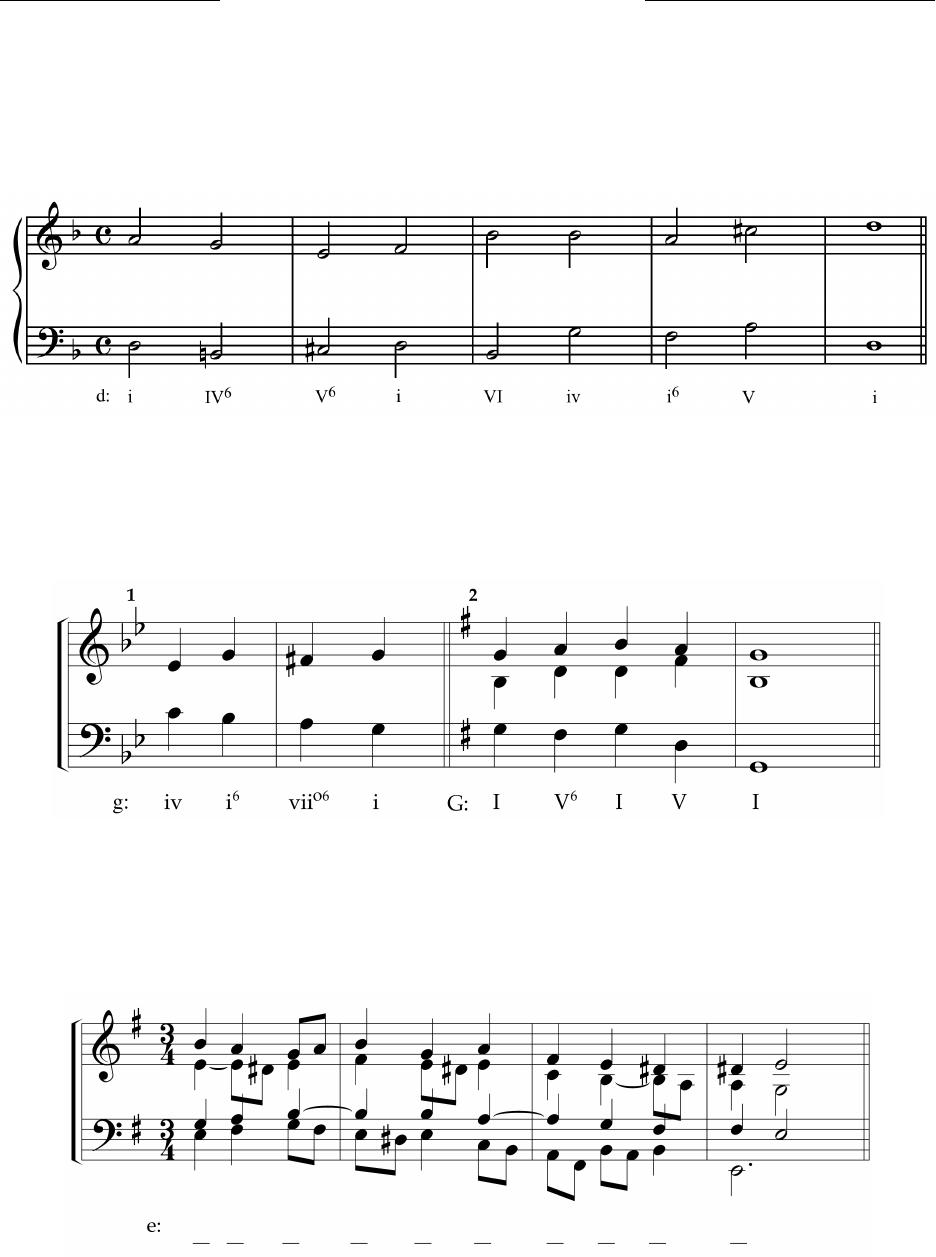
A. Embellish the one–to–one counterpoint given here. Indicate the harmonic intervals formed by the two voices,
then underline the strong–beat labels and put parentheses around all dissonant pitches.
B. Add the best example of a suspension to each of the following, along with one other type of embellishment.
Label the suspensions with numbers (7–6, etc.), and label the other embellishments with the appropriate
abbreviations.
7-6 2–3 9–8?
C. Label each chord (making sure that both quality and bass position are correct), and label the NCTs. Suspensions
should be labeled with the appropriate numbers (7–6, etc.). There is only one chord in the final measure.
e: 1 70q 1q %q 1 4q 20q 1w % (e) 1