Student Name:
Class:
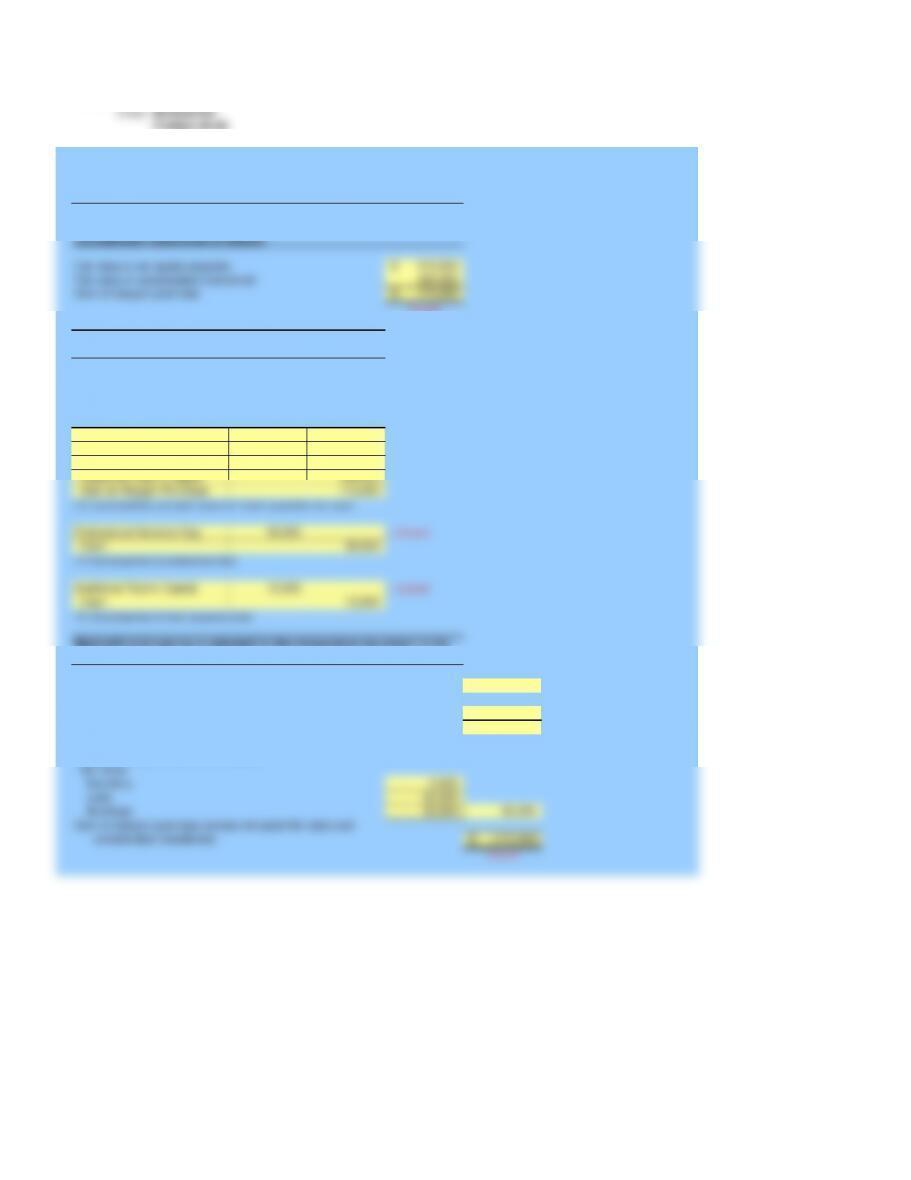
515,000$
400,000
115,000$
Correct!
Marshall’s trial balance is adjusted for the transactions (as shown in the
worksheet that follows).
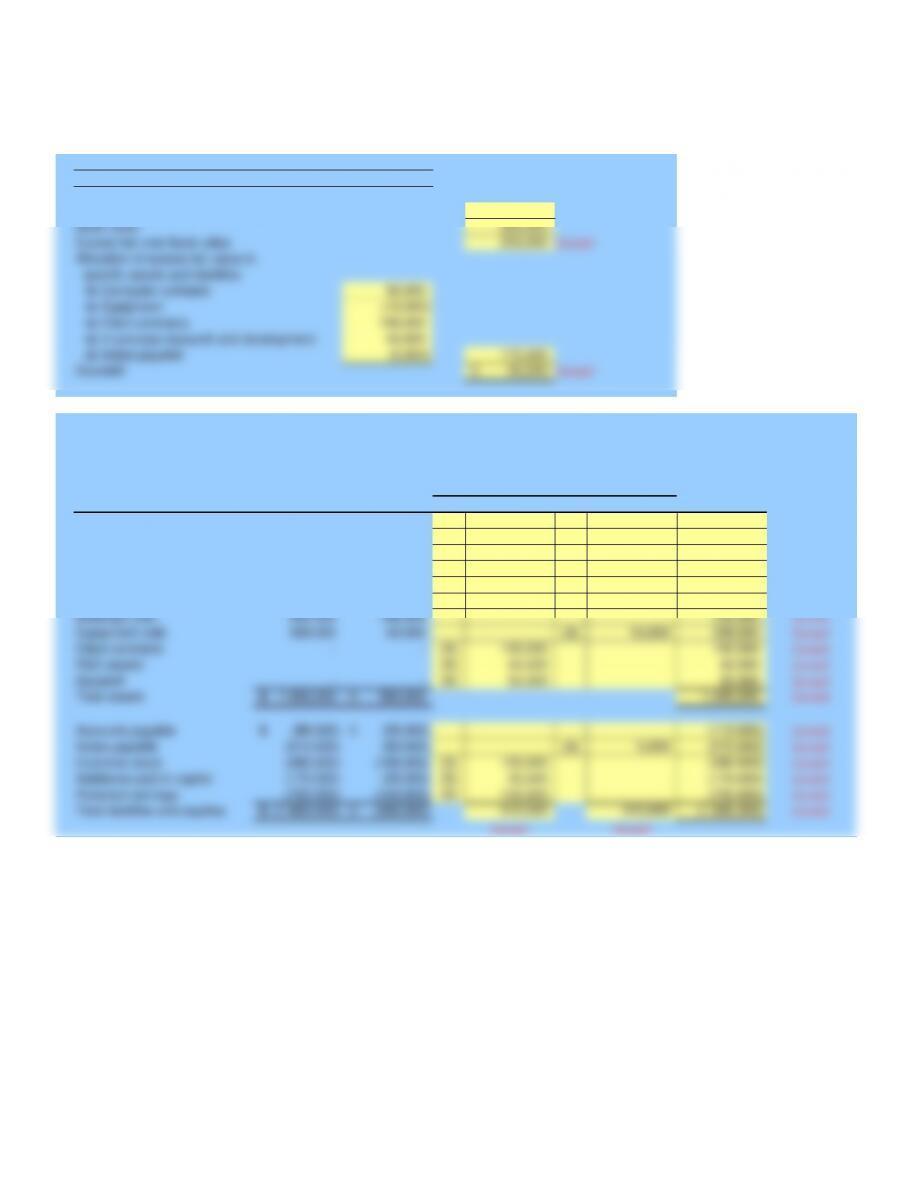
Consideration transferred at fair value
Book value in excess of consideration transferred
Allocation to specific accounts based on
Buildings
Land
Inventory
Book value (assets minus liabilities
or stockholders’ equity)
fair value:
Gain on bargain purchase (excess net asset fair value over
consideration transferred)
Cash
Additional Paid-In Capital
Cash
Professional Services Exp.
Common Stock (par value)
Long-Term Liabilities
Investment in Tucker
Gain on Bargain Purchase
Additional Paid-In Capital
Part a. Marshall and Tucker Consolidated Balances
Marshall’s acquisition of Tucker represents a bargain purchase because
the fair value of the net assets acquired exceeds the fair value of the
consideration transferred as follows:
Record three transactions that occurred to create the
business combination:
General Journal
MARSHALL COMPANY
McGraw-Hill
Instructor
Gain on bargain purchase
Fair value of consideration transferred
Fair value of net assets acquired
Problem 02-28
MARSHALL COMPANY
Student Name:
Class:
McGraw-Hill
Instructor
Problem 02-28
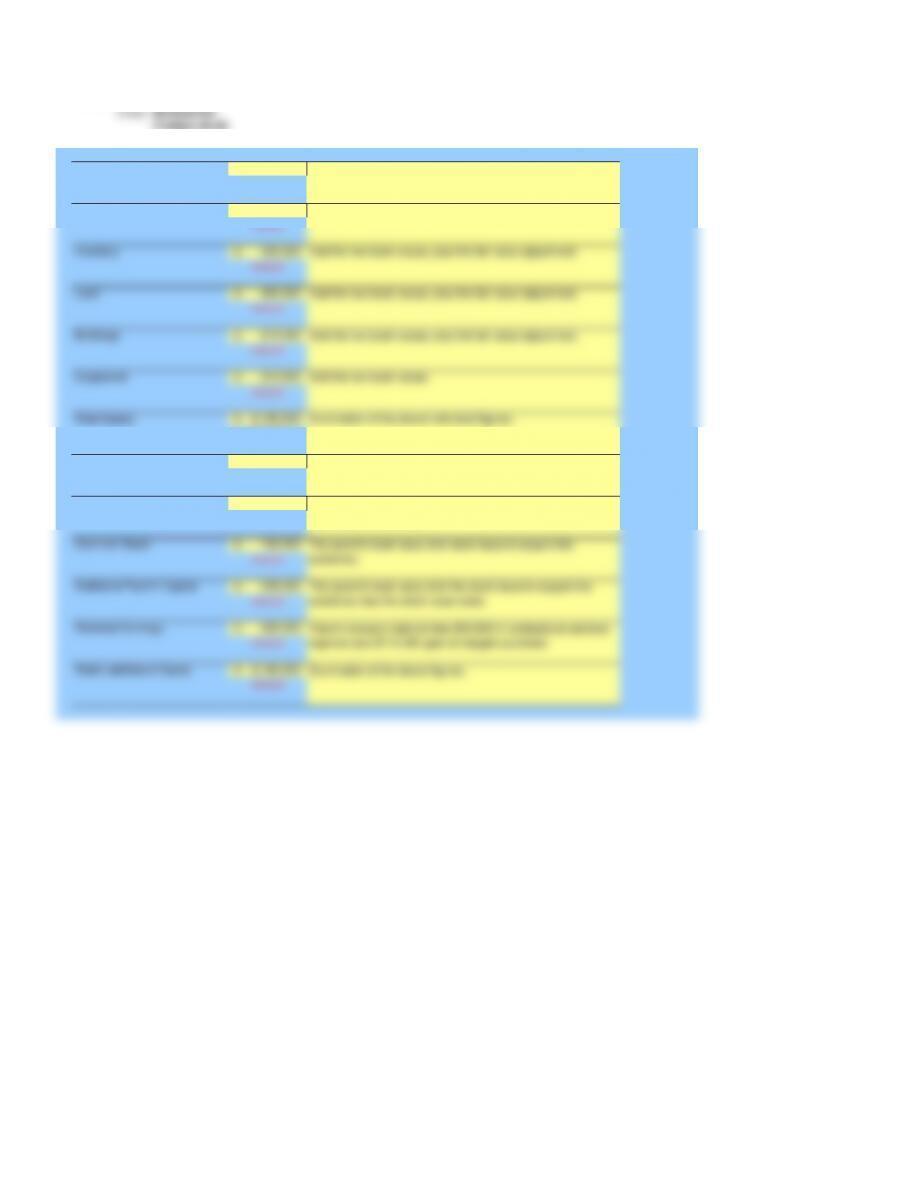
Balance Explanation
38,000$
Correct!
360,000$
Correct!
505,000$
Correct!
400,000$
Correct!
670,000$
Correct!
210,000$
Correct!
2,183,000$
Correct!
190,000$
Correct!
830,000$
Correct!
130,000$
Correct!
528,000$
Correct!
505,000$
Correct!
2,183,000$
Correct!
The parent’s book value after the stock issue to acquire the
subsidiary less the stock issue costs.
The parent’s book value after stock issue to acquire the
subsidiary.
Add the two book values plus the debt incurred by the parent in
acquiring the subsidiary.
Add the two book values.
Summation of the above individual figures.
Add the two book values
Cash
Account Name
Add the two book values less acquisition and stock issue costs.
Parent company balance less $30,000 in professional services
expense plus $115,000 gain on bargain purchase.
Add the two book values.
Add the two book values, plus the fair value adjustment.
Add the two book values, plus the fair value adjustment.
Add the two book values, plus the fair value adjustment.
Land
Inventory
Receivables
Total Liabilities & Equity
Retained Earnings
Additional Paid-In Capital
Common Stock
Long-term Liabilities
Total Assets
Equipment
Buildings
Accounts Payable
Summation of the above figures.
Student Name:
Class:
McGraw-Hill
Instructor
Problem 02-28
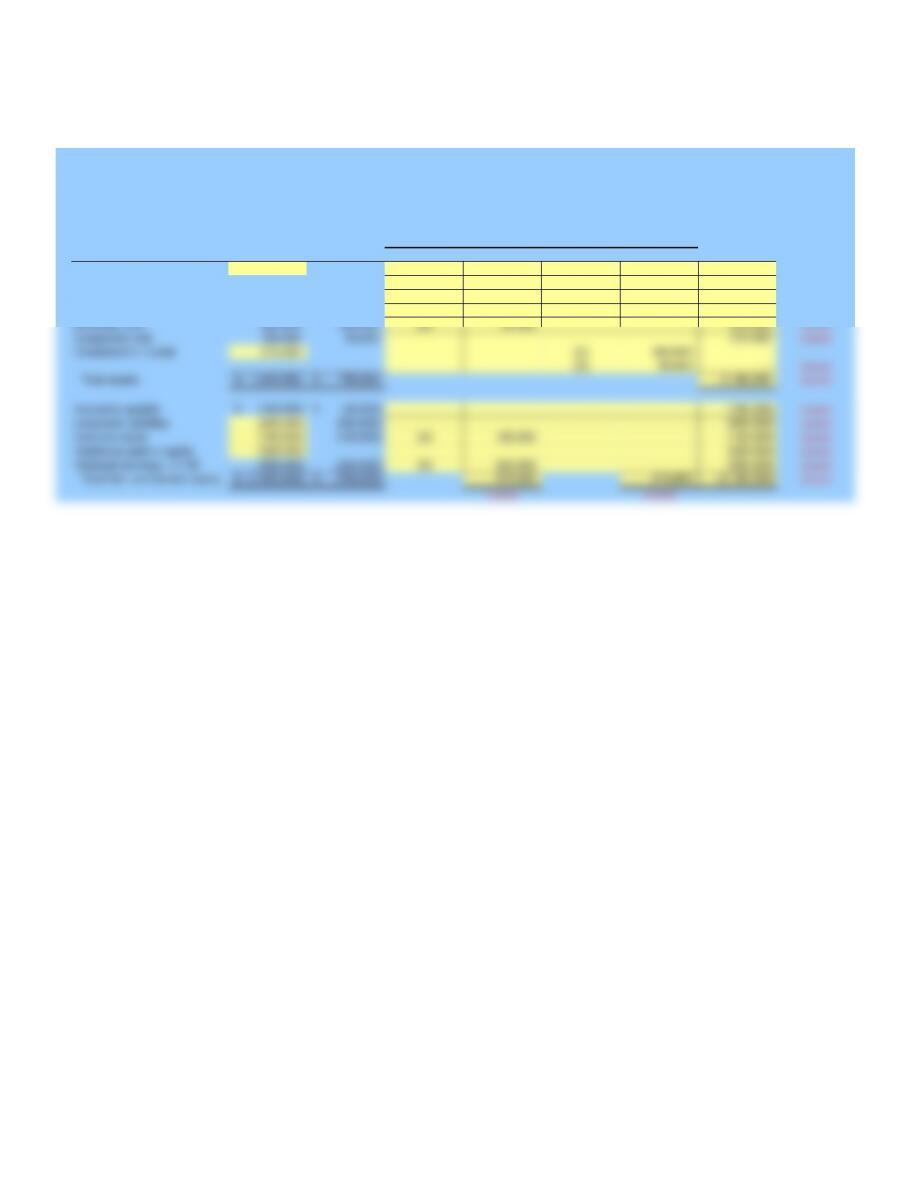
Marshall Tucker Consolidation Entries Consolidated
Accounts Company Company Debit Credit Totals
18,000$ 20,000$ 38,000 Correct!
270,000 90,000 360,000 Correct!
360,000 140,000 [A] 5,000 505,000 Correct!
200,000 180,000 [A] 20,000 400,000 Correct!
420,000 220,000 [A] 30,000 670,000 Correct!
160,000 50,000 210,000 Correct!
515,000 [S] 460,000
[A] 55,000 – Correct!
1,943,000$ 700,000$ 2,183,000 Correct!
(150,000)$ (40,000)$ (190,000) Correct!
(630,000) (200,000) (830,000) Correct!
(130,000) (120,000) [S] 120,000 (130,000) Correct!
(528,000) – (528,000) Correct!
(505,000) (340,000) [S] 340,000 (505,000) Correct!
(1,943,000)$ (700,000)$ 515,000 515,000 (2,183,000) Correct!
Correct! Correct!
Total liab. and owners’ equity
Retained earnings, 1/1/18
Additional paid-In capital
Common stock
Long-term liabilities
Accounts payable
Part b. Marshall and Tucker Consolidated Worksheet
January 1, 2018
Consolidation Worksheet
MARSHALL COMPANY AND CONSOLIDATED SUBSIDIARY
Land
Inventory
Receivables
Cash
Total assets
Investment in Tucker
Equipment (net)
Buildings (net)
100%
200,000$
20,000$
10$
30,000$
12,000$
5,000$
20,000$
30,000$
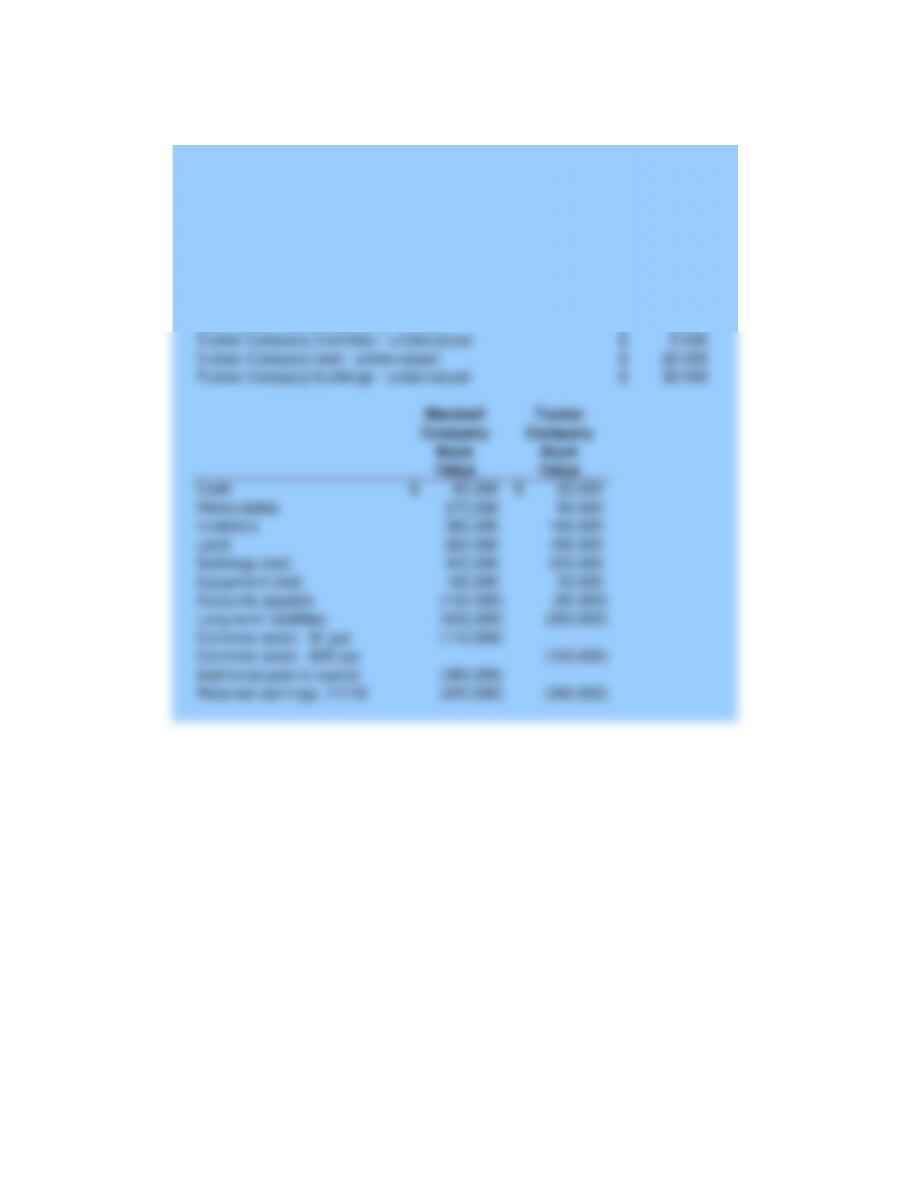
Marshall Tucker
Company Company
Book Book
Value Value
60,000$ 20,000$
270,000 90,000
360,000 140,000
200,000 180,000
420,000 220,000
160,000 50,000
(150,000) (40,000)
(430,000) (200,000)
(110,000)
(120,000)
(360,000)
(420,000) (340,000)
Given Data P02-28:
MARSHALL COMPANY
Tucker Company buildings – undervalued
Tucker Company land – undervalued
Tucker Company outstanding common stock
Stock issuance costs paid by Marshall
Fees paid by Marshall for arranging acquisition
Fair market value of Marshall stock
for acquisition – number of shares
Marshall Company’s $1 par common stock issued
Retained earnings, 1/1/18
Additional paid-in capital
Common stock – $20 par
Common stock – $1 par
Long-term liabilities
Long-term liabilities issued by Marshall for acquisition
acquired by Marshall Company
Accounts payable
Equipment (net)
Buildings (net)
Land
Tucker Company inventory – undervalued
Inventory
Receivables
Cash
Student Name:
Class:
495,000$
265,000
230,000 Correct!
50,000
(10,000)
100,000
40,000
(5,000) 175,000
55,000$ Correct!
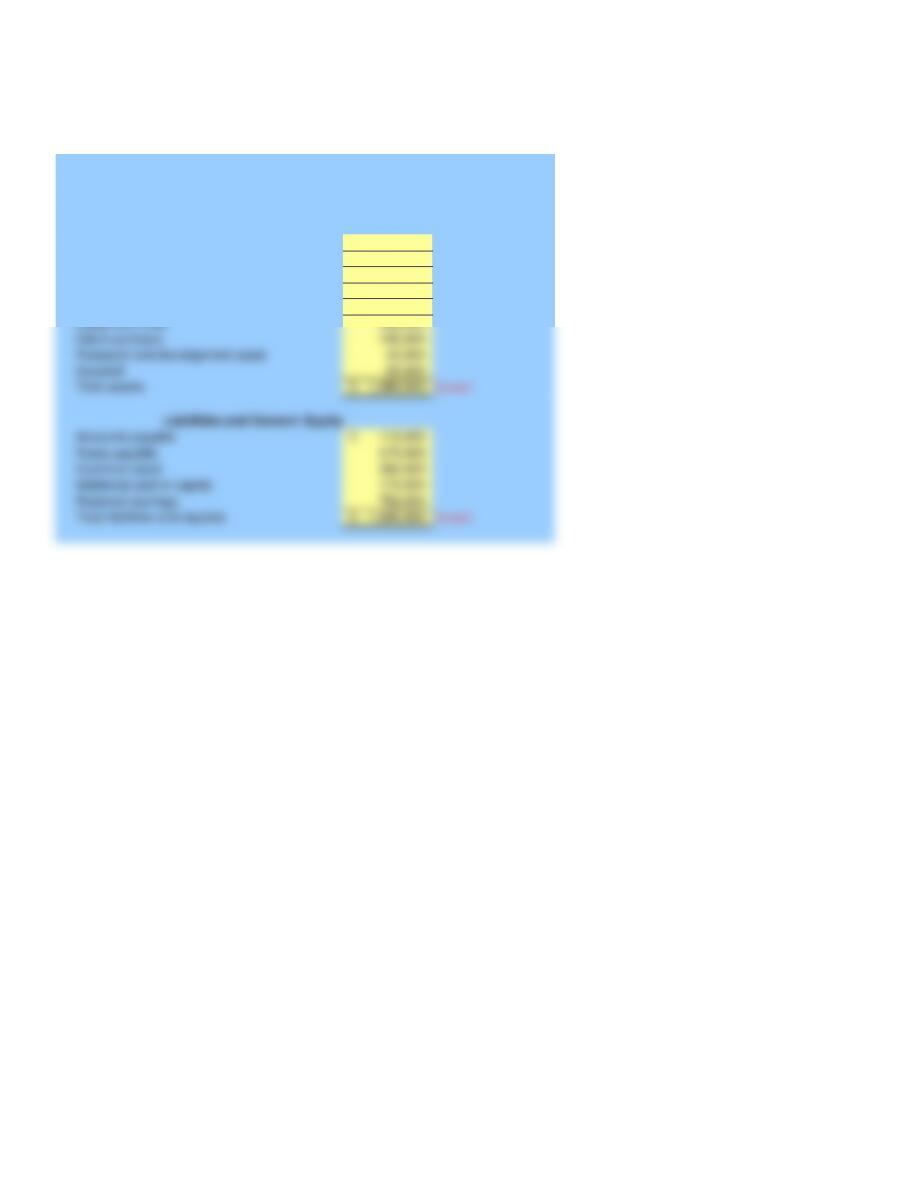
Consolidation Entries Consolidated
Accounts Pratt Spicer Debit Credit Totals
36,000$ 18,000$ 54,000 Correct!
116,000 52,000 168,000 Correct!
Client contracts
Accounts payable
Buildings (net)
Computer software
Investment in Spider
Goodwill
Retained earnings
Additional paid-in capital
Common stock
Equipment (net)
Instructor
– Purchase price and account allocation
specific assets and liabilities
Allocation of excess fair value to
Excess fair over book value
Book value
Consideration transferred at fair value
Problem 02-29
McGraw-Hill
-to In-process research and development
-to Client contracts
-to Equipment
-to Computer software
Goodwill
-to Notes payable
December 31, 2018
Consolidation Worksheet
PRATT COMPANY AND SPIDER, INC.
Receivables
Cash
Student Name:
Class:
Instructor
Problem 02-29
McGraw-Hill
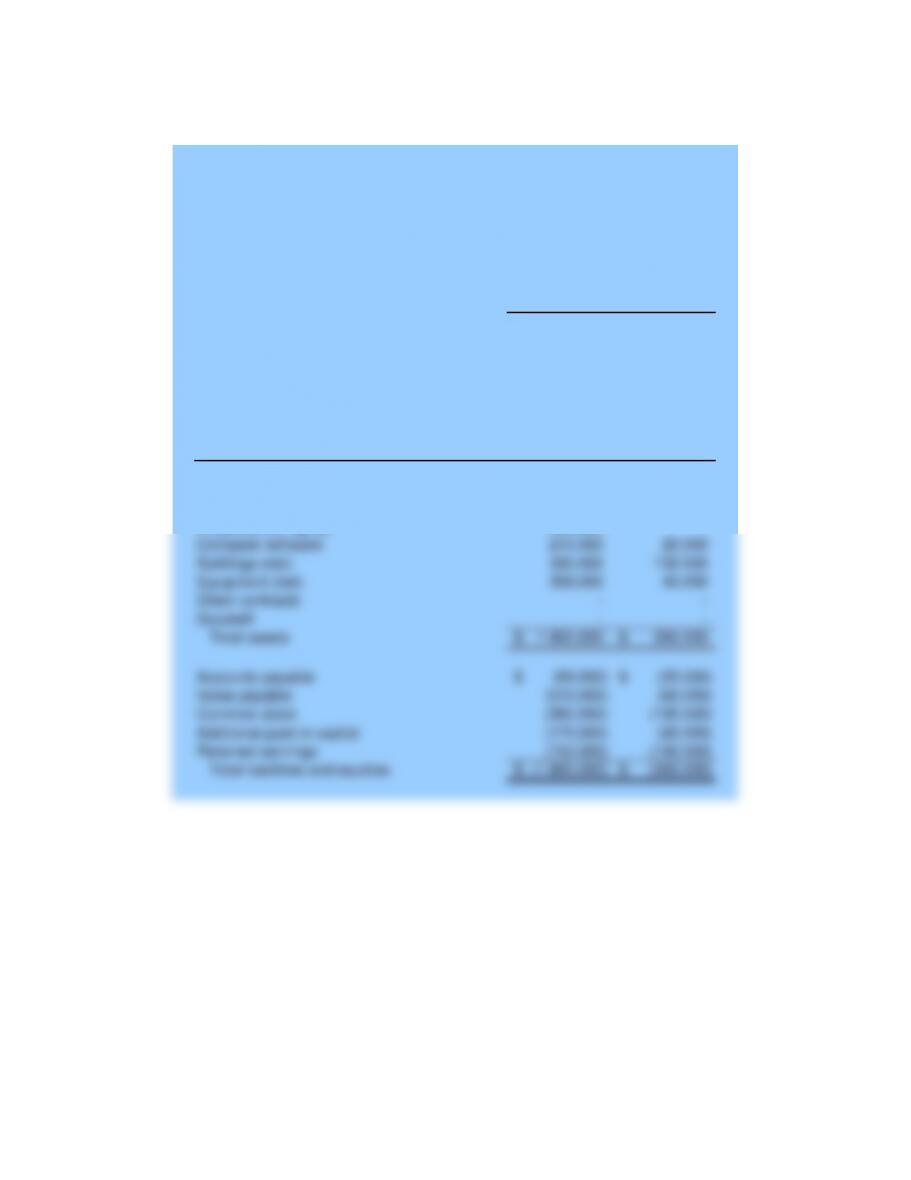
54,000$
168,000
230,000
280,000
725,000
338,000
100,000
40,000
55,000
1,990,000$
113,000$
575,000
380,000
170,000
752,000
1,990,000$
Correct!
Correct!
December 31, 2018
Assets
Liabilities and Owners’ Equity
Total assets
Inventory
Total liabilities and equities
Retained earnings
Notes payable
Accounts payable
Additional paid-in capital
Common stock
Research and development asset
Client contracts
Equipment (net)
Buildings (net)
Goodwill
Computer software
Consolidated Balance Sheet
PRATT COMPANY AND SUBSIDIARY
Receivables
Cash
100%
495,000$
Book Fair
Values Values
20,000$ 70,000$
40,000 30,000
– 100,000
– 40,000
(60,000) (65,000)
Pratt Spider
36,000$ 18,000$
116,000 52,000
140,000 90,000
495,000 –
210,000 20,000
595,000 130,000
308,000 40,000
– –
– –
1,900,000$ 350,000$
(88,000)$ (25,000)$
(510,000) (60,000)
(380,000) (100,000)
(170,000) (25,000)
(752,000) (140,000)
(1,900,000)$ (350,000)$
Equipment (net)
Buildings (net)
Computer software
Given Data P02-29:
Cash paid by Pratt for acquisition
acquired by Pratt Company
Spider, Inc. outstanding stock
Notes payable
Investment in Spider
Inventory
Computer software
Accounts payable
Client contracts
Total assets
Goodwill
Total liabilities and equities
Retained earnings
Additional paid-in capital
Common stock
Notes payable
December 31, 2018 Financial Information
Receivables
Cash
PRATT COMPANY
Assessment of Spider’s fair and book value differences:
In-process research and development
Client contracts
Equipment
Student Name:
Class:
Part C only:
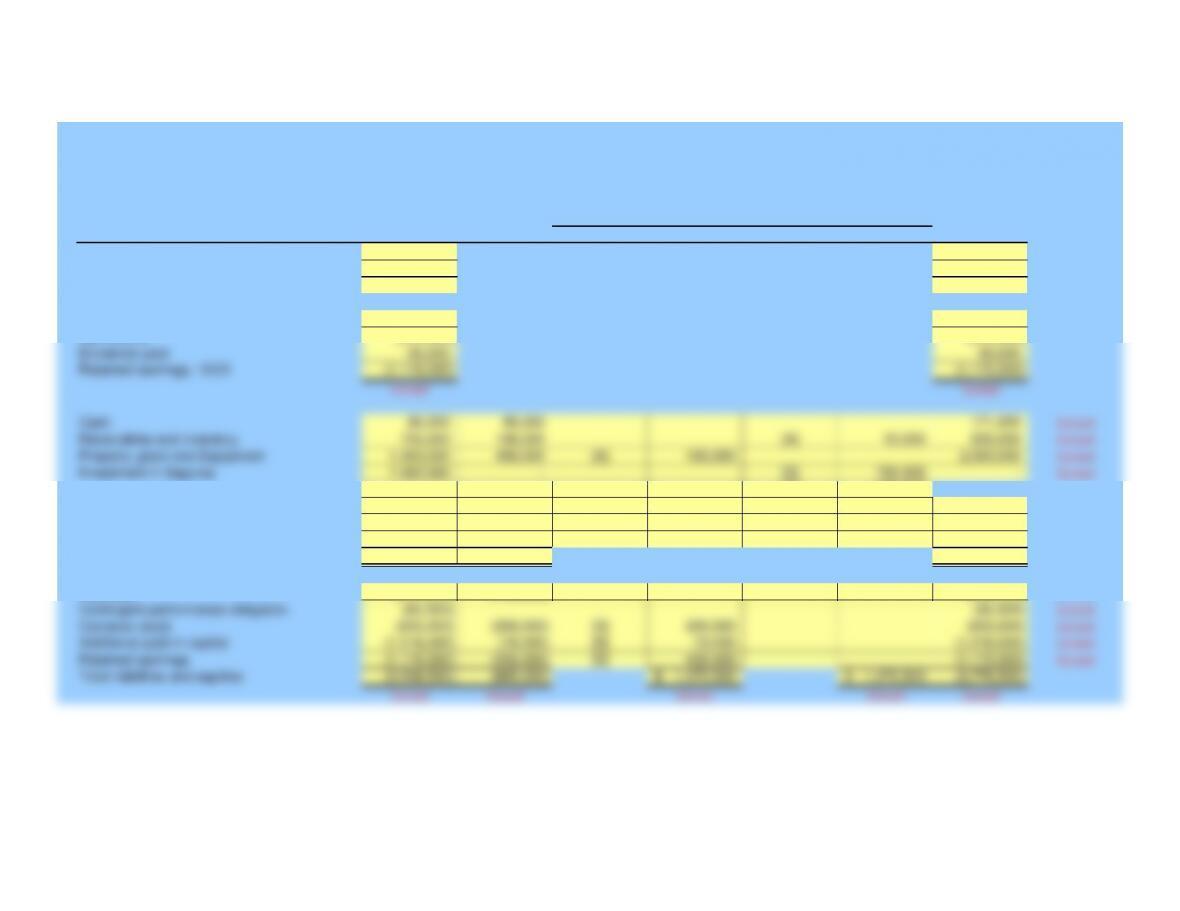
Consolidation Entries Consolidated
Accounts Pacifica, Seguros Debit Credit Totals
(1,200,000) (1,200,000)
890,000 890,000
(310,000) (310,000)
(950,000) (950,000)
(310,000) (310,000)
90,000 90,000
(1,170,000) (1,170,000)
Correct! Correct!
86,000 85,000 171,000 Correct!
750,000 190,000 [A] 10,000 930,000 Correct!
1,400,000 450,000 [A] 150,000 2,000,000 Correct!
1,062,500 – [S] 705,000 – Correct!
[A] 357,500
[A] 100,000 100,000 Correct!
[A] 77,500 77,500 Correct!
300,000 160,000 [A] 40,000 500,000 Correct!
Correct! Correct! Correct! Correct! Correct!
Total liabilities and equities
Retained earnings
Additional paid-in capital
Common stock
Contingent performance obligation
Liabilities
Total assets
Expenses
Revenues
Problem 02-34
McGraw-Hill
Instructor
Dividends paid
Net income
Retained earnings, 1/1
Net income
Receivables and inventory
Cash
Research and development asset
Retained earnings, 12/31
December 31
Consolidation Worksheet
PACIFICA, INC., AND SEGUROS CO.
Trademarks
Goodwill
Investment in Seguros
Property, plant and Equipment
100%
50,000
20$
130,000$
100,000$
50%
4%
15,000$
9,000$
Book Fair
Pacifica, Inc. Values Values
(1,200,000)$
875,000
(325,000)$
(950,000)$
(325,000)
90,000
(1,185,000)$
110,000$ 85,000$ 85,000$
750,000 190,000 180,000
1,400,000 450,000 600,000
300,000 160,000 200,000
2,560,000$ 885,000$
(500,000)$ (180,000)$ (180,000)$
(400,000) (200,000)
(475,000) (70,000)
(1,185,000) (435,000)
(2,560,000)$ (885,000)$
Given Data P02-34:
Net income
Retained earnings, 1/1
Net income
Dividends paid
Probability that Seguros will meet goals
acquired by Pacifica Inc.
Seguros Company outstanding voting shares
Pacifica Company’s $5 par common stock issued
Market value of Pacifica stock at acquisition date
for acquisition – number of shares
Fair value of Seguros R & D project
Cash paid by Pacifica when Seguros meets certain goals
Discount rate used to represent time value of money
Expenses
Revenues
Retained earnings, 12/31
Total assets
Trademarks
Stock issuance costs paid by Pacifica
Legal fees paid by Pacifica in connection with acquisition
Total liabilities and equities
Retained earnings
Additional paid-in capital
Common stock
Liabilities
Property, plant, and equipment
Receivables and inventory
Cash
Seguros Company