
1
Hearing Lab 3
Calculating the Area and Lever Benefits of the Middle Ear
(Noncadaver Lab)
To the Instructor:
This gives your students an opportunity to use their newly found abilities to work with the
decibel, and to verify how the information on the benefits was acquired. This is best done in
small groups. It’s a good idea to remind students to bring their calculators (especially those who
have calculators with logarithm functions).

Name: _______________________________________ Course: _______________________
2
Hearing Lab 3
Calculating the Area and Lever Benefits of the Middle Ear
(Noncadaver Lab)
You already know the critical details of the lever and area benefits of the middle ear. Now all
you have to do is plug the numbers into the decibel equation to see what that real-world gain is!
1. Area benefit:
Given
tympanic membrane = 55 mm2
oval window = 3 mm2
ratio = 55:3
Find benefit in dB.
2. Lever benefit:
Given
malleus = 9 mm long
incus = 7 mm long
ratio = 9:7
Find benefit in dB.

3
ANSWER KEY
To the Instructor:
The answer key provides the correct responses to Hearing Lab 3: Calculating the Area and Lever
Benefits of the Middle Ear. The correct answers are in bold.
4
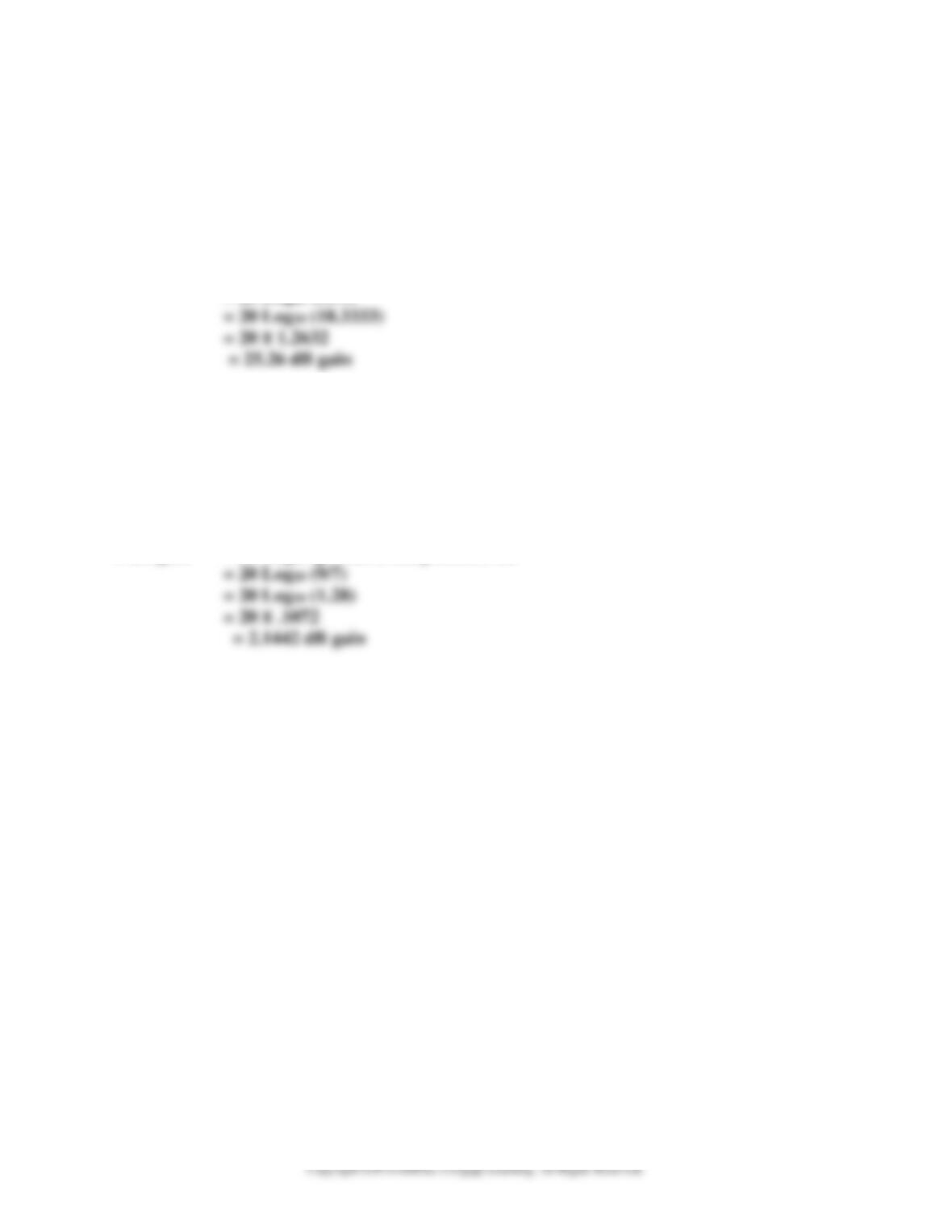
1. Area benefit:
Given
tympanic membrane = 55 mm2
oval window = 3 mm2
ratio = 55:3
Find benefit in dB.
X dB gain = 20 Log10 (pressure out/pressure in)
= 20 Log10 (55/3)
2. Lever benefit:
Given
malleus = 9 mm long
incus = 7 mm long
ratio = 9:7
Find benefit in dB.
X dB gain = 20 Log10 (pressure out/pressure in)