4.31
continued.
4-23Solutions
Current Liabilities:
Liabilities and Shareholders’ Equity
© 2013 Cengage Learning. All
r
ights reserved. No
d
is
t
r
ibution allowed without express
a
u
t
hor
ization.
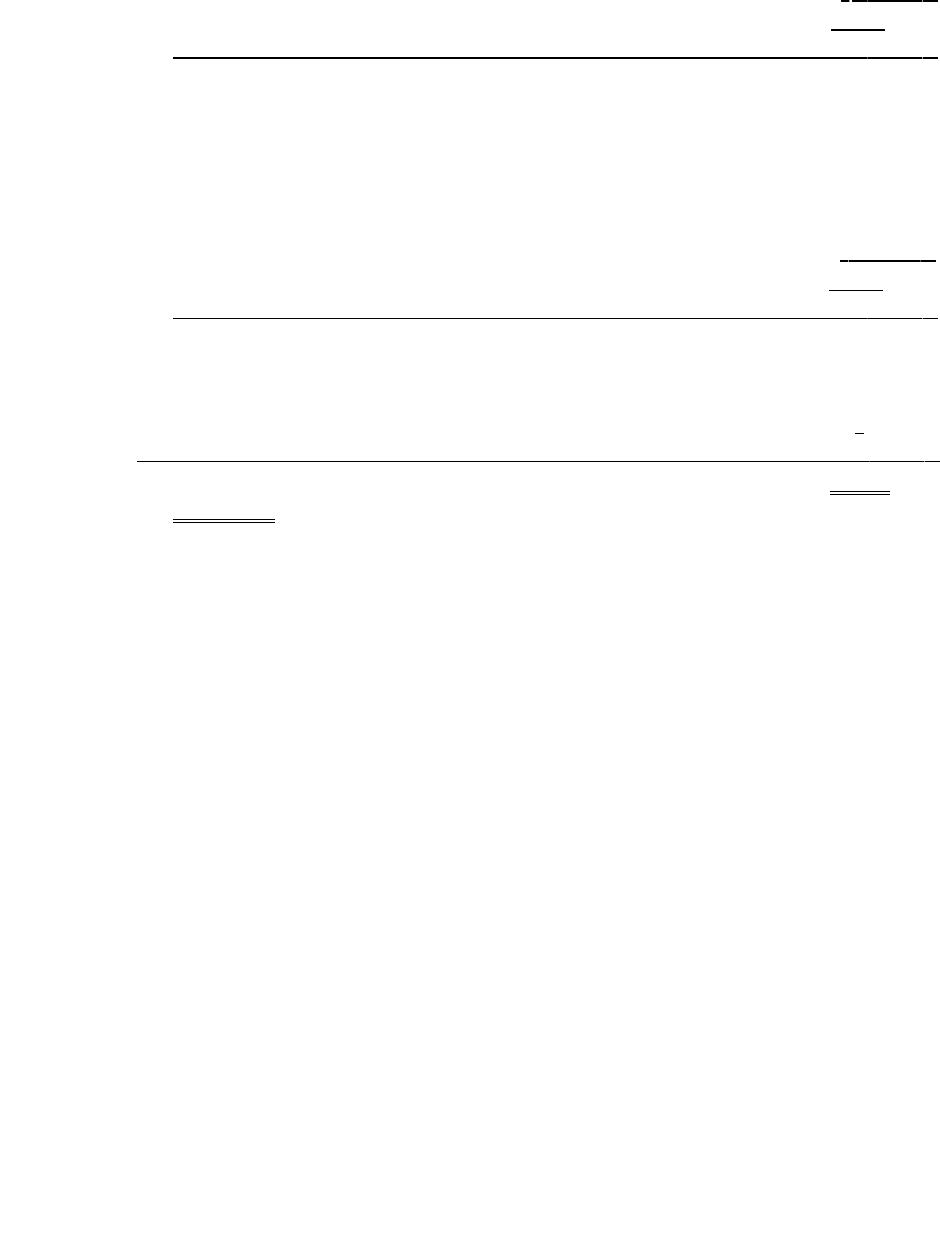
Trade
Payables
………………………………………………………… SEK
17,427
Borrowings, Current …………………………………………………. 5,896
Provisions, Current…………………………………………………… 8,858
Other Current
Liabilities
…………………………………………..
4
4
, 99
5
Total Current Liabilities ……………………………………… S E K
7
7
, 17
6
Noncurrent Liabilities:
Provisions,
N
o
ncurr
e
n
t ……………………………………………… SEK
368
Borrowings, Noncurrent…………………………………………….. 21,320
Post-Employment Benefits ……………………………………….. 6,188
Deferred Tax
Liabilities
……………………………………………. 2,799
Other Noncurrent Liabilities ……………………………………..
1
, 71
4
Total Noncurrent Liabilities…………………………………. S E K
3
2
, 38
9
Total Liabilities ………………………………………………….. SEK
109,565
Minority Interest ……………………………………………………… 940
Shareholders’ Equity …………………………………………………
13
0
, 05
1
Total Liabilities and
Equity
…………………………………. SEK
24
0
,55
6
Explanation of changes to apply U.S. GAAP
1. U.S. GAAP does not permit the capitalization of development
costs.
Removal of these costs reduces assets by SEK3,661
million, and reduces shareholders’ equity (Retained Earnings) by
SEK3,661 million.
2. U.S. GAAP does not permit the upward revaluation of land. In
Year 7, this upward revaluation led to land being stated at a
value SEK900 million higher on Svenson’s balance sheet than
would have been permitted under U.S. GAAP. The upward
revaluation would also have been included as an unrealized gain,
in Svenson’s shareholders’ equity. To conform to U.S. GAAP,
removal of the upward revaluation of the land would therefore
reduce assets and shareholders’ equity by SEK900 million for
Year 7.
3. Both U.S. GAAP and IFRS require assessments for impairment of
noncurrent assets. Thus, the write-down of the equipment in
Year 7 from SEK2,400 to SEK1,600 would also exist under U.S.
GAAP.

© 2013 Cengage Learning. All
r
ights reserved. No
d
is
t
r
ibution allowed without express
a
u
t
hor
ization.
Solutions 4-24
4. From the information provided, the probability of loss is 60%
for the patent infringement lawsuit. Thus, the lawsuit meets
the IFRS threshold for recognition; it does not, however, meet
the probable standard under U.S. GAAP (80%). Thus, under
U.S. GAAP, Svenson would not have recognized a liability for
this lawsuit. Under IFRS, Svenson would have recognized the
“best” estimate as the amount of the liability. This best
estimate was likely SEK500, since this is the amount of expected
damages with the largest probability of occurring. Another best
estimate that is possible is the expected value of the range of
estimates, or SEK994 million. Whatever the best estimate, the
amount would need to be removed from current provisions, and
added back to shareholders’ equity, to derecognize this liability
under U.S. GAAP. The balance sheet shown earlier displays a
best estimate of SEK500.
Summary Calculations for Shareholders’ Equity:
Balance per Svenson Balance Sheet, Year 7 (IFRS) … SEK
134,112
Removal of Capitalized Development Costs That
Would Be Expensed Under U.S.
GAAP
……………….
(3,661
) Removal of Upward Revaluation of Land That
Would Not Have Been Made Under U.S.
G
AA
P
….. (900)
Removal of Lawsuit Expense That Would Not Have
Met the Standard for Recognition Under U.S.
GAAP
………………………………………………………………
50
0
Balance per Svenson Balance Sheet, Year 7 U.S.
GAAP
……………………………………………………………… SEK
13
0
,05
1
4-25Solutions
4.32 (Paul Loren Company; balance sheet format, terminology, and
accounting methods.)
© 2013 Cengage Learning. All
r
ights reserved. No
d
is
t
r
ibution allowed without express
a
u
t
hor
ization.
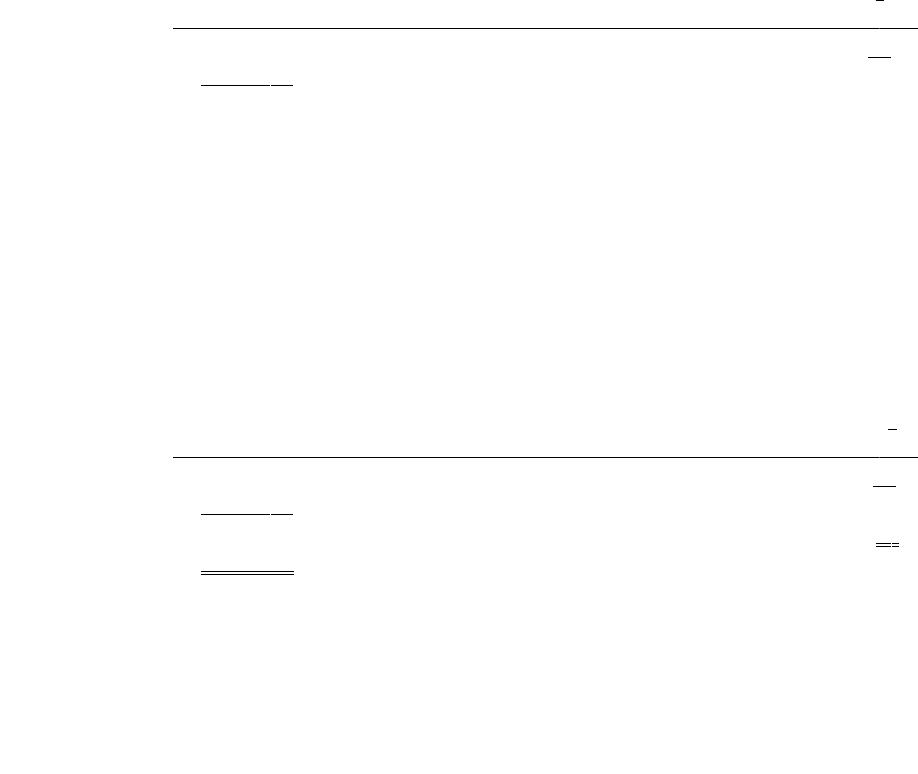
a. PAUL LOREN COMPANY
U.S. GAAP Balance
Sheet
For Fiscal Year 10
(amounts in millions of
US$)
Current
Assets:
Assets
Cash and Cash Equivalents …………………………………….. $
563.1
Short-Term I
n
v
es
tm
en
t
s
…………………………………………..
584.1
Accounts Receivable,
N
et ………………………………………….
381.9
Inventories
……………………………………………………………… 4
74.0
Deferred Tax A
ss
et
s
…………………………………………………
103.0
Prepaid Expenses and Other……………………………………..
13
9
.7
Total Current Assets …………………………………………… $
2
, 24
5
.8
Noncurrent Assets:
Noncurrent Investments ………………………………………….. $
75.5
Property and Equipment,
N
et ……………………………………
697.2
Deferred Tax A
ss
et
s
…………………………………………………
101.9
G
ood
will
…………………………………………………………………. 9
86.6
Intangible Assets, Net ……………………………………………..
363.2
Other A
ss
et
s
……………………………………………………………
14
8
.7
Total Noncurrent A
ss
et
s
………………………………………. $
2
, 37
3
.1
Total Assets ……………………………………………………….. $
4
, 61
8
.9
Liabilities and Shareholders’ Equity
Current Liabilities:
Accounts Payable ……………………………………………………. $
149.8
Income Tax Payable………………………………………………….
37.8
© 2013 Cengage Learning. All
r
ights reserved. No
d
is
t
r
ibution allowed without express
a
u
t
hor
ization.
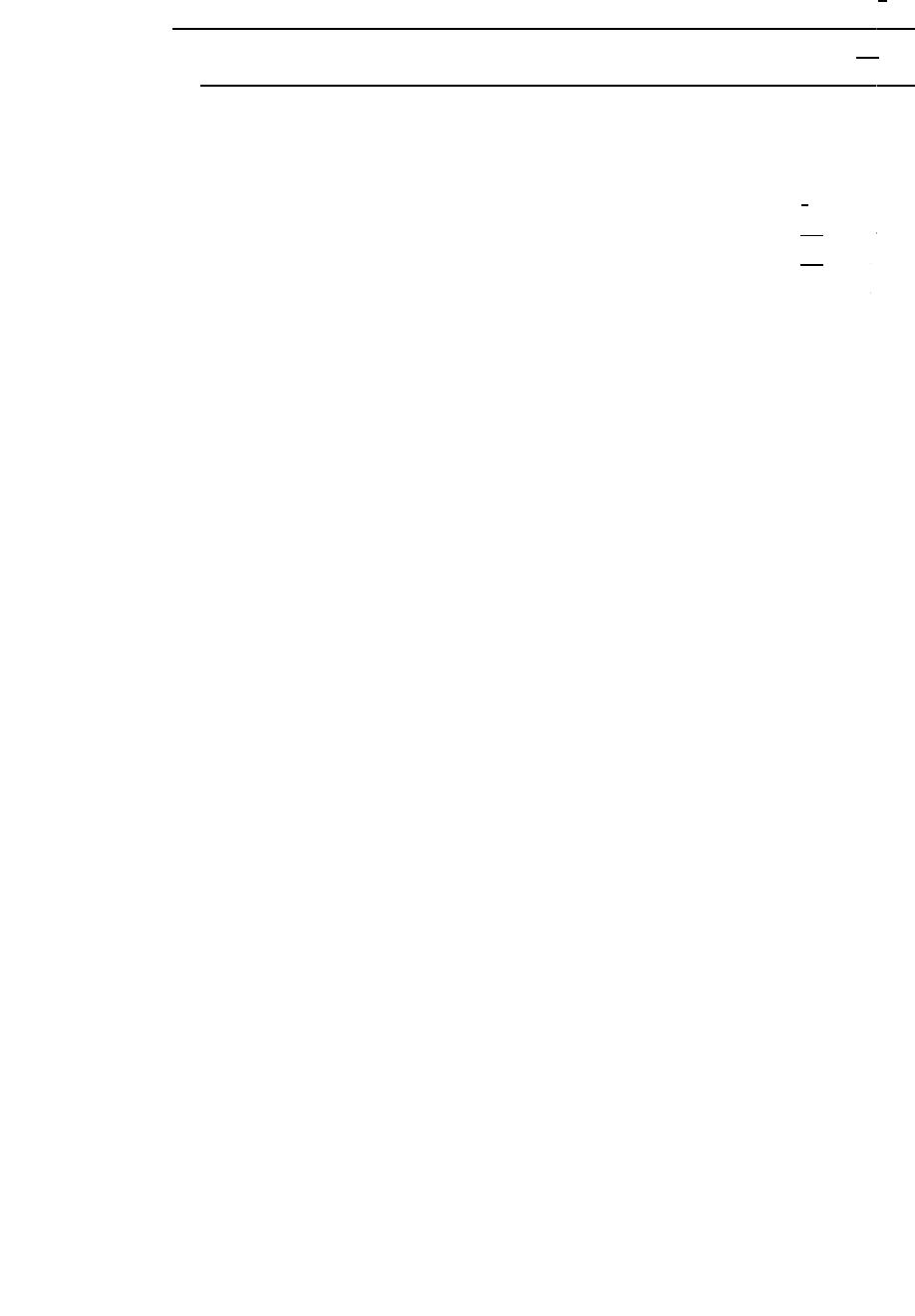
Accrued Litigation Liability …………………………………….. 100.0
Accrued Expenses and Other……………………………………..
55
9
.7
Total Current Liabilities ……………………………………… $
84
7
.3
Noncurrent Liabilities:
Long-Term Debt
………………………………………………………
$ 74
7.
3
Deferred Tax
Li
ab
ili
t
i
e
s
……………………………………………
282.
1
Other Noncurrent
Li
ab
ili
t
i
e
s
…………………………………….
12
6
.
Total Noncurrent Liabilities
…………………………………
$
1
, 15
5
.4
Total Liabilities
…………………………………………………..
$
2
, 00
2
.7
Solutions 4-26

© 2013 Cengage Learning. All
r
ights reserved. No
d
is
t
r
ibution allowed without express
a
u
t
hor
ization.
4.32 a. continued.
Shareholders’ Equity:
Class A Common Stock, at Par …………………………….. $
0.8
Class B Common Stock, at Par …………………………….. 0.4
Additional Paid-In Cap
i
ta
l
…………………………………… 1,243.8
Retained Earnings………………………………………………..2,414.9
Treasury Stock …………………………………………………….
(1,197.7)
Accumulated Other Comprehensive Income
……………
15
4
.
Total Shareholders’
Equity
………………………………..
$
2
, 61
6
.2
Total Liabilities and Eq
ui
ty
………………………………
$
4
, 61
8
.9
Explanation of changes to apply IFRS
1. Both U.S. GAAP and IFRS require firms to impair
long-lived assets if the fair value of those estimates declines
below cost (adjusted for use). Thus, no changes are
necessary.
2. Neither U.S. GAAP nor IFRS permits upward revaluations of
inventory. Therefore, to confirm to U.S. GAAP or IFRS, Paul
Loren must remove $30 million from assets (Inventory) and
shareholders’ equity (Retained Earnings).
3. Both U.S. GAAP and IFRS require the firm to record a liability
if it is probable and reasonably estimable. From the
information provided, the probability of loss is 100% for the
breach of contract lawsuit. Thus, the lawsuit meets both
the U.S. GAAP and IFRS threshold for recognition. Under
U.S. GAAP, Paul Loren should recognize a liability of $100
million (the most likely amount) and reduce Shareholders’
Equity (Retained Earnings) by the same amount. This
amount is included among current liabilities under the
assumption that Paul Loren expects to pay it in the
coming year. Under IFRS, Paul Loren would have
recognized the “best” estimate as the amount of the
liability. This best estimate could be $100 million (the most
likely amount) or $270 million (the expected value, equal to
0.70 X $100 + 0.20 X $500 + 0.10 X $1,000). Whatever the
best estimate, the amount would need to be added to
current liabilities, and subtracted from Shareholders’ Equity.

© 2013 Cengage Learning. All
r
ights reserved. No
d
is
t
r
ibution allowed without express
a
u
t
hor
ization.
4-27 Solutions

© 2013 Cengage Learning. All
r
ights reserved. No
d
is
t
r
ibution allowed without express
a
u
t
hor
ization.
4.32 continued.
b. The only potential diference between shareholders’ equity
calculated under U.S. GAAP and IFRS concerns the amount
recognized as the liability for the breach of contract. If IFRS
records $100 million (the most likely amount), shareholders’
equity under IFRS will be the same as calculated under U.S.
GAAP.
Solutions4-28
© 2013 Cengage Learning. All
r
ights reserved. No
d
is
t
r
ibution allowed without express
a
u
t
hor
ization.
Trade
Payables
………………………………………………………… SEK
17,427
Borrowings, Current …………………………………………………. 5,896
Provisions, Current…………………………………………………… 8,858
Other Current
Liabilities
…………………………………………..
4
4
, 99
5
Total Current Liabilities ……………………………………… S E K
7
7
, 17
6
Noncurrent Liabilities:
Provisions,
N
o
ncurr
e
n
t ……………………………………………… SEK
368
Borrowings, Noncurrent…………………………………………….. 21,320
Post-Employment Benefits ……………………………………….. 6,188
Deferred Tax
Liabilities
……………………………………………. 2,799
Other Noncurrent Liabilities ……………………………………..
1
, 71
4
Total Noncurrent Liabilities…………………………………. S E K
3
2
, 38
9
Total Liabilities ………………………………………………….. SEK
109,565
Minority Interest ……………………………………………………… 940
Shareholders’ Equity …………………………………………………
13
0
, 05
1
Total Liabilities and
Equity
…………………………………. SEK
24
0
,55
6
Explanation of changes to apply U.S. GAAP
1. U.S. GAAP does not permit the capitalization of development
costs.
Removal of these costs reduces assets by SEK3,661
million, and reduces shareholders’ equity (Retained Earnings) by
SEK3,661 million.
2. U.S. GAAP does not permit the upward revaluation of land. In
Year 7, this upward revaluation led to land being stated at a
value SEK900 million higher on Svenson’s balance sheet than
would have been permitted under U.S. GAAP. The upward
revaluation would also have been included as an unrealized gain,
in Svenson’s shareholders’ equity. To conform to U.S. GAAP,
removal of the upward revaluation of the land would therefore
reduce assets and shareholders’ equity by SEK900 million for
Year 7.
3. Both U.S. GAAP and IFRS require assessments for impairment of
noncurrent assets. Thus, the write-down of the equipment in
Year 7 from SEK2,400 to SEK1,600 would also exist under U.S.
GAAP.
© 2013 Cengage Learning. All
r
ights reserved. No
d
is
t
r
ibution allowed without express
a
u
t
hor
ization.
Solutions 4-24
4. From the information provided, the probability of loss is 60%
for the patent infringement lawsuit. Thus, the lawsuit meets
the IFRS threshold for recognition; it does not, however, meet
the probable standard under U.S. GAAP (80%). Thus, under
U.S. GAAP, Svenson would not have recognized a liability for
this lawsuit. Under IFRS, Svenson would have recognized the
“best” estimate as the amount of the liability. This best
estimate was likely SEK500, since this is the amount of expected
damages with the largest probability of occurring. Another best
estimate that is possible is the expected value of the range of
estimates, or SEK994 million. Whatever the best estimate, the
amount would need to be removed from current provisions, and
added back to shareholders’ equity, to derecognize this liability
under U.S. GAAP. The balance sheet shown earlier displays a
best estimate of SEK500.
Summary Calculations for Shareholders’ Equity:
Balance per Svenson Balance Sheet, Year 7 (IFRS) … SEK
134,112
Removal of Capitalized Development Costs That
Would Be Expensed Under U.S.
GAAP
……………….
(3,661
) Removal of Upward Revaluation of Land That
Would Not Have Been Made Under U.S.
G
AA
P
….. (900)
Removal of Lawsuit Expense That Would Not Have
Met the Standard for Recognition Under U.S.
GAAP
………………………………………………………………
50
0
Balance per Svenson Balance Sheet, Year 7 U.S.
GAAP
……………………………………………………………… SEK
13
0
,05
1
4-25Solutions
4.32 (Paul Loren Company; balance sheet format, terminology, and
accounting methods.)
© 2013 Cengage Learning. All
r
ights reserved. No
d
is
t
r
ibution allowed without express
a
u
t
hor
ization.
a. PAUL LOREN COMPANY
U.S. GAAP Balance
Sheet
For Fiscal Year 10
(amounts in millions of
US$)
Current
Assets:
Assets
Cash and Cash Equivalents …………………………………….. $
563.1
Short-Term I
n
v
es
tm
en
t
s
…………………………………………..
584.1
Accounts Receivable,
N
et ………………………………………….
381.9
Inventories
……………………………………………………………… 4
74.0
Deferred Tax A
ss
et
s
…………………………………………………
103.0
Prepaid Expenses and Other……………………………………..
13
9
.7
Total Current Assets …………………………………………… $
2
, 24
5
.8
Noncurrent Assets:
Noncurrent Investments ………………………………………….. $
75.5
Property and Equipment,
N
et ……………………………………
697.2
Deferred Tax A
ss
et
s
…………………………………………………
101.9
G
ood
will
…………………………………………………………………. 9
86.6
Intangible Assets, Net ……………………………………………..
363.2
Other A
ss
et
s
……………………………………………………………
14
8
.7
Total Noncurrent A
ss
et
s
………………………………………. $
2
, 37
3
.1
Total Assets ……………………………………………………….. $
4
, 61
8
.9
Liabilities and Shareholders’ Equity
Current Liabilities:
Accounts Payable ……………………………………………………. $
149.8
Income Tax Payable………………………………………………….
37.8
© 2013 Cengage Learning. All
r
ights reserved. No
d
is
t
r
ibution allowed without express
a
u
t
hor
ization.
Accrued Litigation Liability …………………………………….. 100.0
Accrued Expenses and Other……………………………………..
55
9
.7
Total Current Liabilities ……………………………………… $
84
7
.3
Noncurrent Liabilities:
Long-Term Debt
………………………………………………………
$ 74
7.
3
Deferred Tax
Li
ab
ili
t
i
e
s
……………………………………………
282.
1
Other Noncurrent
Li
ab
ili
t
i
e
s
…………………………………….
12
6
.
Total Noncurrent Liabilities
…………………………………
$
1
, 15
5
.4
Total Liabilities
…………………………………………………..
$
2
, 00
2
.7
Solutions 4-26
© 2013 Cengage Learning. All
r
ights reserved. No
d
is
t
r
ibution allowed without express
a
u
t
hor
ization.
4.32 a. continued.
Shareholders’ Equity:
Class A Common Stock, at Par …………………………….. $
0.8
Class B Common Stock, at Par …………………………….. 0.4
Additional Paid-In Cap
i
ta
l
…………………………………… 1,243.8
Retained Earnings………………………………………………..2,414.9
Treasury Stock …………………………………………………….
(1,197.7)
Accumulated Other Comprehensive Income
……………
15
4
.
Total Shareholders’
Equity
………………………………..
$
2
, 61
6
.2
Total Liabilities and Eq
ui
ty
………………………………
$
4
, 61
8
.9
Explanation of changes to apply IFRS
1. Both U.S. GAAP and IFRS require firms to impair
long-lived assets if the fair value of those estimates declines
below cost (adjusted for use). Thus, no changes are
necessary.
2. Neither U.S. GAAP nor IFRS permits upward revaluations of
inventory. Therefore, to confirm to U.S. GAAP or IFRS, Paul
Loren must remove $30 million from assets (Inventory) and
shareholders’ equity (Retained Earnings).
3. Both U.S. GAAP and IFRS require the firm to record a liability
if it is probable and reasonably estimable. From the
information provided, the probability of loss is 100% for the
breach of contract lawsuit. Thus, the lawsuit meets both
the U.S. GAAP and IFRS threshold for recognition. Under
U.S. GAAP, Paul Loren should recognize a liability of $100
million (the most likely amount) and reduce Shareholders’
Equity (Retained Earnings) by the same amount. This
amount is included among current liabilities under the
assumption that Paul Loren expects to pay it in the
coming year. Under IFRS, Paul Loren would have
recognized the “best” estimate as the amount of the
liability. This best estimate could be $100 million (the most
likely amount) or $270 million (the expected value, equal to
0.70 X $100 + 0.20 X $500 + 0.10 X $1,000). Whatever the
best estimate, the amount would need to be added to
current liabilities, and subtracted from Shareholders’ Equity.
© 2013 Cengage Learning. All
r
ights reserved. No
d
is
t
r
ibution allowed without express
a
u
t
hor
ization.
4-27 Solutions
© 2013 Cengage Learning. All
r
ights reserved. No
d
is
t
r
ibution allowed without express
a
u
t
hor
ization.
4.32 continued.
b. The only potential diference between shareholders’ equity
calculated under U.S. GAAP and IFRS concerns the amount
recognized as the liability for the breach of contract. If IFRS
records $100 million (the most likely amount), shareholders’
equity under IFRS will be the same as calculated under U.S.
GAAP.
Solutions4-28