Problem 13-10: Sport Obermeyer
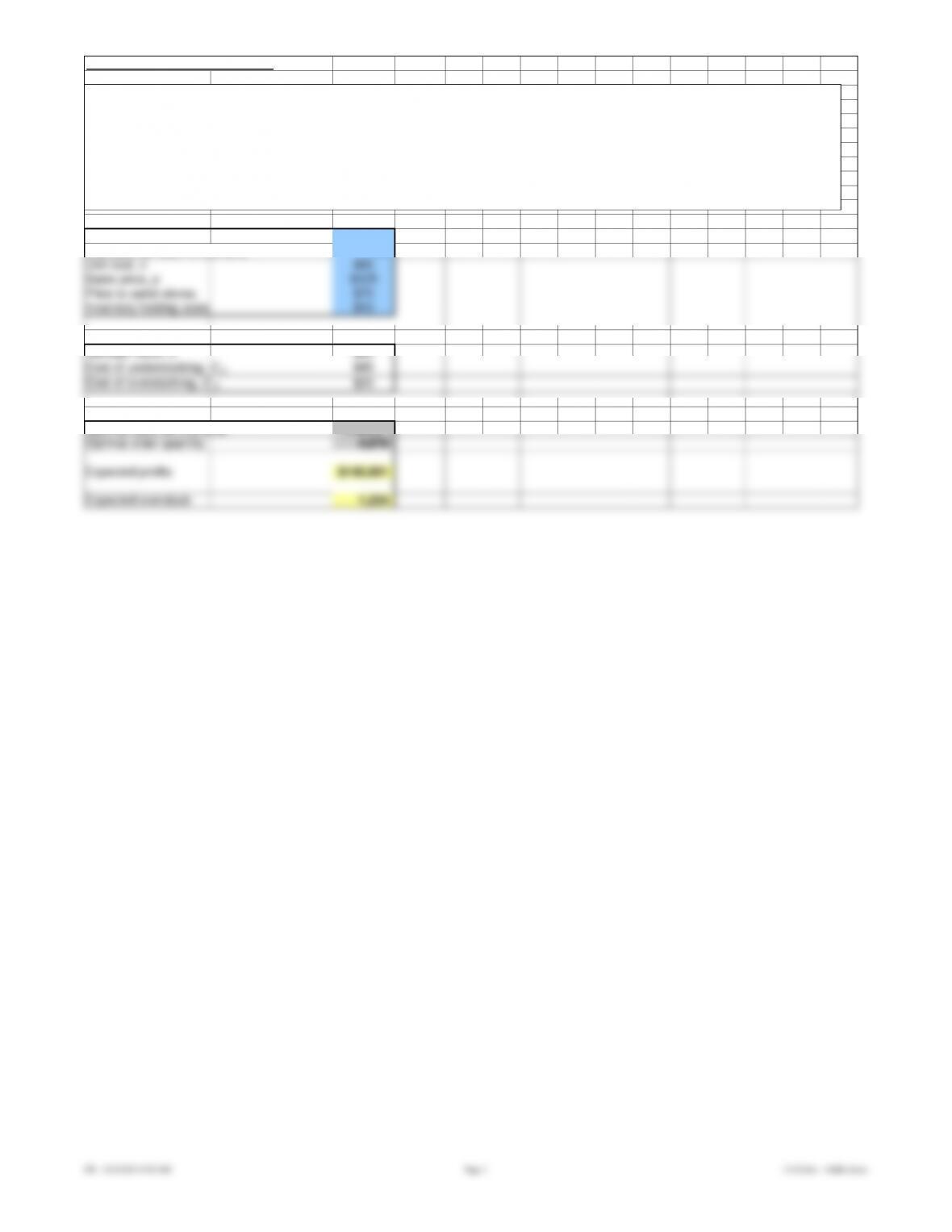
Inputs
Expected demand 4,000
Standard deviation of demand 1,750
Unit cost, c$80
Sales price, p$125
Price to outlet stores $70
Inventory holding costs $10
Salvage value, s$60
Cost of understocking, CU$45
Cost of overstocking, CO$20
Outputs
Optimal cycle service level 0.6923
Optimal order quantity
4,879
Expected profits
$140,001
Expected overstock 1,224
Sport Obermeyer (SO) is a manufacturer of ski apparel. A ski jacket is sourced at a cost of $80 and sold for $125. One order is placed at the beginning of the season. Currently, SO disposes
of any unsold jackets at the end of the season to outlet stores at $70. It costs $10 to hold a jacket in inventory for the entire season and then ship it to an outlet store. Demand for ski jackets
has been forecast to be normally distributed, with a mean of 4,000 and a standard deviation of 1,750.
a. How many jackets should SO order for the season, assuming a single order?
b. What is the expected profit from this policy?
c. What is the expected overstock at the end of the season that will be sent to outlet stores?
d. SO is considering an alternative under which it will ship surplus jackets at the end of the season for sale in the Southern Hemisphere. Inclusive of all costs, SO expects the salvage value to
increase to $75 under this option. How will this change affect the quantity ordered, expected profits, and expected overstock to be sent to the Southern Hemisphere? Do you recommend this
option?
Problem 13-10: Sport Obermeyer
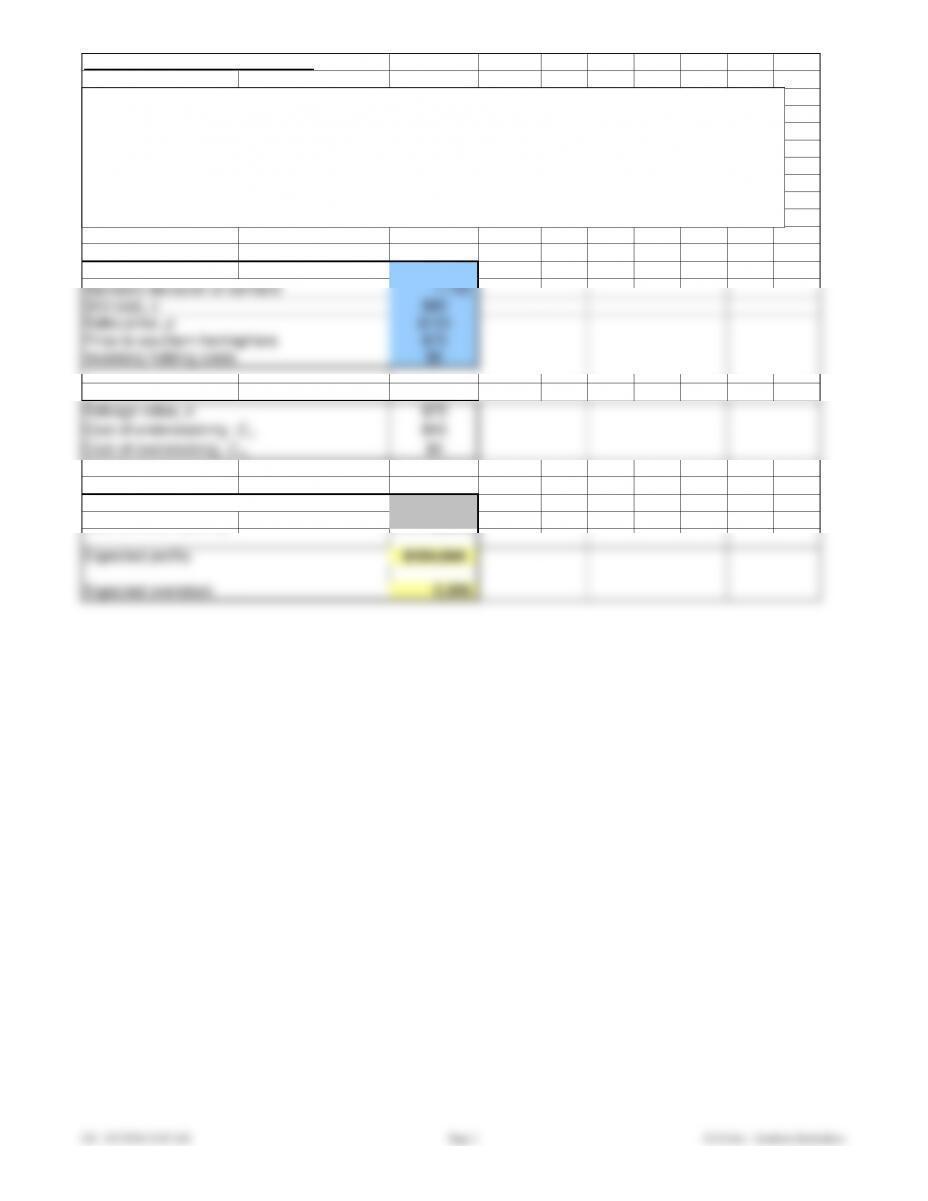
Inputs
Expected demand 4,000
Standard deviation of demand 1,750
Unit cost, c$80
Sales price, p$125
Price to southern hemisphere $75
Inventory holding costs $0
Salvage value, s$75
Cost of understocking, Cu$45
Cost of overstocking, Co$5
Outputs
Optimal cycle service level 0.9000
Optimal order quantity 6,243
Expected profits $164,644
Expected overstock 2,326
Sport Obermeyer (SO) is a manufacturer of ski apparel. A ski jacket is sourced at a cost of $80 and sold for $125. One order is placed at the
beginning of the season. Currently, SO disposes of any unsold jackets at the end of the season to outlet stores at $70. It costs $10 to hold a
jacket in inventory for the entire season and then ship it to an outlet store. Demand for ski jackets has been forecast to be normally distributed,
with a mean of 4,000 and a standard deviation of 1,750.
a. How many jackets should SO order for the season, assuming a single order?
b. What is the expected profit from this policy?
c. What is the expected overstock at the end of the season that will be sent to outlet stores?
d. SO is considering an alternative under which it will ship surplus jackets at the end of the season for sale in the Southern Hemisphere.
Inclusive of all costs, SO expects the salvage value to increase to $75 under this option. How will this change affect the quantity ordered,
expected profits, and expected overstock to be sent to the Southern Hemisphere? Do you recommend this option?