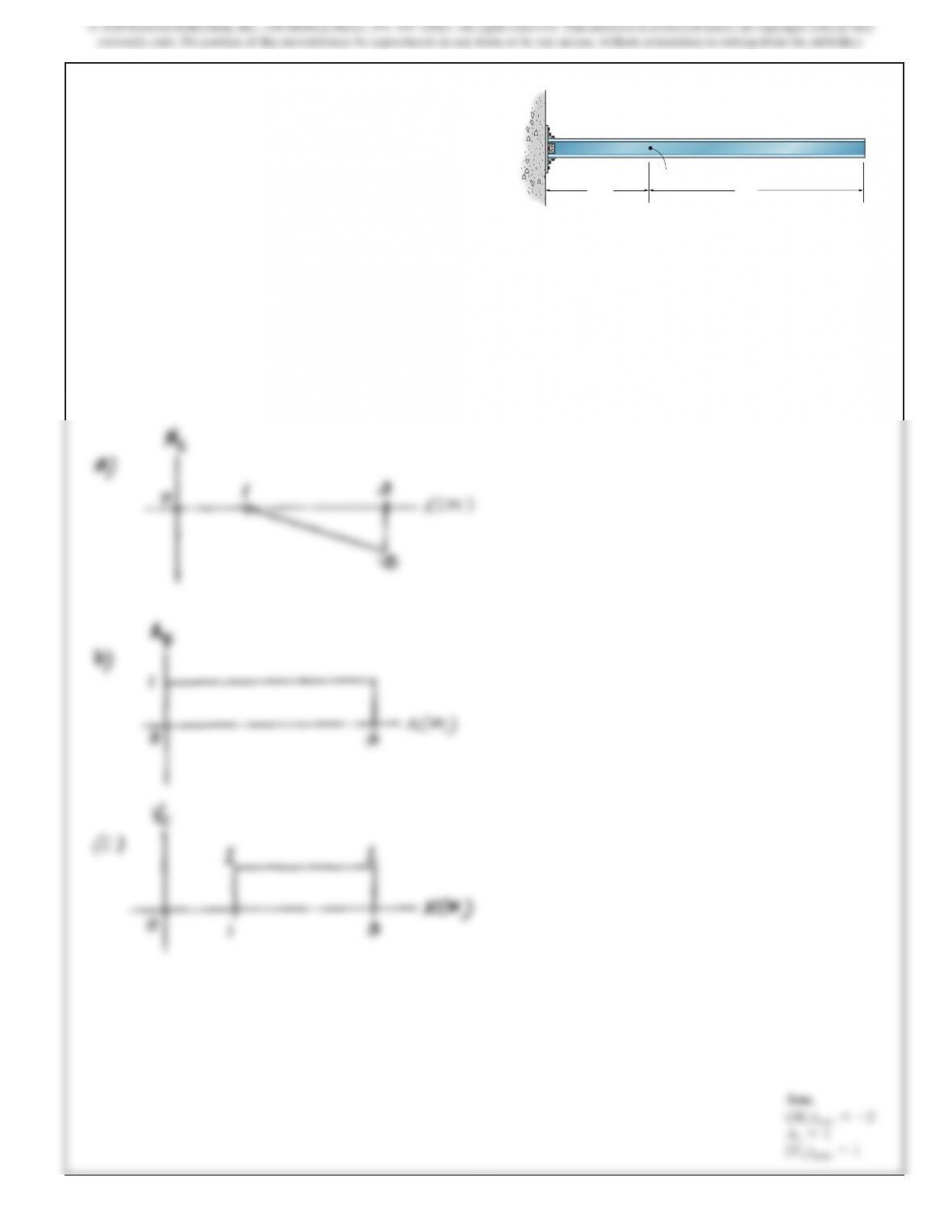
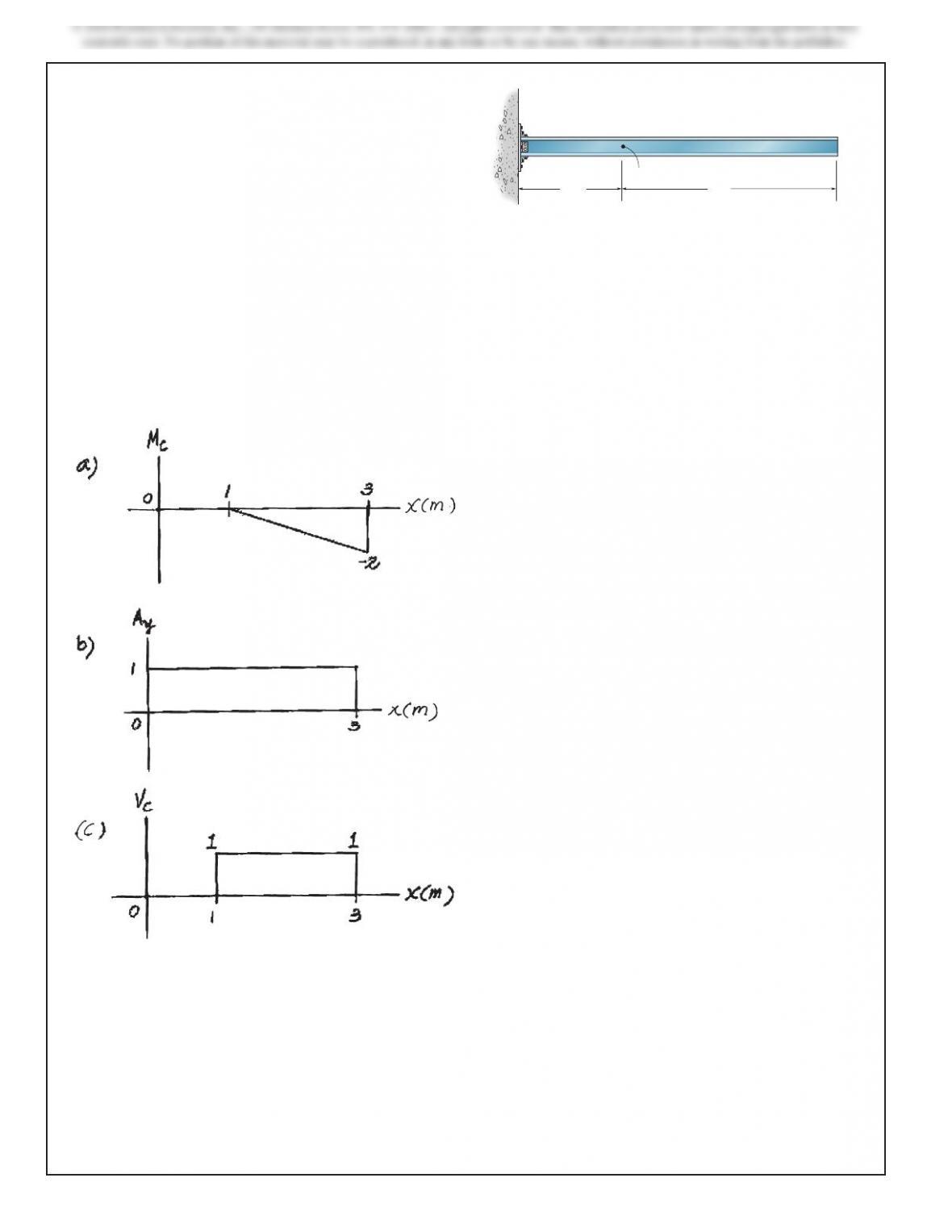
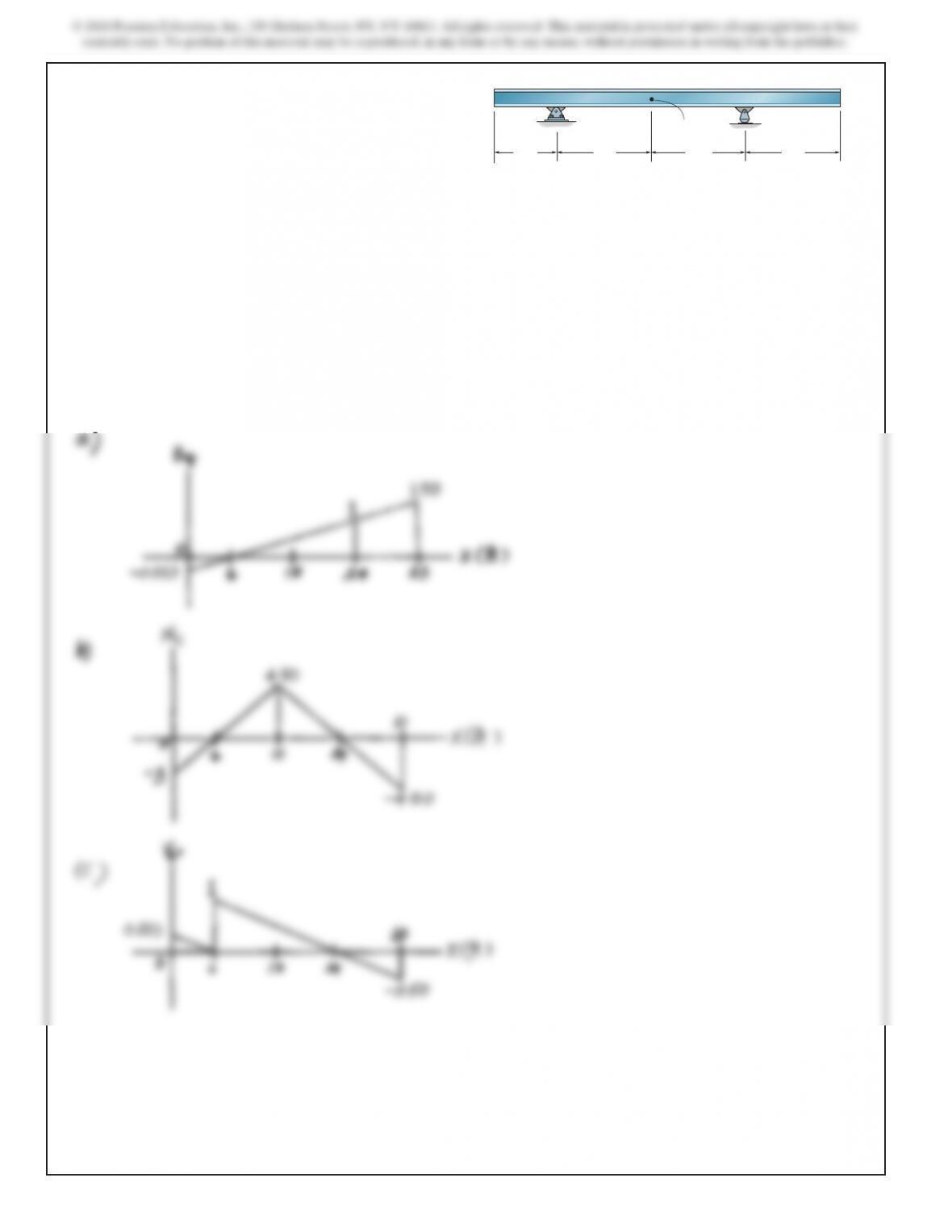
6–1. Draw the influence lines for (a) the moment at C,
(b) the vertical reaction at A, and (c) the shear at C. Assume A
is a fixed support. Solve this problem using the basic method of
Sec. 6.1.
SOLUTION
B
1 m2 m
A
C
228
SOLUTION
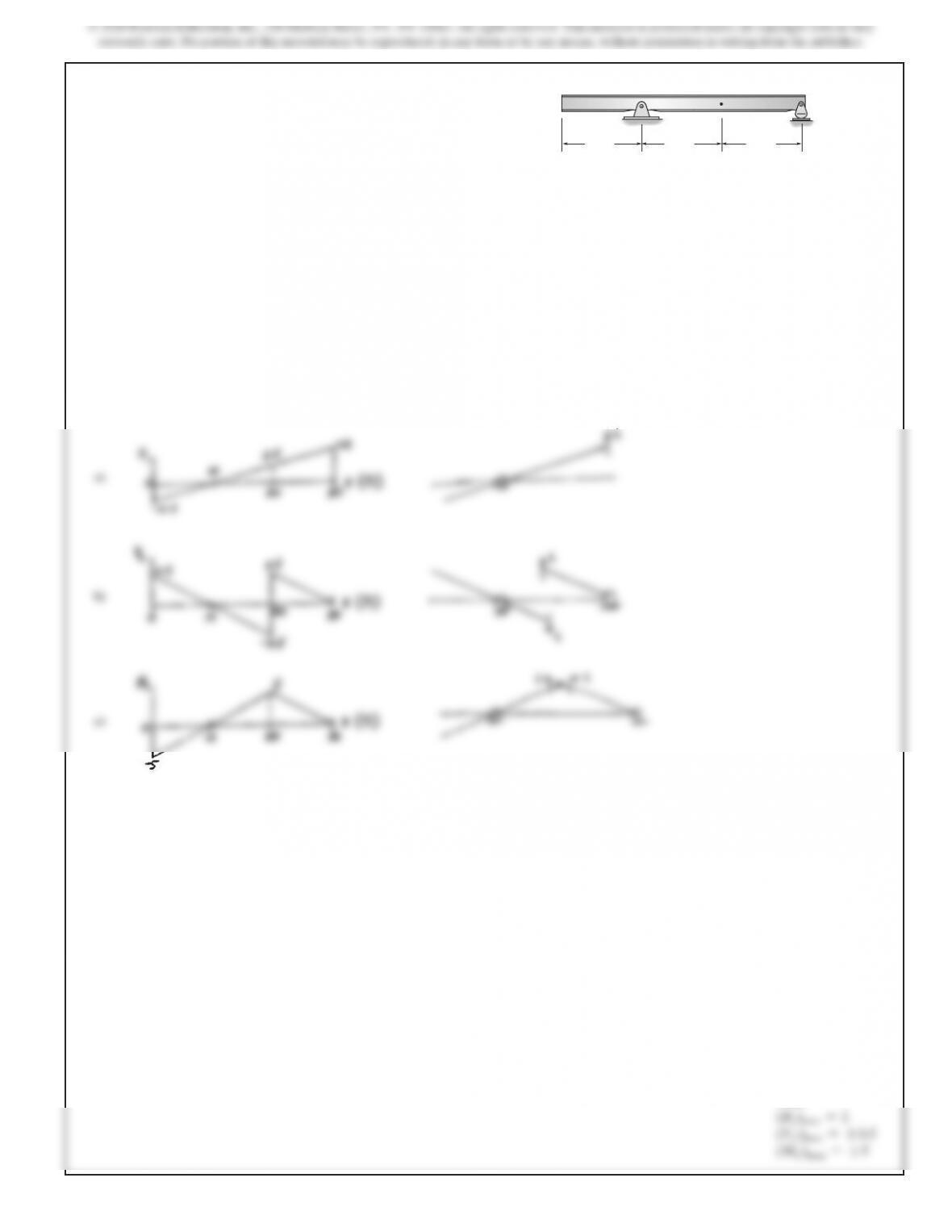
6–2. Solve Prob. 6–1 using the Müller-Breslau principle.
B
1 m2 m
A
C
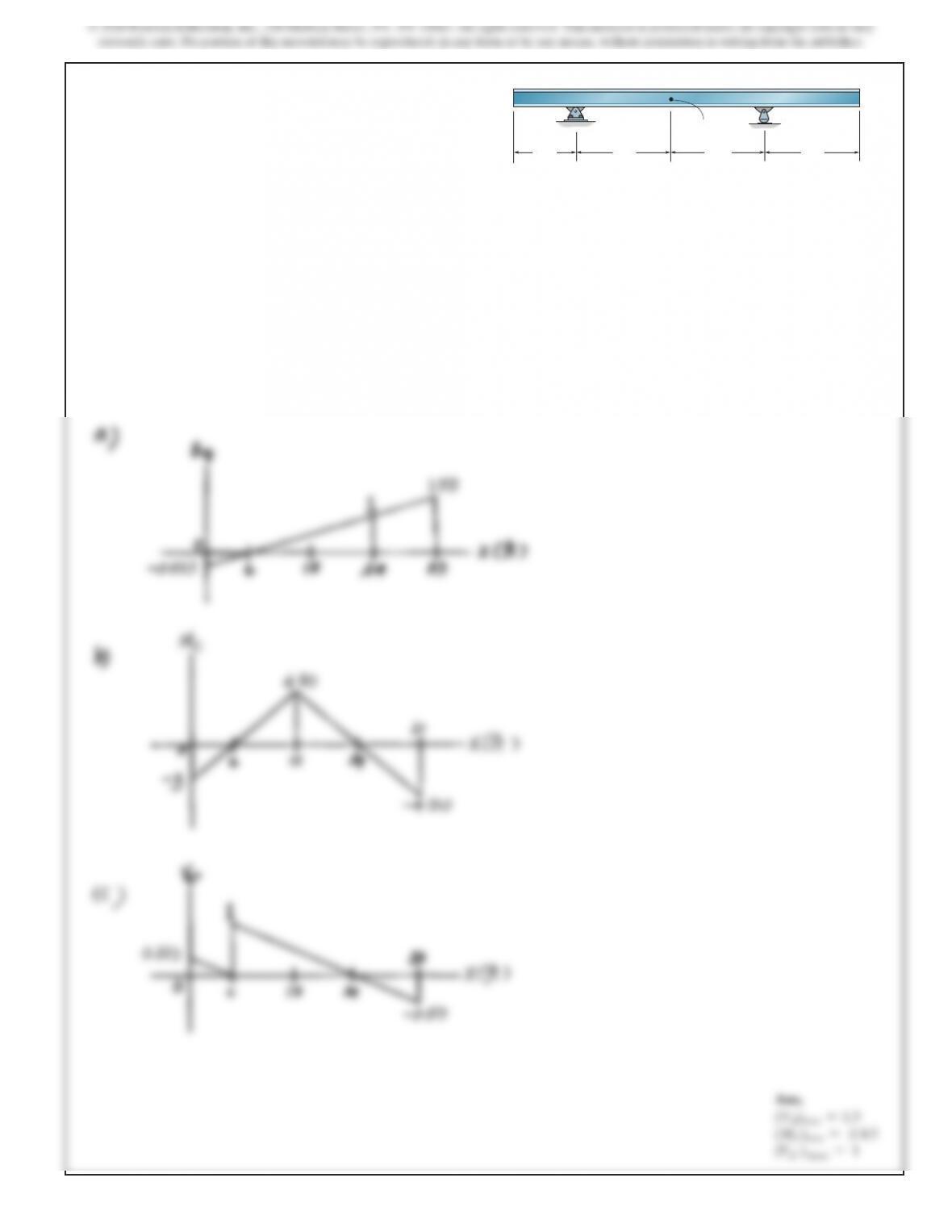
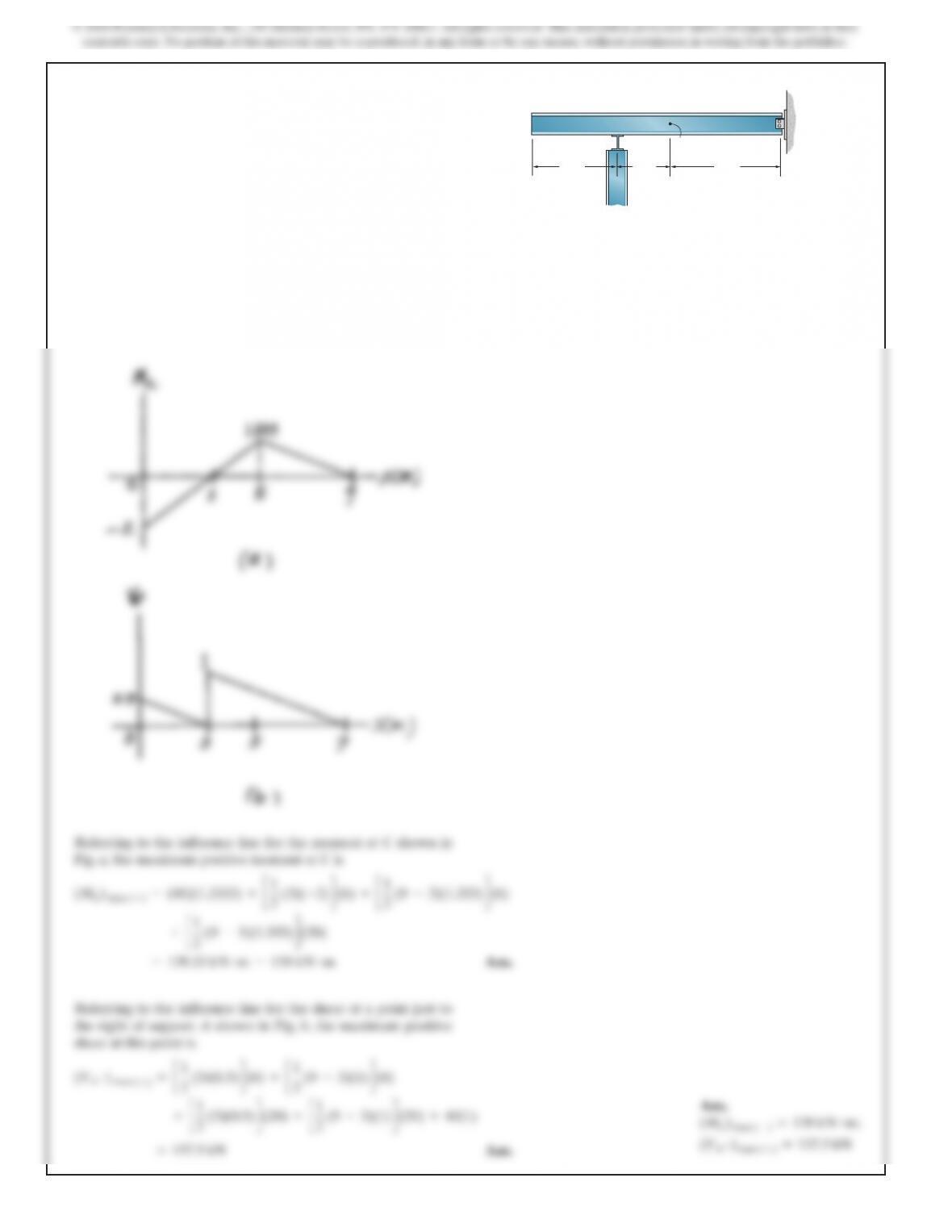
6–3. Draw the influence lines for (a) the vertical reaction at
B, (b) the moment at C, and (c) the shear just to the right of the
support at A. Solve this problem using the basic method of
Sec.6.1.
SOLUTION
6 ft
A
C
B
9 ft
9 ft 9 ft
230
SOLUTION
*6–4. Solve Prob. 6–3 using the Müller-Breslau principle.
6 ft
A
C
B
9 ft
9 ft 9 ft
231
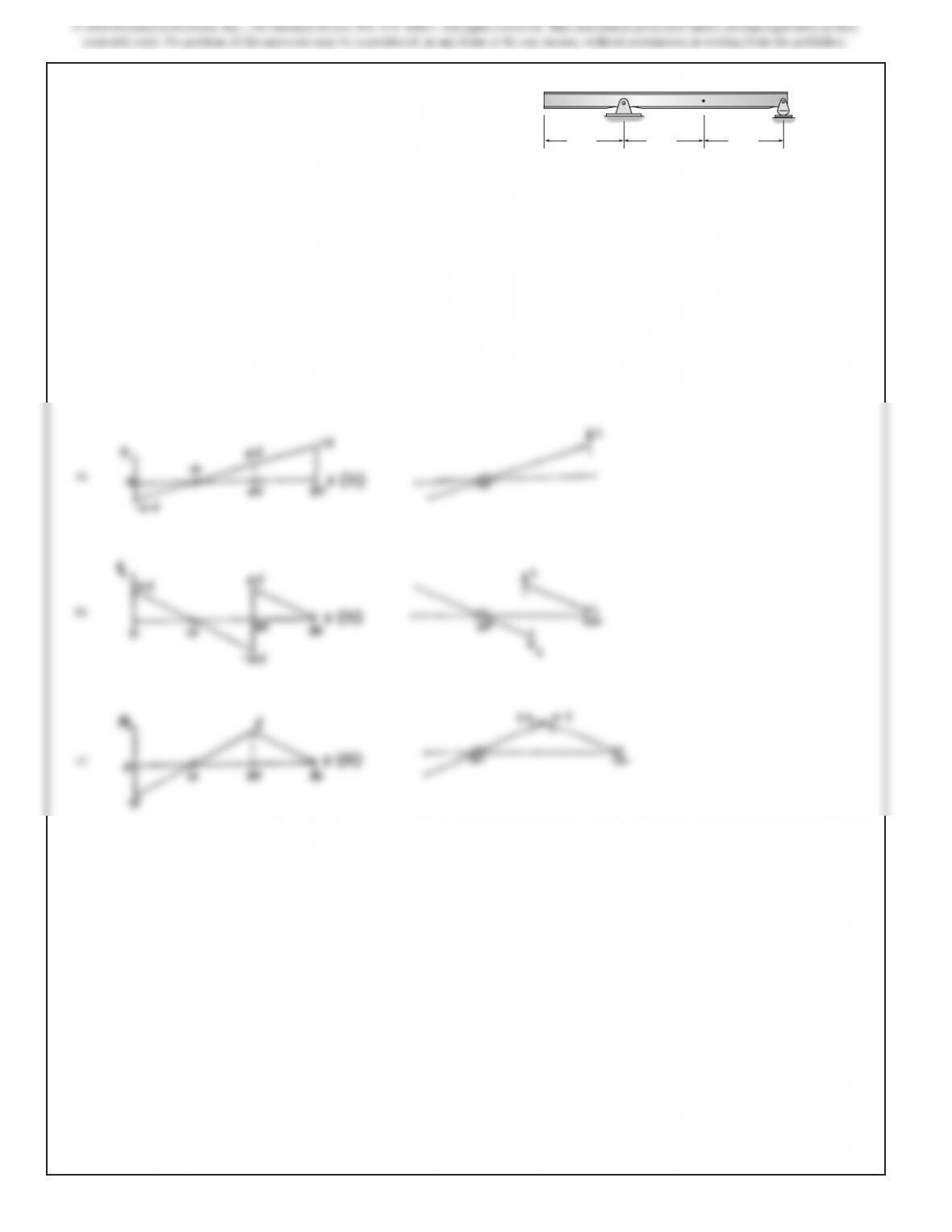
6–5. Draw the influence lines for (a) the vertical reaction at
B, (b) the shear at C, and (c) the moment at C. Solve this
problem using the basic method of Sec. 6–1.
SOLUTION
B
C
A
10 ft 10 ft 10 ft
Ans.
(By)max =1
(VC)max ={0.5
(MC)max ={5
232
SOLUTION
6–6. Solve Prob. 6–5 using the Müller-Breslau principle.
B
C
A
10 ft 10 ft 10 ft
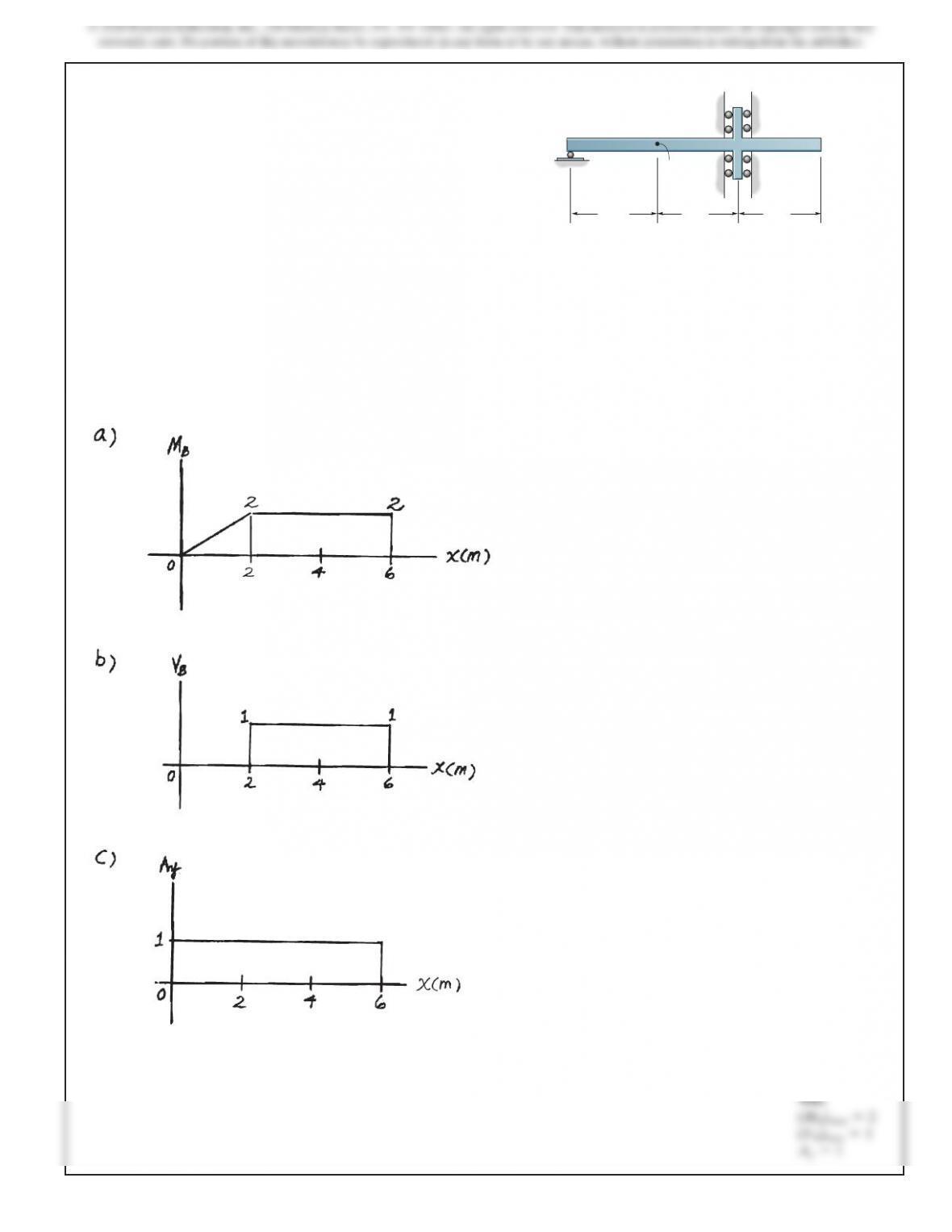
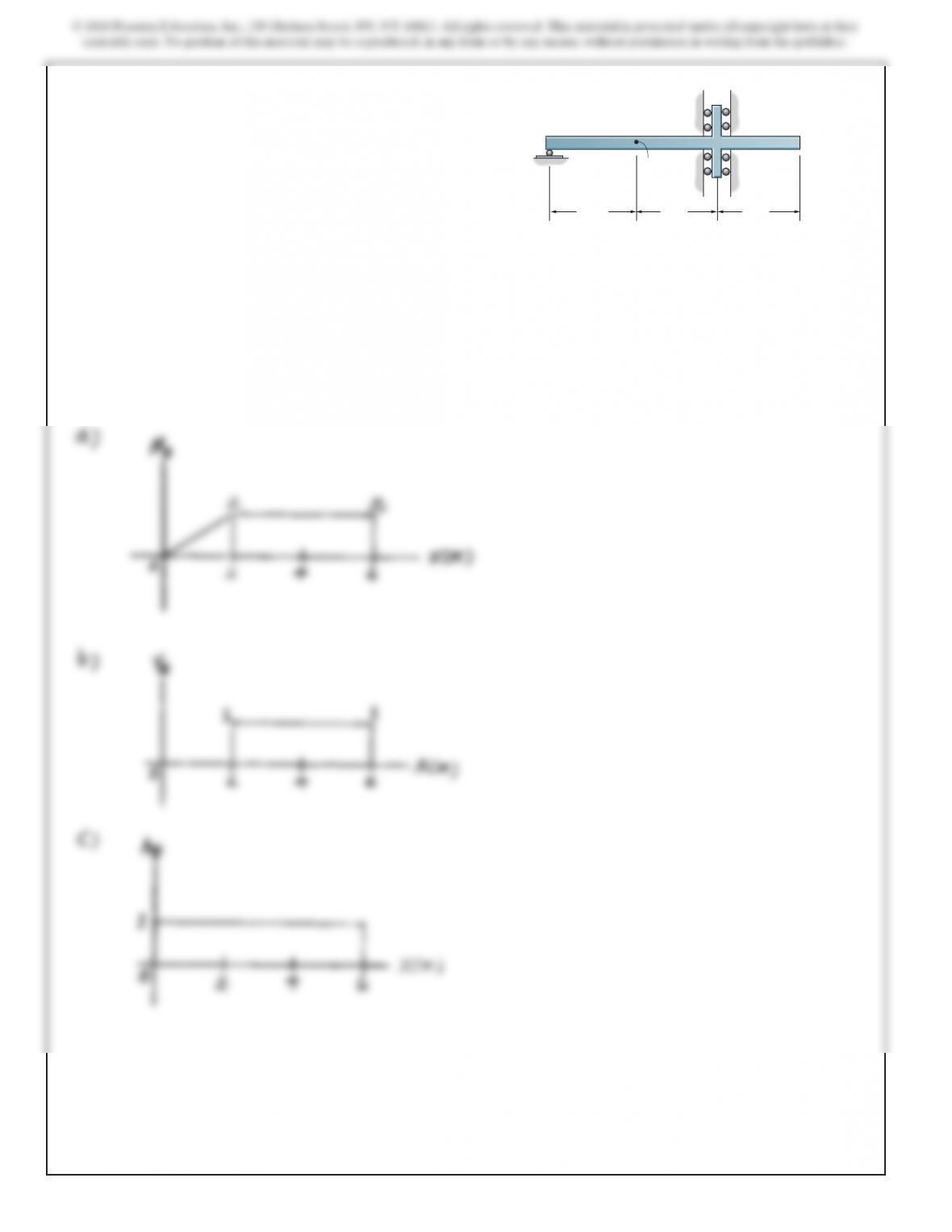
6–7. Draw the influence lines for (a) the moment at B,
(b) the shear at B, and (c) the vertical reaction at A. Solve this
problem using the basic method of Sec. 6.1. Hint: The support at
C resists only a horizontal force and a bending moment.
SOLUTION
B
C
2 m 2 m 2 m
A
234
SOLUTION
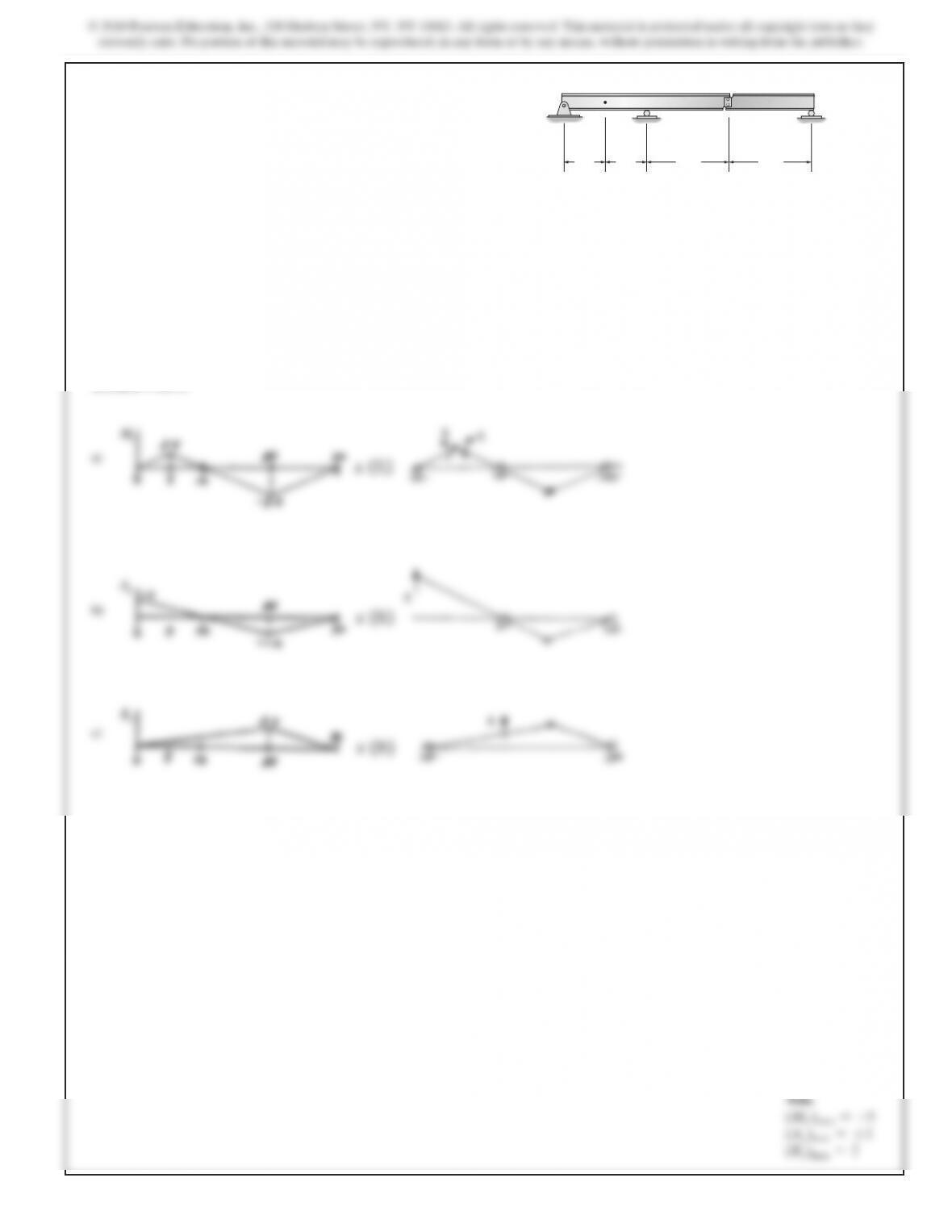
*6–8. Solve Prob. 6–7 using the Müller-Breslau principle.
B
C
2 m 2 m 2 m
A
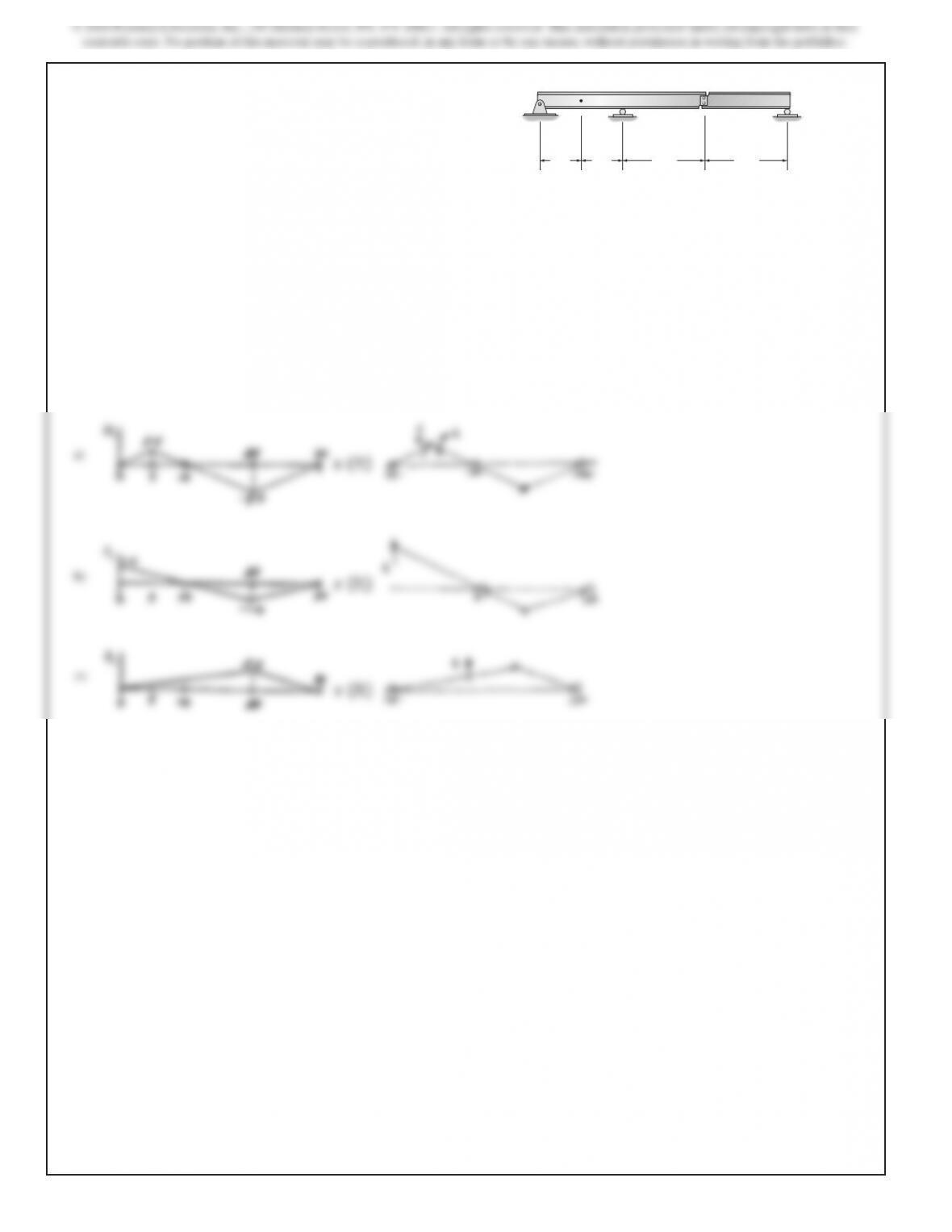
6–9. Draw the influence lines for (a) the moment at C,
(b) the vertical reaction at A, and (c) the vertical reaction at B.
There is a short link at E. Solve this problem using the basic
method of Sec. 6–1.
SOLUTION
E
D
CB
A
10 ft10 ft5 ft5 ft
236
SOLUTION
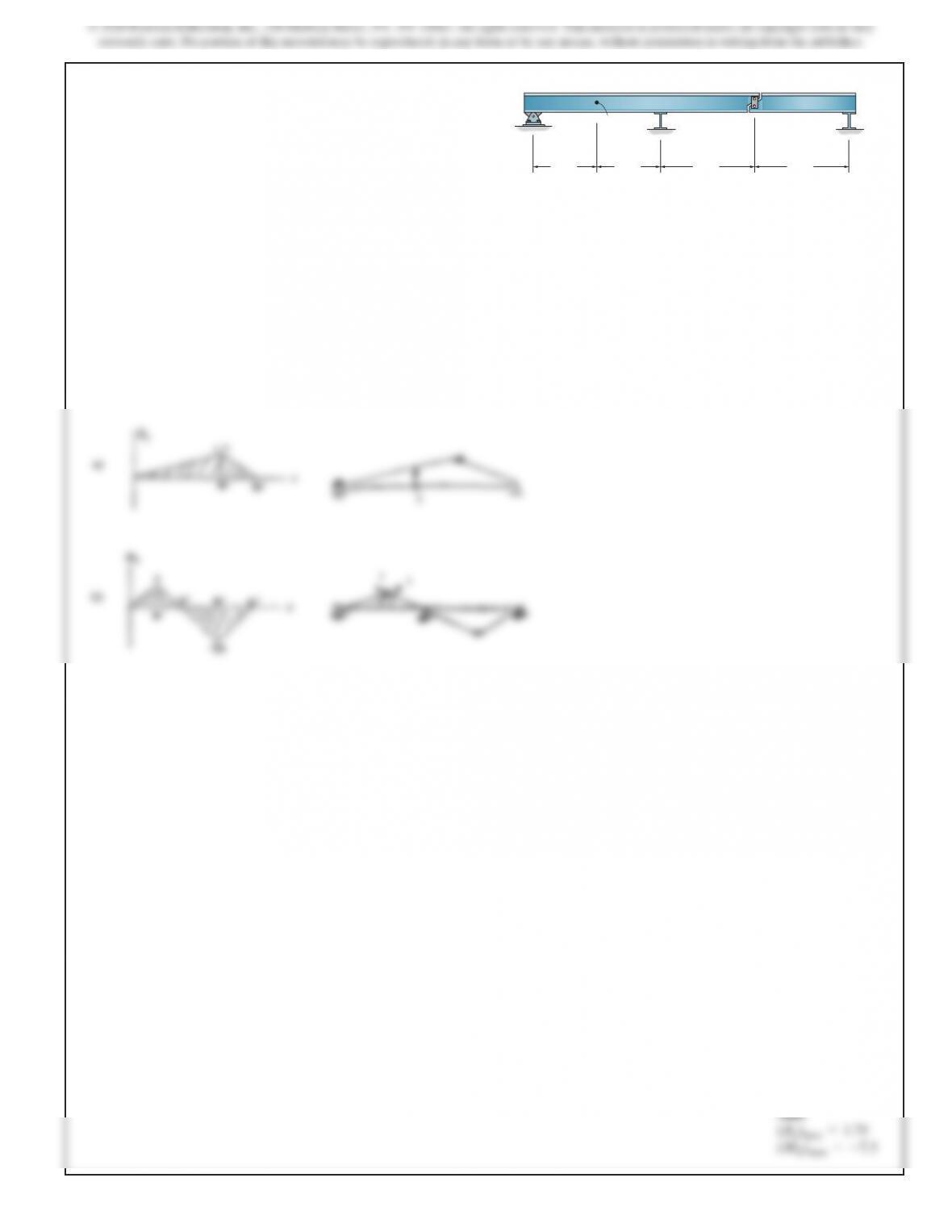
6–10. Solve Prob. 6–9 using the Müller-Breslau principle.
E
D
CB
A
10 ft10 ft5 ft5 ft
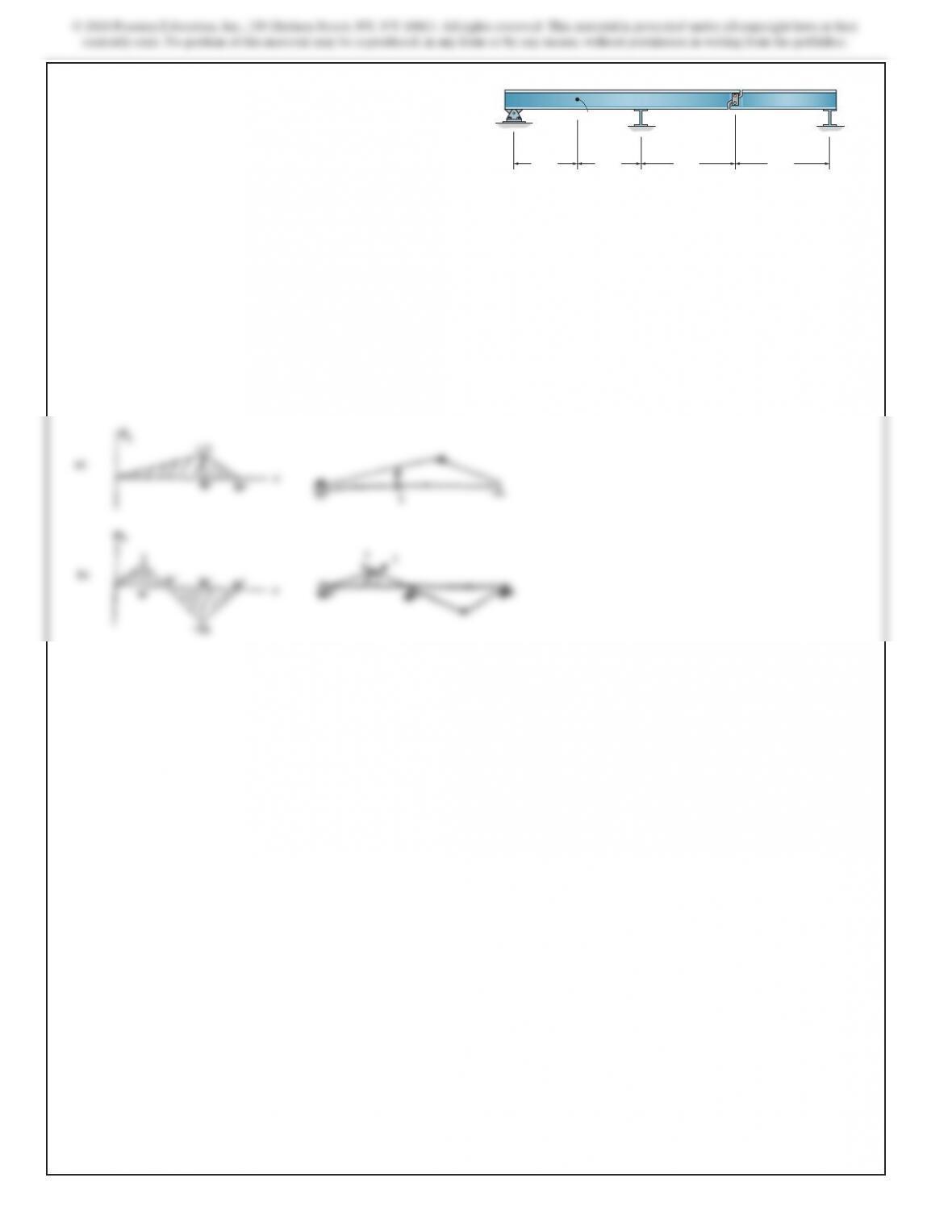
6–11. Draw the influence lines for (a) the vertical reaction at
B, and (b) the moment at E. Assume the supports at B and D
are rollers. There is a short link at C. Solve this problem using
the basic method of Sec. 6–1.
SOLUTION
10 ft 10 ft 15 ft 15 ft
EB C
D
A
238
SOLUTION
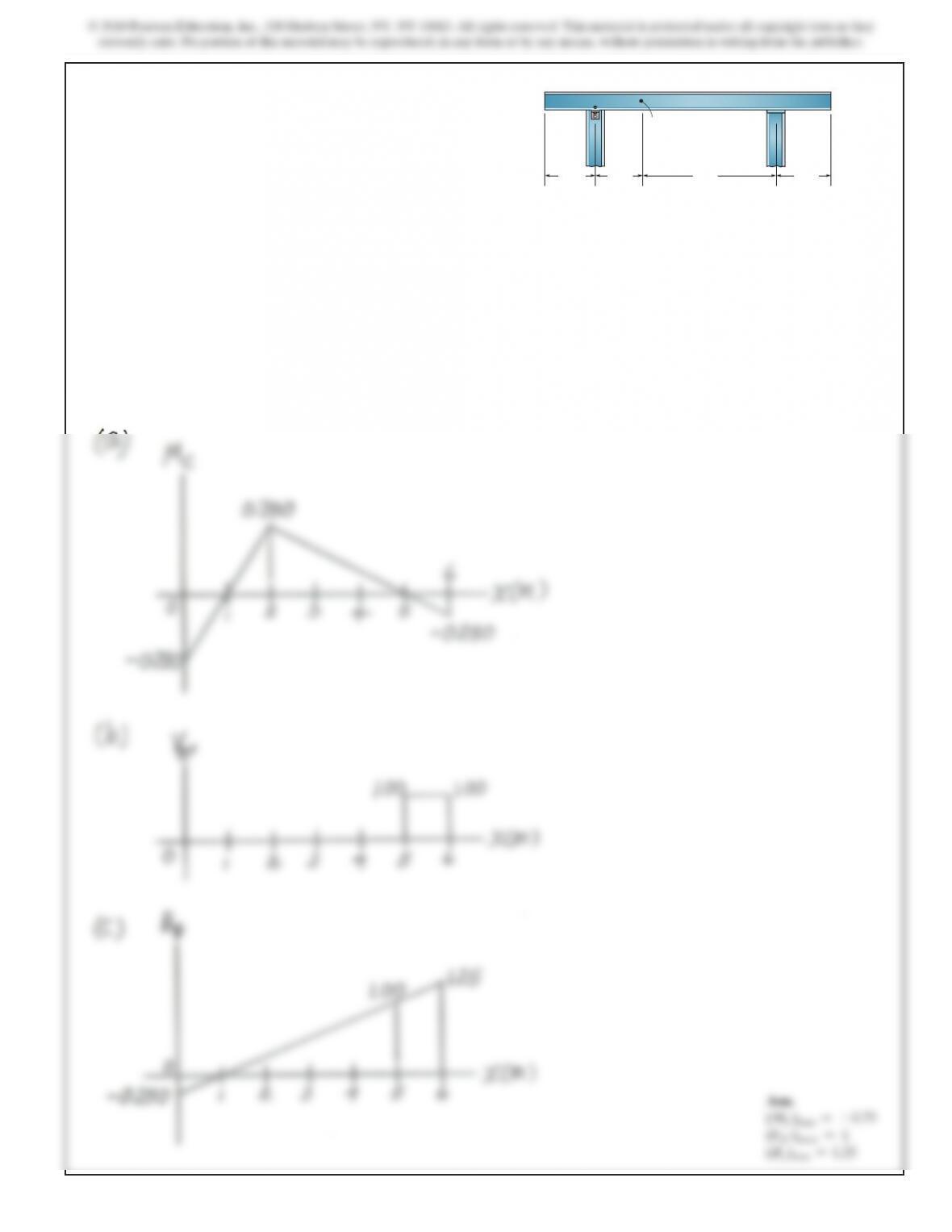
*6–12. Solve Prob. 6–11 using the Müller-Breslau principle.
10 ft 10 ft 15 ft 15 ft
EB CD
A
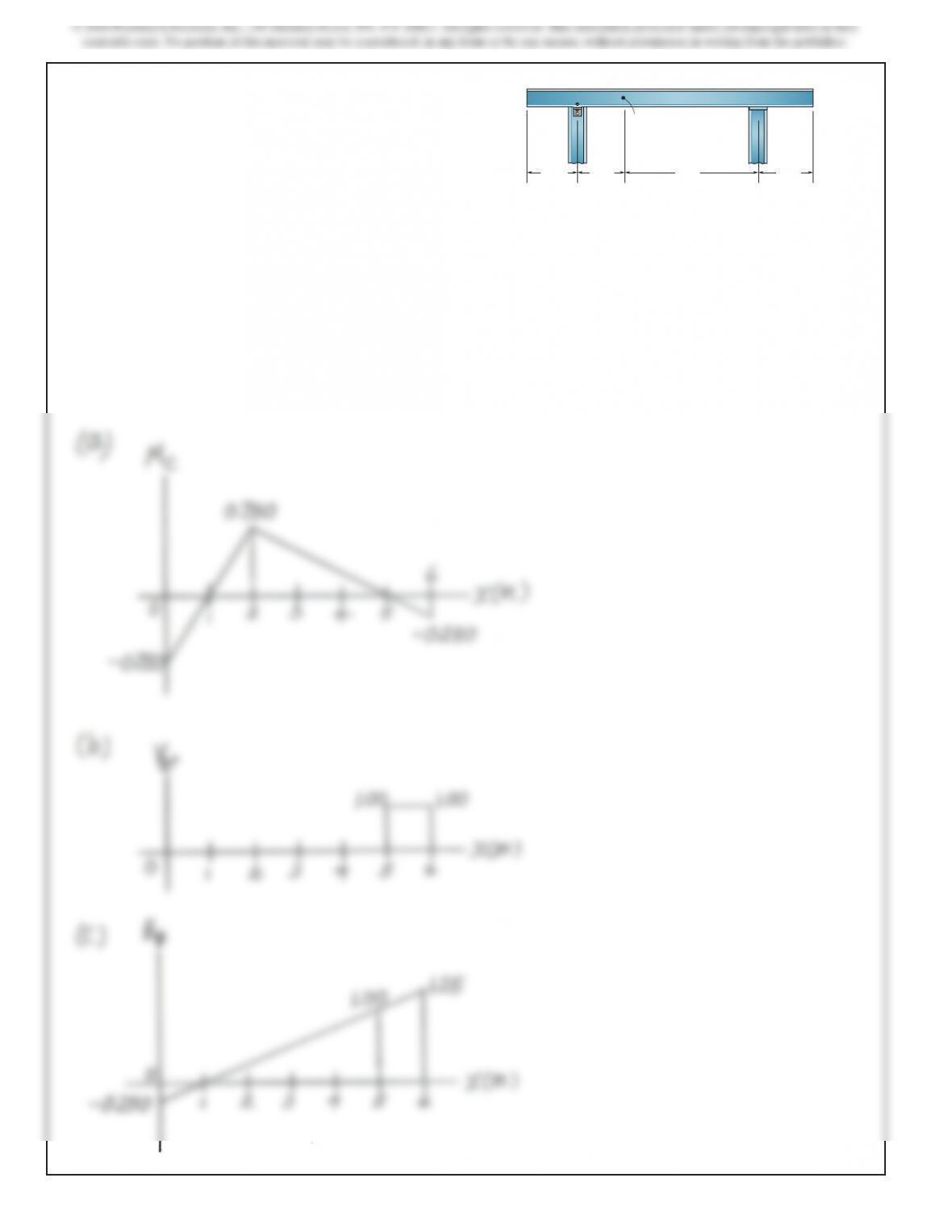
6–13. Draw the influence lines for (a) the moment at C,
(b) the shear just to the right of the support at B, and (c) the
vertical reaction at B. Solve this problem using the basic
method of Sec. 6.1. Assume A is a pin and B is a roller.
SOLUTION
1 m1 m
AB
C
3 m 1 m
240
SOLUTION
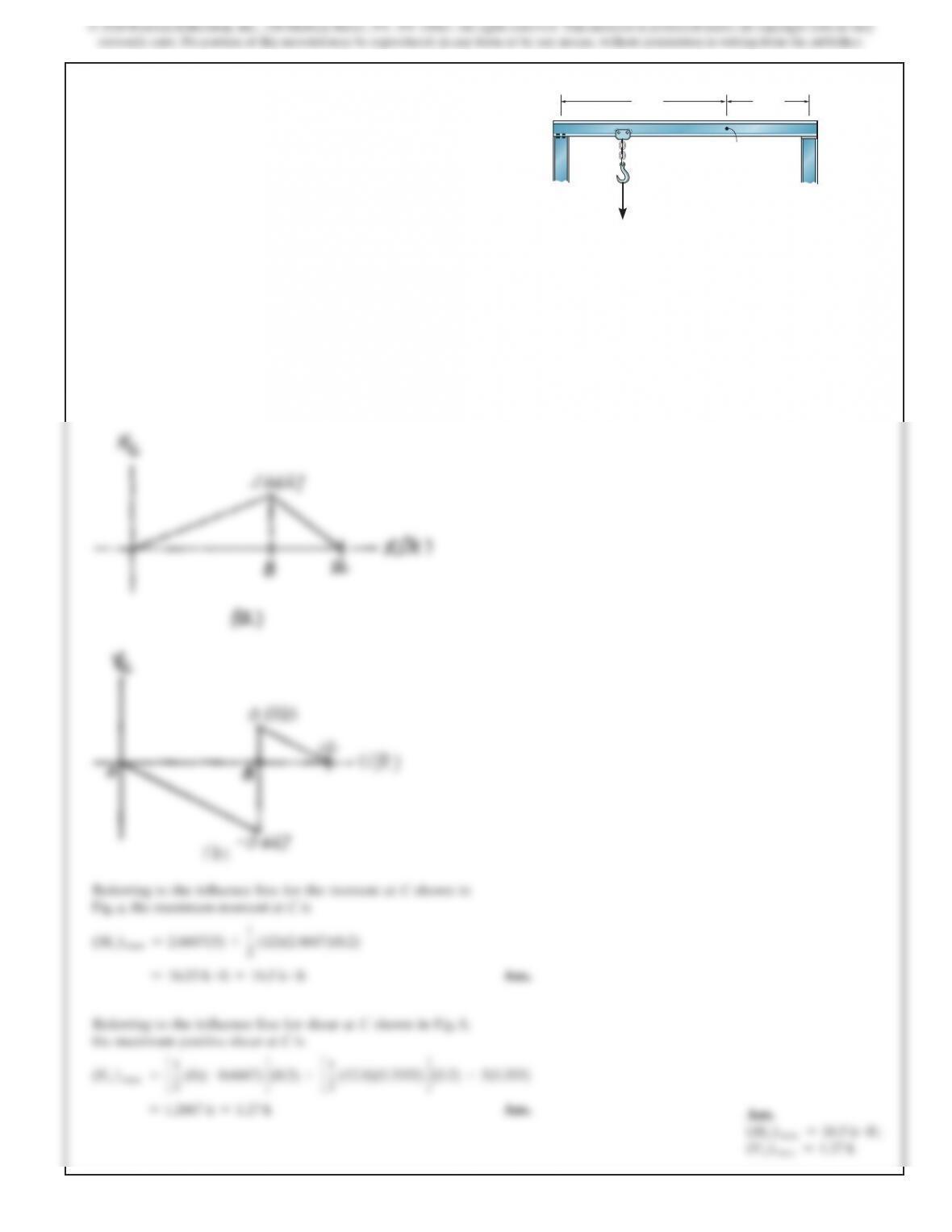
6–14. Solve Prob. 6–13 using the Müller-Breslau principle.
1 m1 m
AB
C
3 m 1 m
6–15. The beam is subjected to a uniform dead load of
200 lb>ft and a single live load of 5 k. Determine (a) the
maximum moment created by these loads at C, and (b) the
maximum positive shear at C. Assume A is a pin, and B is a
roller.
A
8 ft 4 ft
B
C
5 k
SOLUTION
242
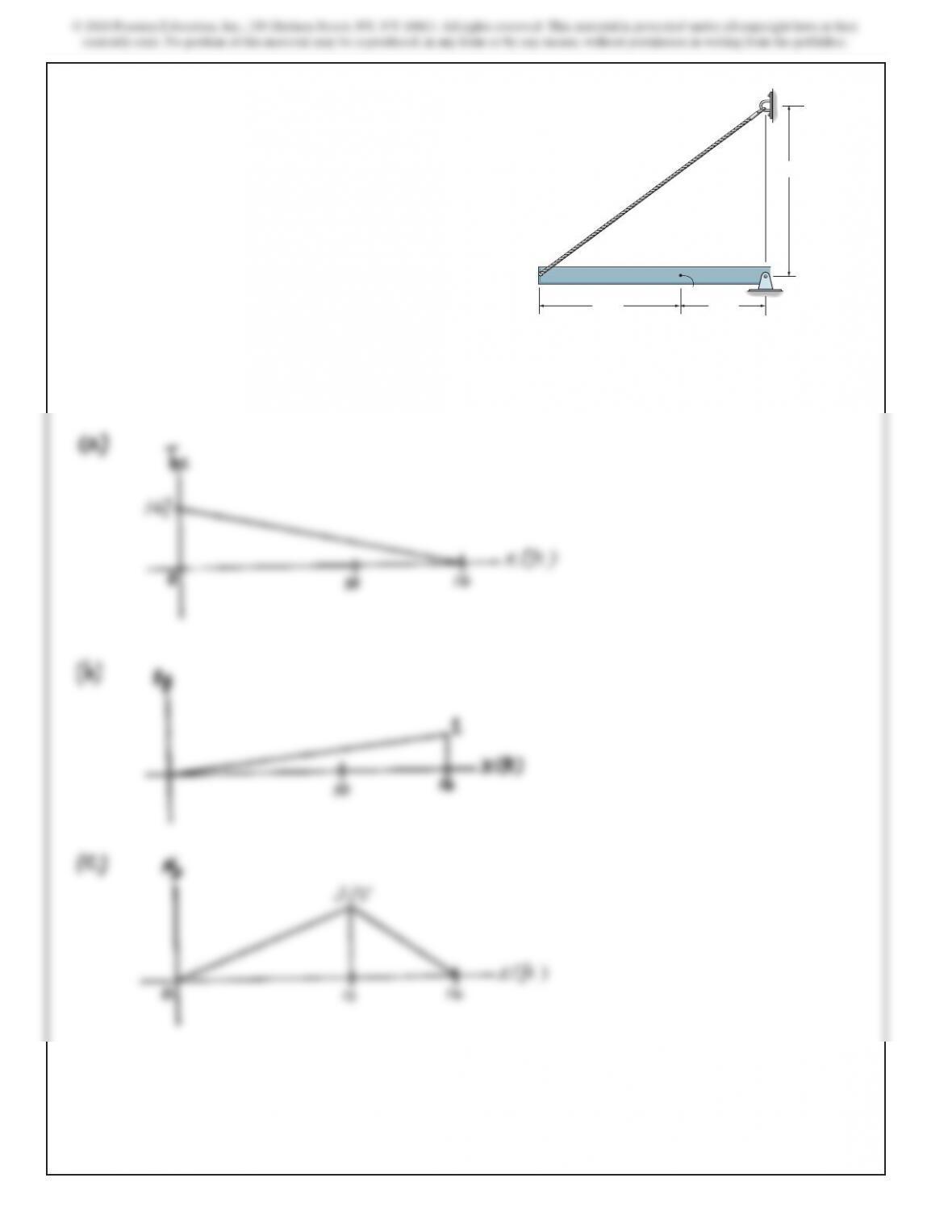
*6–16. Draw the influence lines for (a) the force in the cable
AC, (b) the vertical reaction at B, and (c) the moment at D.
SOLUTION
A
C
D
B
10 ft
12 ft
6 ft
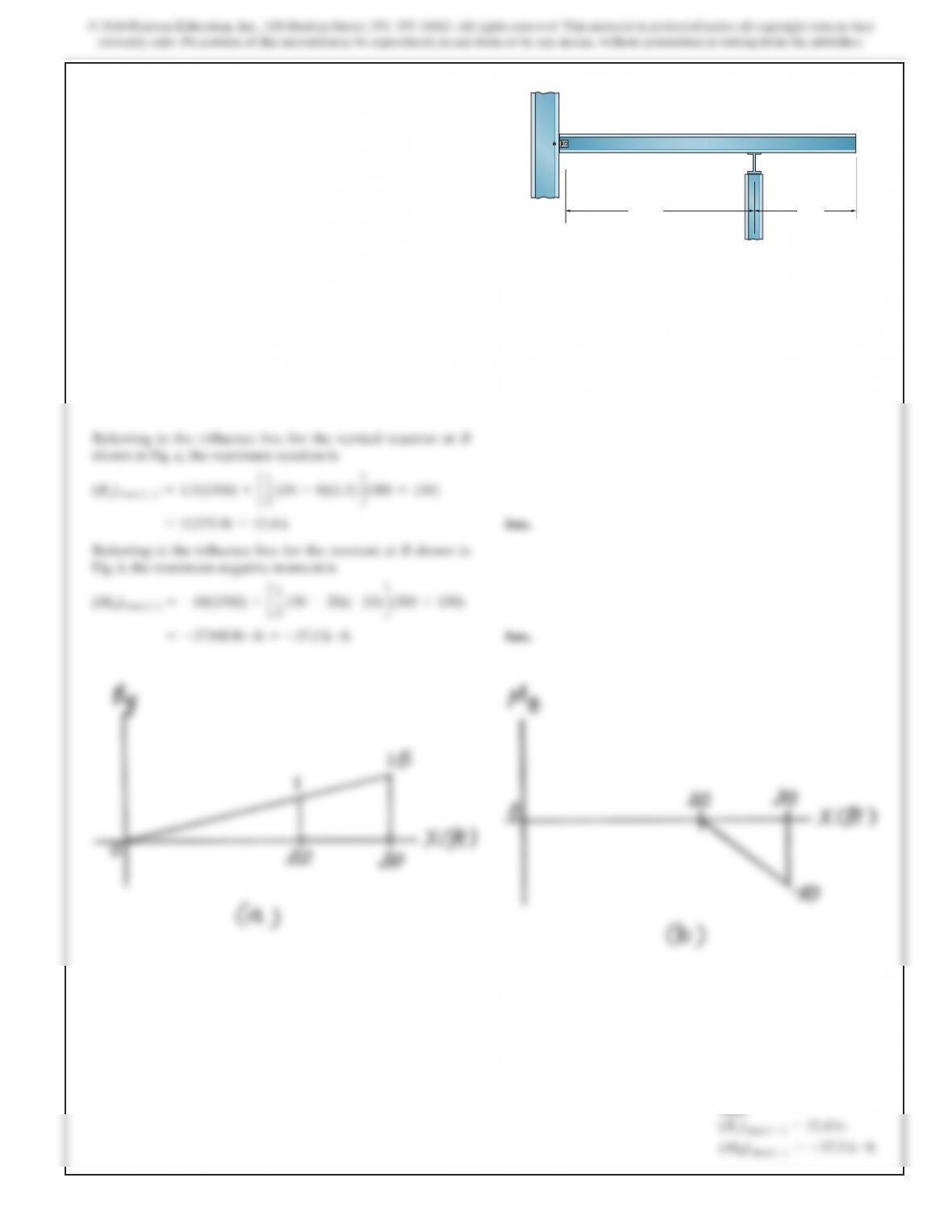
6–17. A uniform live load of 300 lb>ft and a single live
concentrated force of 1500 lb are to be placed on the beam.
The beam has a weight of 150 lb>ft. Determine (a) the
maximum vertical reaction at support B, and (b) the maximum
negative moment at B. Assume the support at A is a pin and B
is a roller.
SOLUTION
B
A
20 ft 10 ft
244
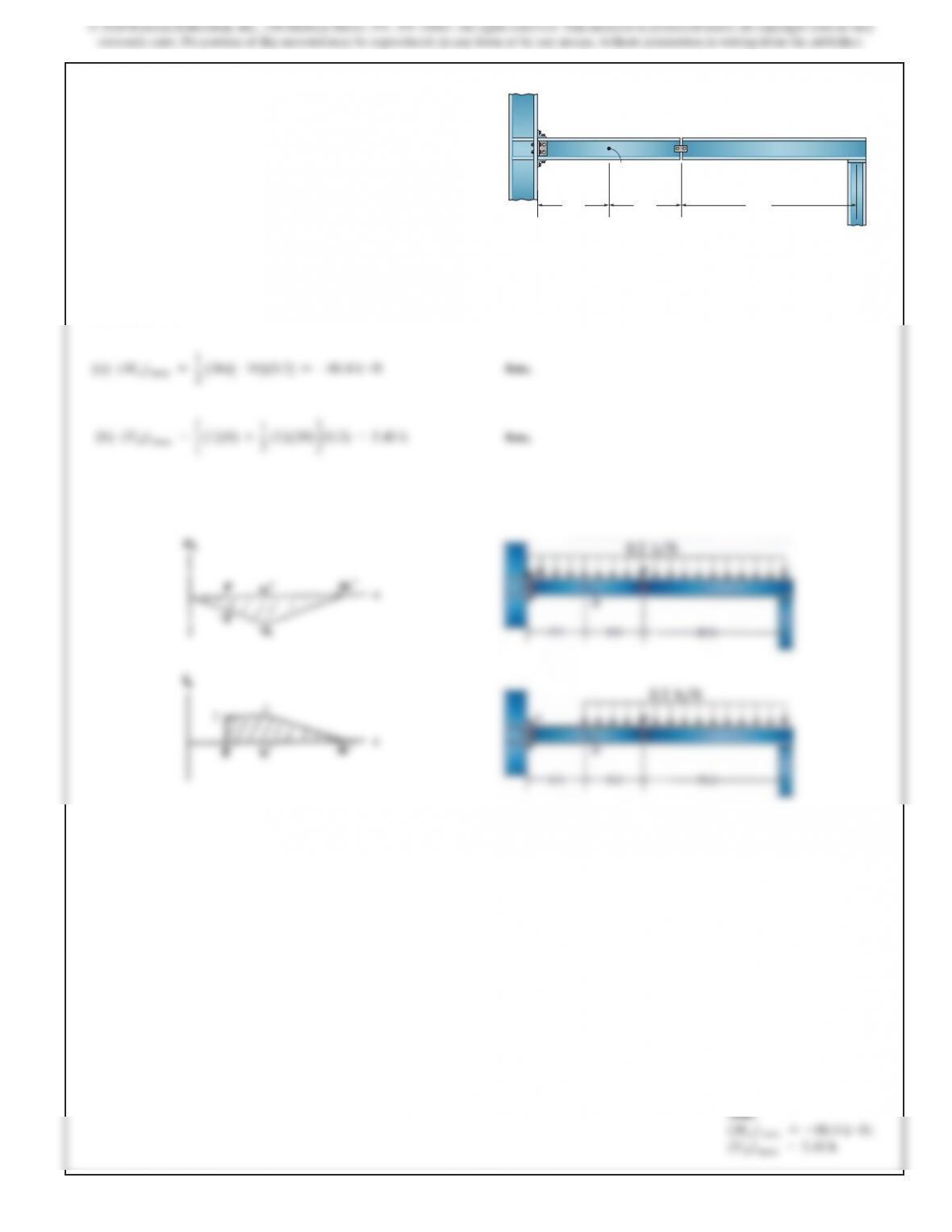
6–19. Where should the beam ABC be loaded with a
300-lb
>
ft uniform distributed live load so it causes (a) the
largest live moment at point A and (b) the largest live shear at
D? Calculate the values of the moment and shear. Assume the
support at A is fixed, B is pinned and C is a roller.
SOLUTION
1
D
AB C
8 ft 8 ft 20 ft