INSTRUCTOR’S MANUAL
UNDERSTANDING AND MANAGING DIVERSITY
Readings, Cases, and Exercises
Sixth Edition
Carol P. Harvey
Assumption College, Professor Emerita
Suffolk University
M. June Allard
Assumption College
Worcester State University, Professor Emerita

Table of Contents
TABLE OF CONTENTS
INTRODUCTION TO THE INSTRUCTOR’S MANUAL
SUGGESTED SEMESTER ASSIGNMENTS FOR A 14 WEEK DIVERSITY
COURSE
FEATURES AND TOPICS MATRICES
Diversity Topics Matrix
Matrix of Teaching Materials
Integrating Diversity with Organizational Behavior Topics
Integrating Diversity with Human Resources Topics
TEACHING AN ONLINE DIVERSITY COURSE
UNDERSTANDING WORKPLACE DIVERSITY: WHERE HAVE WE BEEN
AND WHERE ARE WE GOING?
SECTION I UNDERSTANDING INDIVIDUAL PERSPECTIVES OF
DIVERSITY
1 Diversity Today: Fact or Fiction?
Carol P. Harvey
2 DIVERSITY!
Jeanne M. Aurelio and Christopher Laib
3 Body Ritual Among the Nacirema
Horace Miner
4 Increasing Multicultural Understanding: Uncovering Stereotypes
John R. Bowman
5 I AM . . .
M. June Allard
6 Are You Privileged?
Mark Julien and Micheal T. Stratton

Table of Contents
iii
7 White Privilege and Male Privilege: A Personal Account of Coming to See
Correspondences through Work in Women’s Studies
Peggy McIntosh
8 The Emotional Connection of Distinguishing Difference and Conflict
Carole G. Parker
9 Exploring Diversity in Your Organization
Carol P. Harvey
10 The Pitney Bowes Case: A Legacy of Diversity Management
Carol P. Harvey
11 Integrative Questions for Section I
SECTION II UNDERSTANDING THE PRIMARY DIMENSIONS OF
DIVERSITY: RACE and ETHNICITY
12 Being An Only: A Field Assignment
Carol P. Harvey
13 Thriving in a Multicultural Classroom
Michelle R. Dunlap
14 Since We Elected an African American President Twice, Is Racism Still an
Issue in America?
Joyce McNickles
15 Immigration Patterns: The Transition Process
M. June Allard
16 The Coca-Cola Company: Then and Now
Carol P. Harvey
17 Integrative Questions for Section II
SECTION III UNDERSTANDING THE PRIMARY DIMENSIONS OF
DIVERSITY: AGE, GENDER, SEXUAL ORIENTATION,
AND PHYSICAL AND MENTAL CHALLENGES
18 How Old Should You Be to Drive a Bus? Exploring Ageism
Sharon P. McKechnie

Table of Contents
19 Generational Diversity in the Workplace
Diane M. Holtzman, Evonne J. Kruger, and Charles D. Srock
20 Exploring The Gender Gap: What Are the Issues?
Carol P. Harvey and Deborah L. Larsen
21 When Women Do Lead: Gender Bias 2013 Style
Carol P. Harvey
22 The Paradox of Male Privilege: Toward a Gender Democracy and
Democratic Manhood
Steven D. Farough
23 Sorting Through Lesbian, Gay, Bisexual, and Transgender Issues in the
American Workplace
Gerald Hunt
24 Is This Sexual Harassment?
Carol P. Harvey
25 Musical Chairs
M. June Allard
26 Professor on Wheels: A Case of Disability and Diversity
Mark E. Moore and Caryl L.Martin
27 The Cracker Barrel Restaurants
John Howard
28 Integrative Questions for Section III
SECTION IV UNDERSTANDING THE SECONDARY DIMENSIONS OF
DIVERSITY: SOCIAL CLASS, RELIGION, APPEARANCE/
WEIGHT, LANGUAGE/COMMUNICATION, AND MILITARY
SERVICE
29 Does Social Class Make a Difference?
Carol P. Harvey
30 Social Class: The Fiction of American Meritocracy
Colleen A. Fahy
31 Religion in the Workplace
Kathleen M. Fisher, Jeanne M. McNett, and Pamela D. Sherer

Table of Contents
v
32 Understanding Intercultural Communications in Today’s Global
Environment
Gina Ruxton and Carol P. Harvey
33 Communicating with a Global Call Center Exercise
Carol P. Harvey
34 The Culture of the U.S. Air Force and Its Impact on a Mobile Training
Team Case
Christopher C. Butts, Elizabeth Sanz, Kizzy M, Parks, and Daniel P.
McDonald
35 Fighting for Equal Opportunity: Women’s Changing Roles in the U.S.
Military
Joseph R. Bongiovi
36 Choosing the Board: Charting the Course with Competing Priorities
M. June Allard
37 Appearance and Weight Discrimination in the Workplace
M. June Allard
38 Fairfax Metropolitan Hospital: The Candidate
M. June Allard
39 Integrative Questions for Section IV
SECTION V MANAGING DIVERSITY IN TERMS OF THE ETHICAL,
LEGAL, MEDIA, AND MARKETING ISSUES
40 The Ethics of Workplace Diversity
Jeanne McNett
41 Ethics and Diversity Cases: Legal Applications in the Workplace
M. June Allard
42 How Canada Promotes Workplace Diversity
Marc S. Mentzer
43 A Report on the Current Health of the Media
M. June Allard
44 Exercises in Media Diversity
M. June Allard

Table of Contents
vi
45 New Business Opportunities: Changing Consumer Markets
M. June Allard
46 Points of Law: The Bar Exam
M. June Allard
47 Chick-fil-A and the Media
Carol P. Harvey
48 Integrative Questions for Section V
SECTION VI MANAGING ORGANIZATIONAL CHANGE AND DIVERSITY:
CURRENT ISSUES
49 What Do Organizations Do to Manage Diversity? Examining Corporate
Leadership, Training, Mentoring, Employee Resource Groups and
Social Responsibility Programs
Carol P. Harvey
50 Work-Life Balance Issues: Changing When and How the Work Gets
Done
Carol P. Harvey
51 The Six Sigma Case: Promotion at the Western Company
Rana Haq
52 Diversity and Inclusion Awards: A Critical Examination
M. June Allard
53 One Workplace Bully is One Too Many: The Four Faces of Bullying
Andra Gumbus
54 A Case of Harassment, Discrimination, or Bullying? You Decide . . .
Andra Gumbus
55 The Path to Inclusion: The Business Case for Diversity at Ocean Spray
Carol P. Harvey
56 Integrative Questions for Section VI
SECTION VII CAPSTONE EXPERIENCES FOR UNDERSTANDING AND
MANAGING DIVERSITY
57 Creating a Case to Better Understand and Manage Diversity
Carol P. Harvey

Table of Contents
vii
58 Creating Diversity Awareness: A Video Project
Cary J. LeBlanc
59 Evaluating Diversity Management: Conducting a Diversity Audit
Using Rubrics
Carol P. Harvey
60 Integrative Questions for Section VII
SECTION VIII ADDITIONAL CASES NOT FOUND IN THE TEXT
61 The UBS Diversity Case
Arlene O. DeWitt
62 Believability: A Case of Diversity in Law Enforcement
Egidio A. Diodati
63 The U.S. Air Force Academy Case
Egidio A. Diodati
64 Briarwood Industries
Carol P. Harvey
65 The Best Buy Case: The Inclusion of People with Disabilities
David P. Harvey
66 Negotiations – BWA Discovers the Indonesian Way
M. E. (Pete) Murphy

Introduction to the Instructor’s Manual
INTRODUCTION TO THE INSTRUCTOR’S MANUAL
FOR THE 6th EDITION
Since we started writing diversity textbooks in 1995, new legislation has been passed, the
concept of diversity has been greatly expanded, the focus has changed from legal
compliance to inclusion, and organizations have come to realize that managing diversity
can produce measurable organizational benefits in a global economy. However, there is
still much to learn about workplace diversity and this Instructor’s Manual provides
materials that will help you to design and teach your diversity course. It is important to
note that all of the material in this Instructor’s Manual was written either by professors
who teach undergraduate and graduate level diversity courses, or by consultants who
currently work in this field.
Research into the field of diversity management and implementation efforts in
organizations have supported our belief that diversity can only be fully understood from
an interdisciplinary perspective. Both the text and this Instructor’s Manual were written
by authors from many fields including management, marketing, communication,
psychology, economics, international business, religion, education, social justice,
sociology, and history. Our authors include diversity trainers and managers, as well as
classic articles by noted authors such as Peggy McIntosh and Horace Minor.
Unfortunately, new copyright requirements coupled with the complexity and costs of
obtaining the rights to republish electronically have forced us to omit additional classic
articles.
Teaching about Diversity Today and Using the 6th Edition
Teaching about workplace diversity is changing both in terms of delivery and content,
and the 6th edition is designed to respond to these changes. Today, there are more hybrid
and online classes. More courses are taught by adjunct professors. Faculty members are
being asked to do more with fewer resources. Because of immigration and the expansion
of global business, communication and cultural differences play an increasingly
important role in understanding diversity. While space constraints for the text made it
impossible to address international diversity issues in a comprehensive way, we have
inserted, wherever appropriate, a new Global Notes feature to provide information on
diversity from an international perspective.
Pedagogy, too, has shifted towards less lecturing and more active learning experiences,
particularly in the use of the flipped classroom model. There is an increased emphasis on
improving students’ writing and critical thinking skills. To address these trends, we have
implemented numerous changes in the 6th edition and supported these innovations in this
Instructor’s Manual with topic matrices for diversity and organizational behavior courses,
an outline of assignments for a traditional and an online course, outlines of articles,
answers to discussion questions, teaching tips, and lists of additional resources.

Introduction to the Instructor’s Manual
ix
Organization & Pedagogy
To fit our three-level approach to diversity (individual level, social identity group level,
and organizational level), the text has been expanded into seven major sections, each
beginning with a revised introduction to provide context and ending with a set of
integrative questions that encourage higher levels of critical thinking and linkages for
active learning.
This Instructor’s Manual for the 6th edition features the following:
Section I – Lays the historical foundation and context for the course and
provides introductory material on stereotypes and privilege. Three new
active learning exercises have been added to this section.
Section II – Explores primary diversity in terms of race and ethnicity.
Two of these articles have been totally revised and updated.
Section III – Addresses diversity from the primary dimensions of age, gender,
sexual orientation, and physical and mental challenges. Here, three articles and
one exercise were revised and two new cases were added.
Section IV – Expands our coverage of secondary diversity to include a stronger
focus on the military experience in terms of women and intercultural focus
communication issues, and features four revised and updated articles.
Section V – Covers diversity from the ethical, legal, media, and marketing
perspectives and includes four revised and updated articles, an updated exercise,
and a new case.
Section VI – Presents diversity from the organizational perspective and highlights
current issues such as work-life balance, the controversy over diversity awards,
bullying, employee resource groups, and the issue of achieving inclusion. Here,
two articles were totally revised and updated, and one new article and two new
cases were added.
Section VII – Provides three capstone learning assignments, two of which are
brand new, and a totally new pedagogical feature – rubrics to aid in your
assessment of students’ work.
Section VIII – Provides additional cases with corresponding instructor notes
that have appeared in previous editions of the text.

Introduction to the Instructor’s Manual
Additional Support Materials
Adopters have told us that favorite cases and teaching materials have been removed from
the text as new editions are published. This is because of the need to constantly update
the text while still considering the constraint of page limitations. To address this issue, we
have retained popular cases from previous editions and added them and their support
material to this Instructor’s Manual (Section VIII) with the permission of the authors.
Additional Support Materials Available on the Course Website
Note: Adopters will need to obtain access to the course website through their Pearson
Sales Representatives.
DIVERSITY! – This is an interactive computer game that can
be used to sample students’ diversity knowledge and to increase their
interest in the subject. The instructions are found in Section I of the text, but the
game boards appear only online. To access these, go to
http://www.pearsonhighered.com/educator/ and search for the 6th edition by author,
title, or ISBN.
Power Point slides – New slides for the 6th edition.
We welcome your suggestions and copies of your syllabi. Please contact us if we can be
of assistance with your course. We are always interested in suggestions and emails from
our adopters. Enjoy your course and know that by teaching about diversity, you have an
opportunity to be a change agent for a better world.
Carol P. Harvey, Ed.D. M. June Allard, Ph.D.
Assumption College Allard Consulting
charvey@assumption.edu jallard1833@yahoo.com
Suffolk University
charvey@suffolk.edu

Suggested Semester Assignments for a 14 Week Diversity Course
SUGGESTED SEMESTER ASSIGNMENTS FOR
A 14 WEEK DIVERSITY COURSE*
WEEK #1 Topics – Introduction to the Course, Workplace Diversity, and Stereotypes
Readings: Understanding Workplace Diversity…Introduction to Section I, Body Ritual…
Exercises/Assignments: Diversity Today…Diversity! I AM, and Increasing Multicultural
Understanding…
WEEK #2 Topics – Individual Diversity and Privilege
Readings: White Privilege and Male Privilege…Emotional Connection…and Pitney
Bowes Case
Exercises/Assignments: Are You Privileged? Exploring Diversity…and Integrative
Questions for Section I
WEEK #3 Topics – Primary Diversity: Race and Ethnicity
Readings: Thriving in a Multicultural Classroom… Since We Elected…Immigration
Patterns…and Coca-Cola Case
Exercises/Assignments: Being an Only, Integrative Questions for Section II
WEEK #4 Topics – Primary Diversity: Age and Gender
Readings: Generational Diversity, Exploring the Gender Gap…When Women Do
Lead…Case, and Paradox of Male Privilege
Exercises/Assignment: How Old Should…
WEEK #5 Topics – Primary Diversity: Sexual Orientation and Physical & Mental
Challenges
Readings: Sorting Through LGBT…Professor on Wheels Case, Cracker Barrel Case,
Exercises/Assignments: Is This Sexual Harassment?, Musical Chairs, and Integrative
Questions for Section III
WEEK #6 Topics – Secondary Diversity: Social Class, Religion, and Appearance &
Weight
Readings: Social Class: The Fiction…Religion in the Workplace, Appearance and
Weight…and Fairfax Hospital Case
Exercises/Assignments: Does Social Class…? and Choosing the Board

Suggested Semester Assignments for a 14 Week Diversity Course
xii
WEEK #7 Topics – Secondary Diversity: Language, Communication and Military
Service
Readings: Understanding Intercultural Communication…The Culture of the U.S. Air
Force Case, and Fighting for Equal Opportunity…
Exercises/Assignments: Global Call Center and Integrative Questions for Section IV
WEEK #8 Topics – Mid-Semester Evaluation; Assign and Explain Capstone Experience
WEEK #9 Topics – Managing Diversity: Ethical & Legal Issues
Readings: Ethics of Workplace Diversity, Ethics & Diversity Cases, and How Canada
Promotes…
Exercises/Assignments: Points of Law: Bar Exam
WEEK #10 Topics – Managing Diversity: Media & Marketing
Readings: Current Health of Media, New Business Opportunities…and Chick-fil-A Case
Exercises/Assignments: Exercises in Media Diversity…and Integrative Questions for
Section V
WEEK #11 Topics – Managing Organizational Change & Diversity
Readings: What Do Organizations…Diversity & Inclusion Awards…
Allow extra time for questions on capstone assignments and/or have students report out
on their progress.
WEEK #12 Topics – Managing Organizational Change & Diversity continued
Readings: Work-Life Balance…Six Sigma Case, and Ocean Spray Case
WEEK #13 Topic – Bullying
Readings: One Workplace Bully… A Case of Harassment…
Exercises/Assignments: Integrative Questions for Section VI
WEEK #14 Topic – Final Evaluation
Exams, and presentations and/or papers for capstone experiences
Exercises/Assignments: Integrative Questions for Section VII
_____
*Add Diversity on the Web and Writing assignments as needed to these readings and
assignments.
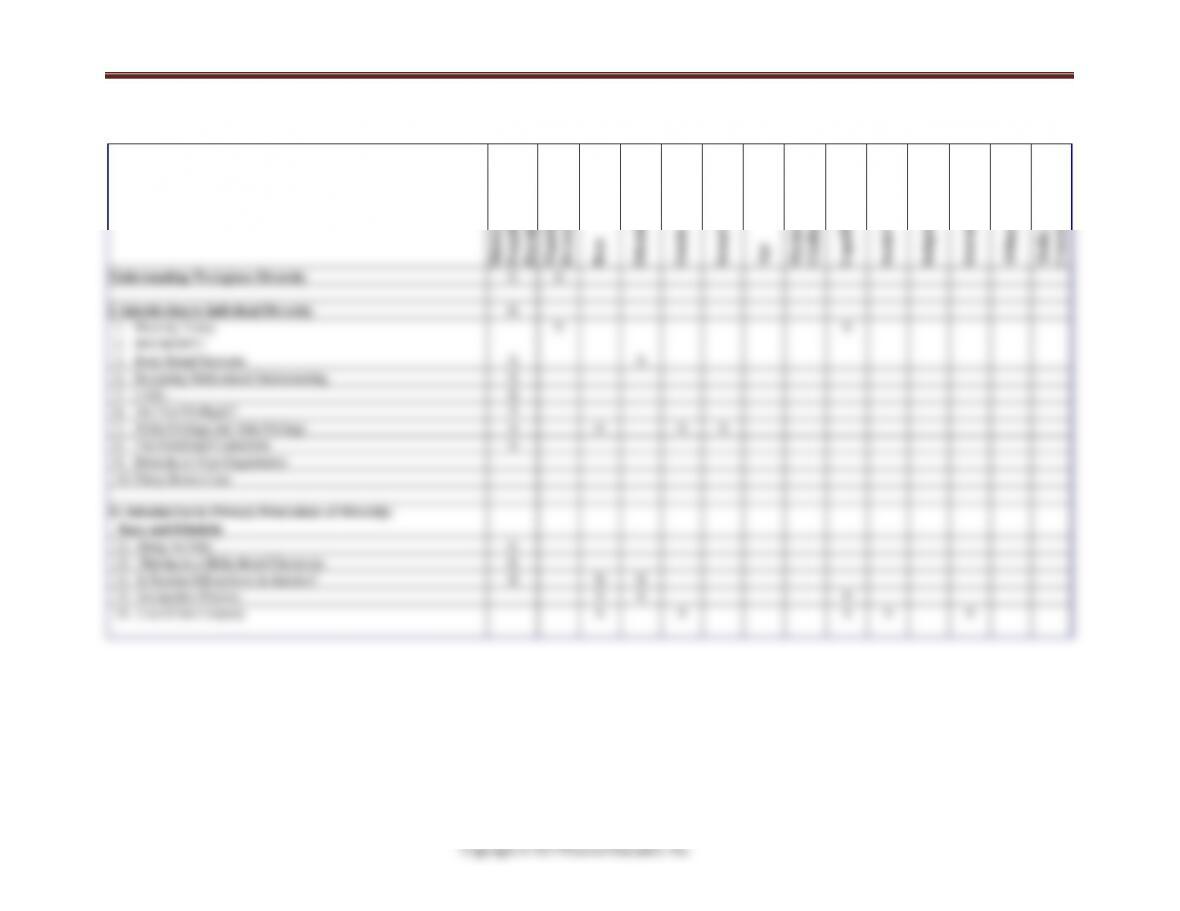
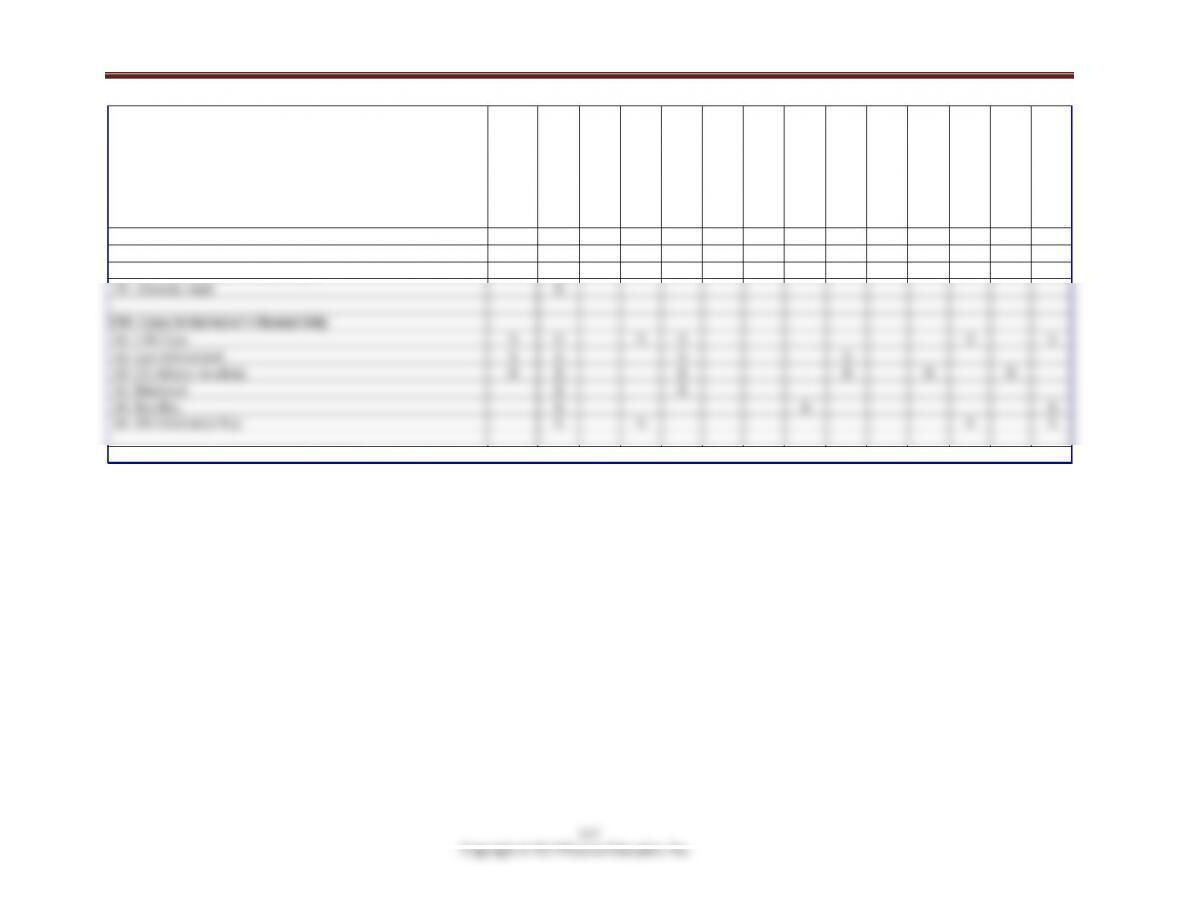
Diversity Topics Matrix
xiii
DIVERSITY TOPICS MATRIX
Stereotypes,
Prejudice &
Discrimination
Organizational
Diversity & Inclusion
Race
Ethnicity/Culture
Gender
Sexual Orientation
Age
Physical & Mental
Challenges
Legal/Ethical
Social Class
Religion
International
Military
Media, Marketing &
Communication
Understanding Workplace Diversity
X X
I. Introduction to Individual Diversity
X
1. Diversity Today X X
2. DIVERSITY!
3. Body Ritual/Nacirema X X
4. Increasing Multicultural Understanding X
5. I AM… X
6. Are You Privileged? X
7. White Privilege and Male Privilege X X X X
8. The Emotional Connection X
9. Diversity in Your Organization
10. Pitney Bowes Case
II. Introduction to Primary Dimesnions of Diversity:
Race and Ethnicity
12. Being An Only
X
13. Thriving in a Multicultural Classroom
X
14. Is Racism Still an Issue in America? X X X
15. Immigration Patterns X X X
16. Coca-Cola Company X X X X X
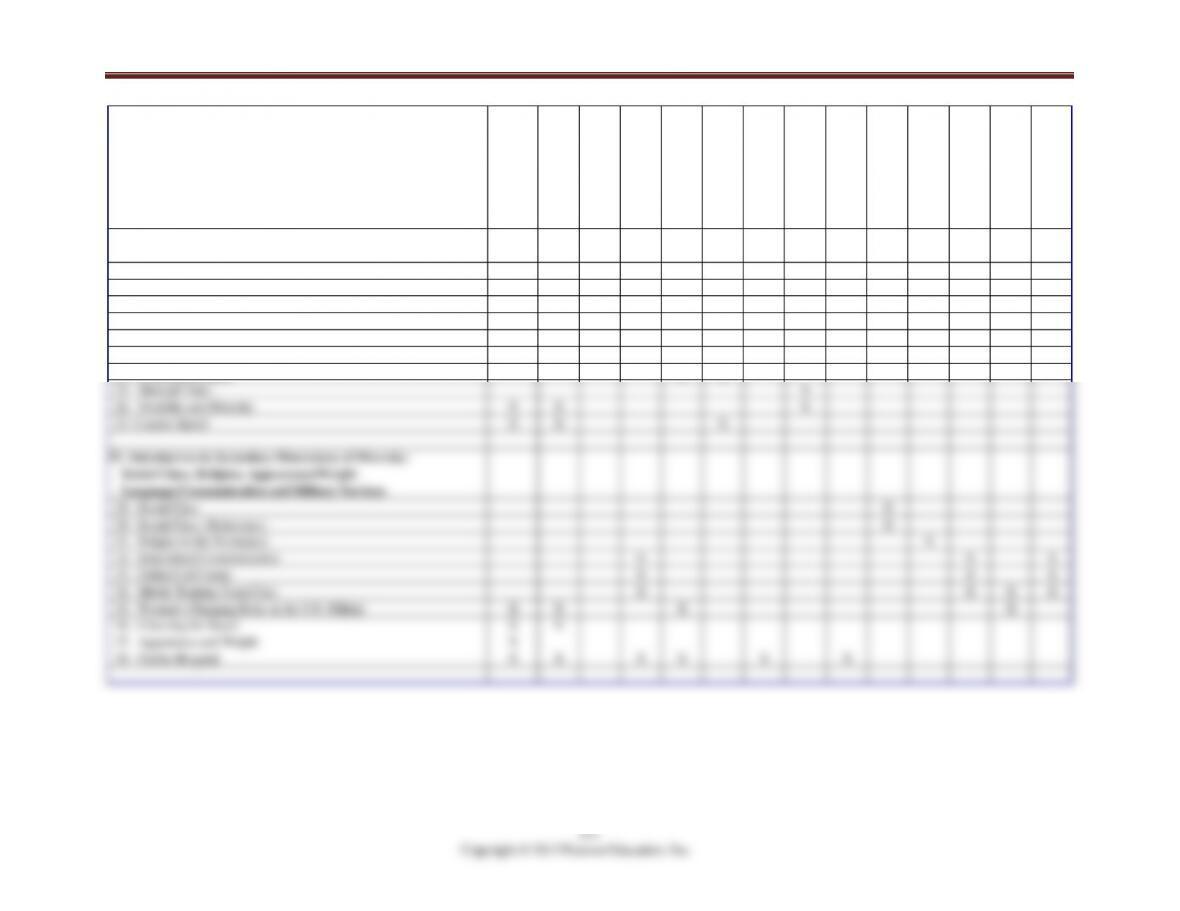
Diversity Topics Matrix
Stereotypes,
Prejudice &
Discrimination
Organizational
Diversity & Inclusion
Race
Ethnicity/Culture
Gender
Sexual Orientation
Age
Physical & Mental
Challenges
Legal/Ethical
Social Class
Religion
International
Military
Media, Marketing &
Communication
III. Introduction to Primary Dimensions of Diversity: Age,
Gender, Sexual Orientation, and Physical/Mental Challenges
18. To Drive A Bus? X
19. Generational Diversity X
20. Gender Gap X
21. Gender Bias 2013 Style X X
22. Male Privilege X
23. LGBT Issues X
24. Sexual Harassment X X
25. Musical Chairs X
26. Disability and Diversity X X X
27. Cracker Barrel X X X
IV. Introduction to Secondary Dimensions of Diversity:
Social Class, Religion, Appearance/Weight
Language/Communication and Military Services
29. Social Class X
30. Social Class: Meritocracy X
31. Religion in the Workplace X
32. Intercultural Communication X X X
33. Global Call Center X X X
34. Mobile Training Team Case X X X X
35. Women‘s Changing Roles in the U.S. Military X X X X
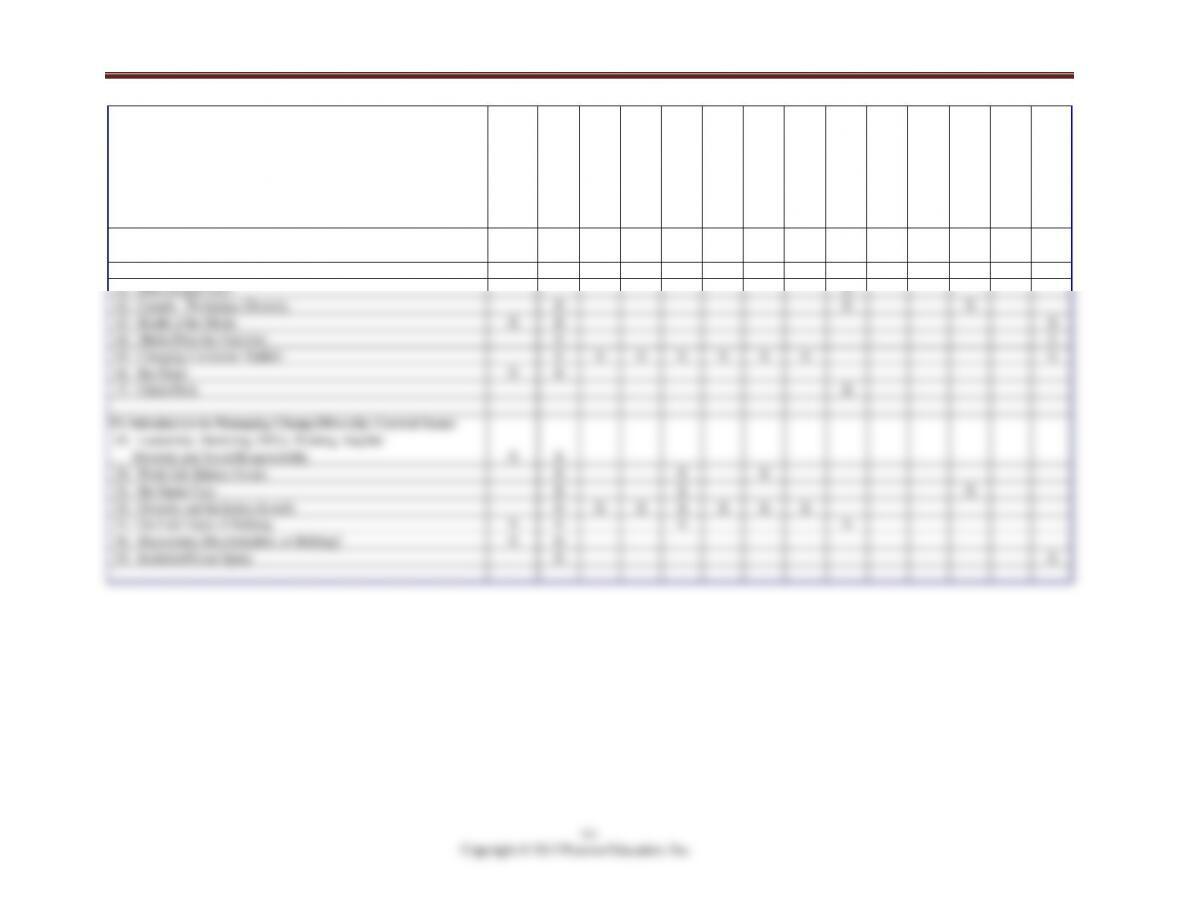
Diversity Topics Matrix
Stereotypes,
Prejudice &
Discrimination
Organizational
Diversity & Inclusion
Race
Ethnicity/Culture
Gender
Sexual Orientation
Age
Physical & Mental
Challenges
Legal/Ethical
Social Class
Religion
International
Military
Media, Marketing &
Communication
V. Introduction to Managing Diversity: Ethical, Legal, Media
and Marketing Issues
40. Ethics of Workplace Diversity X X
41. Ethics/Legal Cases X
42. Canada – Workplace Diversity X X X
43. Health of the Media X X X
44. Media Diversity Exercises X X
45. Changing Consumer Markets X X X X X X X X
46. Bar Exam X X
47. Chick-Fil-A X
VI. Introduction to Managing Change/Diversity: Current Issues
49. Leadership, Mentoring, ERGs, Training, Supplier
Diversity and Social Responsibility X X
50. Work-Life Balance Issues X X X
51. Six Sigma Case X X X
52. Diversity and Inclusion Awards X X X X X X X
53. The Four Faces of Bullying X X X X
54. Harassment, Discrimination, or Bullying? X X
55. Inclusion/Ocean Spray X X
Diversity Topics Matrix
Stereotypes,
Prejudice &
Discrimination
Organizational
Diversity & Inclusion
Race
Ethnicity/Culture
Gender
Sexual Orientation
Age
Physical & Mental
Challenges
Legal/Ethical
Social Class
Religion
International
Military
Media, Marketing &
Communication
VII. Introduction to Capstone Experiences*
57. Create a Case X
58. Diversity Awarness: A Video Project X X
59. Diversity Audit X
VIII. Cases in Instructor’s Manual Only
61. UBS Case X X X X X X
62. Law Enforcement X X X X
63. US Airforce Academy X X X X X X
64. Briarwood X X
65. Best Buy X X X
66. BWA/Indonesia Way X X X X
* Topics depend on projects selected by students.
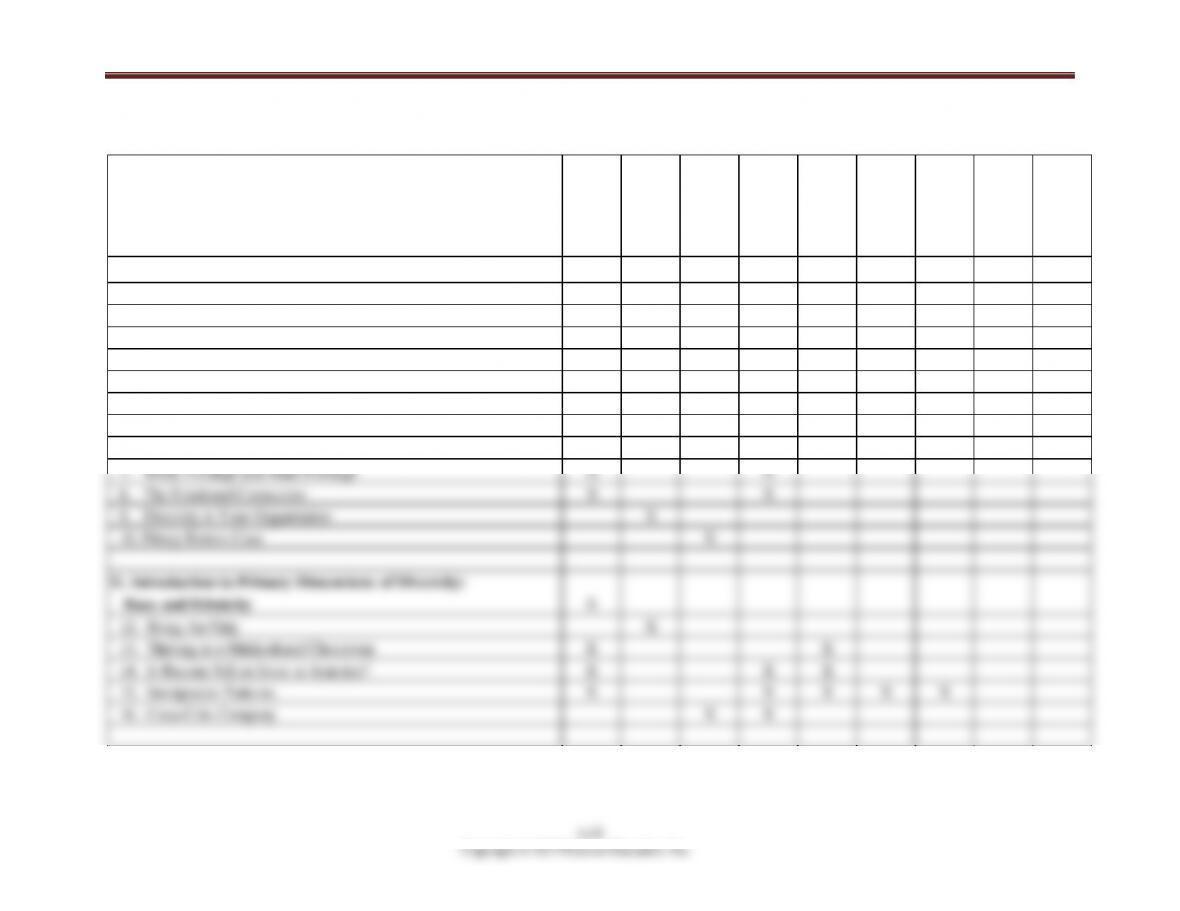
Matrix of Teaching Materials
MATRIX OF TEACHING MATERIALS
PEDAGOGICAL FEATURES
Readings
Exercises
Cases
Diversity on
the Web
Writing
Assignment
Points of Law
Global Notes
Capstone
Assignments
Rubrics
Best
Practices
Understanding Workplace Diversity
X
I. Introduction to Individual Diversity
X
1. Diversity Today
X
2. DIVERSITY! X
3. Body Ritual/Nacirema
X X
4. Increasing Multicultural Understanding X X
5. I AM… X
6. Are You Privileged? X
7. White Privilege and Male Privilege X X
8. The Emotional Connection X X
9. Diversity in Your Organization X
10. Pitney Bowes Case X
II. Introduction to Primary Dimensions of Diversity:
Race and Ethnicity
X
12. Being An Only X
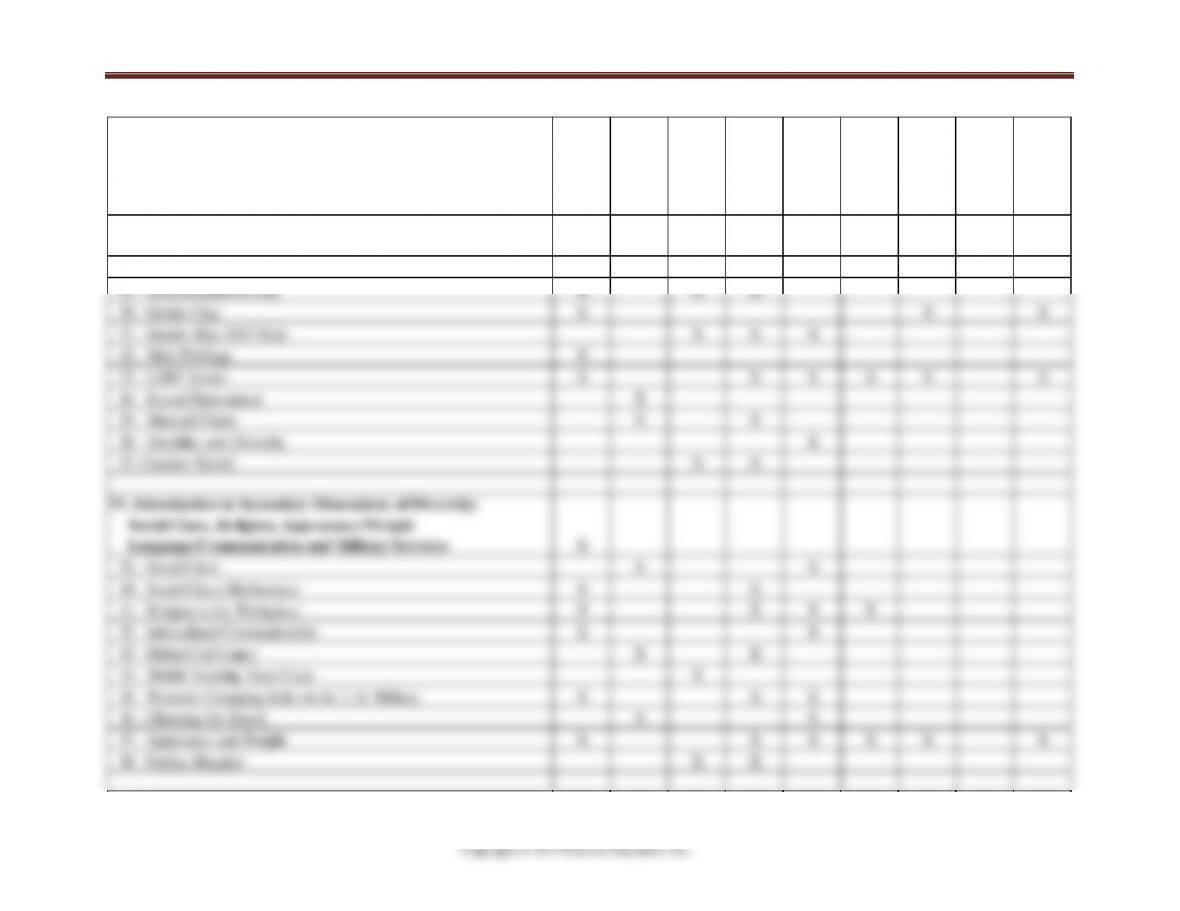
Matrix of Teaching Materials
PEDAGOGICAL FEATURES
Readings
Exercises
Cases
Diversity on
the Web
Writing
Assignment
Points of Law
Global Notes
Capstone
Assignments
Rubrics
Best
Practices
III. Introduction to Primary Dimensions of Diversity: Age,
Gender, Sexual Orientation, and Physical/Mental Challenges X
18. To Drive A Bus? X
19. Generational Diversity X X X
20. Gender Gap X X X
21. Gender Bias 2013 Style X X X
22. Male Privilege X
23. LGBT Issues X X X X X X
24. Sexual Harassment X