SOLUTIONS TO CHAPTER 13 PROBLEMS
Sensitivity Analysis
13-1 If N – project life, i – interest rate, and A – net annual cash flow,
we have AW • -$100,000(A/P,i,N) + A + $20,000(A/F,i,N)
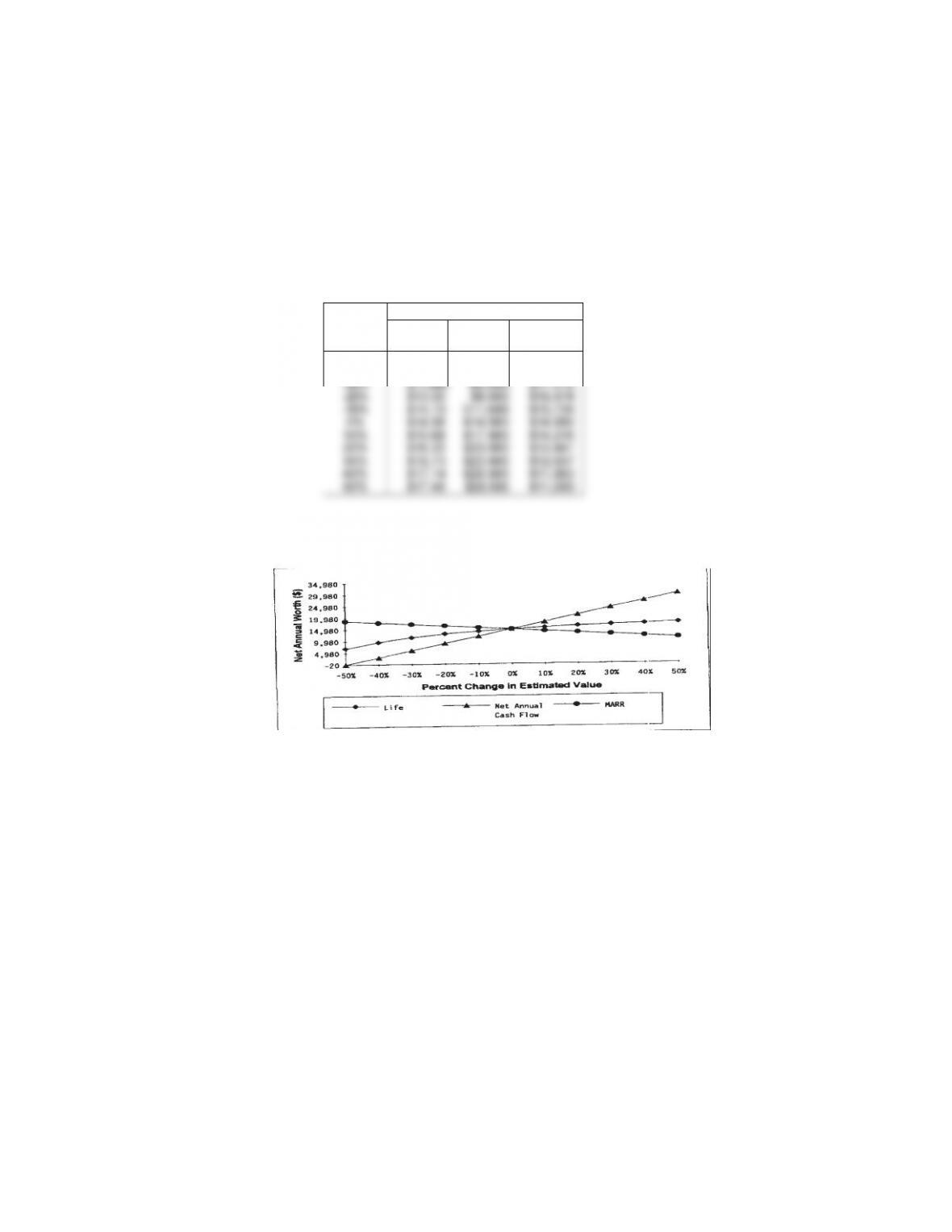
Net Annual Worth is most sensitive to changes in the net annual cash flow. However, the
decision to invest in the project is relatively insensitive to changes in the specified range.
Net Annual Worth
%
Change Life
Net
Annual NARR
–
50%
$
6
,
89
6
($
20
)
$
18
,
640
–
40% $9
,
631 $2
,
980 $17
,
931
–
,
,
–
,
,
,
–
,
,
,
,
,
,
,
,
,
148
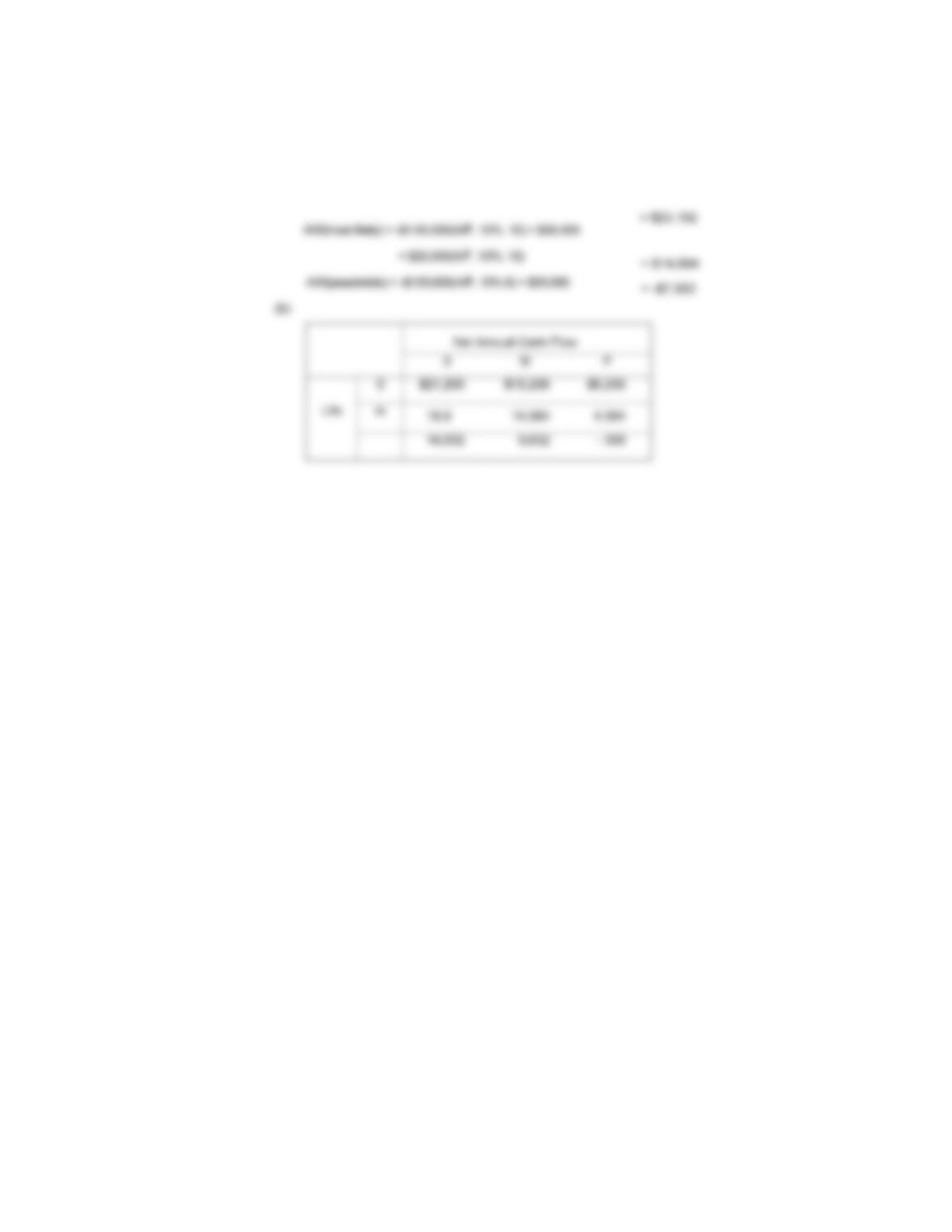
13-2. (a) AW(optimistic) =-$90,000(A/P,10%,12) + $35,000 + $30,000(A/F,10%,12)
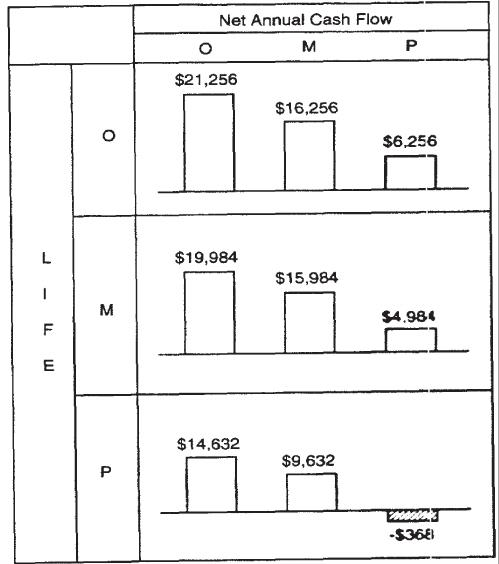
Net Annual Cash Flow
0 M P
0 $21,256 $16,256 $6,256
Life m 19,9 14,984 4,984
14,632 9,632 – 368
(b)
149
13-2. (continued)
150
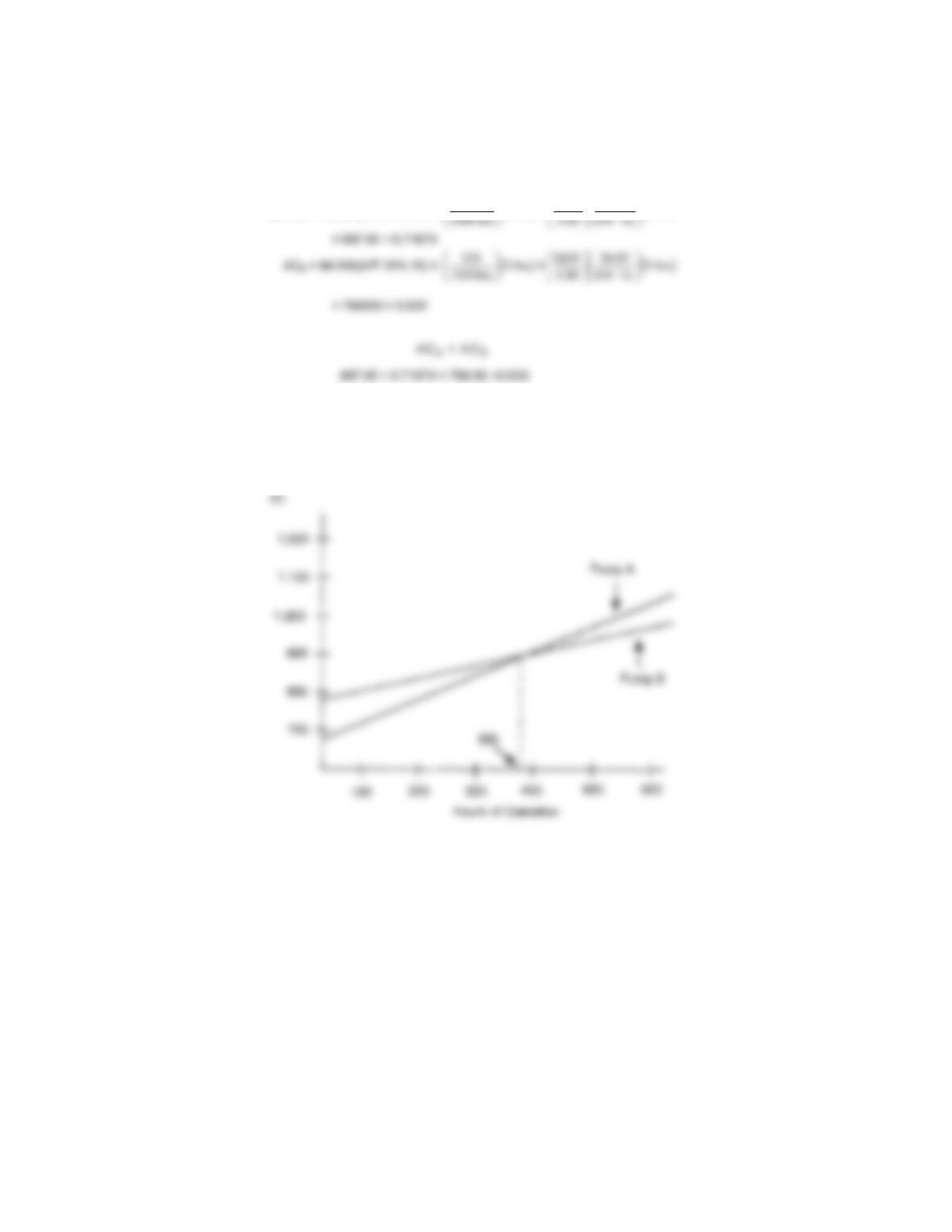
13-3. X = annual hours of operation
(a) ACA = $3,500(A/P,15%,10) +
()
hrs X
$50
+
()
hrs X
$0.05
kW 8
0.1867X=71.95
X ≅ 385 hrs per year
(b) If operating hours are greater than M5 hrs/yr, choose pump B to minimize
annual equivalent cots
151
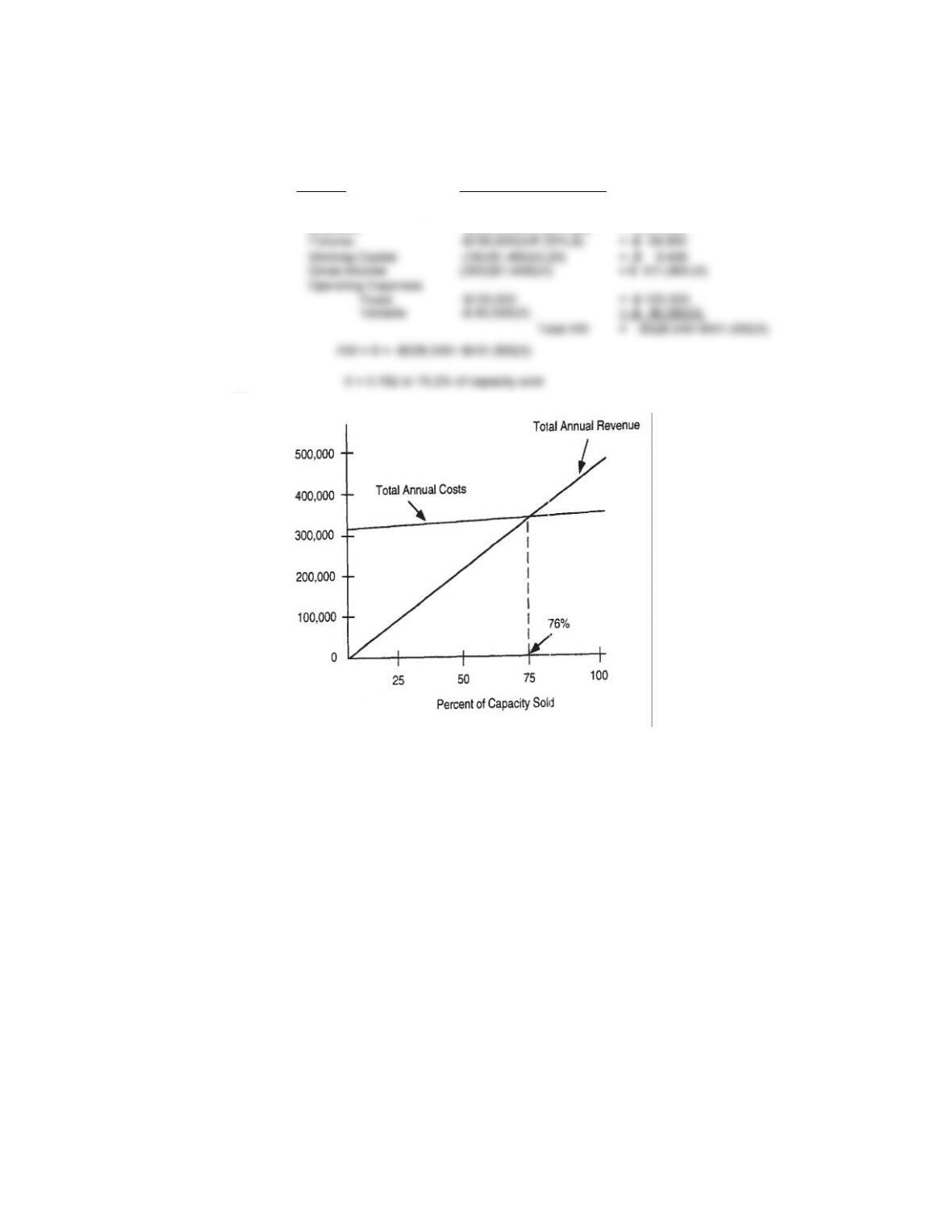
13–4. X = percentage of capacity sold (expressed as a decimal).
(a) Element Annual Equivalent Amount
Land –$300,000(0.20) = –$ 60,000
Structure -$500,000(A/P,20%,25) = -$101,050
(b)
152
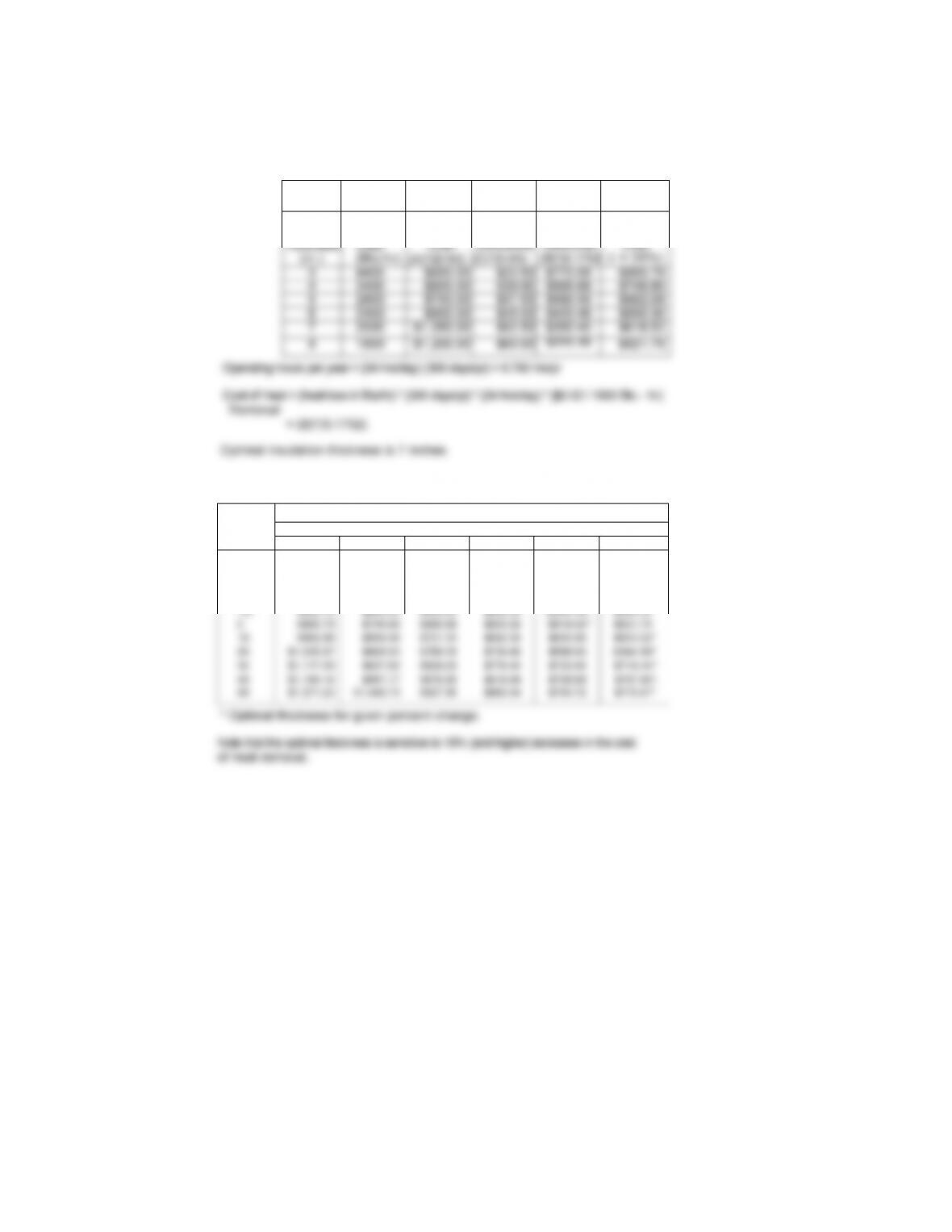
13-5
A B C D E F
Insulation
Heat
Installation
Annual
Taxes &
Cost of
Heat
Equivalent
Annual
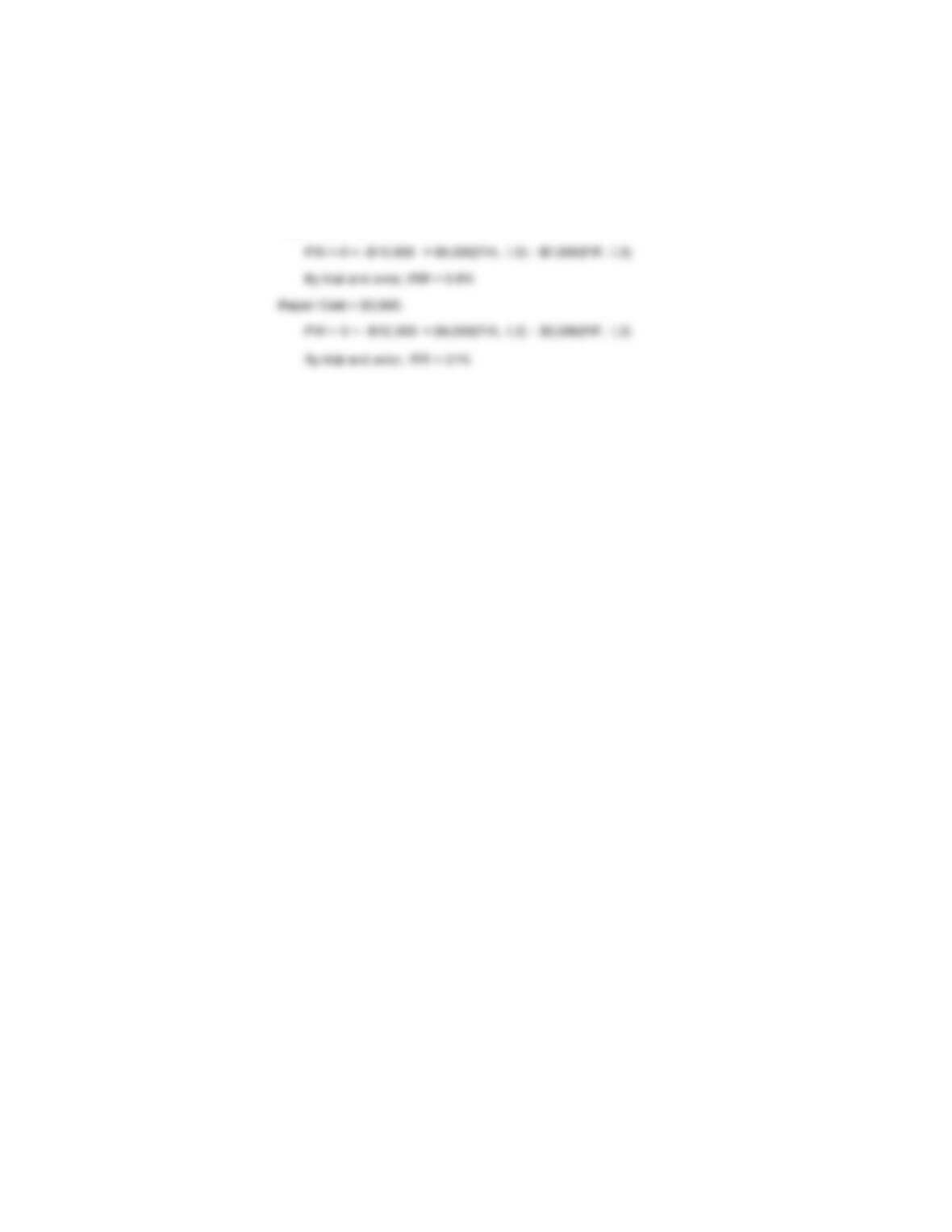
13-6. Repair Cost = $5,000
PW = 0 = -$10,000 + $4,000(P/A,
By trial and error, IRR = 15.5%
Repair Cost = $7,000:
i’,5) – $5,000(P/F, i’,3)
154
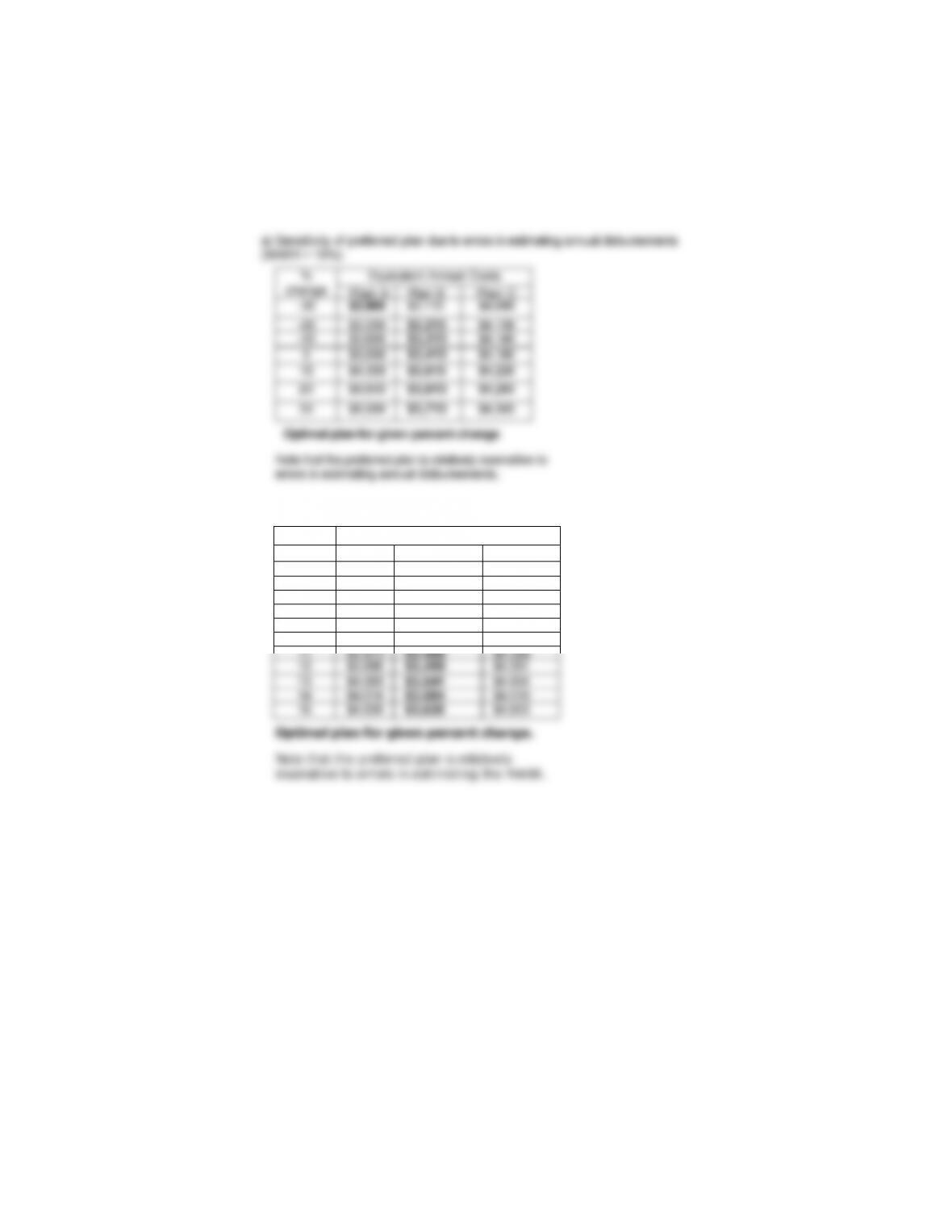
13-7. AC (Plan A) = S 2,000(A/P,i%,6) +$3,500(1+ x)
AC (Plan B) = $ 6,000(A/P,i%,3) + $1,000(1 + x)
AC (Plan C) = $12,000(A/P,i%,4) + $ 400(1 + x)
b) Sensitivity of preferred plan due to errors in estimating the MARR:
MARR Equivalent Annual Cost
(%) Pl a n A P l a n B Pl an C
5 $3,894 $3,203 $3,784
6
$
3
,
907 $3
,
245
$
3
,
863
7
$
3
,
920 $3
,
288
$
3
,
943
8
$
3
,
933 $3
,
328
$
4
,
023
9
$
3
,
946 $3
,
370
$
4
,
10
4
10
$
3
,
959 $3
,
413
$
4
,
186
11
$3,973
$3,4
55
$4,268
12 $3,986
$3,498 $4,351
$
,
,
$
,
4
$
,
,
$
,
155
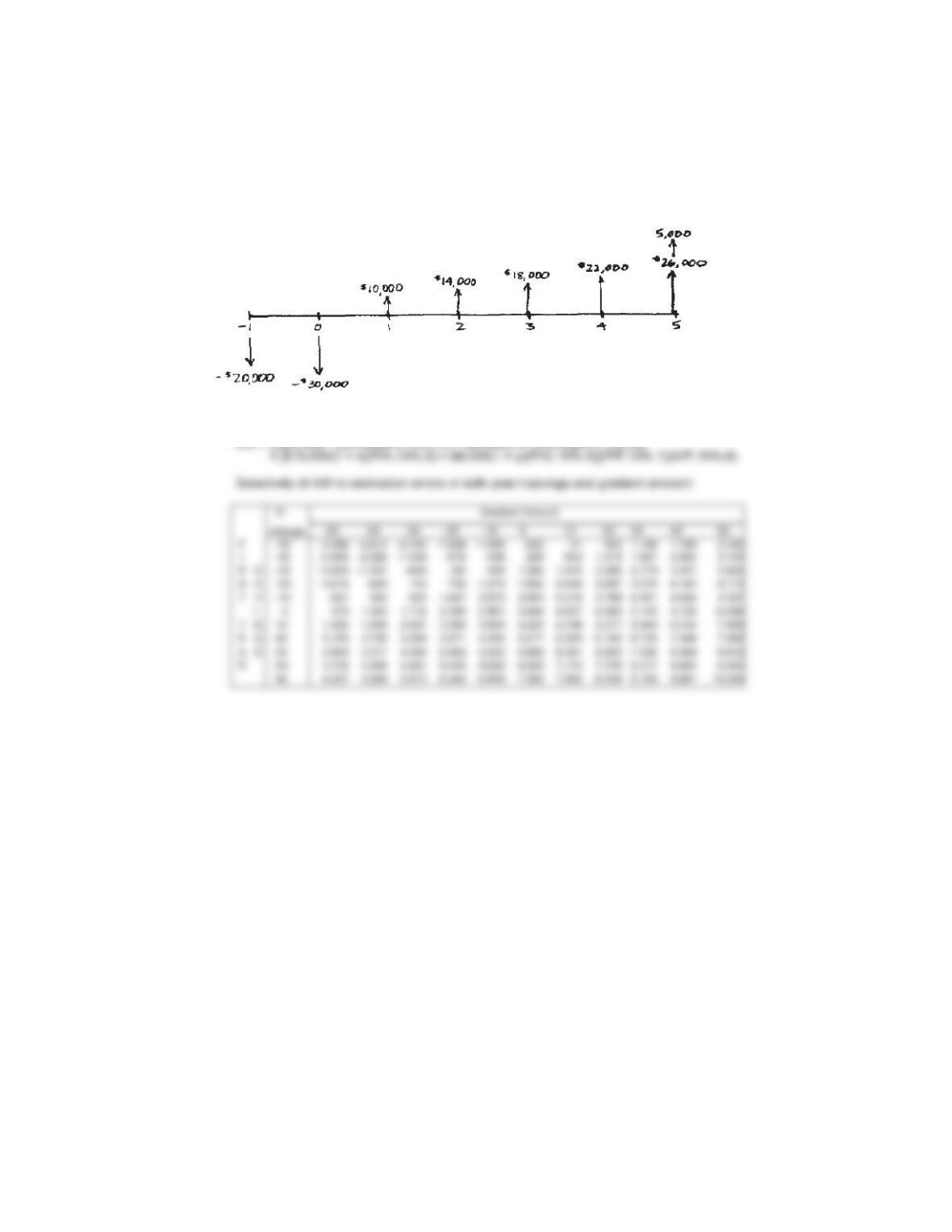
13-8 Cash Flow Diagram:
AW amounts are assumed to be over 6 years (EOY YR 0-5)
156
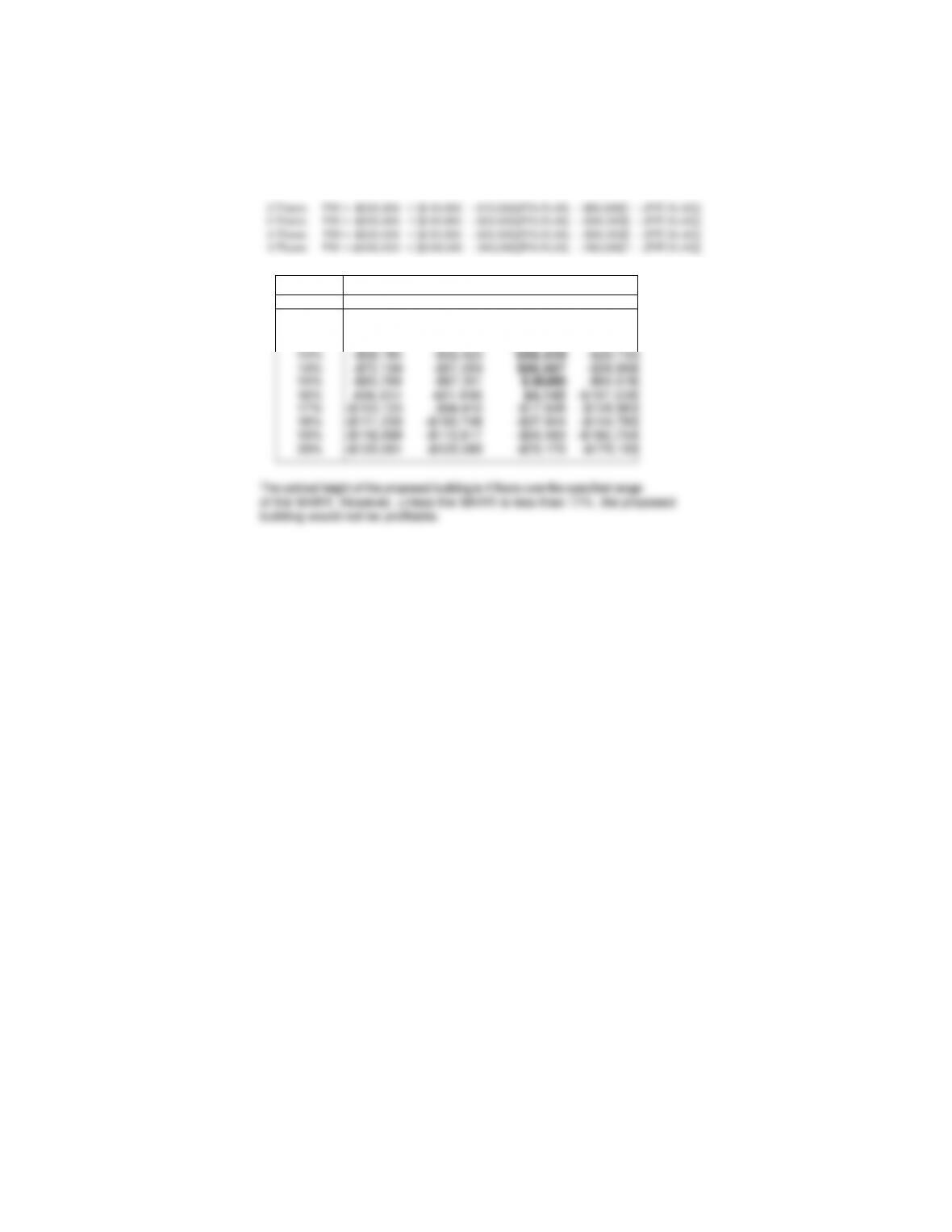
13-9 Land Cost = -$50,000+$50,000(P/F,i%,40)= -$50,000[1+(P/F,i%,40)]
PW Number of Floors
MARR 2 3 4 5
10% 44
,
419 $43
,
372 $ 217
,
848 $88
,
953
11% -$25,455 $14,056 $167,832 $43,077
12% -$43,388 -$10,930 $125,164 $3,945
157
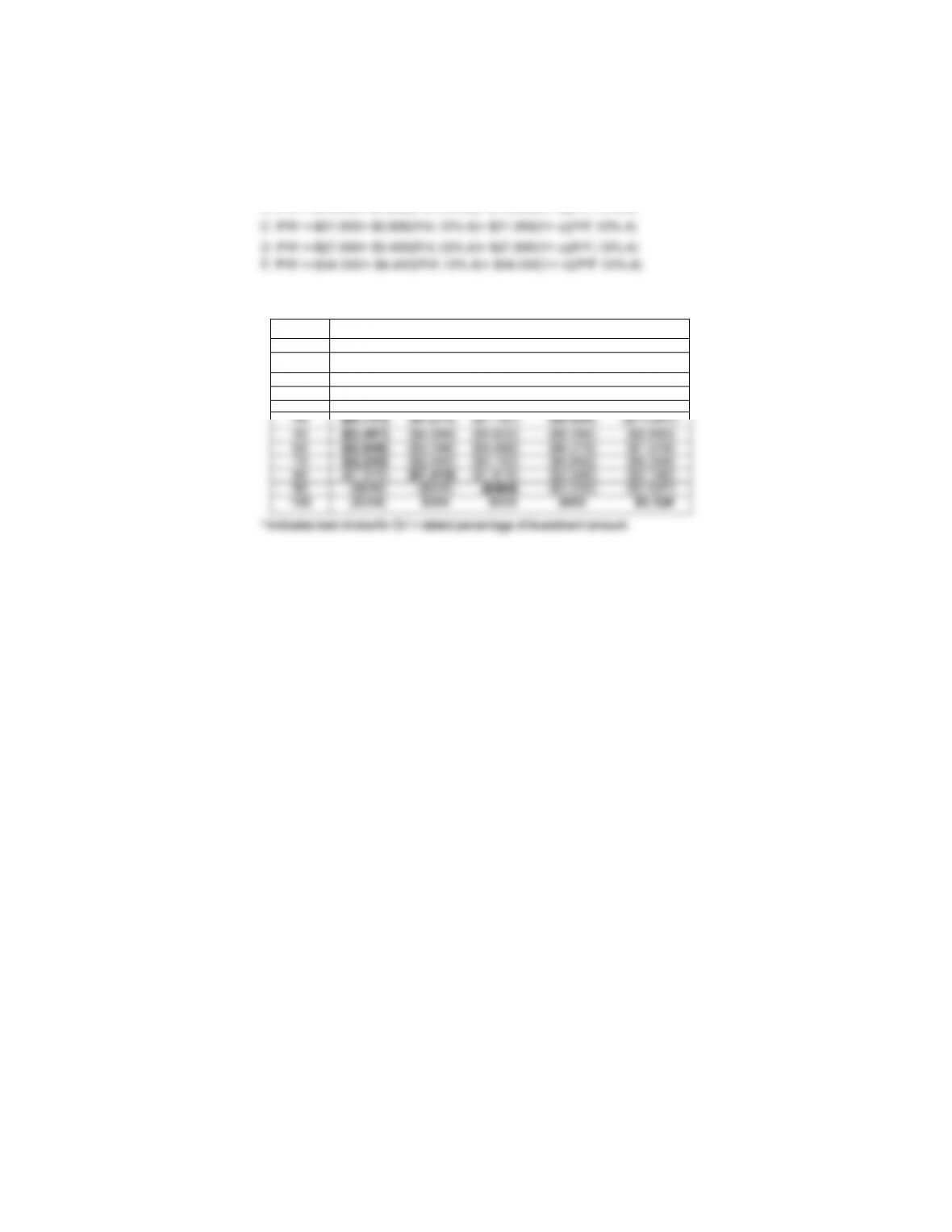
13-10 x = percent of investment amount representing the salvage value
A :PW =-$10,000+ $1,100(P/A,12%,4)+$10,000(1+x)(P/F,12%,4)
B :PW =-$14,000+ $1,800(P/A,12%,4)+ $14,000(1+ x)(P/F,12%,4)
Sensitivity of best choice due to estimated salvage value (% of initial investment):
Machine
%of I A B C D E
0 ($6,659) ($8,533) ($12,495) ($16,673) ($20,484)
10 ($6,023) ($7,643) ($11,161) ($14,957) ($18,323)
20 ($5,388) ($6,753) ($9,826) ($13,241) ($16,162)
30
($4,752)
($5,864)
($8,492)
($11,525)
($14,002)
158
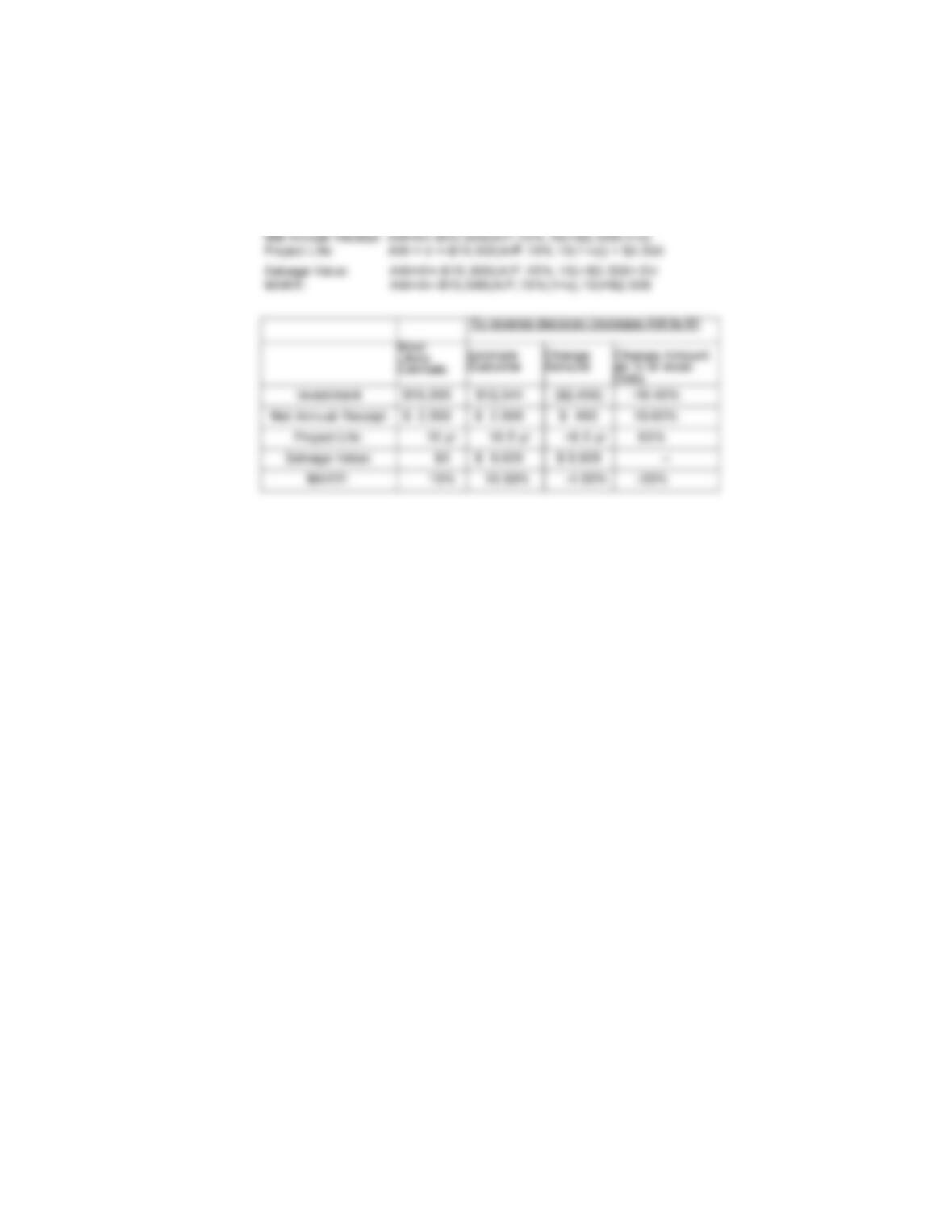
13-11 a) AW(most likely)=-$15,000(A/P,15%,10)+$2,500=$489.50
To find sensitivity to decision reversal for individual parameters, solve the following
equations for x, percent change in most likely estimate. In the case of salvage
value, we are solving for that amount that sits AW = 0. In this case, computing a
percent change is not applicable.
Investment AW=0=-$15,000(1+x)(A/P,15%,10)+$2,500
159
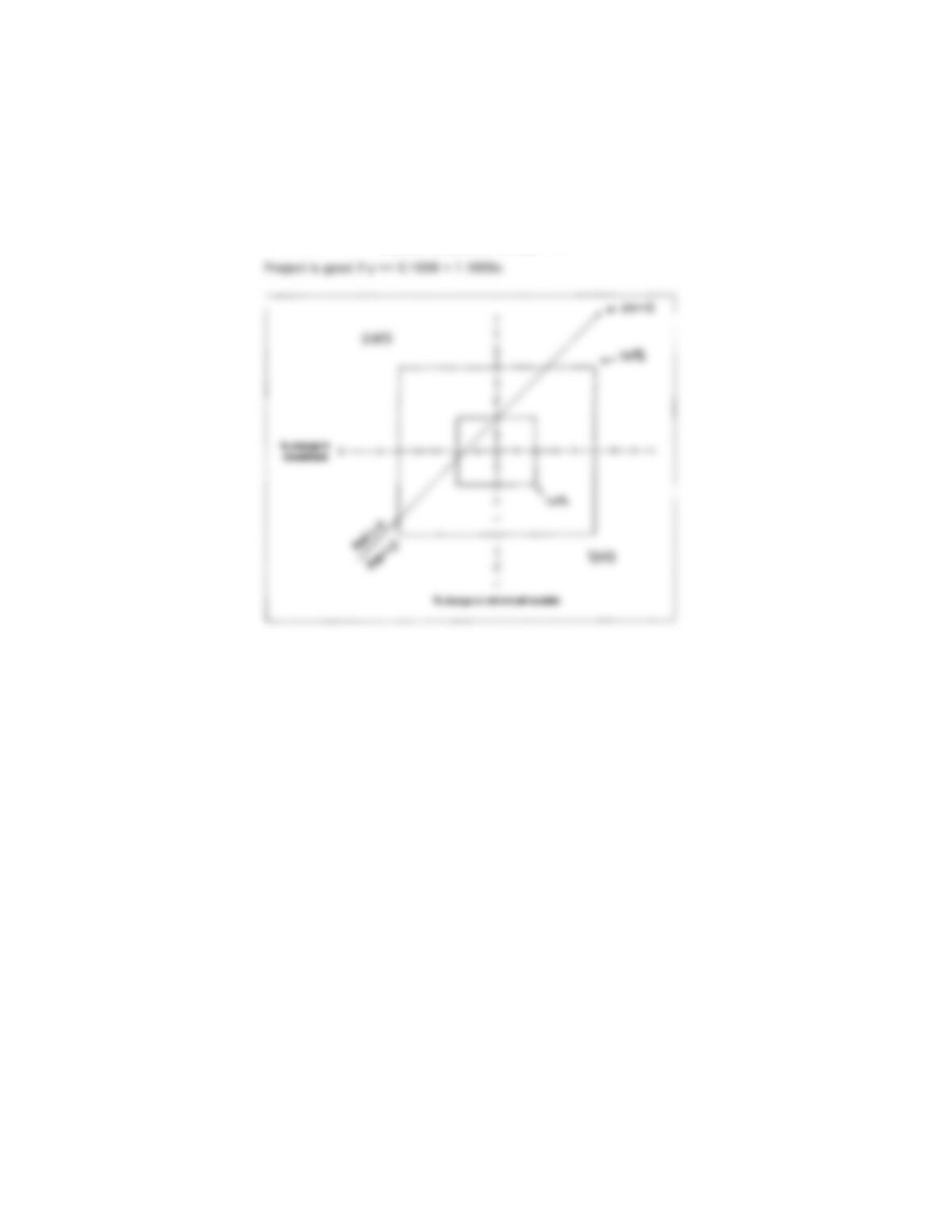
b) Project is good if AW >= 0. Let x =change in investment and y =change in net
annual receipts.
-$15,000(1+x)(A/P,15%,10) + $2,500(1+y) >= 0
-489.50 – 2,989.5x + 2500y >= 0
160