
Solutions Manual Orbital Mechanics for Engineering Students Third Edition Chapter 6
Howard D. Curtis 293 Copyright © 2013, Elsevier, Inc.
Solutions Manual Orbital Mechanics for Engineering Students Third Edition Chapter 6
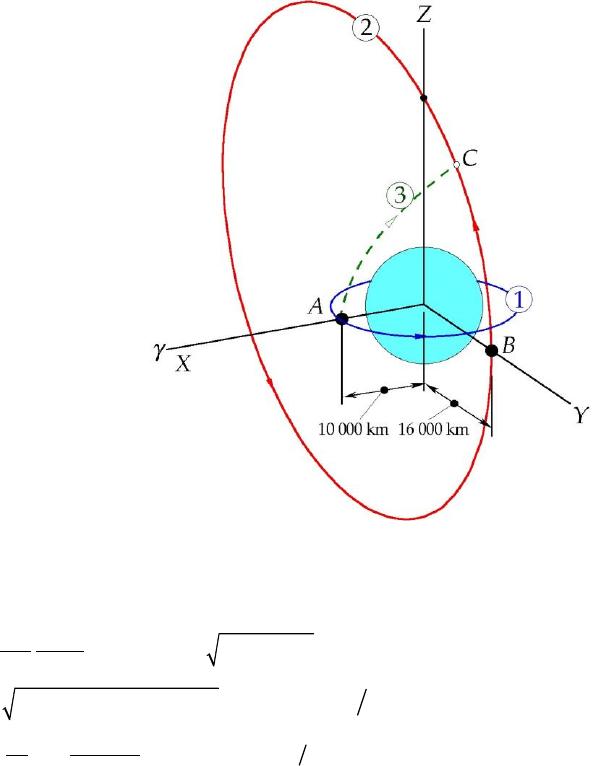
Problem 6.34 Spacecraft A is in orbit 1, a 10 000 km radius equatorial earth orbit. Spacecraft B is in el-
liptical polar orbit 2, having eccentricity 0.5 and perigee radius 16 000 km. At the instant shown, both
spacecraft are in the equatorial plane and B is at its perigee. At that instant, spacecraft A executes an im-
pulsive delta-v maneuver to intercept spacecraft B one hour later at point C. Calculate the delta-v re-
quired for A to switch to the intercept trajectory 3.

vC(1), vC(2), vC(3))
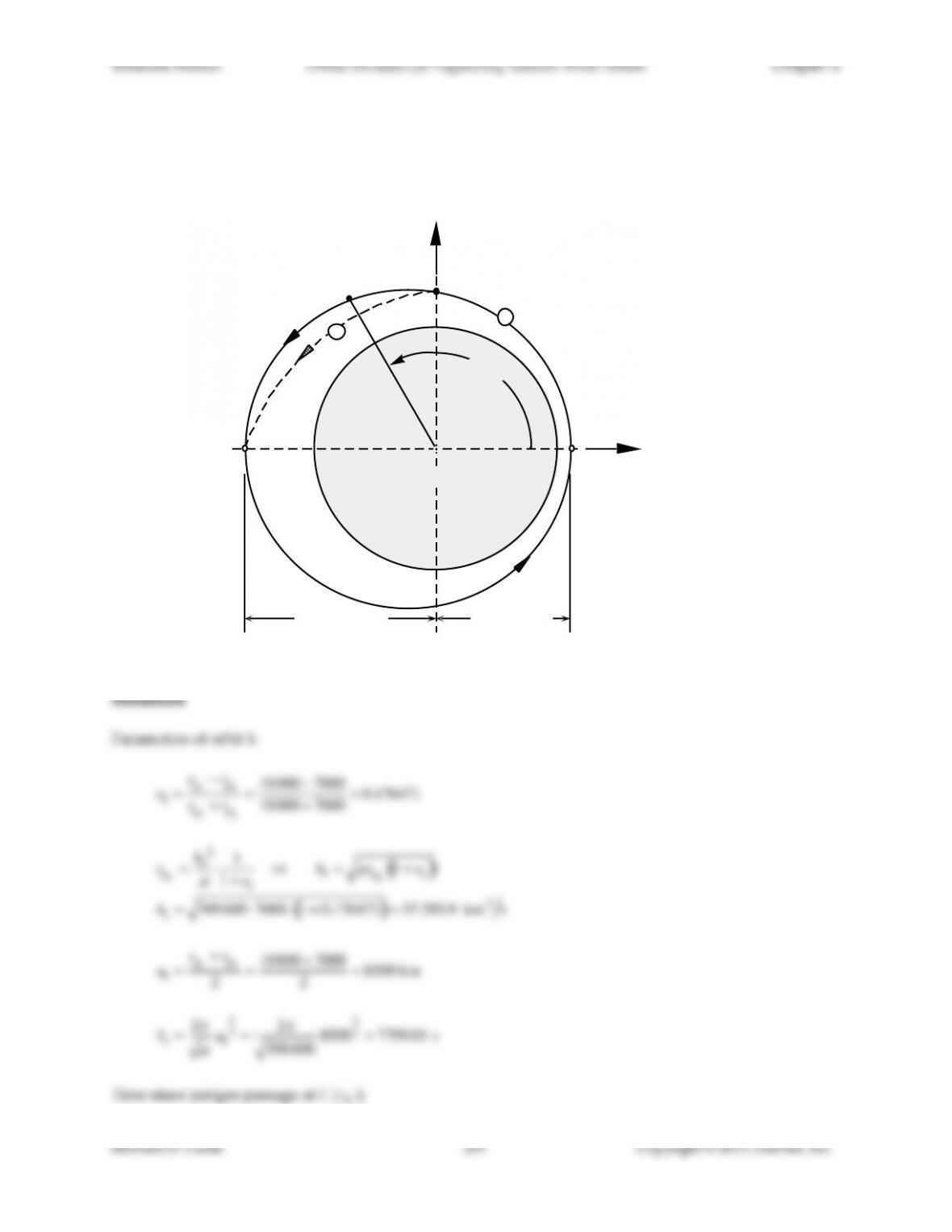
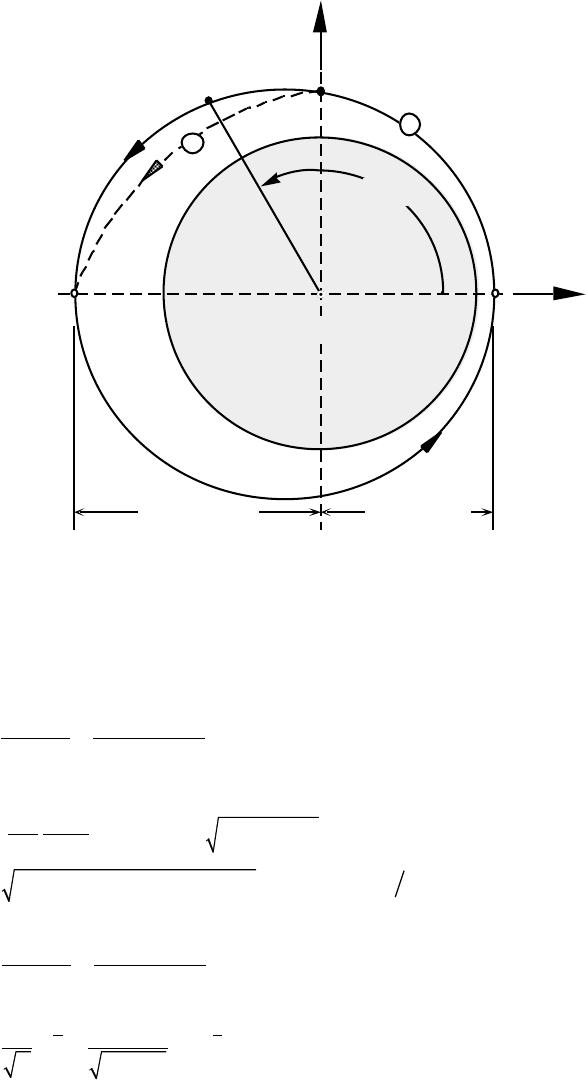
Problem 6.35 Spacecraft B and C are in the same elliptical orbit 1, characterized by a perigee radius of
7000 km and an apogee radius of 10 000 km. The spacecraft are in the positions shown when B executes
an impulsive transfer to orbit 2 in order to catch and rendezvous with C when C arrives at apogee A. Find
the total delta-v requirement.
tC
Earth
ˆ
p
ˆ
q
B
C
A
120°
21
7000 km10000 km
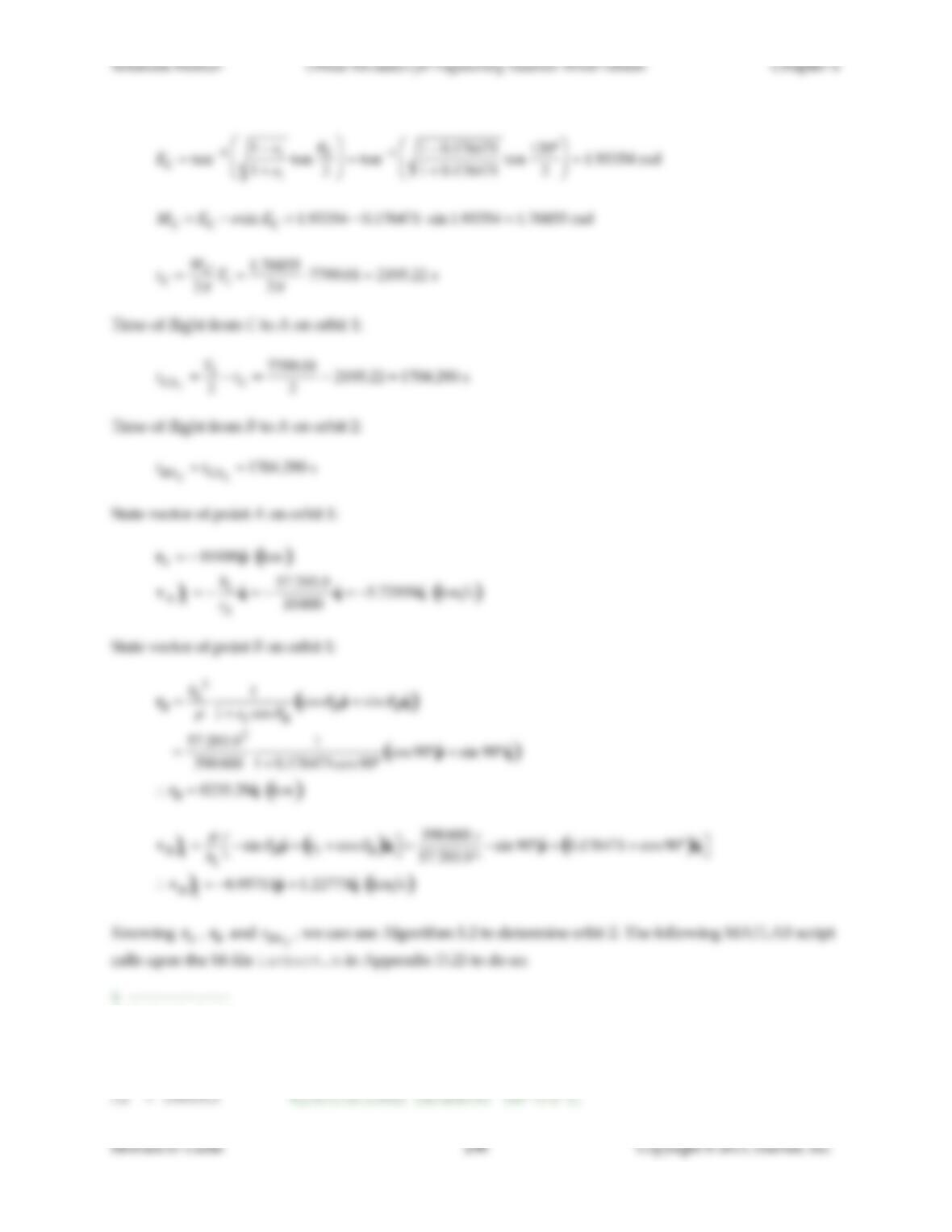
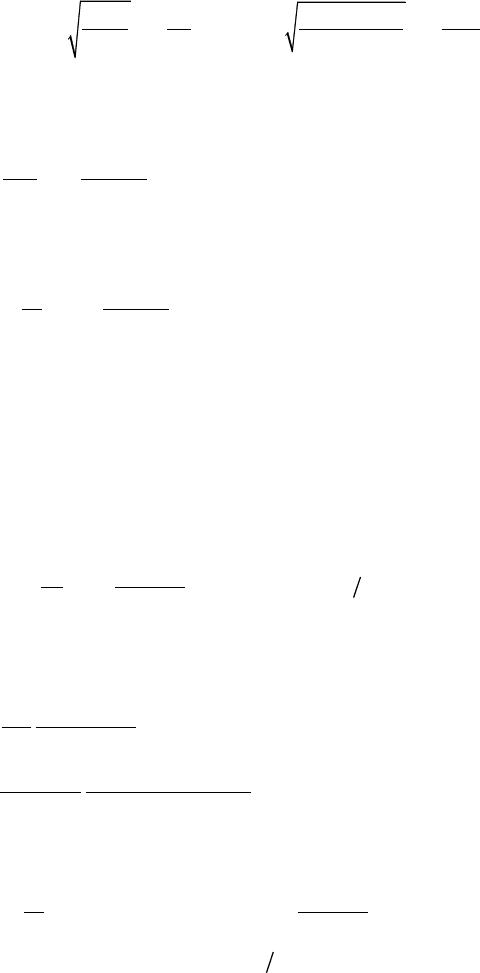
% Problem 6_35
% –———––—–
clear
global mu
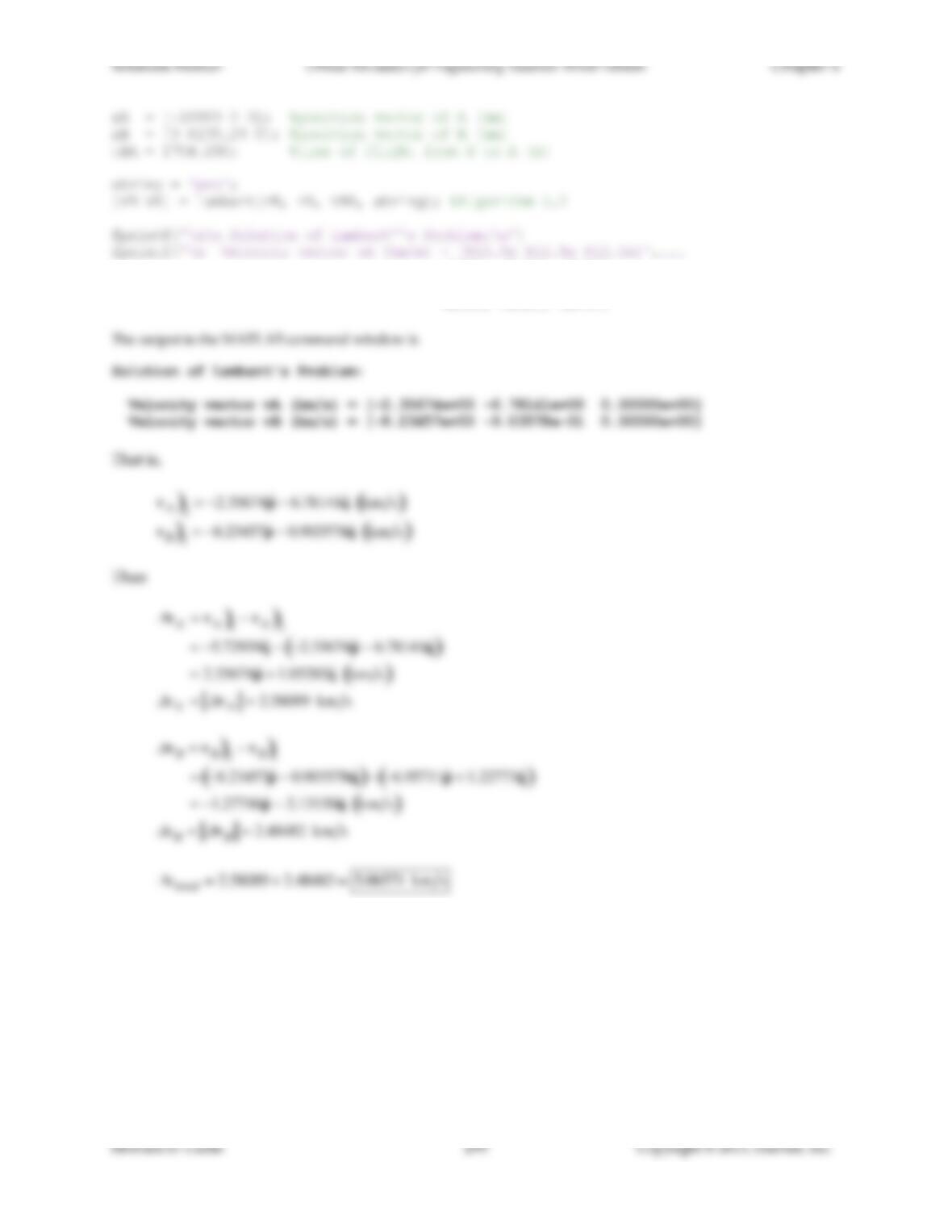
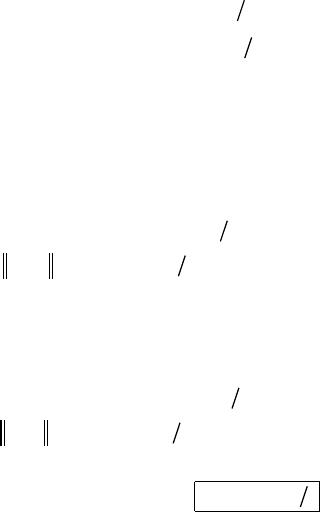
vA(1), vA(2), vA(3))
fprintf(‘\n Velocity vector vB (km/s) = [%12.5e %12.5e %12.5e]\n’,…
vB(1), vB(2), vB(3))
Problem 6.36 At time t = 0, manned spacecraft a and unmanned spacecraft b are at the positions shown
in circular earth orbits 1 and 2, respectively. For assigned values of
0
a
and
0
b
, design a series of im-
pulsive maneuvers by means of which spacecraft a transfers from orbit 1 to orbit 2 so as to rendezvous
with spacecraft b (i.e., occupy the same position in space). The total time and total delta–v required for the
transfer should be as small as possible. Consider earth’s gravity only.
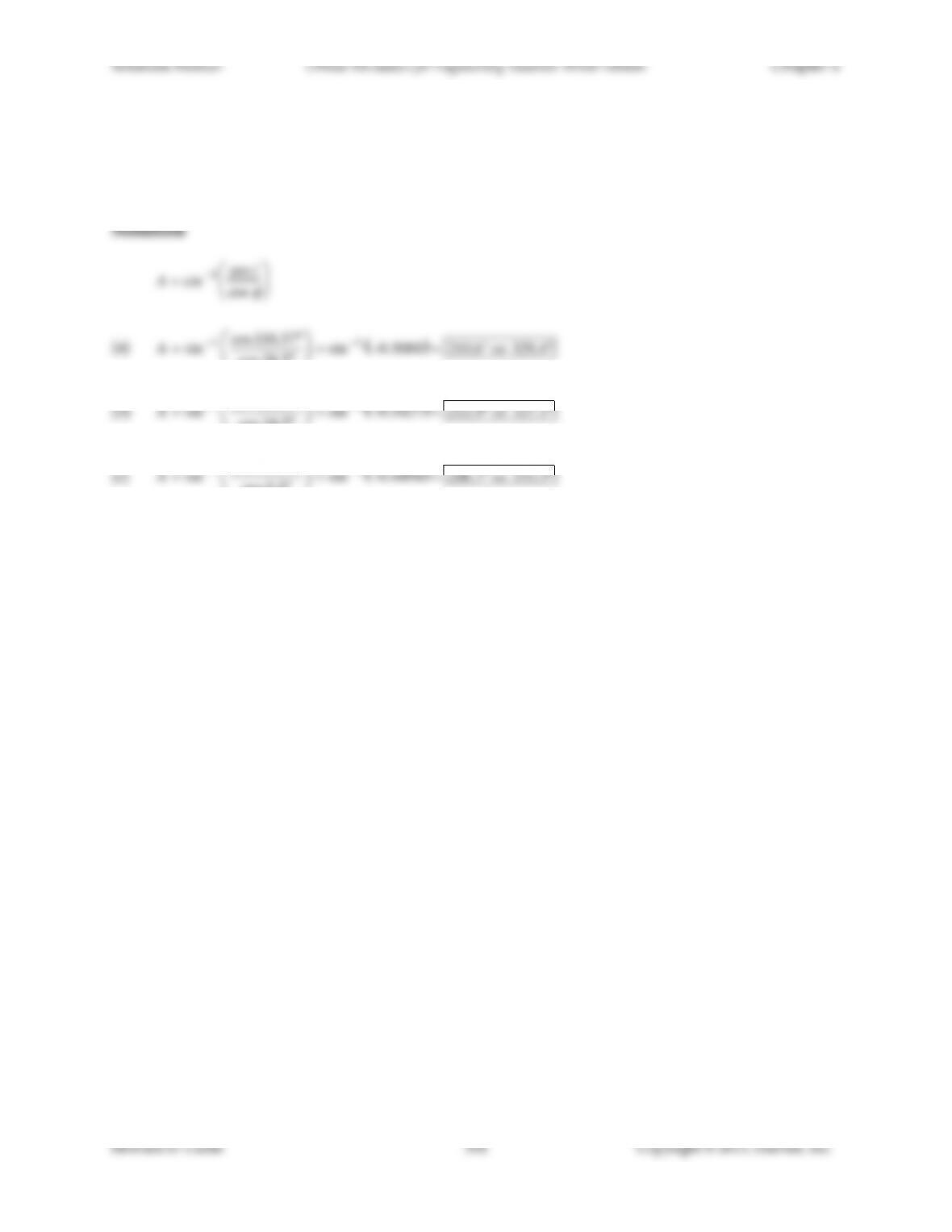

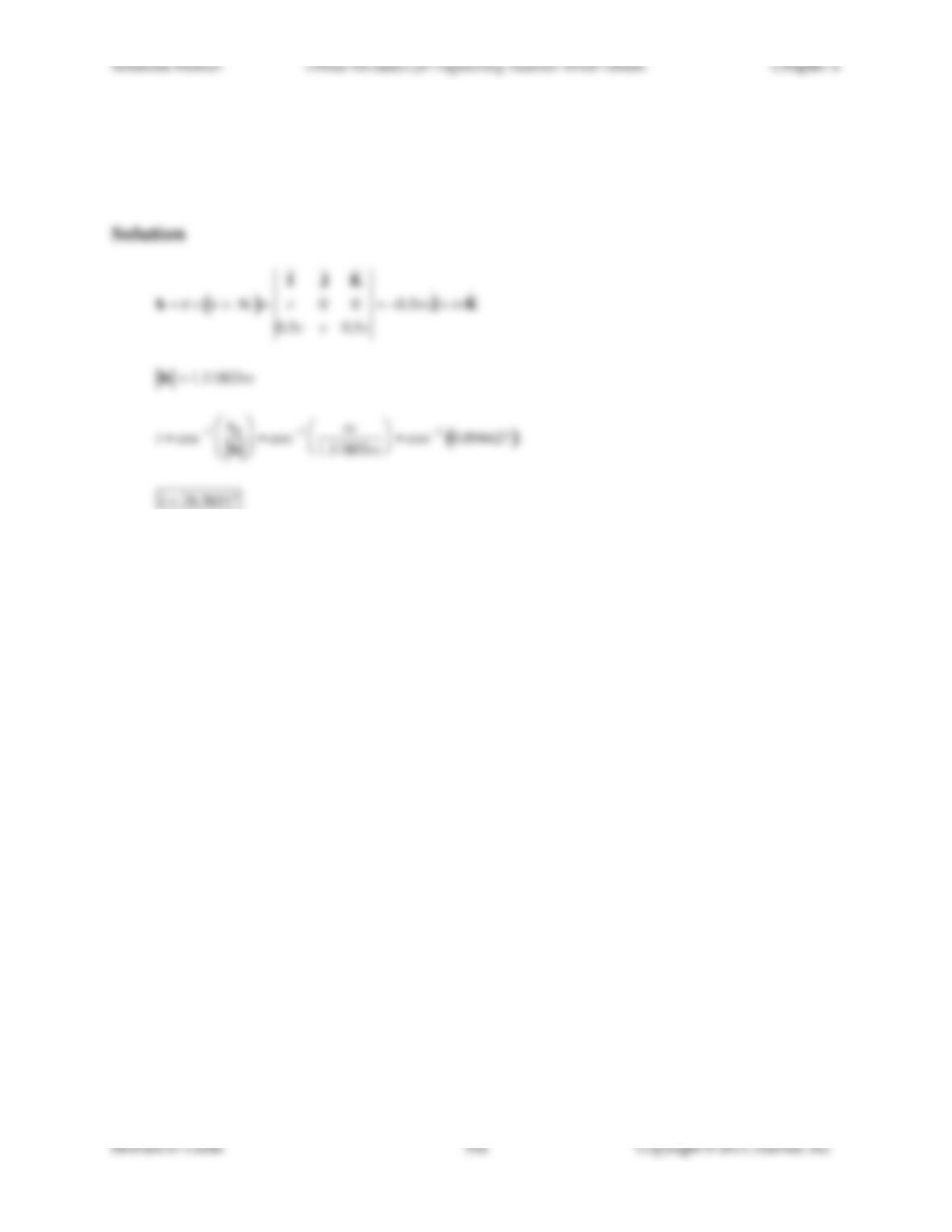
Problem 6.37 What must the launch azimuth be if the satellite in Example 4.10 is launched from (a)
Kennedy Space Center (latitude = 28.5°N); (b) Vandenburgh AFB (latitude = 34.5°N) (c) Kourou, French
Guiana (latitude 5.5°N).
cos 28.5
cos 34.5
cos 5.5
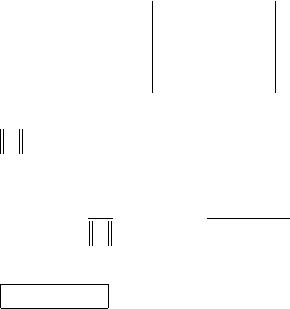
Problem 6.38 The state vector of a spacecraft in the geocentric equatorial frame is
rrˆ
I
and
vvˆ
J
. At
that instant an impulsive maneuver produces the velocity change
v0.5vˆ
I0.5vˆ
K
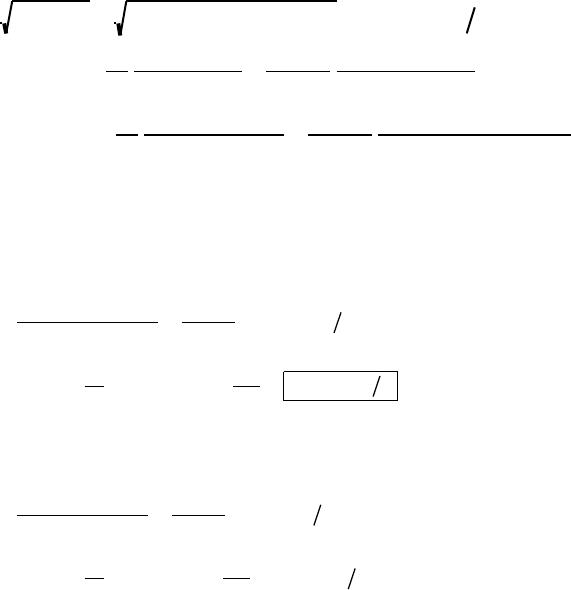
. What is the inclina-
tion of the new orbit?
i26.5651
Solutions Manual Orbital Mechanics for Engineering Students Third Edition Chapter 6
Problem 6.39 An earth satellite has the following orbital elements:
a15000 km
,
e0.5
,
45
,
30
,
i10
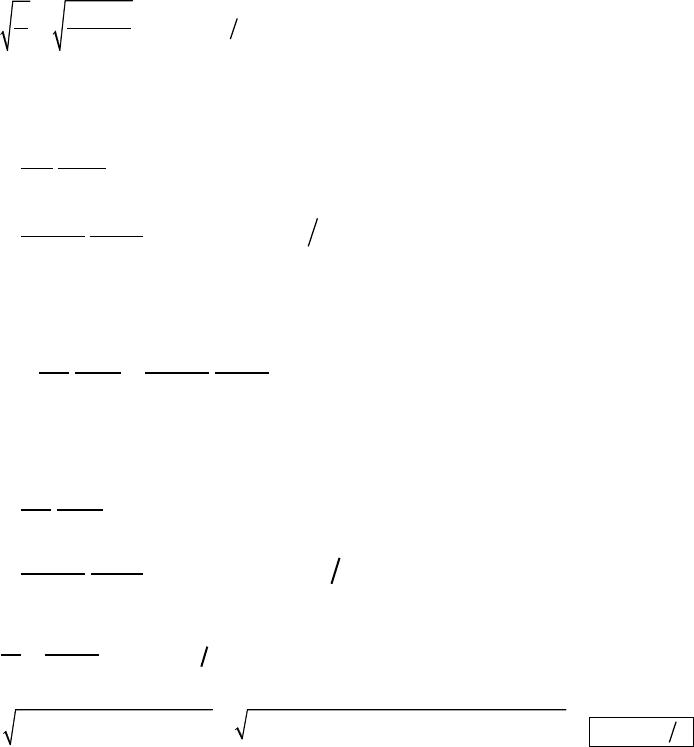
. What minimum delta-v is required to reduce the inclination to zero?
Problem 6.40 With a single impulsive maneuver, an earth satellite changes from a 400 km circular orbit
inclined at 60° to an elliptical orbit of eccentricity
e0.5
with an inclination of 40°. Calculate the mini-
mum required delta–v.