
Solutions Manual Orbital Mechanics for Engineering Students Third Edition Chapter 4

Solutions Manual Orbital Mechanics for Engineering Students Third Edition Chapter 4
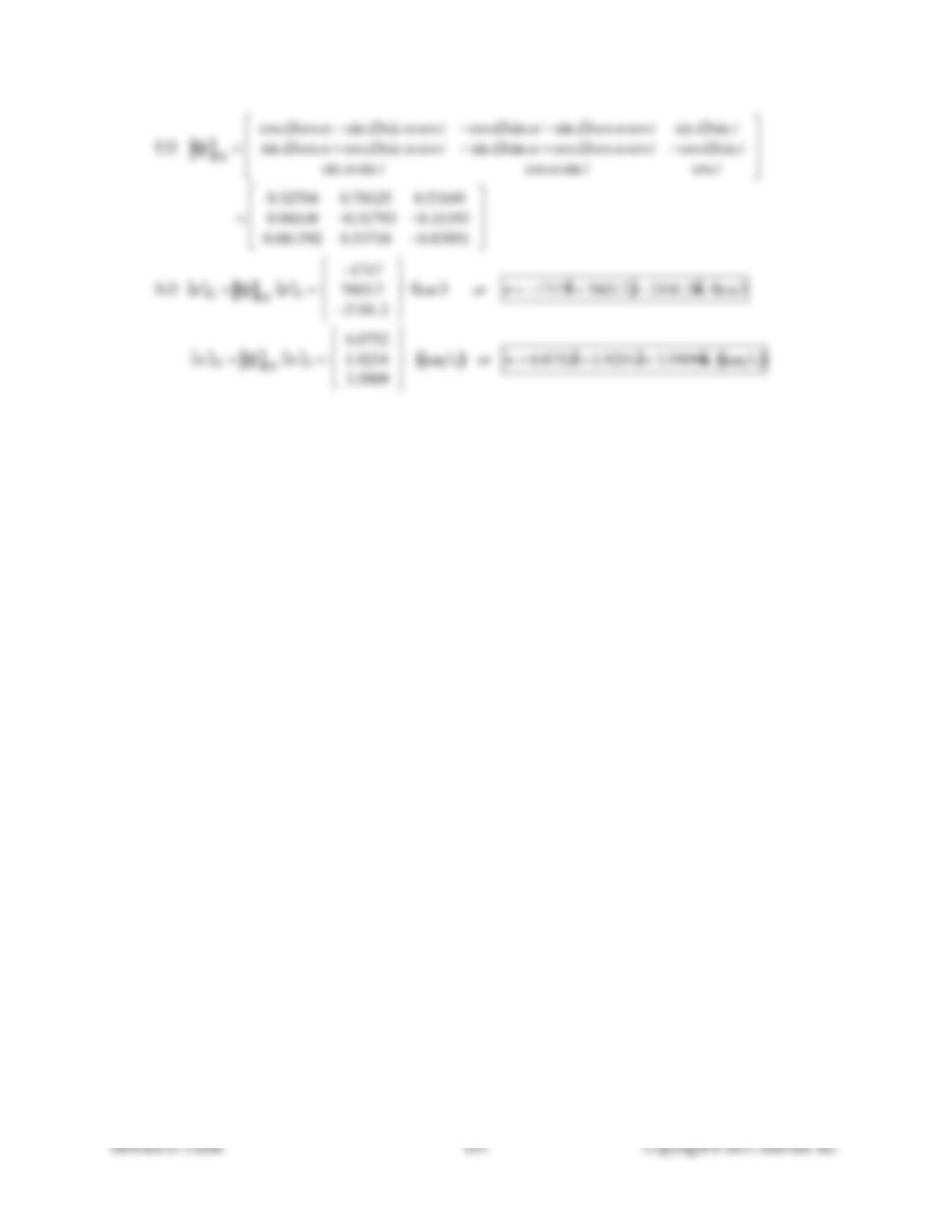
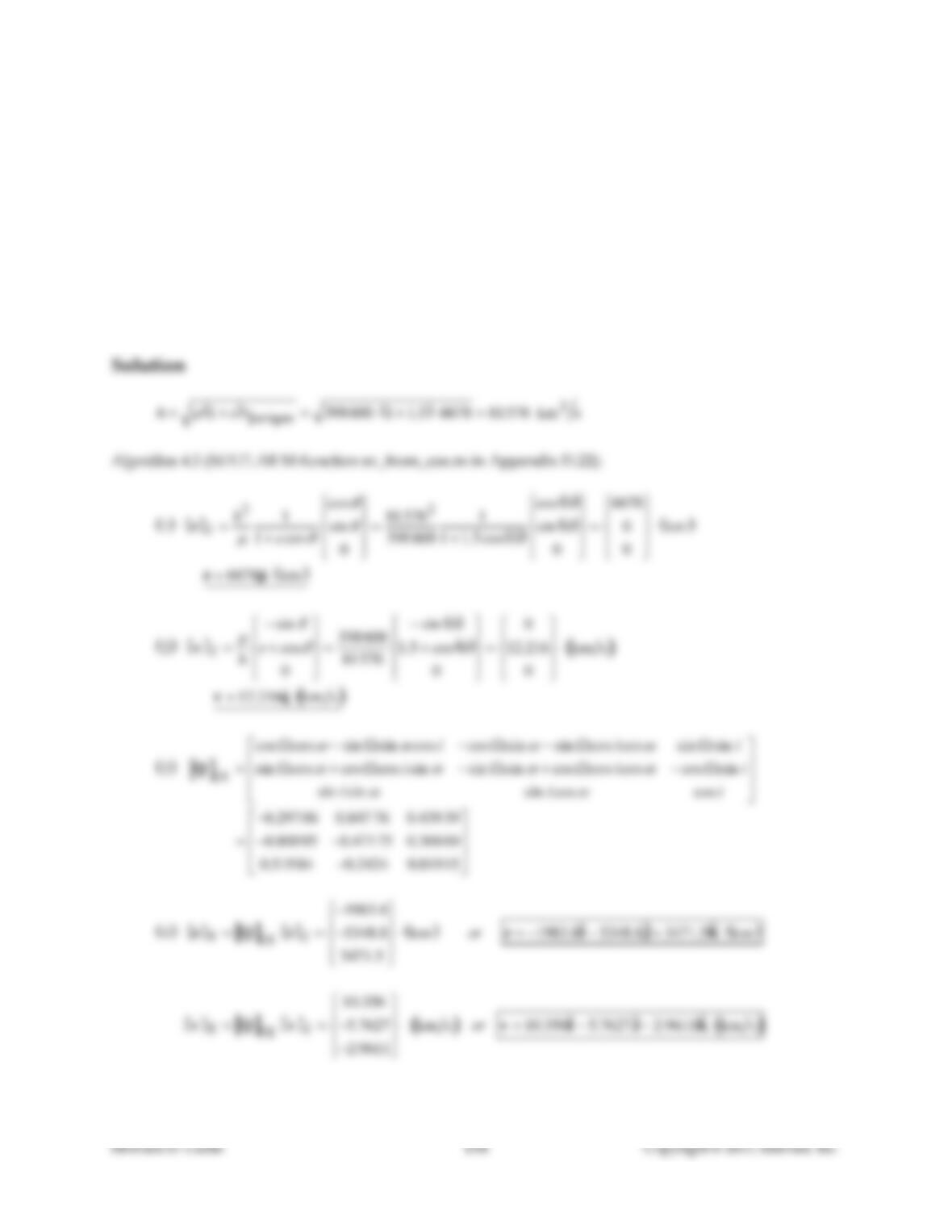
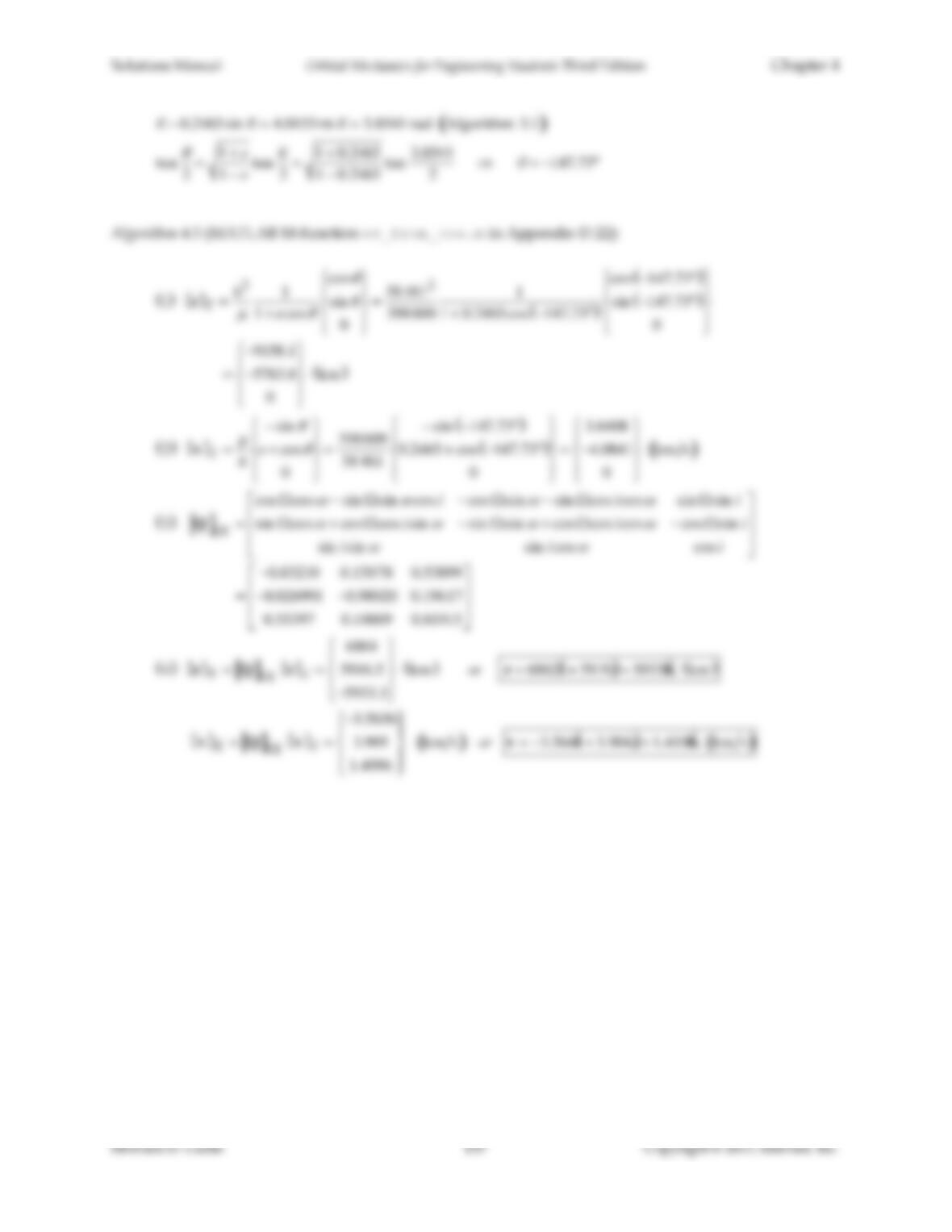
Problem 4.15 For a spacecraft, the following orbital parameters are given:
e1.5
perigee altitude = 300 km
i35
130
115
Calculate
r
and
v
at perigee relative to (a) the perifocal reference frame and (b) the geocentric equatorial
frame.
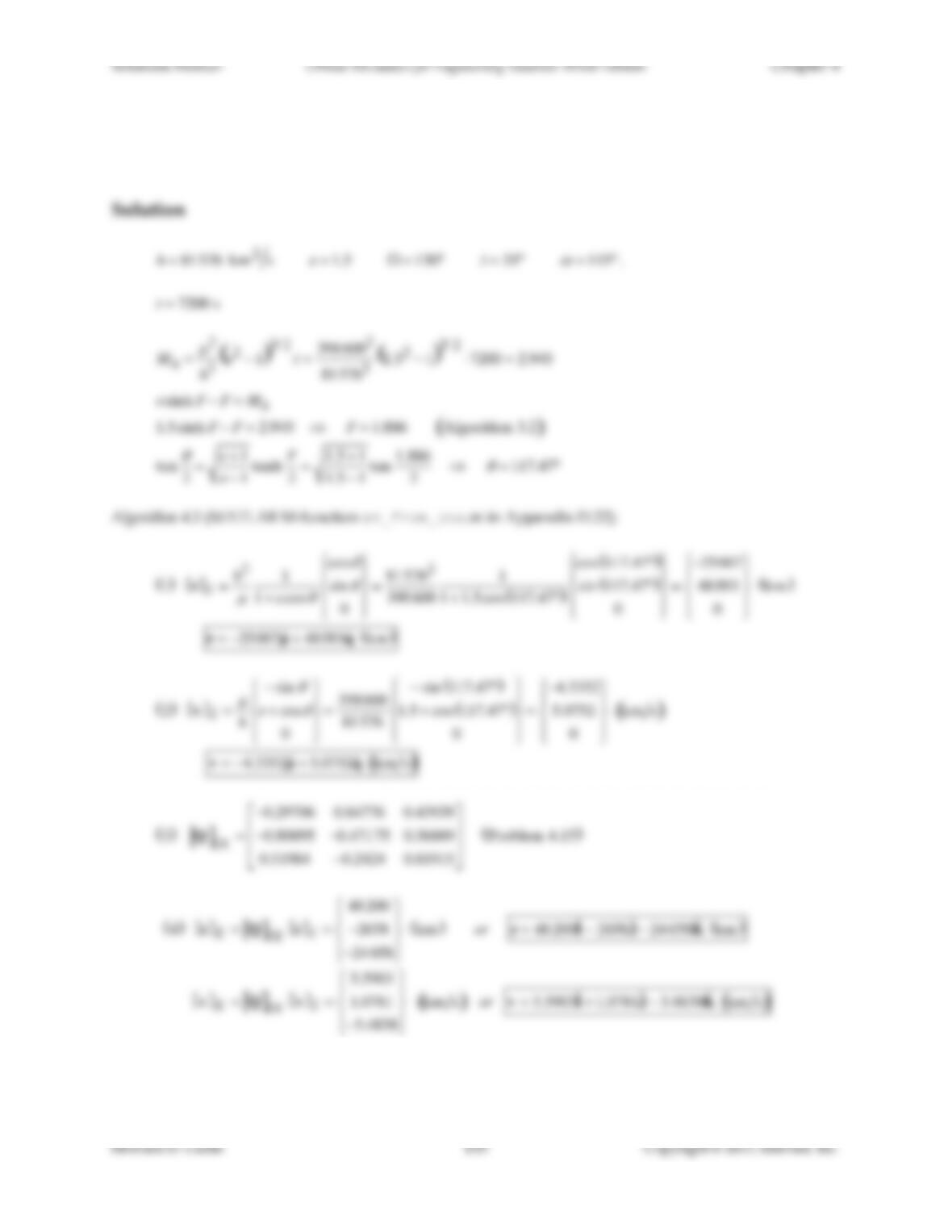

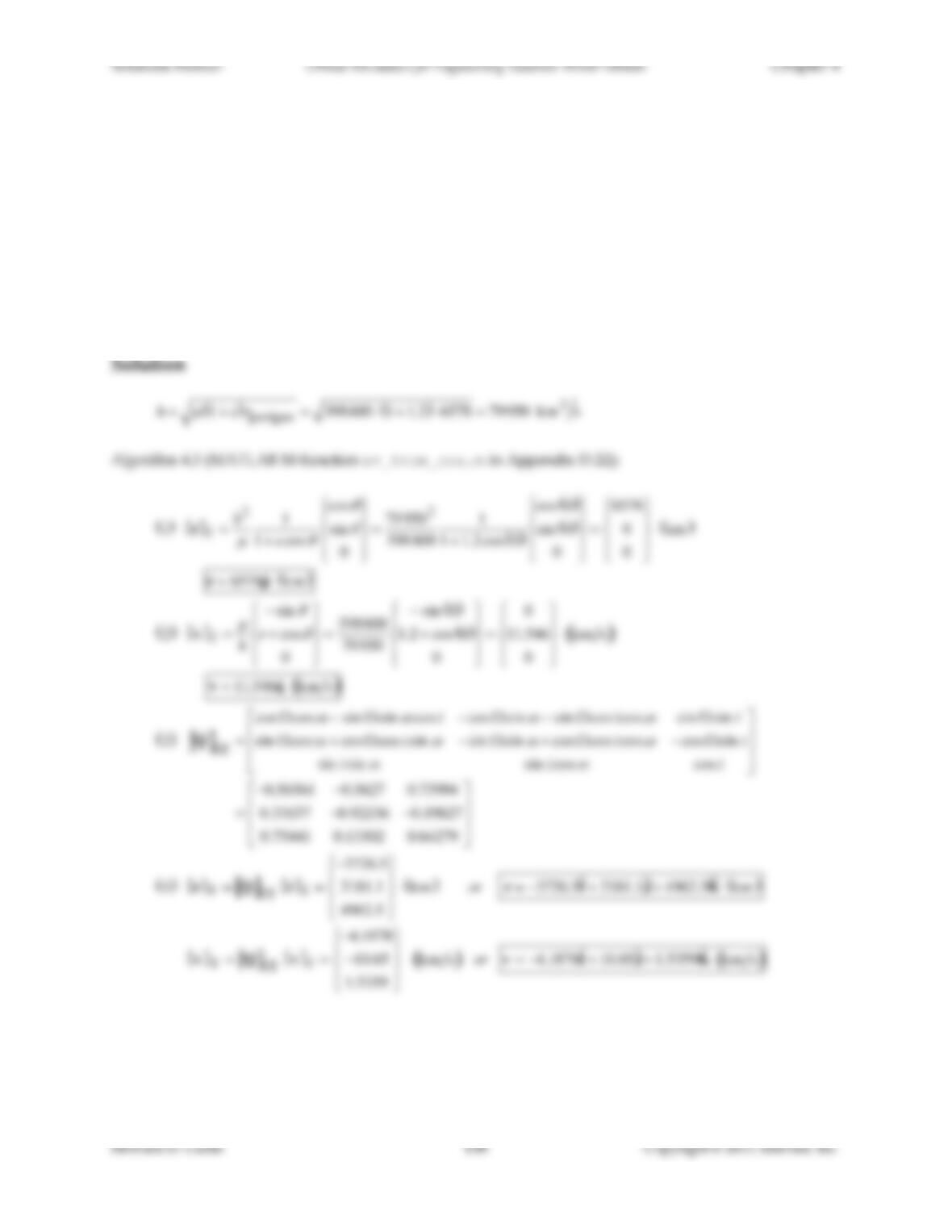
Problem 4.16 For the spacecraft of Problem 4.15 calculate
r
and
v
at two hours past perigee relative to
(a) the perifocal reference frame, and; (b) the geocentric equatorial frame.
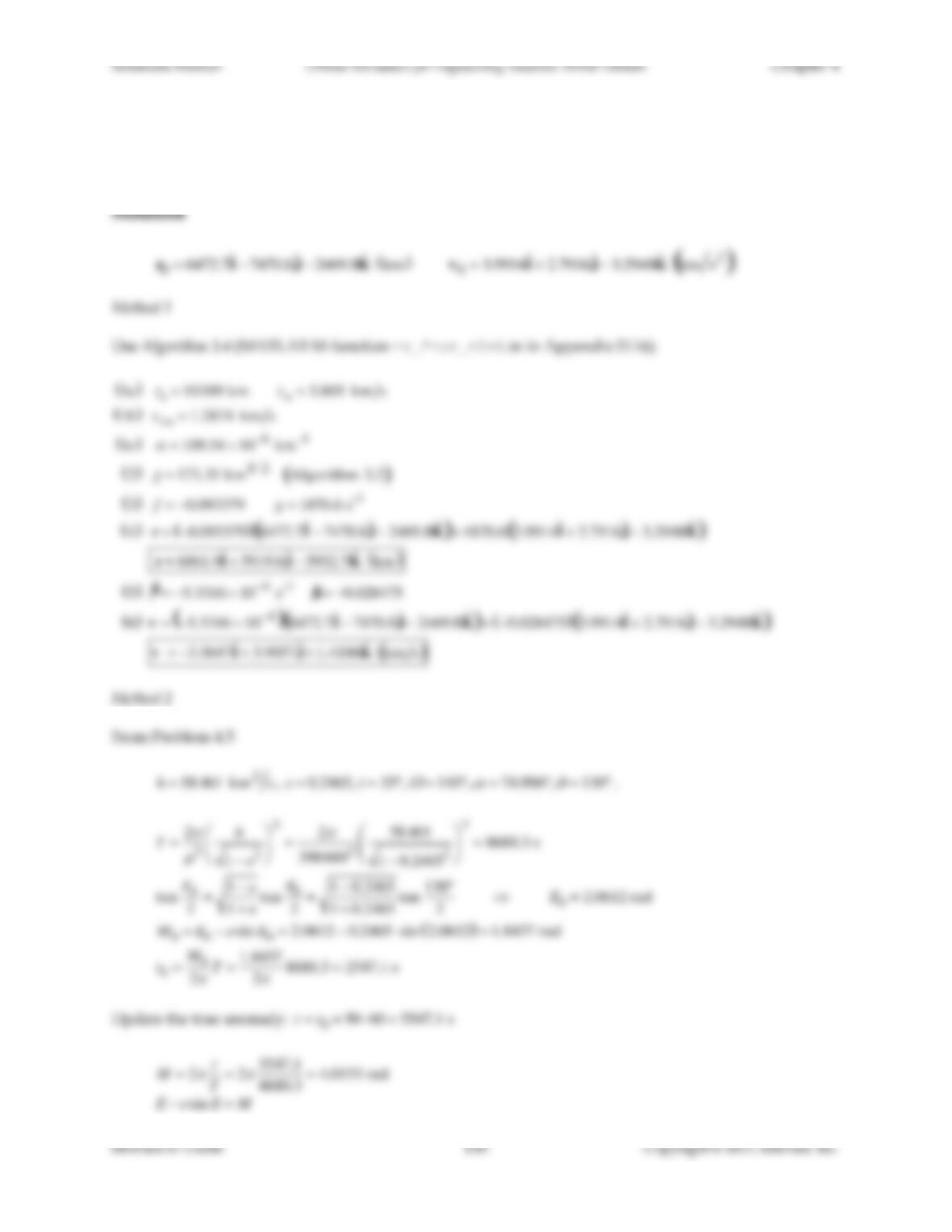

Problem 4.17 Calculate
r
and
v
for the satellite in Problem 4.5 at time
t050 minutes
. (
t00!
)
Eesin EM


Problem 4.18 For a spacecraft, the following orbital parameters are given:
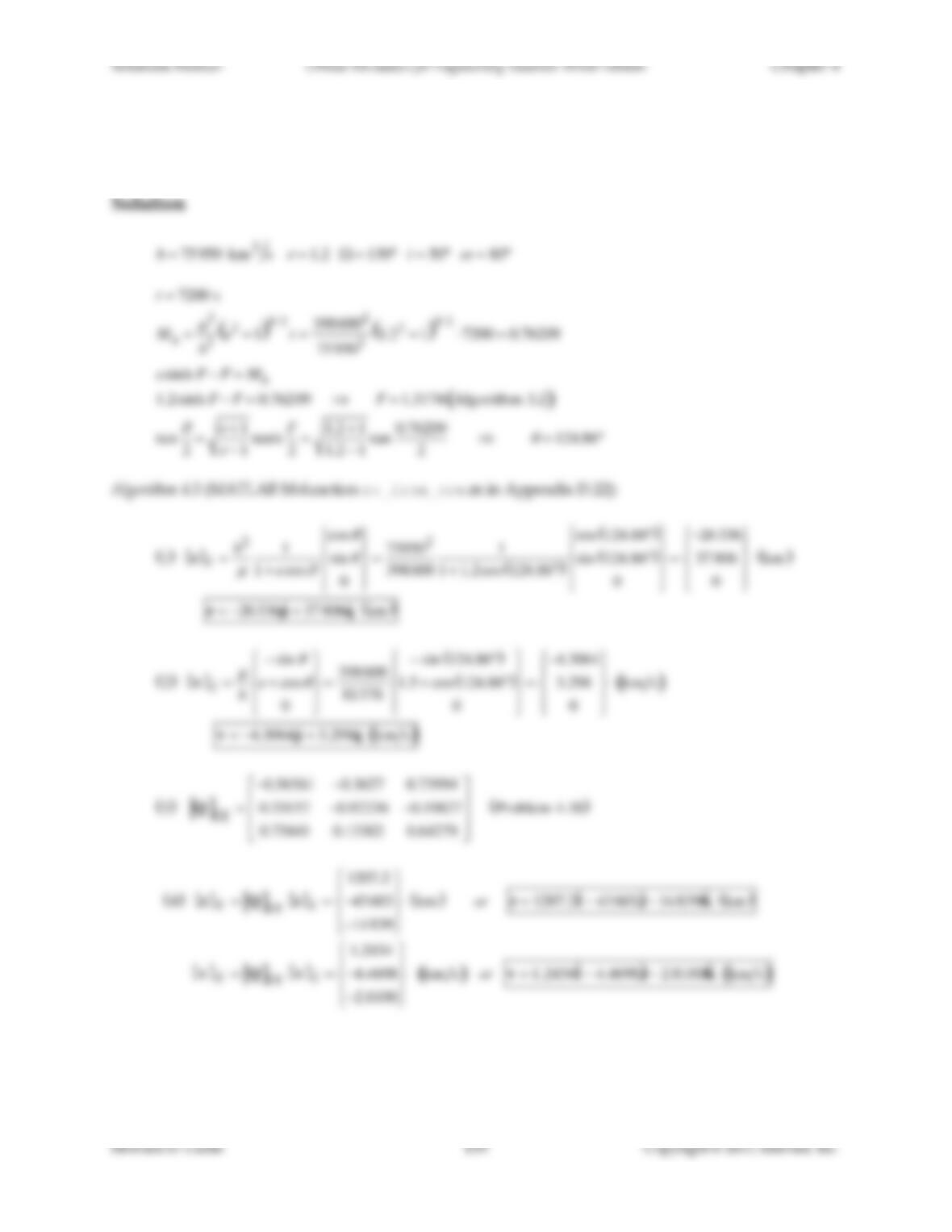
e1.2
perigee altitude = 200 km
i50
75
80
Calculate
r
and
v
at perigee relative to (a) the perifocal reference frame and (b) the geocentric equatorial
frame.

Problem 4.19 For the spacecraft of Problem 4.18 calculate
r
and
v
at two hours past perigee relative
to (a) the perifocal reference frame and (b) the geocentric equatorial frame.

Solutions Manual Orbital Mechanics for Engineering Students Third Edition Chapter 4
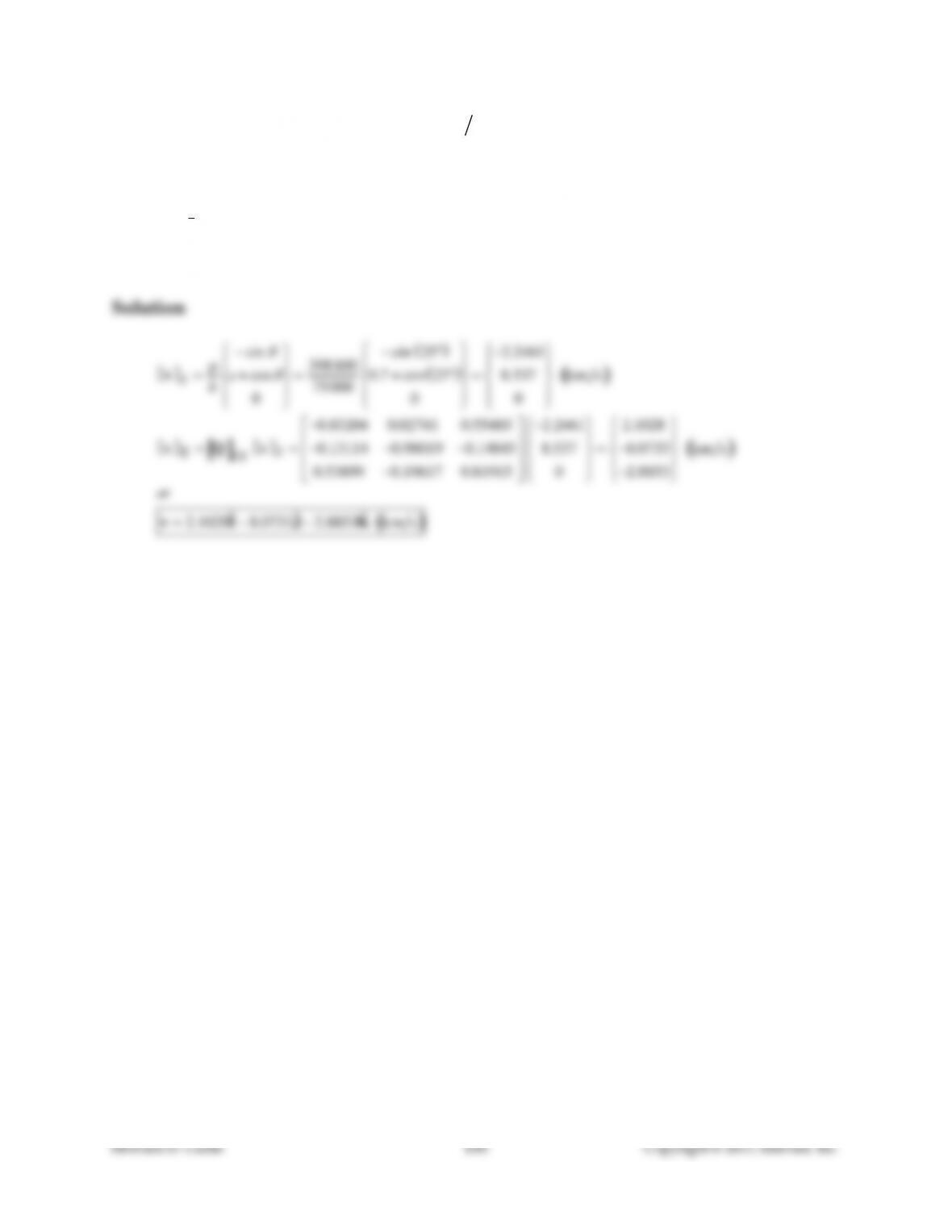
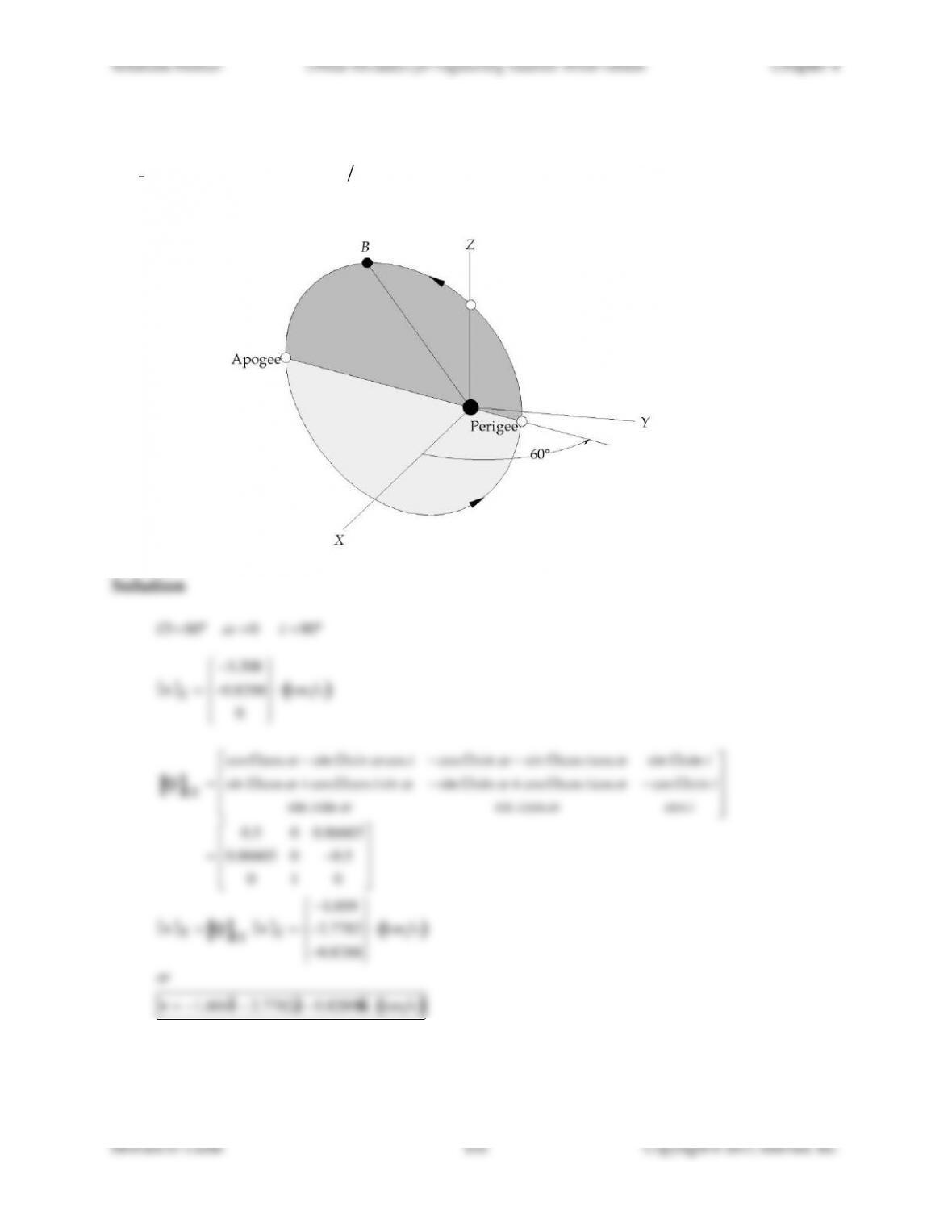
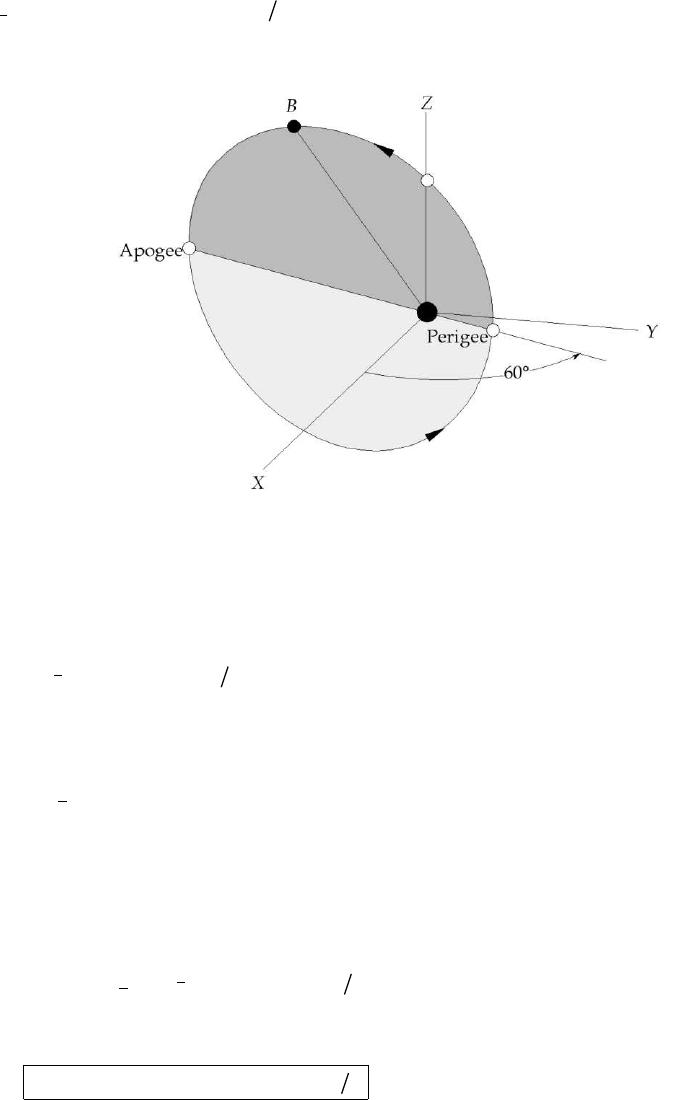
Problem 4.20 Given that
e0.7
,
h75 000 km2s
, and
25
, calculate the components of velocity
in the geocentric equatorial frame if:
Q
Xx
0.83204 0.13114 0.53899
0.02741 0.98019 0.19617
0.55403 0.14845 0.81915
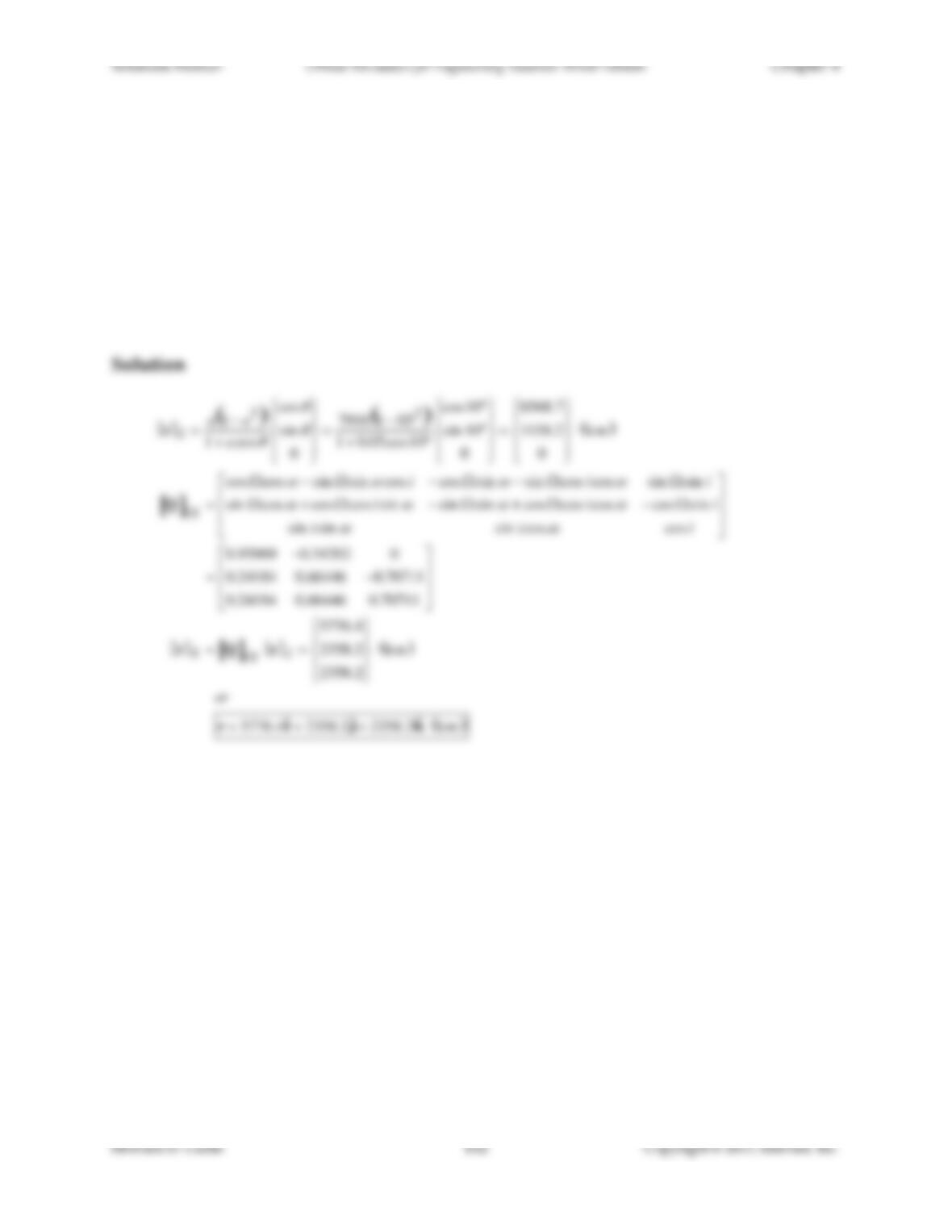
Problem 4.21 The apse line of the elliptical orbit lies in the XY plane of the geocentric equatorial frame,
whose Z-axis lies in the plane of the orbit. At B (for which
140
) the perifocal velocity vector is
v
x 3.208 0.8288 0
Tkm sec
. Calculate the geocentric-equatorial components of the velocity at
B.

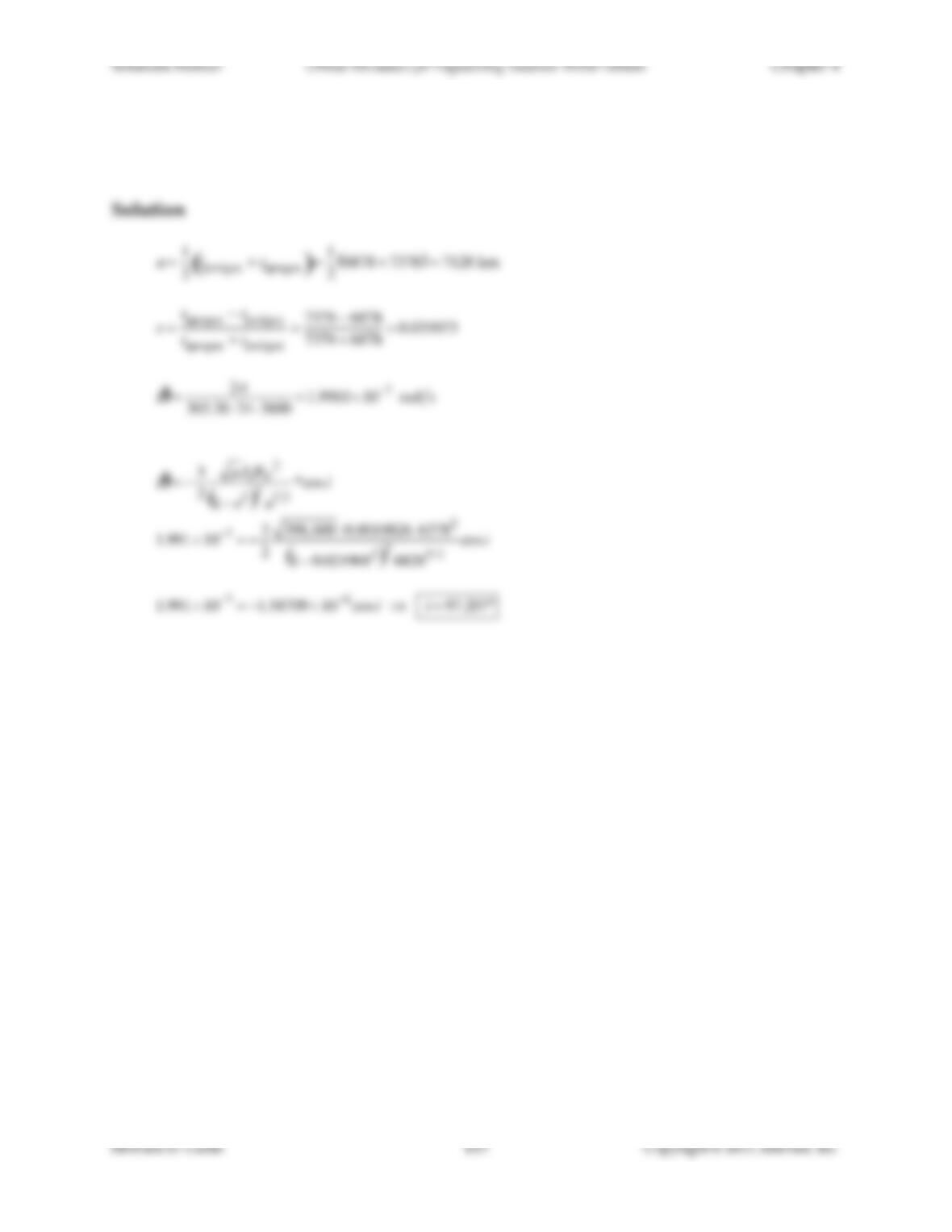
Problem 4.22 A satellite in earth orbit has the following orbital parameters:
a7016 km
e0.05
i45
0
20
10
Find the position vector in the geocentric-equatorial frame.
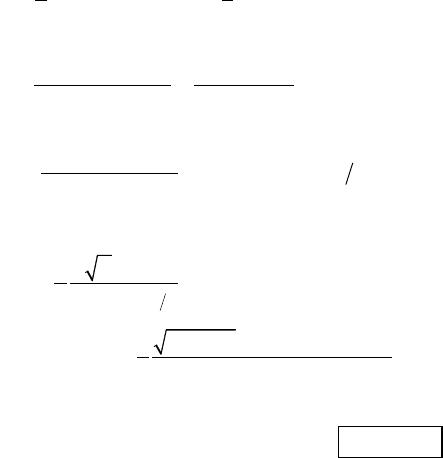
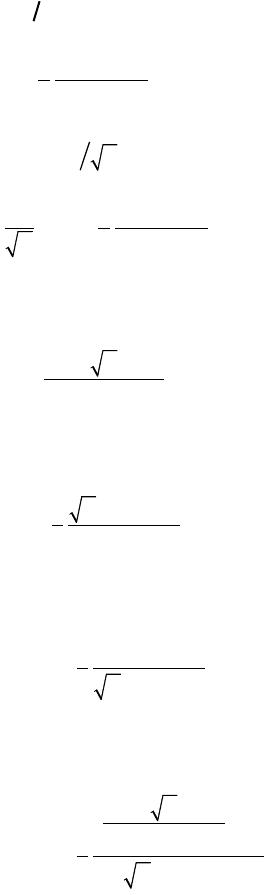
Problem 4.23 Calculate the orbital inclination required to place an earth satellite in a 300 km by 600 km
sun-synchronous orbit.
Solutions Manual Orbital Mechanics for Engineering Students Third Edition Chapter 4
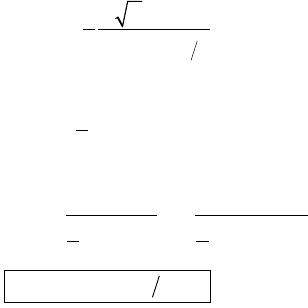
Problem 4.24 A satellite in a circular, sun-synchronous low earth orbit passes over the same point on
the equator once each day, at 12 o’clock noon. Calculate the inclination, altitude and period of the orbit.

Problem 4.25 The orbit of a satellite around an unspecified planet has an inclination of 45°, and its per-
igee advances at the rate of 6 degrees per day. At what rate does the node line regress?
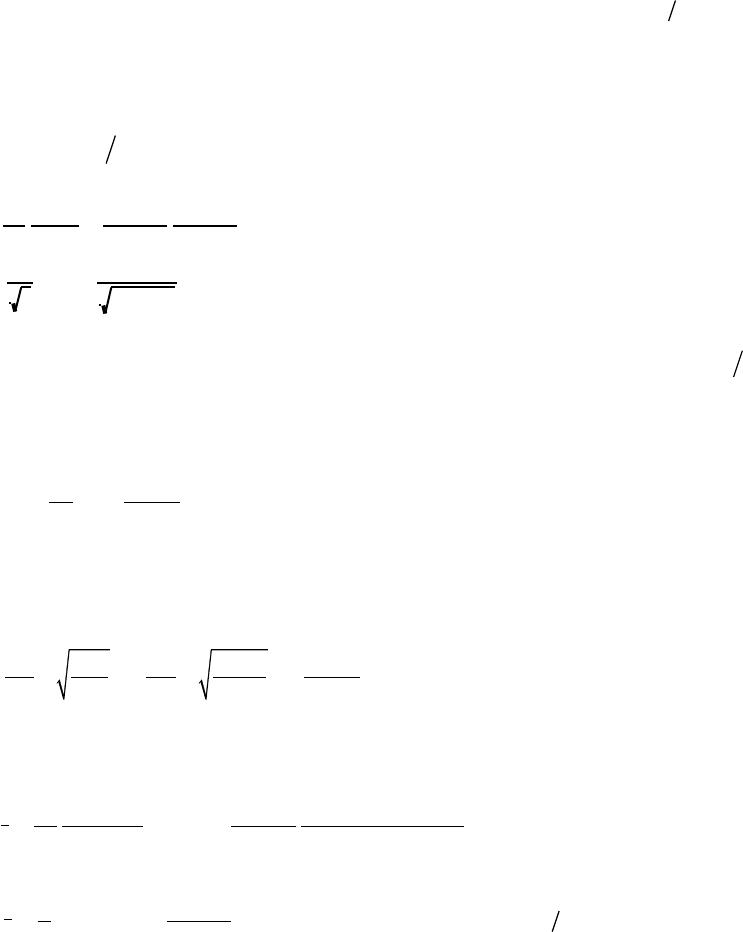
Problem 4.26 At a given time, the position and velocity of an earth satellite in the geocentric equatorial
frame are
r 2429.1ˆ
I4555.1ˆ
J4577.0 ˆ
K km
and
v 4.7689ˆ
I5.6113ˆ
J3.0535 ˆ
K km/ s
. Find
r
and
v
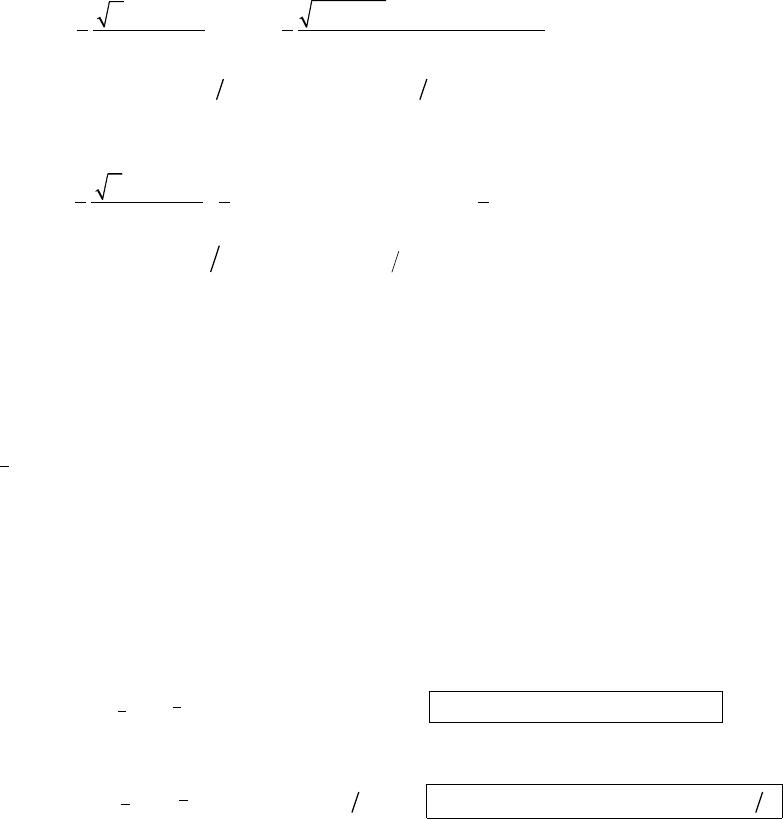
precisely 72 hours later, taking into consideration the node line regression and the advance of per-
igee.
39
1&
Update the transformation matrix between perifocal and geocentric equatorial coordinates:
Problem 4.27 The space shuttle is in a circular orbit of 180 km altitude and inclination 30°. What is the
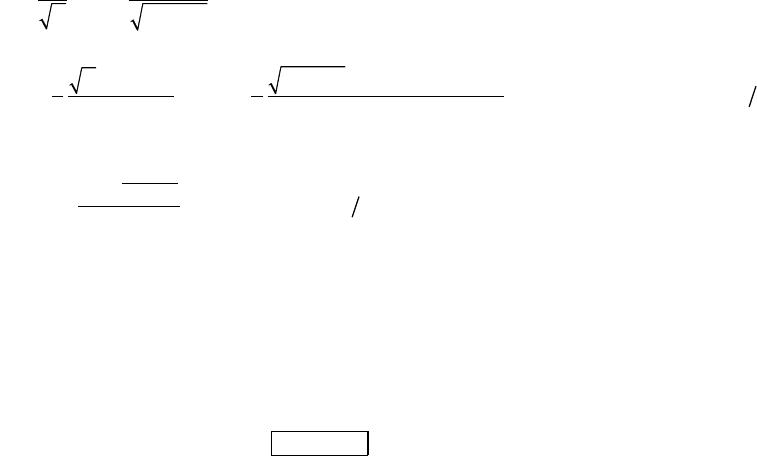
spacing, in kilometers, between successive ground tracks at the equator, including the effect of earth’s
oblateness?
The change in east longitude of the ascending node after 1 orbit of the satellite is: