
Solutions Manual Orbital Mechanics for Engineering Students Third Edition Chapter 3
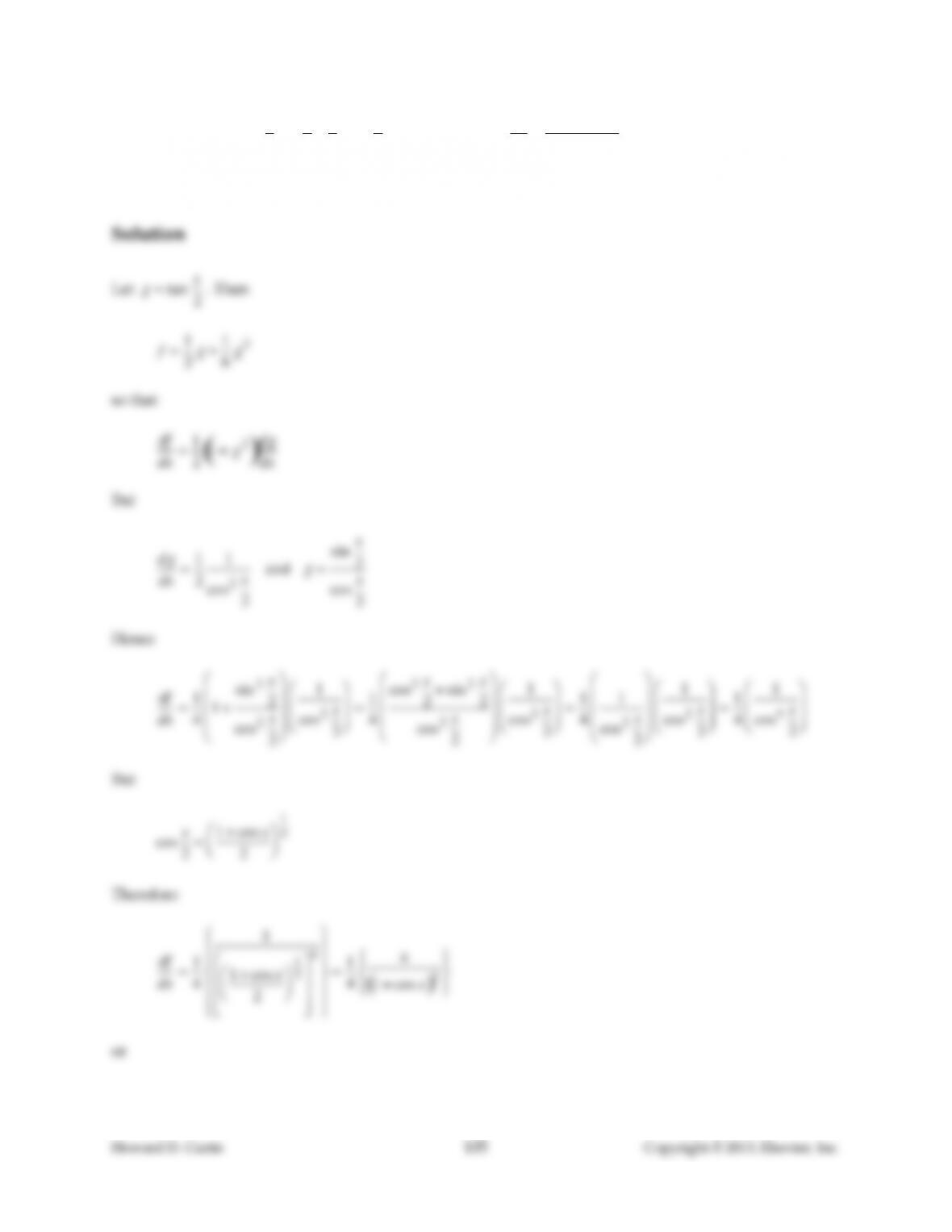
Problem 3.1 If
f1
2tan x
21
6tan 3x
2
, then show that
df
dx 1
1cos x
2
, thereby verifying the integral
in Equation 3.4.


Solutions Manual Orbital Mechanics for Engineering Students Third Edition Chapter 3
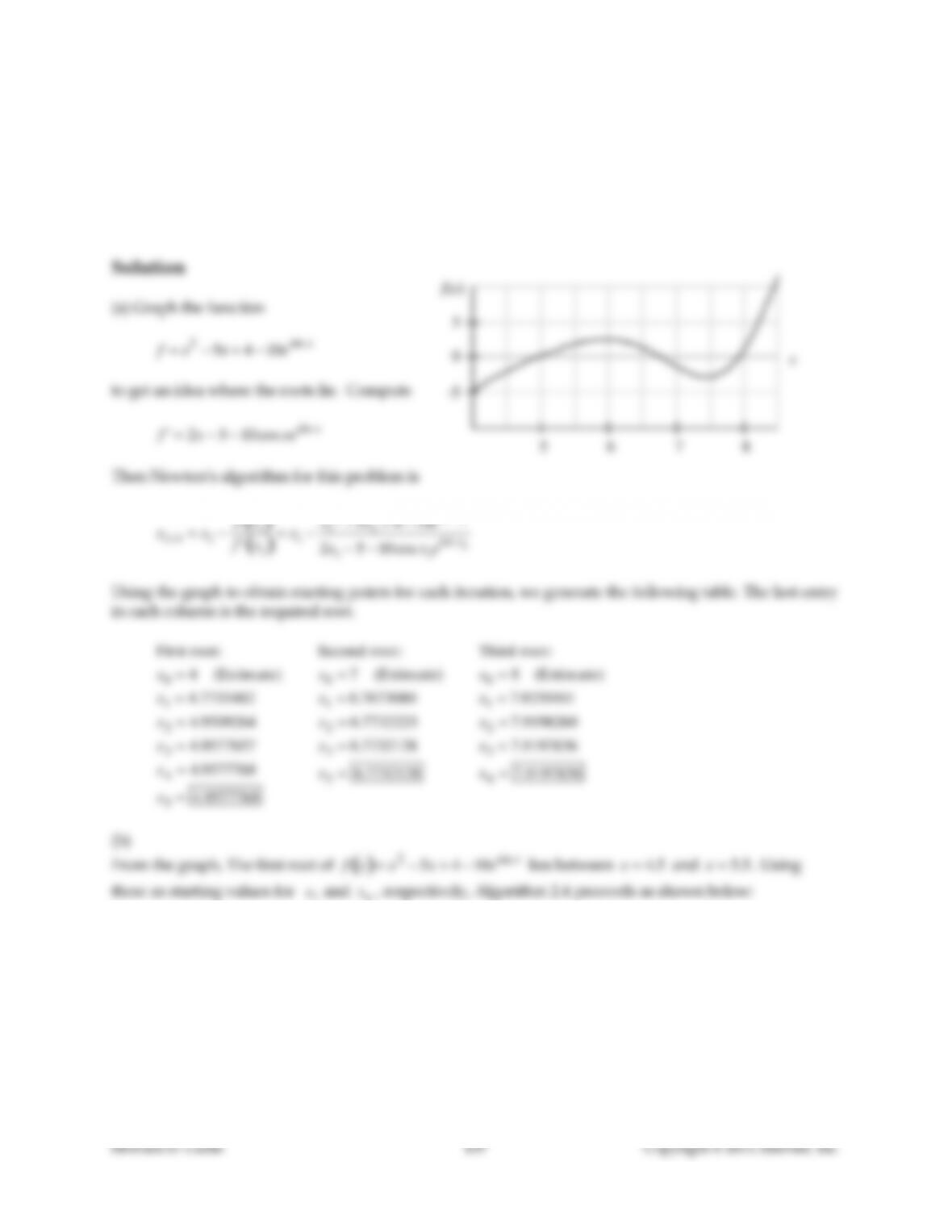
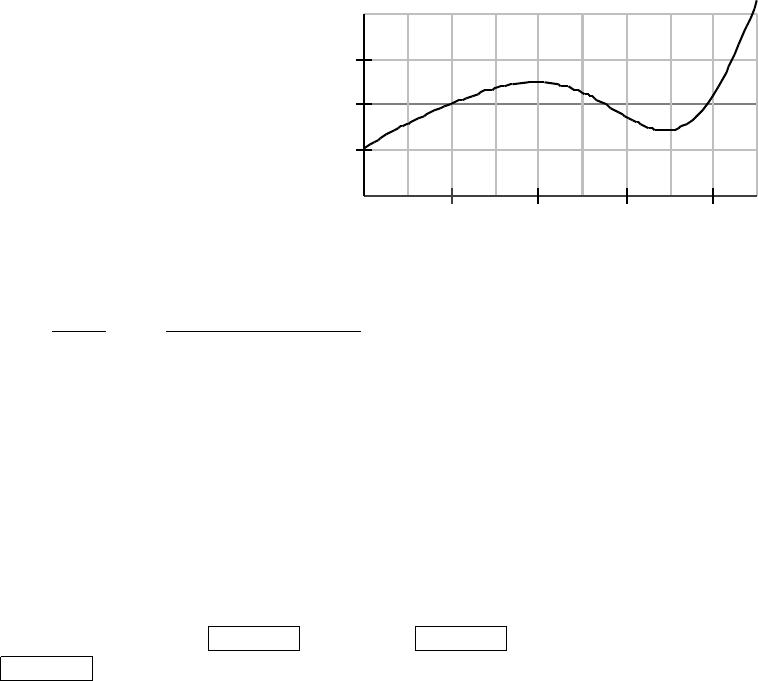
Problem 3.2 Find the three positive roots of the equation
10esin xx25x4
to eight significant
figures. Use:
(a) Newton’s method.
(b) Bisection method.
25xi410esin xi
xl
xu
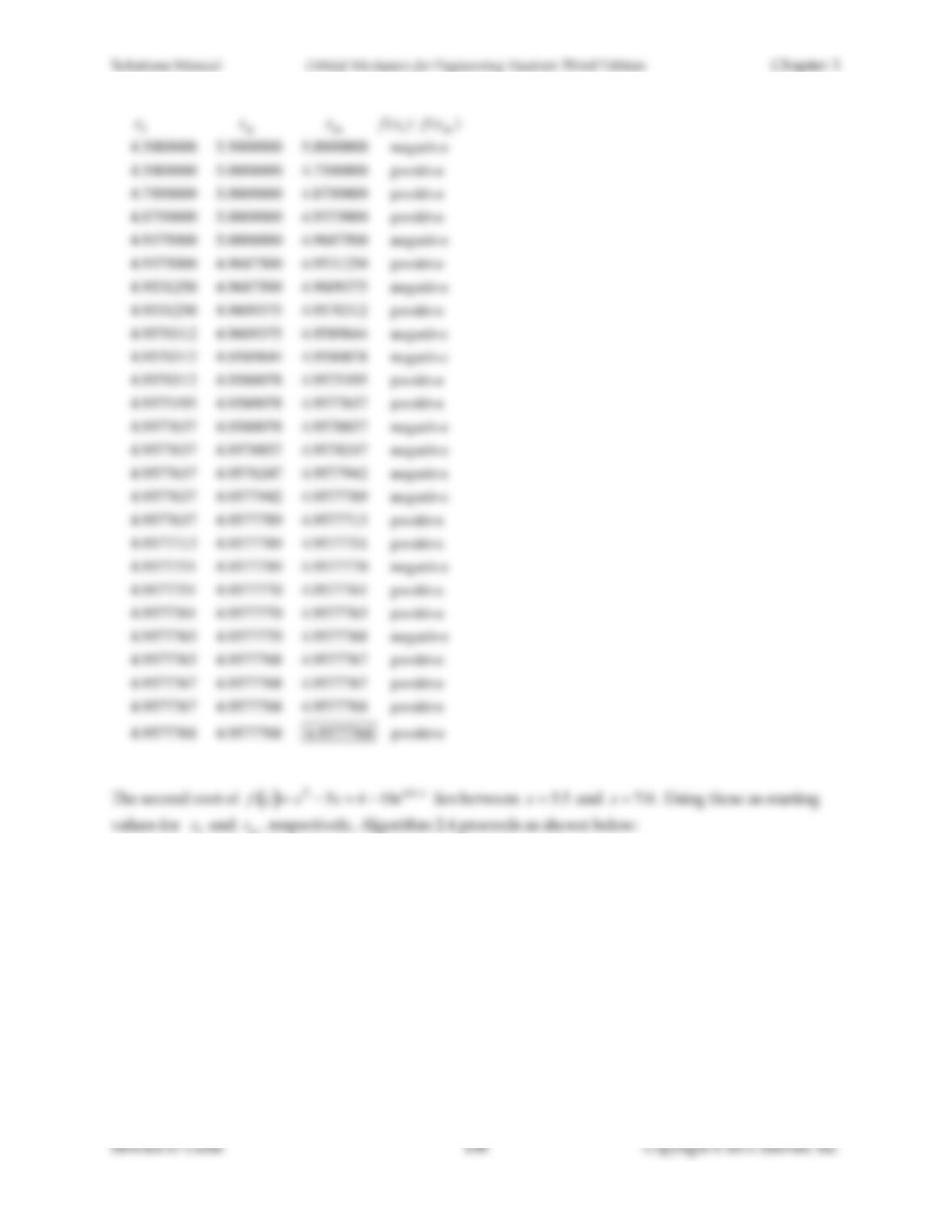

xl
xu

Solutions Manual Orbital Mechanics for Engineering Students Third Edition Chapter 3

Solutions Manual Orbital Mechanics for Engineering Students Third Edition Chapter 3
Solutions Manual Orbital Mechanics for Engineering Students Third Edition Chapter 3
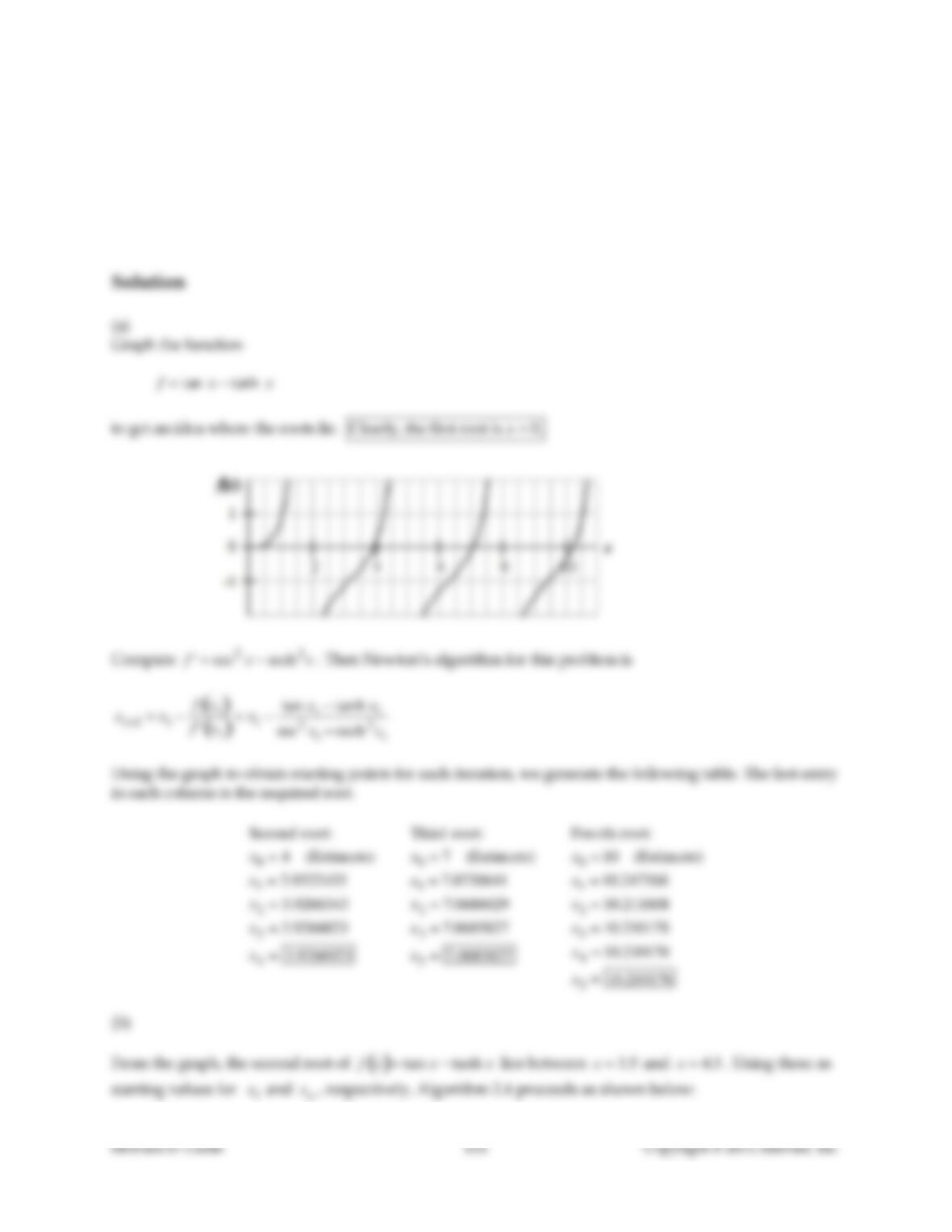
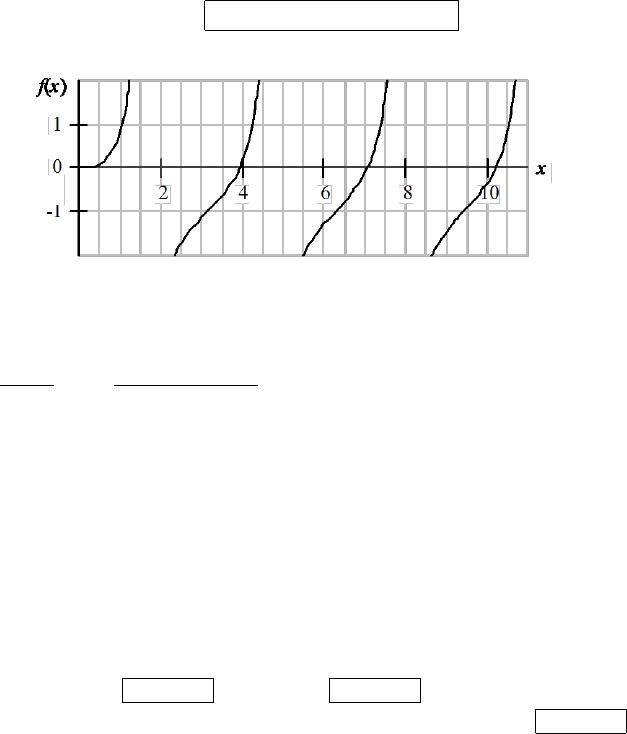
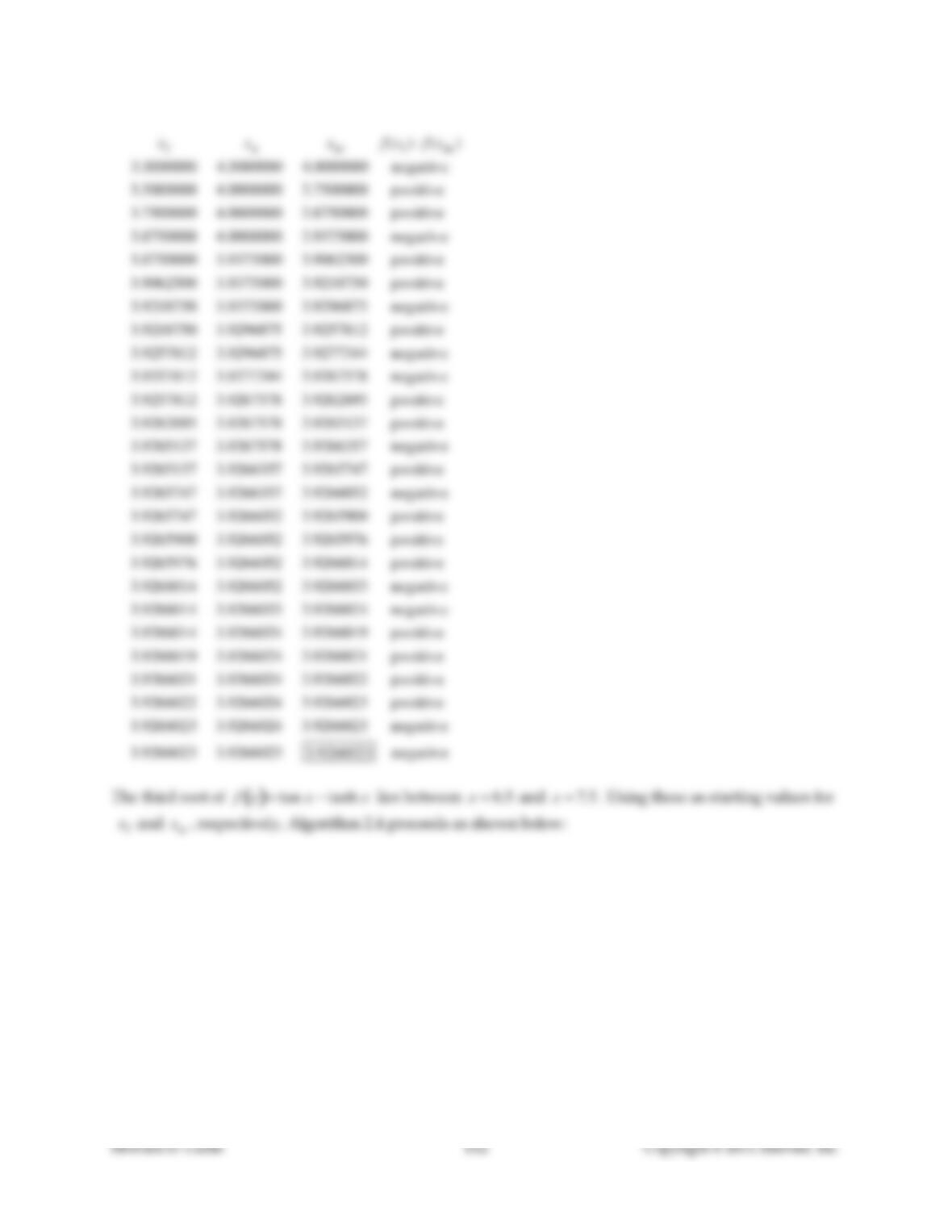
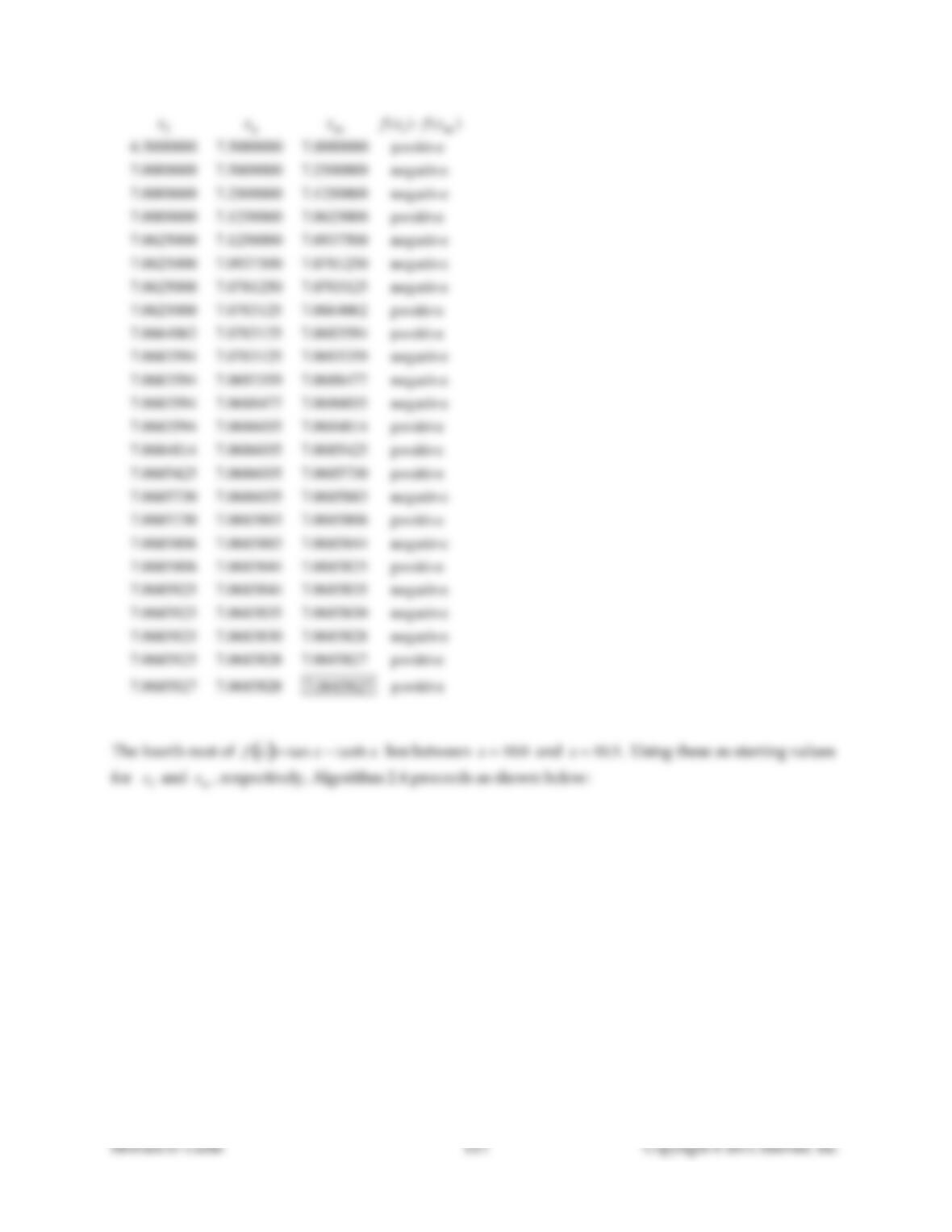
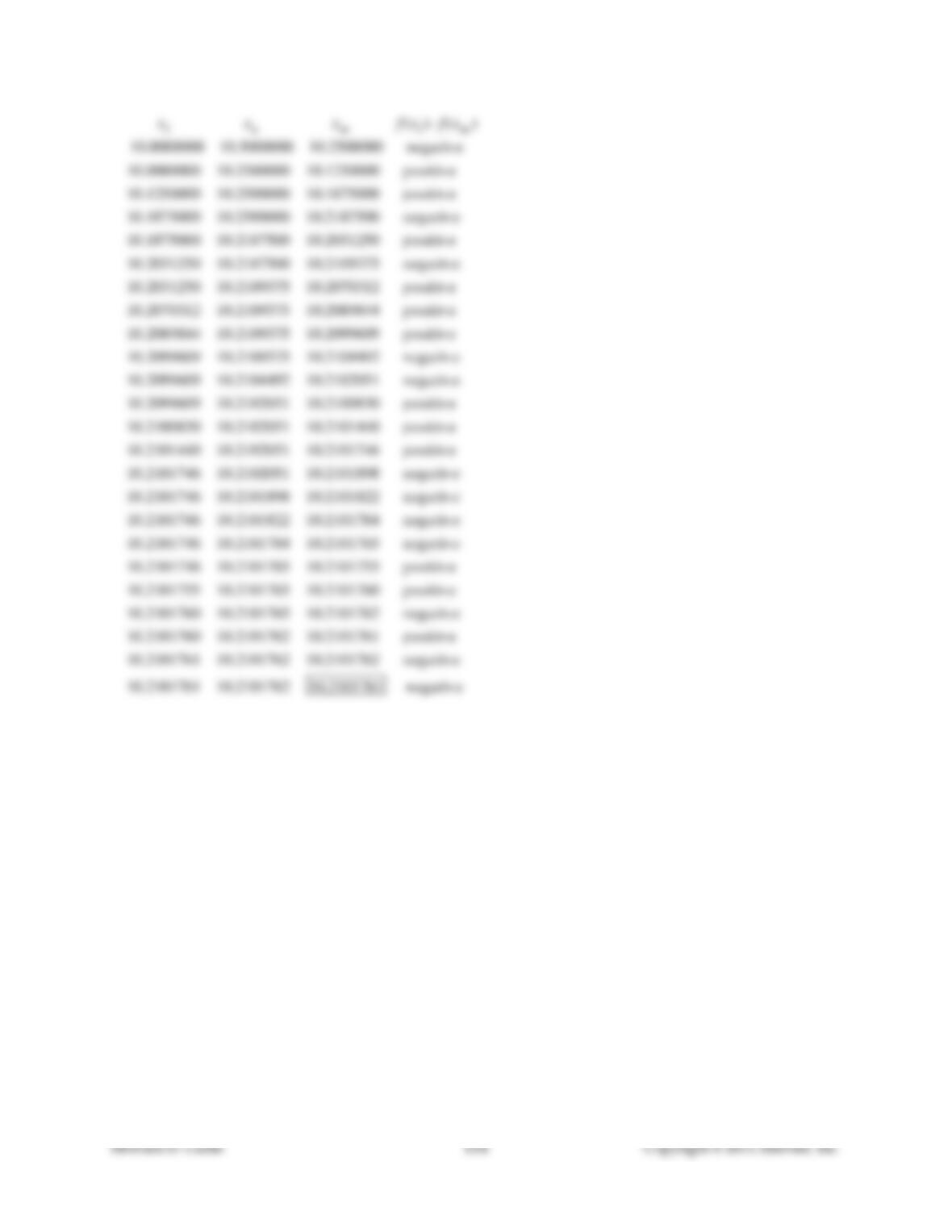
Problem 3.3 Find the first four non-negative roots of the equation
tan x
tanh x
to eight
significant figures. Use:
(a) Newton’s method.
(b) Bisection method.

Solutions Manual Orbital Mechanics for Engineering Students Third Edition Chapter 3

Solutions Manual Orbital Mechanics for Engineering Students Third Edition Chapter 3

Solutions Manual Orbital Mechanics for Engineering Students Third Edition Chapter 3
Solutions Manual Orbital Mechanics for Engineering Students Third Edition Chapter 3
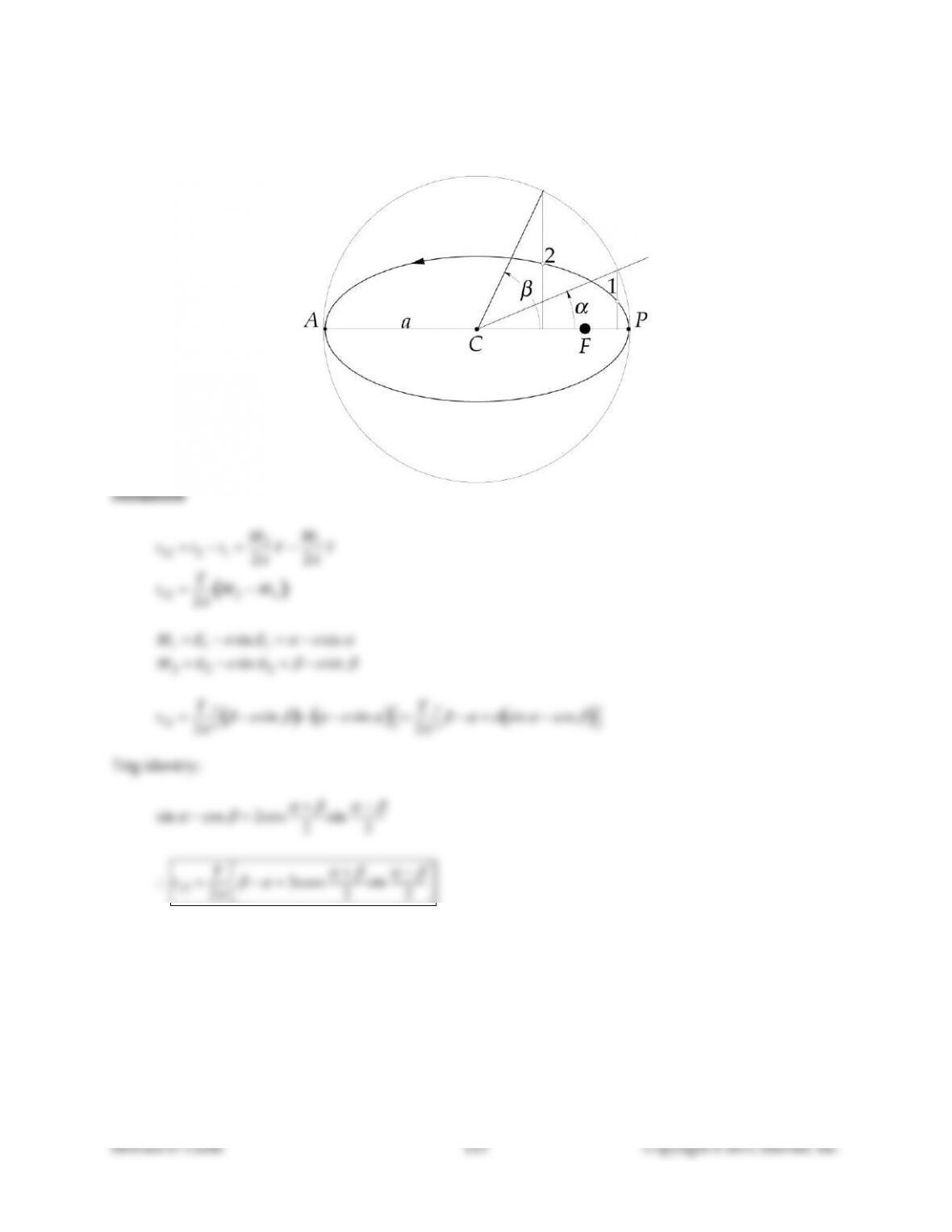
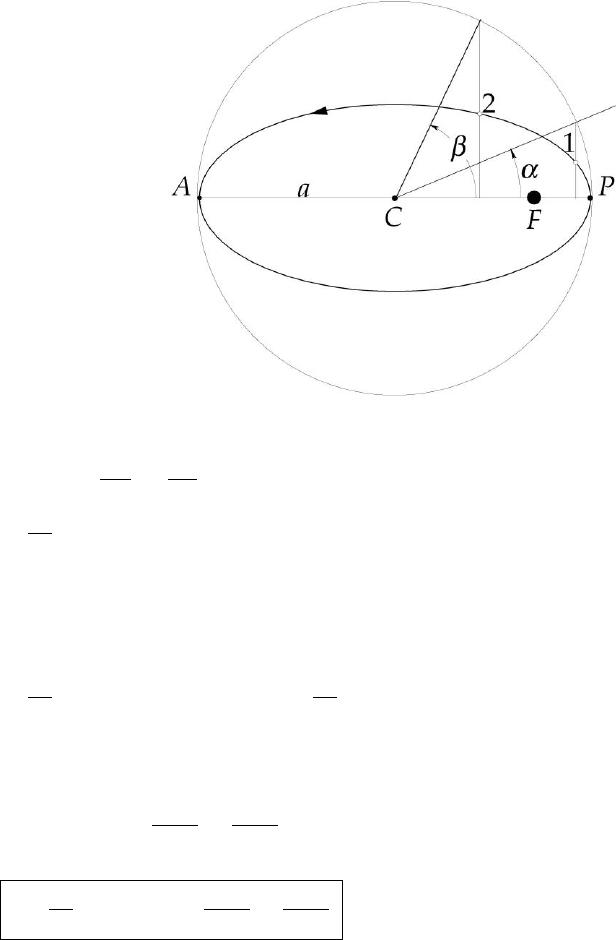
Problem 3.4 In terms of the eccentricity e, the period T and the angles
and
(in radians) find the
time t required to fly from point 1 to point 2 on the ellipse. C is the center of the ellipse.
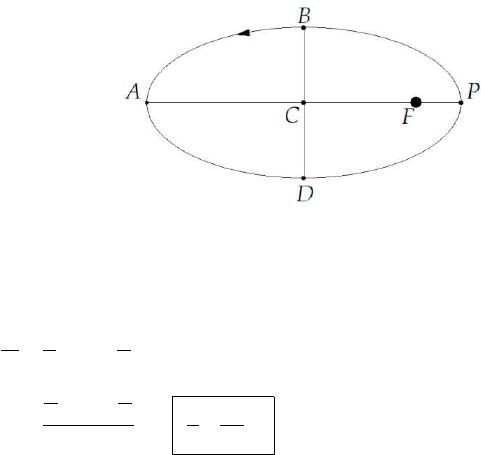
Problem 3.5 Calculate the time required to fly from P to B, in terms of the eccentricity e and the period
T. B lies on the minor axis.
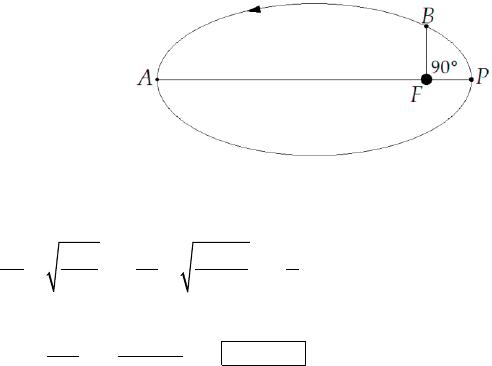
Problem 3.6 If the eccentricity of the elliptical orbit is 0.3, calculate, in terms of the period T, the time
required to fly from P to B.
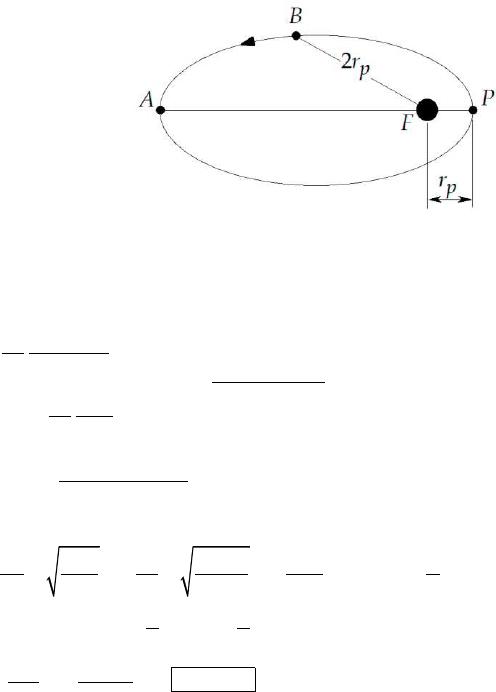
Problem 3.7 If the eccentricity of the elliptical orbit is 0.5, calculate, in terms of the period T, the time
required to fly from P to B.
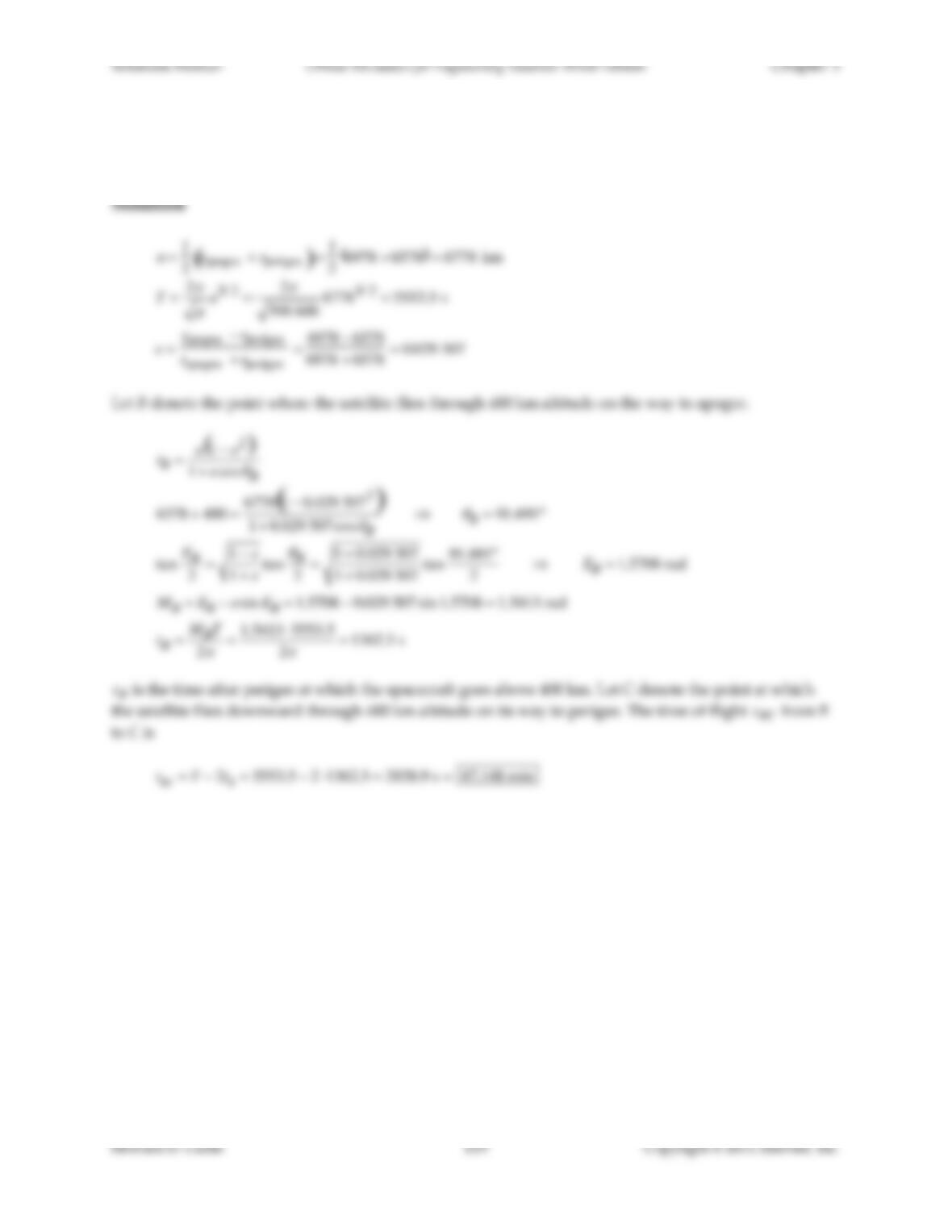
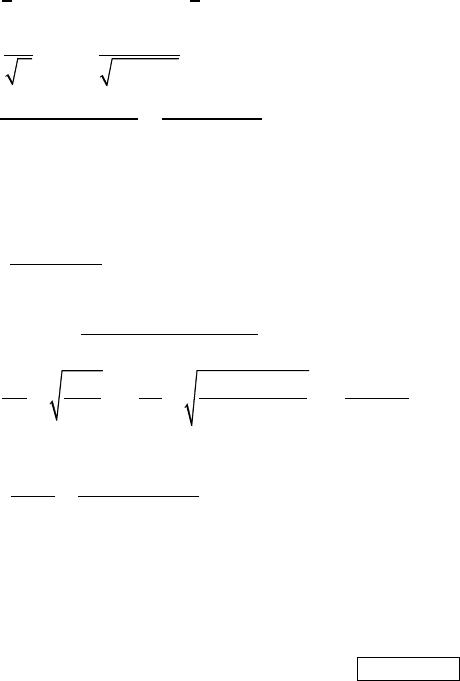
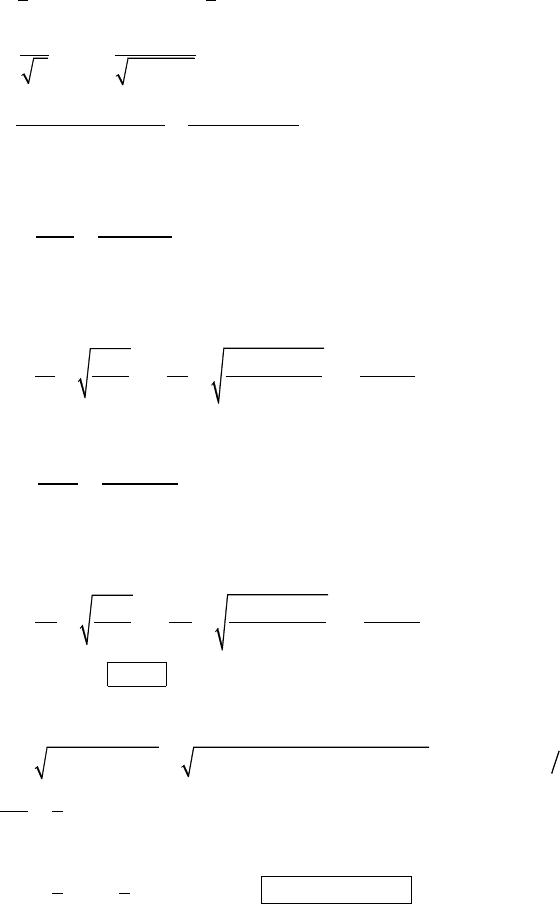
Problem 3.8 A satellite is in earth orbit for which the perigee altitude is 200 km and the apogee altitude
is 600 km. Find the time interval during which the satellite remains above an altitude of 400 km.
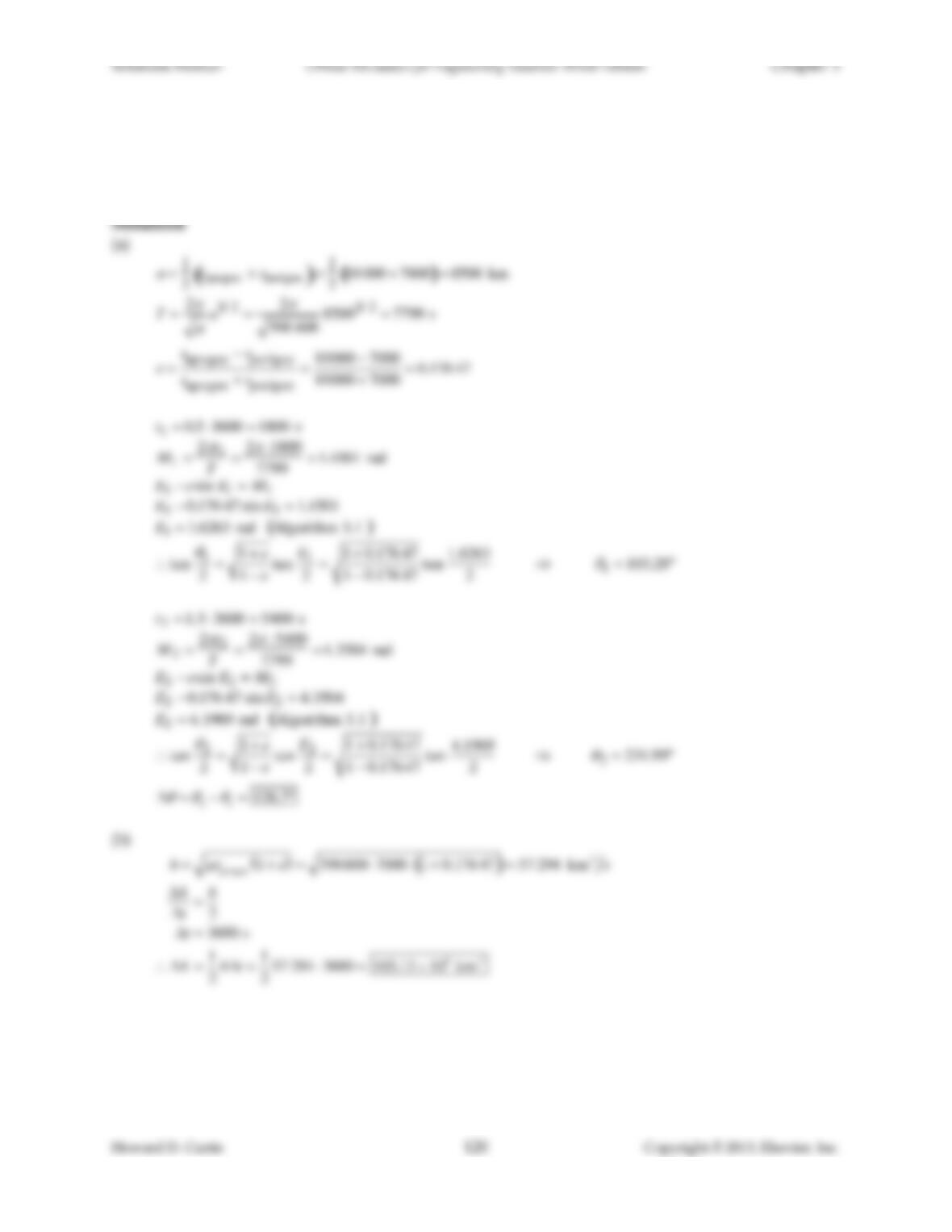
Problem 3.9 An earth-orbiting satellite has a perigee radius of 7000 km and an apogee radius of 10 000
km. (a) What true anomaly
is swept out between t = 0.5 hr and t = 1.5 hr after perigee passage? (b)
What area is swept out by the position vector during that time interval?