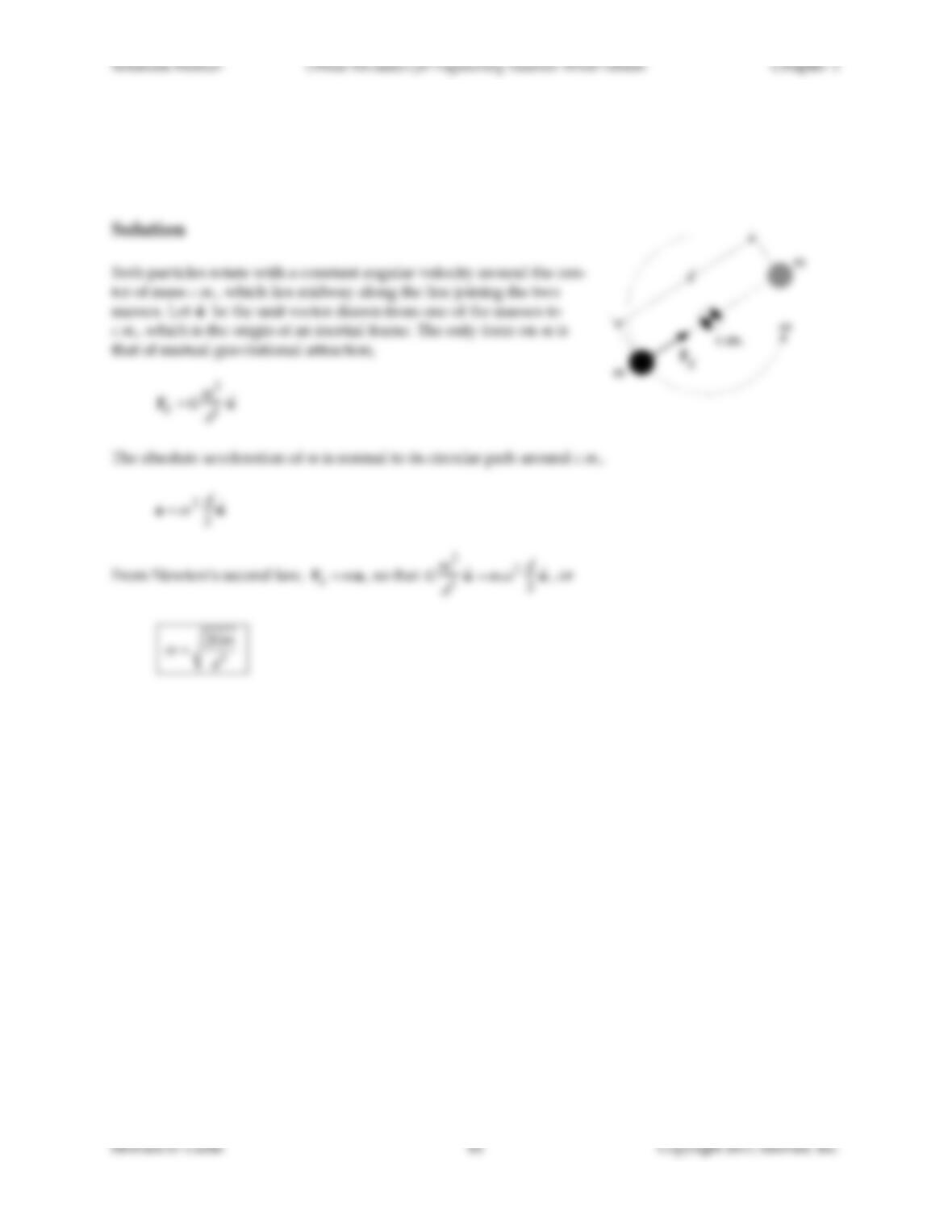
Problem 2.1 Two particles of identical mass m are acted on only by the gravitational force of one upon
the other. If the distance d between the particles is constant, what is the angular velocity of the line joining
them? Use Newton’s second law with the center of mass of the system as the origin of the inertial frame.
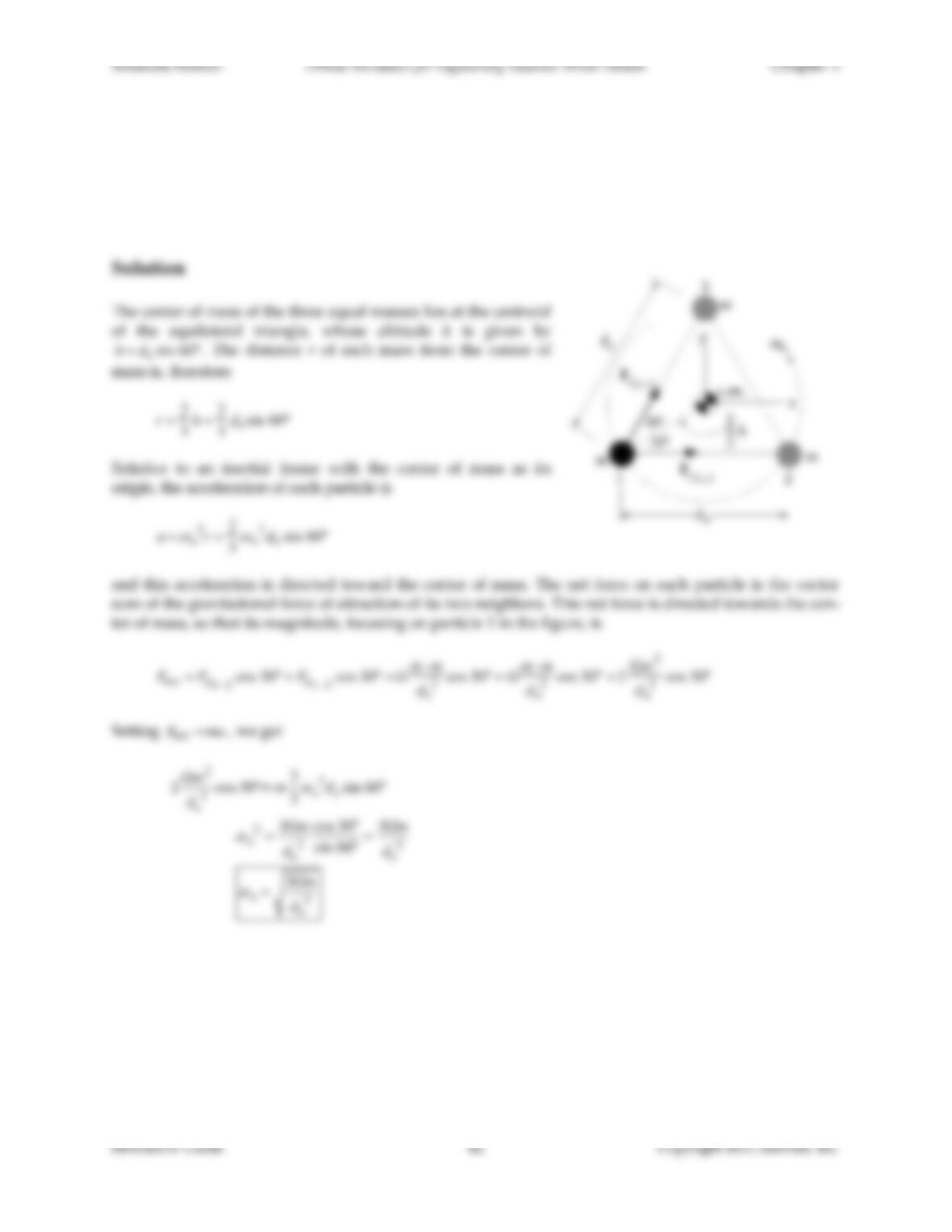
Problem 2.2 Three particles of identical mass m are acted on only by their mutual gravitational attrac-
tion. They are located at the vertices of an equilateral triangle with sides of length d. Consider the motion
of any one of the particles about the system center of mass G and, using G as the origin of the inertial
frame, employ Newton’s second law to determine the angular velocity
required for d to remain con-
stant.
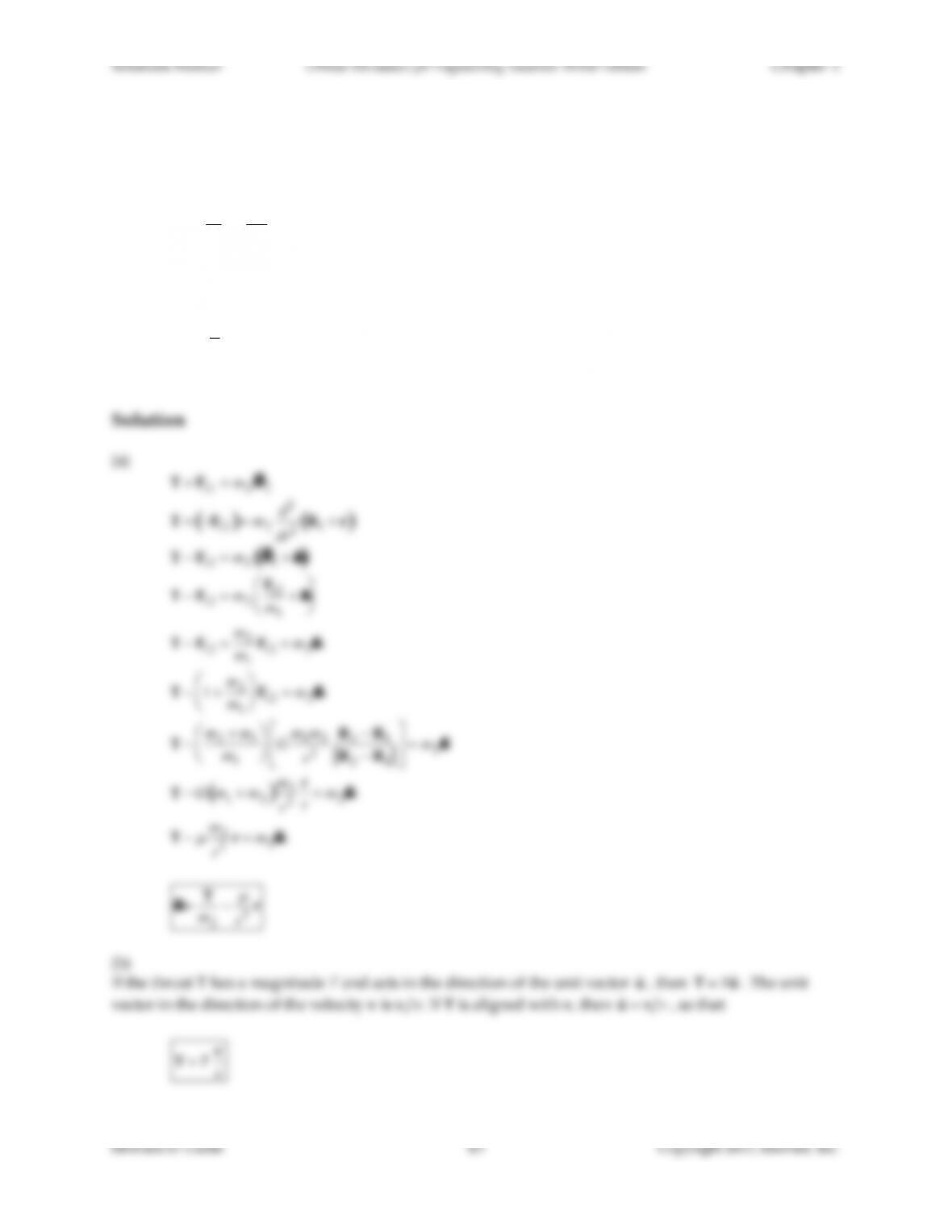
Problem 2.3 Consider the two-body problem illustrated in Figure 2.1. If a force T (such as rocket
thrust) acts on
m2
in addition to the mutual force of gravitation
F
12
, show that:
(a) The equation of motion of
m2
relative to
m1
becomes:
&&
r
r3rT
m2
.
(b) If the thrust vector T has magnitude T and is aligned with the velocity vector v, then:
TTv
v
.
v
Problem 2.4 At a given instant
t0
, an earth-orbiting satellite has the inertial position and velocity vec-
tors
r
03207ˆ
i5459ˆ
j2714 ˆ
k km
and
v0 6.532ˆ
i0.7835ˆ
j6.142 ˆ
kkm s
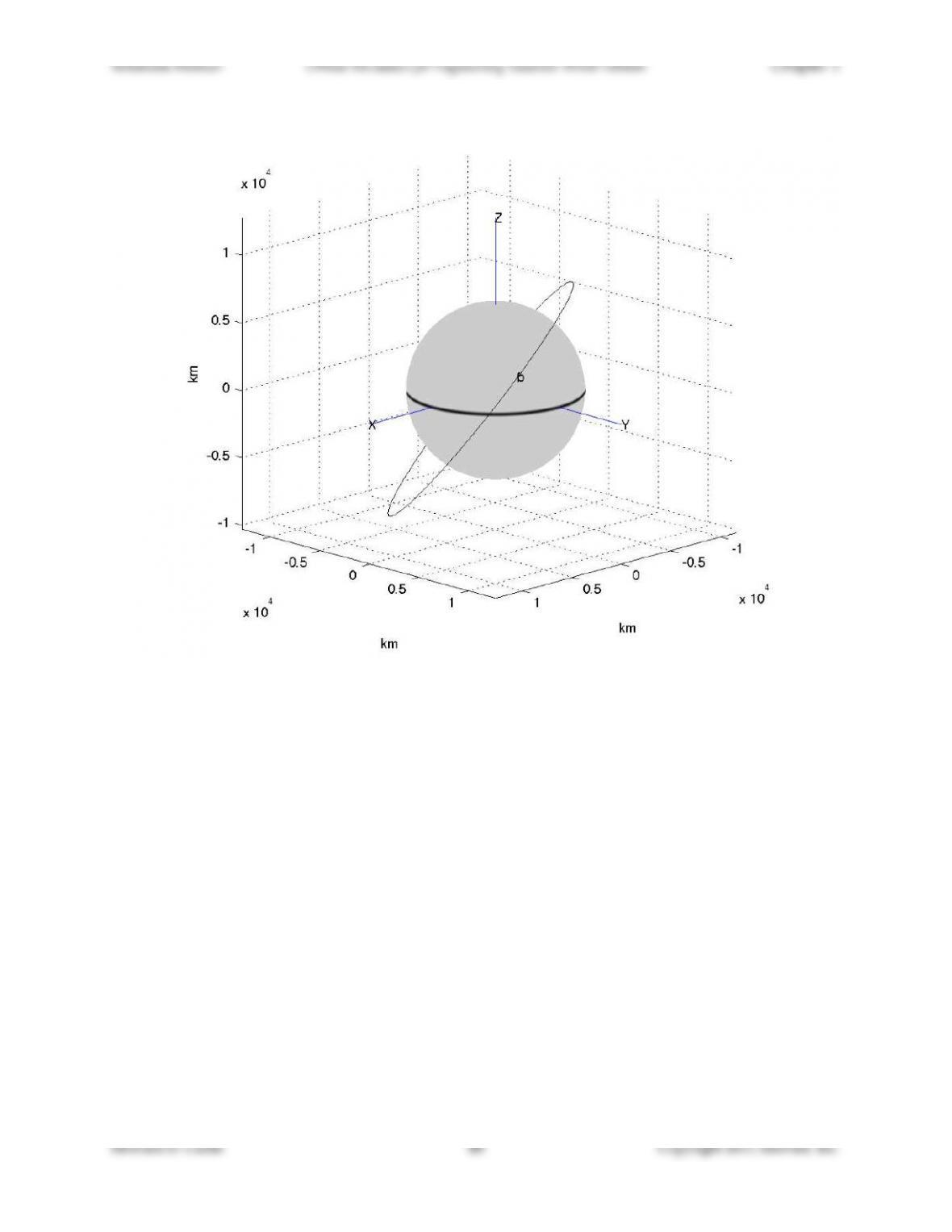
. Solve Equation 2.22
&&
r
rr3
numerically to find maximum altitude reached by the satellite and the time at which it oc-
curs.
Solutions Manual Orbital Mechanics for Engineering Students Third Edition Chapter 2
Solutions Manual Orbital Mechanics for Engineering Students Third Edition Chapter 2
Solutions Manual Orbital Mechanics for Engineering Students Third Edition Chapter 2
>>
Problem 2.5 At a given instant, an earth-orbiting satellite has the inertial position and velocity vectors
r
06600ˆ
i km
and
v012ˆ
jkm s
. Solve Equation 2.22
&&
r
rr3
numerically to find the distance
of the spacecraft from the center of the earth and its speed 24 hours later.
Solution Using MATLAB
%}
% –––––––—––––—–––————–––—–––—–––————–––—–––—–––––––––—––
Solutions Manual Orbital Mechanics for Engineering Students Third Edition Chapter 2
Command Window session:
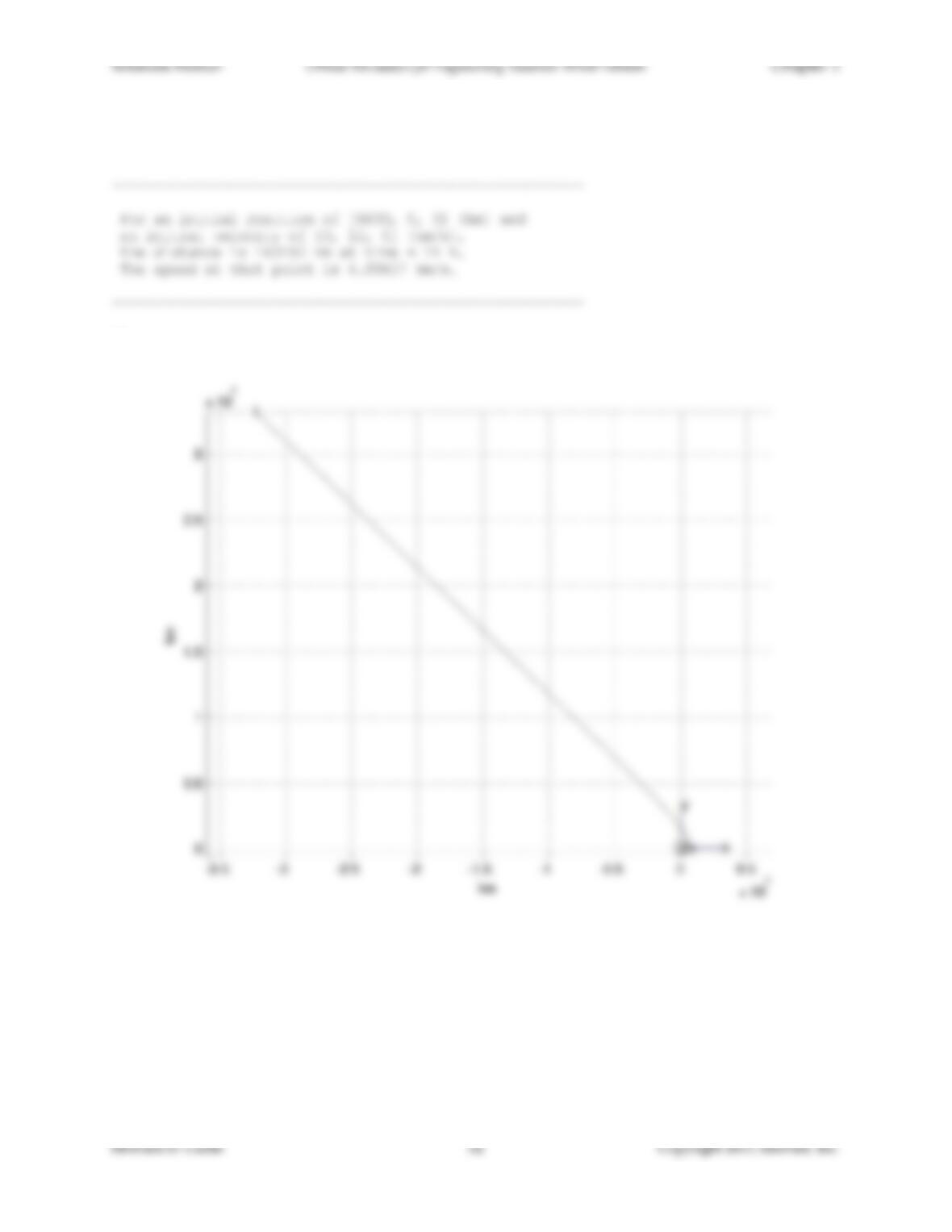
>> problem_2_5
>>
Solutions Manual Orbital Mechanics for Engineering Students Third Edition Chapter 2
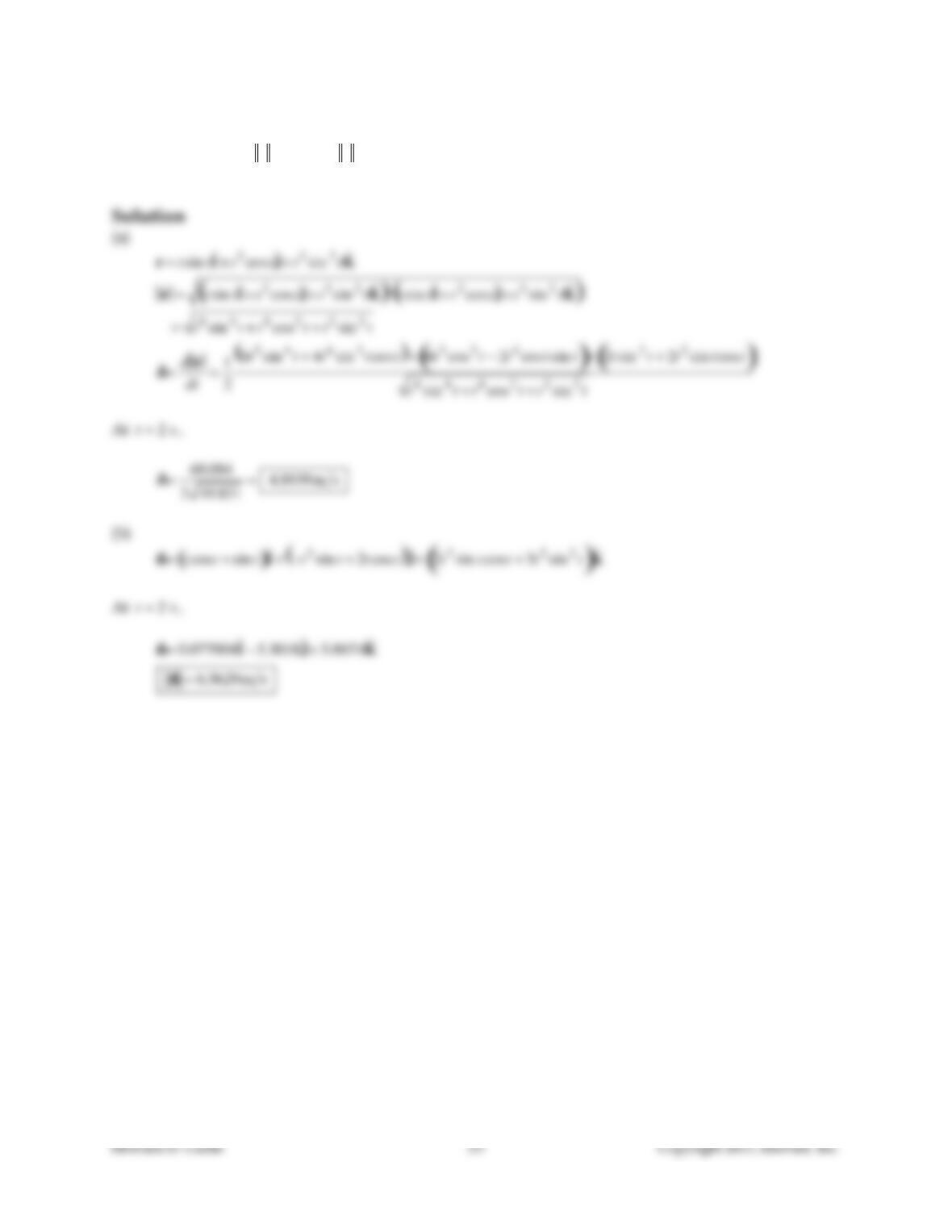
Problem 2.6 If r, in meters, is given by
rtsin tˆ
It2costˆ
Jt3sin 2tˆ
K
, where t is time in seconds, calcu-
late (a)
Ý
r
(where
rr
) and (b)
&
r
at
t2 s
.
Solutions Manual Orbital Mechanics for Engineering Students Third Edition Chapter 2
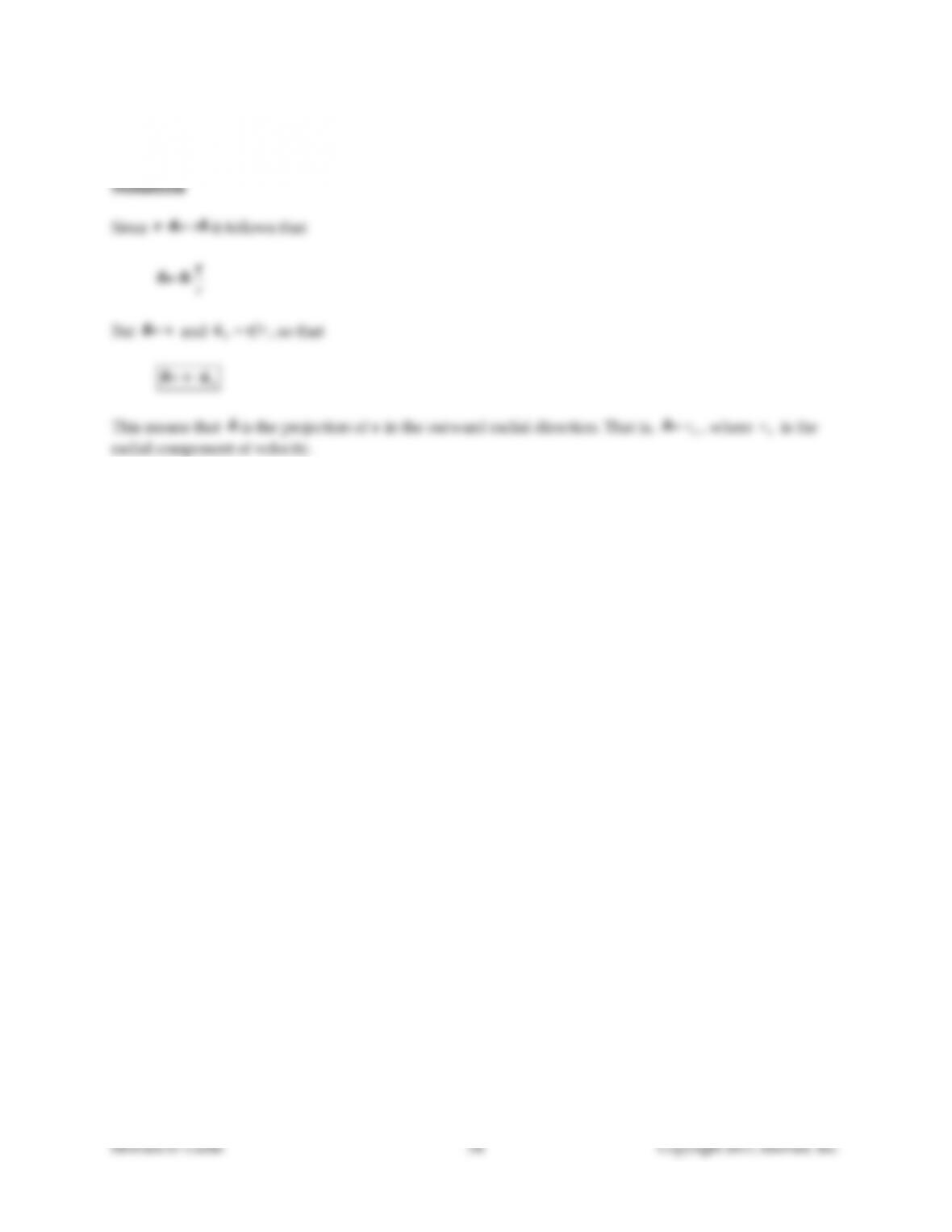
Problem 2.7 Starting with Equation 2.35a (
r&
rr&
r
), prove that
&
rvˆ
ur
and interpret this result.
r&
rr&
r
Solutions Manual Orbital Mechanics for Engineering Students Third Edition Chapter 2
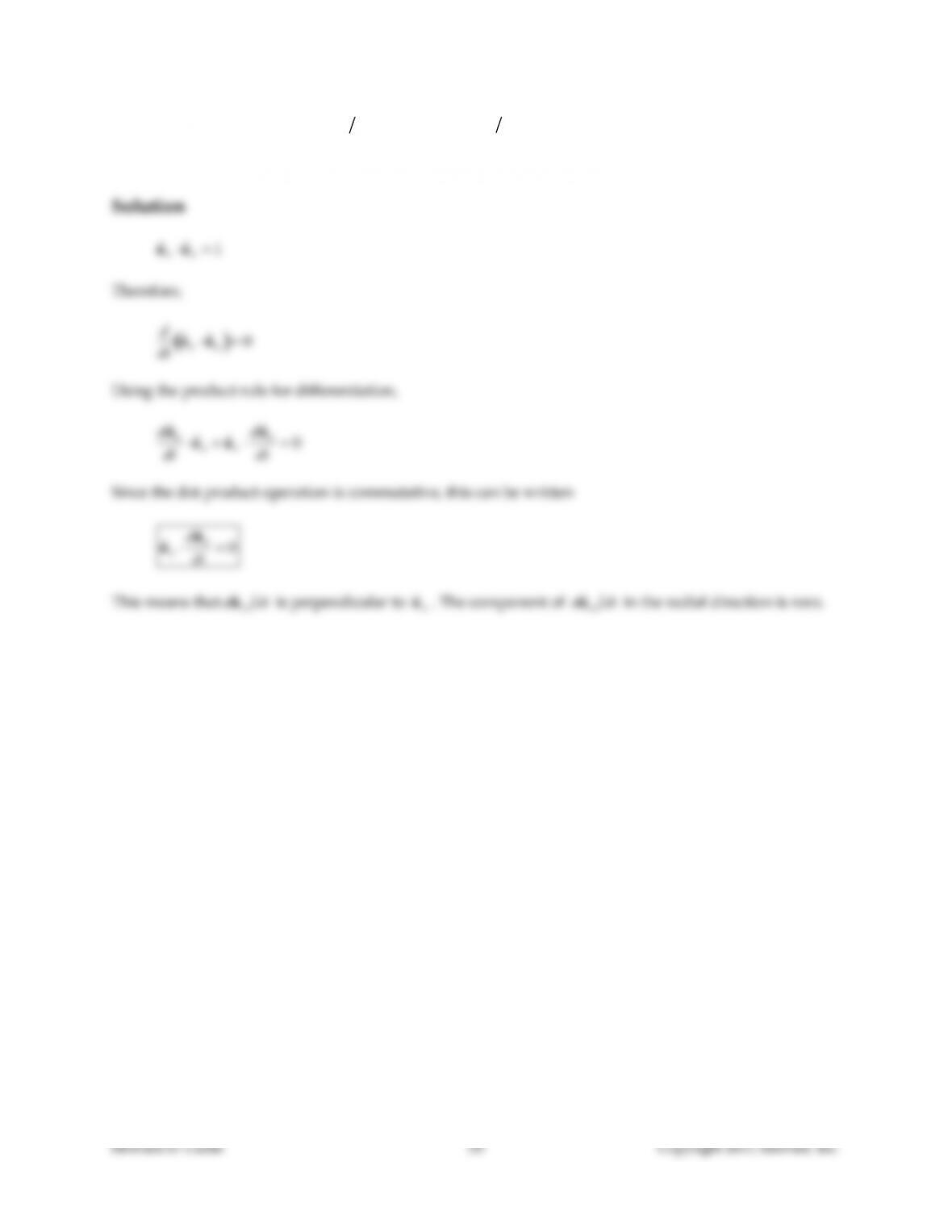
Problem 2.8 Show that
ˆ
urdˆ
urdt 0
, where
ˆ
urrr
. Use only the fact that
ˆ
ur
is a unit vector. In-
terpret this result.
ur
dˆ
ˆ
dˆ
Solutions Manual Orbital Mechanics for Engineering Students Third Edition Chapter 2
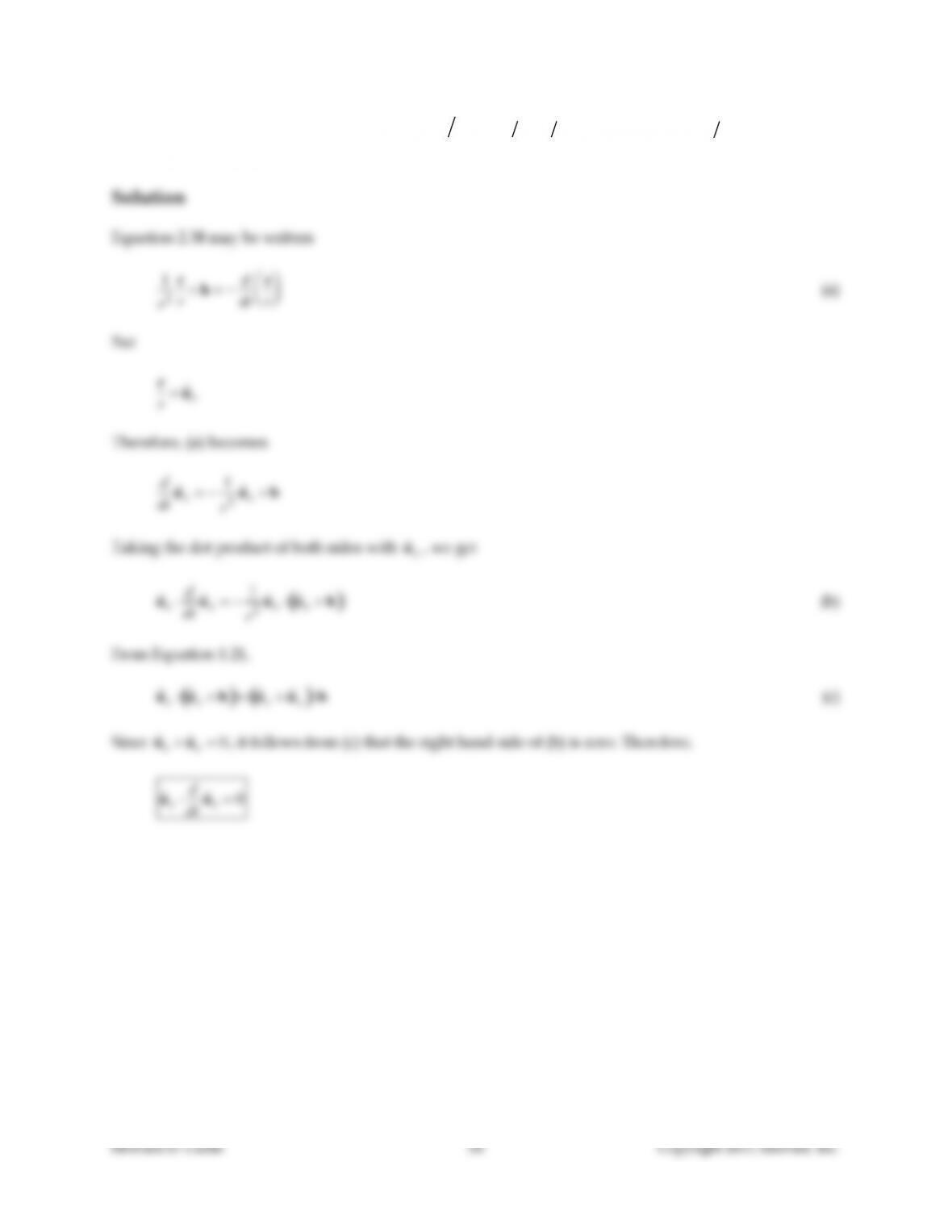
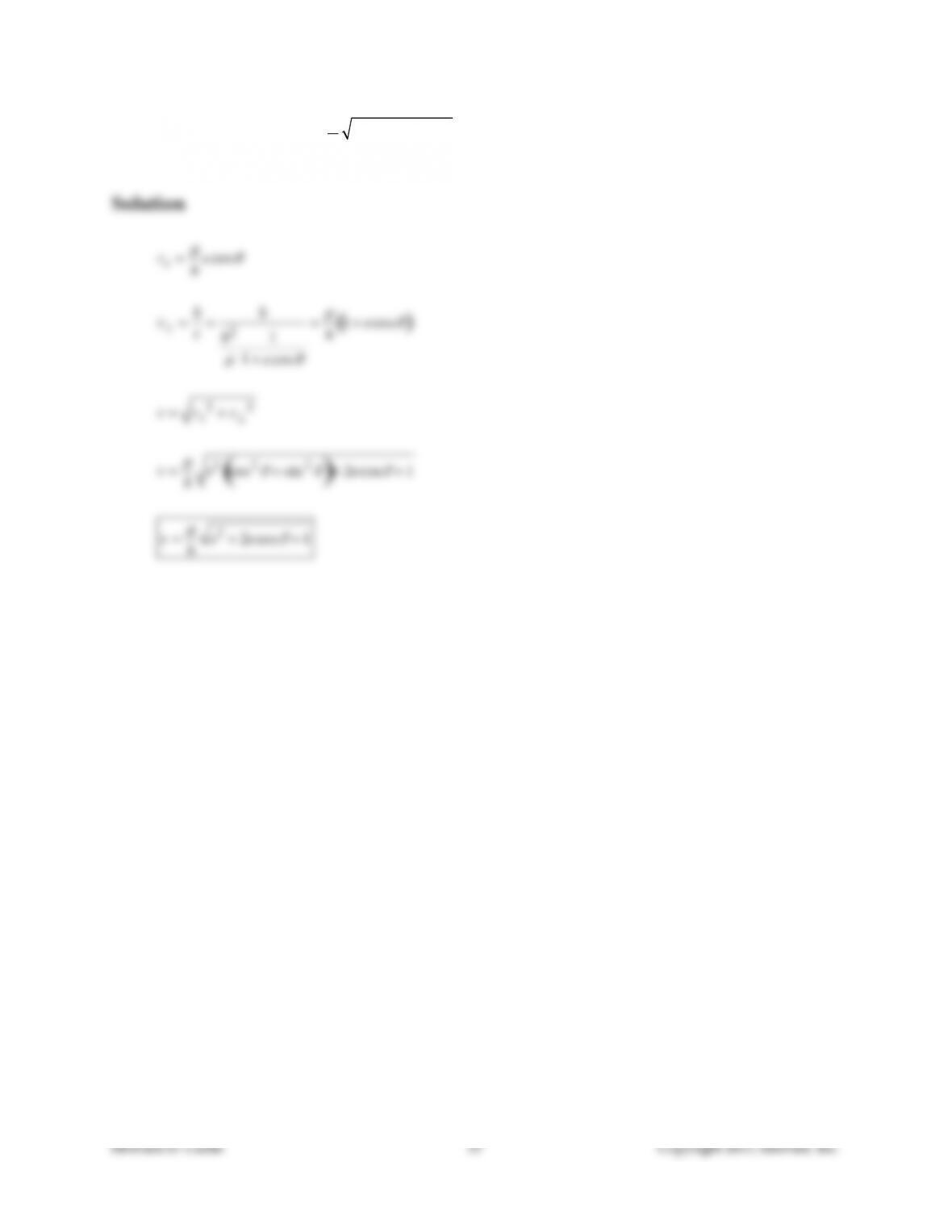
Problem 2.9 Starting with Equation 2.38
rhr3 d dt
rr
, show that
ˆ
urdˆ
urdt 0
.
Solutions Manual Orbital Mechanics for Engineering Students Third Edition Chapter 2
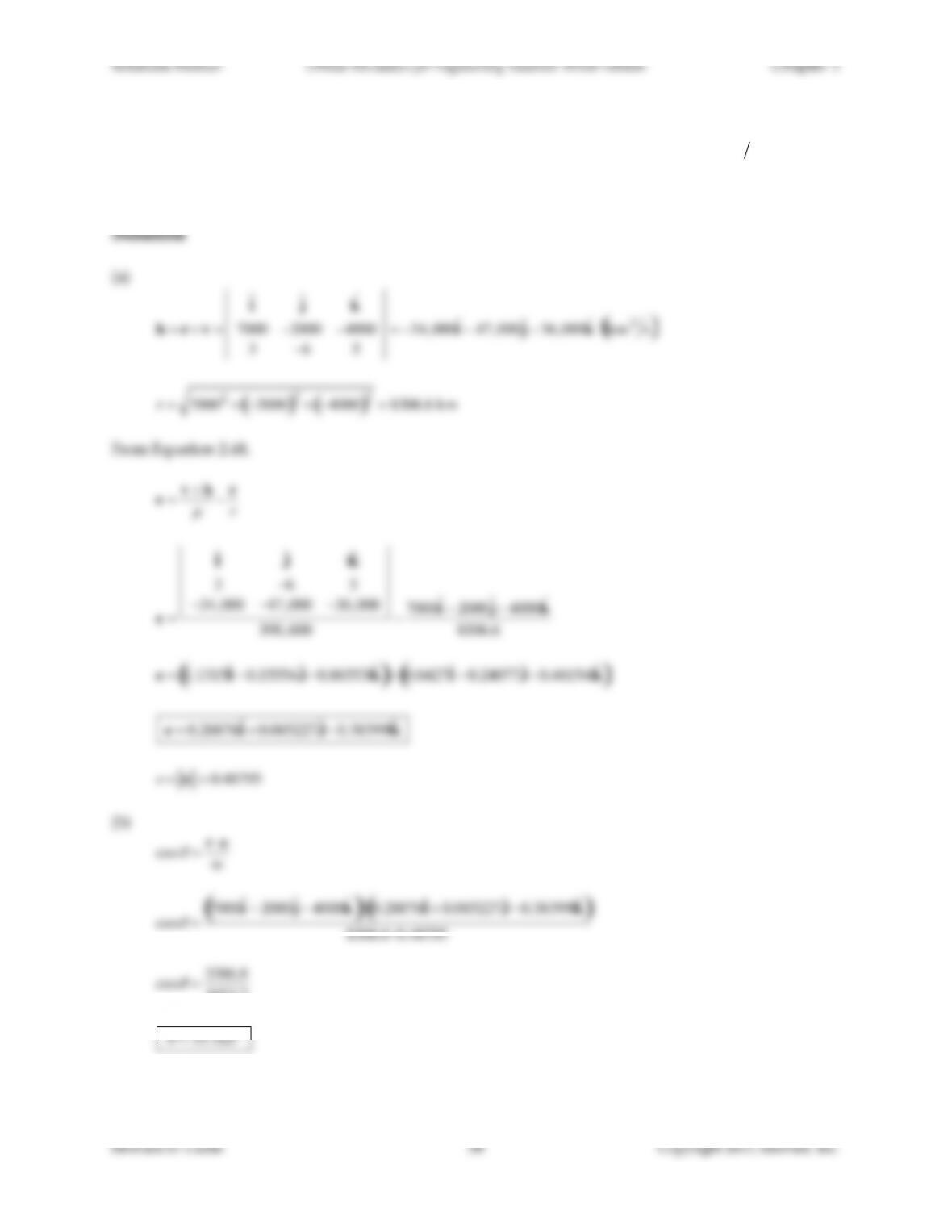
Problem 2.10 Show that
v
h12ecos
e2
for any orbit.
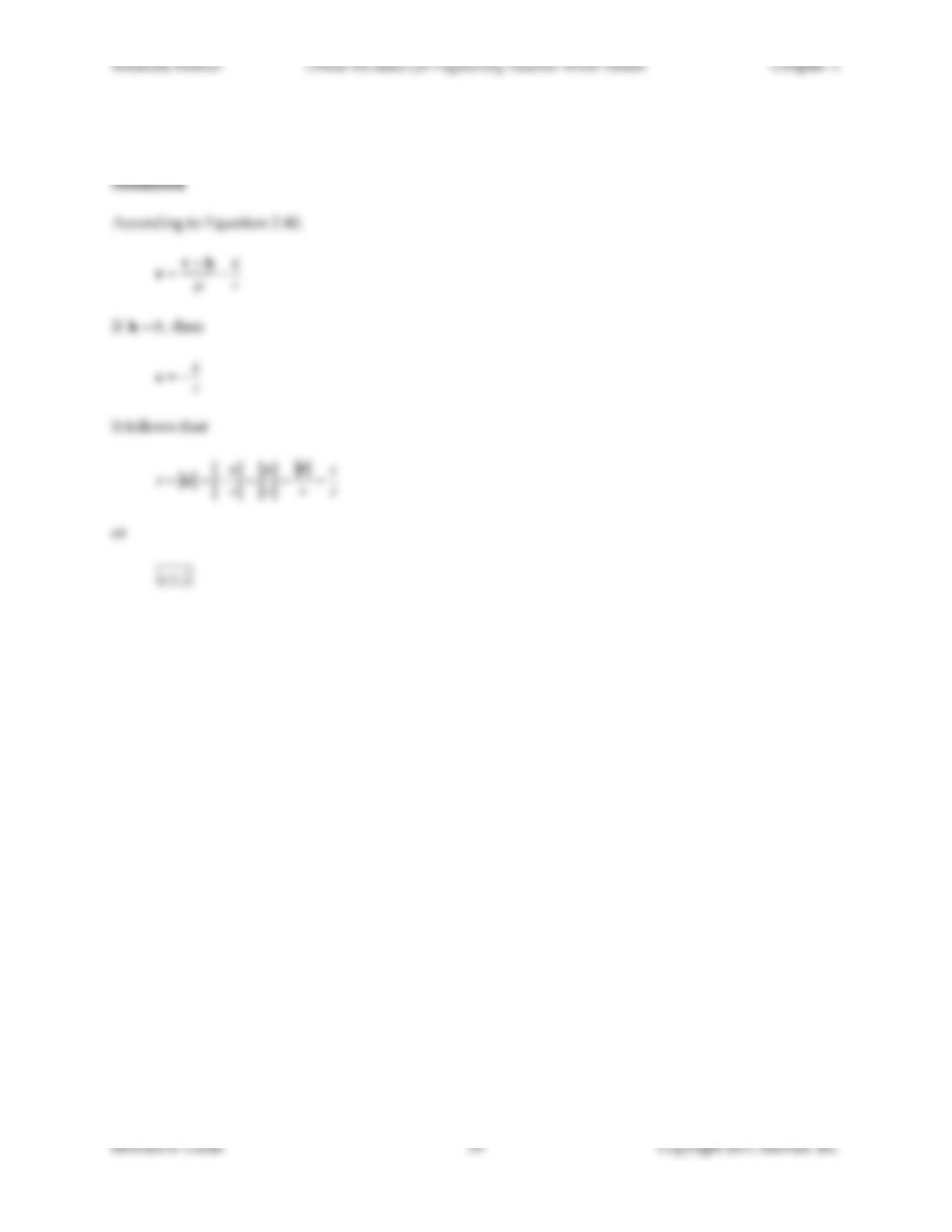
Problem 2.11 Relative to a nonrotating, earth-centered Cartesian coordinate system, the position and
velocity vectors of a spacecraft are
r7000ˆ
i2000ˆ
j4000 ˆ
k km
and
v3ˆ
i6ˆ
j5ˆ
k km s
. Calculate
the orbit’s (a) eccentricity vector and (b) the true anomaly.
4053.2
Problem 2.12 Show that the eccentricity is 1 for rectilinear orbits (
h0
).
h0
e1
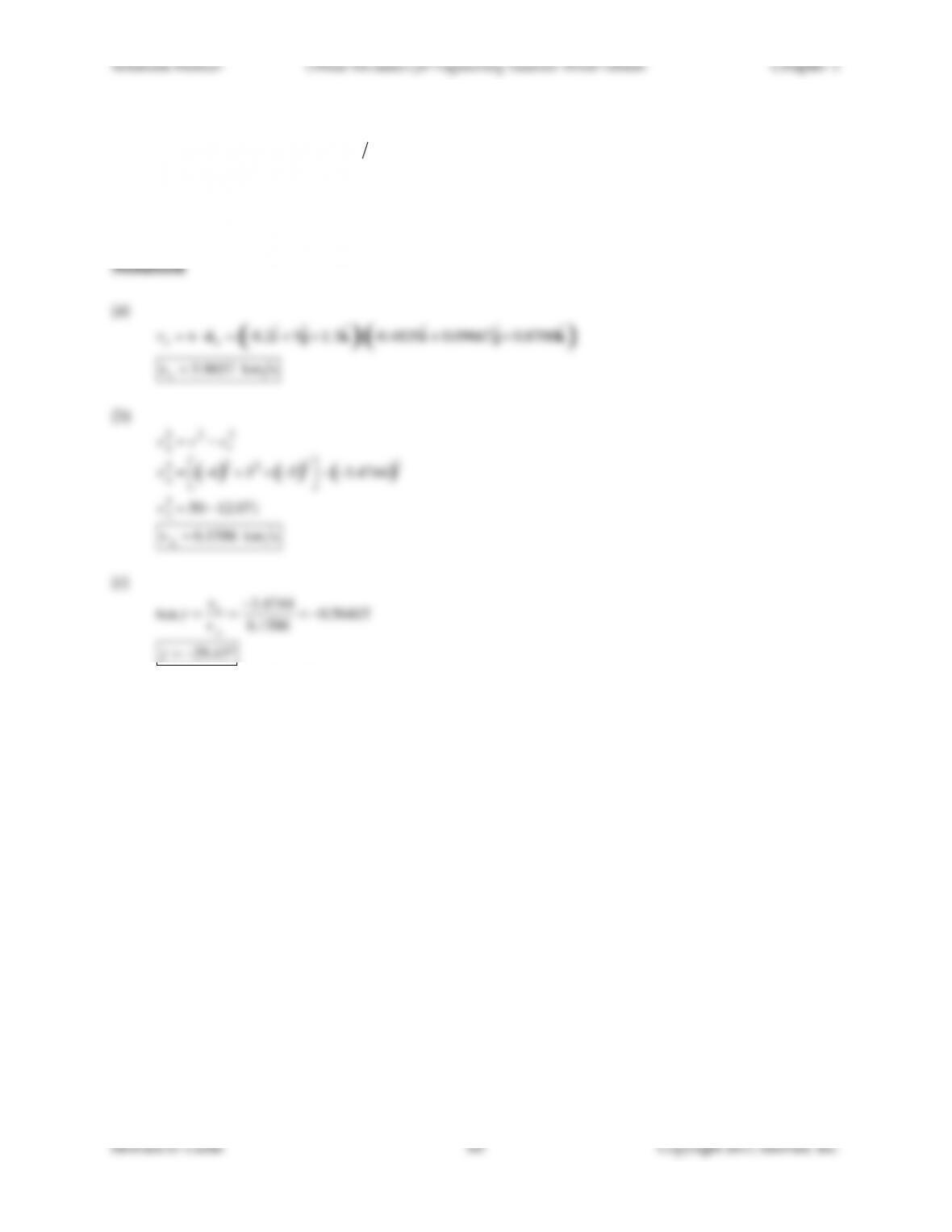
Problem 2.13 Relative to a nonrotating, earth-centered Cartesian coordinate system, the velocity of a
spacecraft is
v 4ˆ
i3ˆ
j5ˆ
k km s
and the unit vector in the direction of the radius is
ˆ
ur0.26726ˆ
i0.53452ˆ
j0.80178 ˆ
k
. Calculate (a) the radial component of velocity
vr
, (b) the azimuth
component of velocity
v
, and the flight path angle
.
29.43