Solutions Manual Orbital Mechanics for Engineering Students Third Edition Chapter 12
Howard D. Curtis 505 Copyright © 2013, Elsevier, Inc.
Problem 12.21 Verify that for unperturbed two-body motion,
d
dt h r2
.

Solutions Manual Orbital Mechanics for Engineering Students Third Edition Chapter 12
Problem 12.22 Verify that for unperturbed two-body motion,
dM dt =n
.
dt n
Solutions Manual Orbital Mechanics for Engineering Students Third Edition Chapter 12
Problem 12.23 Verify that for unperturbed two-body motion,
dE dt =na r
.
Solutions Manual Orbital Mechanics for Engineering Students Third Edition Chapter 12
Problem 12.24 Show that
da
dt =2a2
hesin
q
pr+h2
m
rps
æ
è
ç
ö
ø
÷
.

hesin
rps
Solutions Manual Orbital Mechanics for Engineering Students Third Edition Chapter 12
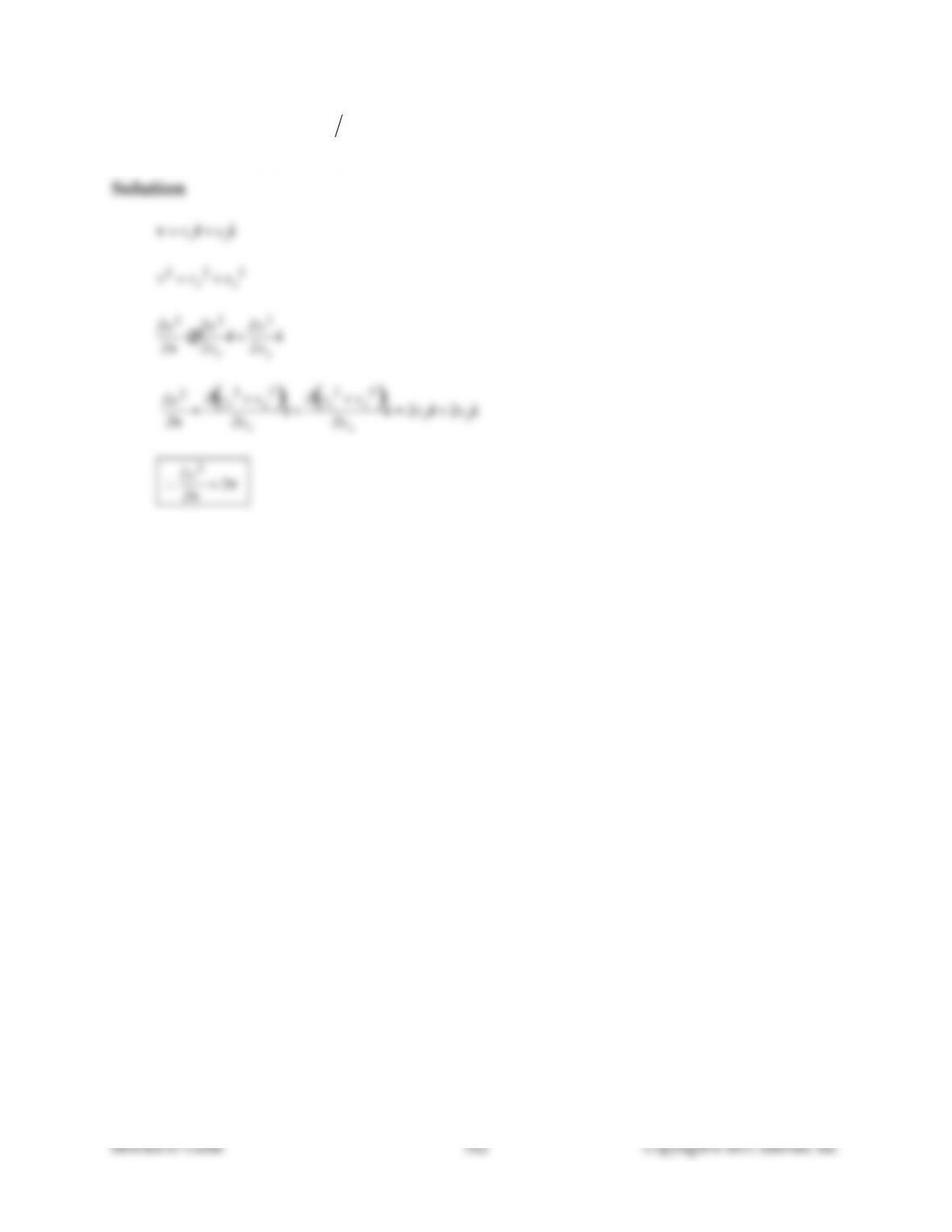
Problem 12.25 Show that there is no time-averaged
J2
perturbation of the semimajor axis (
&
a0
).

>>
Solutions Manual Orbital Mechanics for Engineering Students Third Edition Chapter 12
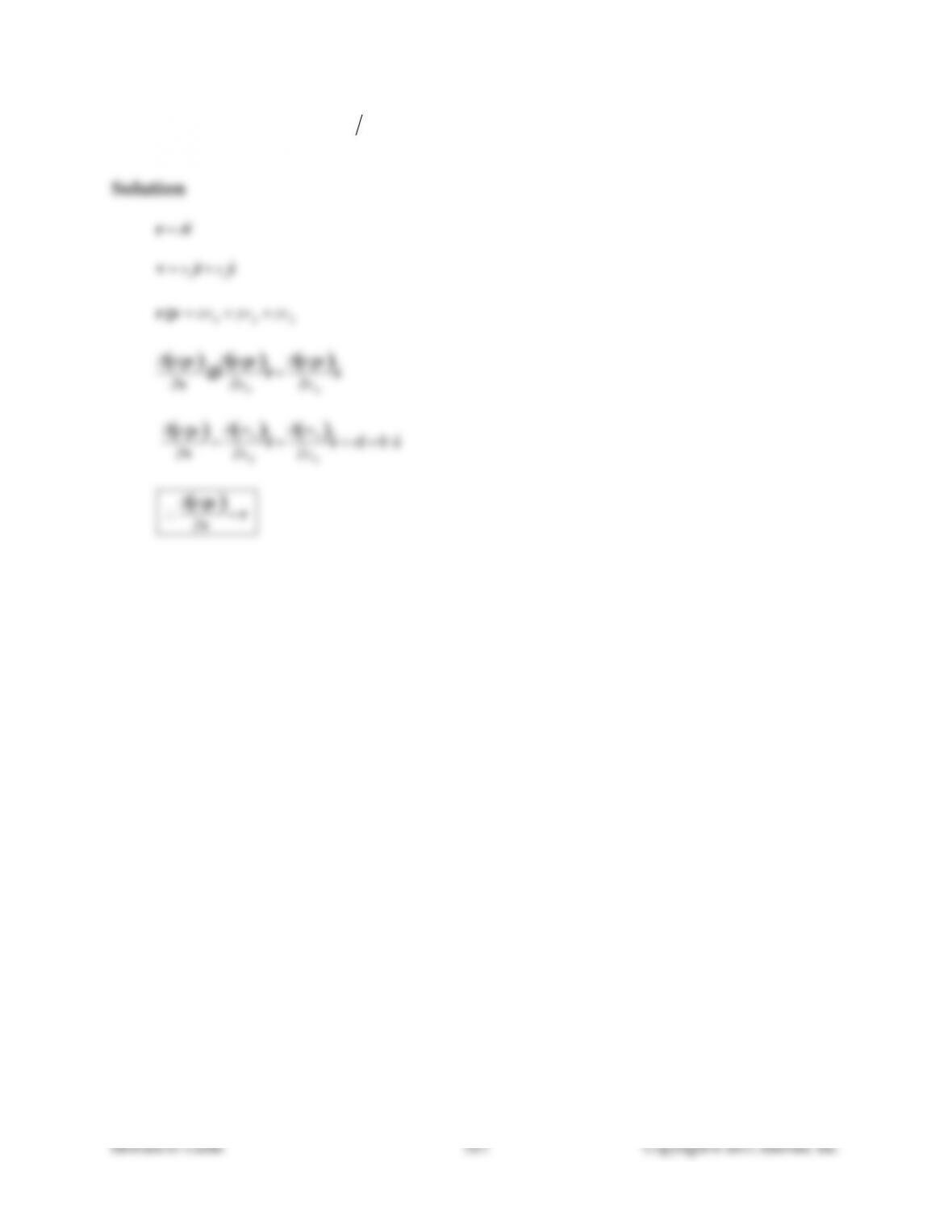
Problem 12.26 Show that
¶v2¶v=2v
.
v2v
Solutions Manual Orbital Mechanics for Engineering Students Third Edition Chapter 12
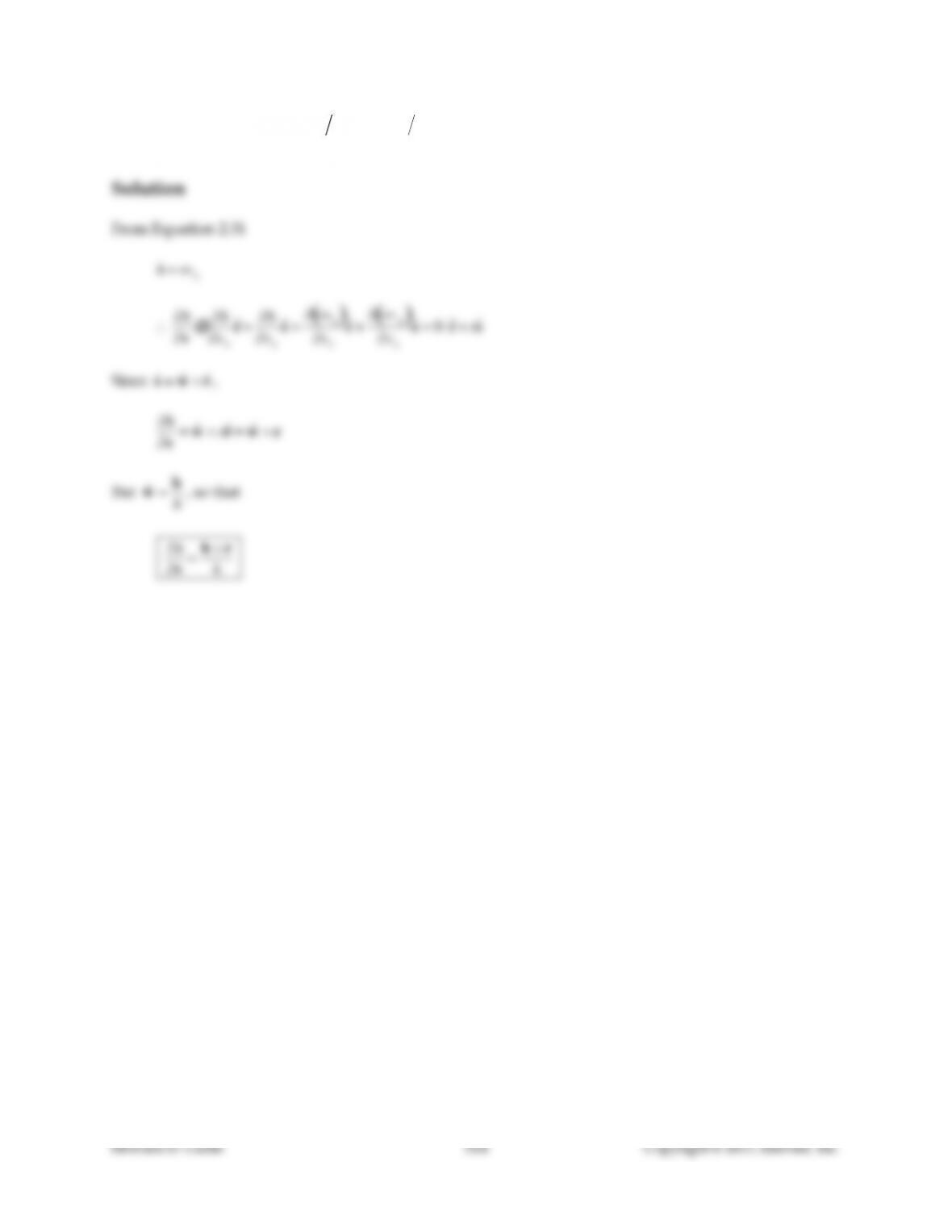
Problem 12.27 Show that
¶riv
( )
¶v=r
.
vr
Solutions Manual Orbital Mechanics for Engineering Students Third Edition Chapter 12
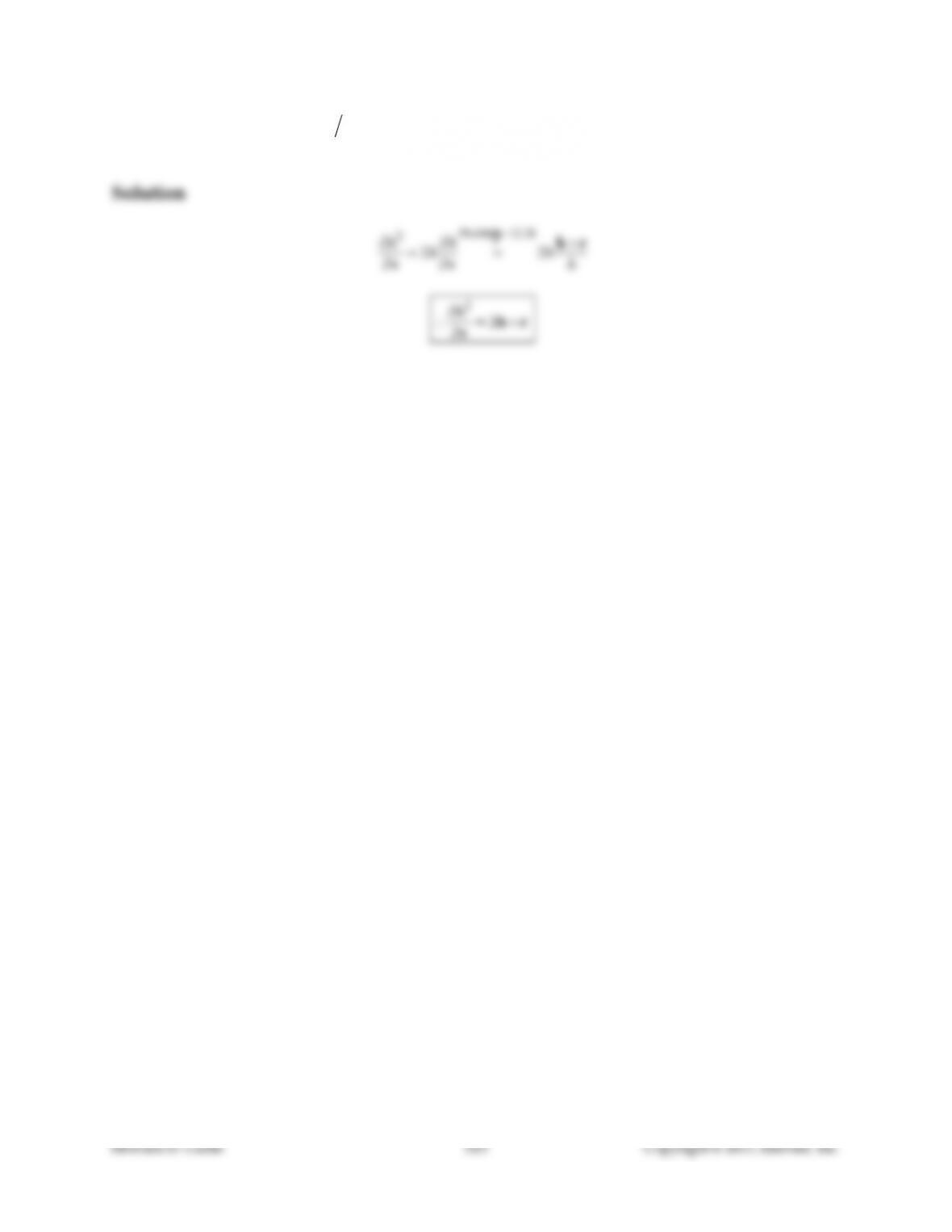
Problem 12.28 Show that
¶h¶v=h´r
( )
h
.
vhr
h
Solutions Manual Orbital Mechanics for Engineering Students Third Edition Chapter 12
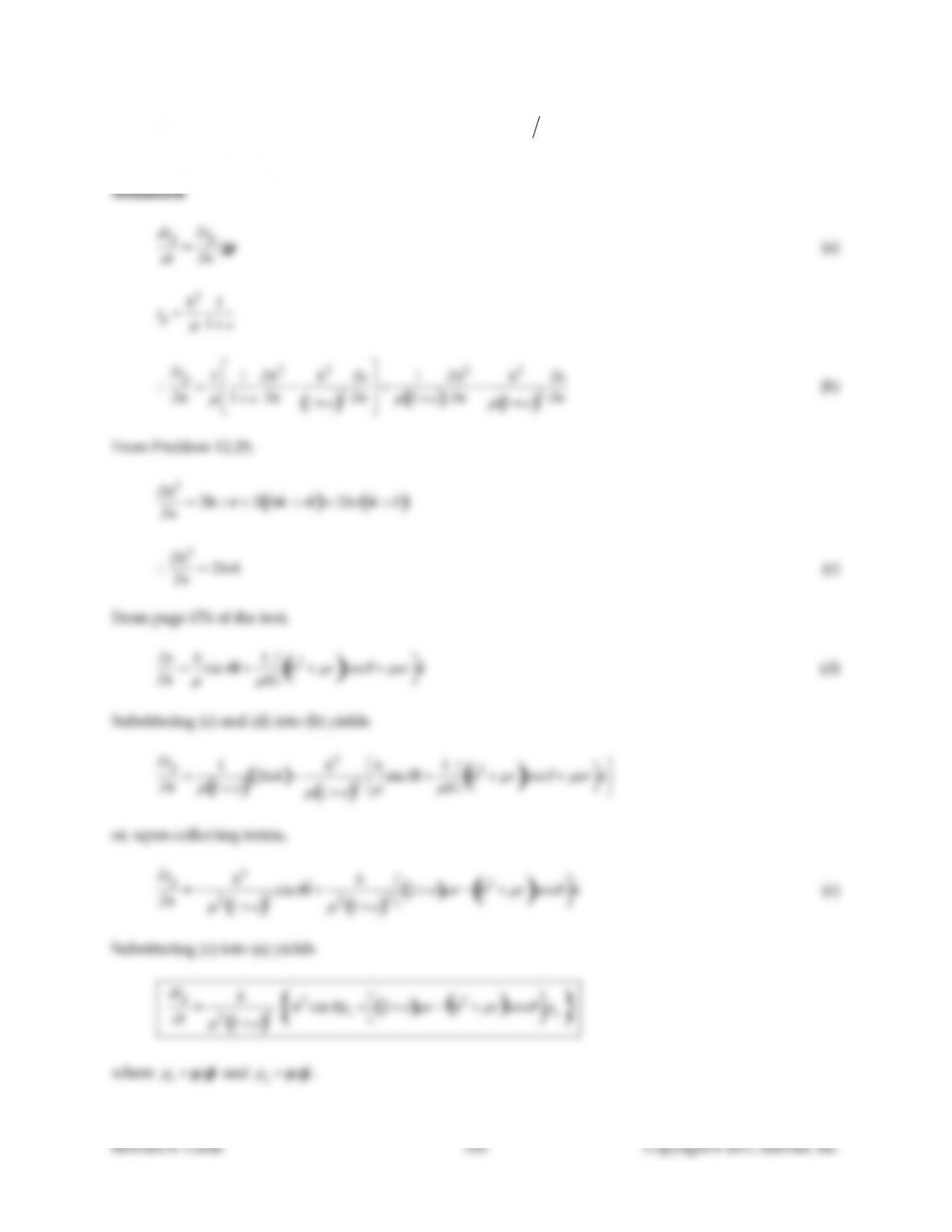
Problem 12.29 Show that
¶h2¶v=2h´r
.
Solutions Manual Orbital Mechanics for Engineering Students Third Edition Chapter 12
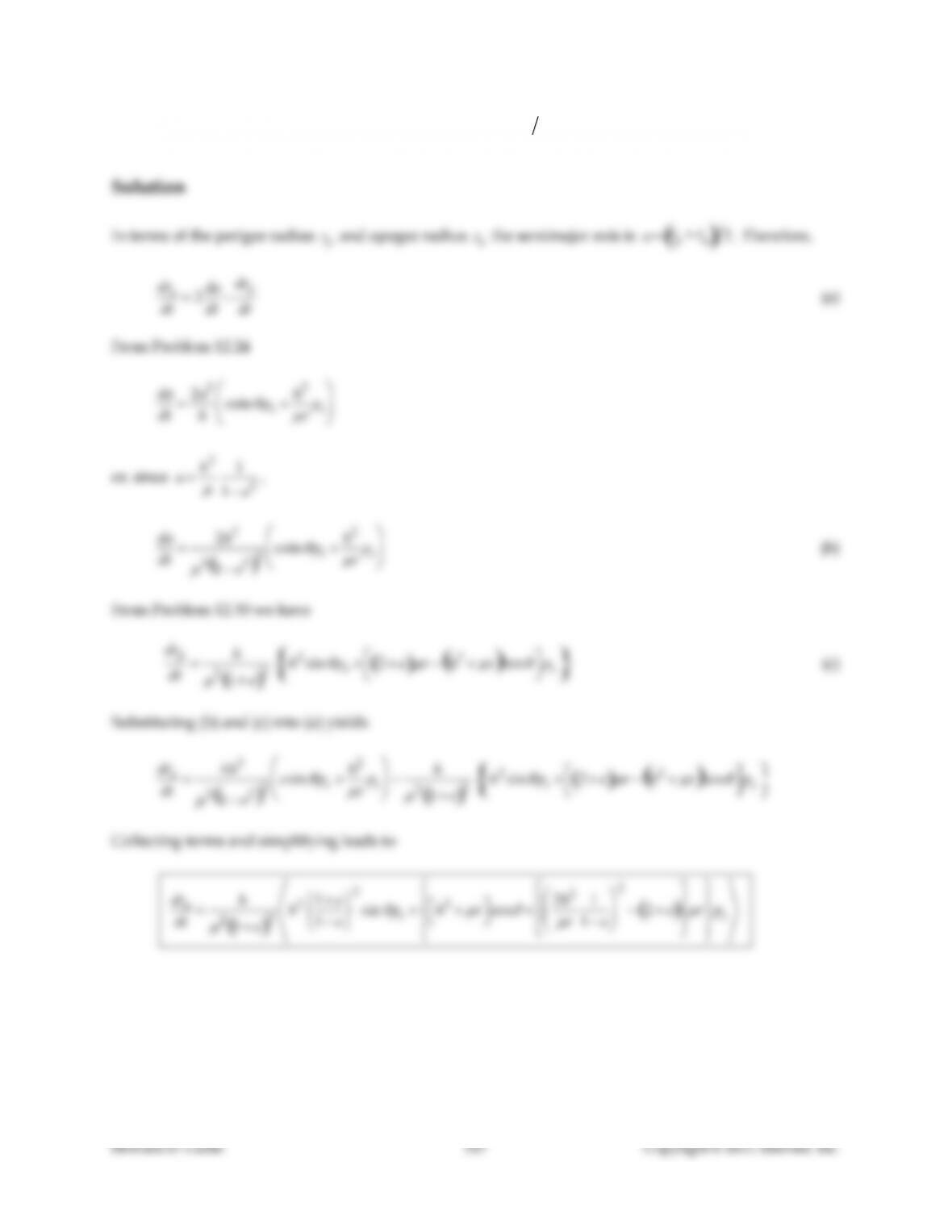
Problem 12.30 Find the Gauss variational equation for
drpdt
.
prpgˆ
pspgˆ
Solutions Manual Orbital Mechanics for Engineering Students Third Edition Chapter 12
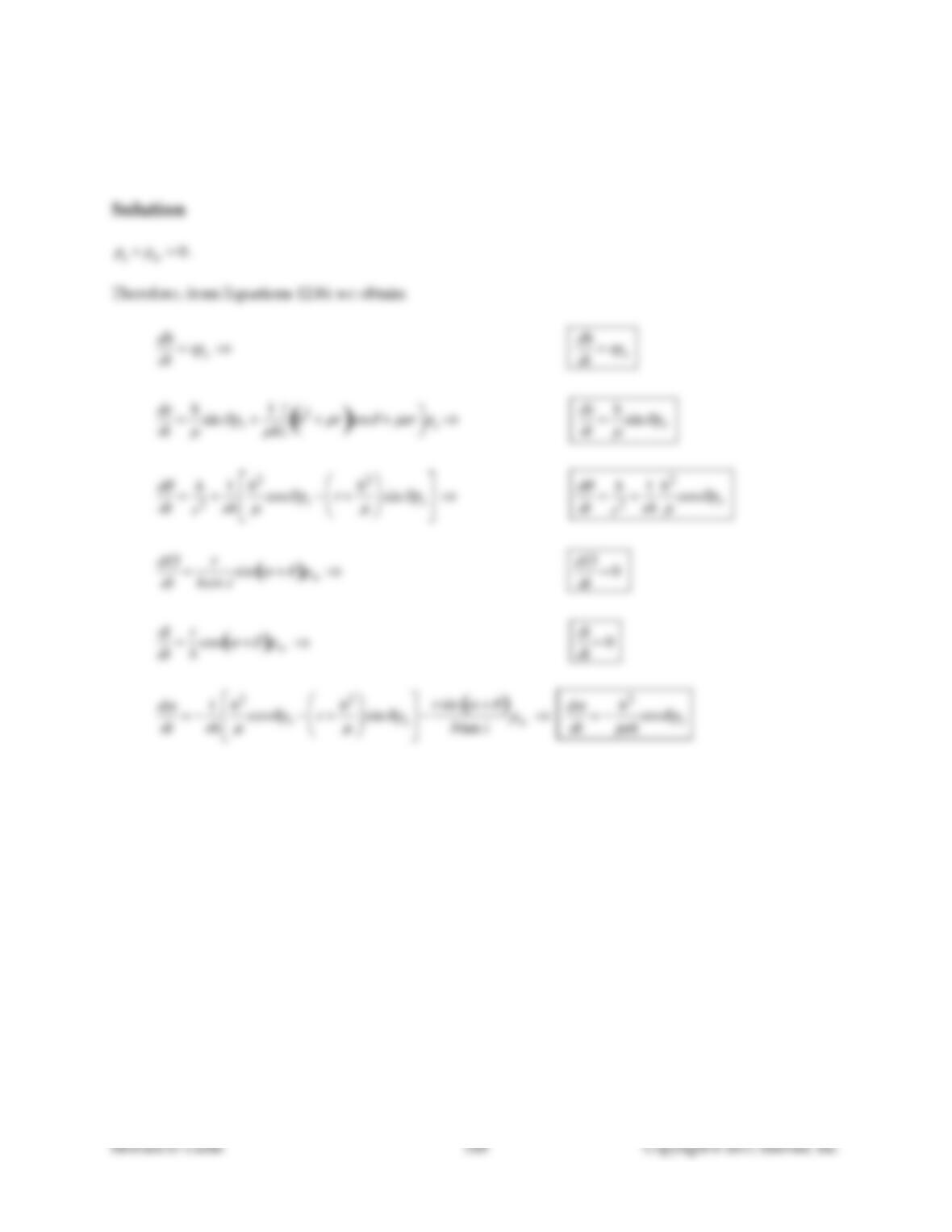
Problem 12.31 Find the Gauss variational equation for
dradt
.
dt h
21e
2h21e
1e
cos
r
1e
ps
Solutions Manual Orbital Mechanics for Engineering Students Third Edition Chapter 12
Problem 12.32 Find the Gauss variational equations for a radial acceleration perturbation,
p=prˆ
r
.
dt 1
eh
rsin
htan ipwd
dt h2
eh cos
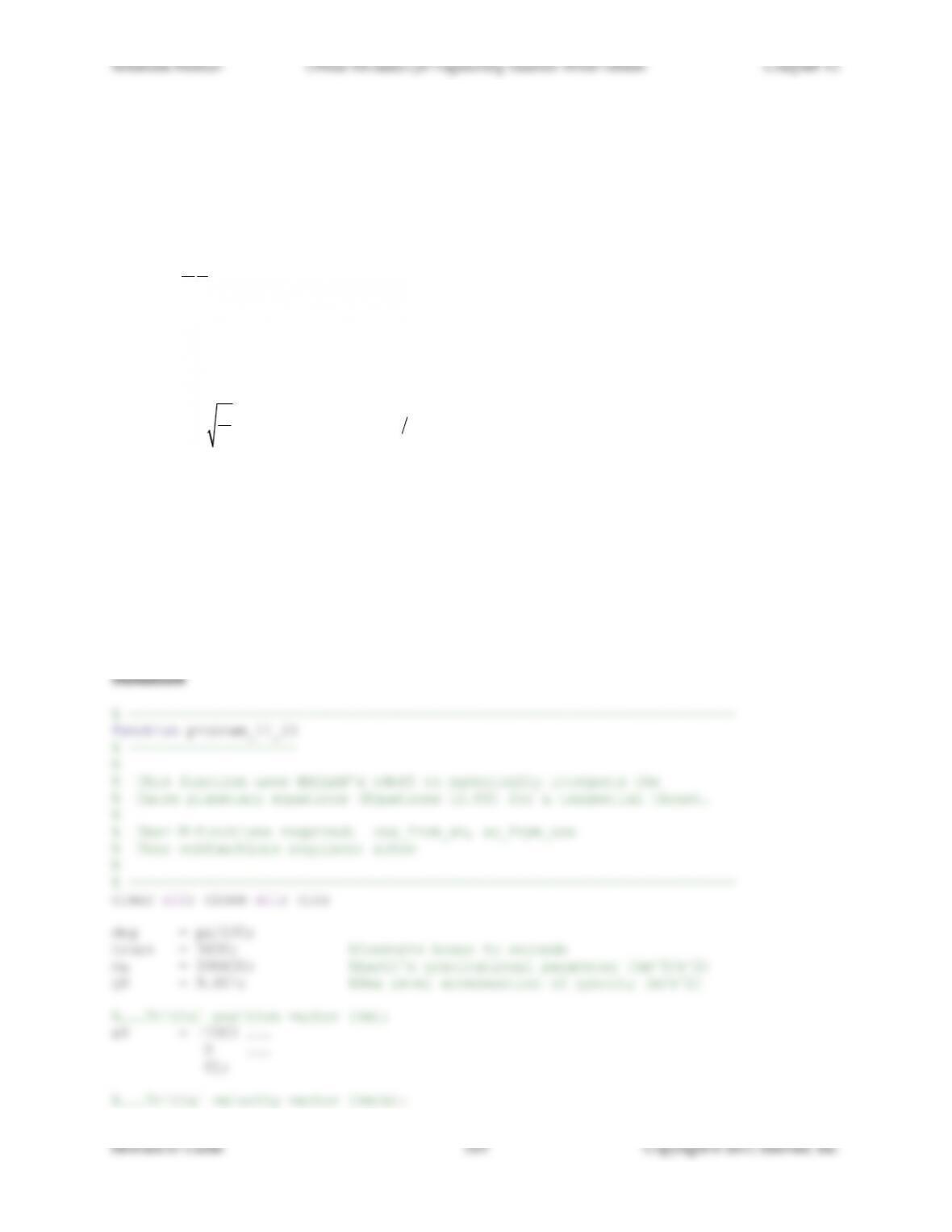
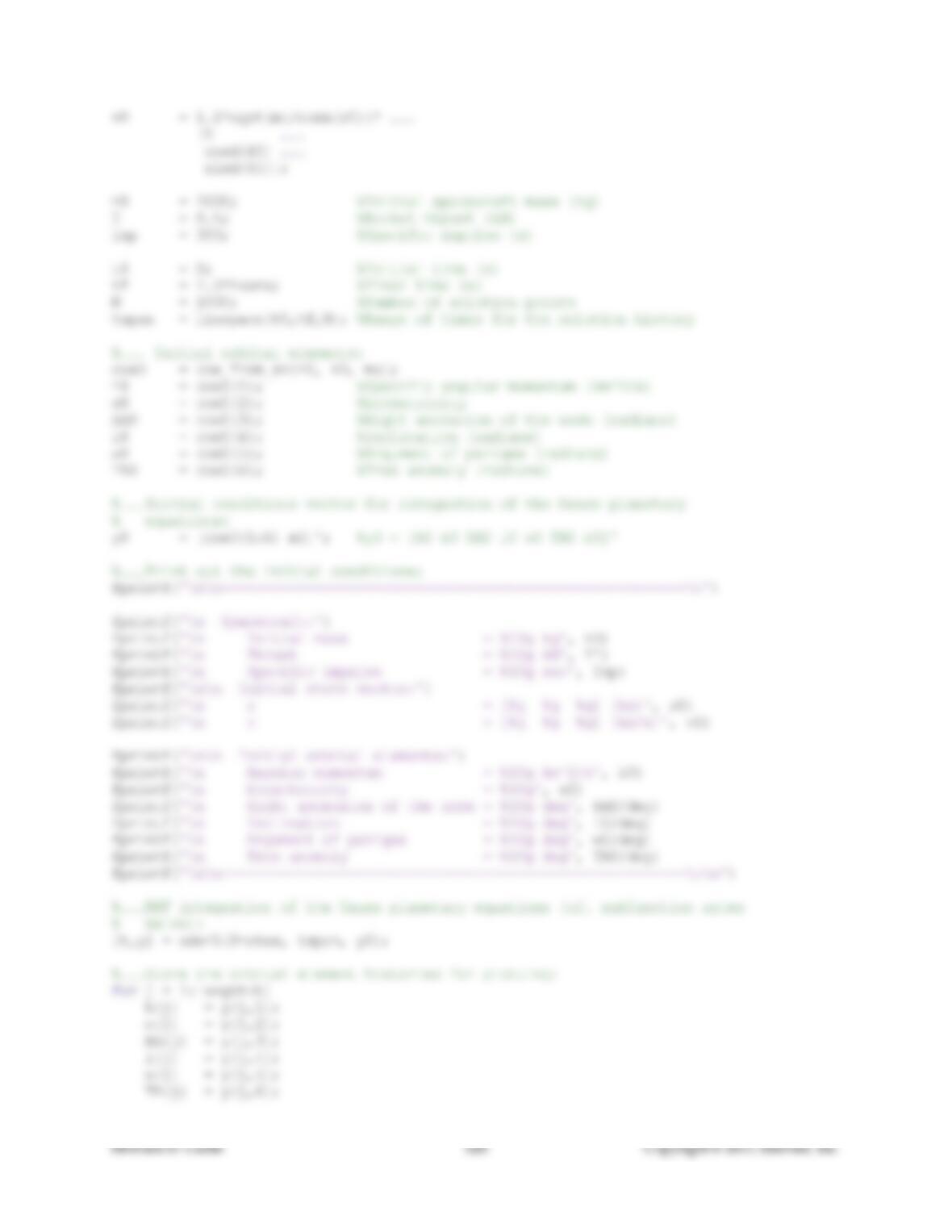
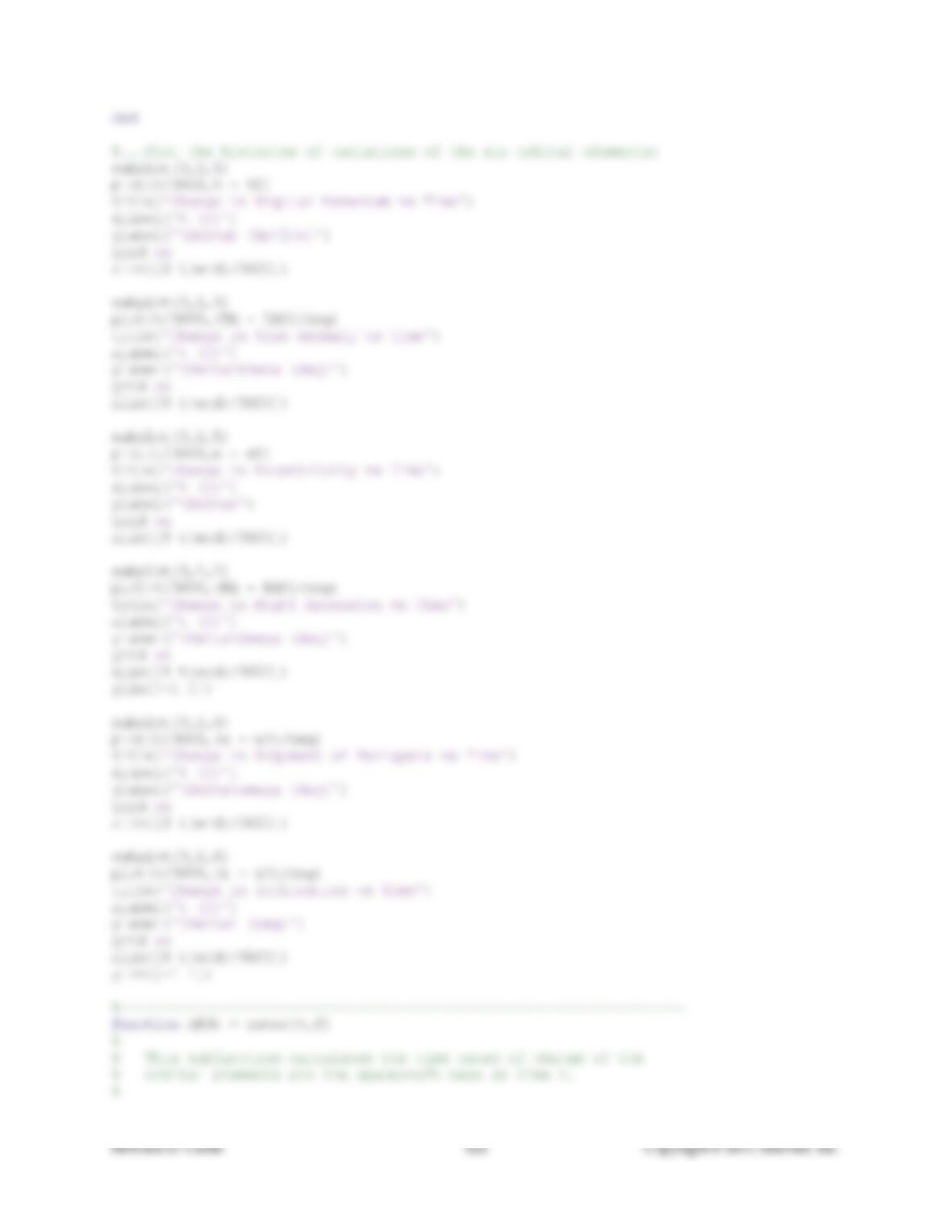
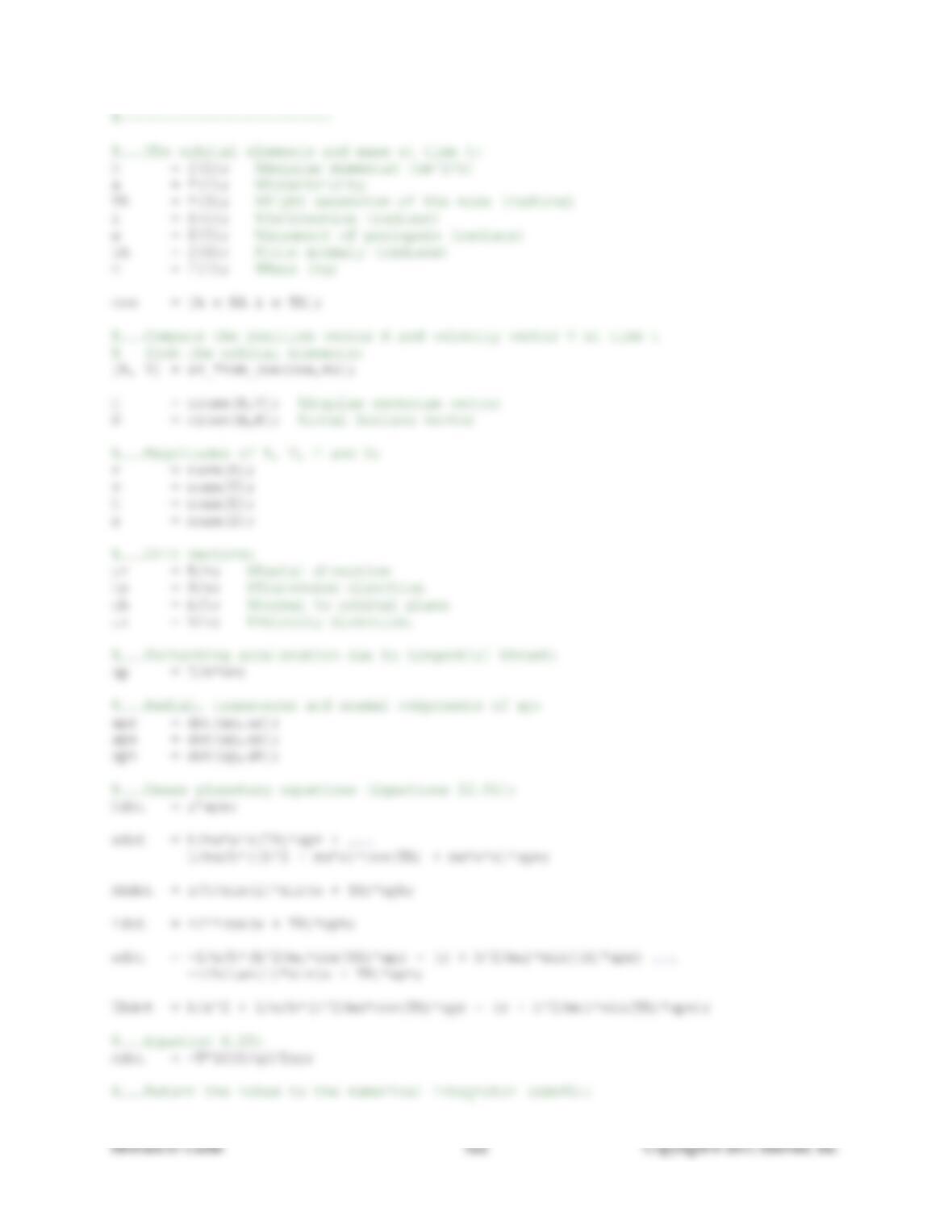
Problem 12.33 Numerically integrate the Gauss planetary equations for a given perturbation p and set
of initial conditions.
Let us choose an earth orbit in which a constant tangential thrust is the perturbing force. As shown in
Equation 6.26, the perturbing acceleration in that case is
pT
m
v
v
where T is the rocket thrust, m is the spacecraft mass, v is the velocity and v is the speed. For this problem
let the state vector in the geocentric equatorial frame at time t = 0 be
r
07000ˆ
I (km)
v01.1
r0
cos 45ˆ
Jcos 45ˆ
K
km s
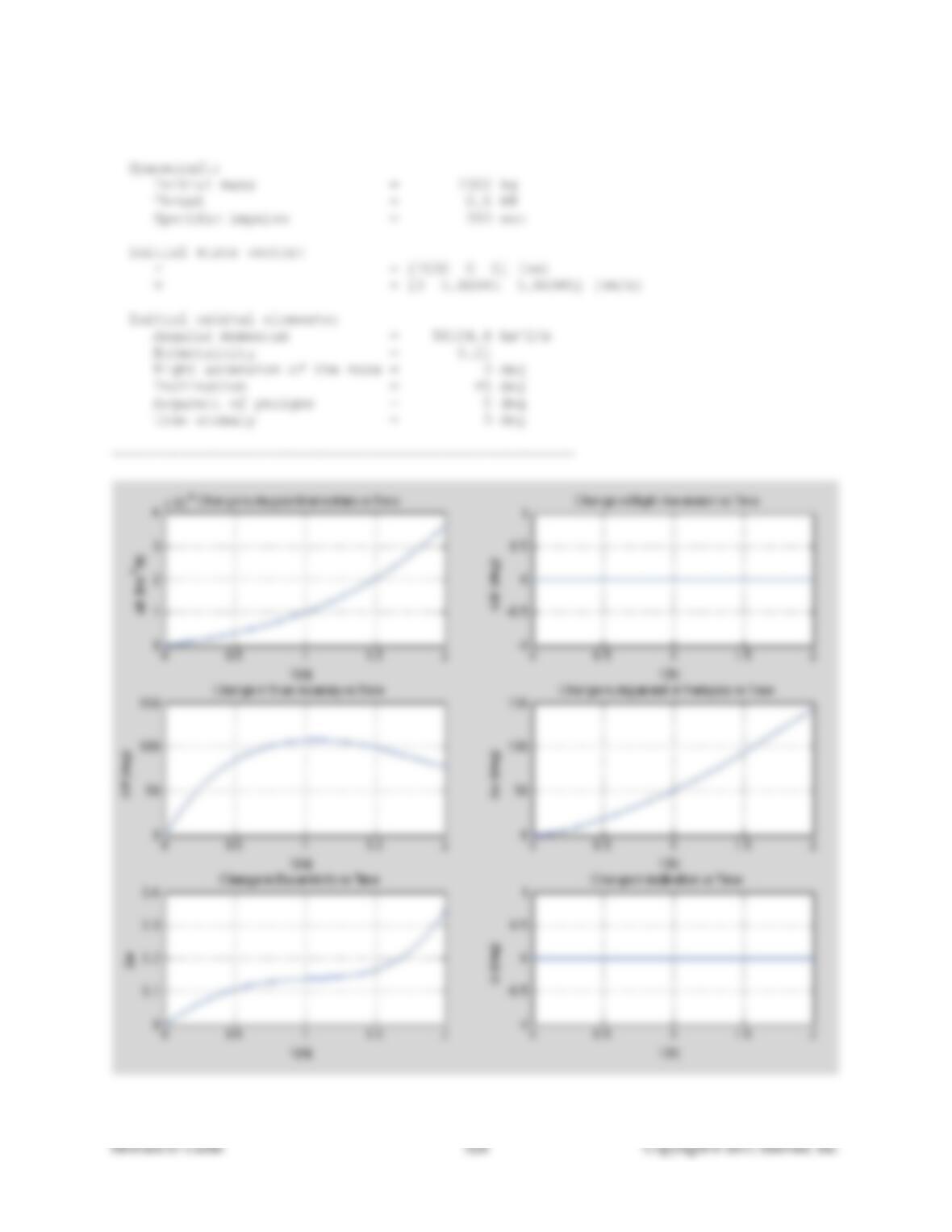
Plot the variation of the six orbital elements
h
,
e
,
,
,
i
,
over the next two hours by integrating
Equations 12.84. Use MATLAB’s RKF integrator ode45.
Select the following spacecraft parameters:
Thrust = 0.5 kN.
Specific impulse = 300 s.
Initial mass = 2000 kg.
Solutions Manual Orbital Mechanics for Engineering Students Third Edition Chapter 12
Solutions Manual Orbital Mechanics for Engineering Students Third Edition Chapter 12
Solutions Manual Orbital Mechanics for Engineering Students Third Edition Chapter 12

Solutions Manual Orbital Mechanics for Engineering Students Third Edition Chapter 12
Solutions Manual Orbital Mechanics for Engineering Students Third Edition Chapter 12
–––——––––———––—––———––––—––———–————–––