Chapter 05 – Reporting and Analyzing Inventories
5-10
VISUAL #5-1
Computation of Cost of Goods Available
Units Cost Total
Jan. 1 Beginning Inventory 60 @ $10 = $ 600
Mar. 27 Purchase 90 @ 11 = 990
Aug. 15 Purchase 100 @ 13 = 1,300
Nov. 6 Purchase 50 @ 16 = 800
300 $3,690
Cost of goods available for sale $3,690
Methods of Assigning Cost to Units in Ending Inventory
(1) Specific Identification – requires that each item in an inventory be
assigned its actual invoice cost.
(2) Weighted Average – a weighted average cost per unit is determined
based on total cost and units of goods available for sale. This cost is
assigned to units in the ending inventory.
(3) First-in, First-out (FIFO) – assumes the first units acquired
(beginning inventory) are the first to be sold and that additional cost of
sales flow is in the order purchased. Therefore, the costs of the last
items received are assigned to the ending inventory.
(4) Last-in, First-out (LIFO) – assumes the last units acquired (most
recent purchase) are the first units sold. Therefore, the cost of the first
items acquired (starting with beginning inventory) are assigned to the
ending inventory.
Chapter 05 – Reporting and Analyzing Inventories
5-11
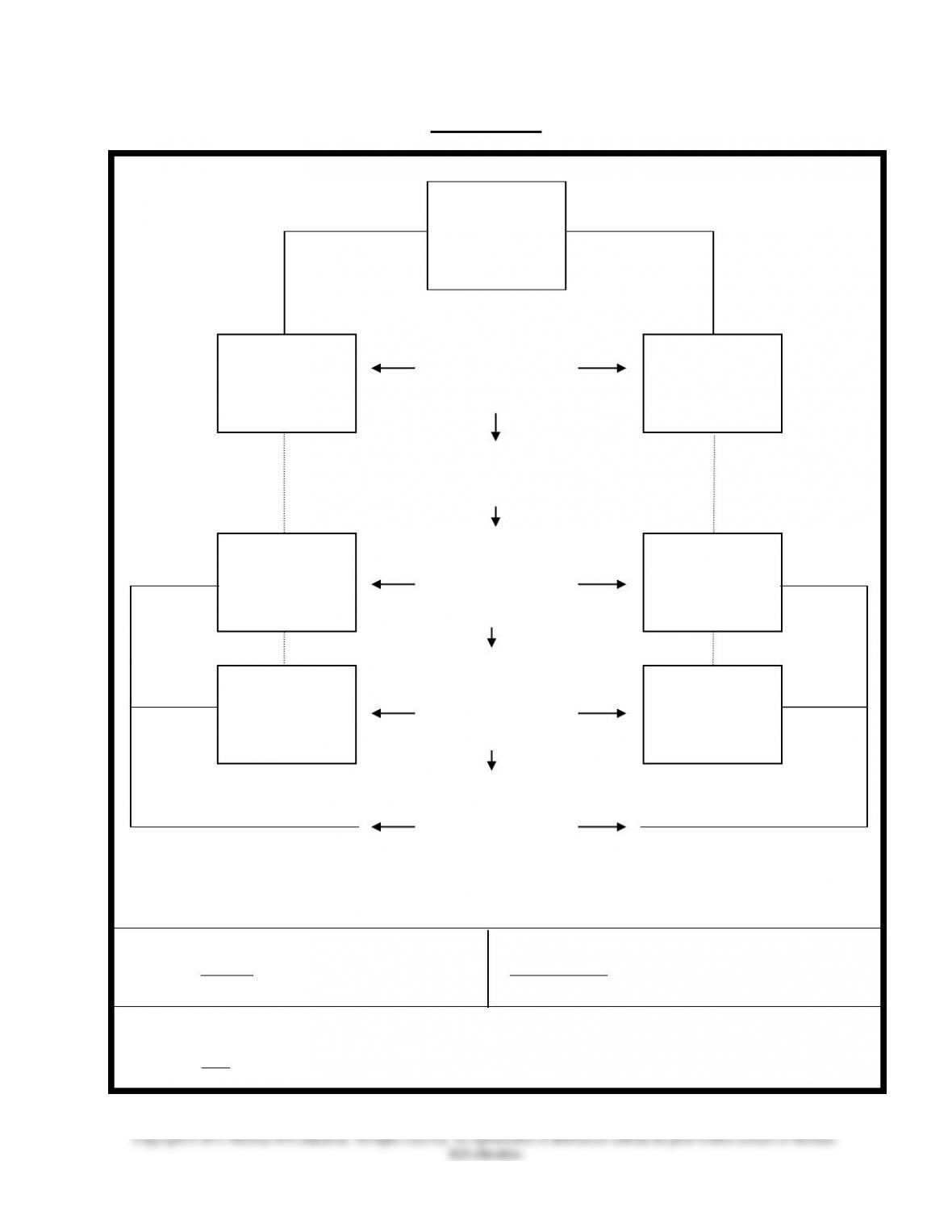
VISUAL #5-2
O
Ending
Inventory
(EI)
Cost of
Goods Sold
(COGS)
Which costs
to assign to
each?
Varies by
method
FIFO
out = sold
(first or earliest
costs)
LIFO
out = sold
(last or most
recent costs)
In an inflationary
period
(rising prices)
EI
most recent
costs
EI
earliest
costs
COGS
earliest
costs
COGS
most recent
costs
highest
lowest
lowest
highest
OBSERVATIONS
COGA Net Sales
– EI (varies by method) – COGS (affected by method)
COGS (affected by method) Gross Profit (affected by method)
Verbally identify the impact of LIFO & FIFO on net income in a period of rising
prices and a period of declining prices.
Goods
Available
(COGA)
has 2 parts

Chapter 05 – Reporting and Analyzing Inventories
5-12
Chapter 5 – Alternate Demonstration Problem #1 (Periodic)
The ABC Company had the following inventory record for the month of
January:
# of
Unit
Date
Description
Items
Price
Item
1/1
Beginning
inventory
5
$20
Z1, Z2, Z3, Z4, Z5
1/5
Sale
2
Z2, Z5
1/11
Purchase
9
12
Z6, Z7, Z8, Z9, Z10, Z11,
Z12, Z13, Z14
1/28
Sale
7
Z1, Z3, Z6, Z7, Z8, Z9, Z14
Required:
Assuming a periodic system is in use, determine the following:
1. Cost of goods available for sale.
2. Cost of goods sold and the ending inventory using each of the
following methods:
a. FIFO
b. LIFO
c. Weighted Average
d. Specific Identification
Chapter 05 – Reporting and Analyzing Inventories
5-13
Solution: Chapter 5 – Alternate Demonstration Problem #1
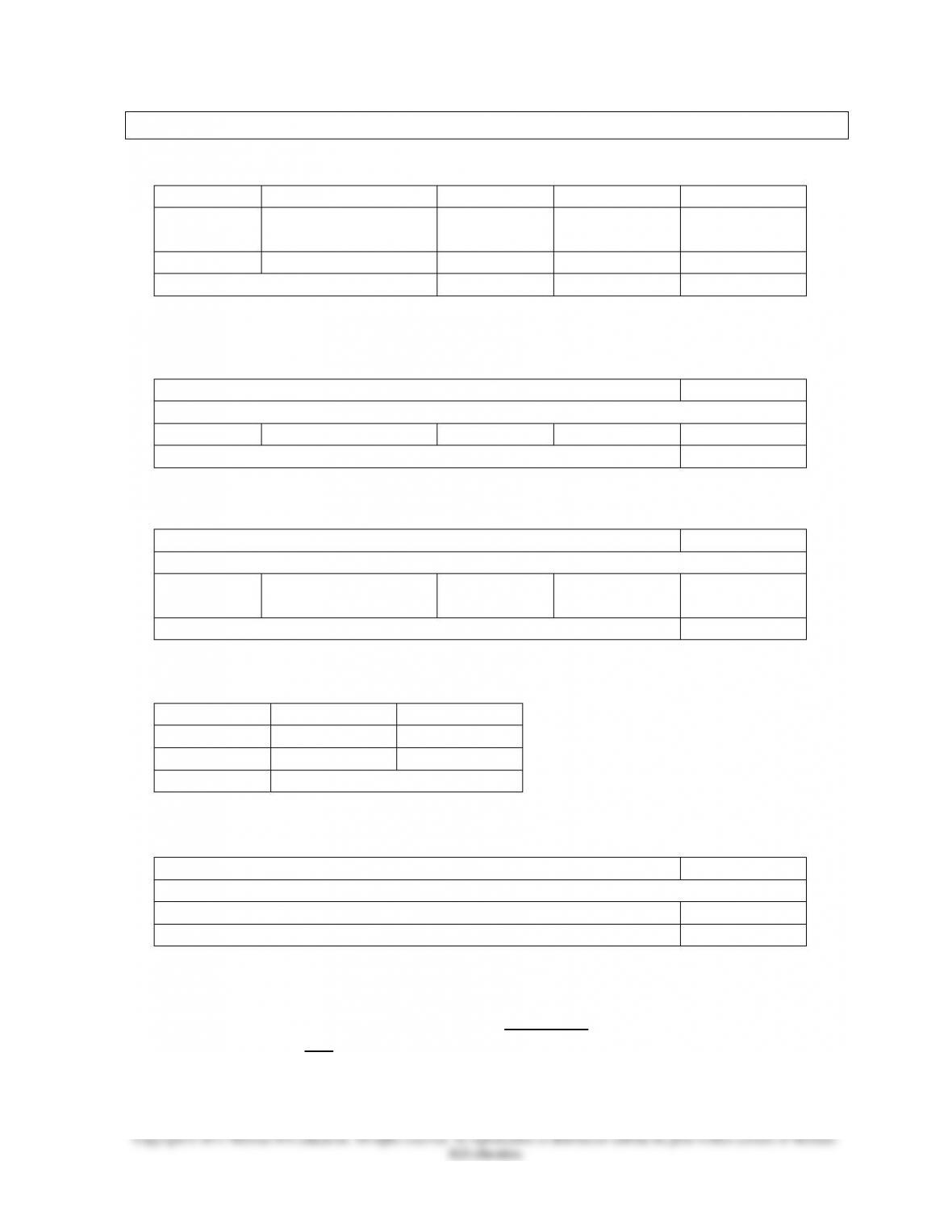
1. Cost of goods available for sale:
Date
Units
Unit Cost
Cost
1/1
Beginning
inventory
5
$20
$100
1/11
Purchase
9
12
108
Total goods available for sale
14
$208
2. a. FIFO Periodic (FIFO under periodic and perpetual yields identical
results).
Total goods available for sale
$208
Ending inventory
1/28
Purchase
5
$12
$60
Cost of goods sold
$148
b. LIFO Periodic:
Total goods available for sale
$208
Ending inventory
1/1
Beginning
inventory
5
$20
$100
Cost of goods sold
$108
c. Weighted Average Periodic:
Units
Unit cost
Total cost
5
$20
$100
9
12
108
14
$208
$208 / 14 = $14.86 rounded.
Total cost of 14units available for sale
$208
Less ending inventory priced on a weighted average cost basis:
5 units at $14.86
74
Cost of goods sold
$134
d. Specific Identification:
Specific identification method: solution is identical to the solution shown in
alternative demonstration problem for perpetual because specific
identification is not a cost flow assumption; it is a method which
specifically identifies each item in inventory and each item that is sold.
Chapter 05 – Reporting and Analyzing Inventories
5-14
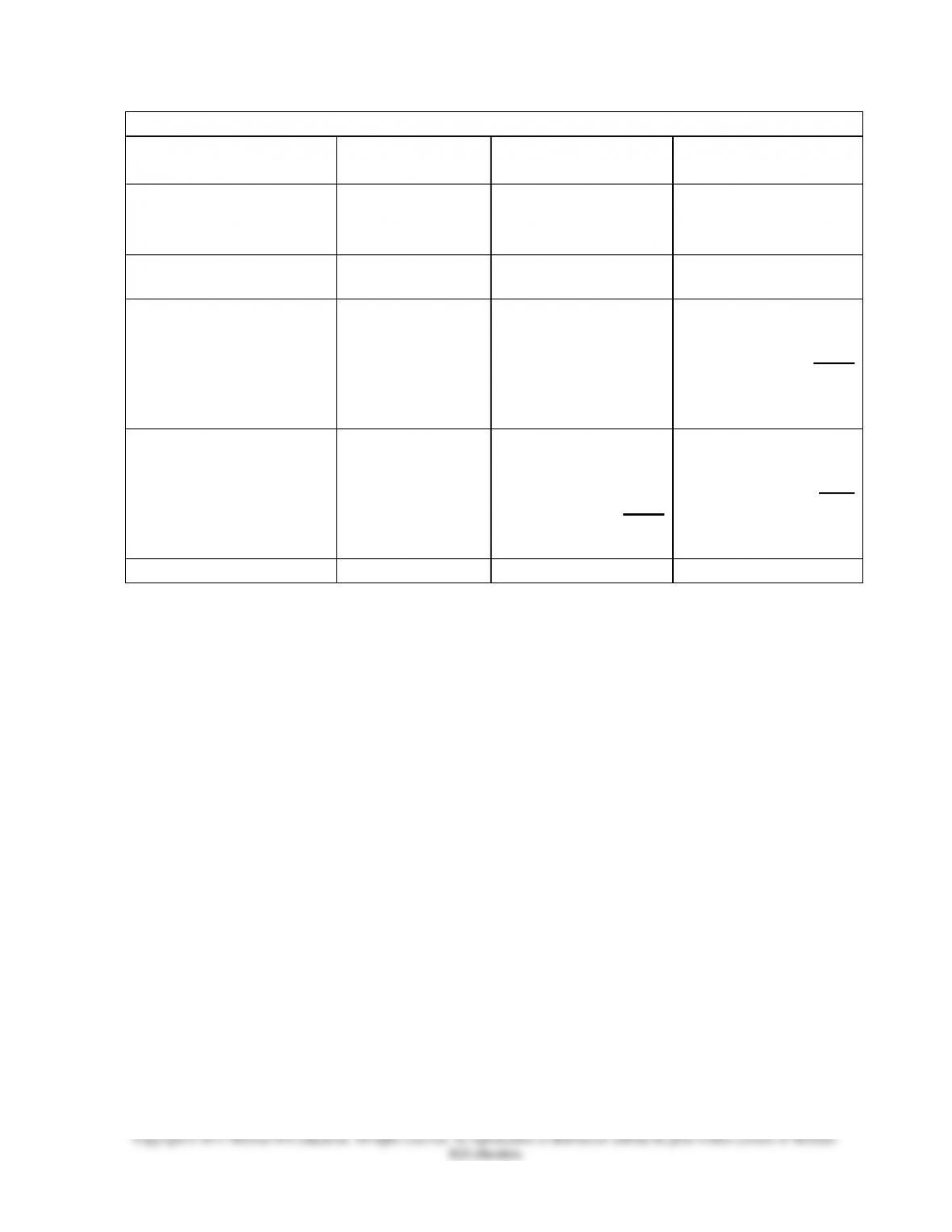
Specific Identification Periodic
Date
Purchases
Sales at Cost
Inventory
Balance
1/1
Beginning
Inventory
5 @ $ 20 = $100
Z1–Z5
1/5
2 @ $20 = $ 40
Z2, Z5
3 @ $20 = $ 60
Z1, Z3, Z4
1/11
9 @ $12=$108
Z6-Z14
3 @ $20 = $ 60
Z1, Z3, Z4
9 @ $12 = 108
Z6-Z14 $168
1/18
Z1, Z3
2 @ $20 = $ 40
Z6, Z7, Z8, Z9, Z14
5 @ $12 = $ 60
$ 100
1 @ $20 = $ 20
Z4 4 @ $12 = 48
Z10-13 $ 68
Ending Inventory
Total CGS
$40 + 100 = $140

Chapter 05 – Reporting and Analyzing Inventories
5-15
Chapter 5 – Alternate Demonstration Problem #2 (Perpetual)
The ABC Company had the following inventory record for the month of
January:
# of
Unit
Date
Description
Items
Price
Item
1/1
Beginning
inventory
5
$20
Z1, Z2, Z3, Z4, Z5
1/5
Sale
2
Z2, Z5
1/11
Purchase
9
12
Z6, Z7, Z8, Z9, Z10, Z11,
Z12, Z13, Z14
1/28
Sale
7
Z1, Z3, Z6, Z7, Z8, Z9, Z14
Required:
Assuming a perpetual system is in use, determine the cost of goods sold
and the ending inventory using each of the following methods:
1. FIFO
2. LIFO
3. Weighted average
4. Specific identification
Chapter 05 – Reporting and Analyzing Inventories
5-16
Solution: Chapter 5 – Alternate Demonstration Problem #2
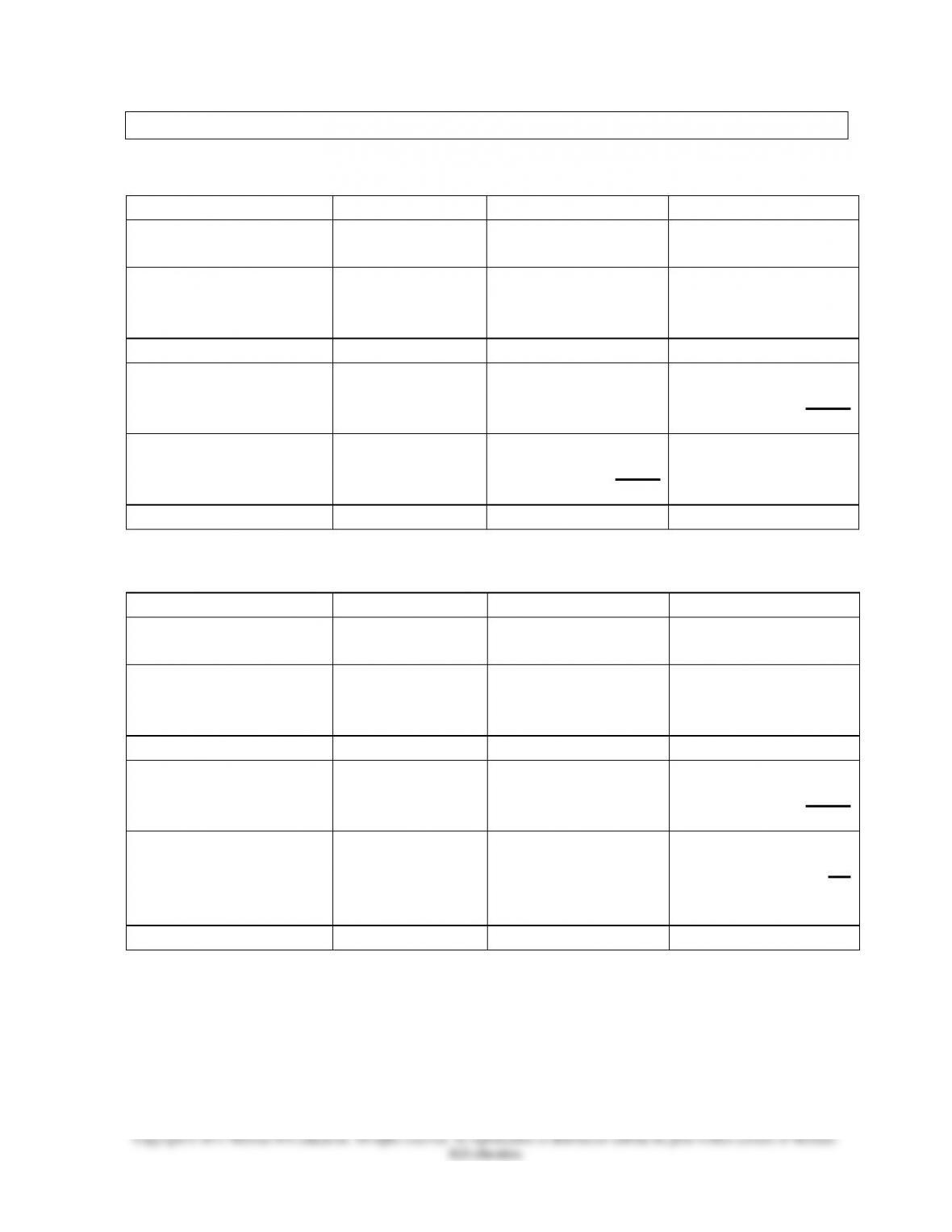
1.
FIFO Perpetual
Date
Purchases
Sales at Cost
Inventory
Balance
1/1
Beginning
Inventory
5 @ $20 = $100
1/5
2 @ $20 = $ 40
3 @ $20 = $ 60
1/11
9 @ 12=$108
3 @ $20 = $ 60
9 @ $12 = 108
$168
1/28
3 @ $20 = $ 60
4 @ $12 = 48
$108
5 @ $12 = $ 60
Ending Inventory
Total CGS
$ 40 + 108 = $148
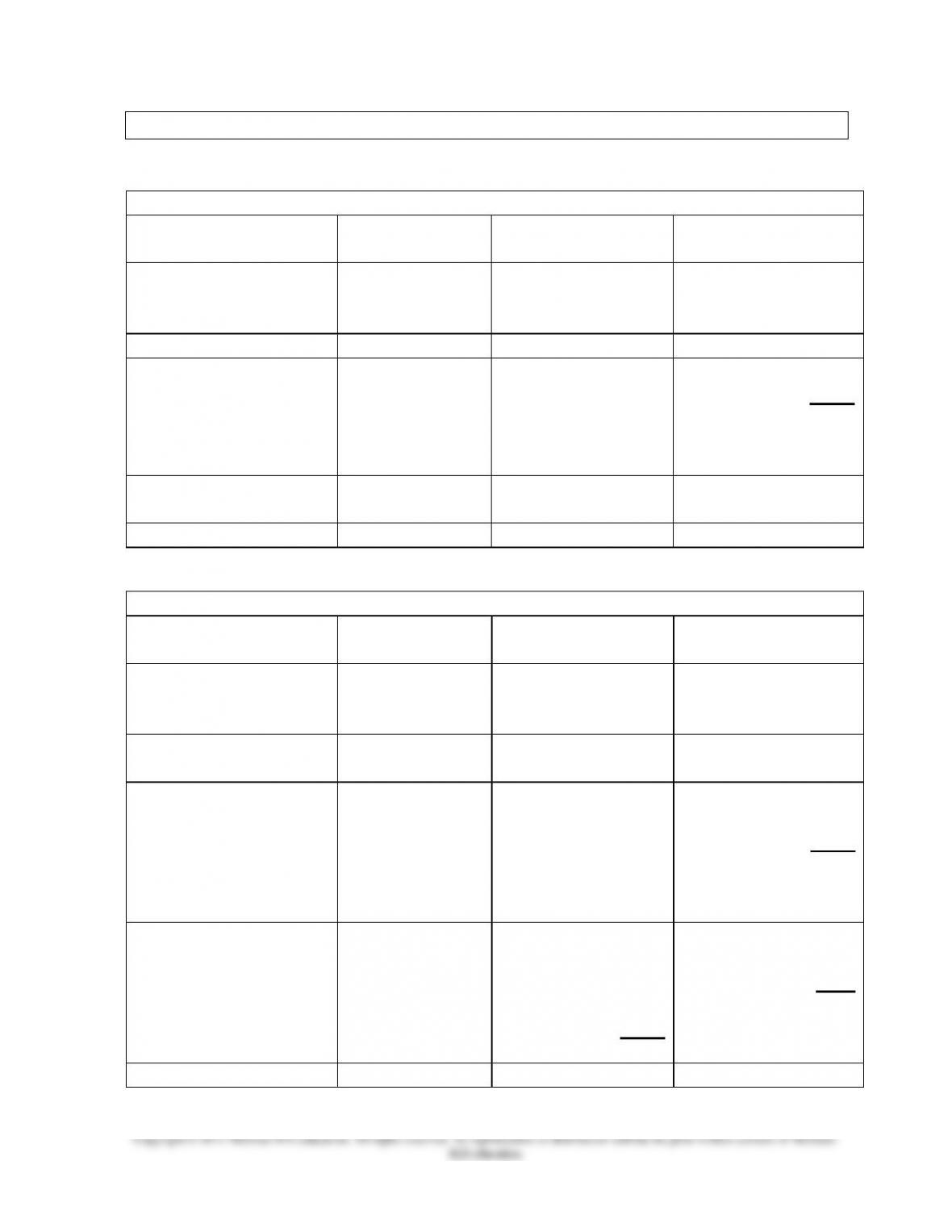
2.
LIFO Perpetual
Date
Purchases
Sales at Cost
Inventory
Balance
1/1
Beginning
Inventory
5 @ $ 20 = $100
1/5
2 @ $20 = $ 40
3 @ $20 = 60
1/11
9 @ $12=$108
3 @ $20 = $ 60
9 @ $12 = 108
$168
1/18
7 @ $12 = $ 84
3 @ $20 = $ 60
2 @ $12 = 24
$ 84
Ending Inventory
Total CGS
$40 + 84 = $124
Chapter 05 – Reporting and Analyzing Inventories
5-17
Solution: Chapter 5 – Alternate Demonstration Problem #2, continued
3.
Weighted Average Perpetual
Date
Purchases
Sales at Cost
Inventory
Balance
1/1
Beginning
Inventory
5 @ $20 = $100
1/5
2 @ $20 = $ 40
3 @ $20 = $ 60
1/11
9 @ 12=$108
3 @ $20 = $ 60
9 @ $12 = 108
$168
$168/12 = $ 14
CPU
1/18
7 @ $14 = $ 98
5 @ $14 = $ 70
Ending Inventory
Total CGS
$ 40 + 94 = $138
4.
Specific Identification Perpetual
Date
Purchases
Sales at Cost
Inventory
Balance
1/1
Beginning
Inventory
5 @ $ 20 = $100
Z1–Z5
1/5
2 @ $20 = $ 40
Z2, Z5
3 @ $20 = $ 60
Z1, Z3, Z4
1/11
9 @ $12=$108
Z6–Z14
3 @ $20 = $ 60
Z1, Z3, Z4
9 @ $12 = 108
Z6–Z14
$168
1/18
Z1, Z3
2 @ $20 = $ 40
Z6, Z7, Z8, Z9,
Z14
5 @ $12 = $ 60
$ 100
1 @ $20 = $ 20
Z4 4 @ $12 = 48
Z10–13 $ 68
Ending Inventory
Total CGS
$40 + 100 = $140