
Chapter 02 – Analyzing and Recording Transactions
CHAPTER 2
ANALYZING AND RECORDING TRANSACTIONS
Related Assignment Materials
Student Learning Objectives Questions
Quick
Studies* Exercises* Problems*
Beyond the
Numbers
Conceptual objectives:
C1. Explain the steps in processing
transactions and the role of
source documents.
3, 6, 9 2-1 2-1 2-6 2-3, 2-4,
2-6, 2-9
C2. Describe an account and its use
in recording transactions.
1,2, 14 2-2 2-2 2-5 2-4, 2-6
C3. Describe a ledger and a chart of
accounts.
2-3 2-3, 2-16 2-1, 2-2,
2-3, 2-4, 2-6
C4. Define debits and credits and
explain their role in
double-entry accounting.
7 2-4, 2-5,
2-10
2-4 2-1, 2-2, 2-3 2-6
Analytical objectives:
A1. Analyze the impact of
transactions on accounts and
financial statements.
.
2-7 2-5, 2-6,
2-9, 2-11,
2-12, 2-13,
2-15, 2-20,
2-21
2-1, 2-2,
2-3, 2-4,
2-5, 2-6
2-1, 2-2,
2-4, 2-5,
2-6, 2-7,
2-8
A2. Compute the debt ratio and
describe its use in analyzing
financial condition.
2-23 2-5 2-1, 2-2,
2-7, 2-8,
2-10
Procedural objectives:
P1. Record transactions in a journal
and post entries to a ledger.
3, 4,5 2-6 2-7, 2-11,
2-12, 2-14
2-19
2-1, 2-2,
2-3, 2-4
P2. Prepare and explain the use of a
trial balance.
8 2-8 2-8, 2-10,
2-20, 2-21
2-1, 2-2,
2-3, 2-4, 2-6
P3. Prepare financial statements
from business transactions.
10, 11, 12,
13,15, 16,
17, 18
2-9 2-16, 2-17,
2-18, 2-19,
2-22
2-5 2-4, 2-7,
2-8
*See additional information on next page that pertains to these quick studies, exercises and problems.
Additional Information on Related Assignment Material
The Serial Problem for Success Systems continues in this chapter.
Connect (Available on the instructor’s course-specific website) repeats all numerical Quick Studies, all
Exercises and Problems Set A. Connect provides new numbers each time the Quick Study, Exercise or
Problem is worked. It allows instructors to monitor, promote, and assess student learning. It can be used
2-1
Copyright © 2015 McGraw-Hill Education. All rights reserved. No reproduction or distribution without the prior written consent of McGraw-Hill
Education.
Chapter 02 – Analyzing and Recording Transactions
in practice, homework, or exam mode
Synopsis of Chapter Revisions
Akola Project: NEW opener with new entrepreneurial assignment
New layout showing financial statements drawn from trial balance
New preliminary coverage of classified and unclassifed balance sheets
Changed selected numbers for FastForward
Revised Piaggio’s (IFRS) balance sheet
Updated debt ratio section using Skechers
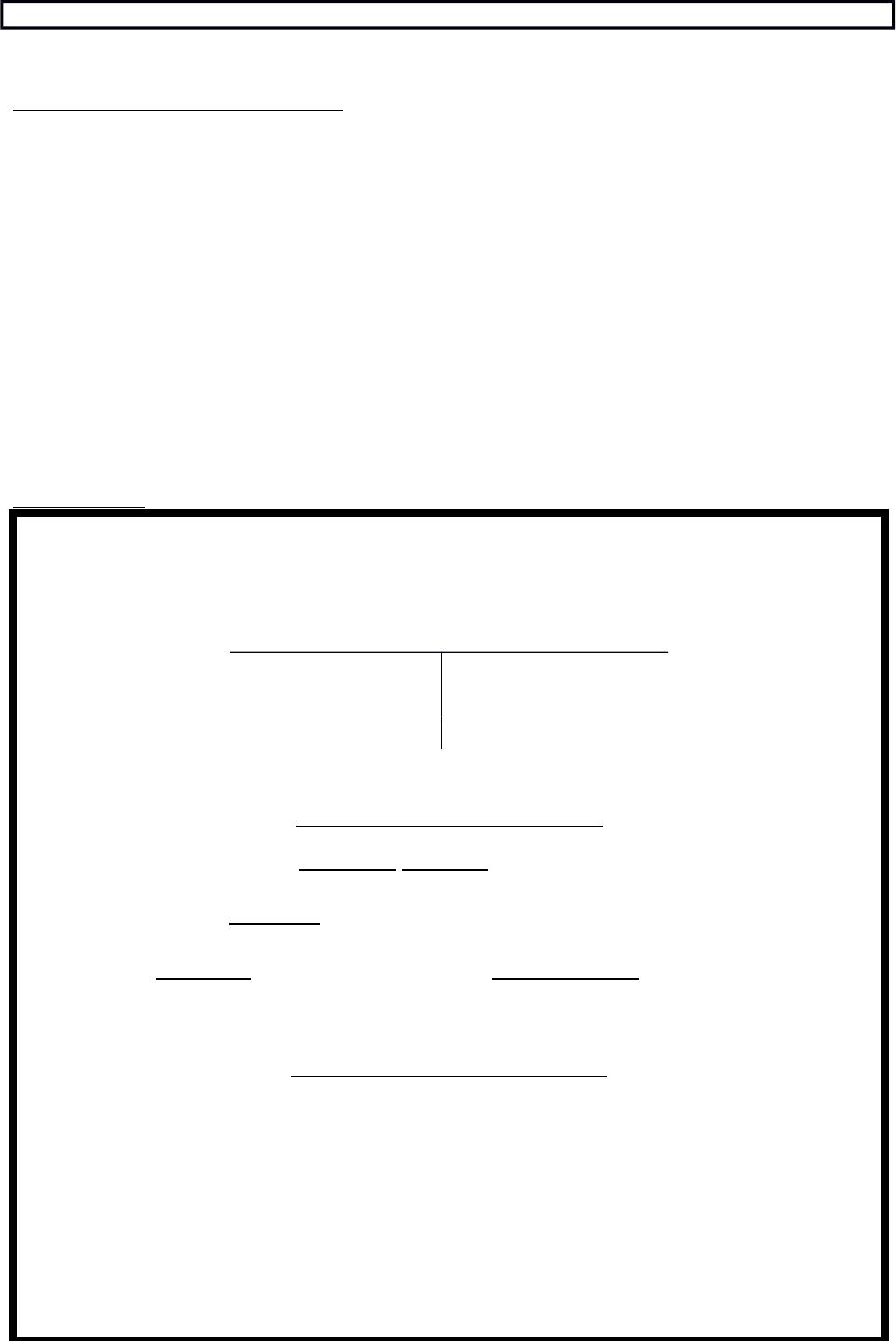
VISUAL #2-1
THREE PARTS OF AN ACCOUNT
(1) ACCOUNT TITLE
Left Side Right Side
called called
(2) DEBIT (3) CREDIT
Rules for using accounts
Accounts are assigned balance sides (Debit or Credit).
To increase any account, use the balance side.
To decrease any account, use the side opposite the balance.
Finding account balances
If total debits = total credits, the account balance is zero.
2-2
Copyright © 2015 McGraw-Hill Education. All rights reserved. No reproduction or distribution without the prior written consent of McGraw-Hill
Education.

Chapter 02 – Analyzing and Recording Transactions
If total debits are greater than total credits, the account has a debit
balance equal to the difference of the two totals.
If total credits are greater than total debits, the account has a
credit balance equal to the difference of the two totals.
2-3
Copyright © 2015 McGraw-Hill Education. All rights reserved. No reproduction or distribution without the prior written consent of McGraw-Hill
Education.
Chapter 02 – Analyzing and Recording Transactions
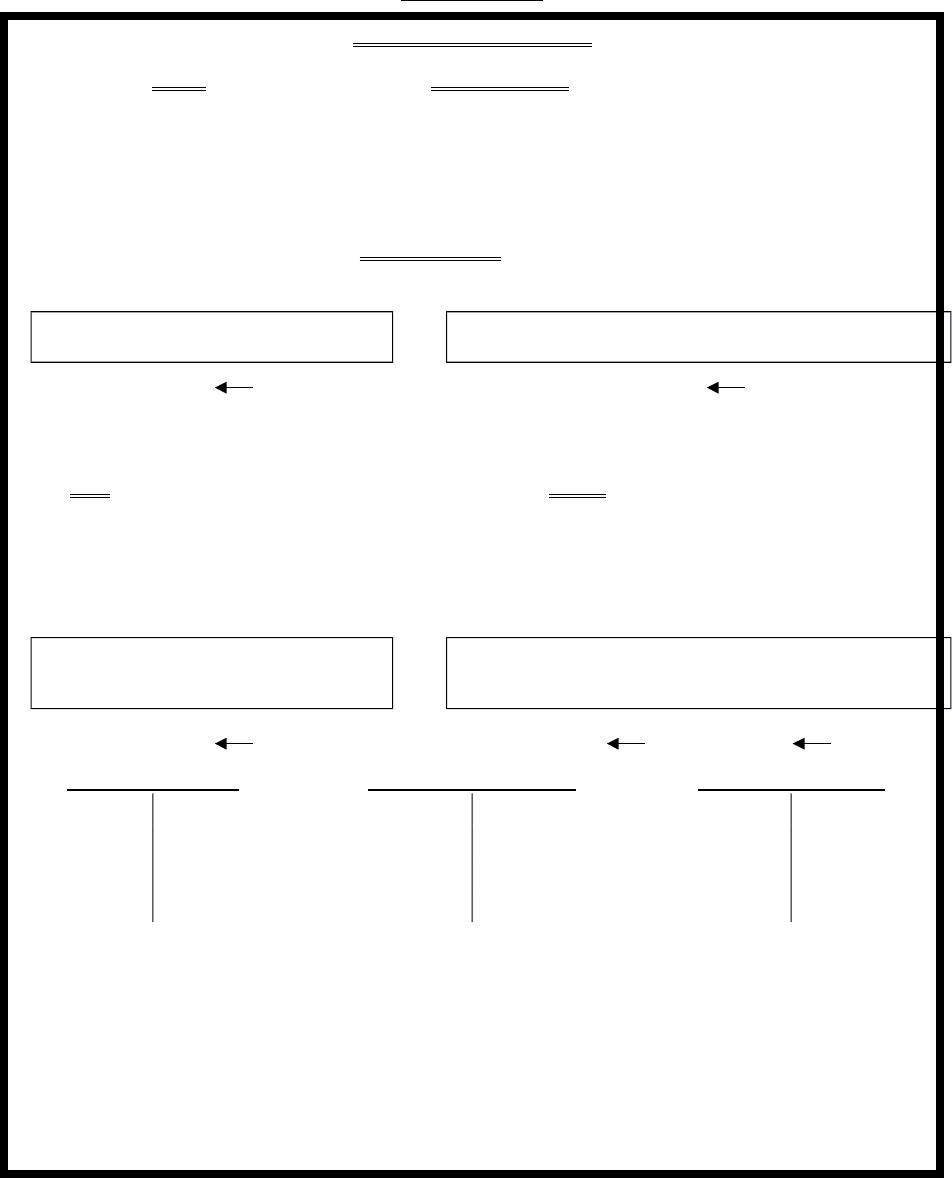
VISUAL #2-2
REAL ACCOUNTS
ALL ACCOUNTS ARE ASSIGNED BALANCE SIDES
BALANCE SIDES FOR ASSETS, LIABILITIES, AND
EQUITY ACCOUNTS ARE ASSIGNED BASED ON
SIDE OF EQUATION THEY ARE ON.
ASSETS =LIABILITIES + EQUITY
are on the
left side of the equation
therefore they are
are on the
right side of the equation
therefore they are
ASSIGNED LEFT SIDE
BALANCE
ASSIGNED RIGHT SIDE
BALANCE
DEBIT BALANCE CREDIT BALANCE
All Asset Accts All Liability Accts All Equity Accts
Normal Normal Normal
Debit Credit Debit Credit Debit Credit
Balance Balance Balance
+ side – side – side + side – side + side
*In a sole proprietorship, there is only one equity account, which is called
capital. For that reason, the terms equity and capital are often used
interchangeably. (When corporations are discussed in detail, you will learn
many stockholders’ equity accounts.) Equity is an account classification like
assets. Owner’s Name, Capital, is the account title.
2-4
Copyright © 2015 McGraw-Hill Education. All rights reserved. No reproduction or distribution without the prior written consent of McGraw-Hill
Education.
Chapter 02 – Analyzing and Recording Transactions
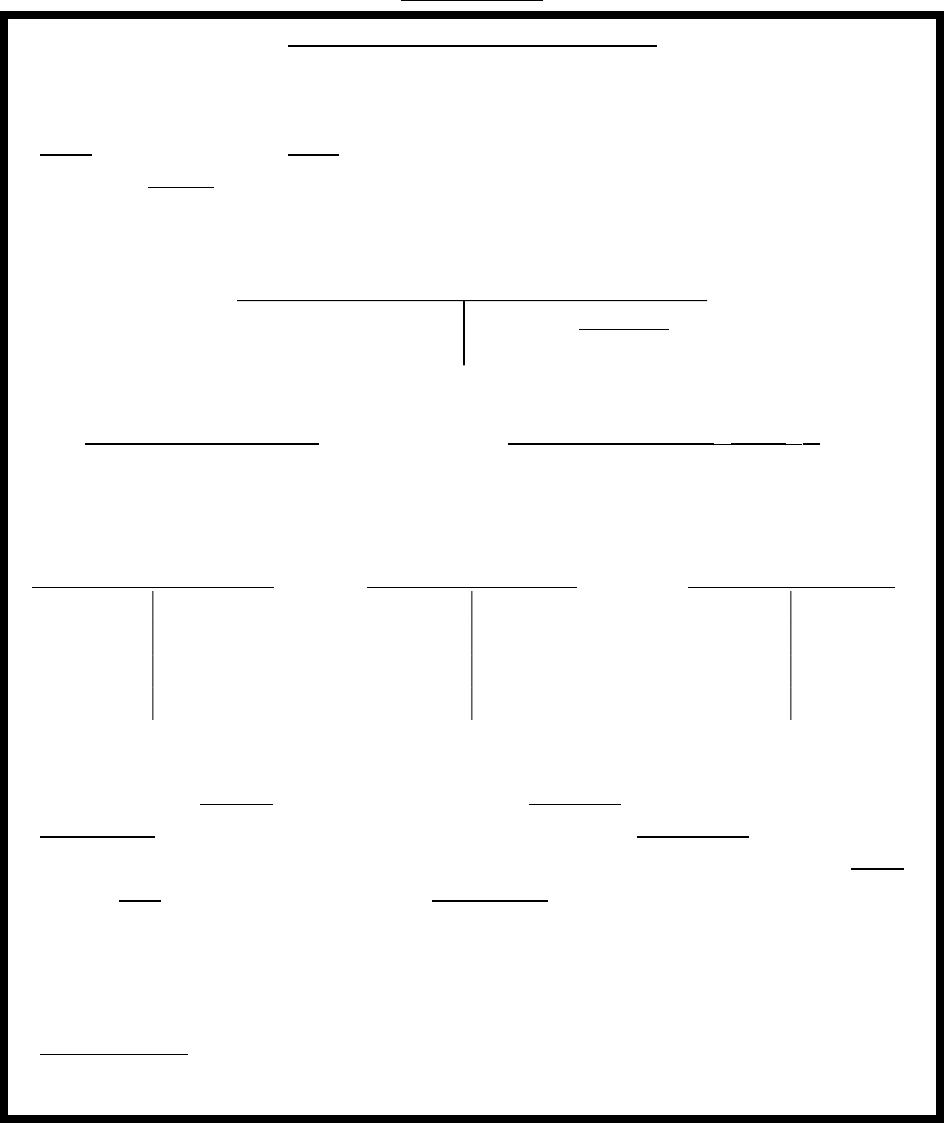
VISUAL #2-3
TEMPORARY ACCOUNTS
Temporary accounts are established to facilitate efficient accumulation of
data for statements. Temporary accounts are established for withdrawals,
each revenue, and each expense. Temporary accounts are assigned
balances based on how they affect equity.
(Equity Account)
Owner’s Name, Capital
Debit Credit Balance
– side + side
Temporary Accounts Effect on equity? E or E
Owner, Withdrawals* E = Dr
Revenues E = Cr
Expenses E = Dr
All Withdrawal Accts All Revenue Accts All Expense Accts
Normal Normal Normal
Debit Credit Debit Credit Debit Credit
Balance Balance Balance
+ side – side – side + side + side – side
Note:
Transactions during the period always increase the balances of these
temporary accounts since the transaction represent additional withdrawals,
revenues, and expenses. We will later learn how to move these amounts back
to the real account they affect CAPITAL. At the end of the accounting
period, transferring withdrawals, revenues, and expenses back to capital is
the main use for the decrease side of the temporary accounts.
*The “Owner’s Name, Withdrawals” is the account title and the
classification of account is a contra-equity.
2-5
Copyright © 2015 McGraw-Hill Education. All rights reserved. No reproduction or distribution without the prior written consent of McGraw-Hill
Education.
Chapter 02 – Analyzing and Recording Transactions
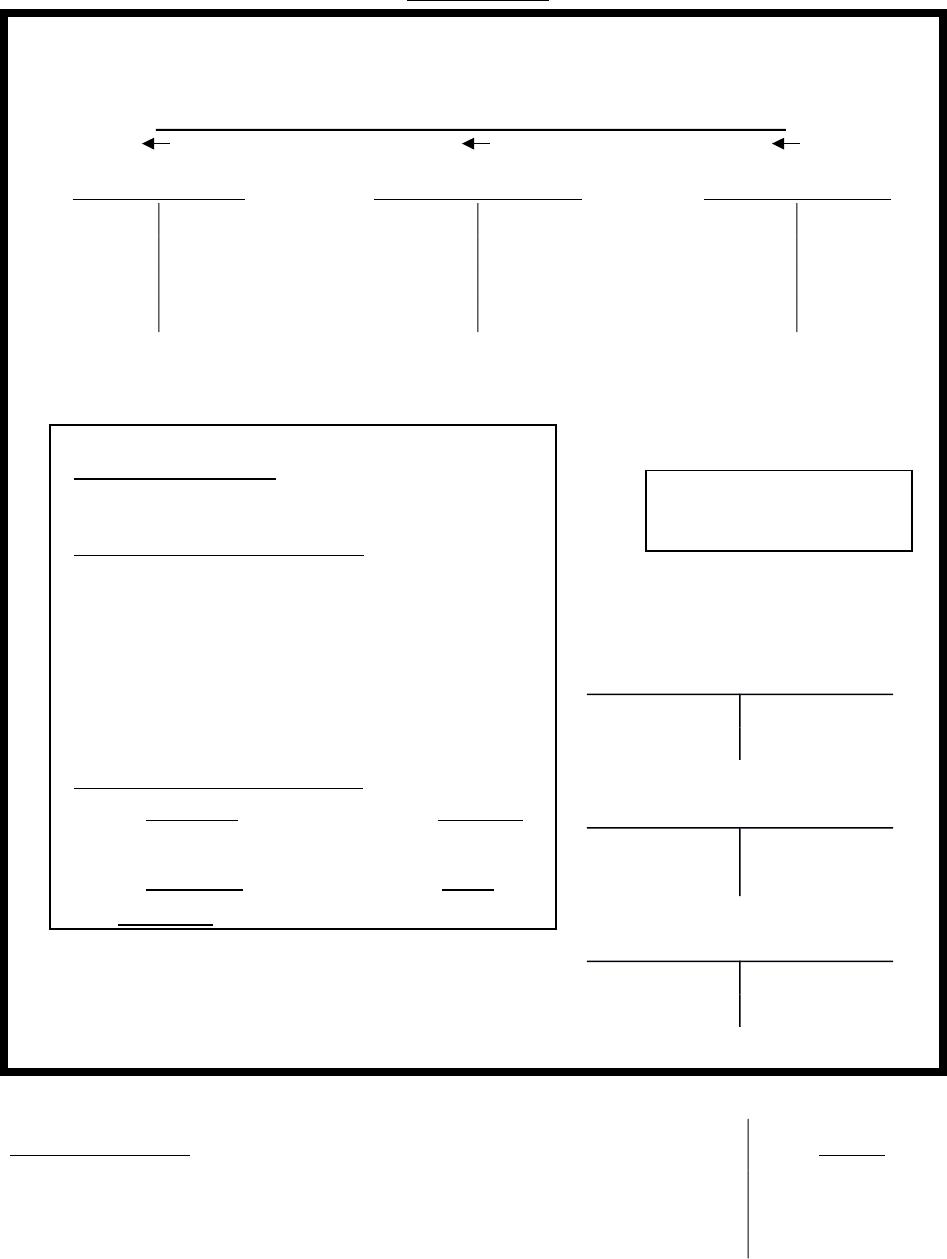
VISUAL #2-4
USING ACCOUNTS – SUMMARY
Real Accounts
All Asset Accts All Liability Accts All Equity Accts
Debit + Credit + Credit +
Balance Balance Balance
RULE REVIEW
Temporary Accounts
Transaction analysis rules
Each transaction affects at least 2
accounts.
Each transaction must have equal
debits and credits.
All Withdrawal Accounts
Debit +
Balance
General account use rules
To increase any account, use balance All Revenue Accounts
side. Credit +
To decrease any account, use side Balance
opposite the balance
All Expense Accounts
Debit +
Balance
Chapter Outline Notes
I. Analyzing and Recording Process—steps include:
A. Analyzing each transaction and event from source documents. Source
documents are business papers that identify and describe economic
2-6
Copyright © 2015 McGraw-Hill Education. All rights reserved. No reproduction or distribution without the prior written consent of McGraw-Hill
Education.

Chapter 02 – Analyzing and Recording Transactions
events and transactions. Examples: sales tickets, checks, purchase
orders, bills, and bank statements. Source documents provide
objective and reliable evidence about transactions and events.
B. Record relevant transactions and events in a journal.
C. Post journal information to ledger accounts.
D. Prepare and analyze the trial balance.
II. The Account and its Analysis
A. An account is a record of increases and decreases in a specific asset,
liability, equity, revenue, or expense item.
B. Accounts are arranged into three basic categories based on the
accounting equation. Categories are:
1. Assets—resources owned or controlled by a company that have
future economic benefit. Examples include Cash, Accounts
Receivable, Note Receivable, Prepaid Expenses, Prepaid
Insurance, Supplies, Store Supplies, Equipment, Buildings, Land.
2. Liabilities—claims (by creditors) against assets, which means
they are obligations to transfer assets or provide products or
services to others. Examples include Accounts Payable, Note
Payable, Unearned Revenues, and Accrued Liabilities.
a. Accounts Payable—verbal or implied promise to pay later
usually arising from purchase of inventory or other assets.
b. Notes Payable—formal promise to pay usually denoted by
signing a promissory note, to pay a future amount.
c. Unearned revenue—revenue collected before it is earned;
before services or goods are provided.
d. Accrued liabilities—amounts owed that are not yet paid.
3. Equity—owner’s claim on company’s assets is called equity or
owner’s equity. Examples include Owner’s Capital, Owner’s
Withdrawals (decreases in equity). Revenues (results from
providing goods or services; i.e. Sales, Fees Earned) increases
equity. Expenses (results from assets or services used in
operation; i.e. Supplies Expense) decreases equity.
III. Analyzing and Processing Transactions
A. The general ledger or ledger (referred to as the books) is a record
containing all the accounts a company uses.
B. The chart of accounts is a list of all accounts in the ledger with their
identification numbers.
C. A T-account represents a ledger account and is a tool used to
understand the effects of one or more transactions. Has shape like the
letter T with account title on top.
Chapter Outline Notes
IV. Debits and Credits
A. The left side of an account is called the debit side. A debit is an entry
on the left side of an account.
B. The right side of an account is called the credit side. A credit is an
2-7
Copyright © 2015 McGraw-Hill Education. All rights reserved. No reproduction or distribution without the prior written consent of McGraw-Hill
Education.

Chapter 02 – Analyzing and Recording Transactions
entry on the right side of an account.
C. Accounts are assigned balance sides based on their classification or
type.
D. To increase an account, an amount is placed on the balance side, and
to decrease an account, the amount is placed on the side opposite its
assigned balance side.
E. The account balance is the difference between the total debits and the
total credits recorded in that account. When total debits exceed total
credits the account has a debit balance. When total credits exceed
total debits the account has a credit balance. When two sides are
equal the account has a zero balance.
V. Double-Entry Accounting—requires that each transaction affect, and be
recorded in, at least two accounts. The total debits must equal total credits
for each transaction.
A. The assignment of balance sides (debit or credit) follows the
accounting equation.
1. Assets are on the left side of the equation; therefore, the left, or
debit, side is the normal balance for assets.
2. Liabilities and equities are on the right side; therefore, the right,
or credit, side is the normal balance for liabilities and equity.
3. Withdrawals, revenues, and expenses really are changes in equity,
but it is necessary to set up temporary accounts for each of these
items to accumulate data for statements. Withdrawals and
expense accounts really represent decreases in equity; therefore,
they are assigned debit balances. Revenue accounts really
represent increases in equity; therefore, they are assigned credit
balances.
B. Three important rules for recording transactions in a double-entry
accounting system are:
1. Increases to assets are debits to the asset accounts. Decreases to
assets are credits to the asset accounts.
2. Increases to liabilities are credits to the liability accounts.
Decreases to liabilities are debits to the liability accounts.
3. Increases to equity are credits to the equity accounts. Decreases
to equity are debits to the equity accounts.
Chapter Outline Notes
VI. Journalizing and Posting Transactions
A. Four steps in processing transactions are as follows:
Journalizing–The process of recording each transaction in a journal.
1. Identify transaction and source documents.
2. Analyze using the accounting equation. Apply double entry
accounting to determine account to be debited and credited.
3. Record journal entry—recorded chronologically (A journal
gives us a complete record of each transaction in one place.)
2-8
Copyright © 2015 McGraw-Hill Education. All rights reserved. No reproduction or distribution without the prior written consent of McGraw-Hill
Education.

Chapter 02 – Analyzing and Recording Transactions
a. A General Journal is the most flexible type of journal
because it can be used to record any type of transaction.
b. When a transaction is recorded in the General Journal, it is
called a journal entry. A journal entry that affects more
than two accounts is called a compound journal entry.
c. Each journal entry must contain equal debits and credits.
4. Post entry to ledger—transfer (or post) each entry from journal
to ledger.
a. Debits are posted as debit, and credits as credits to the
accounts identified in the journal entry.
b. Actual accounting systems use balance column accounts
rather than T-accounts in the ledger.
c. A balance column account has debit and credit columns
for recording entries and a third column for showing the
balance of the account after each entry is posted.
Note: To see an illustration of analyzing, journalizing and posting of 16
basic transactions refer to pages 64-72 of the textbook.
VII. Trial Balance
A. A trial balance is a list of accounts and their balances at a point in
time. Account balances are reported in their appropriate debit or
credit columns of the trial balance.
B. The trial balance tests for the equality of the debit and credit
account balances as required by double-entry accounting.
C. Three steps to prepare a trial balance are as follows:
1. List each account and its amount (from the ledger).
2. Compute the total debit balances and the total credit balances.
3. Verify (prove) total debit balances equal total credit balances.
D. When a trial balance does not balance (the columns are not equal),
an error has occurred in one of the following steps:
1. Preparing the journal entries.
2. Posting the journal entries to the ledger.
3. Calculating account balances.
Chapter Outline Notes
4. Copying account balances to the trial balance.
5. Totaling the trial balance columns.
(Note: Any errors must be located and corrected before preparing
the financial statements. Financial Statements prepared from the
trial balance are actually unadjusted statements. The purpose,
content and format for each statement was presented in Chapter 1.
The next chapter will address adjustments)
E. Correcting Errors
1. Approach to correcting errors depends on the kind of error and
when it is discovered.
2-9
Copyright © 2015 McGraw-Hill Education. All rights reserved. No reproduction or distribution without the prior written consent of McGraw-Hill
Education.

Chapter 02 – Analyzing and Recording Transactions
2. Correcting entries may be necessary.
F. Presentation Issues
1. Dollar signs are not used in journals and ledgers but do appear
in financial statements and other reports such as a trial
balance.
2. Usual practice on statements is to put dollar signs before the
first and last number in each column.
3. Commas are optional except for financial reports were they
are always used.
4. Companies commonly round in reports to the nearest dollar, or
even higher levels.
5. Double rule the final total(s) on the financial statements.
VIII. Global View—Compares U.S.GAAP to IFRS
A. Analyzing and recording transactions—all transactions in this
chapter are accounted for identically under both systems.
B. Financial Statements—both systems require the same 4 basic
statement but there are some differences in the presentation
sequence with a given statement.
C. Accounting controls and assurance—SOX strengthened U.S.
control procedures that insure proper principle application,
however global standards for control and enforcement are diverse.
This can yield different outcomes.
IX. Decision Analysis—Debt Ratio:
A. Companies finance their assets with either liabilities or equity.
B. A company that finances a relatively large portion of its assets
with liabilities has a high degree of financial leverage.(greater
risk)
C. The debt ratio describes the relationship between a company’s
liabilities and assets. It is calculated as total liabilities divided by
total assets.
D. The debt ratio tells us how much (what percentage) of the assets
are financed by creditors (non-owners), or liability financing. The
higher this ratio, the more risk a company faces, because liabilities
must be repaid and often require regular interest payments.
2-10
Copyright © 2015 McGraw-Hill Education. All rights reserved. No reproduction or distribution without the prior written consent of McGraw-Hill
Education.