
Chapter 48: Laboratory Procedures
MATCHING
Match the following terms with the correct definition:
a.
blood serum
m.
anticoagulant
b.
budding yeast
n.
decant
c.
conical
o.
capillary action
d.
flocculent
p.
feathered edge
e.
electrolytes
q.
gram positive
f.
hemolysis
r.
erythrocytes
g.
necropsy
s.
morphology
h.
midstream
t.
dip stick
i.
medium
u.
hematology
j.
specific gravity
v.
rotors
k.
reagent
w.
voided
l.
stage
x.
cystocentesis
1. pointed or tapered end
2. wheel-like tool that holds samples
3. chemicals used to run test kits
4. the rupture of blood cells causing damage
5. liquid portion of whole blood
6. flat section of a microscope that holds the slide under the lens
7. substance that prevents blood from clotting
8. the cell structure, shape, color and appearance
9. area that is layered and forms a slight circular motion at the end of the slide
10. red blood cells
11. the action of blood draining into a tube by gravity
12. the process of an animal urinating on its own
13. the balance of elements in the body such as potassium and sodium
14. the study of blood
15. shortly after the urination begins and just prior to the process ending
16. surgical puncture into the bladder using a needle to collect a urine sample
17. contains large amounts of particles called sediment suspended in the urine
18. long thin plastic strip separated by individual square pads containing a chemically treated
paper
19. process of pouring urine out of a tube
20. evaluation for the presence of bacteria
21. bacteria that appears like a budding flower
22. gel where an organism grows
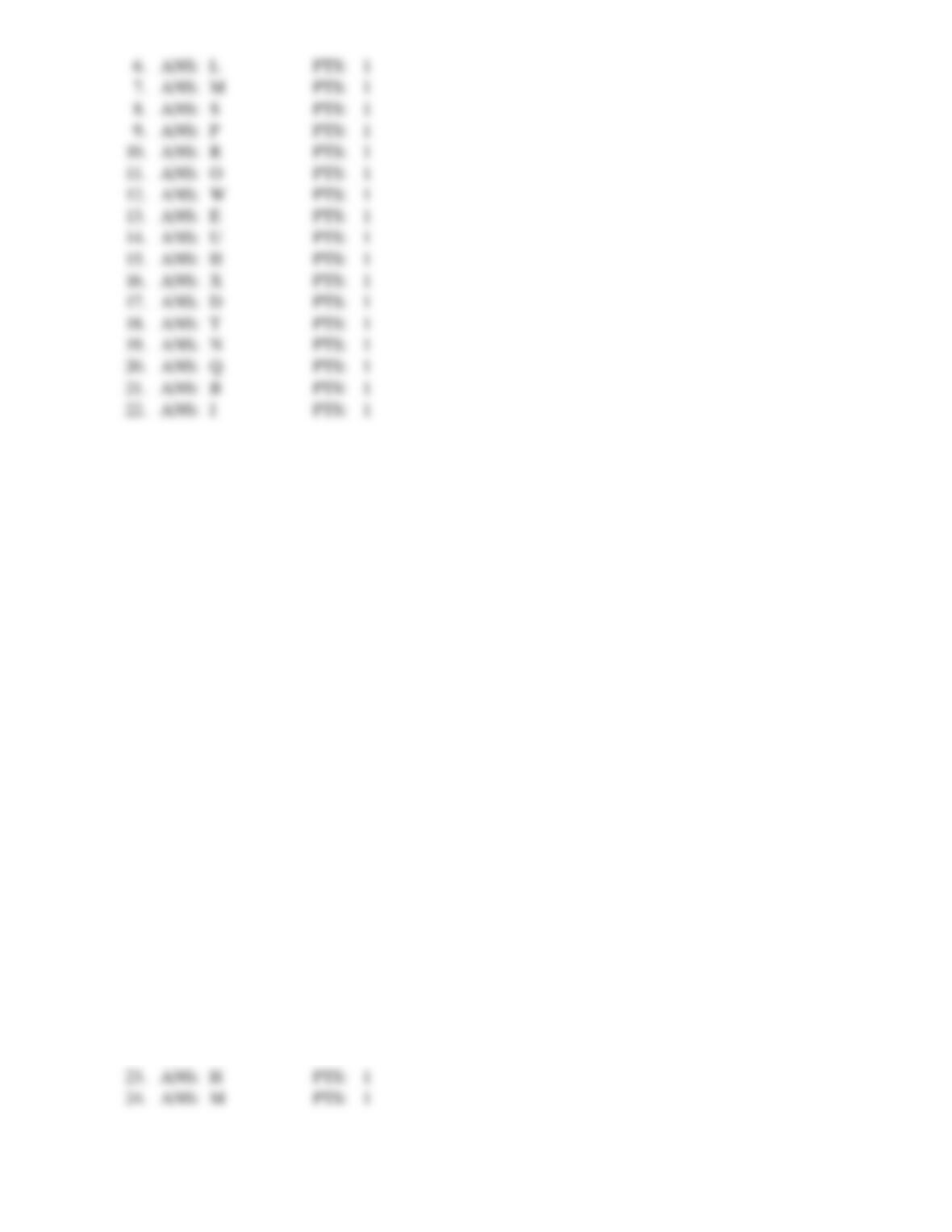
Match the following terms with the correct definition:
a.
the study of blood
b.
the weight of a liquid
c.
special substance to view cells at a high power
d.
term for red blood cells
e.
oblong shaped bacteria
f.
round shaped bacteria
g.
tool used to determine the weight of a liquid
h.
equipment used to spin blood and urine at high speeds
i.
the rupture of red blood cells causing a pink coloration to develop in the plasma or
serum
j.
the break down of urine components
k.
the cell structure, shape, color and appearance of blood cells
l.
the process of spreading a blood drop on a slide to visualize cells under the
microscope
m.
substance that prevent blood from clotting
n.
the process of the blood draining into the tube through gravity
23. centrifuge
24. anticoagulant
25. rods
26. capillary action
27. erythrocytes
28. hemolysis
29. hematology
30. urinalysis
31. specific gravity
32. refractometer
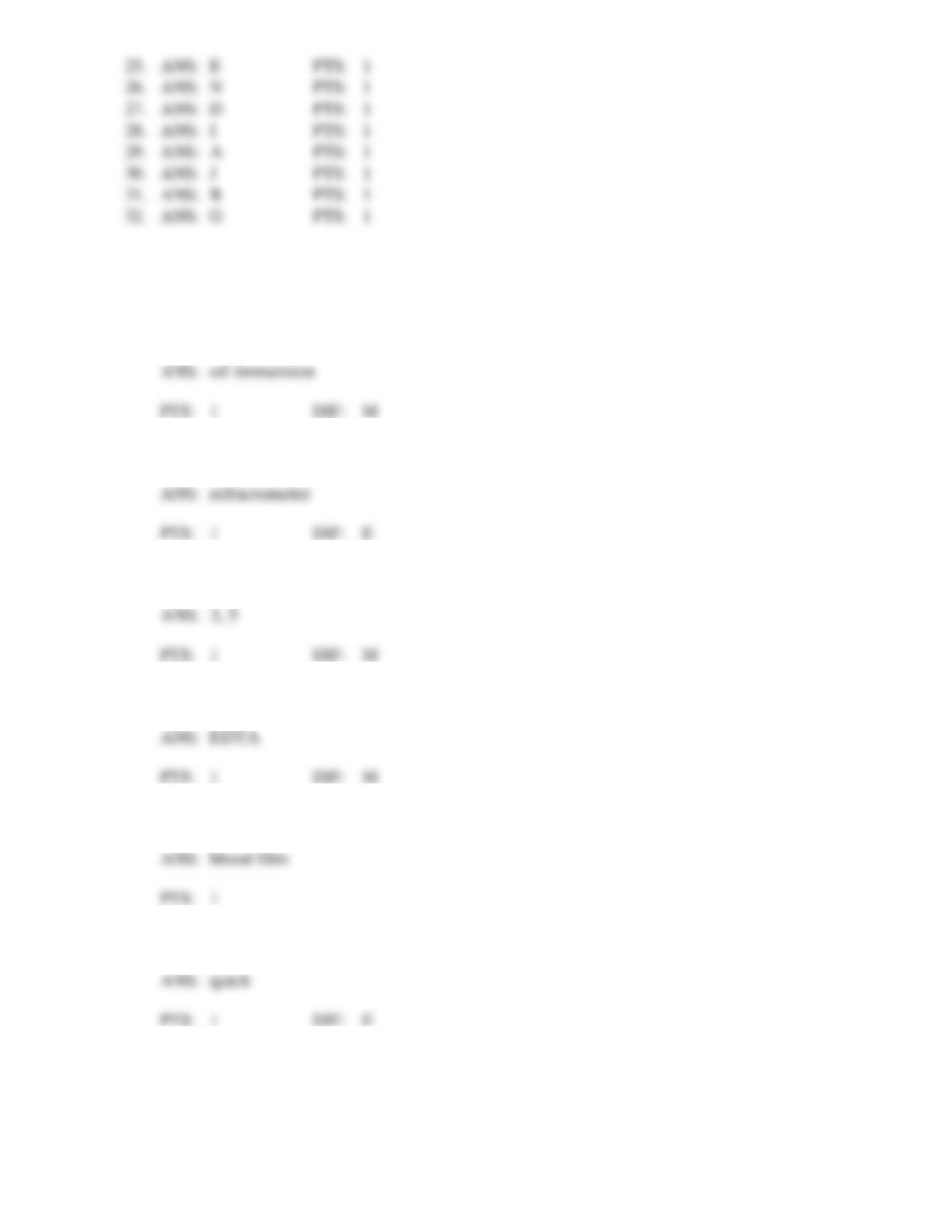
COMPLETION
1. _________________ is the power in which a special substance is placed on the slide to view
cell structures under a microscope.
2. A ______________________ measure the pH and specific gravity of a liquid.
3. A fecal sample that is spun in a centrifuge should spin ___ to ___ minutes.
4. A lavender top tube contains ____________ that prevents blood from clotting.
5. The blood smear is also called the ____________________.
6. A _________________ motion should be made when making a blood smear.
7. The white blood cells stain ______________ and the red blood cells stain
______________________.
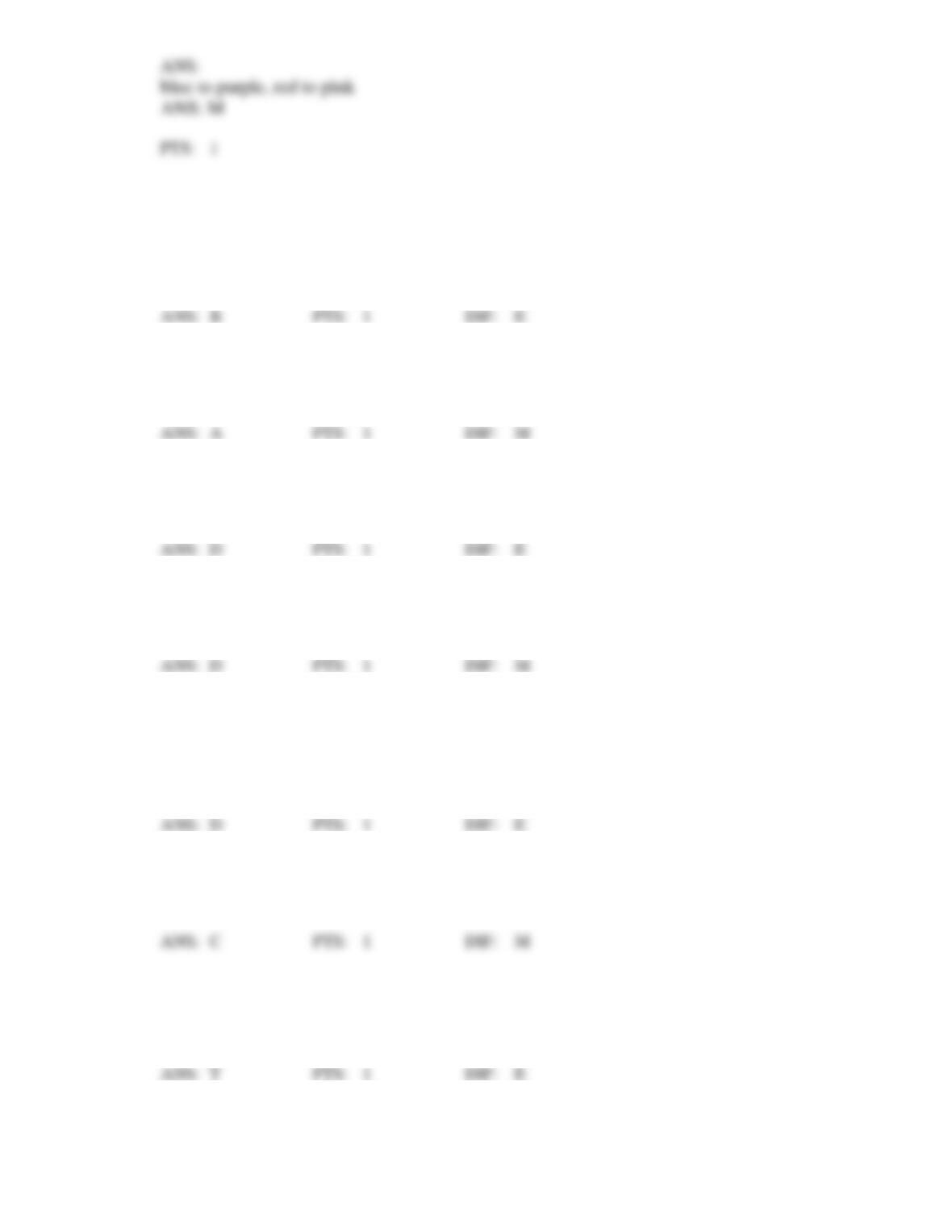
MULTIPLE CHOICE
1. Which of the following test procedures requires clay to plug the tube?
a.
blood smear
c.
fecal sample
b.
packed cell volume
d.
urinalysis
2. Which of the following is the layer of blood cells where the PCV is read?
a.
buffy coat
c.
anticoagulant
b.
microhematocrit
d.
feathered edge
3. Which of the following is NOT a vacutainer tube color?
a.
green
c.
blue
b.
red
d.
white
4. Which of the following is a common SNAP test?
a.
heartworm
c.
FIV
b.
Feline Leukemia Virus
d.
all of the above
5. Which of the following is NOT part of the blood smear procedure?
a.
keep a constant and even pressure on the spreader slide
b.
very small drop of blood
c.
keep the spreader slide at a 45 degree angle
d.
rinse the slide well after applying the blood drop
6. Which of the following is the amount of time necessary for a fecal floatation to prepare?
a.
5 minutes
c.
15 minutes
b.
10 minutes
d.
20 minutes
TRUE/FALSE
1. At least 1 gram of feces is necessary to run a fecal sample.
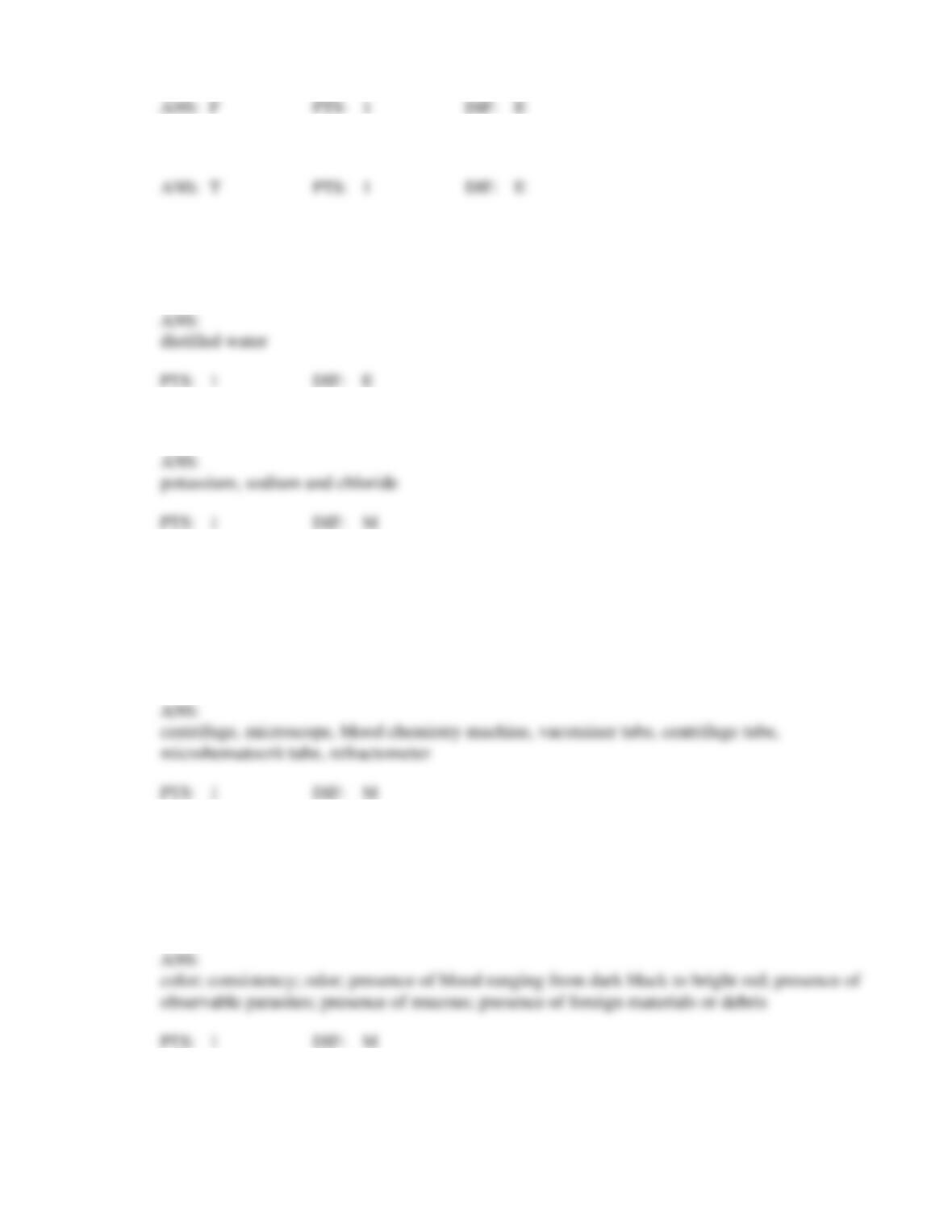
2. The centrifuge can determine the pH and SG of a liquid.
3. A coverslip is used to complete a fecal sample.
SHORT ANSWER
1. What type of substance should be used when rinsing slides during a gram stain?
2. Name two types of electrolytes.
3. List 5 tools or pieces of equipment found in a veterinary lab.
a.
b.
c.
d.
e.
4. List 4 items to note on a gross fecal exam.
a.
b.
c.
d.
5. Name 3 items that are placed on a blood tube label.
a.

b.
c.