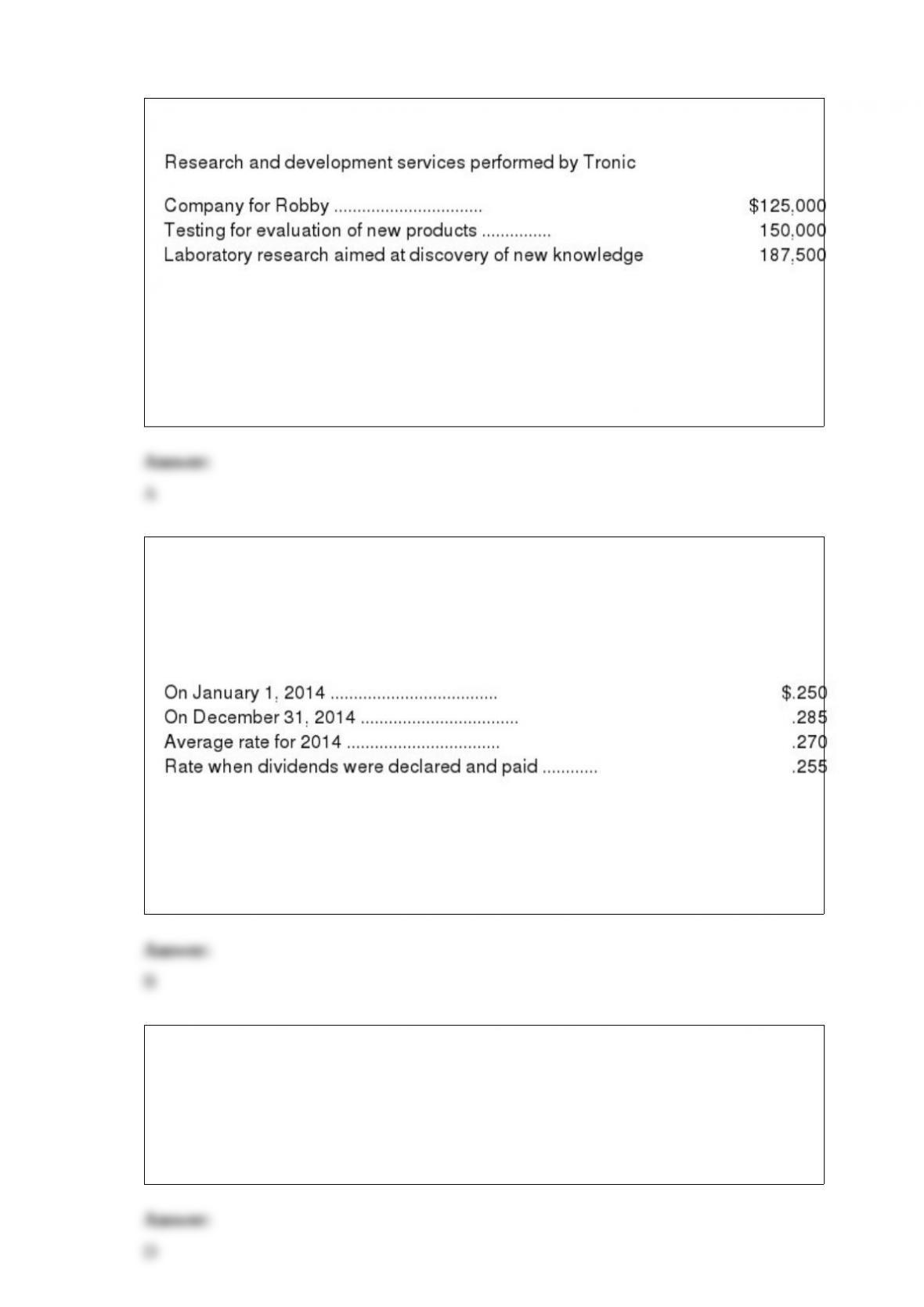
1) During 2014, Robby, Inc. incurred the following costs:
In its income statement for the year ended December 31, 2014, Robby should report
research and development expense of
a. $462,500
b. $312,500
c. $150,000
d. $125,000
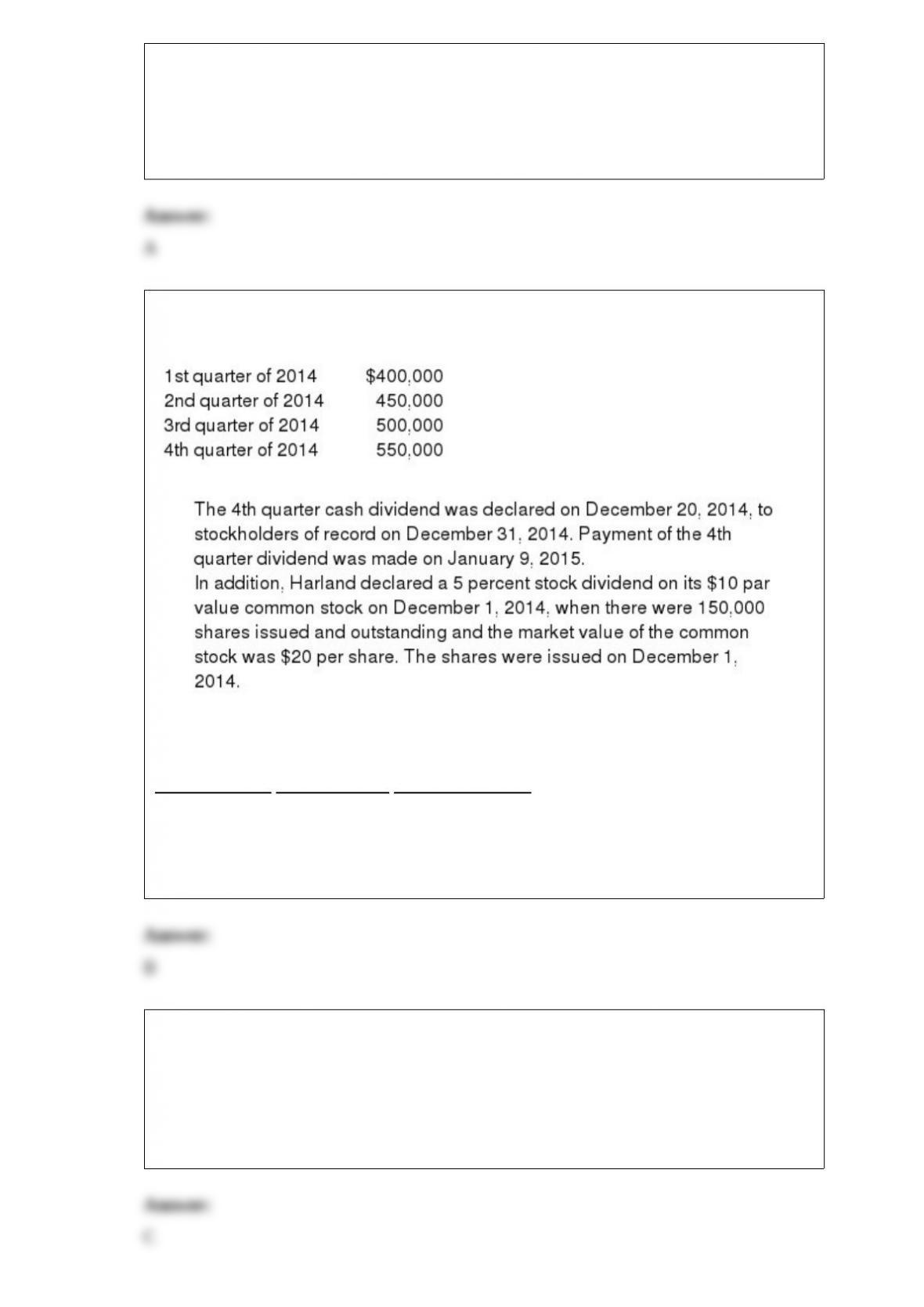
2) Hosgood Distributing Inc. converts its foreign subsidiary financial statements using
the translation process. Their German subsidiary reported the following for 2014:
revenues and expenses of 9,050,000 and 6,400,000 marks, respectively, earned or
incurred evenly throughout the year, dividends of 2,000,000 marks were paid during the
year. The following exchange rates are available:
Translated net income for 2014 is
a. $755,250
b. $715,500
c. $662,500
d. $675,750
3) If the completed-contract method is used, what is the basis for determining the
income to be recognized in the second year of a three-year contract?
a. Cumulative actual costs incurred only
b. Incremental cost for the second year only
c. Latest available estimated costs
d. No income would be recognized in year 2
4) The market rate of interest for a bond issue that sells for more than its par value is
a. less than the rate stated on the bond
b. equal to the rate stated on the bond
c. higher than the rate stated on the bond
d. independent of the rate stated on the bond
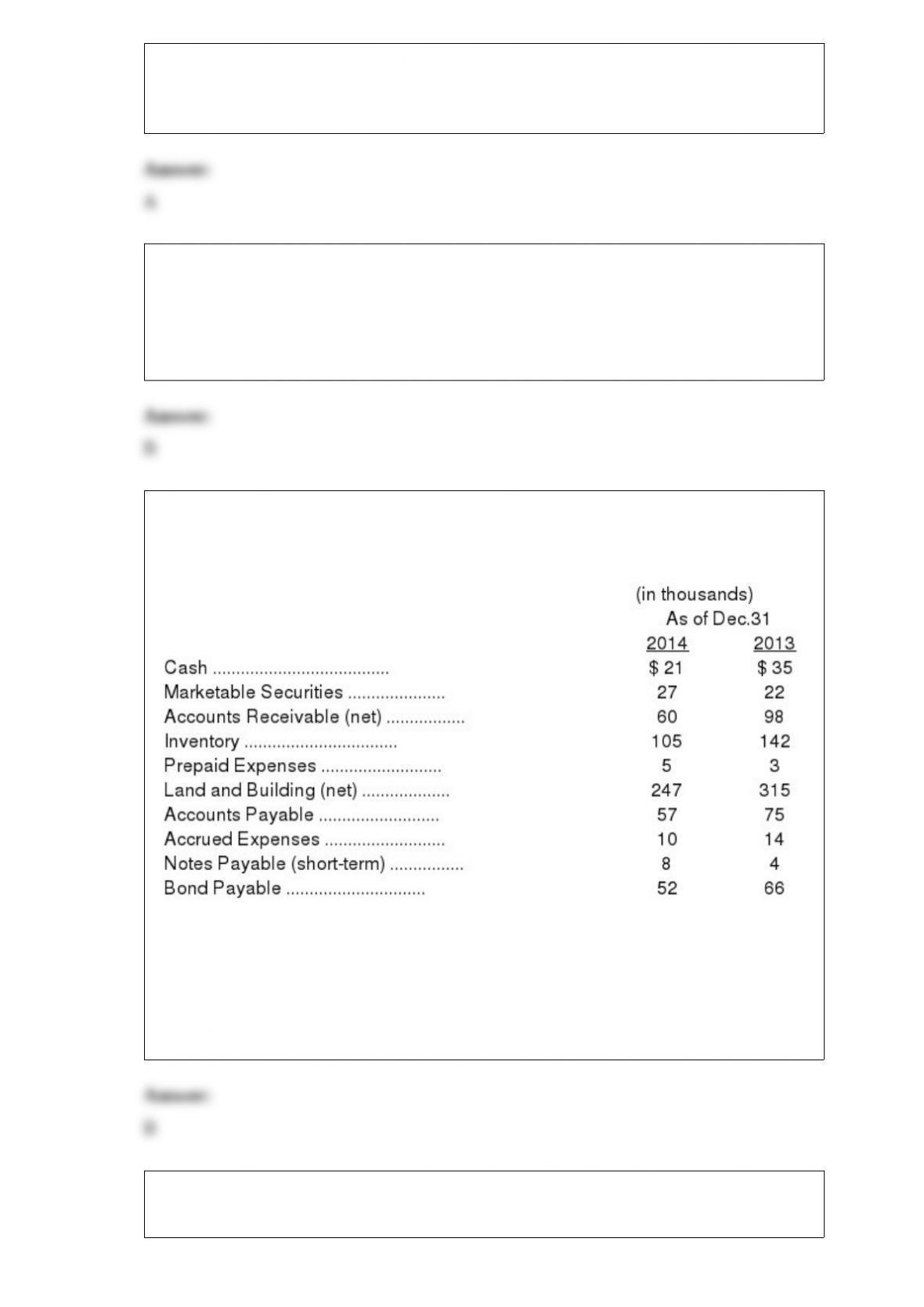
5) Cash dividends on the $10 par value common stock of Harland Company were as
follows:
What was the effect on Harland’s stockholders’ equity accounts as a result of the 2014
dividend transactions?
Additional
Common Stock Paid-In Capital Retained Earnings
a. $75,000 credit $0 $1,975,000 debit
b. $75,000 credit $75,000 credit $2,050,000 debit
c. $150,000 credit $150,000 credit $1,900,000 debit
d. $150,000 credit $75,000 credit $2,050,000 debit
6) In 1973, the following private-sector body was organized to set accounting standards
in the United States:
a. the Financial Accounting Foundation
b. the Securities and Exchange Commission
c. the FASB
d. the Accounting Principles Board

7) An eight-year capital lease specifies equal minimum annual lease payments. Part of
this payment represents interest and part represents a reduction in the net lease liability.
The portion of the minimum lease payment in the fourth year applicable to the
reduction of the net lease liability should be
a. the same as in the third year
b. less than in the third year
c. less than in the fifth year
d. more than in the fifth year
8) Under international accounting standards regarding depreciation, an entity
a. must depreciate separately the components of a composite asset (e.g., land and
building) separately
b. is not allowed to depreciate the components of a composite asset (e.g., land and
building) separately
c. may depreciate separately the components of a composite asset (e.g., land and
building)
d. must use fair value accounting for property, plant, and equipment, thus eliminating
the need for depreciation
9) If, at the end of a period, Michaels Company erroneously excluded some goods from
its ending inventory and also erroneously did NOT record the purchase of these goods
in its accounting records, these errors would cause
a. no effect on the companys net income, working capital, and retained earnings
b. the companys cost of goods available for sale, cost of goods sold, and net income to
be understated
c. the companys ending inventory, cost of goods available for sale, and retained
earnings to be understated
d. the companys ending inventory, cost of goods sold, and retained earnings to be
understated
10) The following information is available for Prudhoe Company:
Cost of goods sold was
a. $325,000
b. $305,000
c. $275,000
d. $255,000
11) The following is NOT a major component of the financial statements:
a. auditors opinion
b. annual report
c. explanatory notes
d. balance sheet
12) Selected information from the 2014 and 2013 financial statements of Pitney
Corporation is presented below.
Pitney had cash sales of $750 and credit sales of $615 during 2014. Cost of goods sold
for 2014 was $819. Pitney’s fixed asset turnover for 2014 is
a. 2.97
b. 4.86
c. 2.53
d. 5.53
13) The following is a partial balance sheet for Adherance Corp. for the year ended
December 31, 2013:

(a) Each $1,000 convertible bond can be converted into 80 shares of common stock.
(b) On September 1, 2014, one-third of the convertible debt was converted into
common stock.
(c) Adherance reported net income of $1,550,000 in 2014. The income tax rate was 30
percent.
(d) No other stock transactions took place during 2014.
14) Refer to the Sculley Corporation information above. Sculley’s merchandise
inventory turnover for 2014 is
a. 3.43
b. 5.68
c. 6.63
d. 6.79
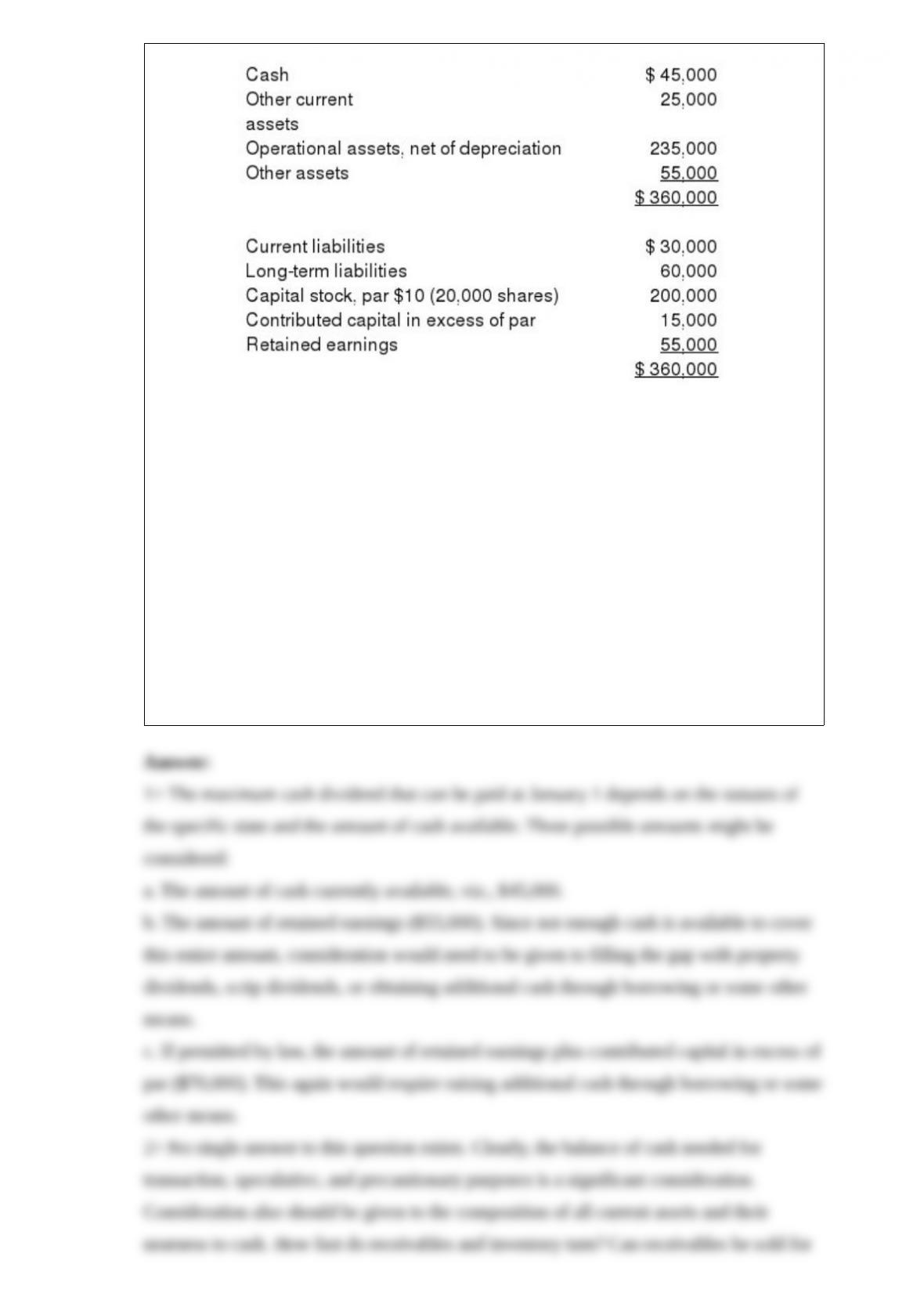
15) The accounts of Wellington Corporation showed the following balances on January
1 of the current year:
Required:
1> The board of directors of the company is considering a cash dividend. As the
company controller, you have been asked to determine the maximum amount of
dividends that can be paid on January 1, and to suggest to the board some specific
amounts of dividends that might be paid.
2> What amount of dividends would you recommend be paid based on the data from
the accounts?
3> Show the entries would be made at each of the following dates if a cash dividend of
$27,000 is declared.
a. Declaration date
b. Record date
c. Payment date
4> If a balance sheet were prepared between the declaration date and the payment date,
how would the dividend declaration be reported?
16) Under the cost method of accounting for unconsolidated investments in common
stock, goodwill amortization
a. reduces the investment account
b. increases the investment account
c. reduces both investment income and the investment account
d. is not recorded
17) Which of the following is NOT correct?
a. The after-tax cost of debt for a firm with losses is equal to the interest rate on the debt
b. Firms always pay dividends on their common stock issues because of the ease with
which common shareholders can assume control of the firm
c. Flotation costs for preferred stock are higher than for debt
d. Most debt is placed privately and thus there is no flotation cost
18) If a company experiences a liquidation of a LIFO inventory layer in the second
quarter that is expected to be restored by the end of the annual financial reporting
period, the company should

a. treat the layer as if it were liquidated and include in cost of goods sold the expected
replacement cost of the inventory sold
b. deplete the LIFO layer as if the interim period were an annual period
c. change to an alternative inventory cost method, such as FIFO, so that the problem of
LIFO liquidation is not encountered
d. delay the recognition of both revenue and cost of goods sold on the inventory
involved until a final determination of the LIFO inventory can be made at the end of the
annual period
19) All of the following represent the likely options for financing business expansion
except
a. sale of preferred stock
b. sale of common stock
c. internal financing through use of retained earnings
d. an unrealized gain on available-for-sale securities
20) Songtress Company bought a machine on January 1, 2012, for $24,000, at which
time it had an estimated useful life of eight years, with no residual value. Straight-line
depreciation is used for all of Songtress’ depreciable assets. On January 1, 2014, the
machine’s estimated useful life was determined to be only six years from the acquisition
date. Accordingly, the appropriate accounting change was made in 2014. Songtress’
income tax rate was 40 percent in all the affected years. In Songtress’ 2014 financial
statements, how much should be reported as the cumulative effect on prior years
because of the change in the estimated useful life of the machine?
a. $0
b. $1,200
c. $2,000
d. $2,800
21) Mint Company sponsors a noncontributory, defined-benefit pension plan. At
December 31, 2014, the end of the companys fiscal year, the actuarys report showed
pension benefits paid of $15,000, and PBO balance of $300,000. The trustees report
showed a beginning plan assets balance (at fair value) of $240,000, contributions for the
year of $36,000, and an actual return on plan assets of 10 percent (the expected return
was 9 percent).
The underfunded PBO at the end of 2014 was
a. $0

b. $15,000
c. $24,000
d. $30,000
22) The gross profit method of inventory valuation is NOT valid when
a. there is substantial increase in the quantity of inventory during the year
b. there is substantial increase in the cost of inventory during the year
c. the gross margin percentage changes significantly during the year
d. all ending inventory is destroyed by fire before it can be counted
23) The term LIFO reserve refers to
a. a cost flow assumption for valuing inventory
b. the difference between the ending inventory amount under LIFO and the ending
inventory amount under another inventory cost flow assumption
c. inventory pools used in the dollar-value LIFO method
d. a special fund set aside to cover LIFO liquidations
24) Which of the following items involving current trade accounts receivable is most
likely to appear in a statement of cash flows?
a. The balance in the allowance for doubtful accounts
b. The change in net sales
c. Sales returns and allowances
d. Collection of an account previously written off
25) On January 2, 2014, Commack Corporation entered into a 10-year noncancelable
lease requiring year-end payments of $60,000. The incremental borrowing rate for
Commack is 10%. The lessors implicit rate (which is known by Commack) is 12%. The
lease contains no transfer of title or bargain purchase option provisions. The leased
property has an estimated economic life of 12 years. At what amount should the lease
be capitalized by Commack?
a. $0
b. $339,012
c. $368,676
d. $600,000
26) When using the if-converted method to compute diluted earnings per share,
convertible securities should be
a. included only if antidilutive
b. included only if dilutive
c. included whether dilutive or not
d. not included
27) In providing information with the qualitative characteristics that render the
information useful, the constraint of materiality may affect what is included and
excluded from the financial information reported.
Explain the concept of materiality.
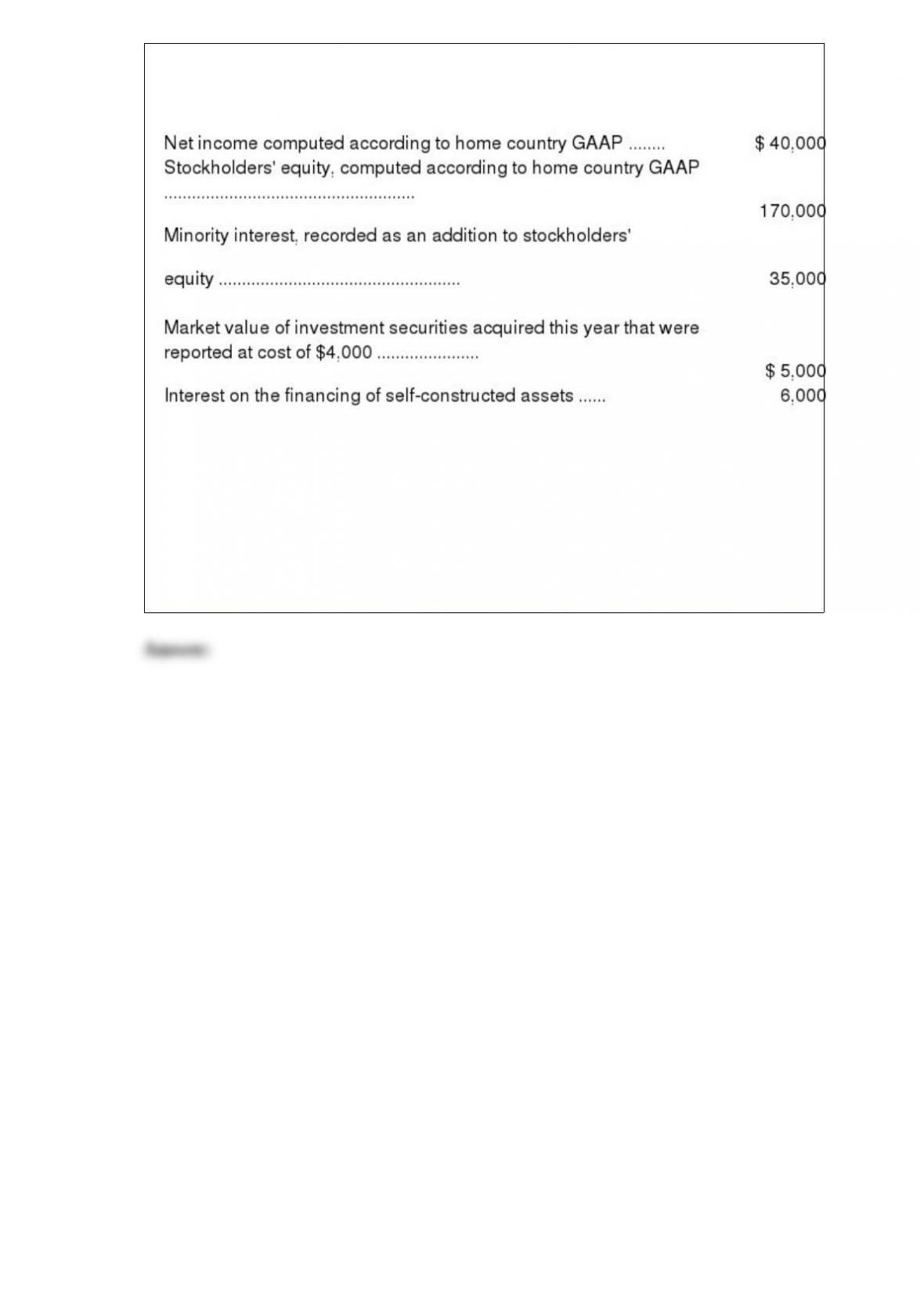
28) The following financial information is for Milo Company, a non-U.S. firm with
shares listed on a U.S. stock exchange:
If Milo Company were following U.S. GAAP, the minority interest would have been
classified as a liability instead of as part of stockholders’ equity. In addition, minority
interest income of $4,000 for the year would have been excluded from the computation
of net income. Under U.S. GAAP the investment securities would have been classified
as trading securities and the interest on financing of self-constructed assets would have
been capitalized rather than expensed.
Prepare reconciliations of Milo’s reported stockholders’ equity and net income to U.S.
GAAP.
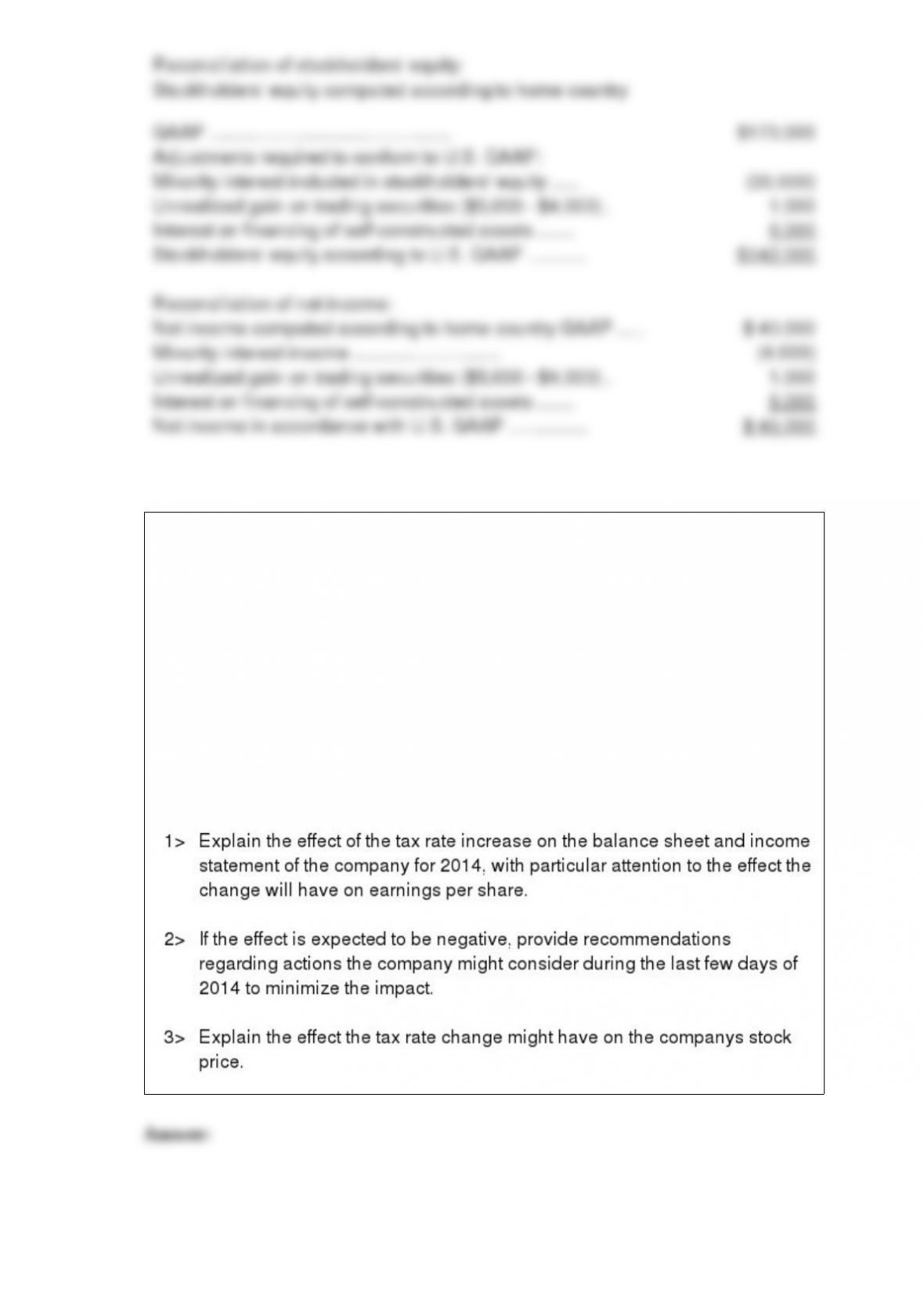
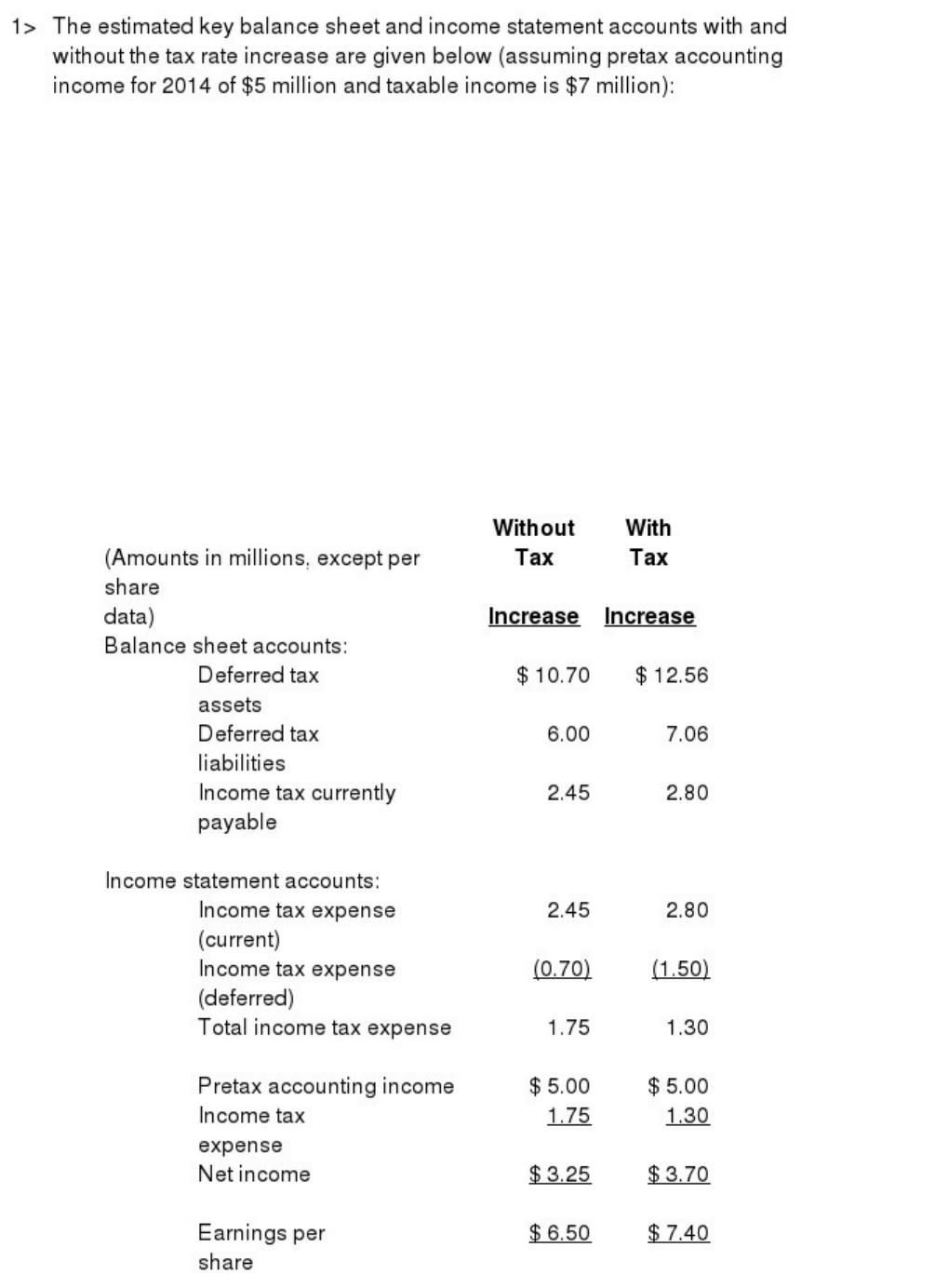
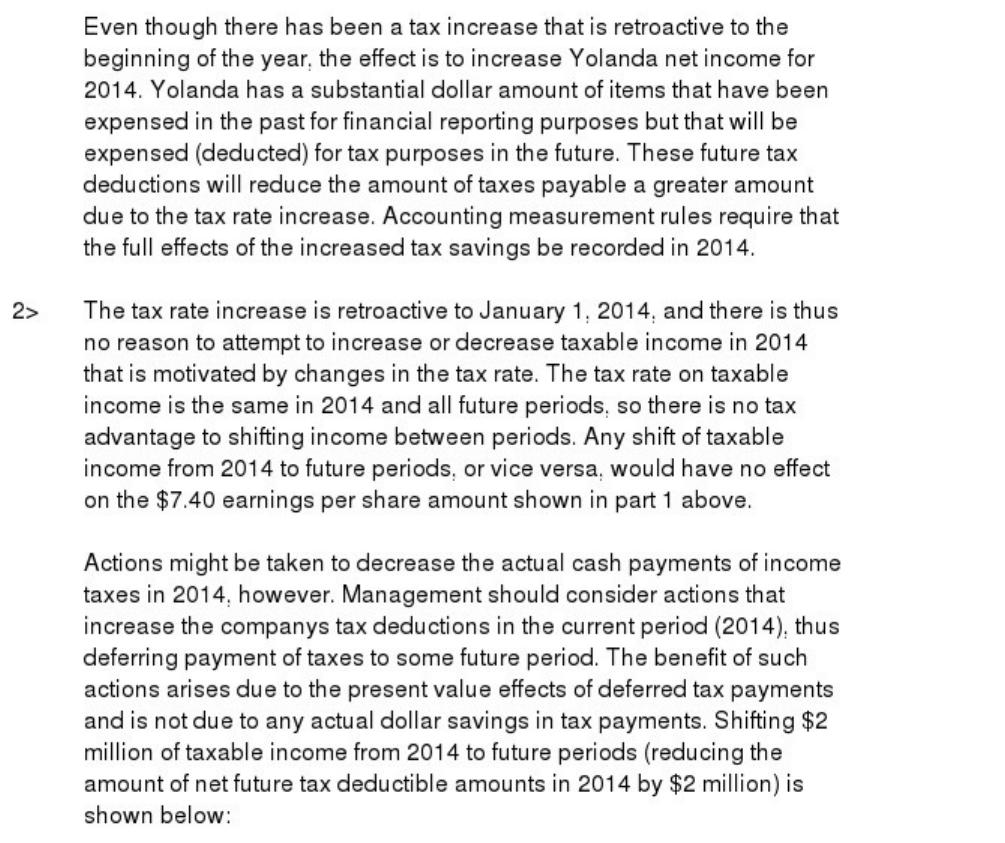
29) The statutory federal tax rate of Yolanda Company has been 35 percent for a
number of years. Late in the third quarter of 2014, a new rate of 40 percent was
approved as the new statutory tax rate, effective as of January 1, 2014. The CEO of the
Yolanda is concerned about what effect, if any, the new tax rate will have on 2014
earnings.
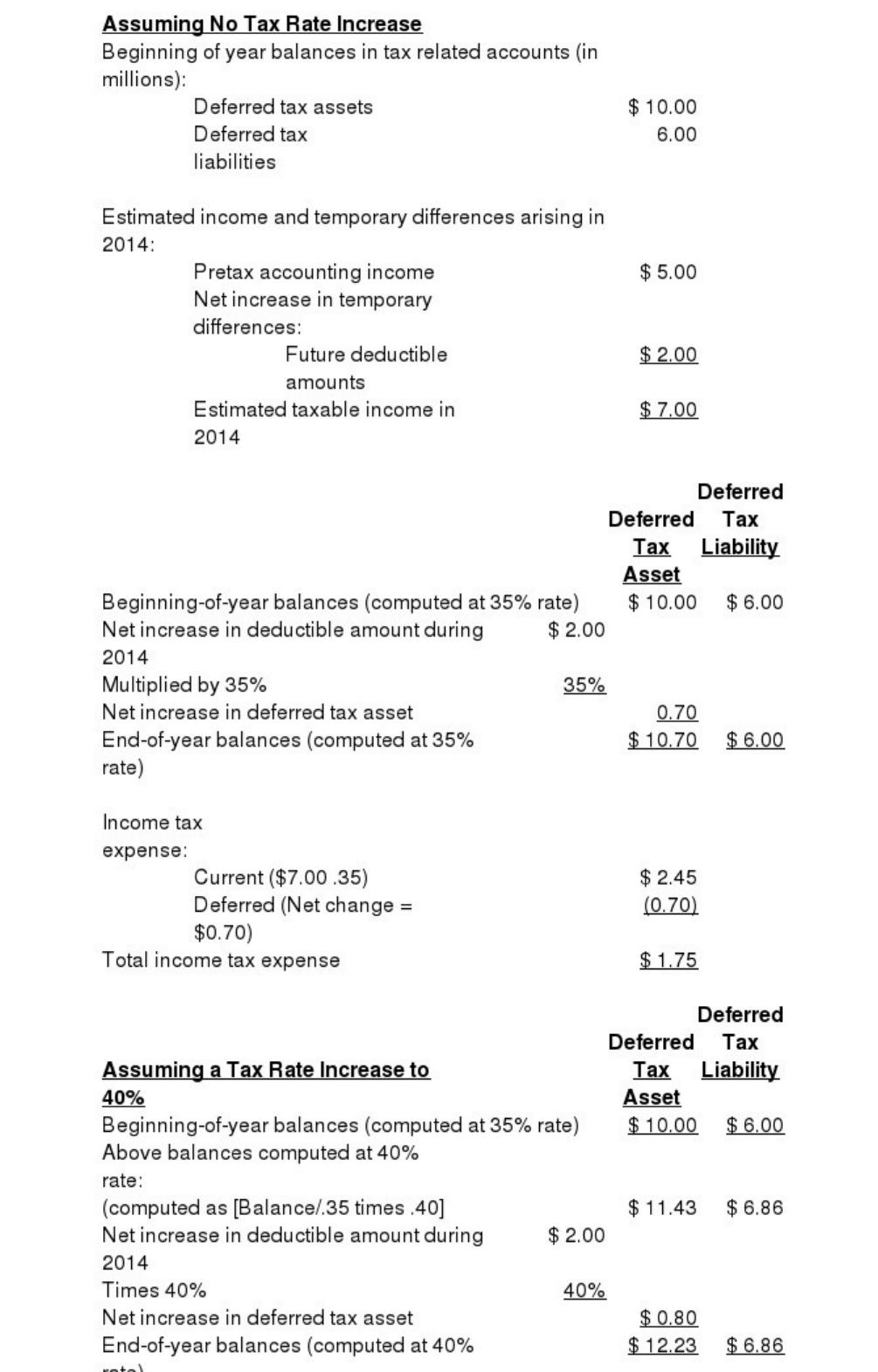
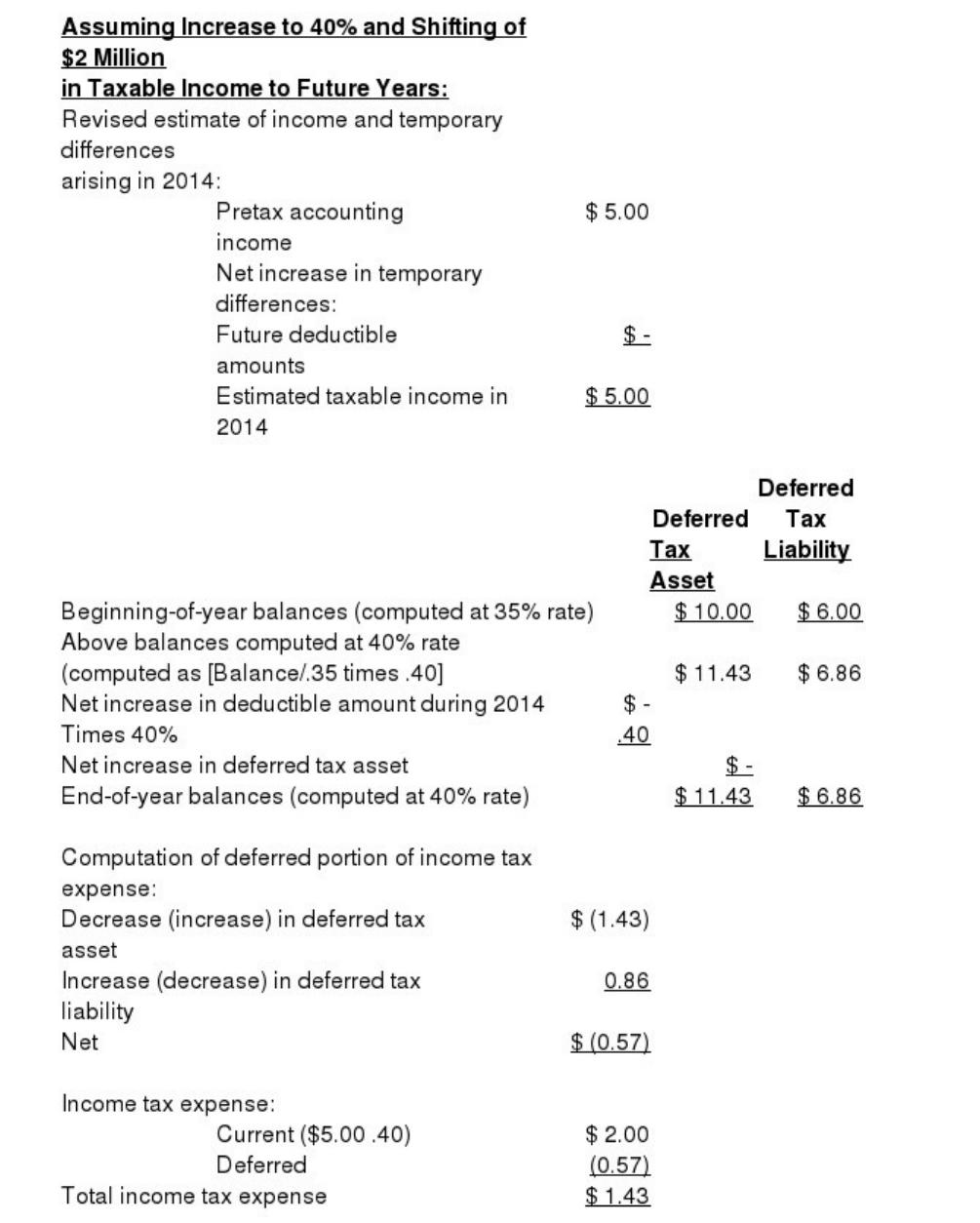
At the beginning of the year, Yolanda had a deferred tax asset of $10 million and a
deferred tax liability of $6 million. A valuation allowance was not needed and it is not
expected that a valuation allowance will be needed this year. Pretax accounting income
is estimated to be approximately $5 million for 2014 and taxable income will be about
$7 million. Yolanda is a publicly traded company with 500,000 shares outstanding
throughout the entire year.
Required:
30) The following financial information is for Pasha Company, a non-U.S. firm with
shares listed on a U.S. stock exchange:
If Pasha Company were following U.S. GAAP, the minority interest would have been
classified as a liability instead of as part of stockholders’ equity. In addition, minority
interest income of $5,000 for the year would have been excluded from the computation
of net income. Under U.S. GAAP the investment securities would have been classified
as trading securities and the interest on financing of self-constructed assets would have
been capitalized rather than expensed.
Prepare reconciliations of Pasha’s reported stockholders’ equity and net income to U.S.
GAAP.
31) At the close of its fiscal year on March 31, 2014, Villager Industries, Inc. was in the
process of relocating its plant. This resulted in some confusion relating to the inventory
cutoff, as indicated by the following:
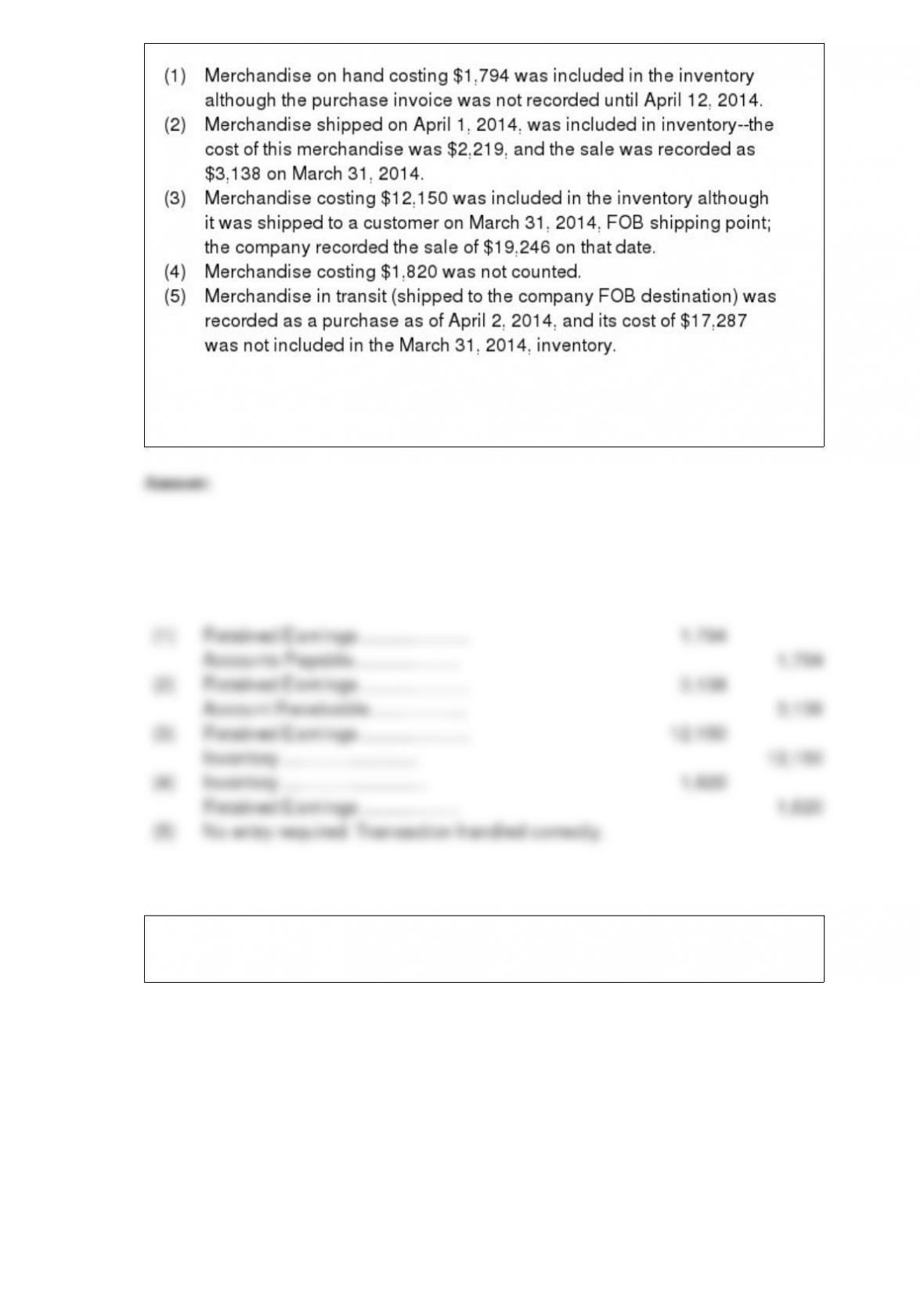
Assuming that the company does not maintain a perpetual inventory system and that the
books for the fiscal year have been closed, provide the necessary correcting entries.
(Ignore income taxes.)
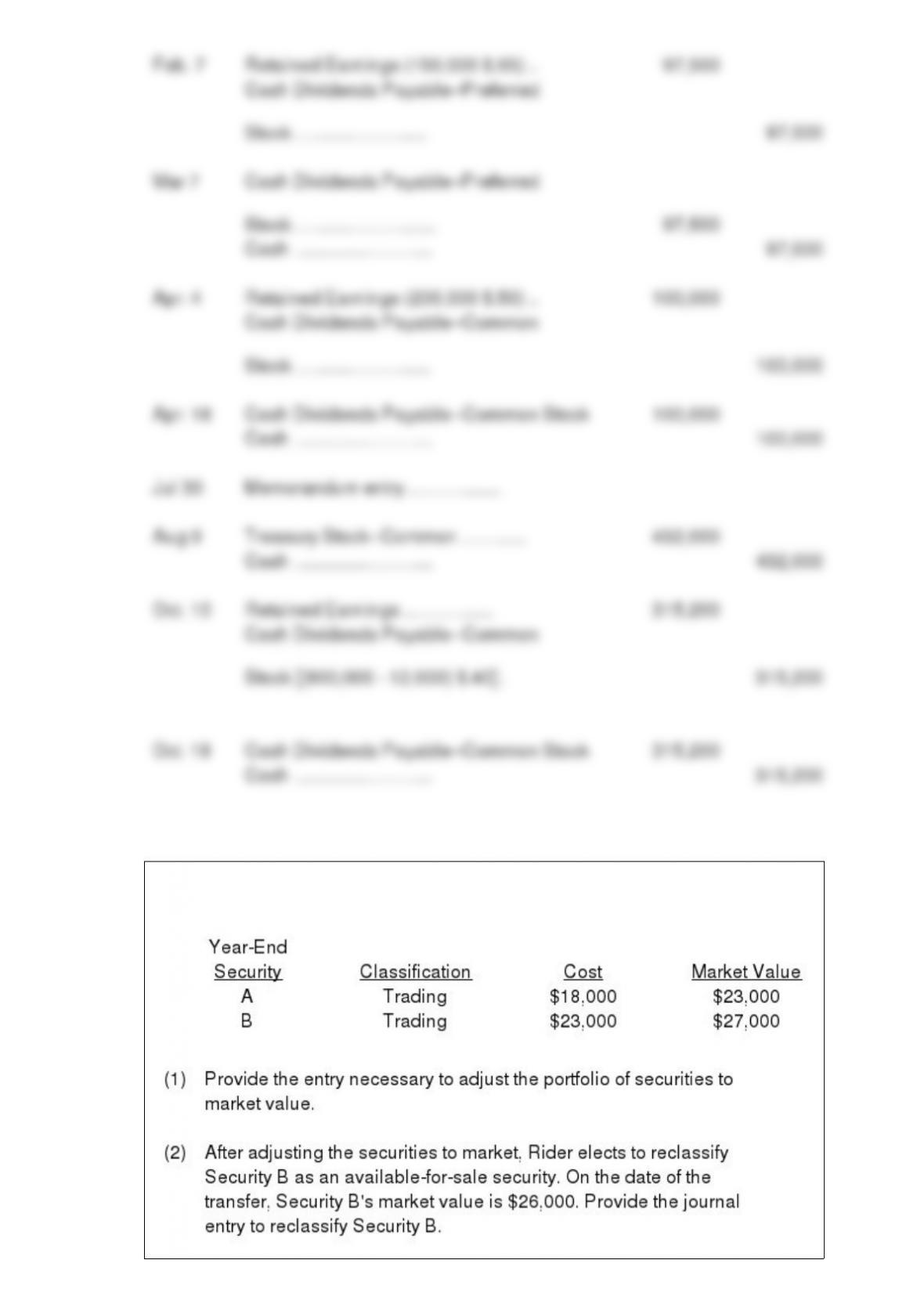
32) During 2014, the following transactions related to the capital stock of the Landline
Corp. occurred:
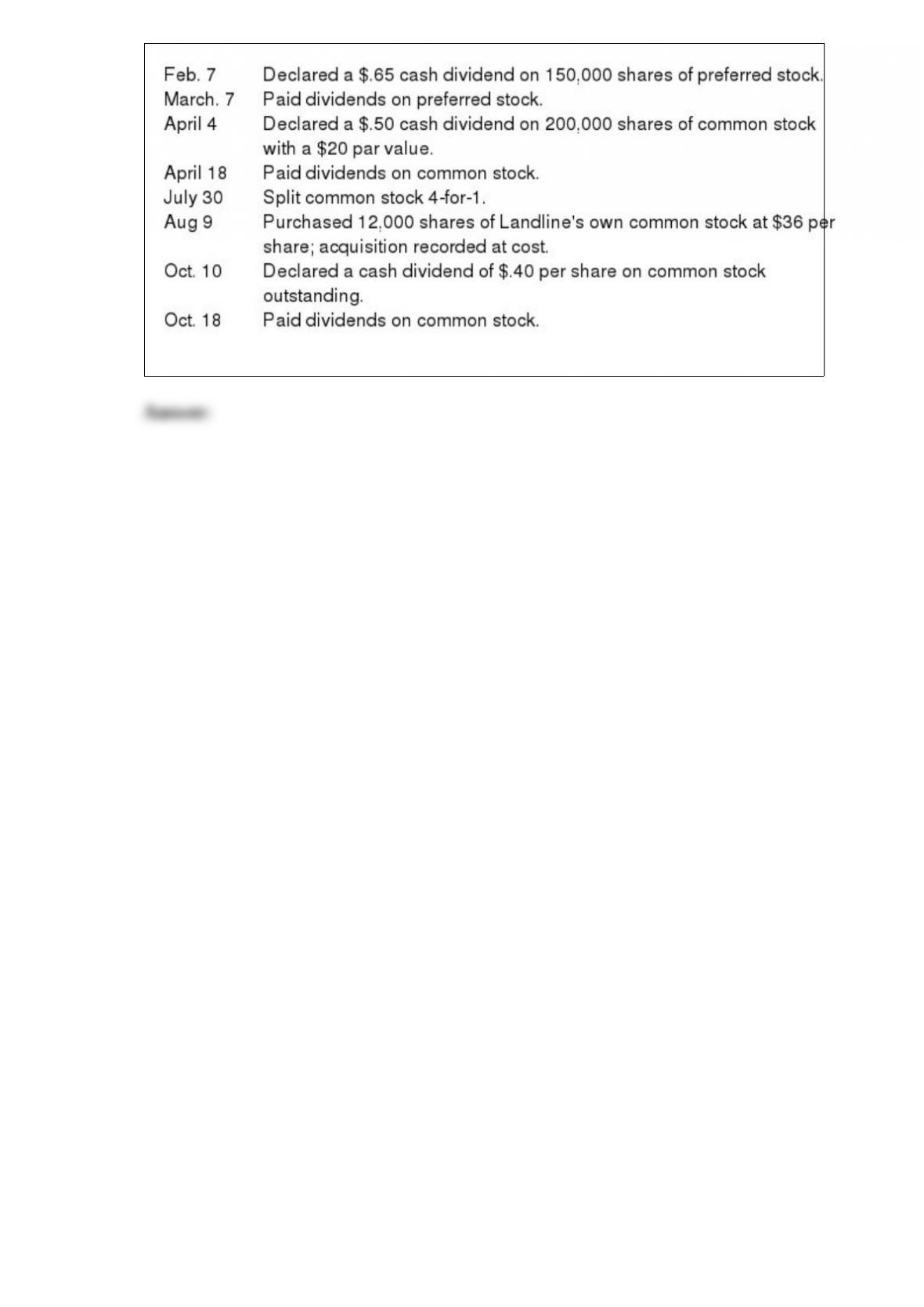
Provide the entries to record the above transactions.
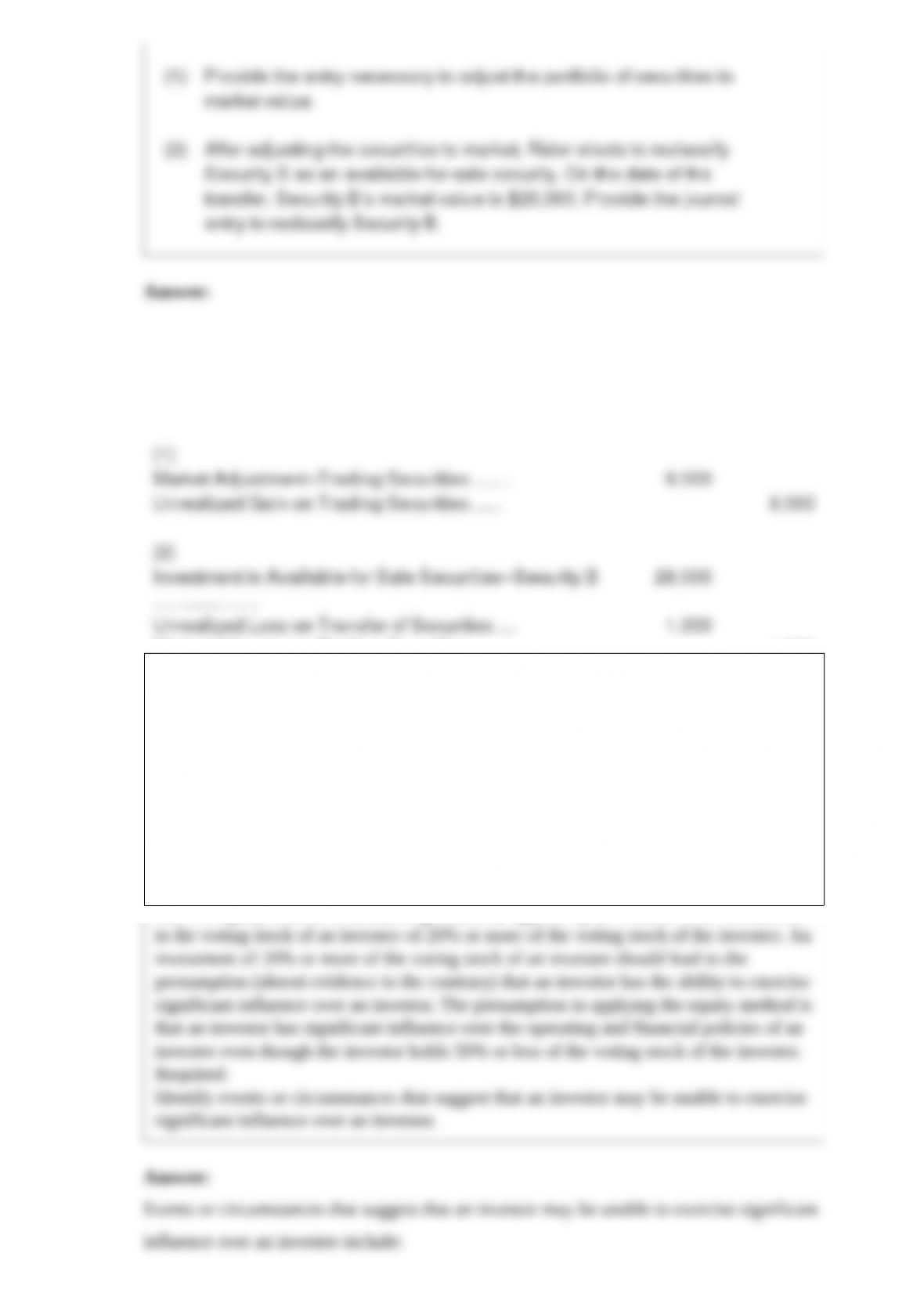
33) Rider Company had the following portfolio of securities at the end of its first year
of operations:
34) The equity method of accounting should be applied by an investor to an investment
in the voting stock of an investee of 20% or more of the voting stock of the investee. An
investment of 20% or more of the voting stock of an investee should lead to the
presumption (absent evidence to the contrary) that an investor has the ability to exercise
significant influence over an investor. The presumption in applying the equity method is
that an investor has significant influence over the operating and financial policies of an
investee even though the investor holds 50% or less of the voting stock of the investee.
Required:
Identify events or circumstances that suggest that an investor may be unable to exercise
significant influence over an investee.