
Eliminating frictional unemployment would be good for the economy.
The demand for gasoline is perfectly inelastic because most people need gasoline to
drive their cars.
An increase in the purchasing power of money need not lead to an increase in the
purchasing power of income because the falling price level would likely mean falling
wages and salaries.
In the circular flow model, households demand resources such as labor services in the
factor market.

In a Nash equilibrium, all players select non-dominant strategies.
If buyers were required to pay the federal excise tax on gasoline directly to the
government, the demand curve for gasoline would shift up.
An decrease in supply is caused by a decrease in the price of the product.
When Jack’s income increases by $1,000, he spends an additional $850 dollars. This
implies that his marginal propensity to consume is 0.85.

If consumption is defined as C = 2,000 + 0.8Y, then the marginal propensity to save is
0.8.
Physical capital refers to stocks and bonds.
An inferior good is a good for which the quantity demanded decreases as the price
increases, holding everything else constant.
Hyperinflations occur because governments want to spend more than they raise in
taxes, and they pay for the extra purchases by printing money.

If a monopolistically competitive firm breaks even, the firm is earning as much in this
industry as it could in any other comparable industry.
In a market with positive externalities, the market equilibrium price will be greater than
the efficient equilibrium price.
The value of the price elasticity of supply depends primarily on how quickly firms can
acquire inputs to increase quantity supplied when price increases.
Some economists and policymakers who are in favor of government-provided health
care believe that providing health care will generate
A) additional moral hazard.

B) positive externalities.
C) greater asymmetric information.
D) more adverse selection.
A perfectly competitive firm’s short-run supply curve is
A) upward sloping and is the portion of the marginal cost curve that lies above the
average total cost curve.
B) upward sloping and is the portion of the marginal cost curve that lies above the
average variable cost curve.
C) perfectly elastic at the market price.
D) horizontal at the minimum average total cost.
Which of the following is the best example of a perfectly competitive industry?
A) wheat production
B) steel production
C) electricity production
D) airplane production

Assume that the demand curve for MP3 players shifts to the right and the supply curve
for MP3 players shift to the left, but the supply curve shifts less than the demand curve.
As a result
A) both the equilibrium price and quantity of MP3 players will decrease.
B) both the equilibrium price and quantity of MP3 players will increase.
C) the equilibrium price of MP3 players may increase or decrease; the equilibrium
quantity will decrease.
D) the equilibrium price of MP3 players will increase; the equilibrium quantity will
decrease.
If the quantity supplied of walkie-talkies increases by 5 percent when prices increase by
12 percent, then
A) the supply of walkie-talkies is inelastic.
B) the supply of walkie-talkies is elastic.
C) the walkie-talkie supply curve will shift to the right.
D) the walkie-talkie supply curve will shift to the left.
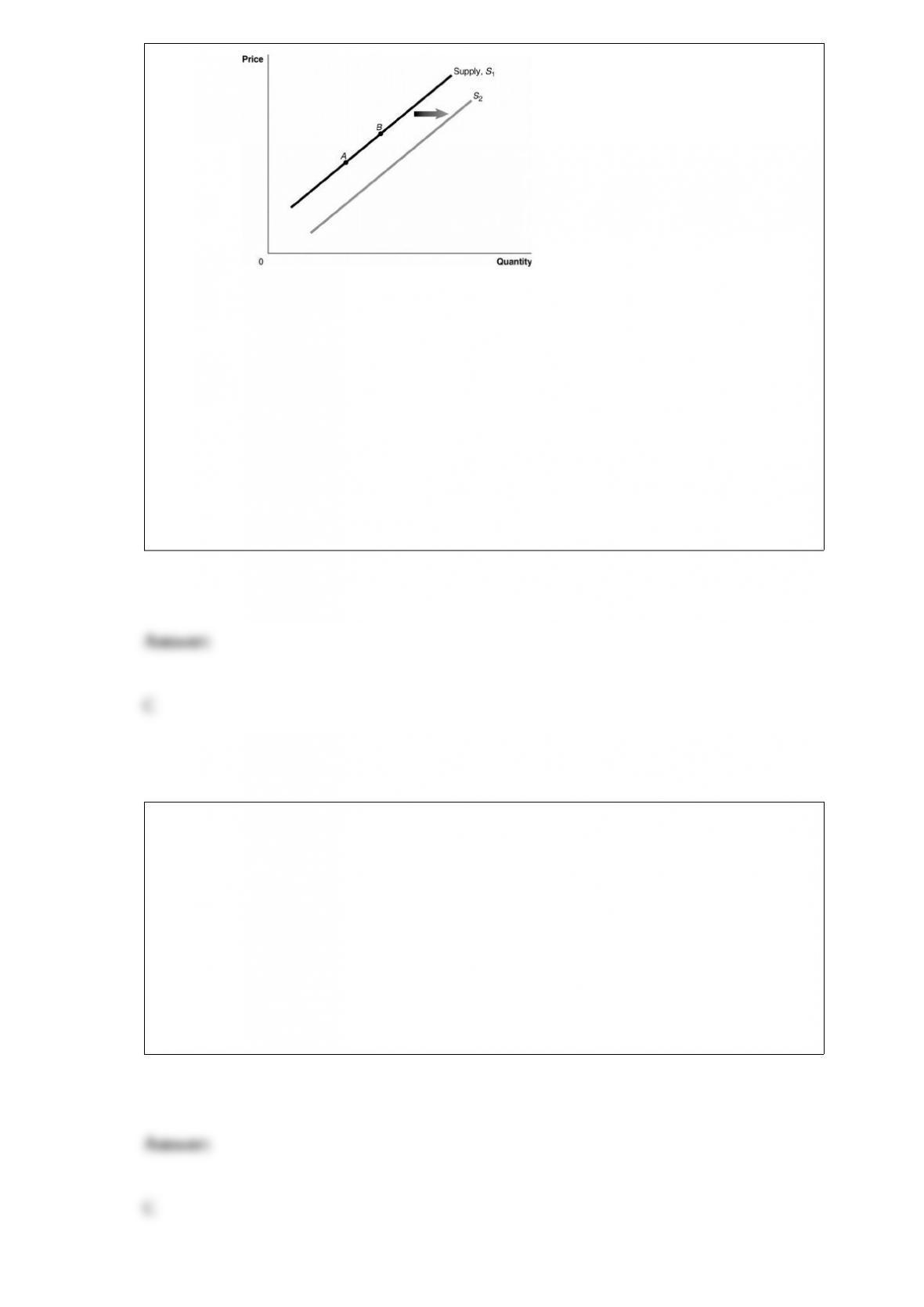
Figure 3-2
A decrease in the price of substitutes in production would be represented by a
movement from
A) A to B.
B) B to A.
C) S1 to S2.
D) S2 to S1.
Most people buy salt infrequently and in small quantities. Even a doubling of the price
of salt is likely to result in a small decline in the quantity of salt demanded. Therefore
A) the demand for salt will be perfectly inelastic.
B) salt is a normal good.
C) the demand for salt is relatively inelastic.
D) the price elasticity of demand for salt is greater than 1 (in absolute value).
Most doctors are employed by the government and most hospitals are owned by the
government in
A) Canada.
B) Japan.
C) the United Kingdom.
D) the United States.
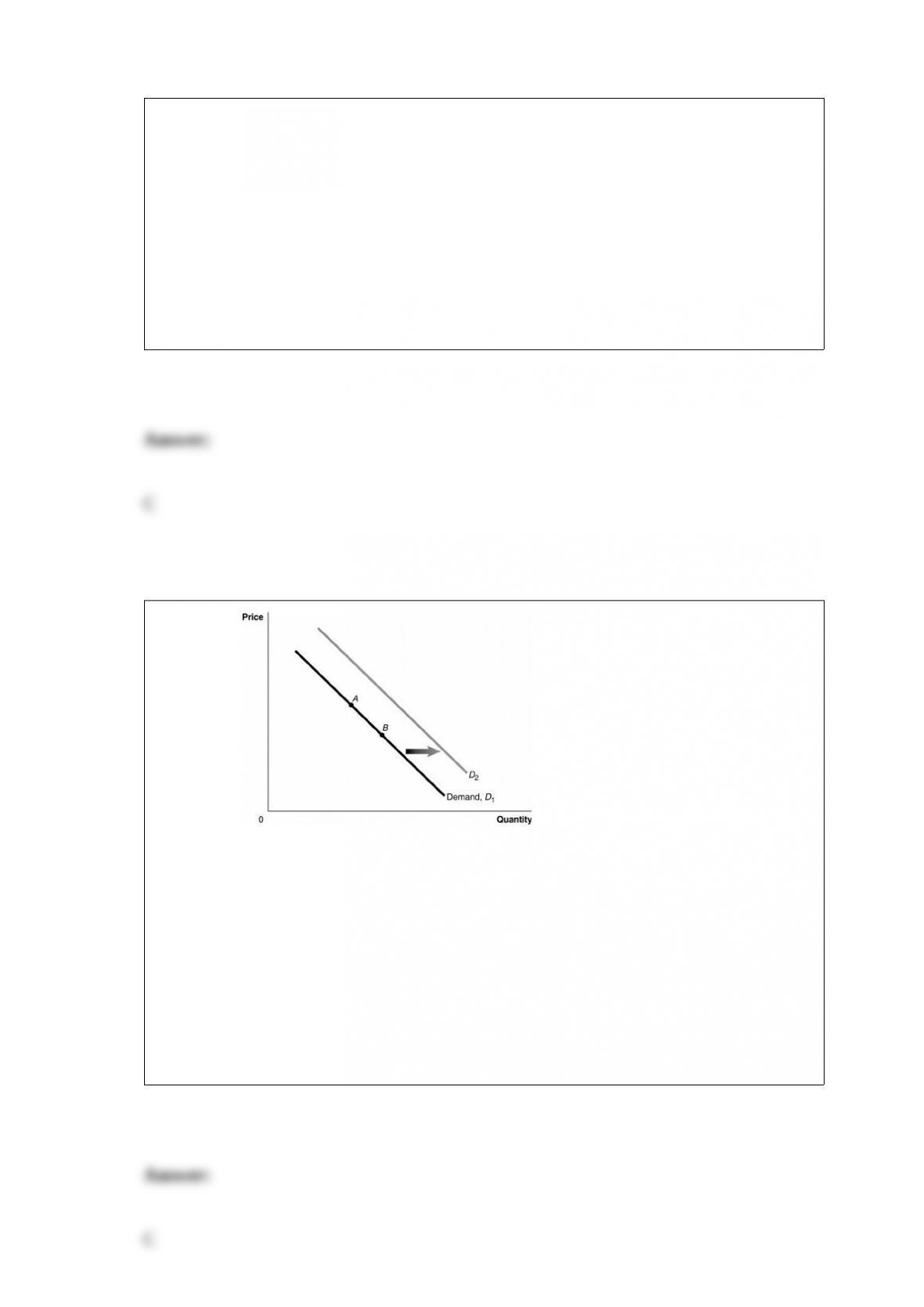
Figure 3-1
An increase in the price of a substitute would be represented by a movement from
A) A to B.
B) B to A.
C) D1 to D2.
D) D2 to D1.

If, for a product, the quantity supplied exceeds the quantity demanded, the market price
will fall until
A) the quantity demanded exceeds the quantity supplied. The market will then be in
equilibrium.
B) quantity demanded equals quantity supplied. The equilibrium price will then be
lower than the market price.
C) all consumers will be able to afford the product.
D) quantity demanded equals quantity supplied. The market price will then equal the
equilibrium price.
Carmelita can perform either a combination of 35 manicures and 70 pedicures or a
combination of 50 manicures and 45 pedicures. If she now performs 35 manicures and
70 pedicures, what is the opportunity cost of performing an additional 15 manicures?
A) 5 pedicures
B) 20 pedicures
C) 25 pedicures
D) 45 pedicures
An example of an intermediate good would be

A) a new car.
B) a used car.
C) the rims on a new car.
D) new rims to replace old rims on a used car.
The overall decline in death rates in the United States since 1981 was due to all of the
following except
A) a decline in smoking.
B) the decline in the population.
C) the availability of new prescription drugs.
D) new surgical techniques.
Between 1950 and 2013 the number of acres devoted to wheat production in the United
States ________ and the price of wheat ________.
A) declined; decreased
B) more than doubled; increased by about 50 percent
C) declined; more than doubled
D) increased; more than doubled
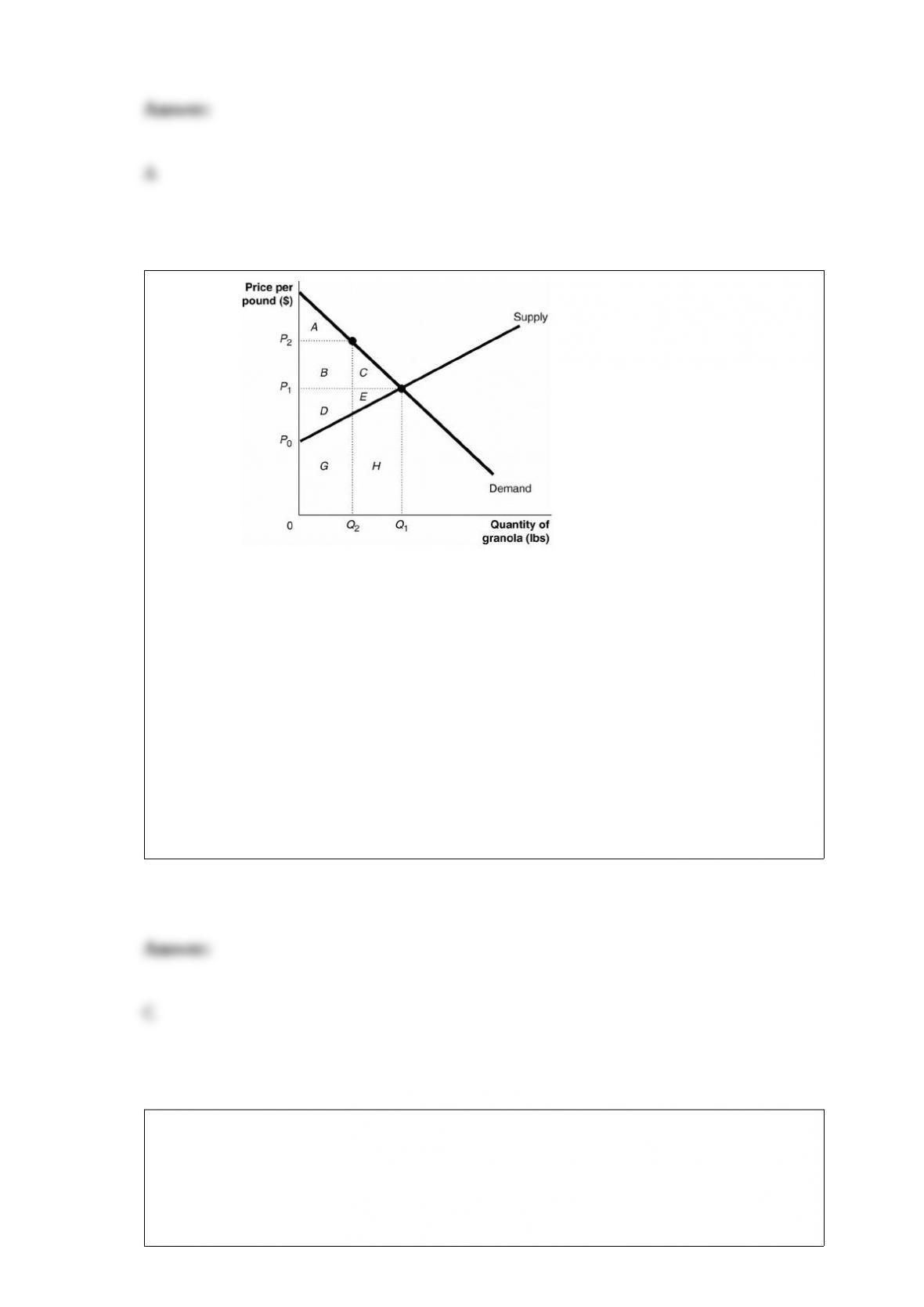
Figure 4-6 Figure 4-6 shows the market for
granola. The market is initially in equilibrium at a price of P1 and a quantity of Q1.
Now suppose producers decide to cut output to Q2 in order to raise the price to P2.
What area represents the deadweight loss at P2?
A) C + E + H
B) G + H
C) C + E
D) B + C
When firms benefit from the results of research and development they didn’t pay for, we
say firms
A) are litigious.
B) free ride.
C) invest in knowledge capital.
D) maintain a level playing field.
Describe the relationship between marginal cost and average total cost.
The Equal Pay Act of 1963 requires that men and women be given equal pay for equal
work in the same establishment. Most people agree that gender discrimination in the
workplace is unfair, but many economists have criticized advocates of comparable
worth. Is paying the same wages for jobs that have comparable worth mandated by the
Equal Pay Act? Why don’t most economists support proposals to force employers to pay
their male and female employees based on comparable worth rules?

How does the U.S. federal government assist workers who have lost their jobs due to
international trade?
In economics, what is the difference between the short run and the long run?
Give an example of a monetary policy target. Explain why the Fed uses policy targets.
How do unlimited and limited liability Differ?