Mrs. Lovejoy decides to invest in companies which she believes can produce its goods
at the lowest possible cost. Mrs. Lovejoy is investing in companies that are
A) productively efficient.
B) allocatively efficient.
C) both productively and allocatively efficient.
D) always going to be profitable.
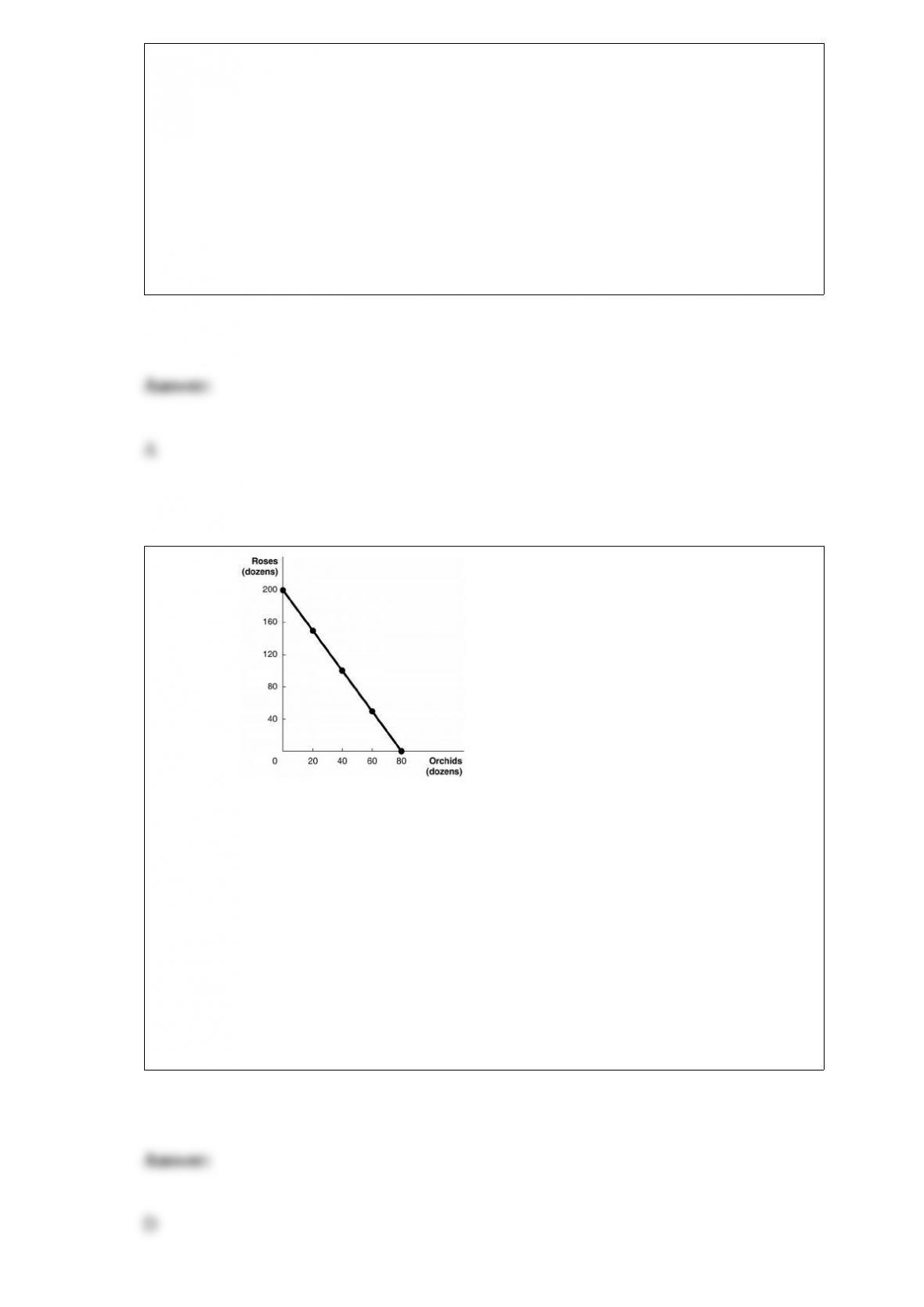
Figure 2-8 Figure 2-8 above shows the production
possibilities frontier for Vidalia, a nation that produces two goods, roses and orchids.
If Vidalia chooses to produce 60 dozen orchids, how many roses can it produce to
maximize production?
A) 30 dozen roses
B) 50 dozen roses
C) 100 dozen roses
D) 150 dozen roses
Using a broad definition, a firm would have a monopoly if
A) it produced a product that has no close substitutes.
B) it does not have to collude with any other producer to earn an economic profit.
C) there is no other firm selling a substitute for its product close enough that its
economic profits are competed away in the long run.
D) it can make decisions regarding price and output without violating antitrust laws.
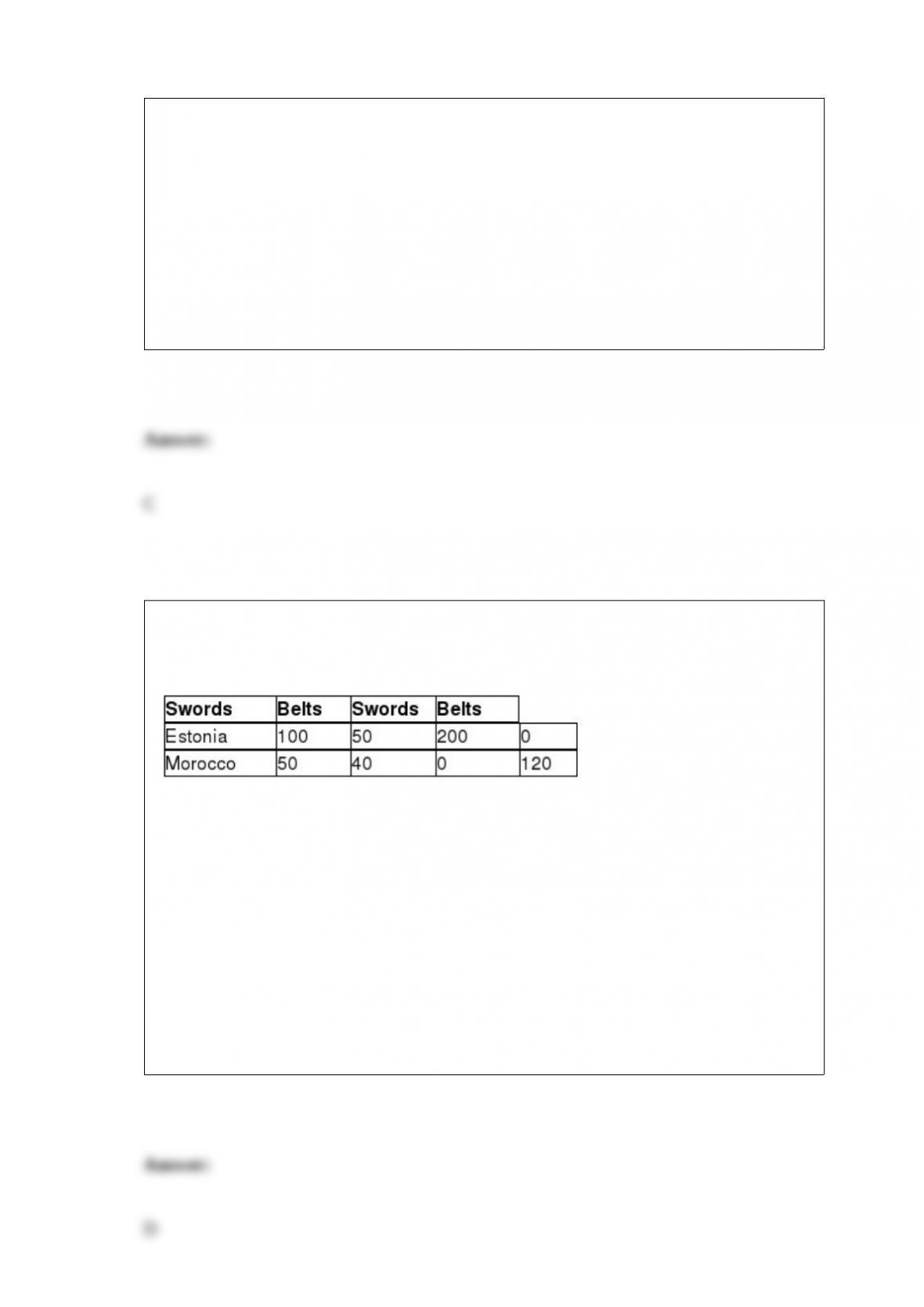
Table 7-6 Production and
Consumption Production
Without Trade With Trade
Estonia and Morocco can produce both swords and belts. Table 7-6 shows the
production and consumption quantities without trade, and the production numbers with
trade. All of the following are terms of trade that could possibly benefit both countries
except
A) 1 belt : 1.33 swords
B) 1 belt : 1.5 swords
C) 1 belt : 1.75 swords
D) 1 belt : 2.25 swords

A movement along the demand curve for toothpaste would be caused by
A) a change in the price of toothbrushes.
B) a change in consumer income.
C) a change in the price of toothpaste.
D) a change in population.
Monetary policy has a ________ effect on aggregate demand in a(n) ________
economy, and fiscal policy has a ________ effect on aggregate demand in a(n)
________ economy.
A) weaker; open; weaker; open
B) weaker; closed; stronger; closed
C) stronger; open; weaker; closed
D) stronger; closed; weaker; open
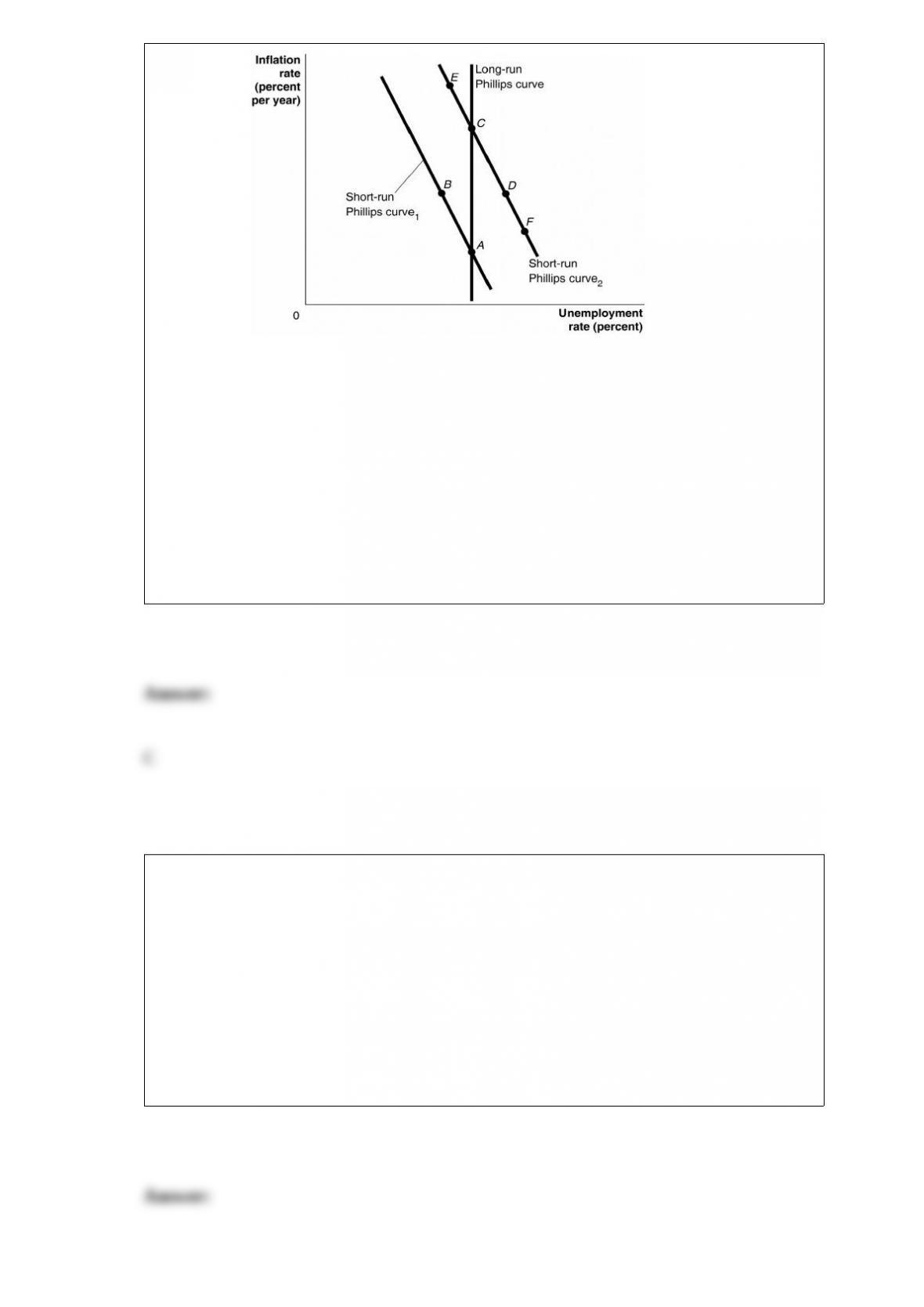
Figure 28-9
Fed Chairman Paul Volcker’s response to the ________ of the late 1970s is depicted in
the figure above as a movement from C to D to A.
A) deflation
B) high unemployment
C) high inflation
D) appreciation of the dollar
The larger the share of a good in a consumer’s budget, holding everything else constant,
the
A) more price elastic is a consumer’s demand.
B) more vertical is a consumer’s demand curve.
C) more price inelastic is a consumer’s demand.
D) more unit-elastic is a consumer’s demand.

As foreign investors began to sell off investments they had made in Thailand, they
traded in their baht for dollars. The result of this was
A) pressure for the value of the baht to decline.
B) pressure for the value of the baht to rise.
C) an increase in the equilibrium value of the baht.
D) a decrease in the supply of the baht in foreign exchange markets.
All ________ economies have been political dictatorships.
A) centrally planned
B) mixed
C) market
D) mixed and market
Which of the following statements is true?
A) Consumer surplus measures the total benefit from participating in a market.
B) When a market is in equilibrium consumer surplus equals producer surplus.
C) Consumer surplus measures the net benefit from participating in a market.
D) Producer surplus measures the total benefit received by producers from participating
in a market.
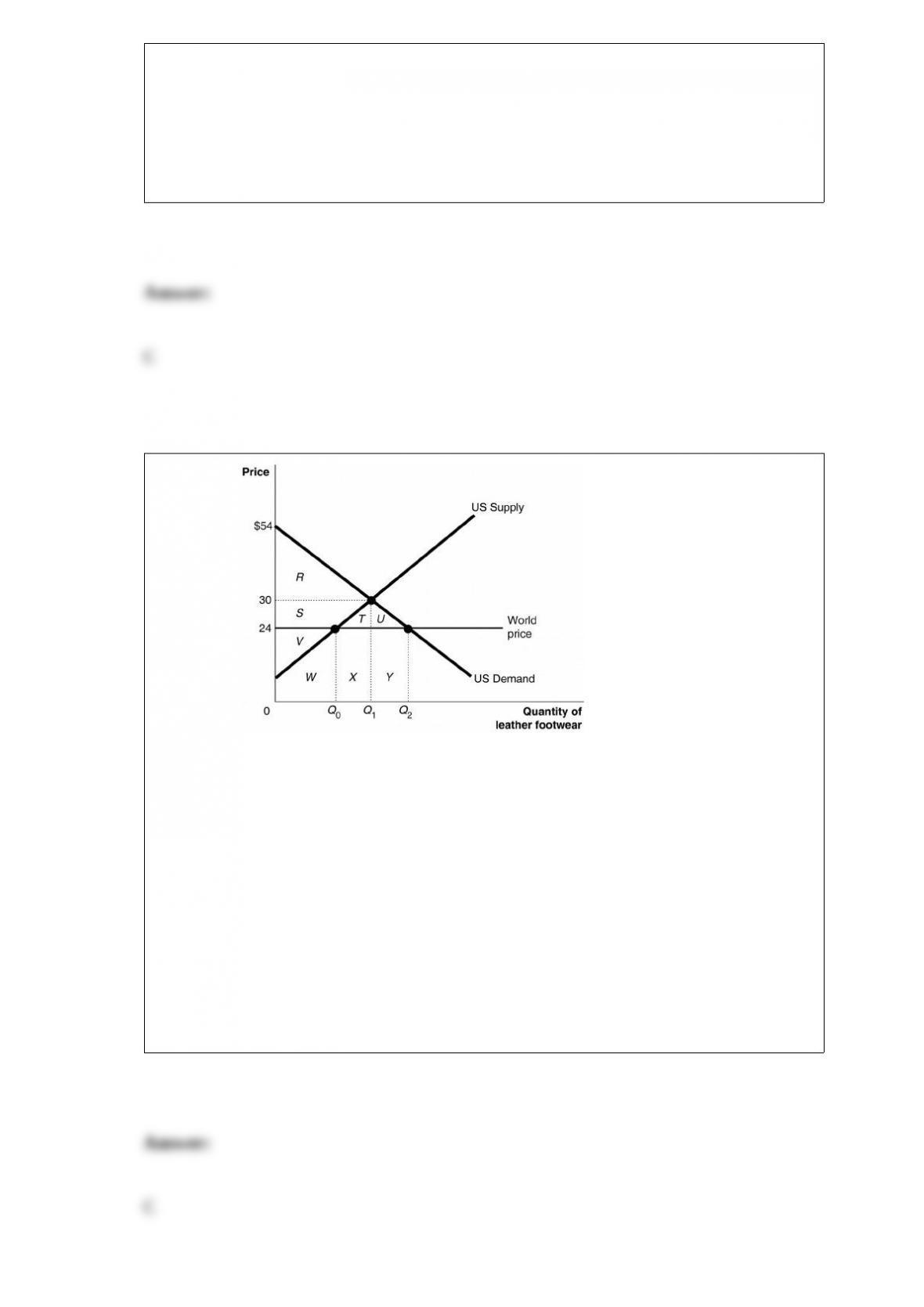
Figure 9-4 Figure 9-4 shows the U.S.
demand and supply for leather footwear.
Suppose the government allows imports of leather footwear into the United States.
What will be the quantity demanded?
A) Q0
B) Q1
C) Q2
D) Q2 – Q0

Walt Disney began planning for Disneyland in the early 1950s. When he began to
consider how the amusement park would be funded
A) he decided to use the profits earned from his company’s cartoons and motion
pictures.
B) he had trouble raising the required funds. Eventually, he convinced a television
network to fund the amusement park in exchange for providing a weekly television
program.
C) he decided to borrow money from Hollywood banks. The banks quickly agreed to
loan Disney the money because of Disney’s reputation and previous success.
D) he had trouble raising the required funds from banks, so he decided to issue “Disney
bonds.” He had no trouble paying the interest and principal on the bonds with profits
from Disneyland.
In the world oil market, oil is supplied up to the point where
A) the marginal cost of the last barrel is just equal to the price buyers are willing to pay
for that last barrel.
B) the marginal cost of the last barrel is zero.
C) the marginal cost of the last barrel is the greatest distance from the price buyers are
willing to pay for that last barrel.
D) the marginal cost of the last barrel is at a maximum.
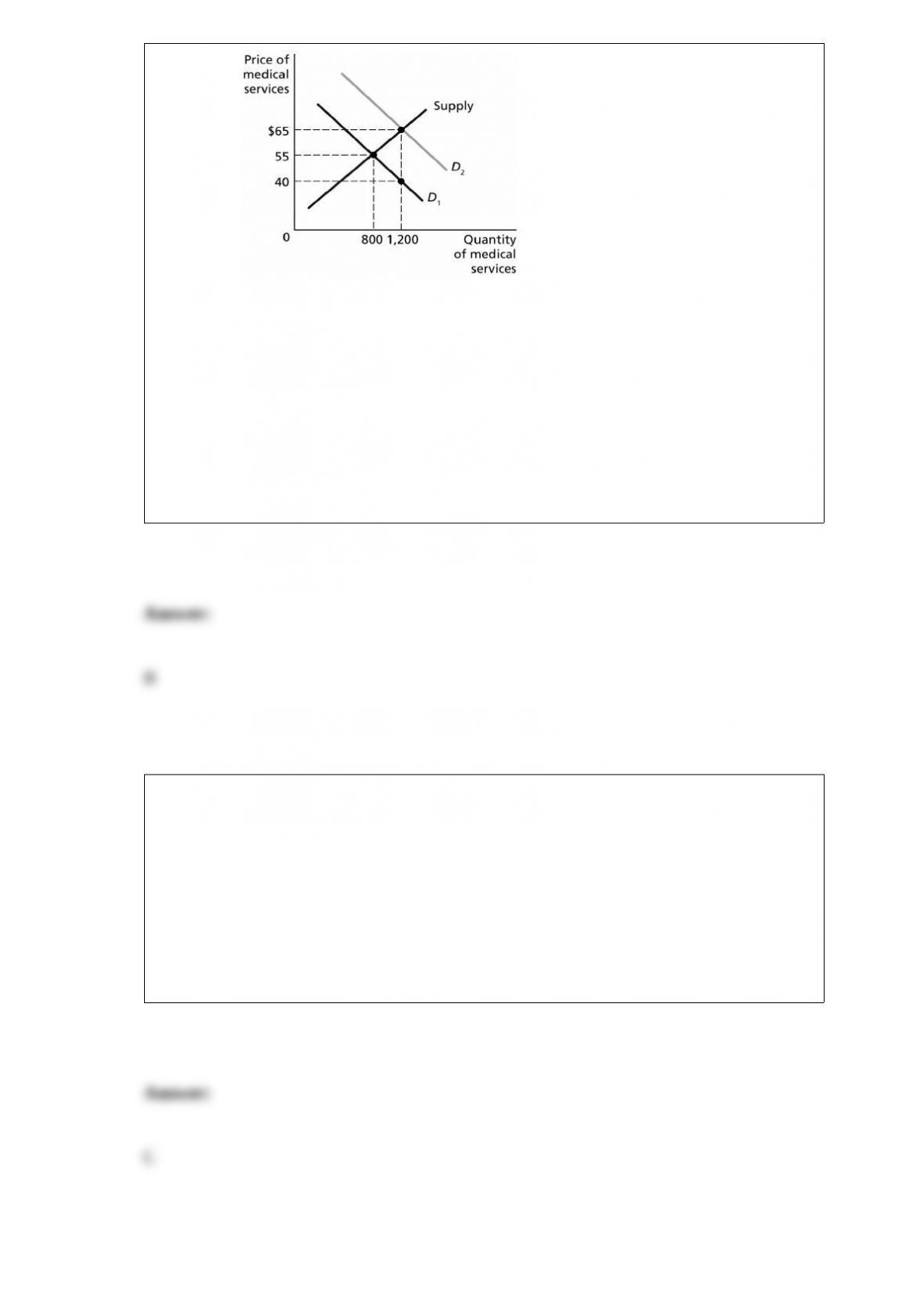
Figure 5-3 Figure 5-3 represents the market for
medical services with and without insurance, and the effect of a third-party payer
system on the demand for medical services. The efficient quantity of medical services is
A) 400.
B) 800.
C) 1,200.
D) >1,200.
A tariff is a tax imposed by a government on
A) exports.
B) services.
C) imports.
D) luxury items.
Assume a hypothetical case where an industry begins as perfectly competitive and then
becomes a monopoly. As a result of this change
A) Price will be higher, output will be lower and the deadweight loss will be eliminated.
B) Consumer surplus will be smaller, producer surplus will be greater and there will be
a reduction in economic efficiency.
C) Price will be higher, consumer surplus will be greater and output will be greater.
D) Consumer surplus will be smaller and producer surplus will be greater. There will be
a net increase in economic surplus.