The standard measure of the money stock, M1, refers to
a. checking account balances, travelers’ checks, and cash in the hands of the public
b. cash in the hands of the public, demand deposits, and small time deposits
c. cash in the hands of the public, savings-type account balances, and travelers’ checks
d. savings-type account balances, small time deposits, and checking account deposits
e. the sum of the cash in the hands of the public
The GDP Price Index and the Consumer Price Index measure prices of the same set of
goods.
Macroeconomics is the study of
Welfare recipients might not want the government to actively pursue economic growth
because
a. they benefit from a program that may be cut in a process of pursuing economic
growth
b. they believe that the methods of pursuing growth are not effective
c. they do not understand the benefits of economic growth
d. they will benefit most when the country does not experience economic growth
e. the economic growth will not affect their position in society
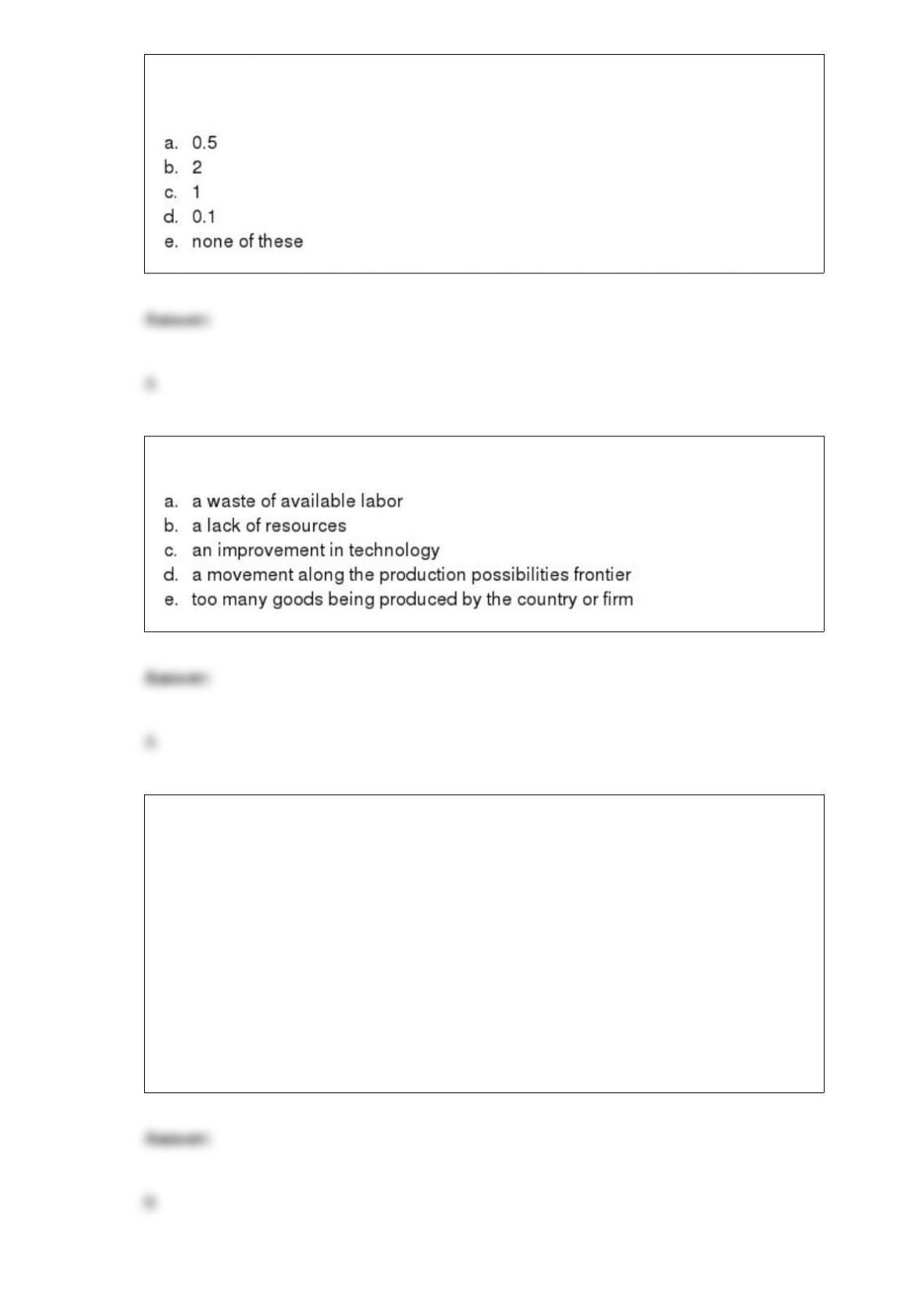
Figure 5-4 shows the demand schedule for hockey pucks. What is the price elasticity of
demand when the price changes from $2 per puck to $1 per puck (using the midpoint
formula)?
If a 20 percent decrease in the price of chicken results in a 10 percent increase in the
quantity demanded, the price elasticity of demand has a value of
Productive inefficiency could arise from
If the exchange rate (dollars per unit of foreign currency) has decreased because of a
shift of the supply curve, the demand curve, or both, we say there has been a(n)
a. appreciation of the foreign currency
b. depreciation of the foreign currency
c. revaluation of the foreign currency
d. devaluation of the foreign currency
e. fixing of the foreign currency

A market in which resources are traded is known as a(n)
If the Fed has a goal of stable real GDP and government spending increased, which of
the following would occur?
a. The money demand would not change, real GDP would not change, the interest rate
would decrease, and there would be partial crowding out.
b. Money demand would not change, real GDP would not change, the interest rate
would increase, and there would be complete crowding out.
c. Money demand would increase, real GDP would not change, the interest rate would
increase, and there would be partial crowding out.
d. Money demand would not change, real GDP would increase, the interest rate would
decrease, and there would be complete crowding out.
e. Money demand would increase, real GDP would not change, the interest rate would
decrease, and there would be complete crowding out.
According to economists, changes in the quality of goods
a. leads to overestimates of the measured value of GDP because these goods last for
shorter amounts of time
b. leads to underestimates of the measured value of GDP because these goods last for
shorter amounts of time
c. leads to overestimates of the measured value of GDP because these goods last for
longer amounts of time
d. have no effect on the measured value of GDP
e. leads to underestimates of the measured value of GDP because these goods last for
longer amounts of time
Because of economic scarcity
The Fed has decreased the money supply. The formula for calculating the resulting
change in demand deposits is
a. (1/RRR) minus the change in reserves
b. (1/RRR) multiplied by the change in reserves
c. the change in reserves divided by [1 – (1/RRR)]
d. RRR minus the change in reserves
e. [1 – (1/RRR)] multiplied by the change in reserves
Every firm is constrained by the demand curve for the product it produces.

If the Fed wishes to increase the interest rate, it can do so by
a. selling bonds
b. buying bonds
c. increasing the money supply
d. setting a higher prime lending rate
e. encouraging the public to buy bonds
The wage premium for the average college graduate (vs. the average high school
graduate) has gone down significantly in recent years.
Which of the following would not shift the demand for pounds curve to the right?
a. An increase in real U.S. GDP.
b. A decrease in U.S. interest rates.
c. A decrease in real U.S. GDP.
d. An increased taste for British goods by Americans.
e. None of the above.
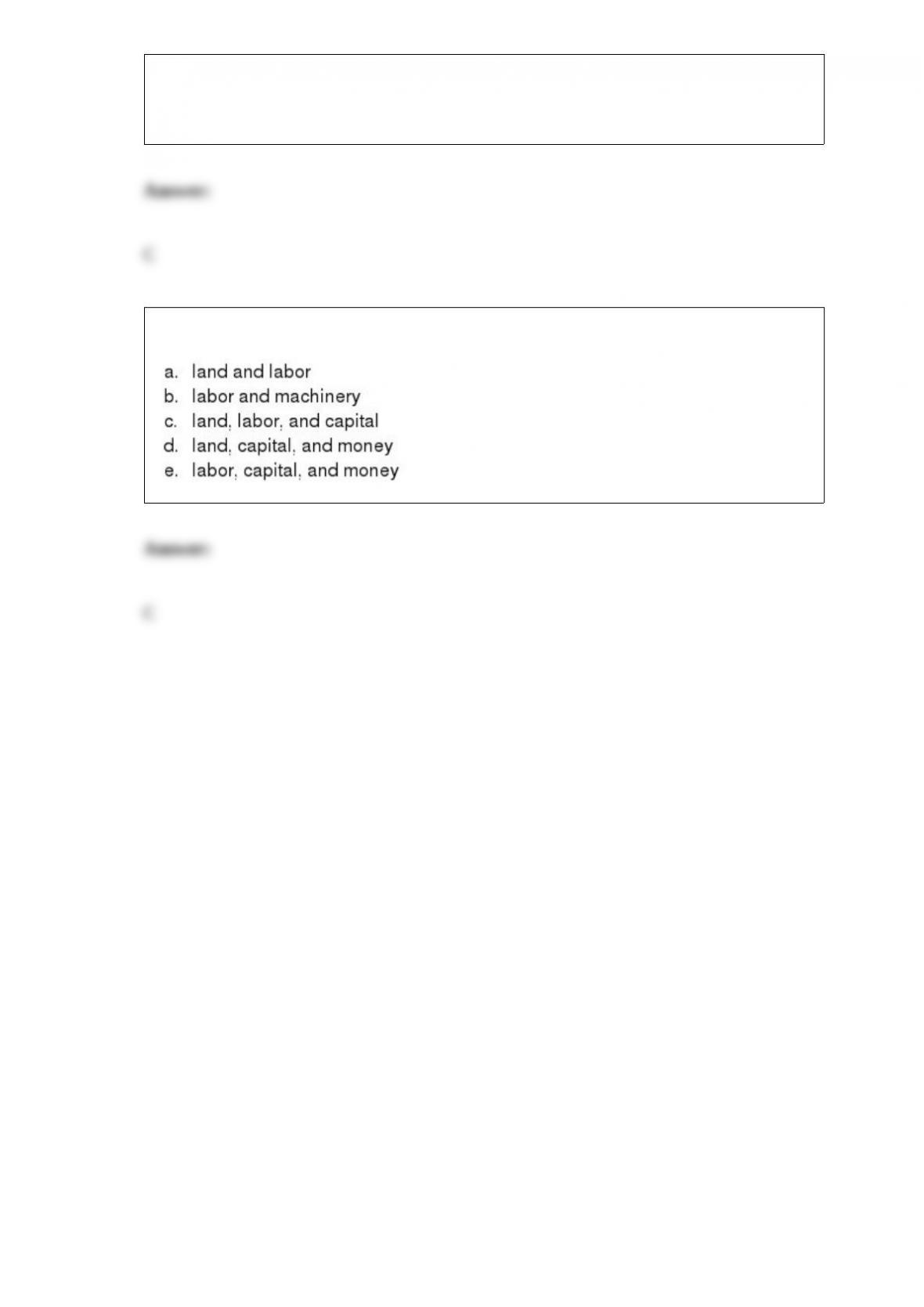
Society’s resources include