
How does the increasing use of MP3 players affect the market for compact discs?
A) The demand curve for compact discs shifts to the right.
B) The supply curve for compact discs shifts to the left.
C) The supply curve for compact discs shifts to the right.
D) The demand curve for compact discs shifts to the left.
Which of the following statements is false?
A) An inverse relationship has a negative slope value.
B) A direct relationship has a positive slope value.
C) A curved line has slope values that change at every point.
D) A straight line has a slope of zero.
James Meade, who won the Nobel Prize in Economics in 1977, argued that positive
externalities resulted from
A) reducing emissions of sulfur dioxide.
B) producing automobiles and automobile tires.
C) home owners in the Northeast moving to the South and Southwest United States.
D) apple growing and beekeeping.

On a balance sheet, short-term debts such as accounts payable are listed as
A) current assets.
B) current liabilities.
C) stockholder’s equity.
D) goodwill.
A major problem with using tradable emissions allowance system to control pollution is
A) that it grants firms a license to pollute.
B) the difficulty in determining the emissions target.
C) it discourages firms from implementing cost-effective pollution control technology.
D) that it does not eliminate pollution completely.

When lumber from Brazilian forests is used by a U.S.-owned company to produce
furniture in Canada, the value of the furniture produced will be counted as a final good
in
A) U.S. GDP.
B) Canada’s GDP.
C) Brazil’s GDP.
D) Brazil’s GNP.
Enforcing property rights in an economy will
A) cause the market system to work less efficiently.
B) decrease the level of foreign portfolio investment.
C) encourage corruption and expand the underground economy.
D) raise the level of investment.
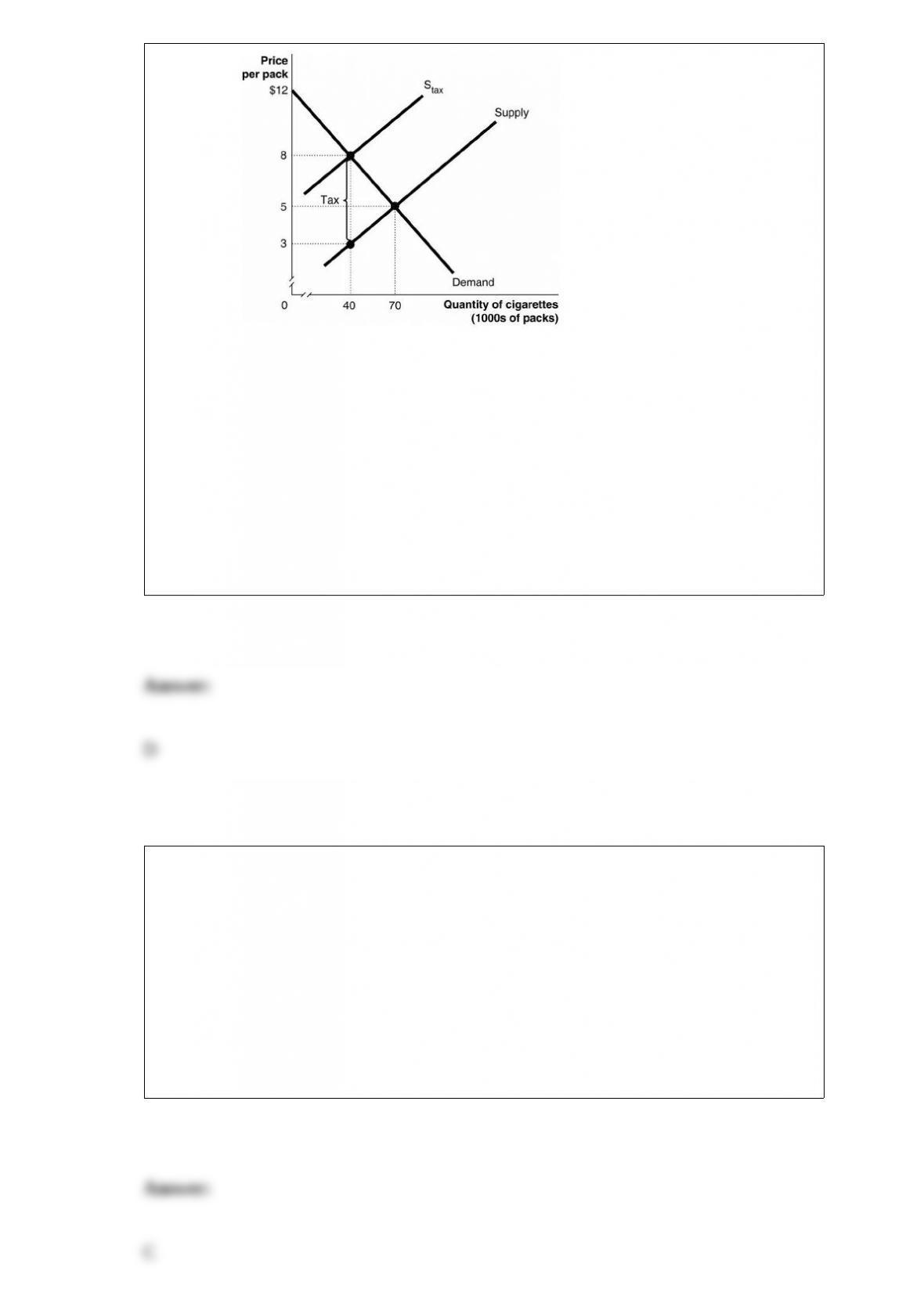
Figure 4-9 Figure 4-9 shows the market for
cigarettes. The government plans to impose a unit tax in this market.
How much of the tax is paid by producers?
A) $45
B) $8
C) $3
D) $2
Collusion occurs when
A) a firm chooses a level of output to maximize its own profit.
B) two firms’ price and output decisions come into conflict.
C) there is an agreement among firms to charge the same price or otherwise not to
compete.
D) firms refuse to follow their price leaders.

Which of the following is a consequence of the voting paradox?
A) A majority of voters elect a candidate that does not represent the preferences of the
voter who is in the political middle.
B) Politicians support small groups of individuals and firms that benefit from special
interest legislation, rather than a much larger group of voters who pay the cost for this
legislation.
C) Individuals and firms who benefit from government actions engage in rent seeking.
D) The collective preferences of voters are not transitive and voting outcomes are
inconsistent.