
Under both perfect competition and monopoly, a firm:
a. is a price taker.
b. maximizes profit by setting marginal cost equal to marginal revenue.
c. will shut down in the short-run if price falls short of average total cost.
d. always earns a pure economic profit.
Firms would like to know the price elasticity of demand for their products because it
helps determine the effect of price changes on the firms’:
a. property taxes.
b. competitors’ profits.
c. quantity supplied.
d. revenues.
e. total costs.
The recent growth records of Japan and Hong Kong during the last 50 years indicate
that a nation can grow rapidly without:
a. securely defined property rights. c. significant capital formation.
b. adopting modern technology. d. abundant domestic natural resources.
Which of the following firms best fits the definition of a monopoly?
a. General Motors
b. Exxon Mobile
c. Local electric utility
d. AT&T
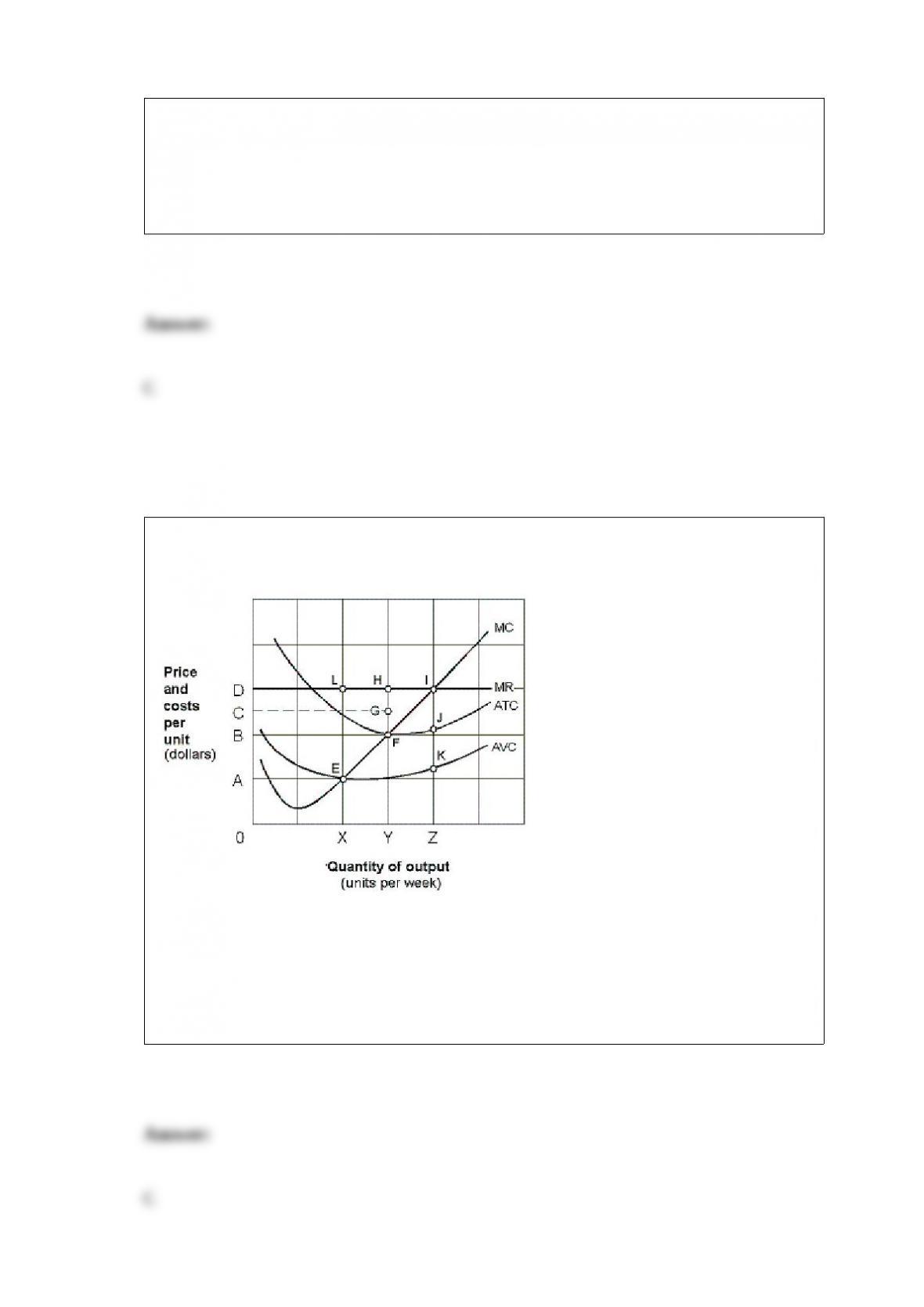
Exhibit 8-12 Marginal revenue and cost per unit curves
If price is equal to OD for the firm shown in Exhibit 8-12, total profit is maximized
when:
a. output is X.
b. output is Y.
c. output is Z.
d. output is greater than Z.
A tariff differs from a quota in that a tariff is:
a. levied on imports, whereas a quota is imposed on exports.
b. levied on exports, whereas a quota is imposed on imports.
c. a tax levied on exports, whereas a quota is a limit on the number of units of a good
that can be exported.
d. a tax imposed on imports, whereas a quota is an absolute limit to the number of units
of a good that can be imported.
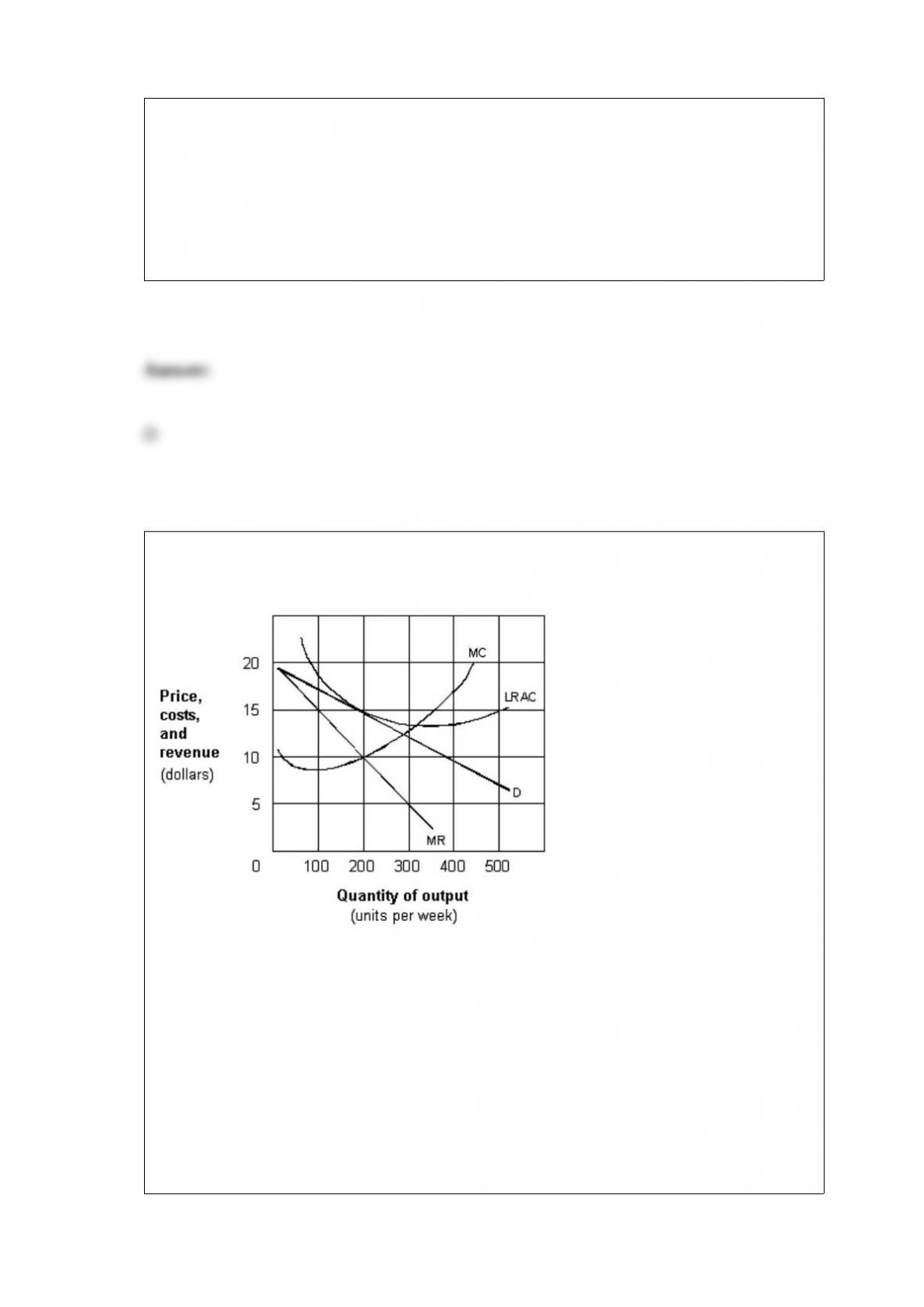
Exhibit 10-2 A monopolistic competitive firm
If all firms in a monopolistic competitive industry have demand and cost curves like
those shown in Exhibit 10-2, we would expect that in the long run:
a. all firms will leave the industry.
b. some firms will leave the industry.
c. firms in the industry earn zero economic profits.
d. a number of new firms will enter the industry.

Which of the following can shift the labor demand curve to the right?
a. Decrease in product price.
b. Increase in wages.
c. Decrease in wages.
d. Decrease in the MP.
e. Increase in productivity.
An increase in the quantity demanded of a good is most often due to:
a. current prices.
b. higher prices.
c. higher income.
d. lower prices.
e. technological change.
The airline and trucking industries came under regulation during the:
a. 1920s. c. 1960s.
b. 1930s. d. 1970s.

The marginal approach to profit maximization means that a firm should produce until:
a. marginal revenue equals zero.
b. marginal revenue equals marginal cost.
c. marginal cost becomes negatively sloped.
d. marginal revenue equals price.
e. price equals average total cost.
A country is said to have a comparative advantage in the production of a good when it:
a. has the lower opportunity cost of producing the good.
b. can produce the good using fewer resources than another country.
c. requires fewer labor hours to produce the good.
d. all of these.
The ____ is the situation in which the marginal product of labor is greater than zero and
declining as more labor is hired.
a. law of demand
b. law of diminishing supply
c. law of diminishing returns
d. law of returns to scale

Compared to a perfectly competitive industry, a monopolist with the same marginal cost
and demand curve will charge:
a. a higher price and produce a higher volume of output.
b. a lower price and produce a higher volume of output.
c. a lower price and produce a lower volume of output.
d. a higher price and produce a lower volume of output.
e. the same price and produce the same volume of output.
A government passes a new law allowing only 1,000 tons of pollution per day to be
generated and simultaneously sells 1,000 transferable rights to emit one ton each of
pollution per day. Which of the following is true?
a. The pollution will be created by those least willing and able to pay the damages.
b. The pollution will be created by those most willing and able to pay for the right to
pollute.
c. The funds collected by the government will be enough to compensate any individuals
harmed by the pollution.
d. Pollution will increase from zero to 1,000 units per day.
A firm has $200 million in total revenue and explicit costs of $190 million. Suppose its
owners have invested $100 million in the company at an opportunity cost of 10 percent
interest rate per year. The firm’s economic profit is:
a. $400 million.
b. $100 million.
c. $80 million.
d. zero.
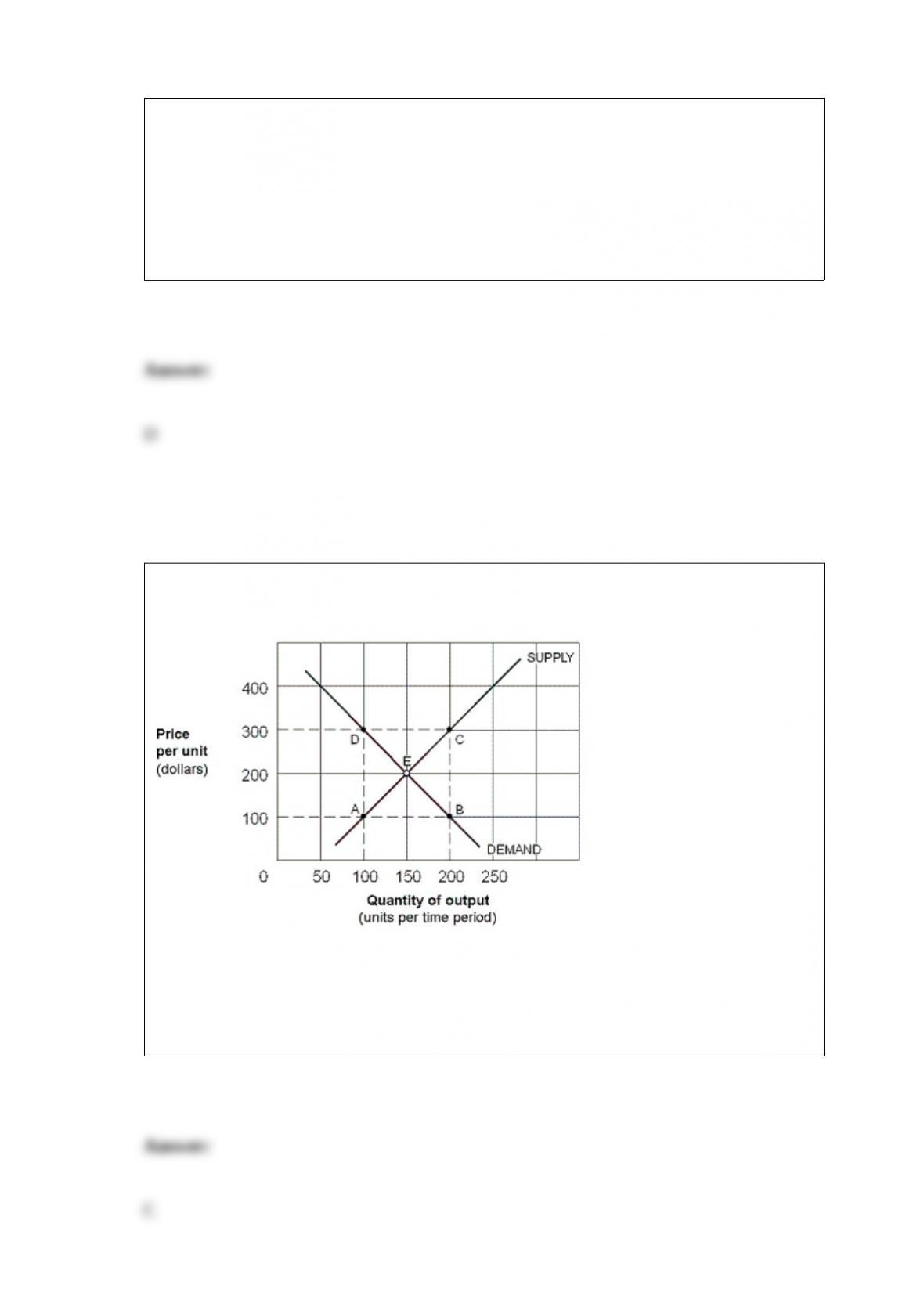
Exhibit 5-9 Supply and demand curves for good X
As shown in Exhibit 5-9, assuming goods X and Y are substitutes, an increase in the
price of Y, other factors held constant, could move the equilibrium from point E to
point:
a. A. c. C.
b. B. d. D.

The practice of firms temporarily reducing prices in order to eliminate competition is
called:
a. competitive pricing. c. discount pricing.
b. predatory pricing. d. strategic pricing.
Barbara owns a small shop where dresses are made. At the end of a given month, she
has 250 dresses. Her expenses for the month are $1,000 for rent, $6,000 for wages,
$1,500 for fabric and thread, and $500 for electricity. Her total variable costs for the
month are:
a. c and e.
b. $4,000.
c. $32 per dress.
d. $7,500.
e. $8,000.
A natural monopoly is a market where:
a. a single firm has control over a vital natural resource.
b. many smaller firms can produce the entire market output at the same per-unit cost as
could one large firm.
c. a single large firm can produce the entire market output at a lower per-unit cost than a
group of smaller firms.
d. many smaller firms can produce the entire market output at a lower per-unit cost than
could one large firm.
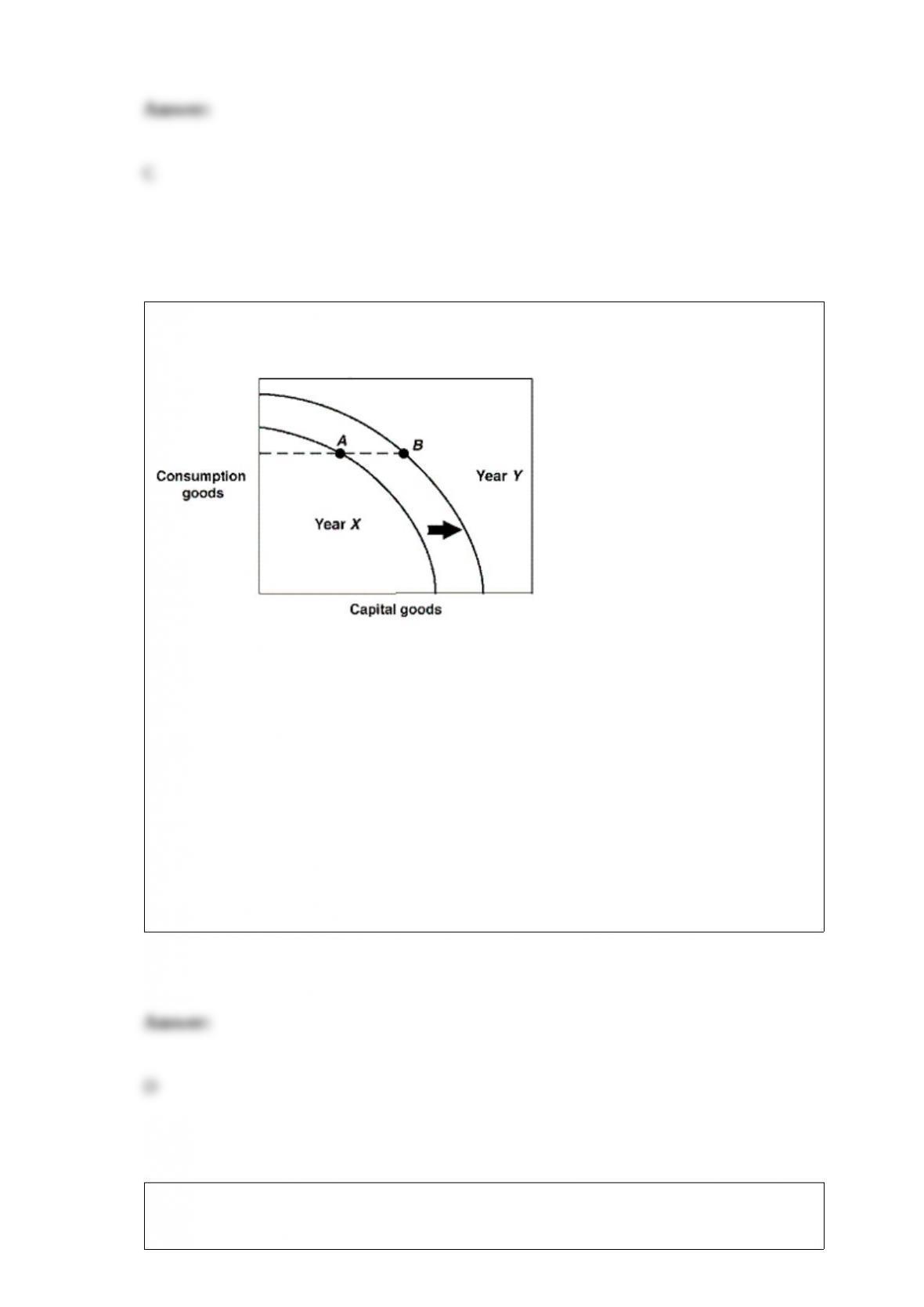
Exhibit 2-18 Production possibilities curves
In Exhibit 2-18, a country is located at point A on its Year X production possibilities
curve. In Year Y this same country is located at point B on its Year Y production
possibilities curve. Which of the following could have brought about this outward shift
in production possibilities curves?
a. More efficient production in Year X.
b. A natural disaster in Year X which leads to a destruction of resources.
c. Higher unemployment in Year X.
d. An advance in technology occurred in Year X.
Exhibit 3-8 Demand and supply data for Video games

In Exhibit 3-8, at any market price of video games above $50, a(n) ____ would result,
causing price to ____.
a. excess demand; rise
b. excess supply; rise
c. excess demand; fall
d. excess supply; fall
e. shortage; rise
After 1929 in the United States, as measured by the Lorenz curve, income inequality:
a. increased sharply.
b. remain unchanged.
c. declined.
d. increased.

Exhibit 2-10 Production possibilities curve data
Suppose an economy is faced with the production possibilities table shown in Exhibit
2-10. As additional units of capital goods are produced, the opportunity cost in terms of
sacrificed units of consumption goods ____ because of ____.
a. decreases; greater efficiency in production
b. increases; decreasing opportunity cost
c. increases; the law of increasing costs
d. increases; greater efficiency in production
e. decreases; the law of increasing costs
Domestic law and order, the infrastructure, and the climate of international trade are all
aspects of a country’s:
a. natural resources endowment. c. capital investment.
b. human resources investment. d. political environment.

In a competitive labor market, marginal revenue product equals marginal product times
the wage rate.
The statement “The income tax is unfair to those who work hard to earn their incomes”
is an example of positive economic analysis.
A monopolist is a price searcher because it has the ability to select the price along its
demand curve of its product.
Negative income tax plans have the advantage of increasing work incentives in
comparison to existing welfare programs without work incentives.

A country with a high GDP per capita can be classified as an industrially advanced
country (IAC) regardless of its industrial development.
If a firm is producing an output level at which marginal revenue exceeds marginal cost,
the firm will increase profits by reducing its output level.
The Coase Theorem states that the private sector can achieve environmental efficiency,
as long as property rights are clearly assigned.
Typically, total utility derived decreases as more of a good is consumed.