
Which of the following will most likely cause a nation’s currency to appreciate on the
foreign exchange market?
a. A decrease in domestic interest rates
b. An increase in foreign interest rates
c. Domestic inflation of 10 percent while the nation’s trading partners are experiencing
stable prices
d. Stable domestic prices while the nation’s trading partners are experiencing 10 percent
inflation
If the nominal GDP is $500 billion and the money supply is $100 billion, the velocity of
money is:
a. 500.
b. 5.00
c. 2.50.
d. 0.40.
The speculative demand for money:
a. varies inversely with income.
b. is only concerned with active money.

c. involves holding money for unexpected problems.
d. varies directly with the transactions demand for money.
e. varies inversely with the interest rate.
Which of the following statements is true?
a. Profits distributed to the creditors are called dividends.
b. The balance sheet shows the assets, liabilities, and profits of a company.
c. Dividends are an expense, and are reported on the income statement as a deduction
from net income.
d. The income statement reports the revenues and expenses of a company.
If you hold money in anticipation of household emergency expense, this represents the::
a. speculative demand for holding money.
b. transactions demand for holding money.
c. opportunity cost motive for holding money.
d. precautionary demand for holding money.
e. regressive cost of holding money.
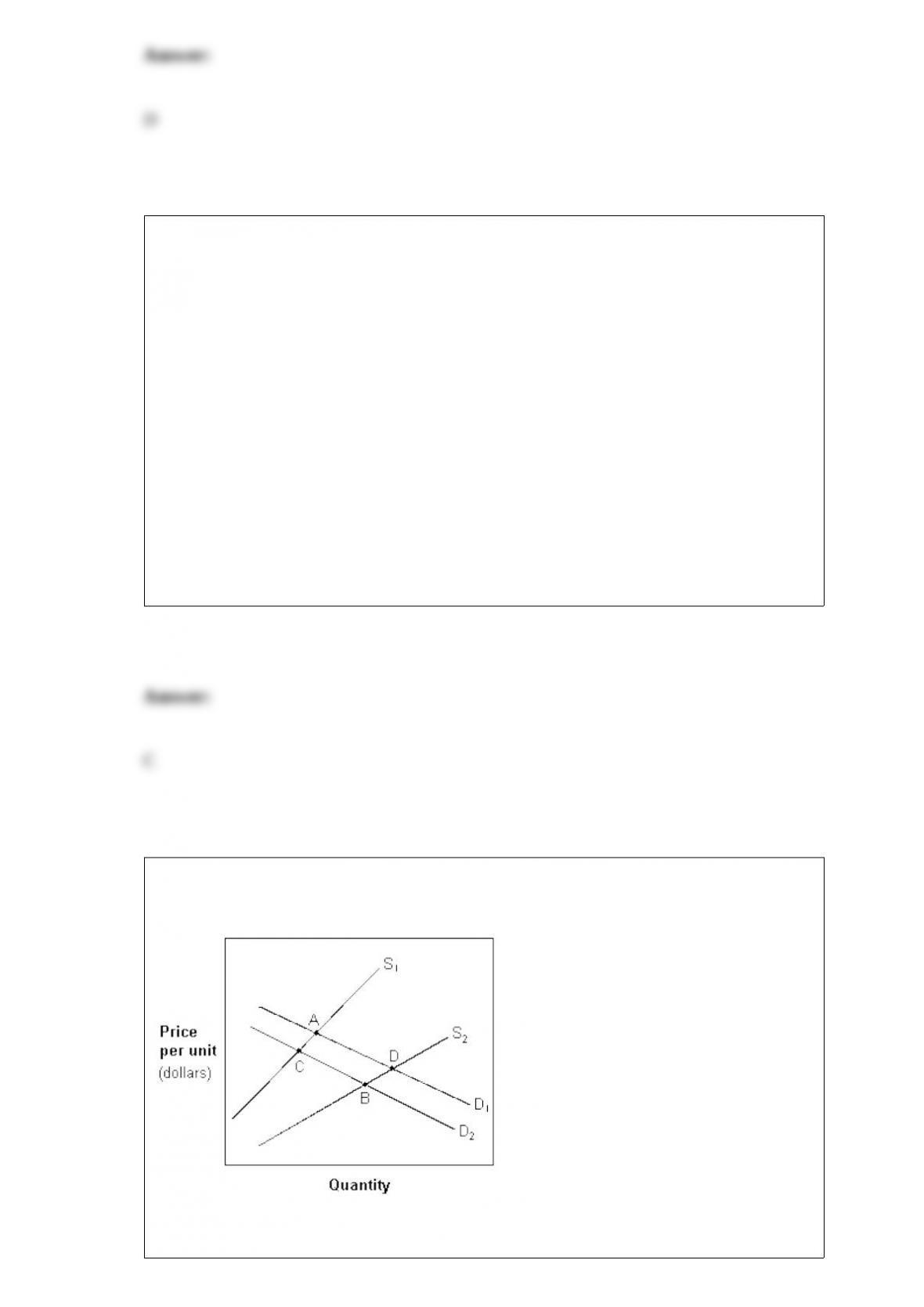
Exhibit 12-3 Income for two persons NameIncome
Meredith $124,000
Hillary $ 45,000 In Exhibit 12-3, if the income tax system is currently progressive, we
know that:
a. Meredith has a larger tax bill than Hillary, although they pay the same tax rate.
b. Hillary has a larger tax bill than Meredith, although they pay the same tax rate.
c. Meredith has a larger tax bill than Hillary and pays a higher tax rate.
d. Hillary has a larger tax bill than Meredith and pays a higher tax rate.
e. Meredith’s and Hillary’s tax bills are equal.
Exhibit 4-8 Demand and supply curves
In Exhibit 4-8, a movement from A to B is best explained by:

a. an increase in income and in the number of suppliers.
b. an increase in the price of other goods.
c. an increase in the population.
d. a decrease in income and an improvement in the technology used to produce the
good.
e. equilibrium quantity increases and the equilibrium price change is indeterminate.
A theory is:
a. based only on critical factors or variables.
b. a simplified abstraction of the real world.
c. a detailed description of reality.
d. a and b.
Suppose there are 100 consumers with identical individual demand curves. When the
price of a movie ticket is $8, the quantity demanded for each person is 5. When the
price is $4, the quantity demanded for each person is 9. Assuming the law of demand
holds, which of the following choices is the most likely quantity demanded in the
market when the price is $6?
a. 700

b. 1,200
c. 400
d. 1,000
e. 100
Sugar and honey are viewed as substitutes for each other in many cooking applications.
If the price of sugar rises, we would expect the:
a. demand for honey to increase.
b. demand for honey to decrease.
c. quantity demanded of honey to decrease.
d. price of honey to decrease.
e. quantity demanded of honey to increase.
Providedbelowisalistofimportantusersofaccountinginformation.Belowthelistaredescripti
onsofamajorneedofeachofthevarioususers.Fillintheblankwiththeoneusergroupthatismost
likelytohavetheneeddescribedtotherightoftheblank.Someusergroupsmaybeusedmorethan
onceornotatall.
a. Stockholder
b. Company management

c. Supplier
d. Banker
e. Internal Revenue Service
f. Securities and Exchange Commission
g. Labor union The profitability of each division of the company.
Which of the following actions by the Fed would increase the money supply?
a. Reducing the required reserve ratio.
b. Selling bonds in the open market.
c. Increasing the discount rate.
d. None of these.
A factor of production is the same as:
a. the amount of a good produced.
b. the price of a good.
c. a profit of a firm.
d. an opportunity cost.

e. a resource.
According to Adam Smith, what is the primary source of a nation’s wealth?
a. The amount of gold and silver in the government’s possession.
b. A spirit of cooperation in which people share according to their means.
c. Strong central planning authorities.
d. The people’s ability to produce products and trade in free markets.
Which of the following would be an external cost associated with the manufacture of
cigarettes?
a. Price of a pack of cigarettes.
b. Price of leaf tobacco.
c. Cost to the government of the hospital expenses of indigent smokers.
d. Cost to the employer of the higher health insurance premiums due to the hiring of a
smoker.
e. Cost to the employer of the extra effort lost due to the increased missed days of work
as a result of smoking.

Which of the following would shift the aggregate demand curve to the left?
a. An increase in exports.
b. An increase in investment.
c. An increase in government spending.
d. A decrease in government spending.
If the velocity of the M1 money supply is 4 and nominal GDP is $200 billion, the stock
of money in circulation must be:
a. $25 billion.
b. $50 billion.
c. $100 billion.
d. $800 billion.