
In the short-run, even if a monopoly’s total revenue does not cover its variable costs, it
should continue to produce because ultimately in the long run, the monopoly will start
earning profits.
Today, the United States charges an average tariff rate of less than 1.5 percent.
All renters benefit from rent control and all landlords lose.
There is a shortage of every good that is scarce.

Suppose that to move more people off the wait list for organ donations, surgeons and
hospitals are developing a market for organ swapping. This is an example of a
macroeconomics topic.
Consider a country that produces only two goods: parrots and iguanas. Suppose it is
impossible for this country to increase its production of parrots without producing
fewer iguanas. In this case, its current output combination is efficient.
Fiscal policy has a greater impact in a closed economy than it does in an open economy.
Monopolistically competitive firms achieve allocative efficiency but not productive
efficiency.

The income effect explains why there is an inverse relationship between the price of a
product and the quantity of the product demanded.
Because of the flaws of the concentration ratio as a measure of the extent of
competition in an industry, some economists prefer another measure of competition, the
Herfindahl-Hirschman Index.
The decisions Apple makes in determining production levels for its iPhone is an
example of a microeconomics topic.
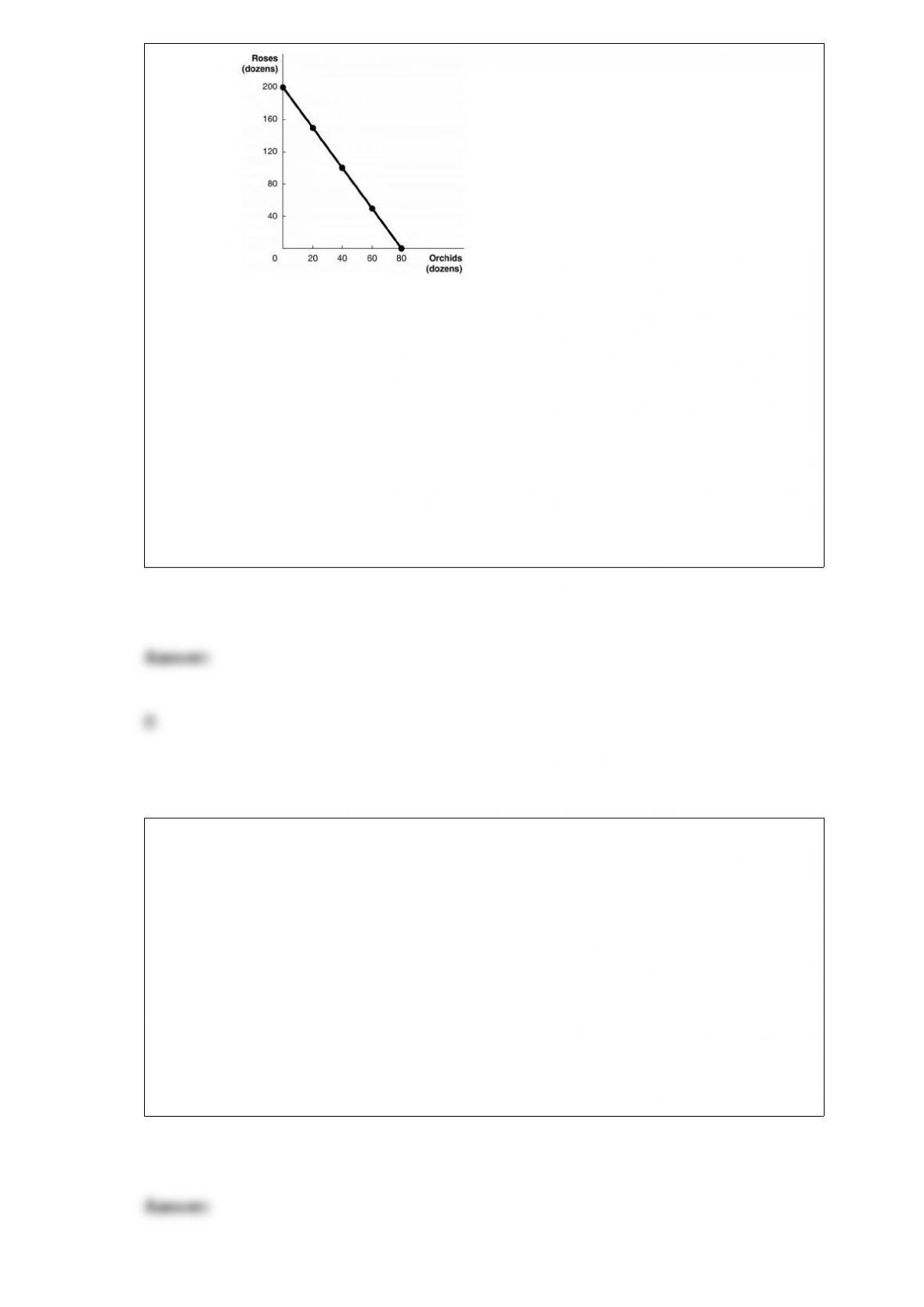
Figure 2-8 Figure 2-8 above shows the production
possibilities frontier for Vidalia, a nation that produces two goods, roses and orchids.
If Vidalia chooses to produce 80 dozen roses, how many orchids can it produce to
maximize production?
A) 24 dozen orchids
B) 48 dozen orchids
C) 60 dozen orchids
D) 74 dozen orchids
Which of the following is a reason why it is difficult to estimate the extent of economic
discrimination in the labor market?
A) Employers who discriminate are likely to do so in overt ways such as awarding
some workers with benefits-in-kind.
B) Ultimately, employers who discriminate cannot remain profitable.
C) Employers who discriminate pay an economic penalty.
D) Differences in wages can be attributed to many other factors as well, such as
differences in productivity and preferences.
Which of the following summarizes the information provided by a Lorenz curve?
A) the Lorenz coefficient
B) the income distribution ratio
C) the Gini coefficient
D) the slope (the rise divided by the run) of the Lorenz curve at a particular point on the
curve
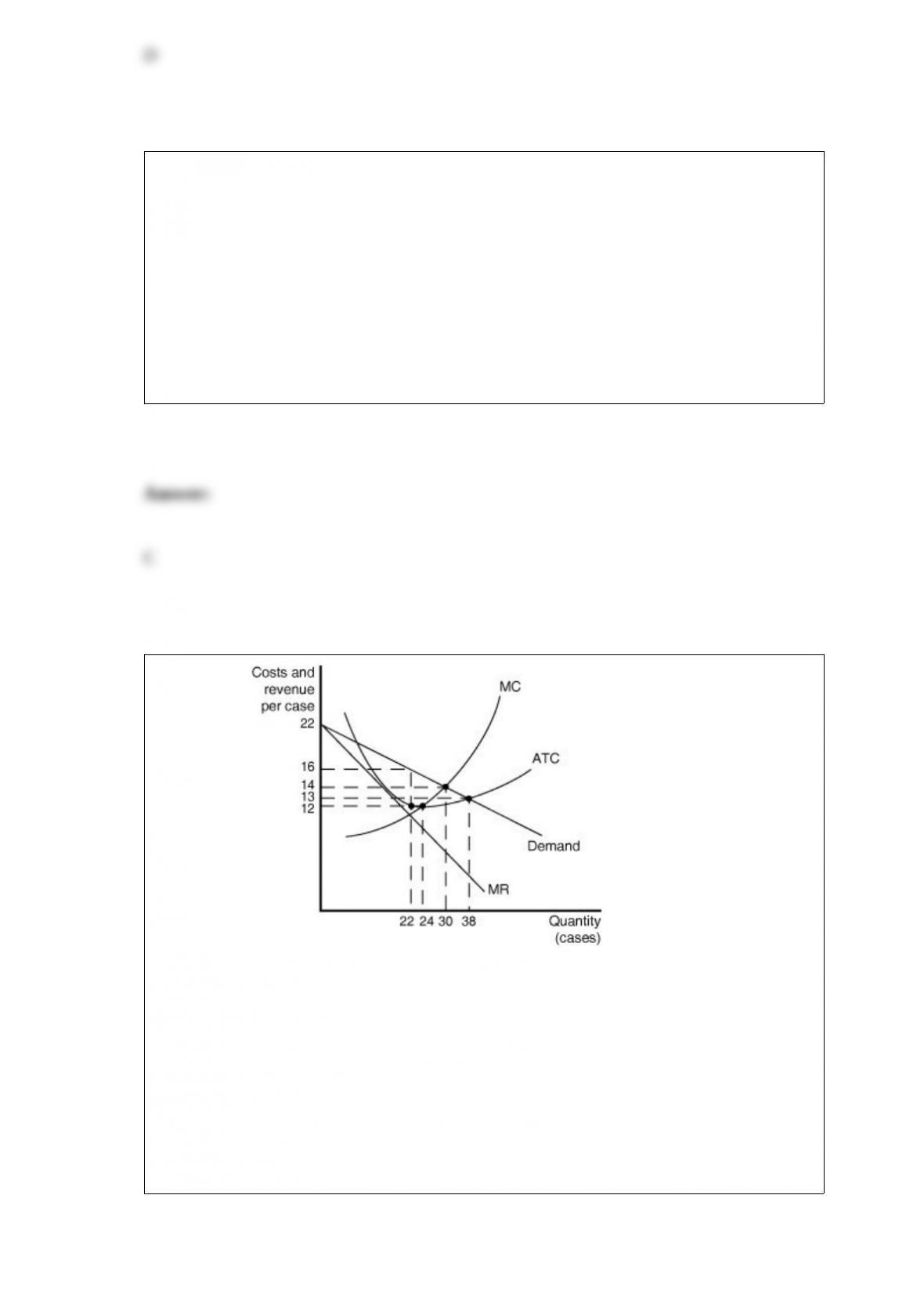
Figure 13-8 Figure 13-8 shows cost and
demand curves for a monopolistically competitive producer of iced-tea. What is the
firm’s profit-maximizing price?
A) $12
B) $13
C) $14
D) $16

When the price level falls from 135 to 120, the aggregate level of GDP supplied falls
from $140 billion to $125 billion. This ________ relationship represents the ________
relationship between GDP and the price level.
A) negative; short-run
B) positive; short-run
C) negative; long-run
D) positive; long-run
Which of the following displays these two characteristics: nonrivalry and
nonexcludability in consumption?
A) public goods
B) private goods
C) quasi-public goods
D) common resources

Which of the following costs will not change as output changes?
A) marginal cost
B) total variable cost
C) average variable cost
D) average fixed cost
E) total fixed cost
If the cross-price elasticity of demand for computers and software is negative, this
means the two goods are
A) substitutes.
B) complements.
C) inferior.
D) normal.
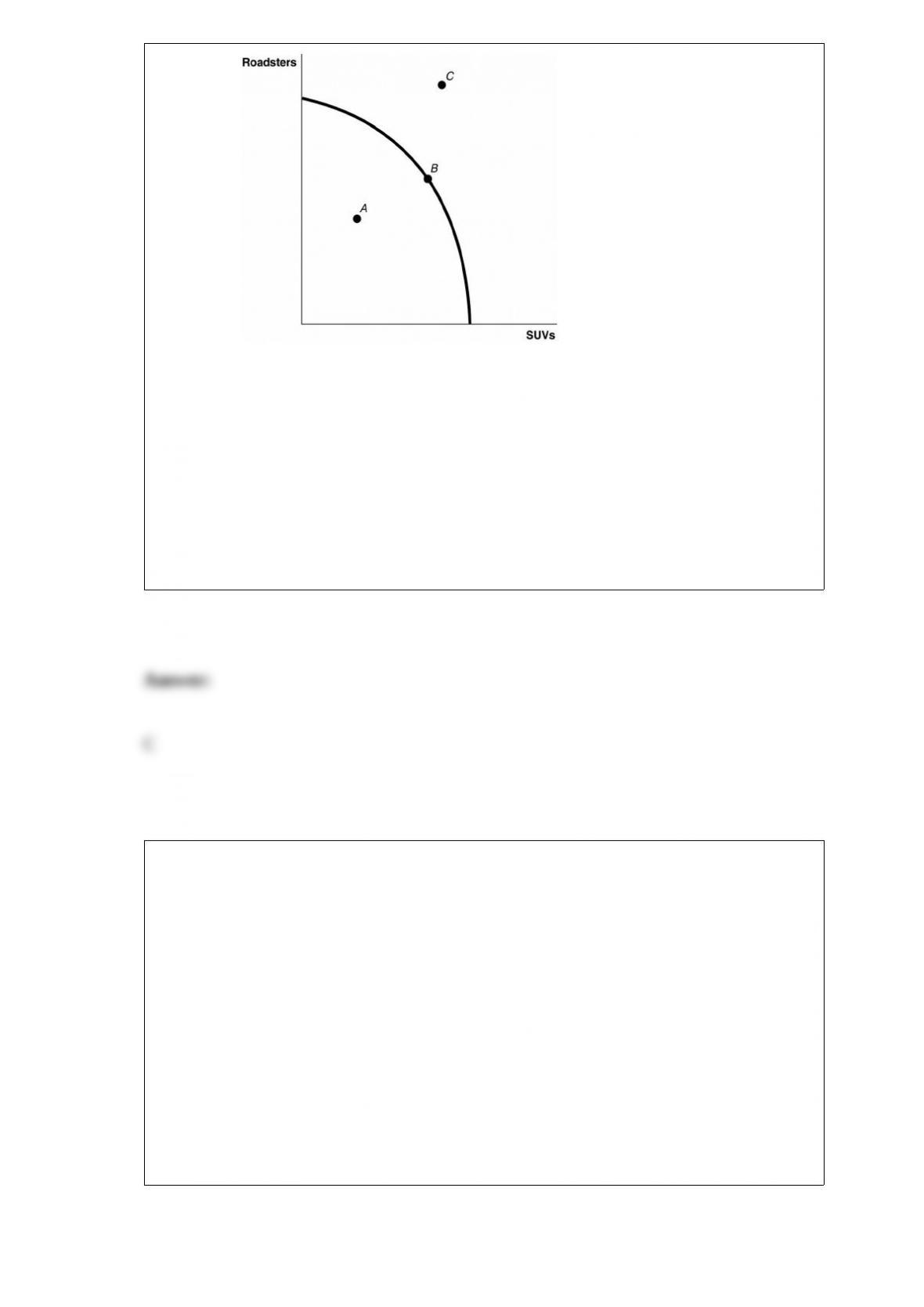
Figure 2-1
________ is (are) unattainable with current resources.
A) Point A
B) Point B
C) Point C
D) Points A and C
Suppose the working-age population of a fictional economy falls into the following
categories: 90 are retired or homemakers; 60 have full-time employment; 20 have
part-time employment; 20 do not have employment, but are actively looking for
employment; and 10 would like employment but do not have employment and are not
actively looking for employment. The official unemployment rate as calculated by the
U.S. Bureau of Labor would equal
A) (20/60) 100.
B) (20/80) 100.
C) (30/80) 100.
D) (20/100) 100.

Compared to a perfectly competitive firm, the demand curve facing a monopolistically
competitive firm is
A) more elastic because there are many close substitutes for the product of a
monopolistically competitive firm.
B) less elastic because monopolistically competitive firms produce similar, but not
identical, products.
C) just as elastic because there are many sellers in both markets.
D) more elastic because in the long run, the demand curve is tangent to the firm’s
average total cost curve.
Which of the following are implicit costs for a typical firm?
A) opportunity costs of capital owned and used by the firm
B) the cost of labor hired by the firm
C) utilities cost
D) a business licensing fee

Open market operations refer to the buying and selling of ________ by the ________ to
control the money supply.
A) Treasury securities; Treasury Department
B) Treasury securities; Federal Reserve
C) stocks and bonds; Treasury Department
D) stocks and bonds; Federal Reserve
The primary purpose of ________ is to encourage the expenditure of funds on research
and development to create new products.
A) centrally planned economies
B) government-run health care
C) nationalizing oil companies
D) patents and copyrights
Laura’s Pizza Place incurs $800,000 per year in explicit costs and $100,000 in implicit
costs. The restaurant earns $1.3 million in revenues. Based on this information, what is
accounting profit for Laura’s Pizza Place?
A) $200,000
B) $400,000
C) $500,000
D) $900,000
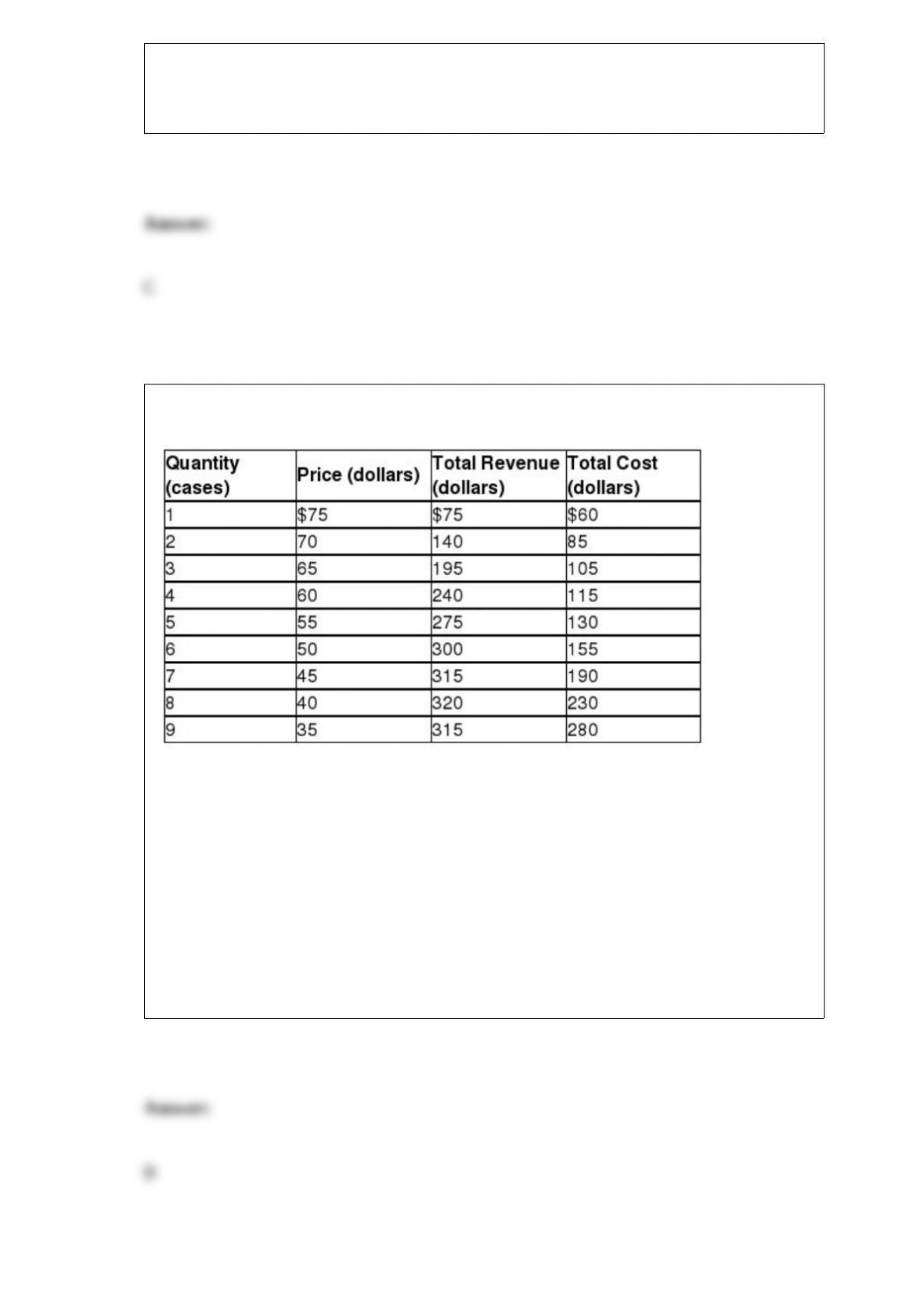
Table 13-2
Eco Energy is a monopolistically competitive producer of a sports beverage called
Power On. Table 13-2 shows the firm’s demand and cost schedules. What is the output
(Q) that maximizes profit and what is the price (P) charged?
A) P=$55; Q=5 cases
B) P=$50; Q=6 cases
C) P=$45; Q=7 cases
D) P=$40; Q=8 cases
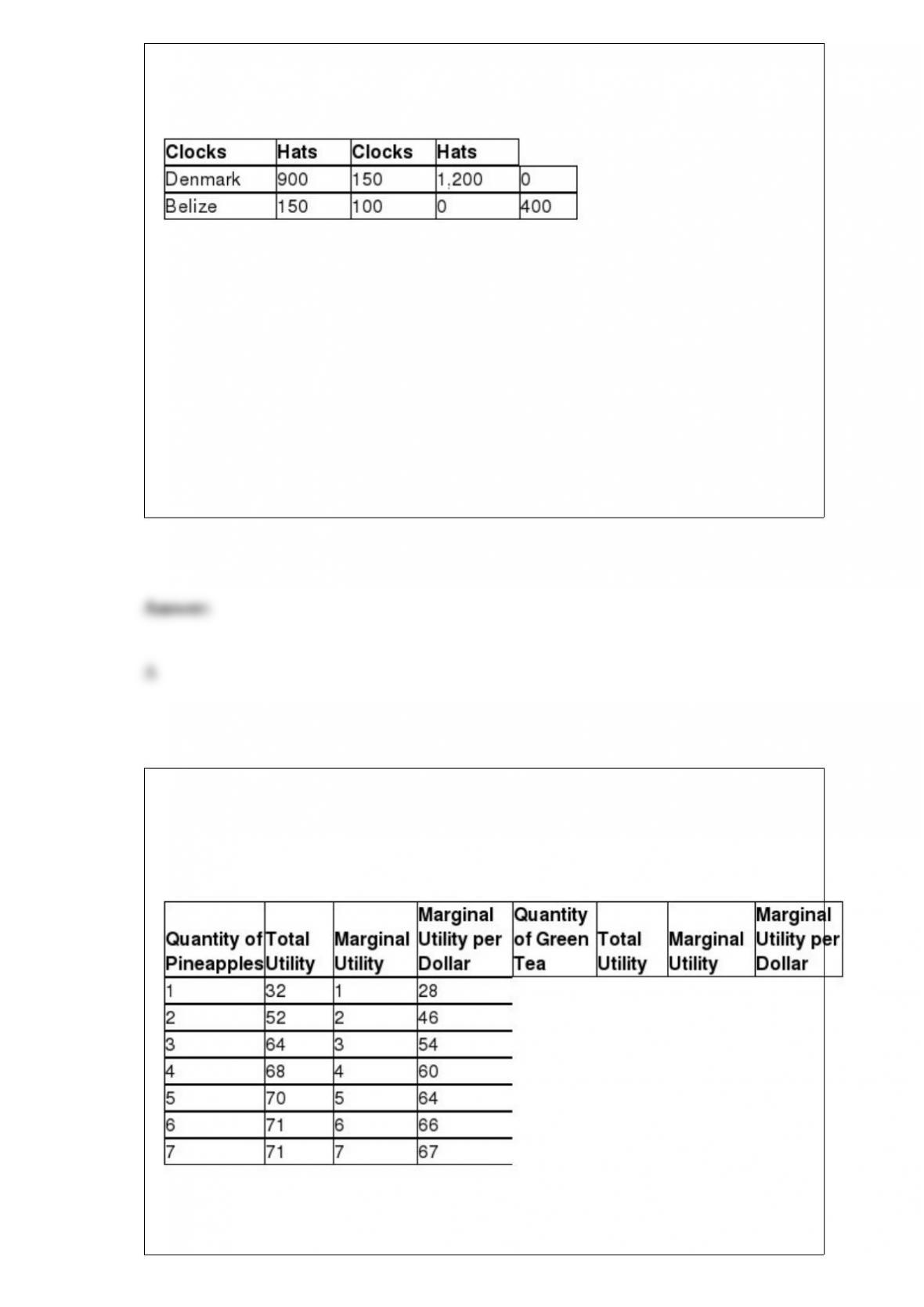
Table 9-11 Production and
Consumption Production
Without Trade With Trade
Denmark and Belize can produce both clocks and hats. Table 9-11 shows the production
and consumption quantities without trade, and the production numbers with trade.
Which country has an absolute advantage in producing clocks?
A) Denmark
B) Belize
C) both countries
D) neither country
Arnie Ziffel has $20 per week to spend on any combination of pineapples and green tea.
The price of a pineapple is $4 and the price of a bottle of green tea is $2. The table
below shows Arnie’s utility values. Use the table to answer the questions that follow the
table.
a. Complete the table by filling in the blank spaces.
b. Suppose Arnold purchases 4 pineapples and 2 bottles of green tea. Is he consuming
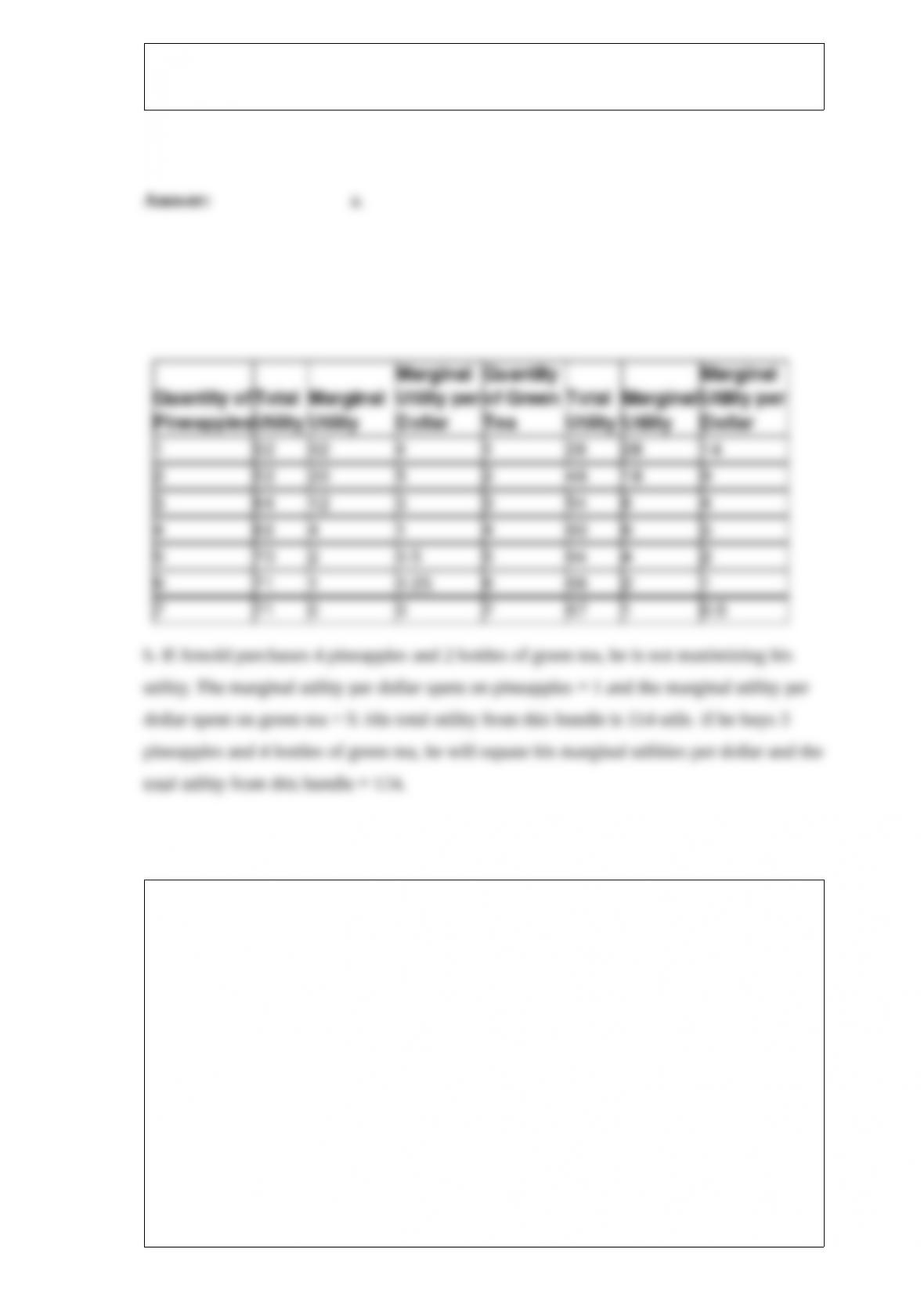
the optimal consumption bundle? If so, explain why. If not, what combination should he
buy and why?
The demand and supply equations for the peach market are:
Demand: P = 24 – 0.5Q
Supply: P = -6 + 2.5Q
where P = price per bushel, and Q = quantity (in thousands). a. Calculate the
equilibrium price and quantity.
b. Suppose the government guaranteed producers a price of $24 per bushel. What would
be the effect on quantity supplied? Provide a numerical value.
c. By how much would the $24 price change the quantity of peaches demanded?
Provide
a numerical value.
d. Would there be a shortage or surplus of peaches?
e. What is the size of this shortage or surplus? Provide a numerical value.
According to monetary theory, if the money supply is growing at a rate of 5 percent,
real GDP is growing at a rate of 2 percent, and velocity is constant, what will the
inflation rate be?
How does a positive externality in consumption reduce economic efficiency?
Why is the balance of payments always zero?
Which aspects of globalization help to increase growth in the world economy?
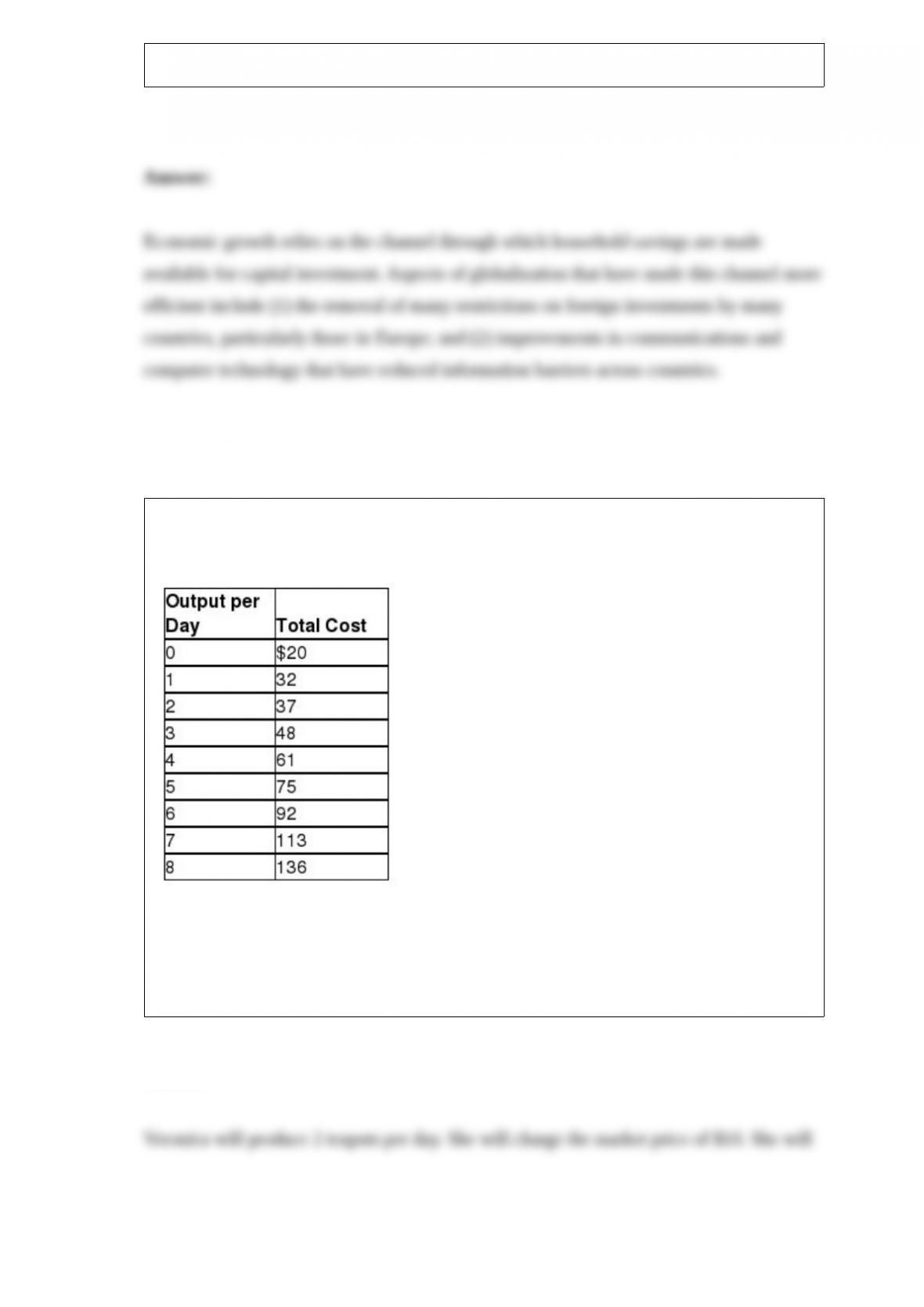
Suppose Veronica sells teapots in the perfectly competitive teapot market. Her output
per day and her costs are as follows:
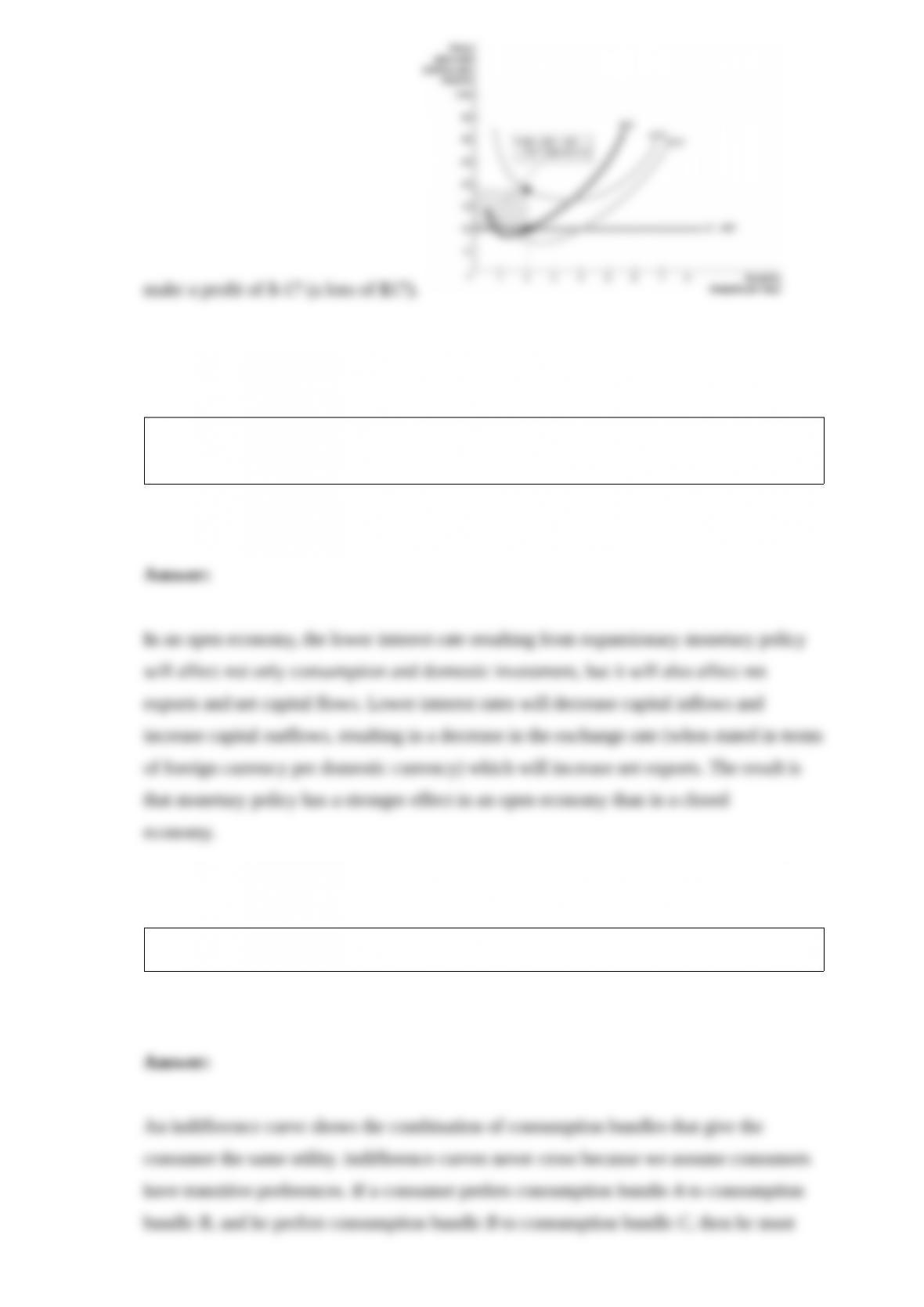
Suppose the current equilibrium price in the teapot market is $10. To maximize profit,
how many teapots will Veronica produce, what price will she charge, and how much
profit (or loss) will she make? Draw a graph to illustrate your answer. Your graph
should include Veronica’s demand, ATC, AVC, MC, and MR curves, the price she is
charging, the quantity she is producing, and the area representing her profit (or loss).
How is the impact of expansionary monetary policy different in an open economy than
in a closed economy?
What is an indifference curve? Why can indifference curves never cross?

Firms in an oligopoly are said to be interdependent. What does this mean?
Why do professional basketball players earn more than police officers? Illustrate this
situation graphically.