1) Currently capitalist income, that is, corporate profits, interest, and rent, accounts for
about what percentage of the income paid to American resource suppliers?
A.10 percent
B.20 percent
C.50 percent
D.80 percent
2)
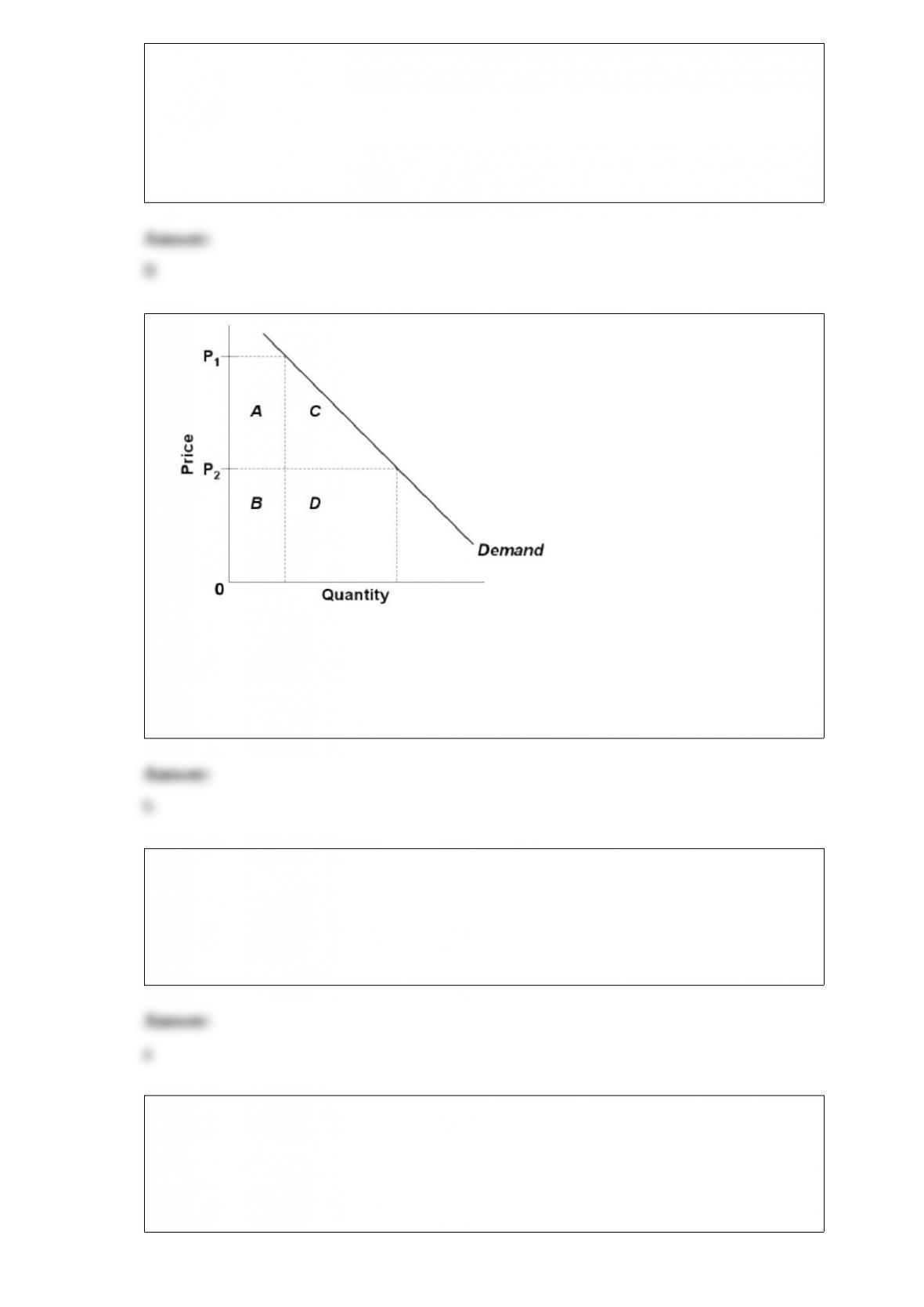
refer to the above diagram. total revenue at price p1is indicated by area(s):
a.c + d
b.a + b
c.a + c
d.a
3) a competitive market will:
a.achieve an equilibrium price.
b.produce shortages.
c.produce surpluses.
d.create disorder.
4) If the price of capital declines, the consequent output effect would be:
A.greater, the more elastic the demand for the product.
B.greater, the less elastic the demand for the product.
C.negative.
D.of consequence only if capital and labor are used in fixed proportions.
5)
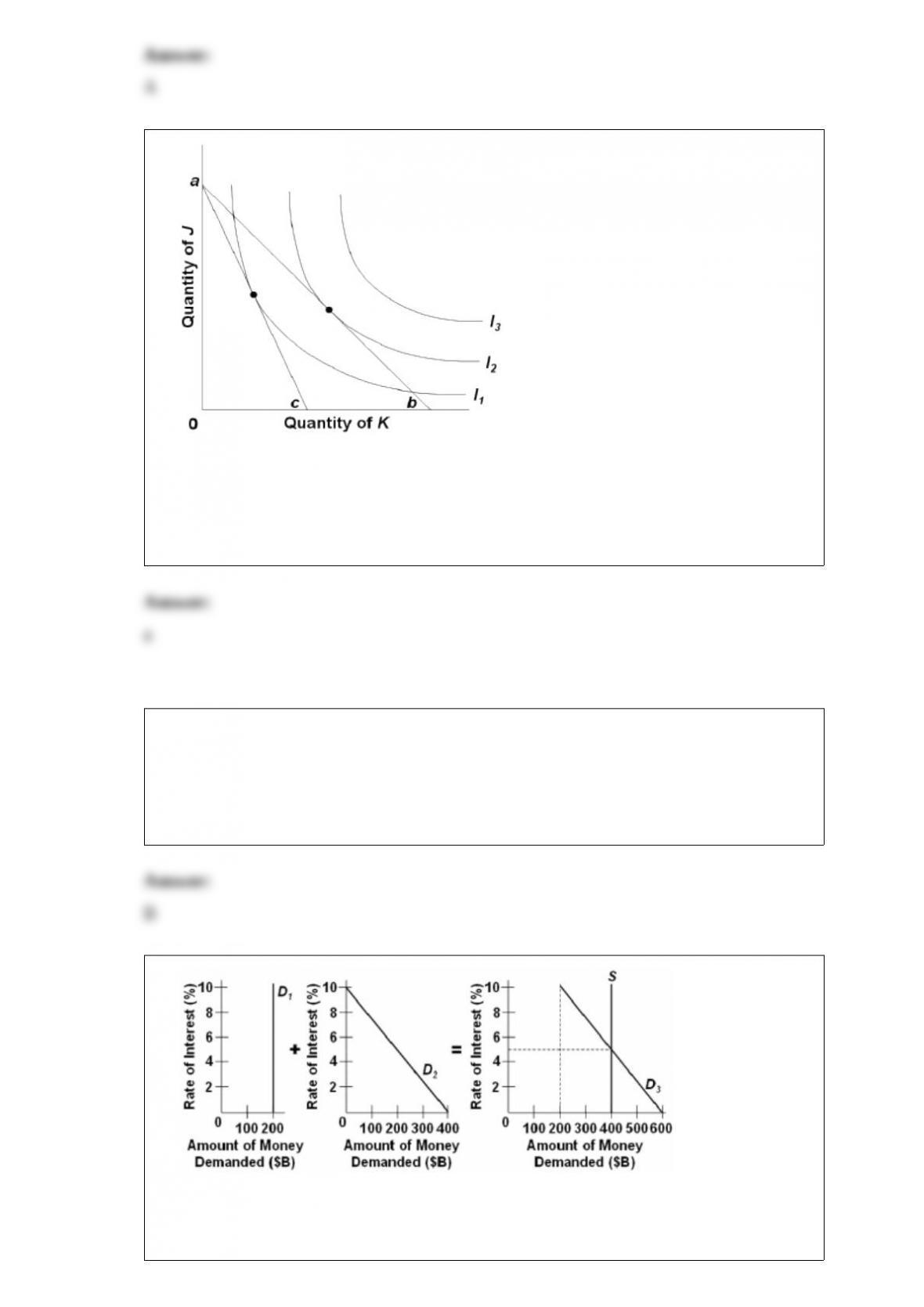
refer to the above diagram. if the budget line shifts from ab to ac the:
a.price of k has increased.
b.consumer’s money income has fallen.
c.price of k has decreased.
d.price of j has increased.
6) The main focus of the Big Mac index is relative:
A.inflation rates among countries.
B.purchasing power of the world’s currencies.
C.real wage rates among countries.
D.income changes among countries.
7)
Refer to the above market for money diagrams. If the interest rate was at 8 percent,
people would:
A.sell bonds, which would cause bond prices to fall and the interest rate to fall.
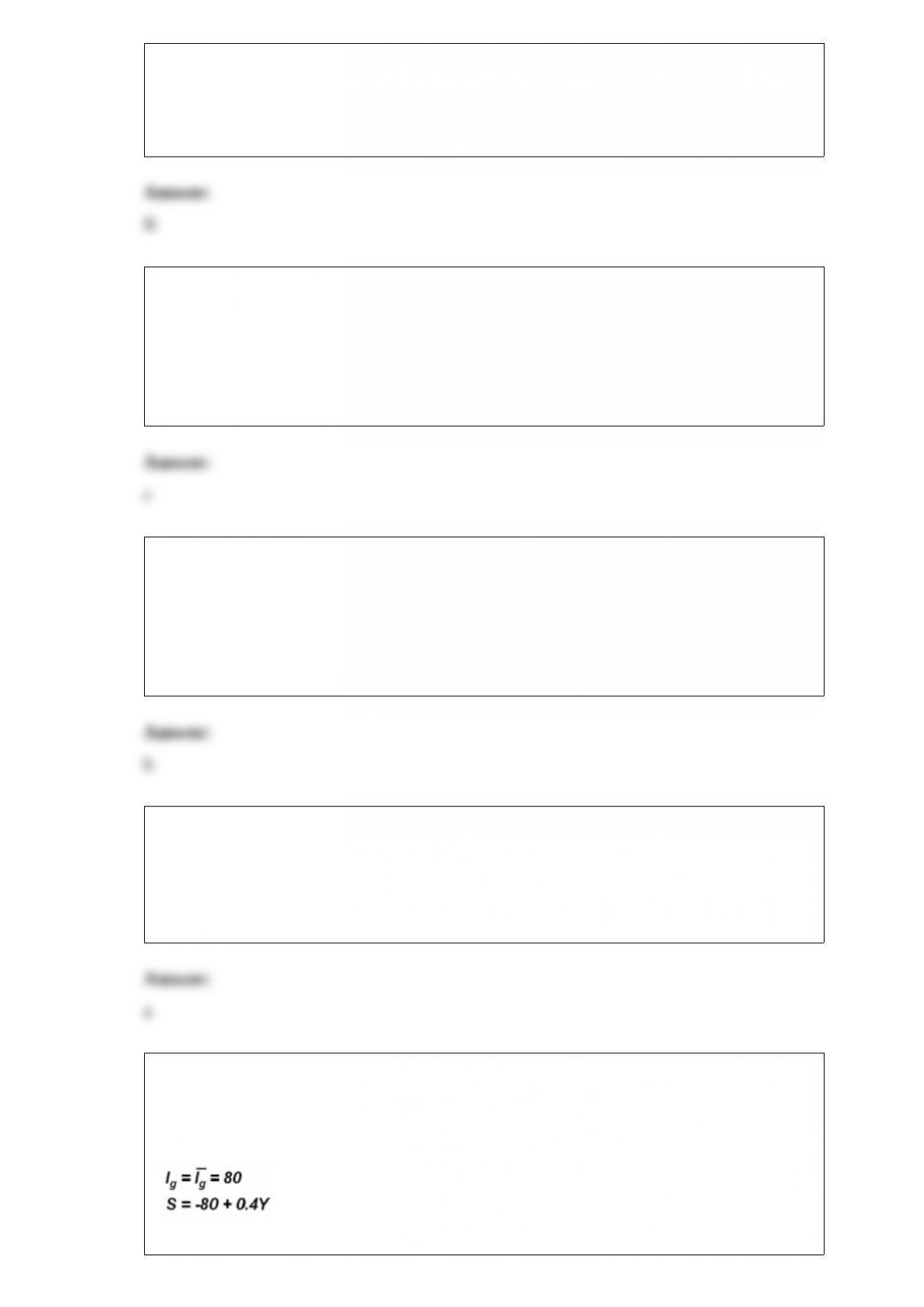
B.buy bonds, which would cause bond prices to rise and the interest rate to fall.
C.have insufficient liquidity, which would cause them to reduce their spending on
consumer goods.
D.buy bonds, which would cause bond prices to fall and the interest rate to rise.
8) which of the following goods will least likely suffer a decline in demand during a
recession?
a.dinner at a nice restaurant
b.ipods
c.toothpaste
d.plasma screen and lcd tvs
9) which of the following will not produce an outward shift of the production
possibilities curve?
a.an upgrading of the quality of a nation’s human resources
b.the reduction of unemployment
c.an increase in the quantity of a society’s labor force
d.the improvement of a society’s technological knowledge
10) marginal costs exist because:
a.the decision to engage in one activity means forgoing some other activity.
b.wants are scarce relative to resources.
c.households and businesses make rational decisions.
d.most decisions do not involve sacrifices or tradeoffs.
11) (Advanced analysis) Answer the next question(s) on the basis of the following
information for a private closed economy, where Ig is gross investment, S is saving, and
Y is gross domestic product (GDP).
Refer to the above information. In equilibrium consumption will be:
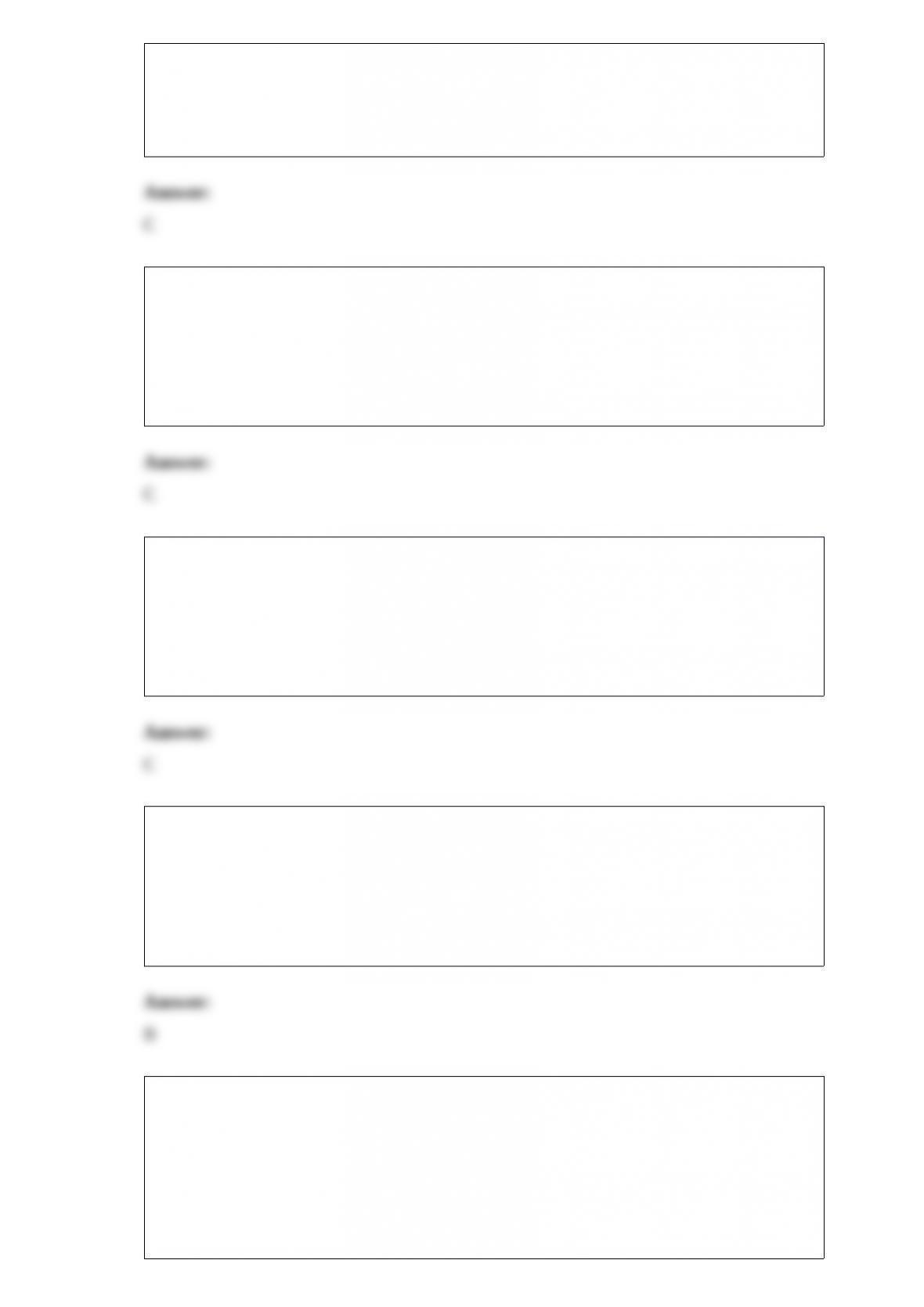
A.$400.
B.$280.
C.$320.
D.$360.
12) The standardized budget tells us:
A.that in a full-employment economy the Federal budget should be in balance.
B.that tax revenues should vary inversely with GDP.
C.what the size of the Federal budget deficit or surplus would be if the economy was at
full employment.
D.the actual budget deficit or surplus realized in any given year.
13) If the nominal wage rises by 4 percent, and the price level rises by 7 percent, the
real wage will:
A.be unaffected.
B.rise by 3 percent.
C.fall by 3 percent.
D.rise by 11 percent.
14) Assume that Japan and South Korea have flexible exchange rates. Other things
equal, if economic growth is more rapid in Japan than in South Korea:
A.gold bullion will flow out of Japan.
B.the Japanese yen will depreciate.
C.the South Korean won will depreciate.
D.the yen and won exchange rate will stay constant.
15) An increase in investment spending caused by higher expected rates of return will:
A.shift the aggregate supply curve to the left.
B.move the economy up along an existing aggregate demand curve.
C.shift the aggregate expenditures curve downward and the aggregate demand curve to
the left.
D.shift the aggregate expenditures curve upward and the aggregate demand curve to the
right.
16) which type of goods is most adversely affected by recessions?
a.goods for which the income elasticity coefficient is relatively low or negative.
b.goods for which the income elasticity coefficient is relatively high and positive.
c.goods for which the cross-price elasticity coefficient is positive.
d.goods for which the cross-price elasticity coefficient is negative.
17) if the coefficient of price elasticity is less than 1 but greater than zero, demand is:
a.perfectly inelastic.
b.perfectly elastic.
c.relatively inelastic.
d.relatively elastic.
18) if a consumer is initially in equilibrium, an increase in money income will:
a.move him to a new equilibrium on a lower indifference curve.
b.make his indifference curves steeper, but will not alter the equilibrium position.
c.have no effect on the equilibrium position because product prices have not changed.
d.move him to a new equilibrium on a higher indifference curve.
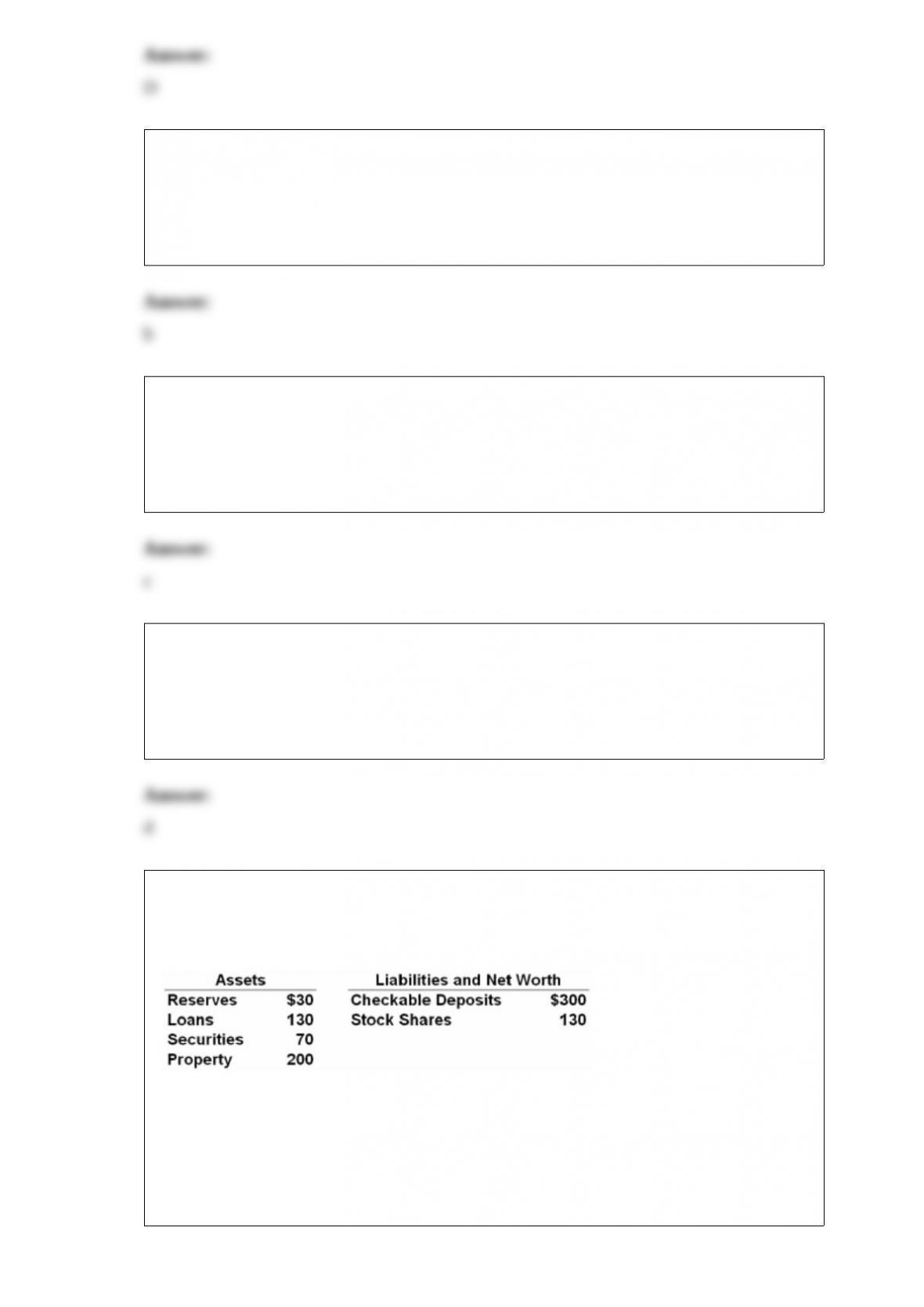
19) The following consolidated balance sheet for the commercial banking system.
Assume the required reserve ratio is 10 percent. All figures are in billions.
Refer to the above data. After a deposit of $10 billion of new currency into a checking
account in the banking system, excess reserves will increase by:
A.$0 billion.
B.$7 billion.
C.$9 billion.
D.$10 billion.