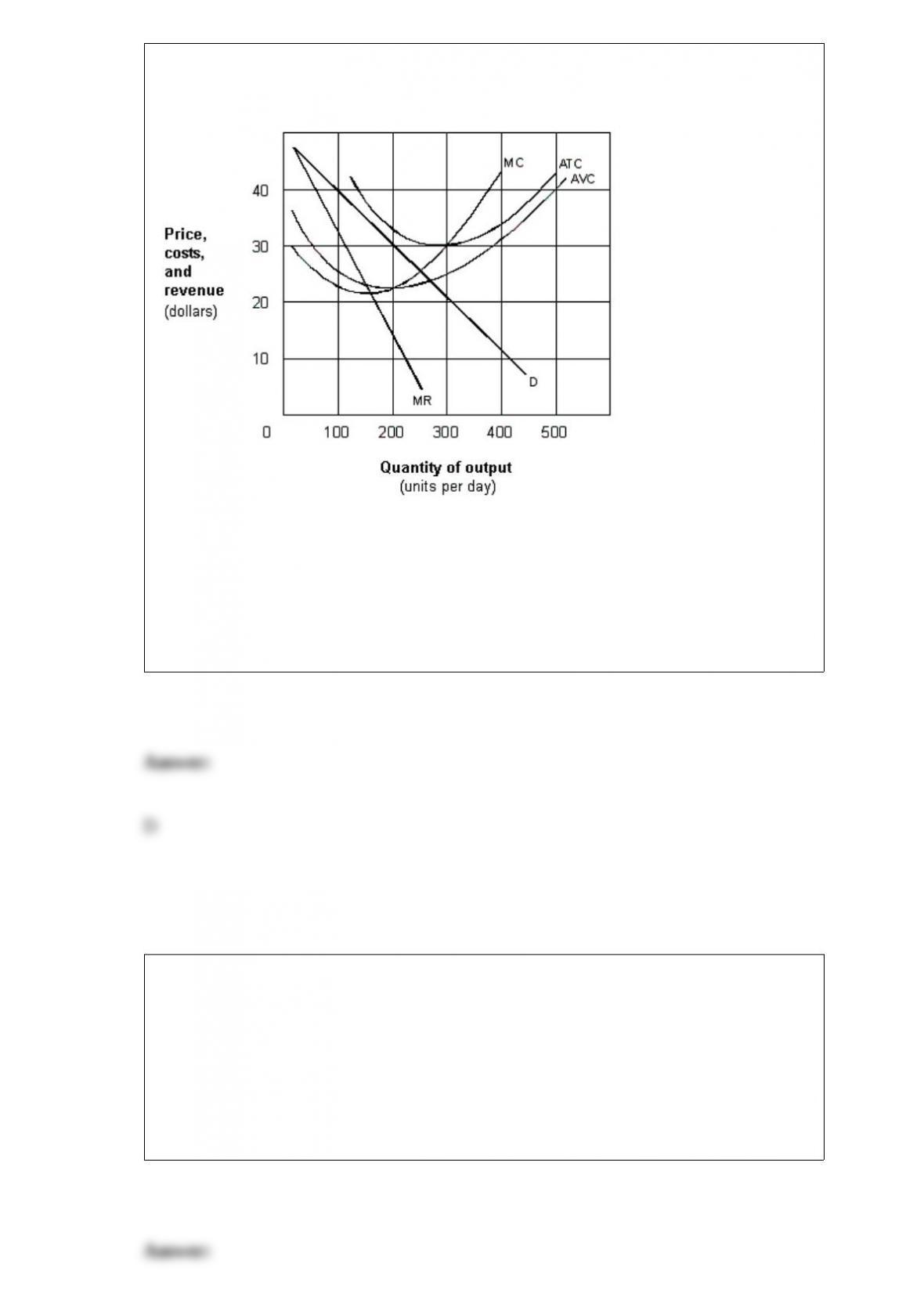
Exhibit 9-10 A monopolist
In Exhibit 9-10, the monopolist would charge which of the following prices to
maximize profit or minimize its loss?
a. $10.
b. $20.
c. $30.
d. $35.
e. $50.
The percentage change in the quantity demanded of film divided by the percentage
change in the price of cameras indicates:
a. the price elasticity of demand for film.
b. the price elasticity of demand for cameras.
c. the price elasticity of supply for film.
d. the price elasticity of supply for cameras.
e. nothing, because the two goods fall into the broadly defined category of photographic
equipment.
In a market, competitive forces guarantee that any price other than the equilibrium price
is:
a. market-clearing. c. temporary.
b. stable. d. unaffordable.
Exhibit 7-10 Short-run cost schedule for book publisher’s hourly production
In Exhibit 7-10, the marginal cost of increasing production from 2 to 3 cases of books
is:
a. $100.
b. $150.
c. $450.
d. $800.
Ersatz Kreme will sell its filling to Hunky Donuts only if Hunky Donuts agrees not to
buy filling from other suppliers. This is an example of:
a. price discrimination. c. a tying contract.
b. exclusive dealing. d. interlocking directorates.
Which of the following is the best example of an investment in human capital?
a. on-the-job training received by an apprentice electrician
b. an increase in the number of hours worked per week by a worker in an unskilled
laboring job
c. the purchase of company stock by a worker
d. payments into a retirement pension plan by a skilled laborer
Which of the following must be true if good X is a normal good and income increases?
a. The demand for X will increase, and thus the price and quantity sold and bought will
decrease.
b. The demand for X will decrease, and thus the price and quantity sold and bought will
decrease.
c. The demand for X will increase, and thus the price and quantity sold and bought will
increase.
d. The demand for X will decrease, and thus the price and quantity sold and bought will
increase.
e. The demand for X will increase, and thus the price and quantity sold and bought will
remain the same.
The demand for a factor of production depends on the:
a. supply of the factor.
b. supply of other factors of production.
c. demand for other factors of production.
d. demand for the products that it helps to produce.
The economic system that has the benefit of cooperation among individuals but suffers
from a lack of individual initiative that leads to greater production describes the:
a. market economy. c. soviet economy.
b. command economy d. traditional economy.
An increase in total revenue results occurs from which of the following?
a. Price decreases when demand is inelastic.
b. Price increases when demand is elastic.
c. Price decreases when demand is elastic.
d. Price increases when demand is unitary elastic.
Total surplus equals:
a. consumer surplus + producer surplus deadweight loss.
b. consumer surplus producer surplus deadweight loss.
c. consumer surplus producer surplus + deadweight loss.
d. consumer surplus + producer surplus.
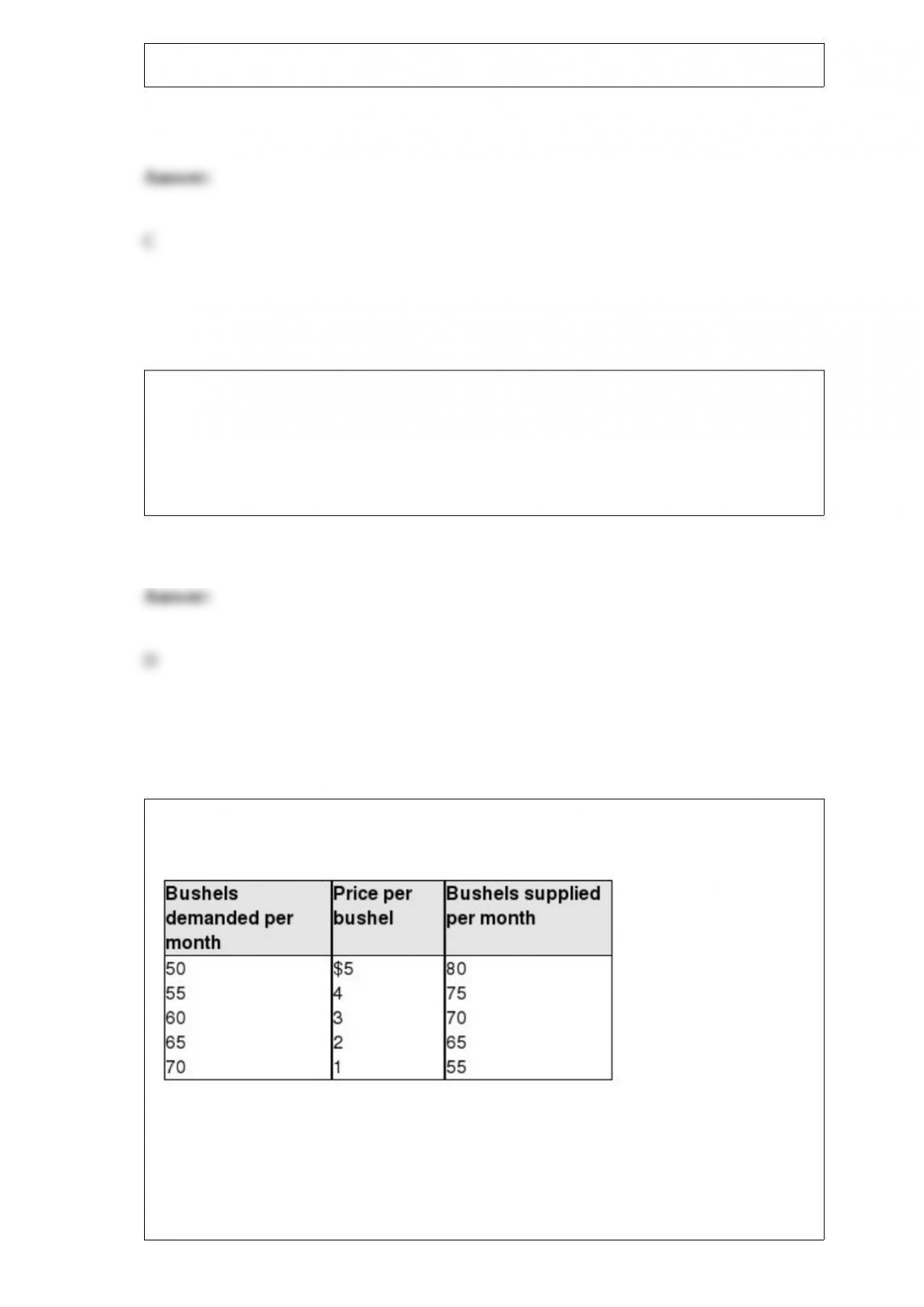
Exhibit 4-10 Supply and demand data for apricots
Which of the following would occur if the government sets a price floor of $4 in the
market shown in Exhibit 4-10?
a. There would be a shortage of apricots.

b. Buyers would not purchase all of the apricots that are grown.
c. Buyers would purchase more apricots than are currently being supplied.
d. Farmers would reduce the number of acres allocated to the growing of apricots.
The sign of the price elasticity coefficient for a normal good will:
a. always be negative.
b. always be positive.
c. be positive if demand is elastic but negative if demand is inelastic.
d. be positive if demand is inelastic but negative if demand is elastic.
Monopoly is a market structure characterized by a:
a. single firm operating as a price taker.
b. few firms operating as price takers.
c. single firm that is not a price taker.
d. none of these.
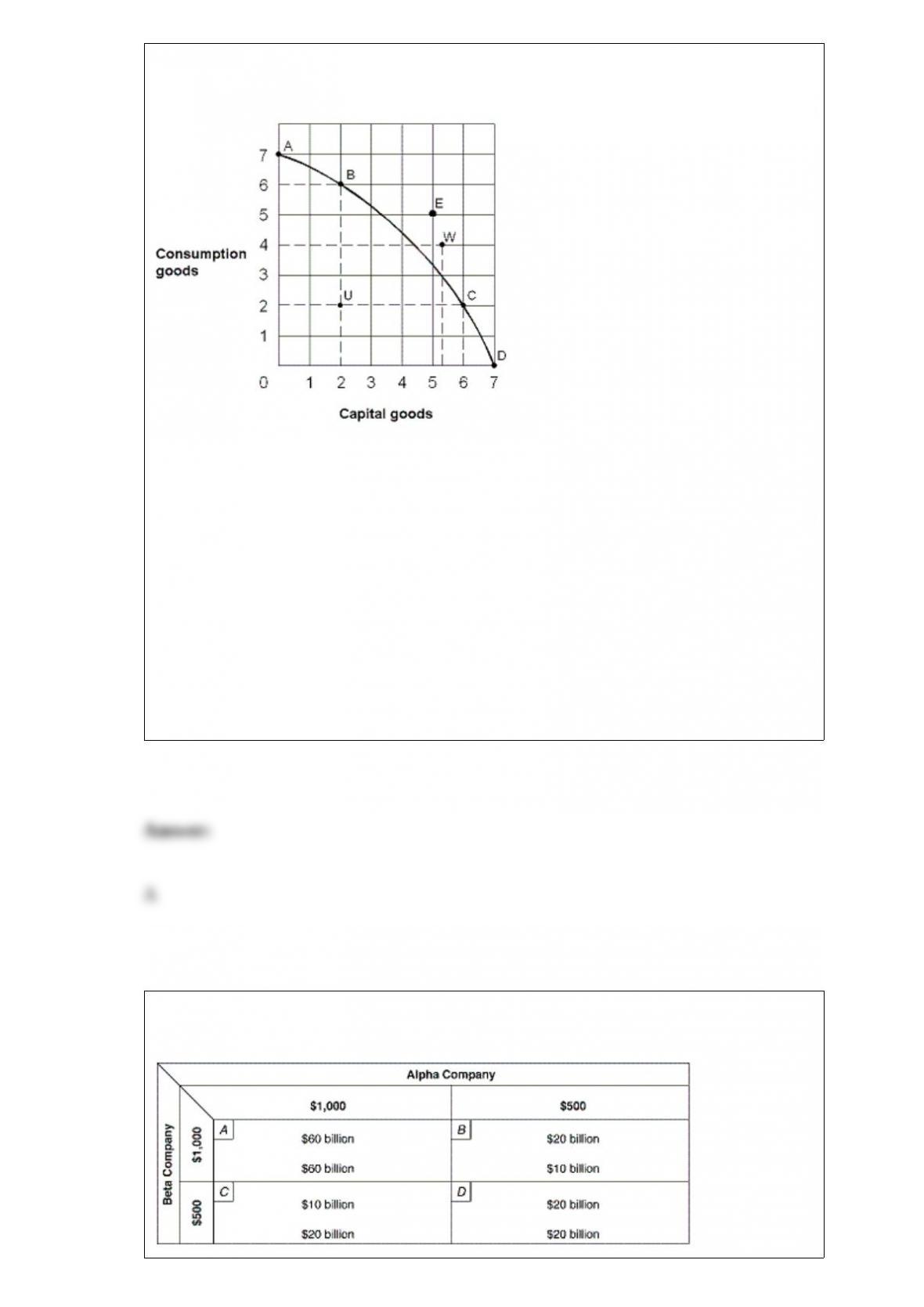
Exhibit 2-16 Production possibilities curve
In Exhibit 2-16, which of the following points on the production possibilities curve are
full-employment production points?
a. A, B, C, D
b. A, B, C, D, U
c. E, U, W
d. B, C, D, U
e. A, B, C, U
Exhibit 10-5 Two-Firm Payoff Matrix
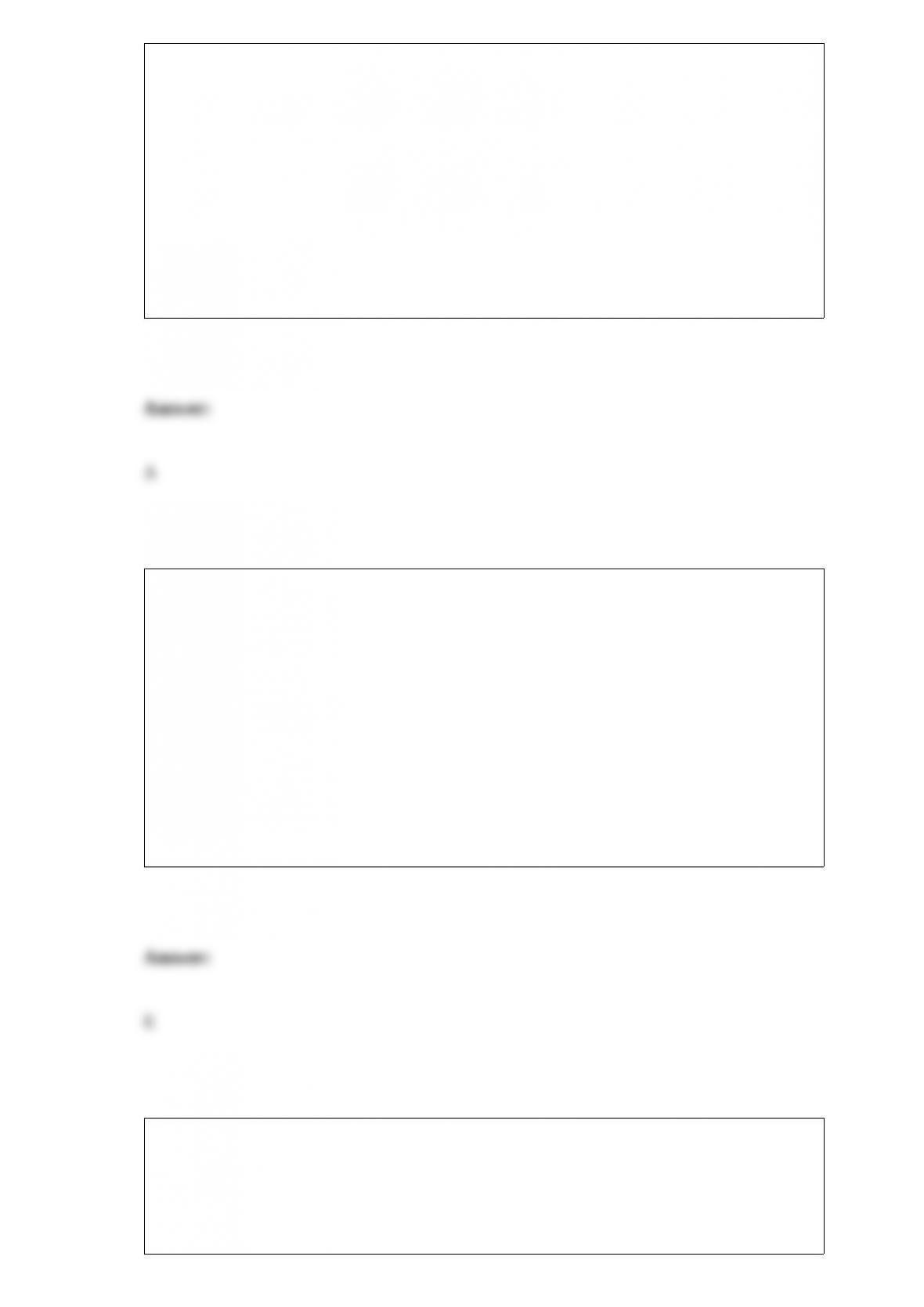
Assume costs are identical for the two firms in Exhibit 10-5. If both firms were allowed
to form a cartel and agree on their prices, equilibrium would be established by:
a. Beta Co. charging $1,000 and Alpha Co. charging $1,000.
b. Beta Co. charging $1,000 and Alpha Co. charging $500.
c. Beta Co. charging $500 and Alpha Co. charging $500.
d. Beta Co. charging $500 and Alpha Co. charging $1,000.
One reason that a poor nation remains poor over time is that even though total national
real GDP grows,
a. c and e.
b. c, d, and e.
c. it is too small to begin with.
d. the growth rate is smaller than the growth rate of industrialized nations.
e. it does not grow faster than population.
If the current market price is above the equilibrium price, then:
a. the quantity demanded exceeds the quantity supplied.
b. there will be a shortage.
c. the quantity supplied will exceed the quantity demanded.
d. the price will have to increase to establish equilibrium.
e. demand will shift to the left.
A monopoly sets a market price that is higher than the marginal cost of production. This
fact implies that a monopoly’s allocation of resources is:
a. unfair.
b. inefficient.
c. discriminatory.
d. excessive.
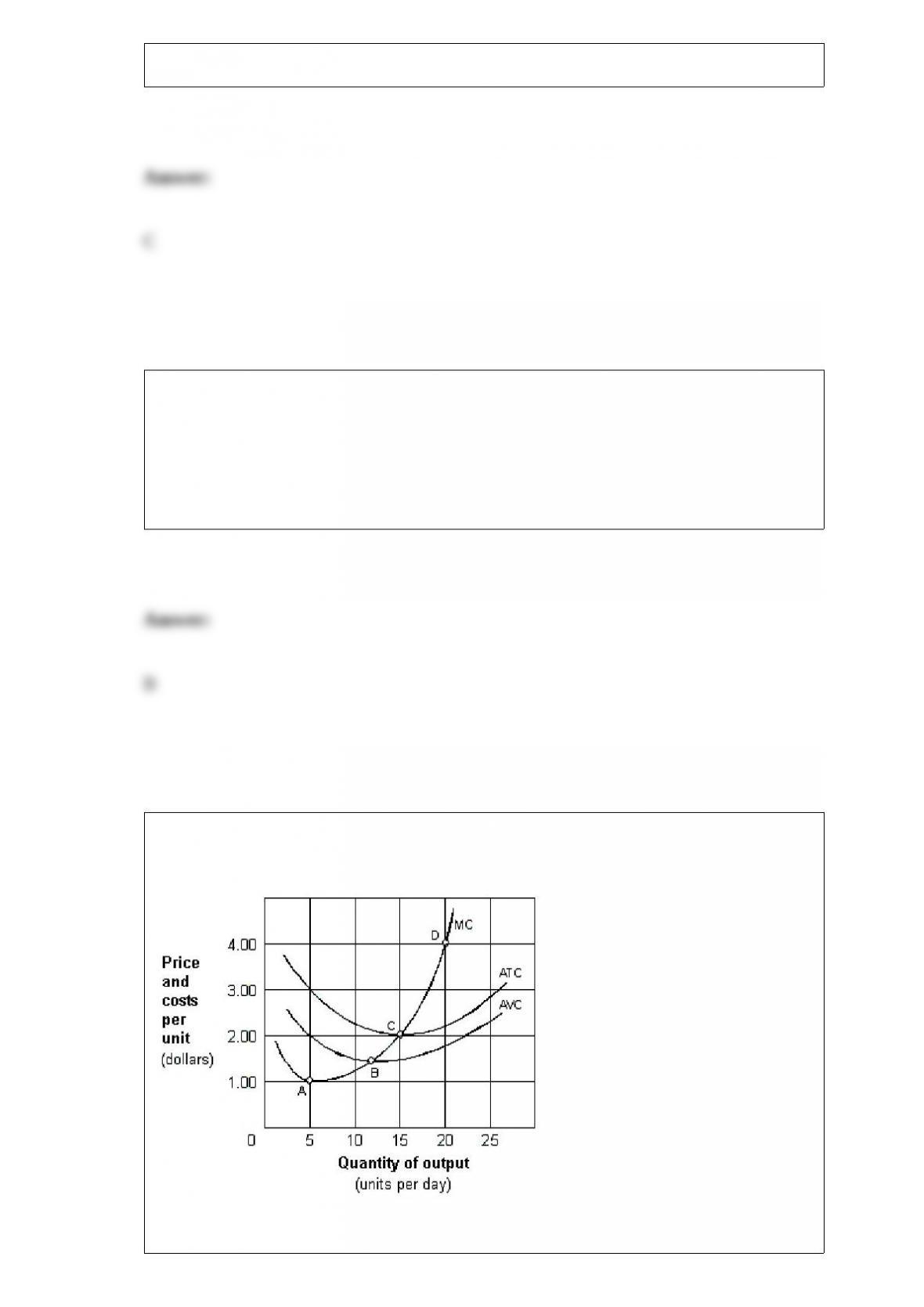
Exhibit 8-3 Cost per unit curves
If the price of the firm’s product in Exhibit 8-3 is $1.50 per unit, which intersects AVC
at point B, the firm should:
a. continue to operate because it is earning a positive economic profit.
b. stay in operation for the time being even though it is making a pure economic loss.
c. shut down temporarily.
d. shut down permanently.
Suppose an economist found that total revenues increase for the bus system when fares
were raised, the conclusion is that the price elasticity demand for subway services over
the range of fare increase is inelastic.
Examples of nonprice competition include advertising and product differentiation.
A traditional system operates based on the self interest of buyers and sellers.

GDP per capita provides a reasonably accurate measurement of a country’s income
distribution.
Total consumer surplus is measured by the total area under the market demand curve
and below the equilibrium price.
Requiring cars in Chicago to reduce pollution by the same amount as cars in Topeka is
efficient.
The law of diminishing marginal utility states that total utility increases by smaller and
smaller increments as more of a good is consumed.
Government involvement has become so prevalent in the U.S. economy that the U.S.
economy is now generally considered to be a socialist economy.
Scarcity means we are unable to have as much as we would like to have.